Need Emergency Fuel Delivery?
  info@elanfuels.com
Key Takeaways
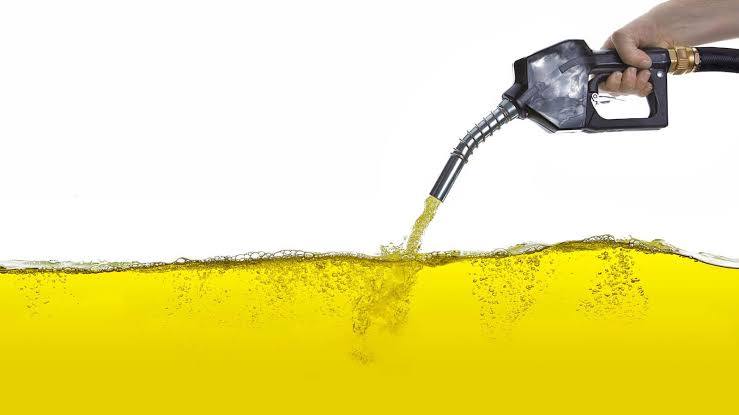
- The typical diesel fuel color is a clear to pale yellow
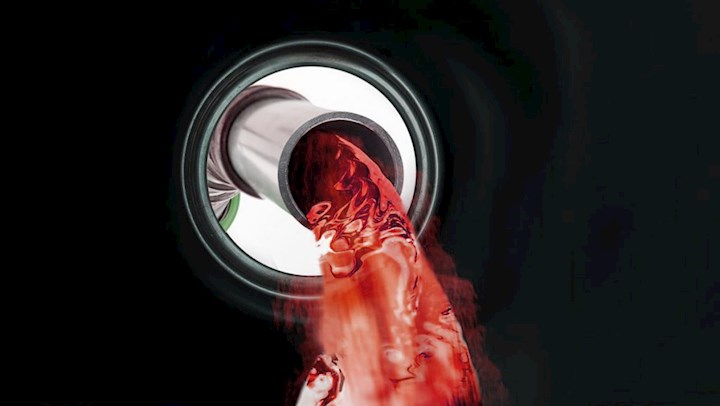
- Dyes mark tax status, when diesel fuel is clear, it is suitable for on-road use, red diesel indicates off-road use.
- What color diesel fuel is can be confirmed by lab tests and the colors often indicate quality and legality.
- Water contamination appears milky, while microbial growth darkens the color of diesel fuel noticeably.
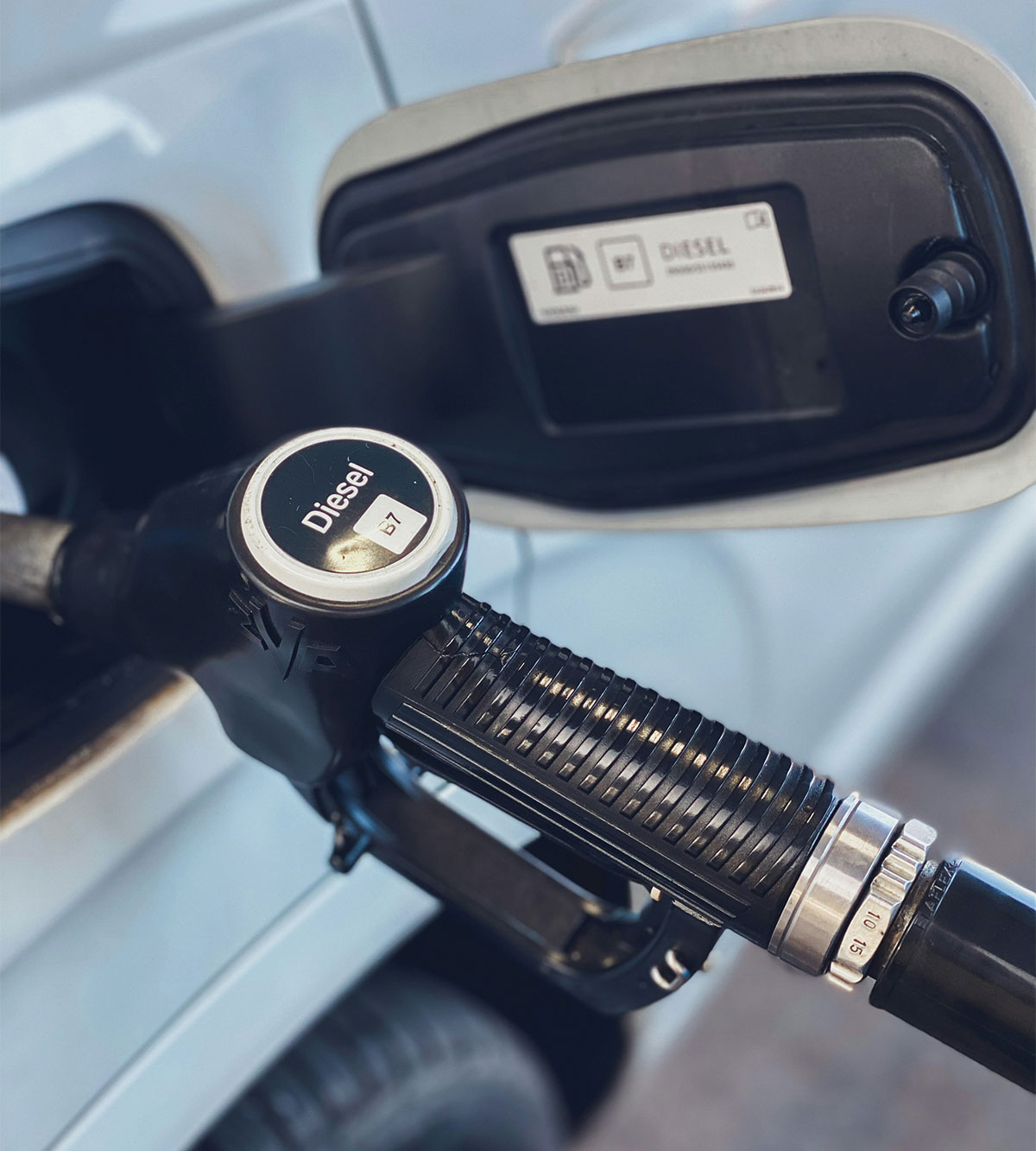
- At pumps, the color of diesel fuel should be clear to pale yellow.
Table of Contents
What Color Is Diesel Fuel?
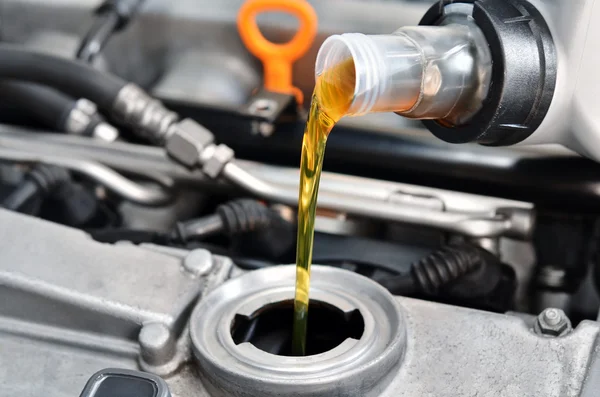
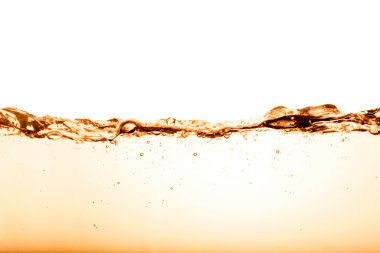
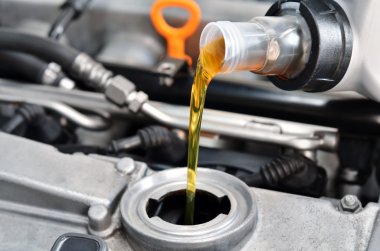
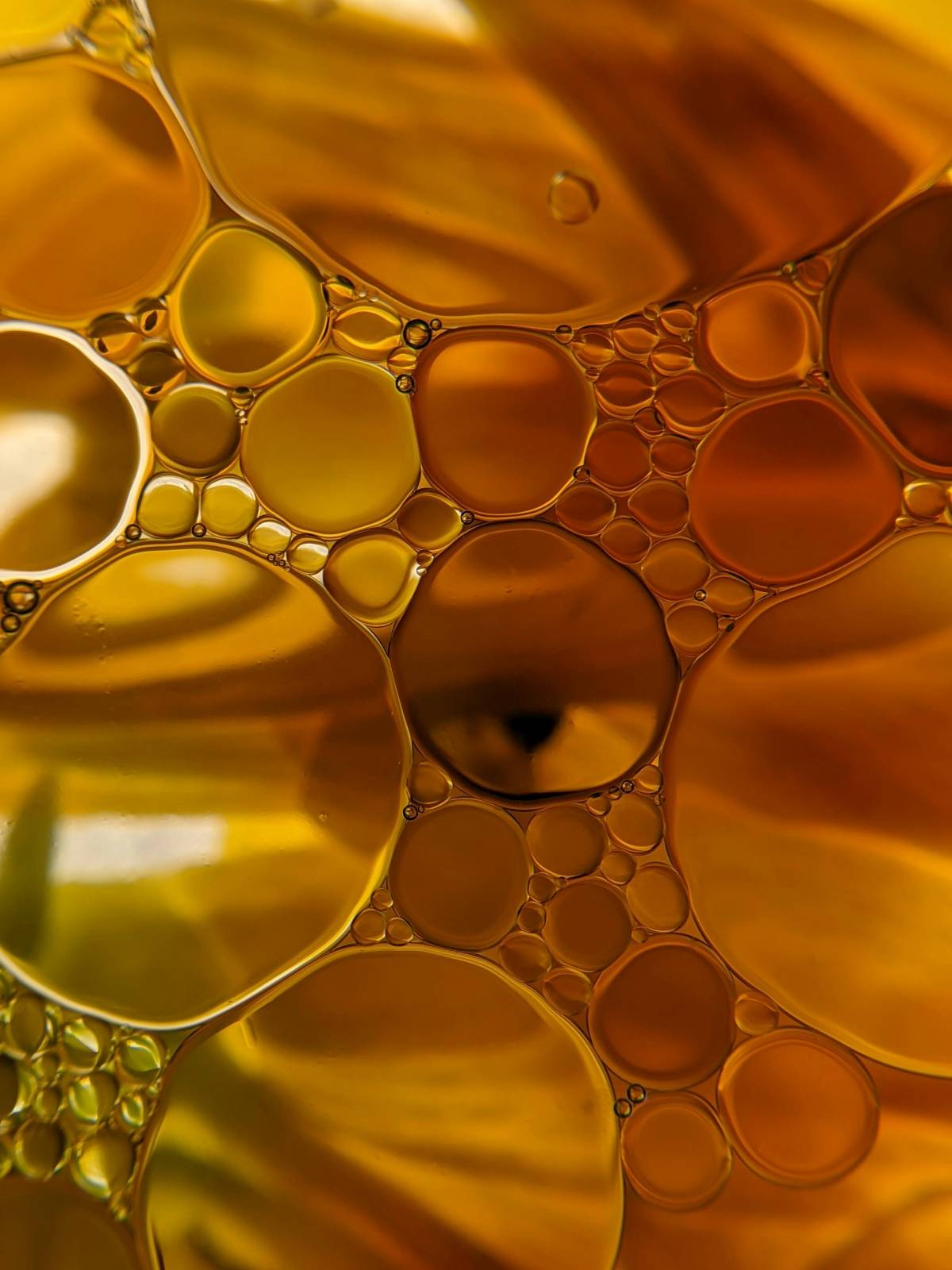
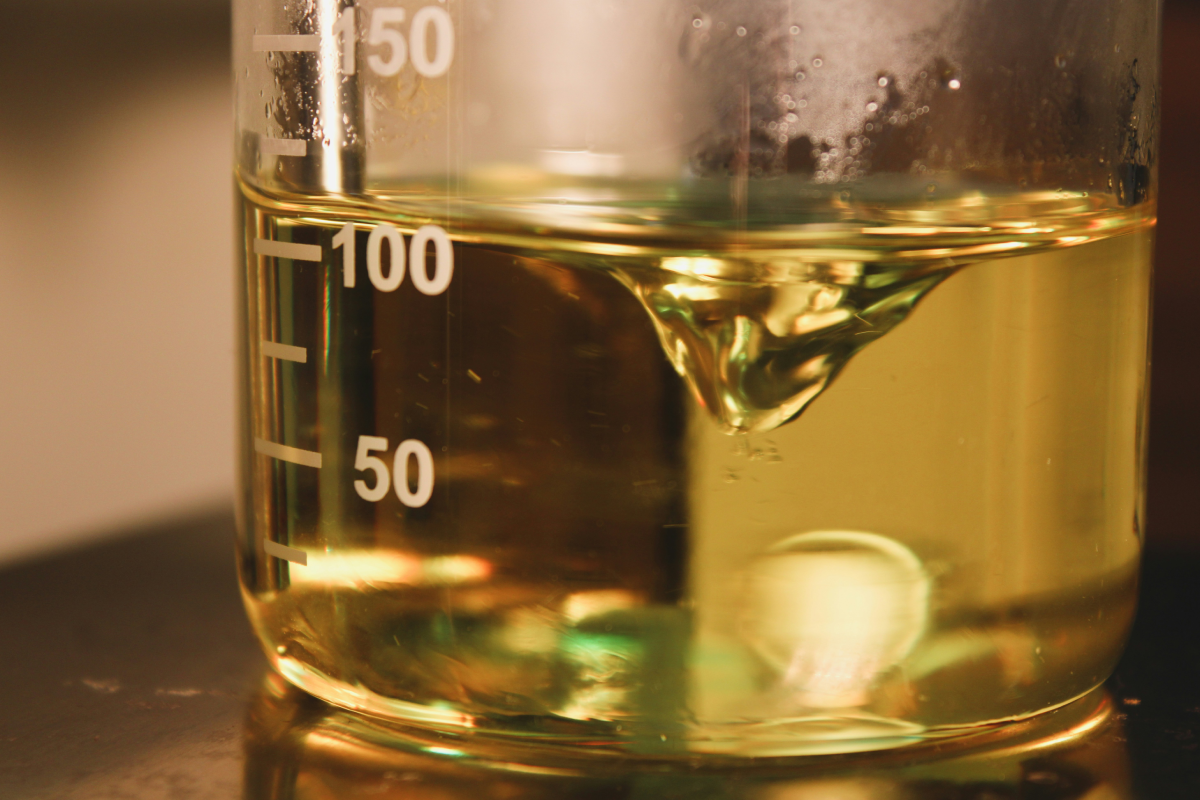
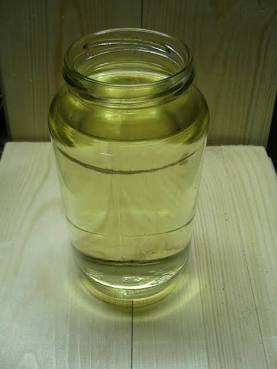
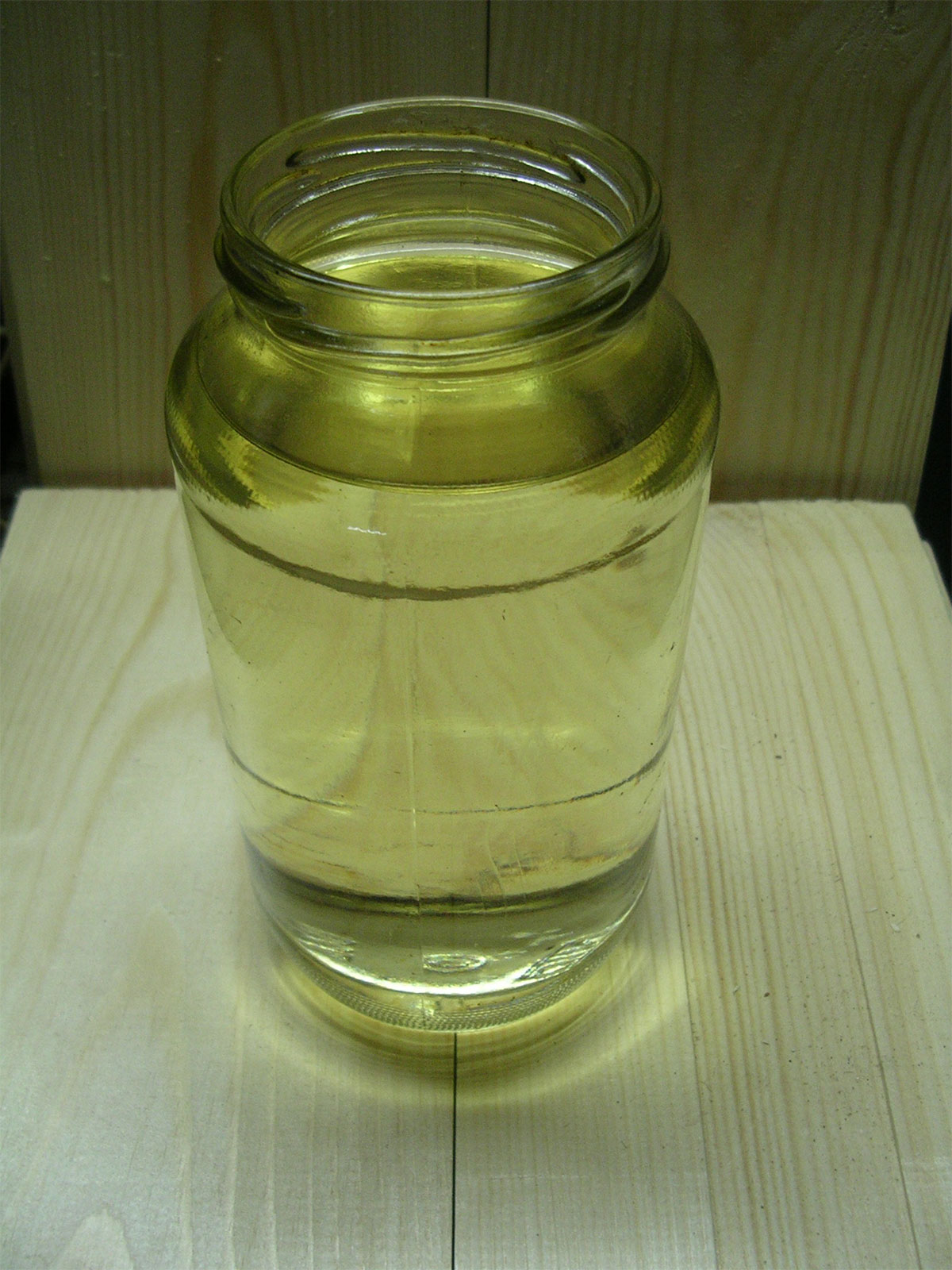
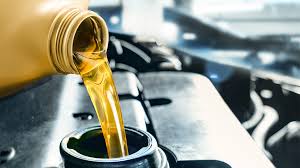
Naturally, what color is diesel fuel? To answer this question is simple, the normal diesel fuel color is clear to pale yellow, it is translucent with a faint oily sheen and it is light.
Several variables can affect the diesel fuel color, for example age and contact with water can oxidize the hydrocarbons in diesel, UV light and heat darkens the tone of diesel, storage materials can have their color affect the color of diesel and also certain additives and cetane improvers. These are not always indicators that diesel is bad but they explain why the color of diesel varies across batches and tanks in differing conditions.
| Factor | Effect on diesel colour | Note |
|---|---|---|
| Oxidation | Gradual darkening towards amber | This happens faster in moist and hot areas |
| UV/Heat exposure | Yellowing and loss of clarity | Store in a cool dark place |
| Storage tank Material | Slight tinting | Residues and coating can leak into fuel |
| Additives/ cetane improvers | Subtle shifts in tone | Normal reaction |
| Trace Water | Cloudiness | Cloudiness indicates contamination |
| Microbial growth | Dark haze and sediment | Very common when water gets into fuel |
| Cross-fuel mixing | Strong odor and color mismatch | Shows deteriorated quality |
Color helps, but the diesel fuel color alone cannot confirm quality or type. It is important to test, read guides, conduct test for microbes, and check for water before concluding on the quality of diesel
Why Is Diesel Fuel Colored?
Diesel is dyed by governments for tax compliance purposes. When diesel is dyed the markers tint the diesel fuel color so inspectors can instantly recognize them and understand their intended use. For example, the diesel used in agriculture, construction, and Heating may appear red because it is intended for off-road use. so when diesel is tinted the colors represents regulatory stitches and make it easier for law enforcement to make sure the regulation is followed
When diesel is fresh and not contaminated the color of diesel fuel is clear or pale yellow this is the normal diesel color. For diesel number 1 or diesel number 2, at the pump they look clear or pale yellow depending on the quality of refining they went through.
In different regions diesel is marked differently so the color of diesel will vary. In some places off road diesel is red while in others off road diesel is green. Roadside dip tests check diesel fuel color for tax compliance. Despite the coloring of diesel fuel the one suitable for use on public roads remains clear or pale yellow unless it has additives or has been tinted due to the colors present in the tanks used to store it.
Is Diesel Gas A Different Color?
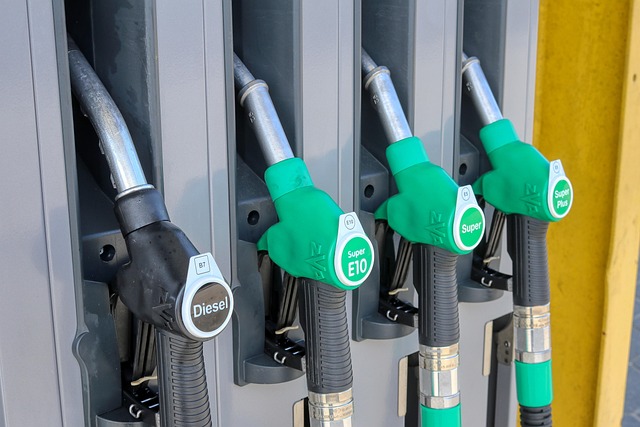
In comparing what color diesel is to what color gasoline is, note that diesel is usually clear to pale yellow while gasoline turns towards a water like color that is transparent. The confusion over diesel gas color and gasoline comes from wording,diesel gas isn’t gasoline. Mixing terms like gasoline diesel fuel at the pump usually blurs categories that can lead to costly mistakes. It is important to always distinguish between which fuel is being pumped.
Confused by diesel colors?
Clear, red, green, or blue? Knowing the difference can save you from fines and downtime. Tell us your use case and we’ll match you with the correct, tax-compliant fuel every time.
What Do The Different Colors Of Diesel Fuel Mean?
Diesel is dyed to demarcate usage and tax compliance. While the normal diesel fuel color ranges between clear to yellow, some diesel dyed varieties exist.
| Color | Meaning and use | Notes |
|---|---|---|
| Clear/pale yellow | This is taxed diesel fuel, suitable for use on public roads | The appearance will only vary with additives or contamination(in which case you shouldn’t use) |
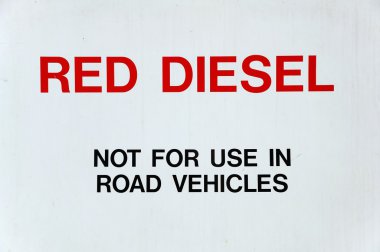
| Red | Dyed to signify off-road status | Used in off-road applications like agriculture, construction, mining and off road heating |
| Blue | Use for special purposes like government fleets | Adhering to different local rules according to jurisdictions |
| Green | Sometimes used in heating, in marine operations and has specific markers for low-sulfur | Regional uses vary. Always check local guides for clarification |
Where Is Blue Diesel Used & Why Is It Rare?
Blue diesel is uncommon because it is regulated and used differently in different jurisdictions like clear or red diesel whose usages are standardized across every region. So when people ask “what color is diesel” the answer is hardly ever “blue”. In the US, certain use cases for blue diesel may apply.
- Certain US government fleets use blue diesel.
- Blue dye is used to mark fuel in designated export enforcement efforts.
- It is sometimes used in special research, training or in testing stock at drop off points.
Diesel which is dyed blue is very rare because blue diesel may complicate their inventory and confuse buyers.
Is Green Diesel Always Safe Or A Sign Of Contamination?
Obtaining a green coloration in diesel can be intentional or accidental. In some regions, diesel is dyed green for specific regulatory purposes, but in some cases, a green coloration of the color of diesel fuel can signal additives reacting with fuel or the presence of microbial colonies.
To differentiate whether the green color observed in diesel is for demarcation or contamination, some tests need to be carried out. You can start with the clear jar test or look for water in the diesel. You can also use shake tests or better still do more sophisticated tests with the necessary test kits. When diesel fuel color stays green with cloudiness or sediment, then the fuel is contaminated. And should be discarded by contacting local hazardous wastes centers. Don’t use it in any machine or engines.
Explaining Clear Diesel Vs Watered-Down Diesel
Clear diesel doesn’t mean the color of diesel is like water. The natural color of diesel ranges from clear to pale yellow. It is translucent and glossy unlike water which is more flowy.
When water mixes with diesel it can lead to the formation of a cloudy or milky emulsion which produces a faulty diesel fluid color. Water usually gets into tanks after condenses due to weather changes. So if you check your diesel and notice a certain cloudiness and you’re not sure what color diesel should be, keep the fuel away and test it before using or discarding it.
Why You Can’t Use Dyed Diesel On The Road?
Diesel fuel is usually dyed to demarcate regulations and tax compliance. So it is forbidden to use some dyed fuel on public roads, for example, red diesel. This is because red diesel is exempt from excise tax paid by users of public roads in regular diesel. So dyes are used to make it easy to catch those that are violating the exemptions.. If you’re caught using dyed fuel on public roads, depending on the situation, you can be liable to fines, vehicle seizure and criminal charges.
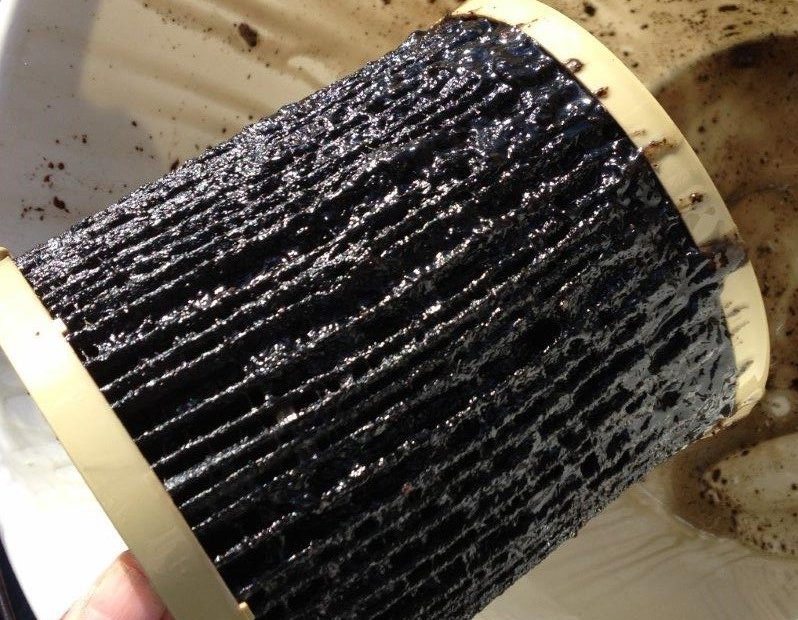
To enforce laws and regulation around the use of dyed fuel, inspectors can conduct tests on the highways such as the tank “dip test” to ascertain the color of the fuel tank as the dyes leave residues on the tanks. They also check fuel filters of vehicles, and carry out chemical spot tests. These tests rarely produce false positives but in such cases users are asked to provide purchase reports. Dye from diesel can stick in a tank or fuel filters for a very long time. So even after a long time, if dyed diesel was used illegally, the color of diesel can still be detected.
Seeing cloudy, milky, or orange diesel in your tank?
That likely signals water, microbes, or rust. Don’t risk injector damage or shutdowns. We’ll run quick tests, polish or replace the fuel, and get you back to spec.
What Are The Key Differences Between Red Diesel And Clear Diesel?
Red diesel and clear diesel are chemically the same but in terms of taxation, they are different. Clear diesel is used on the public roads so it is subject to excise taxes. But red diesel doesn’t have excise tax levied on it and is therefore suitable only for off-road usage.
Clear diesel is more expensive than red diesel due to the taxes that are not levied on red diesel. However, chemically, they are the same. Red diesel is just clear diesel which has been dyed to indicate its tax policy and make it easier to sport in case of abusive use. At Elan Fuels, we can deliver any type of diesel you need, whether you need clear diesel for vehicles that will travel on public roads or red diesel to use in construction, agriculture mining or heating purposes off road, we have you covered
Where Can You Find Dyed Diesel Fuel?
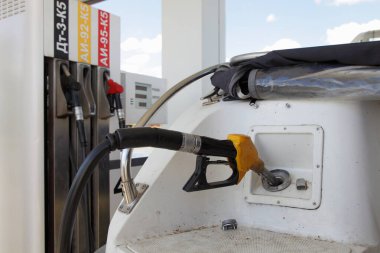
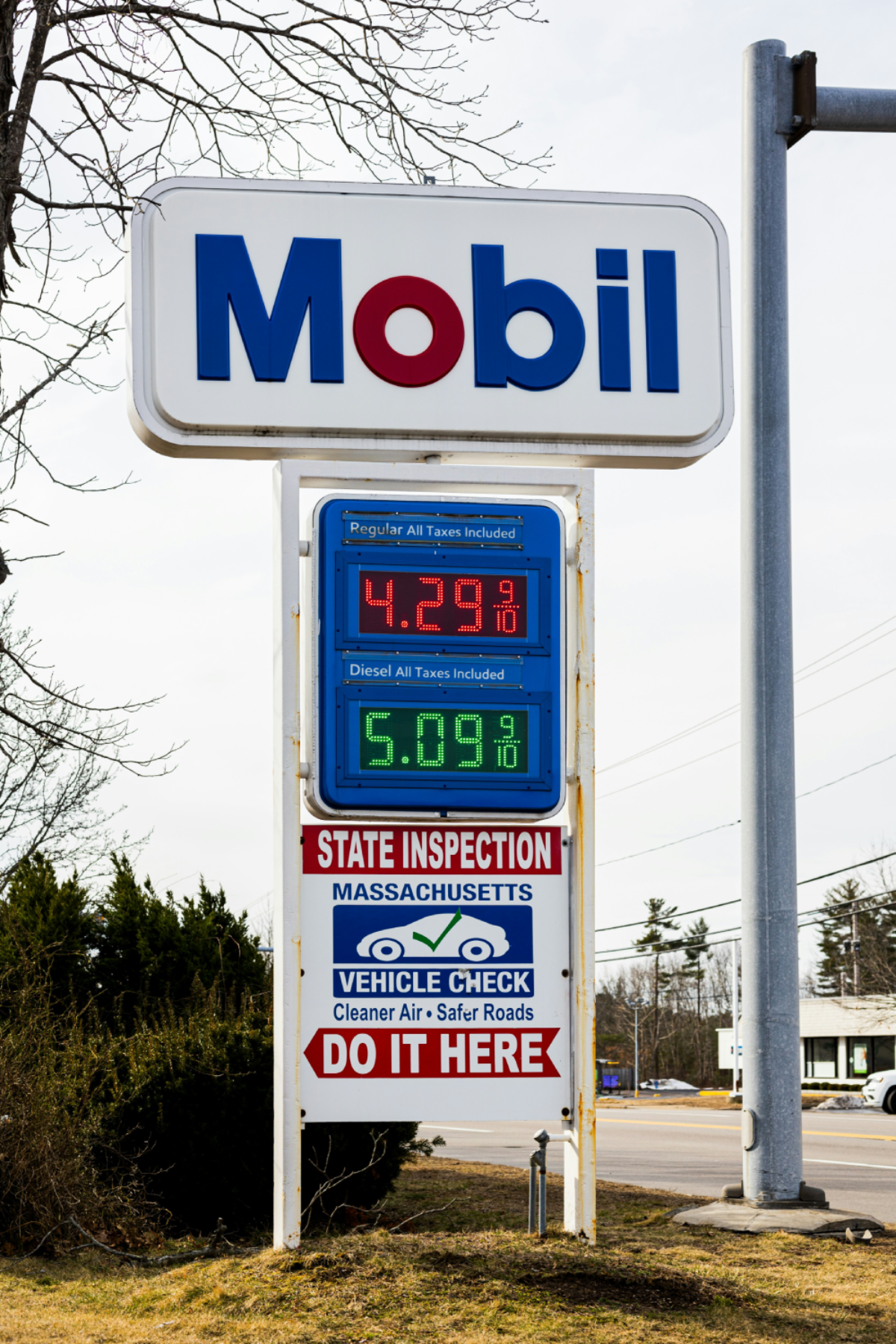
Dyed diesel is commonly supplied through bulk distributors serving farms, construction sites, and heating-oil vendors. It is rarely found at retail pumps. You’ll also find it in on-site tanks at depots. Distribution is licensed and tracked to prevent misuse, invoices flag dye status, delivery records are audited, and roadside dip tests are done to enforce compliance. While the diesel fuel color for roads is clear, dyed stock appears red or sometimes green, signaling off-road taxation, not performance. Always confirm diesel fuel color before purchase.
What Is The Color Of Contaminated Diesel?
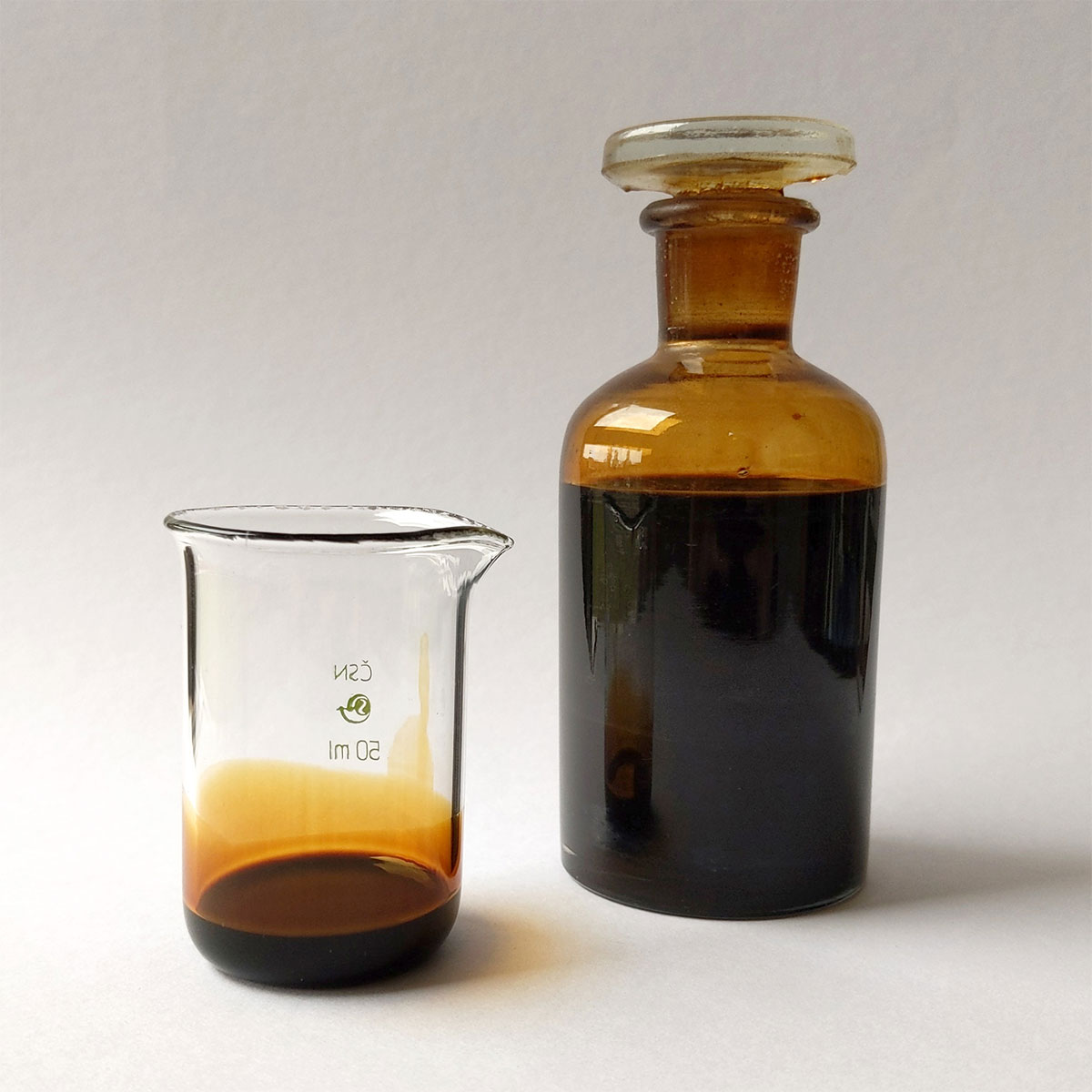
Contaminated diesel is often different from the normal diesel fuel color which is clear to pale yellow. When contaminated by water, it creates cloudiness, a milky emulsion, or a distinct layer, microbes add a dark haze, or sludge, rust and sediment leave brown particulates. If you’re asking what color is diesel fuel, these signs mean the color of diesel fuel isn’t right. Unsafe diesel fuel also has a sour odor. If you run your engine on bad fuel you risk injector wear, filter clogging, combustion issues, corrosion, and downtime. So if you notice that the color of diesel fuel is off, don’t use it and test immediately to be sure.
What Is The Color Of Old Diesel Fuel?
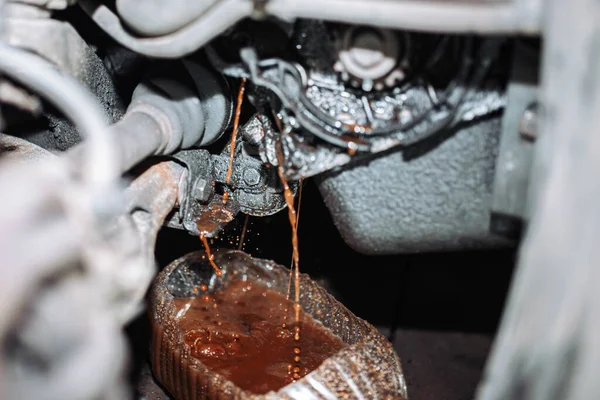
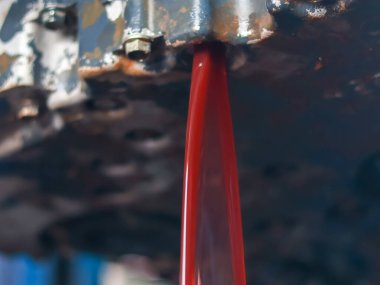
Over time, oxidation darkens diesel fuel color from the normal diesel fuel color toward amber or brown. The color of diesel fuel may also turn hazy as gums and peroxides form
- Injector and pump wear from acids and gums leading to poor lubrication
- Filters will get l clogged from particulates and polymerized residues
- Microbial growth due to water contamination leads to sludge and corrosion
- Cetane loss leads to hard starts, rough idle and higher emissions
Need clear (on-road) or dyed (off-road) diesel delivered?
We provide documented dye status, audit-ready invoices, and guidance on storage cans and labeling so you stay compliant and safe.
Why Is My Diesel Fuel Orange?
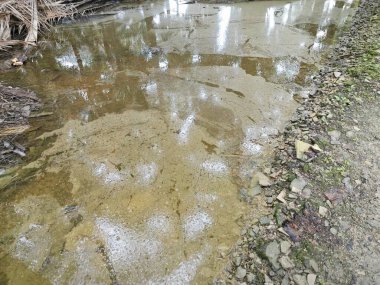
An orange diesel fuel color typically signals rust (iron oxide) from corroding tanks, aging steel lines, or flaking tank liners; it could sometimes mean dye carryover or heavy oxidation, but this is rare. If the color of diesel fuel looks orange instead of the normal diesel fuel color which is clear–pale yellow, you shouldn’t use it. Perform a clear-jar check for sediment, draw a bottom sample, test for water, and inspect filters. If particles persist, drain/clean the tank, replace filters, polish the fuel, and verify what color the diesel should be before running.
What Color Should A Diesel Fuel Can Be?
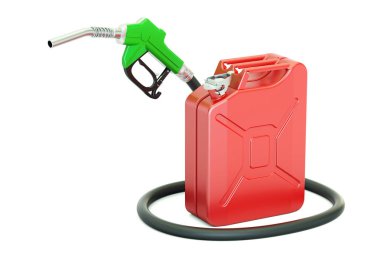
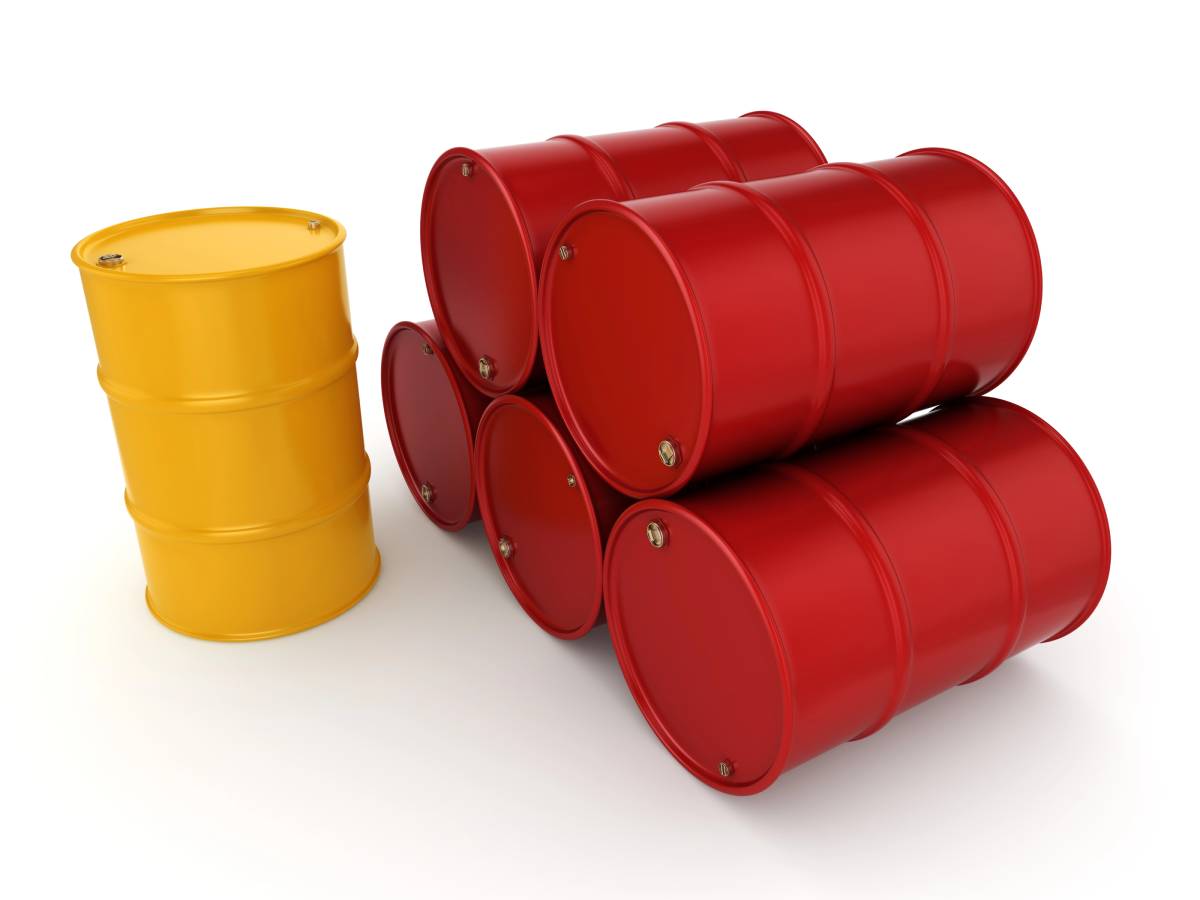
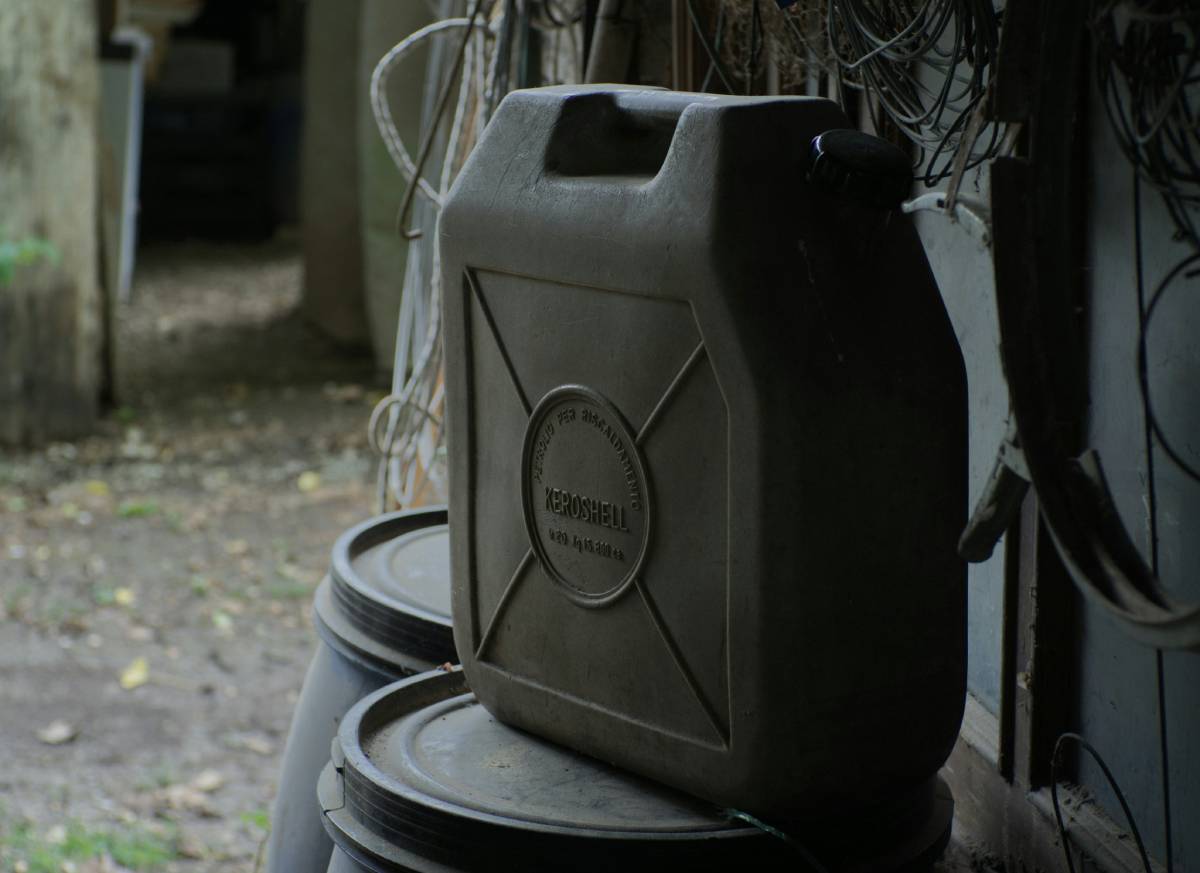
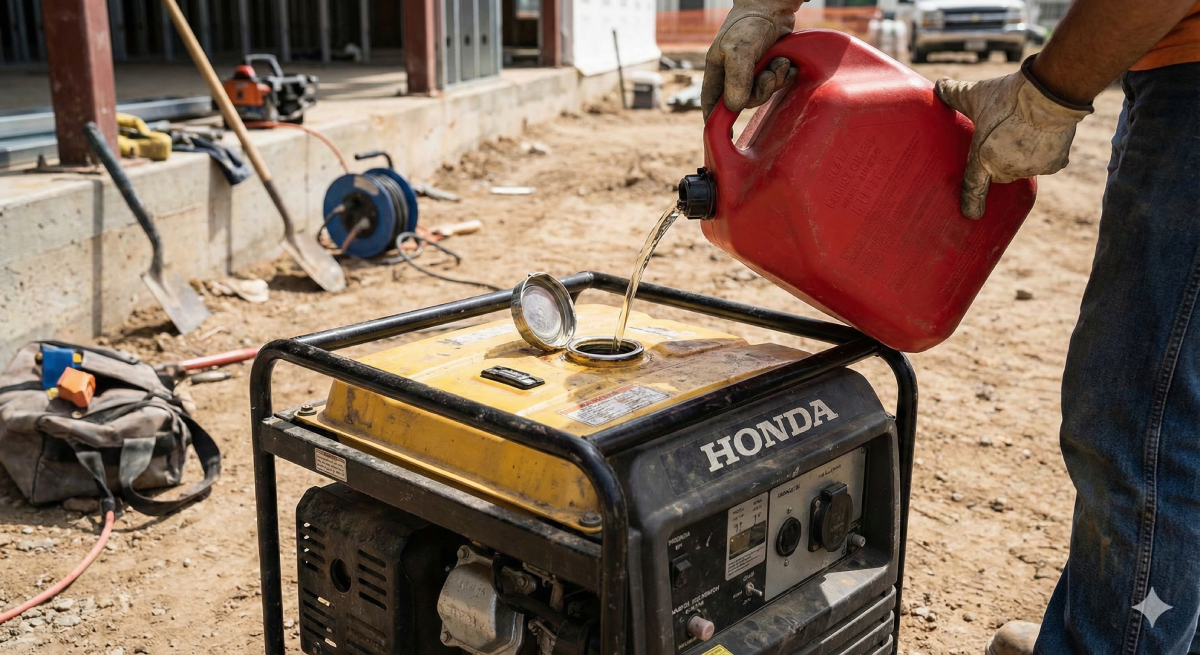
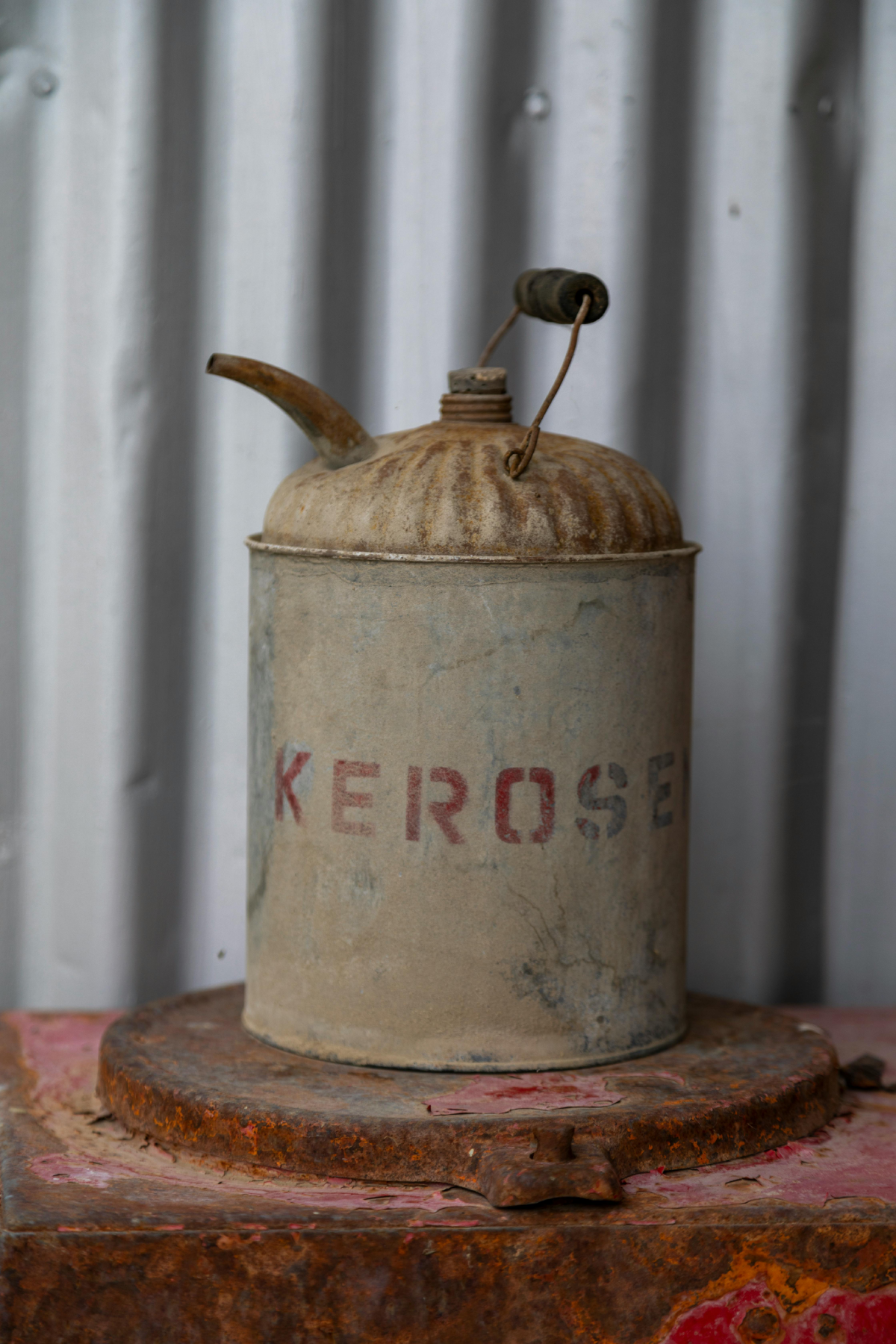
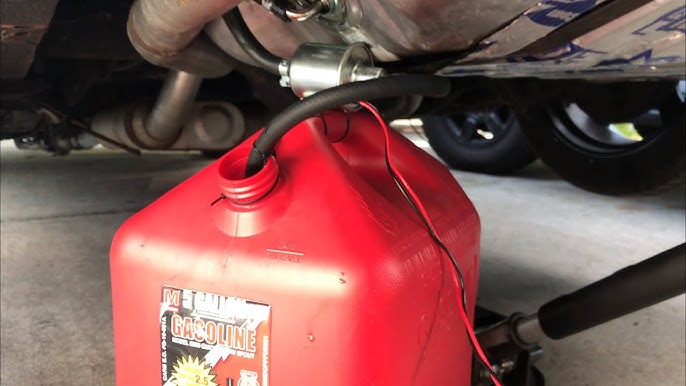
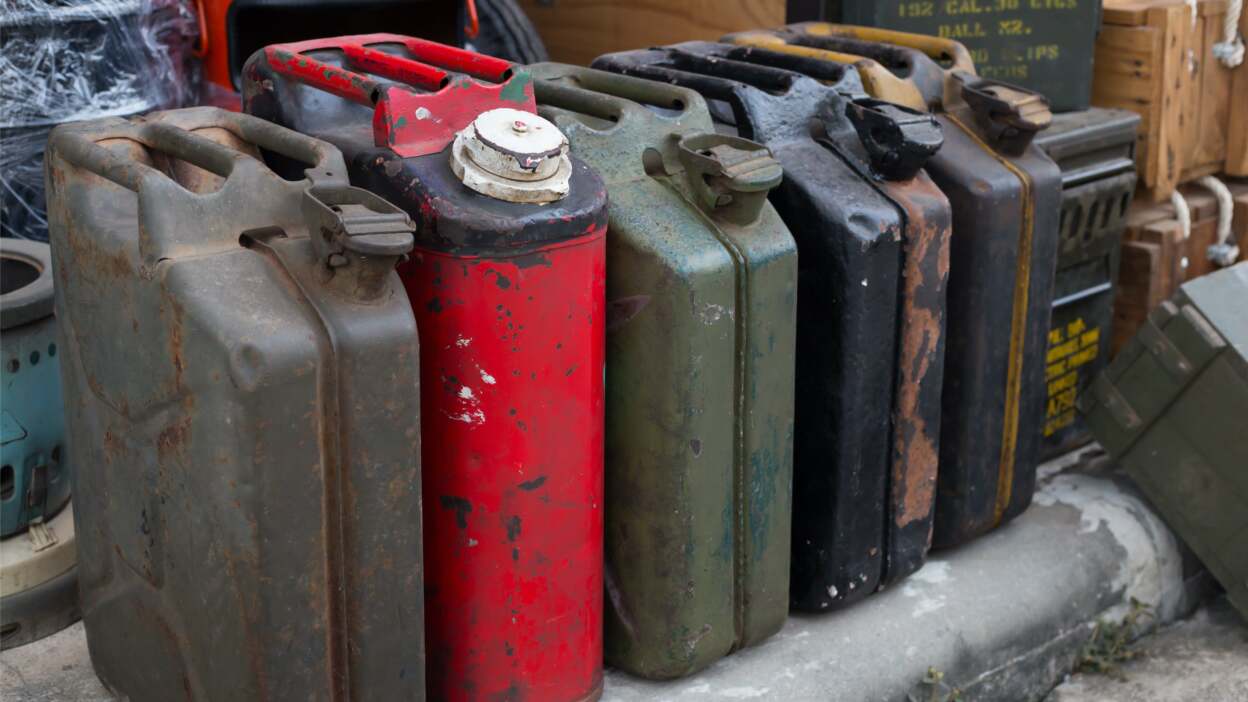
In common safety color-coding, diesel is stored in yellow cans while gasoline is stored in red cans, kerosene in blue cans and oils in green cans. This convention helps prevent mix-ups at worksites and homes.
Legally, OSHA and DOT focus on using approved, labeled safety cans, spring-closing lids, flame arresters, and proper markings more than a mandated color. Most workplaces still standardize on yellow for diesel.
When storing diesel make sure containers meet OSHA 1910.106 and NFPA requirements and are clearly labeled “Diesel,” not red (gasoline). This aligns with what color should diesel be stored in, for safety.
What Color Is #2 Diesel Fuel?
#2 diesel is the standard on-road grade for warm and moderate seasons. Visually, the normal diesel fuel color is clear to pale yellow, that answers what color diesel fuel is for #2 in most pumps.
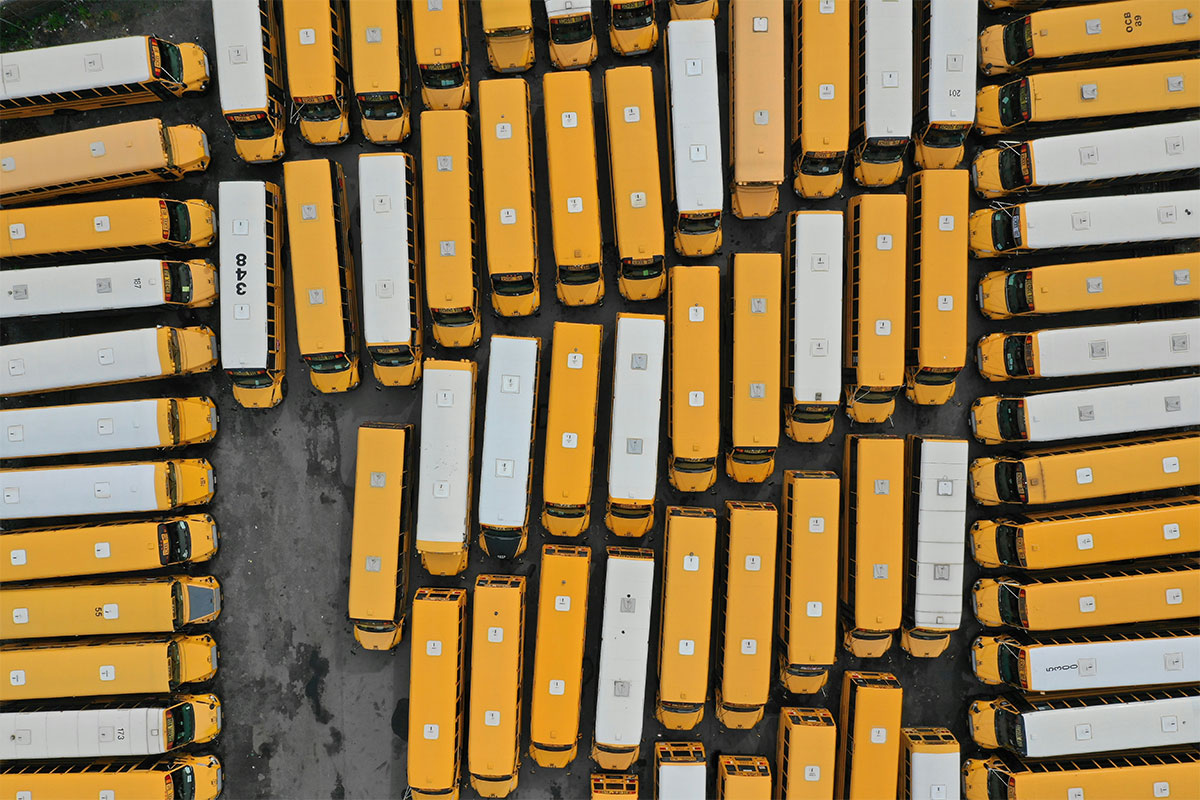
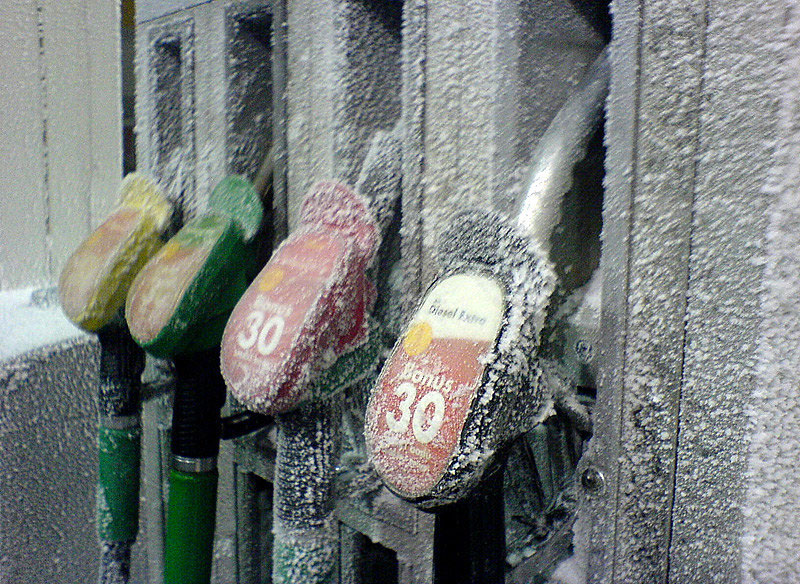
Compared with #1 diesel (kerosene-like), #2 appears slightly more yellow and oily due to higher density and aromatics. It is used in trucks, buses, generators, and marine equipment. In winter, operators often blend #2 with #1 to reduce gelling while maintaining energy content and lubricity and reliability.