Need Emergency Fuel Delivery?
  info@elanfuels.com
Key Takeaways
- Diesel is usually classed as a combustible liquid while gasoline is a flammable liquid in many safety standards.
- Gasoline ignites easily from small sparks at normal temperatures while diesel usually needs higher temperatures or fine mist.
- A brief open spark in cool air rarely lights diesel although pressurised spray or hot surfaces can ignite it.
- Spilled diesel evaporates slowly so it can remain a fire and pollution risk for longer than gasoline.
- Class B foam, dry chemical or carbon dioxide extinguishers are preferred for diesel fires while water can spread burning fuel.
Table of Contents
Is Diesel Flammable?
Scientifically, flammable liquids have low flash points, while combustible liquids have higher ones. Diesel’s flash point is much higher than gasoline’s, leading many regulations to classify diesel as combustible, not flammable. However, in common language, people still ask “is diesel flammable,” and safety sheets often label it as such for hazard awareness. For practical handling, diesel should be treated as an ignitable, highly flammable fuel. The core difference in diesel vs gasoline flammability is the ease with which each fuel creates vapor that can ignite at normal temperatures.
Is Diesel Flammable Like Gasoline?
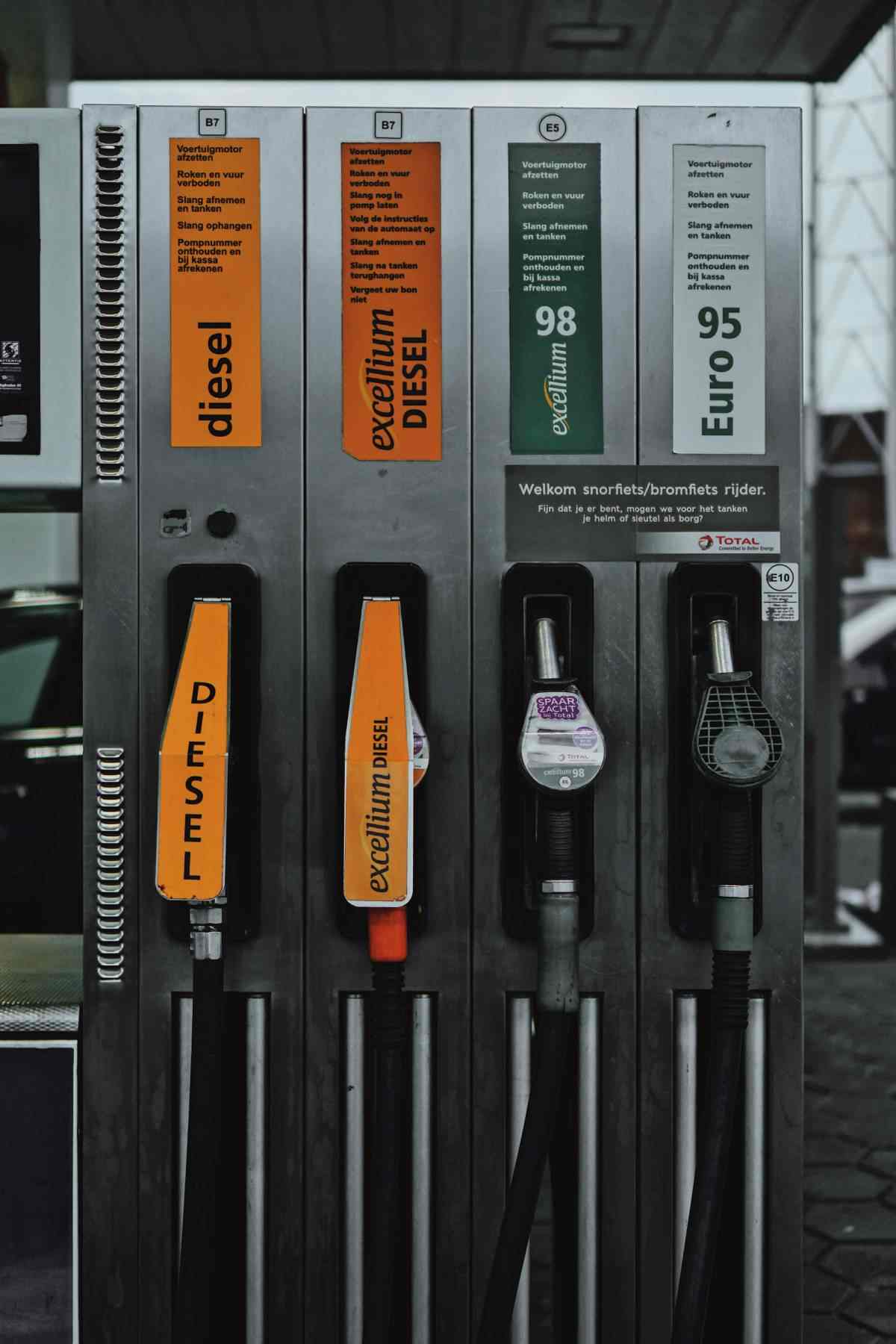
Drivers and technicians often ask “is diesel flammable like gasoline”. Gasoline is more flammable due to its very low flash point. At room temperature it already gives off plenty of vapour that can ignite from a small spark. As for diesel it forms vapor more slowly and usually needs extra heating or a strong ignition source before burning.
As a result gasoline vs diesel flammability looks very different in a garage or workshop. Gasoline vapour can ignite quickly from static sparks, pilot lights or tools. Diesel in a calm pool may warm without burning until a stronger heat source appears. Once ignited both fuels can feed intense fires so both need careful control.
Worried Diesel Will Ignite From A Simple Spark?
Diesel does not behave like gasoline, but the wrong assumptions can still cause fires. Learn when diesel really lights, what “flash point” means, and how to reduce ignition risks in workshops and storage areas.
Will Diesel Ignite With A Spark?
It is vapour that burns rather than the liquid itself. A small open spark above a cool pool of diesel often dies out without lighting the fuel. The vapour concentration above typical diesel at room temperature is often below the lower flammable limit.
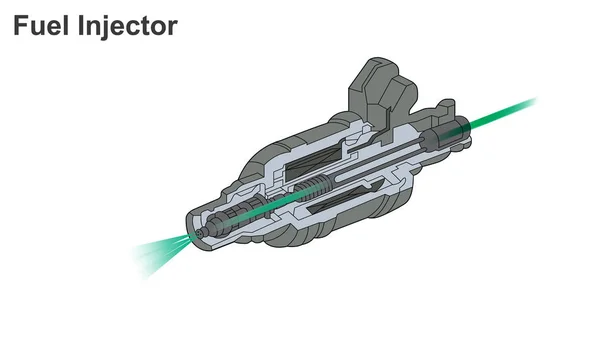
Inside engines the picture changes. A gasoline engine uses spark plugs with fuel vapour ready to ignite. A diesel engine works with compression ignition instead. The air in the cylinder is compressed until it becomes very hot, then diesel is injected and auto ignition occurs. This design uses diesel vs gas flammability to avoid the need for spark plugs while still giving reliable combustion.
What Is Diesel?
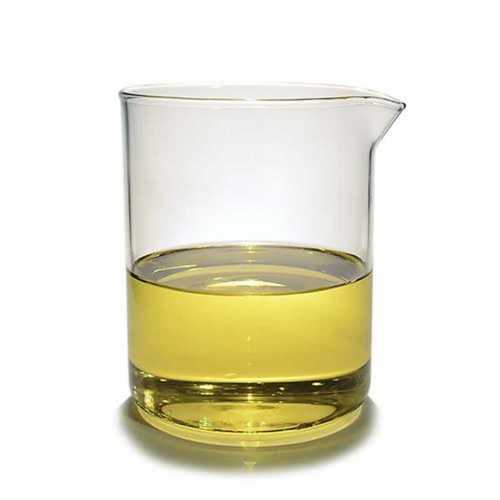
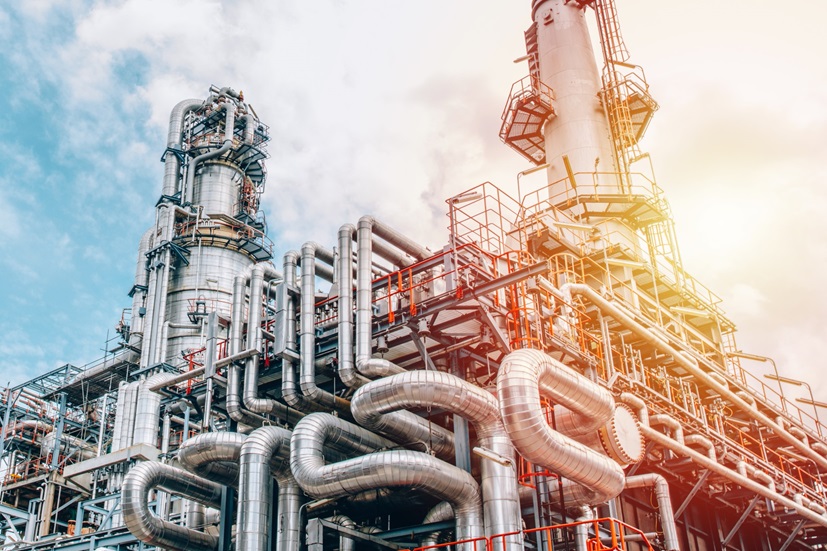
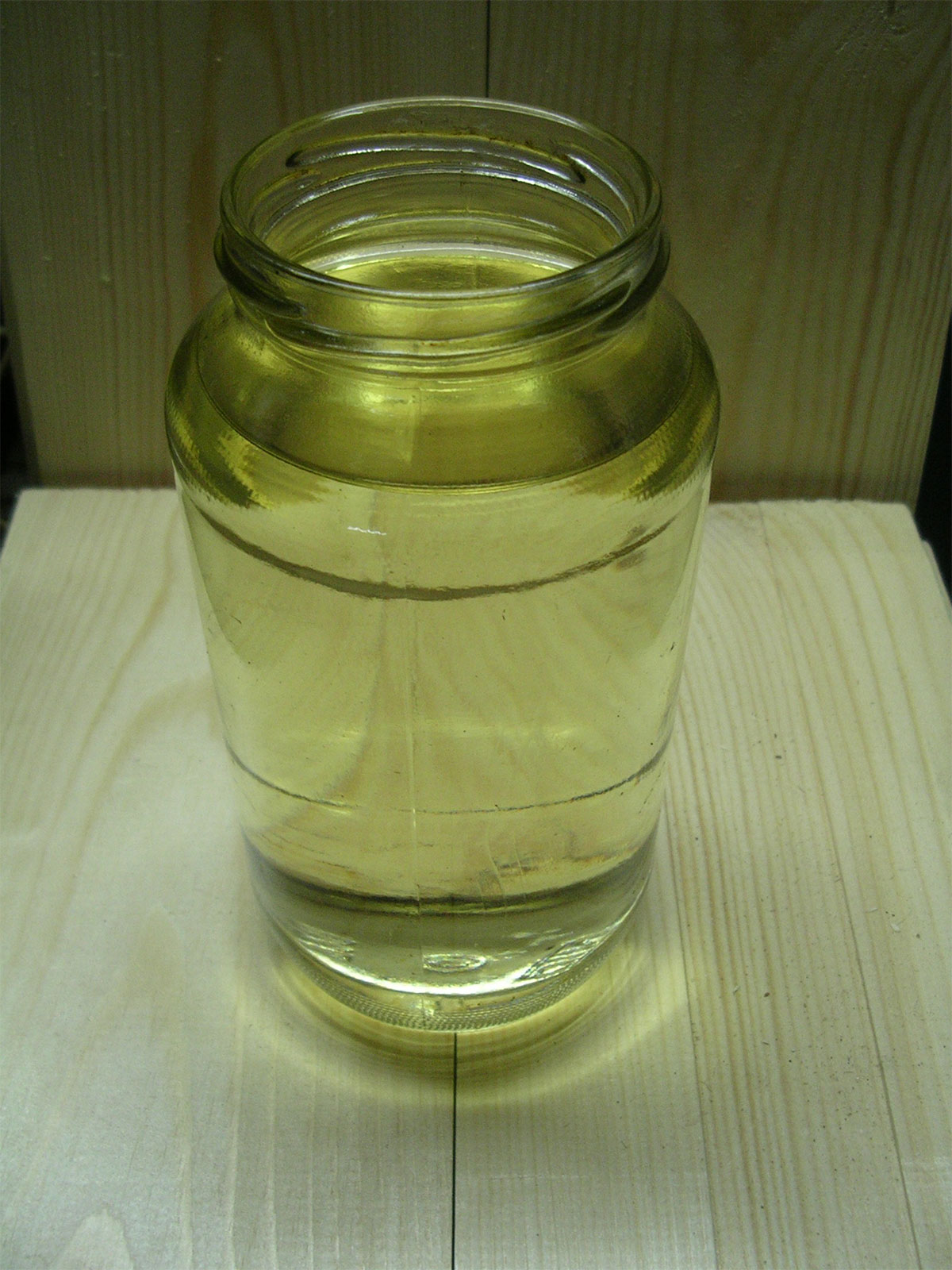
Diesel fuel is a middle distillate product from crude oil refining. It sits between lighter gasoline and heavier fuel oils. It contains longer hydrocarbon chains and has higher energy per litre than gasoline.
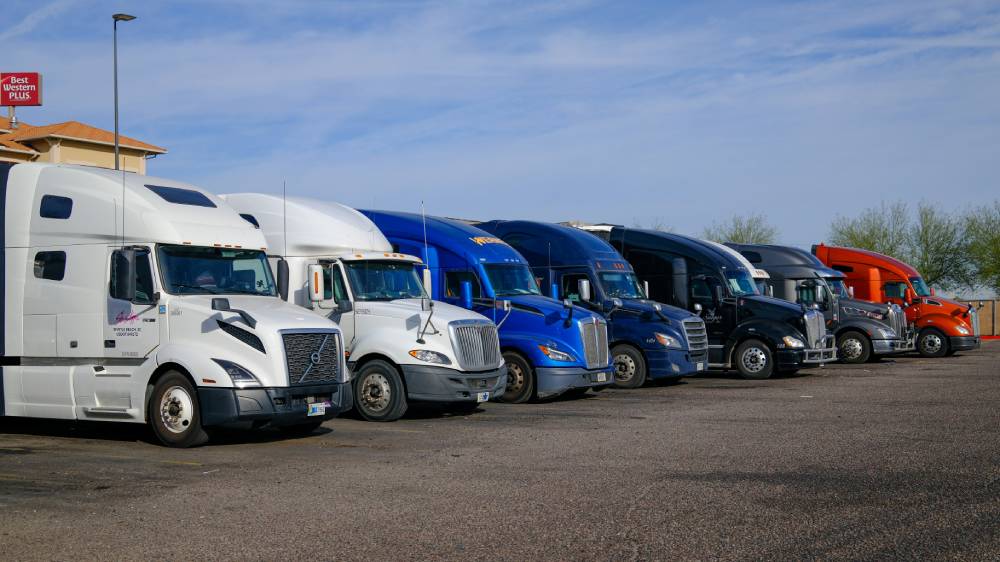
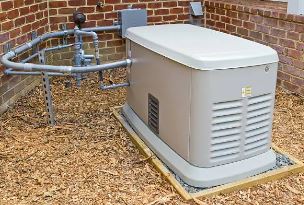
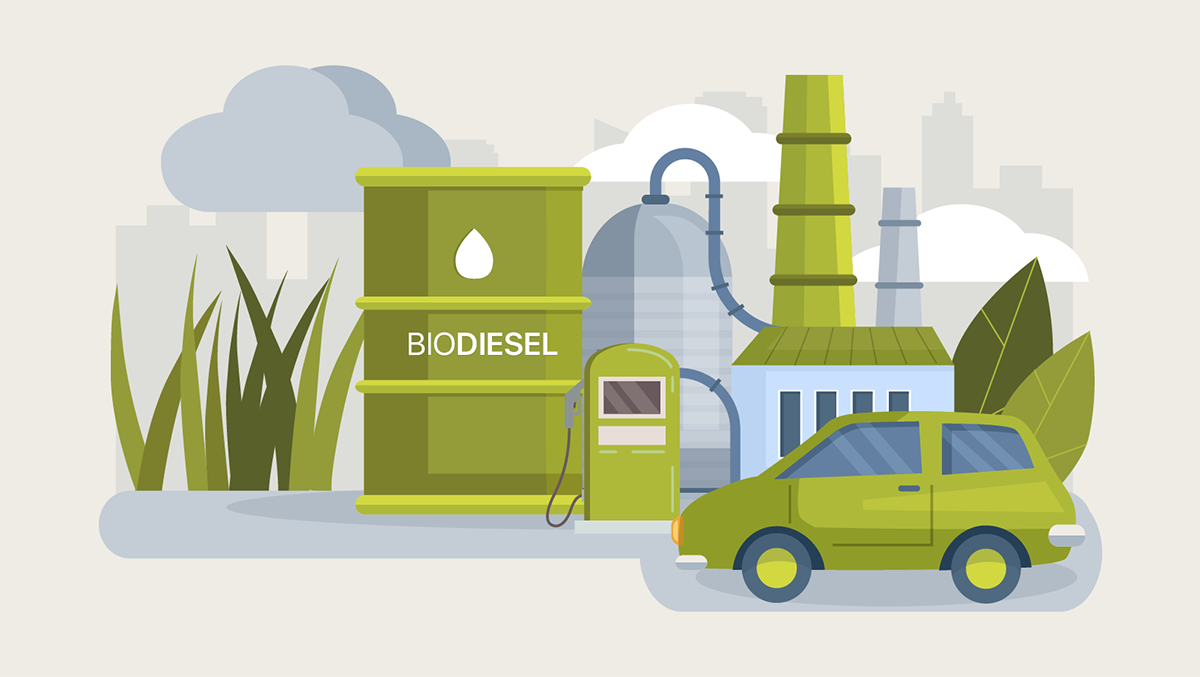
Diesel exists in several forms, from conventional diesel which is refined from crude oil, biodiesel from renewable fats/oil, and synthetic from natural gas or other feedstocks. It fuels trucks, buses, ships, heavy machinery, and generators. Typically, the fuel is injected into hot, compressed air for controlled ignition.
Not Sure What Extinguisher Works On Diesel Fires?
Using the wrong fire extinguisher on a diesel spill can spread flames instead of stopping them. See which class B foam, dry chemical and CO₂ options fit your tanks, trucks and generator rooms.
Can Diesel Self-Ignite?
Auto-ignition is when a fuel spontaneously ignites from heat alone, without a spark. Diesel engines use this principle as compressing air in the cylinder heats it enough to instantly ignite the injected diesel fuel. While diesel’s auto-ignition temperature is lower than gasoline’s, making it ideal for compression-ignition engines, this does not mean stored diesel is more flammable than gasoline. Outside an engine, stored diesel requires a very high temperature or a powerful ignition source to catch fire.
Will Diesel Ignite On A Hot Surface?
The ignition of diesel fuel upon contact with a hot surface depends on the surface temperature, the duration of contact, and the manner in which the fuel is delivered. If a surface is heated slowly and remains below diesel’s auto-ignition point, the fuel may only produce smoke or evaporate. However, a hotter component can cause diesel to ignite, particularly when it strikes as a fine mist rather than a liquid pool.
Numerous accident reports highlight instances where high-pressure diesel leaks sprayed onto hot exhaust components lead to fires. In these scenarios, the combination of fine droplets, extreme heat, and effective mixing with air transforms diesell into a significant fire hazard.
Why Is Diesel So Hard To Ignite?
Diesel has heavier, less volatile molecules which will rarely form ignitable vapor at normal temperatures. Gasoline is much more volatile, evaporating quickly to form an ignitable vapor-air mix even in cool conditions. This is why gasoline is considered more flammable than diesel in typical storage. But both burn strongly.
Can A Diesel Leak Catch Fire?
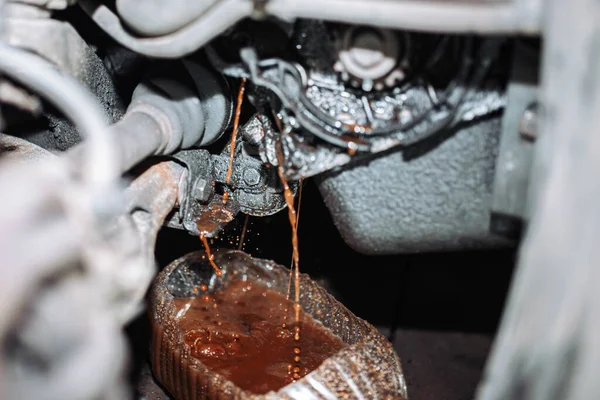
A slow diesel leak that forms a shallow pool on a cool floor may not ignite at once but the pool is still a hazard. Diesel can spread across surfaces, soak into porous materials and form thin films that can ignite later with sufficiently strong ignition. Pressurized leaks are more dangerous as high-pressure lines can create a fine, large surface area mist or spray that forms a flammable mixture, even with a high flash point. In these cases, diesel vs. gas flammability depends less on flash point and more on droplet size, air mixing, and hot surfaces.
Nervous About Diesel Spills And Long-Term Fire Risk?
Spilled diesel can linger on floors and soil, staying flammable and polluting long after a leak. Follow a clear step by step response plan so you contain, absorb and dispose of diesel safely.
Why Does Diesel Explode Under Pressure?
Under normal conditions diesel burns rather than explodes. In confined spaces with heavy mist, ignition can be rapid and so it will look like an explosion, this happens when pressure injection systems push diesel through small nozzles creating very fine droplets. When this cloud meets a hot surface or strong ignition source, burning can spread through the cloud very fast. The rise in pressure can damage equipment. The behavior is a result of conditions within the space and an explosive quality of the diesel.
What Fire Extinguisher Is Used For Diesel Fuel?
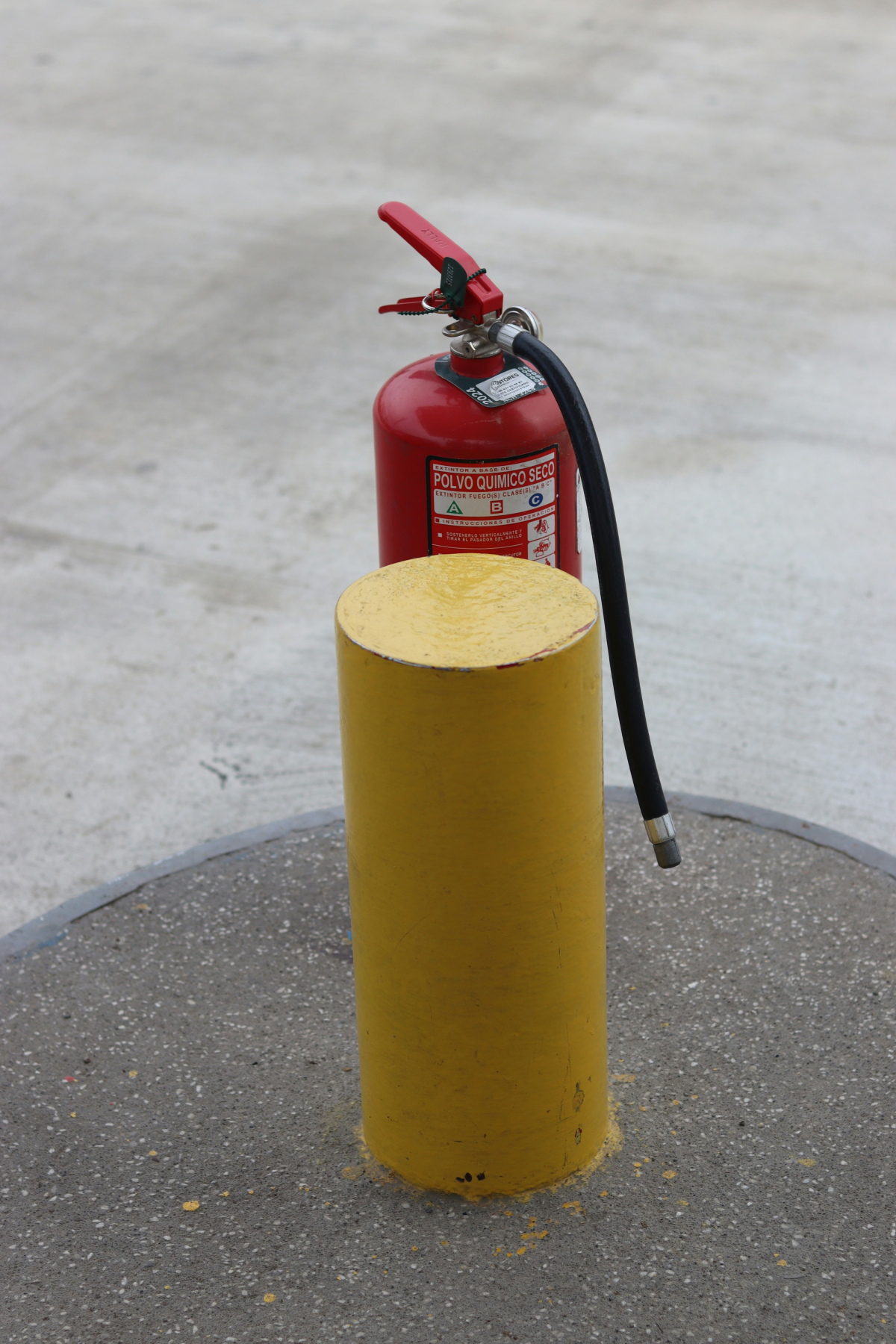
Diesel fires are characterised as liquid fuel fires, in fire training they are referred to as class B fires. The recommended extinguishers for these fires are
- Foam extinguishers that lay a blanket over the fuel surface and help stop vapour release.
- Dry chemical powder extinguishers that interrupt the chemical reactions in the flame.
- Carbon dioxide extinguishers that displace oxygen in small or enclosed areas.
Class b extinguishers should always be readily available in areas where diesel is stored or handled and staff should be trained in their use.
Can You Put Out A Diesel Fire With Water?
Water is usually a poor choice for diesel fires. Diesel is lighter than water and floats on it. A strong water jet can scatter burning fuel and spread the fire. Water can be used to cool nearby structures or tanks but is not suitable for extinguishing diesel fires. Due to this feature, liquid fuel fires are normally tackled with foam, powder or carbon dioxide if they are small enough for trained people to handle. Larger fires are usually tackled exclusively by trained fire fighters with specialised foam extinguishers and protective equipment.
Flash Point Of Flammable Liquids
The flash point is the lowest temperature at which a liquid produces enough vapor to ignite with an ignition source. Low flash point fuels are flammable, higher flash point fuels are combustible. This explains why gasoline (petrol), with a very low flash point, is more flammable than diesel, which has a higher flash point and requires more heat to produce ignition
| Fuel | Typical flash point Fahrenheit | Usual safety classification |
|---|---|---|
| Petrol gasoline | -45.4 | Flammable liquid |
| Diesel fuel | 125-205 | Combustible or high flash point flammable liquid |
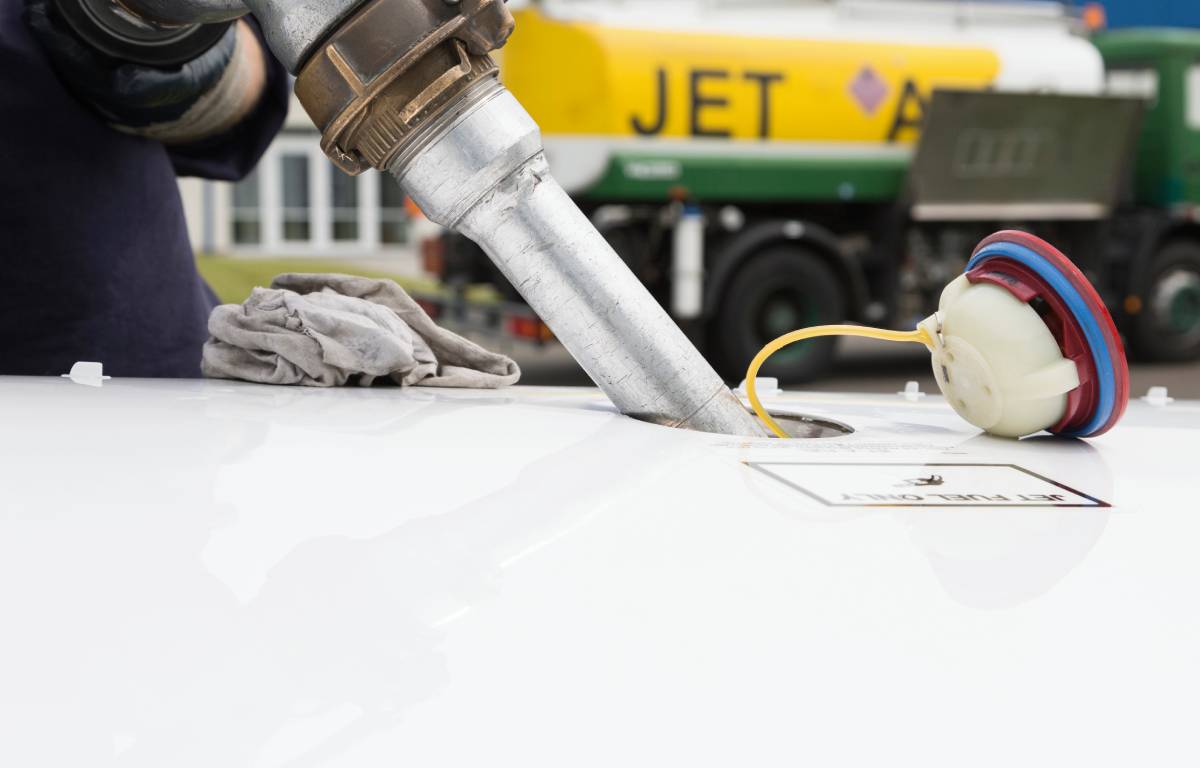
| Kerosene jet fuel | 100.4 or more | Flammable or combustible liquid |
Flash Point Of Combustible Liquids
Combustible liquids like diesel have higher flash points than flammable liquids like gasoline, but they still burn strongly once ignited. Standard safety limits define combustible liquids as having a flash point around 100F or higher. The difference in flammability between diesel and gasoline is significant at common temperatures and yet gasoline ignites far more easily. Diesel is mainly a hazard when heated, sprayed, or confined. Due to its lower risk at ambient temperatures, safety codes allow for larger diesel storage volumes than for gasoline, though ventilation, separation, and fire-fighting requirements are still mandatory.
For How Long Is Spilled Diesel Flammable?
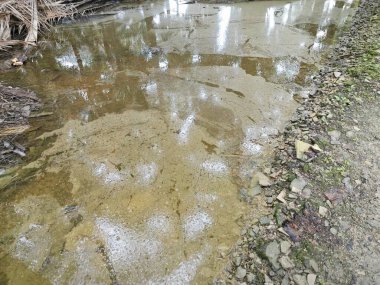
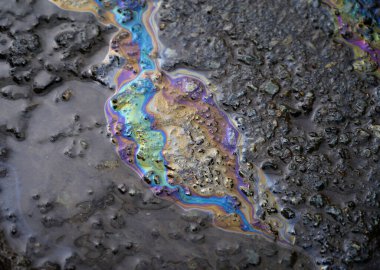
Spilled diesel poses a long term fire risk because it evaporates slowly. A thin layer can linger for hours or days on surfaces. While initial concerns about is gasoline or diesel more flammable often focus on gasoline, which is more immediately dangerous, diesel remains a persistent hazard. Its heavy residue can still burn even after lighter components evaporate, making it a continued fire and pollution risk.
What To Do In The Event Of Spilled Diesel?
Follow these steps in case of a diesel spill:
- Stop the source if it is safe by closing valves or shutting down pumps or engines.
- Keep people away from the spill area and remove all possible ignition sources including smoking and open flames.
- Provide ventilation where possible to prevent vapour build up in enclosed spaces.
- Use absorbent pads, booms or granules designed for oil and fuel to contain and soak up the diesel.
- Avoid washing the spill away with water since this can spread floating fuel and contamination.
- Place used absorbents and contaminated materials in suitable containers for hazardous waste.
- For large spills or sensitive locations follow local emergency plans and call qualified spill response services.
Does Diesel Produce Smoke When Burned?
When diesel burns in open pools or poorly tuned engines it often produces dark smoke. This smoke contains soot particles, unburned hydrocarbons and other pollutants. The color and density of the smoke released depend on mixing with air and the amount of fuel burned.
Modern engines use precise injection systems and exhaust after treatment to cut visible smoke. In contrast a spill fire or tank fire involving diesel can send up dense smoke into the sky. This smoke can reduce visibility and pose health risks to people. So responders usually try to control both the flames and the smoke.
Chemical Properties Of Diesel Fuel
Diesel, a complex hydrocarbon mixture, which has a higher density and energy per litre than gasoline. Its higher flash point and lower auto-ignition temperature are suitable for compression ignition engines. Petrol ignites more easily in open air (lower ignition energy) than diesel, it’s considered more flammable in daily handling, despite diesel storing more energy per litre. This difference is why questions about the comparative flammability of gasoline and diesel are common.
Safe Storage And Handling Of Diesel Fuels
Follow these points to assure safe storage and handling of diesel fuels:
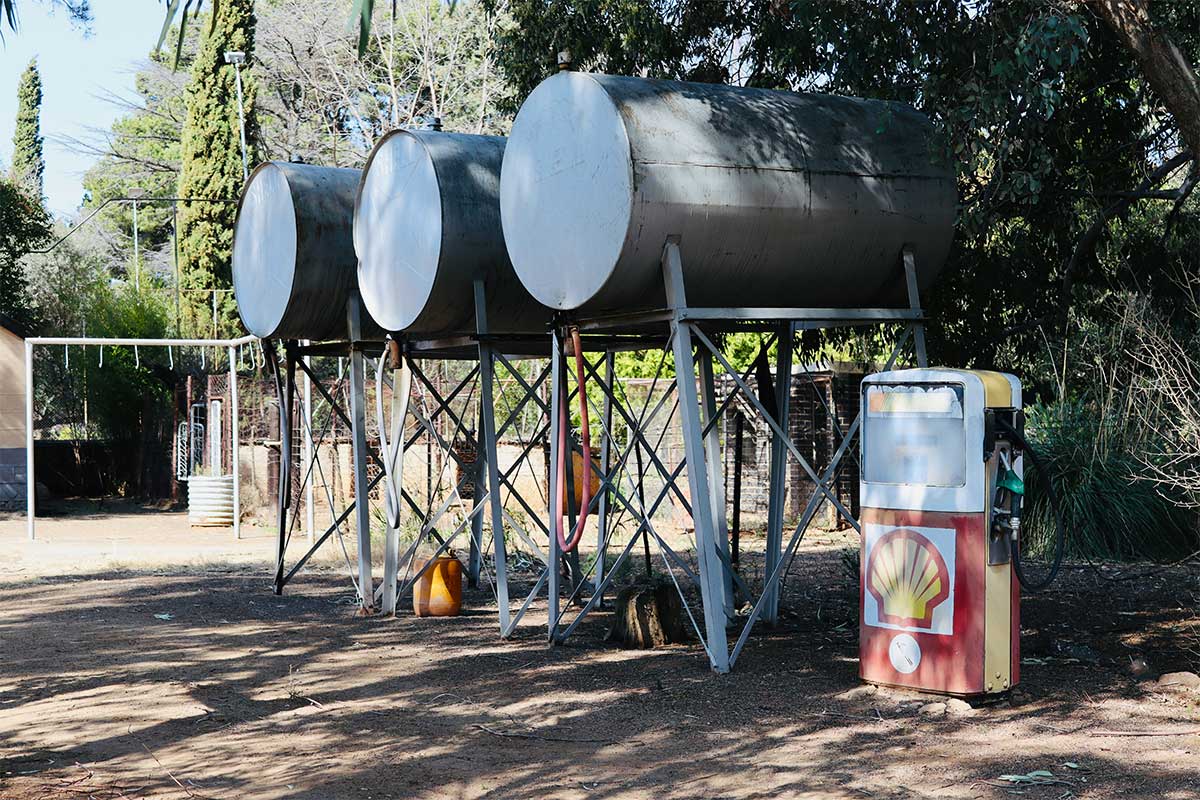
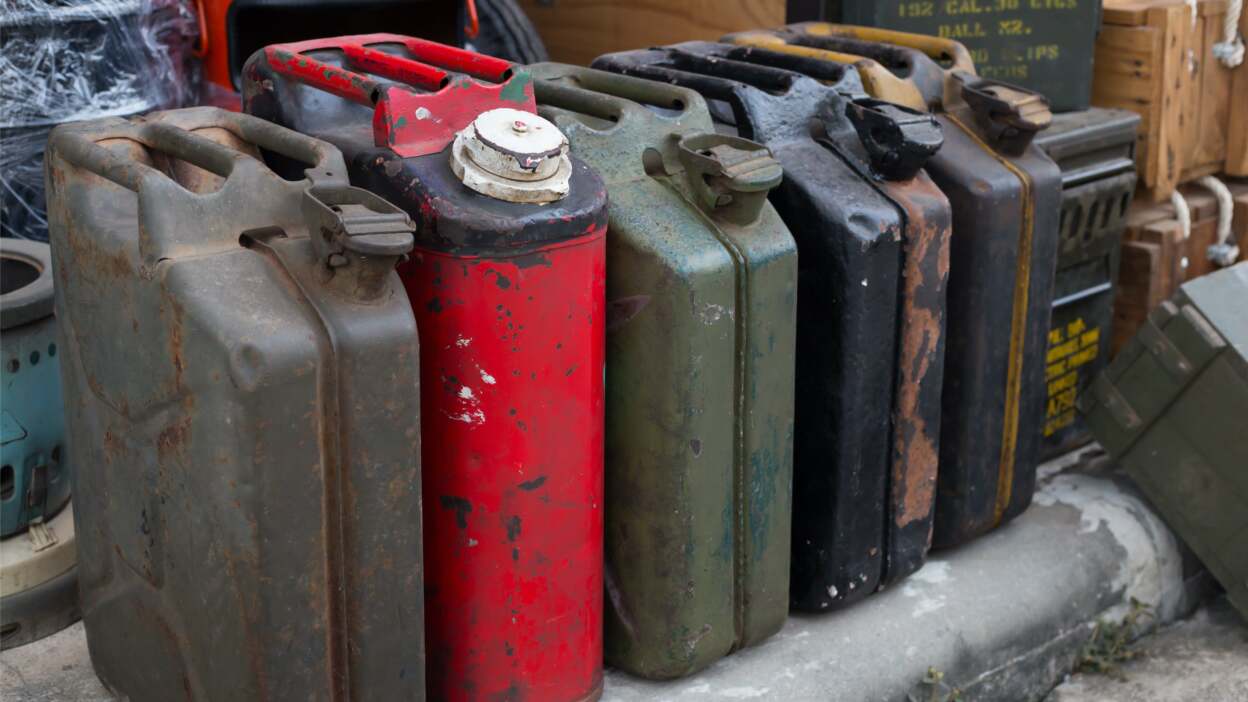
- Store diesel in approved containers or tanks suited for combustible liquids and label them clearly.
- Keep storage away from ignition sources and provide ventilation and spill containment in the area.
- Follow local rules on maximum storage volumes and separation distances from buildings and boundaries.
- Inspect hoses, valves and connections often to reduce the risk of leaks and high pressure sprays.
- Keep suitable class B fire extinguishers near storage and transfer points and train staff in their use.
- Maintain spill kits with absorbent materials and personal protective equipment close to diesel handling areas.