Need Emergency Fuel Delivery?
  info@elanfuels.com
Key Takeaways
- Clear diesel vs dyed diesel is primarily a question of tax, legality and intended use
- Clear diesel is legal for every day use on public roads and is taxed accordingly
- Dyed diesel is usually the same like diesel but the dye, red or blue identifies it and its use
- Using dyed vs undyed diesel wrong can lead to fines and penalties
- Understanding the difference between dyed and undyed diesel can help save money and ensure compliance with tax regulations.
Table of Contents
What Is Clear Diesel
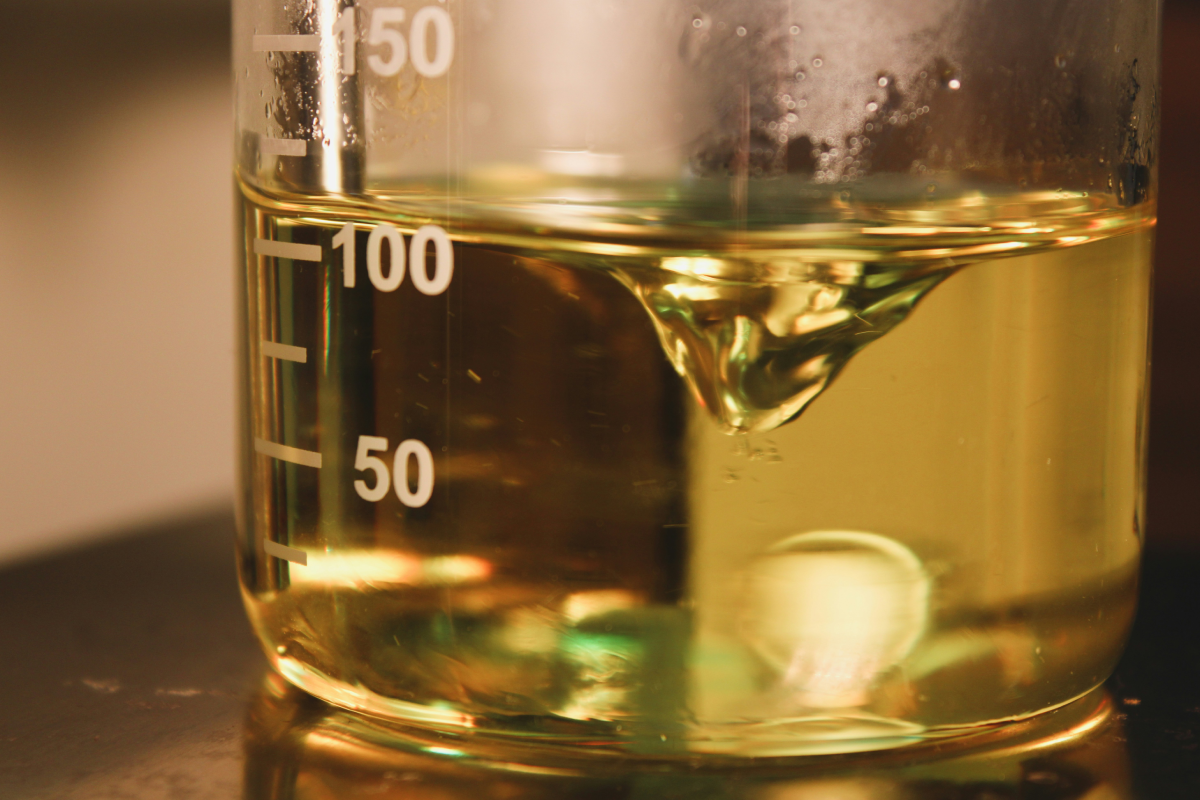
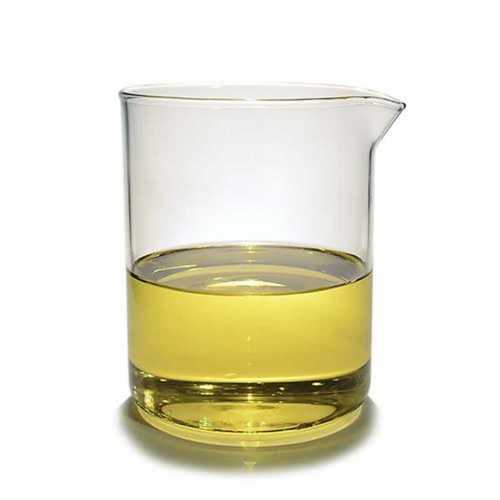
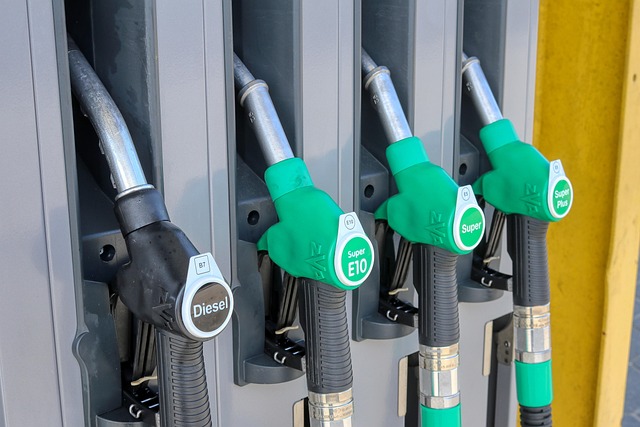
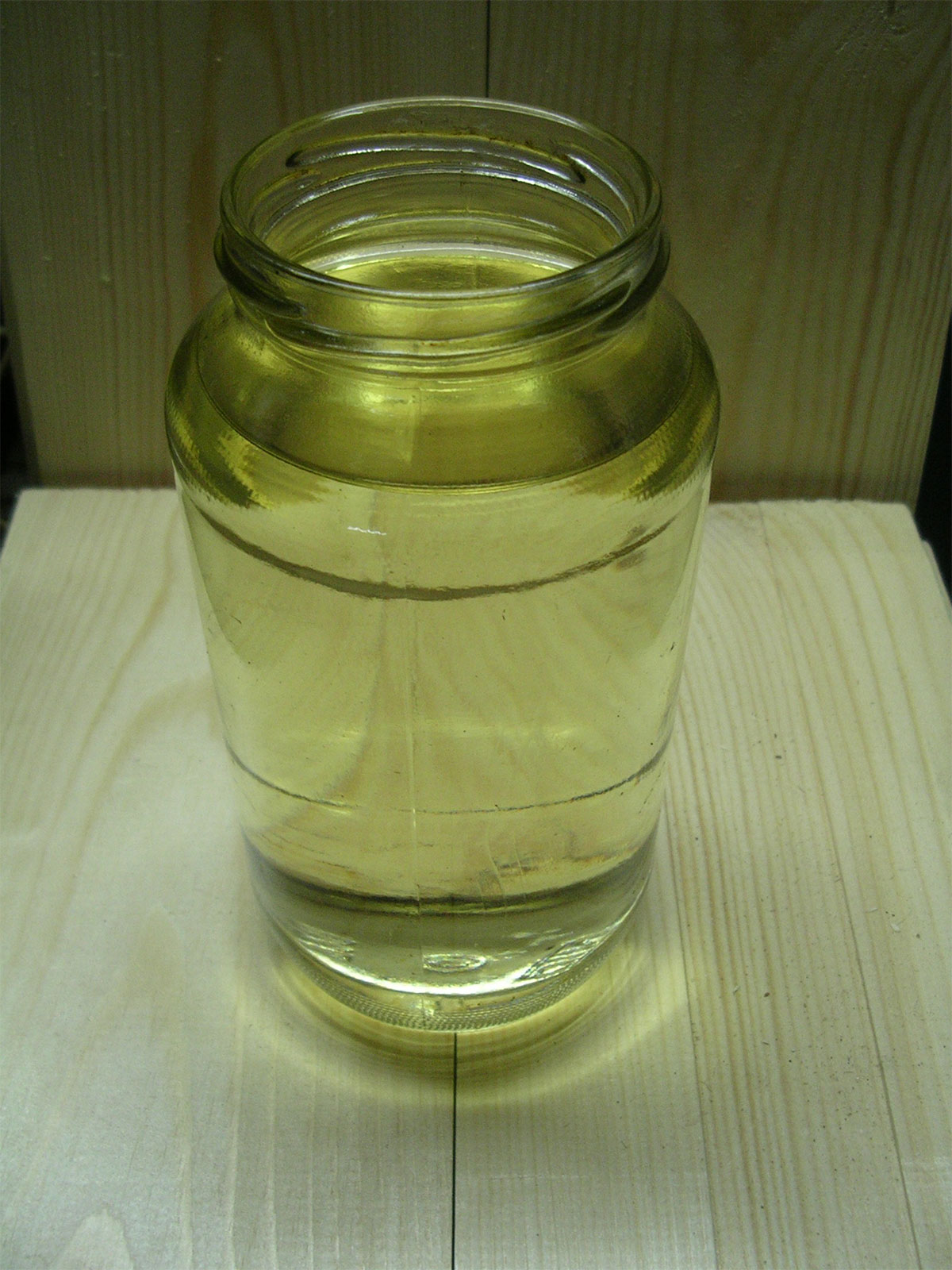
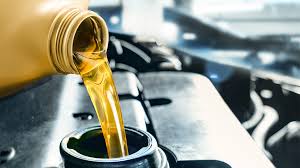
Clear diesel, also known as undyed diesel is the regular diesel used in public roads and sold at the pump. The answers to the questions of can diesel be clear or is diesel clears are all “yes. Dies is either transparent or has a very faint yellow tint based on its refinement and sulfur content.
Clear diesel has the same chemical composition as dyed diesel. What demarcates them is taxation and their intended purposes of use. Clear diesel is what is used by vehicles which use public roads, and so it is taxed. On the other hand dyed diesel is untaxed as it serves different purposes that aren’t necessarily on-road uses.
This is why you must always differentiate between clear and dyed diesel as both have very different uses and tax r regulations. Making a mistake which could cause one to incur heavy fines and penalties.
Also, make sure to always choose the right fuel type so as to avoid mechanical issues and tax regulations.
What Is Clear Diesel Called
Clear diesel has different appellations depending on the region it is used. Some of the names used for clear diesel
- Undyed diesel
- On-road diesel
- Highway diesel
The question “is diesel clear” is usually an interrogation on whether the diesel has been dyed or not. No matter what clear diesel is called, it essentially means the same thing; diesel that is taxed and so is suitable for use on public roads
Confused About Clear vs Dyed Diesel?
Clear diesel and dyed diesel look alike but have very different legal and tax rules. Using the wrong one could cost you big fines. Get the full breakdown so you stay compliant on and off the road.
What Does Clear Diesel Look Like?
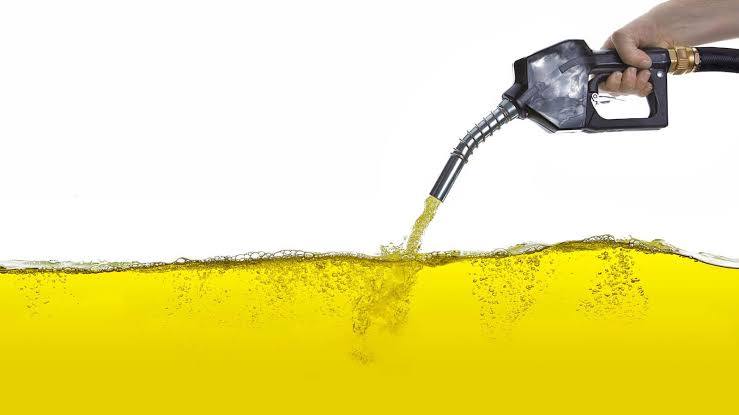
What does clear diesel look like? Well, like its name indicates, clear diesel is either transparent or has a pale yellow tint. The color of undyed diesel depends on how well it was refined, filtered and treated with low sulfur standards.’
Comparatively;
- Clear diesel vs red diesel: Red diesel is more visually distinct .
- Diesel dye colours make it easy to enforce regulation around that..
- Undyed diesel fuel maintains a clean look to avoid confusion.
So the question of “is diesel clear?” The answer is “yes”, depending on the refinery, diesel is clear or slightly yellow.
Why Does Clear Diesel Cost More?
If you’re an operator wondering why clear diesel costs more, the reason is taxation. As earlier mentioned, clear diesel is used on public roads and in order to build those roads and maintain them, taxes are gotten from taxing the clear diesel used in these roads. On the other hand, dyed diesel is less expensive because it is usually limited to off-road use or other specific conditions that lead to tax exemptions.
The chemical composition of the fuel is quite identical but when clear diesel gets taxed, the price per gallon can go up to $0.3- $0.7 per gallon. Some drivers think they can save on costs by using dyed diesel on highways, however inspectors can quickly detect dye in tanks. And when they do, the fines are usually higher than the cost of buying clear diesel legally.
Dyed Diesel Vs. Clear Diesel
The differences between dyed diesel and clear diesel are not only around the color but also around legality and compliance. Dyed diesel and clear diesel have the same chemical composition and can be used interchangeably, however the dye signals how they’re permitted to be used by law
| Feature | Clear Diesel | Dyed Diesel |
|---|---|---|
| Color/Appearance | Transparent or faint yellow | Red or blue (dyed diesel is colored) |
| Taxation | Fully taxed | Exempt from highway fuel taxes |
| Legal use | Licensed highway vehicles | Off-road, agriculture, heating, mining and marine |
| Performance | Same as dyed (can be #1 or #2 | Same as clear (can be #1 or #2) |
| Penalties if misused | None | Heavy fines if used on-road. Including criminal charges for repeat offenders. |
For diesel, dye is simply a mechanism to make sure taxation is fair for users. It is also a simple way for law enforcement and tax revenue organizations to enforce and punish fuel tax related violations.
Want to Cut Diesel Costs Legally?
Clear diesel is taxed, red diesel isn’t but mixing them or using the wrong fuel can backfire. Discover smart ways to save money on fuel without risking penalties.
Dyed Vs Clear Gasoline
The concept of dyed gasoline also exists even though it isn’t as common as dyed diesel vs clear diesel. Like for diesel, regulators may also dye gasoline to demarcate its tax policies and compliance regulations.
For example, non-taxable marine gasoline is dyed in order to make it distinguishable from regular on-road gasoline. The color coding in fuel shouldn’t confuse you. Whether in diesel or gasoline, it is purely a regulatory tool. And in both cases, it informs on whether the fuel is taxed or not.
Is Dyed Diesel #1 Or #2?
Dyed diesel is neither diesel #1 or #2 but can be # 1 diesel as well as it can be # 2 diesel.
The difference between # 1 diesel and # 2 diesel is that # 1 flows well in cold weather due to its very low cloud point, it is also lighter and produces less energy. Whereas # 2 diesel is more energy dense and is usually more used year round and also more used in heavy duty vehicles. The grading number for diesel is not to denote legality and taxation like coloration, it denotes performance and weather suitability.

What Is The Difference Between Clear Diesel, Red Diesel, And Blue Dyed Diesel?
Many operators wonder what is the difference between clear diesel, red diesel and blue diesel. We will look at use case and compliance to present the differences in the table below;
| Fuel Type | Color/Dye Used | Primary Use | Legal status on highways |
|---|---|---|---|
| Clear diesel | Clear or pale yellow | Standard licensed fuel to be used on public roads | Legal and required |
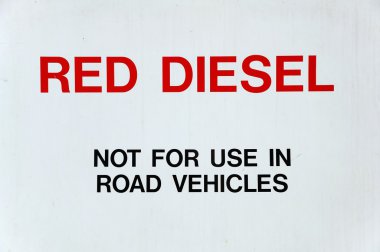
| Red diesel | Red dye | Used in agriculture, construction, mining and heating | Illegal on public roads |
| Blue diesel | Blue dye | Marine, government fleets and specialty | Generally restricted but exemptions apply |
When the comparison of dyed diesel vs clear diesel comes up, the question isn’t about mechanical but about taxation and compliance.
Is Clear Diesel On Or Off-Road?
Cleared diesel is made for public roads. It is sometimes called on-road. So when operators wonder about clear or dyed diesel for highway use, you need to clarify to them that only clear diesel is acceptable on public roads.
Clear diesel can be used off-road in mining, agriculture and other off-road applications, however, it is going to be a huge loss of money as red diesel which is meant for off-road use is exempt from excise taxes, so it is cheaper. On the other hand, using dyed diesel on public roads will invariably lead to penalties, fines and even criminal charges.
Unsure Which Diesel Your Vehicle Needs?
From tractors to trucks, knowing when to use clear or dyed diesel matters. Protect your engines, avoid tax trouble, and keep your fleet running smoothly.
Can You Mix Clear And Dyed Diesel?
Although clear diesel and dyed diesel are the same chemically, mixing them is very discouraged as it could create legal and operational issues. Mixing red and clear diesel, even in small amounts may blur the lines of compliance making it difficult to prove.
In terms of mechanical performance engines may not be damaged when dyed and clear diesel are mixed but given that inspectors can detect dye color even in small amounts, the tank will have to be cleaned using detergents that may be corrosive. So it is better to avoid mixing clear and dyed fuels.
To avoid contamination of your tank with red dye, especially if you use a farm truck, make sure the farm truck you use red diesel in doesn’t leave your private property so that you don’t have to put clear diesel in it.
Can I Put Clear Diesel In My Tractor?
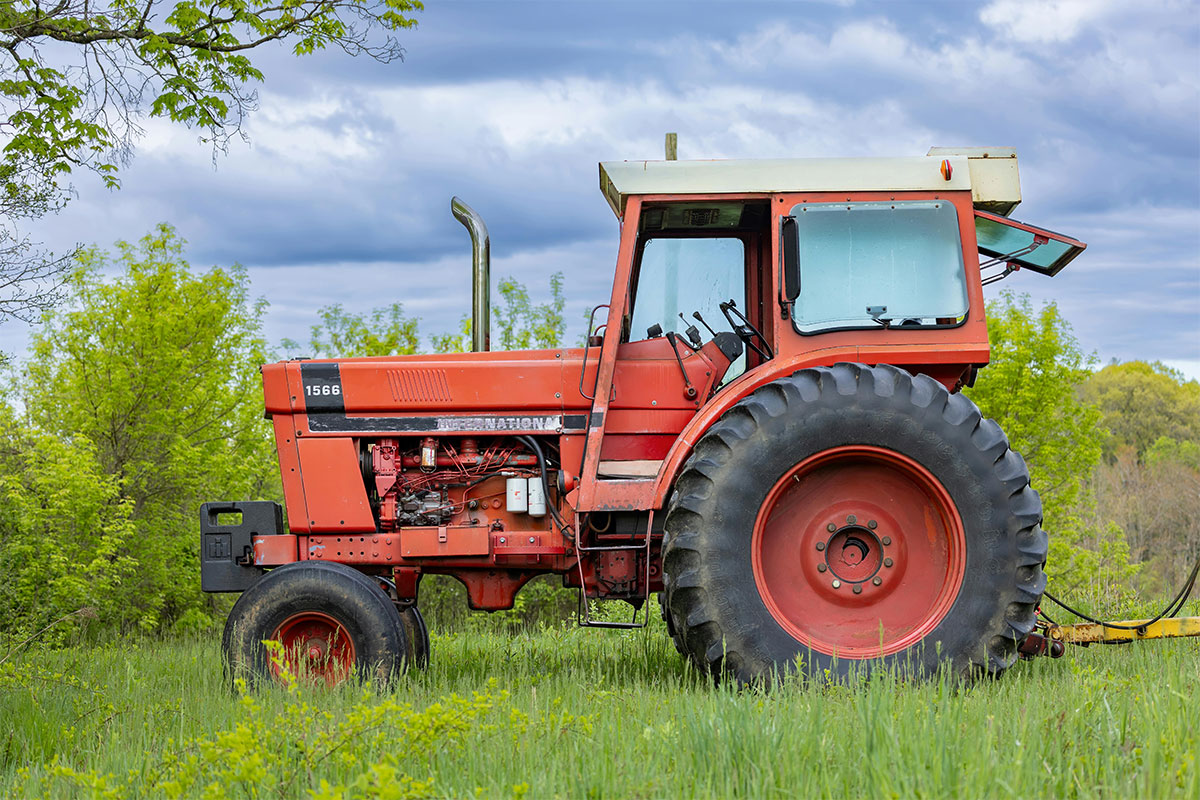
As a farm operator, if you do not mind spending more money on fuel to operate your tractors and other farm equipment, then by all means, you can use clear diesel in your tractor. It will work very fine. However, from a cost perspective, there is no benefit in using clear diesel in your tractor, it is a financial error. Red diesel is specifically designated to ensure fair taxation practices and also to reduce the operational cost of crucial industries such as agriculture.
While no fines will be incurred if you use clear diesel for your farm operations, it will be very costly. Whereas if you use red diesel which has tax exemptions making it cheaper for off-road use, you will reduce your total operations cost.
How Much Is Clear Diesel Per Gallon
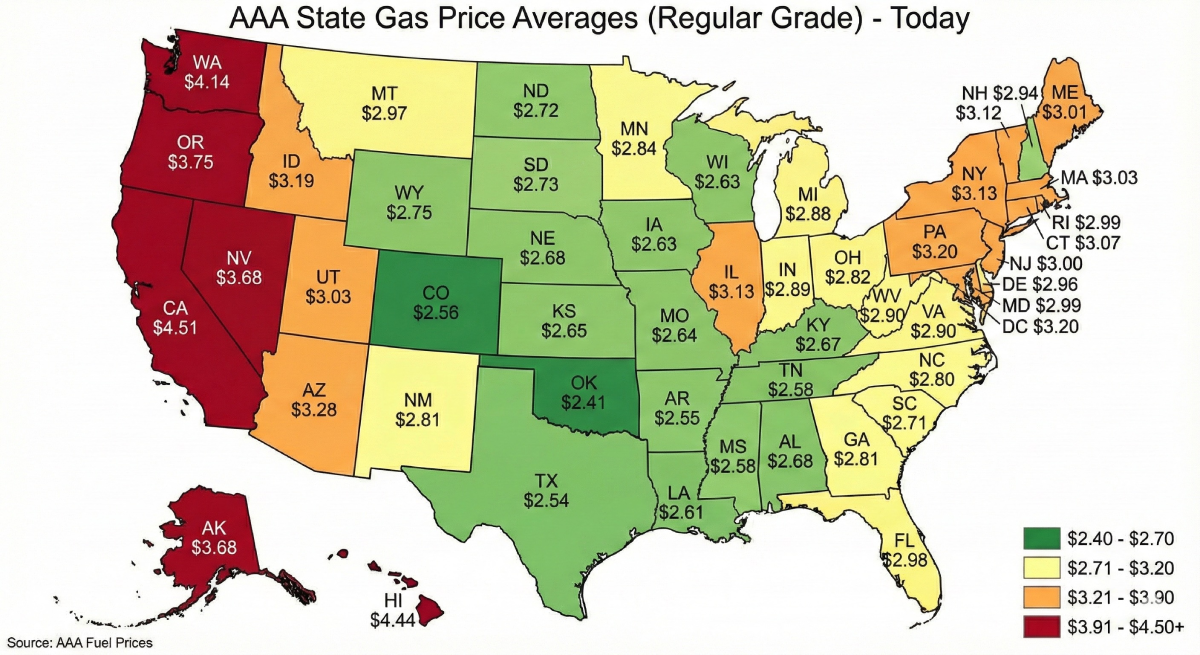
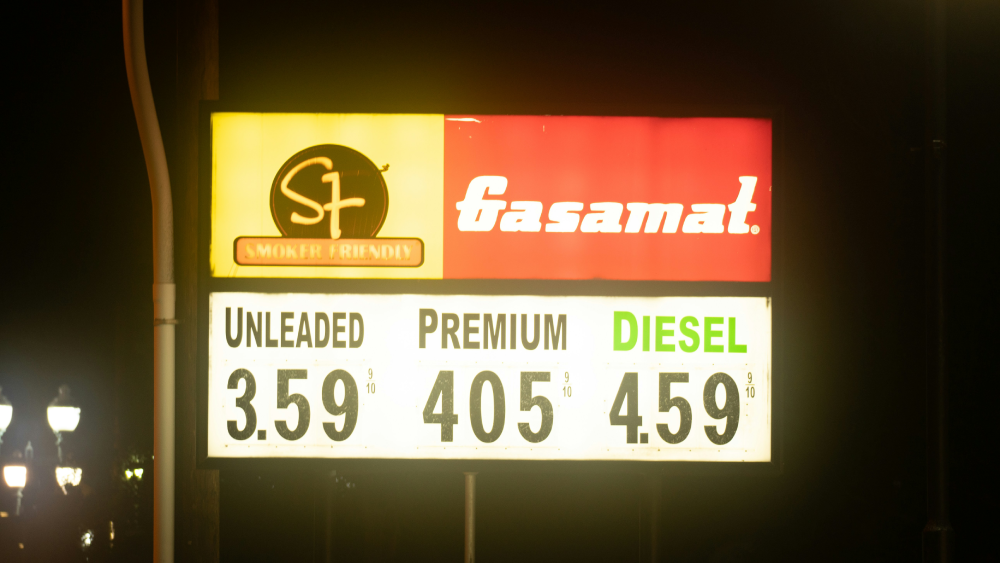
As of September 2, 2025, the national average price per gallon of diesel in the USA is $3.186.
The price of clear diesel is usually higher than that of red diesel, but this is not because clear diesel is more performant or of better quality than red diesel, this is due to the excise tax placed on clear diesel due to its on-road usage. This tax at the federal level in the USA is $0.2430 per gallon. However, different states also include their own taxes in addition to the federal tax.
The tax paid on clear diesel is used to support the constructions and maintenance of road infrastructure. To save costs, businesses that operate large fleets can buy fuel in bulk from licensed suppliers and also adhere to loyalty programs that will offer them some regular discounts.
Clear Diesel Fuel And Tank Cleaner
Property cleaning your tank is essential for tank maintenance as dirty tanks can lead to contamination which can cause clogging, microbial growth and ultimately lead to your engine stalling and other performance issues. Mixing clear fuel with additives and tank cleaner prevents algae growth and water accumulation in the tank.
When you’re storing clear or dyed diesel make sure to use preventive maintenance strategies such as putting additives and stabilizers in the fuel to keep it safe to use and stable.
Understanding the difference between clear diesel and dyed diesel, their regulations, use and the reason for their cost disparities is important for you if you have a business in industries such as agriculture, mining and construction as using red diesel will save you money. And it is equally important to understand clear diesel vs dyed diesel in order to avoid getting into legal trouble by using dyed diesel on public roads.