Need Emergency Fuel Delivery?
  info@elanfuels.com
Key Takeaways
- ULSD refining, higher taxes, and distillate demand explain why is diesel more expensive than gas.
- Higher federal excise rates and state surcharges show why is diesel taxed more than gasoline.
- The 2006 ULSD transition increased hydrotreating severity, explaining why diesel cost more for fleets.
- During the heating season and harvest peak, inventories tighten, making diesel prices very high periodically.
- Freight driven global demand and exports reduce supply, so does diesel cost more than gas.
Table of Contents
Why Is Diesel More Expensive Than Gas?
Four persistent drivers keep diesel above gasoline at the pump in most seasons and regions across the United States today.
- Higher federal and state taxes on diesel raise retail prices per gallon.
- ULSD desulfurization increases hydrotreating intensity, hydrogen use and catalyst turnover.
- Global freight and industry consume distillates, tightening inventories supporting margins.
- Heating season and harvest peaks boost demand, refinery turnarounds constrain.
- Logistics, pipeline tariffs and last mile delivery add transportation costs.
Put simply, ULSD processing adds refinery costs, taxes add cents per gallon, and world distillate demand keeps supplies tight. Together they answer “why is diesel” more expensive than gas in most months. Freight, heating oil, and export pulls magnify pressure, while gasoline depends more on commuting cycles and regional driving.
Costs stack rather than substitute. Hydrotreating cuts throughput, which tightens inventories. Taxes are charged on every gallon. Freight cycles and winter heating lift demand when refinery maintenance can limit supply. These layers compound to explain why diesel costs more even when crude is steady, pushing pump prices above gasoline.
Diesel usually moves first on freight and heating shocks, not daily commuting. Watch distillate inventories, refinery outages, export spreads, and tax changes. Those signals precede jumps and clarify whether diesel costs more than gas during tight markets. Gasoline reacts more to driving seasons, local blends, and short term traffic patterns.
How Refining Complexity Affects Diesel Prices
Refineries make diesel in different units and cuts than gasoline. Middle distillates come from atmospheric and vacuum distillation, then hydrocracking and distillate hydrotreating shape quality. Fluid Catalytic Cracking units favor gasoline. Managing heavier gas oils toward jet and diesel limits flexibility. Pathways add steps and energy, explaining why diesel costs more.
Capacity for middle distillates is tighter than light ends. Hydrocrackers and distillate hydrotreaters throttle throughput when hydrogen or catalyst cycles constrain. Diesel competes with jet and heating oil, yields cannot rise quickly. These realities clarify why diesel is more expensive than gas and diesel vs gasoline price spreads.
Why Is Diesel More Expensive Than Gas?
Diesel prices stack multiple costs, from ultra-low sulfur refining to higher federal and state taxes and tight global distillate supply. Get a clear, plain-English breakdown of the forces that keep diesel above gasoline most months.
How Refining Costs Influence Diesel Prices
Diesel requires deeper hydrotreating than gasoline to meet ultra low sulfur limits. That means higher hydrogen consumption, hotter reactors, longer contact times, and faster catalyst aging. Extra utilities and hydrogen production leads to higher operating costs. These refinery realities are a core reason behind why diesel costs more at retail today.
Processing intensity also reduces throughput in distillate hydrotreaters, increasing per gallon costs. Hydrogen prices, catalyst replacement cycles, and energy use compound expenses. Compliance with ultra low sulfur specifications adds monitoring and logistics. All these answer the question of explaining ”why is diesel more expensive than gas” in most seasons.
Producing Ultra‑Low Sulfur Diesel Requires Additional Refining Steps?
Producing ULSD needs deeper desulfurization and added post treatment, increasing hydrogen and energy, explaining why diesel costs more today.
- Severe hydrotreating reduces throughput and raises per gallon processing costs.
- Higher hydrogen demand increases methane reformer loads and utility expenses.
- Catalyst deactivation accelerates changeouts, increasing maintenance and turnaround frequency requirements.
- Product handling and testing for 15 ppm sulfur add overhead.
Deeper desulfurization throttles distillate hydrotreaters when hydrogen supply or reactor pressure limits are reached. Energy input rises from heaters, compressors and reformers. Throughput losses and utility intensity create bottlenecks during high demand. These constraints elevate marginal costs and help explain why diesel is more expensive than gas across many regions and seasons when inventories tighten and exports remain strong persistently.
Brace for Seasonal Diesel Spikes
Harvest and heating seasons often tighten distillate inventories while refinery turnarounds limit output. Learn how to time purchases and budget for winter demand so pump prices do not surprise you.
What Happened In 2006?
In 2006, following a change in regulation with the EPA becoming more strict with the amount of sulfur in on road diesel. Shifting to ultra low sulfur with a required maximum 15 parts per million sulfur. Refiners had to add severe hydrotreating and logistics controls. Early rollout tightened supply and raised costs. This change explains why diesel is more expensive than gas and this marks when diesel becomes more expensive than gasoline.
ULSD became the retail standard by 2010 nationwide after phased deadlines. Deeper desulfurization reduced throughput and increased hydrogen and energy use, lifting refining costs. This shift reset the baseline price spread of diesel versus gasoline.
How Emission Standards Influence Diesel Prices?
Tailpipe limits and fuel standards raise refinery costs and keep diesel elevated. ULSD at 15 ppm requires severe hydrotreating, more hydrogen, and tight quality control. California aromatic limits and carbon intensity rules add compliance steps. These investments and higher energy use increase operating expenses per gallon, supporting retail diesel prices.
Regional programs set price floors by requiring cleaner diesel, unique formulations, or credits that raise compliance and logistics costs locally.
| Regulation | Requirement | Price floor effect |
|---|---|---|
| California LCFS | Reduces carbon intensity through carbon credits trade | Delivered diesel prices increase due to increase in cents per gallon caused by credits |
| California diesel aromatics rule | Sets extra fuel standards and limits aromatics | Production and distribution cost are raised due to stricter processing rules |
| California Cap and Trade | Emission allowances required for fuel suppliers | Taxes on compliance are pushed to the final consumer |
Why Is Diesel Taxed More Than Gasoline?
People often ask why is diesel more expensive than gas before tax. One big reason is taxes. The federal excise tax on highway diesel is higher than on gasoline. Lawmakers set that higher rate because heavy duty vehicles use diesel more often than gas and they place greater stress on roads leading to quicker depreciation. So the Highway Trust Fund relies more on diesel excise tax revenue to keep road infrastructure in good shape. States then layer their own taxes and fees, which commonly add a small premium to diesel versus gasoline. The combined effect lifts pump prices for diesel across much of the country. Highway Trust Fund
Those federal and state charges sit on top of the usual components such as crude oil, refining, and distribution. The result is a consistent policy tailwind that keeps diesel priced above gasoline in many regions even when crude costs fall. That is a core part of understanding and responding to the question of why diesel costs more on average.
Breakdown Of Fuel Taxes Across The United States
A clear view of diesel vs gasoline prices begins with the tax line. As of January 2025, average state taxes and fees were about 35 cents per gallon for diesel and about 33cents for gasoline. Many states also apply local sales or environmental fees that stack on top of excise taxes. California stands out with some of the highest combined levies, which helps explain there are persistent West Coast premiums at the pump.
The federal layer adds 24.4 cents per gallon on diesel and 18.4 cents on gasoline. States vary widely from low tax jurisdictions to high tax ones, so crossing state lines can shift retail spreads quickly. These differences compound other cost drivers and help answer “why is diesel more than gas” in some regions.
Why The Federal Excise Tax Is Higher On Diesel?
The federal government taxes diesel at a higher cents per gallon rate than gasoline. The purpose is straightforward. Heavy trucks and buses mostly use diesel, and these vehicles account for a large share of pavement damage and bridge stress. A higher diesel rate directs more user revenue to the Highway Trust Fund so the system better matches costs with use. That policy choice still shapes why diesel fuel is more expensive at retail.
Cost responsibility studies have long informed this approach by showing heavier vehicles impose disproportionately higher road costs. While the fit is not perfect, the equity principle remains a key rationale for keeping the diesel rate above gasoline, which helps explain why diesel costs more than gasoline in many places.
Are Taxes Making Your Diesel Bill Higher?
Diesel typically carries a higher federal excise rate and added state surcharges compared to gasoline. See how tax layers in your region influence the price you pay and what levers actually move the final number.
How Supply And Demand Affect Diesel Prices?
Market forces drive the core answer to why diesel is more expensive than gasoline. Diesel sits in the middle distillate pool with heating oil and jet fuel, so demands from freight, construction, agriculture, and winter heating often pulls the same barrels. When inventories are tight or exports rise, wholesale prices respond quickly and retail follows. That sensitivity is a big reason why diesel is more expensive than gas during tight seasons.
Shortfalls in refinery output or import delays can drain stocks and trigger bidding wars among wholesalers. International buyers also compete for the same product, shifting supply away from the United States when overseas prices are higher and more stable. Those pressures tend to move diesel first because freight must run even when passenger transport is slowing down.
How Global Demand Impacts Diesel Prices
Global events provide reasons for why diesel is so expensive from a U.S. perspective. Europe, Latin America, and parts of Asia import significant volumes of diesel from the USA. When those buyers purchase more, U.S. refiners ship more barrels abroad and domestic supply drops. In recent years distillate exports set records, while geopolitical tension has repeatedly lifted international diesel cracks. That spillover raises U.S. truck stop prices.
The EIA notes international distillate demand directly affects U.S. prices. IEA outlooks also show middle distillate balances can drop during disruptions to crude flows, refining capacity, or shipping lanes. Those episodes answer why diesel prices so high even when local driving looks steady.
How Seasonal Changes Affect Diesel Prices
The seasons also affect prices for diesel vs gasoline prices.
- Fall harvests raise rural diesel demand.
- Winter brings heating oil season, and heating oil comes from the same distillate stream as highway diesel
- When heating demand surges, the same barrels are in play and diesel prices are usually constant.
- Refinery maintenance often lands in spring and fall, which can amplify seasonal stress on factories.
Cold snaps add another layer. In the Northeast, a burst of heating oil use can increase diesel margins and drain stocks quickly. If turnarounds are underway, replacement supply may arrive slowly, supporting higher retail prices. These recurring patterns help answer why diesel fuel is so expensive at certain times of year.
Chemical Composition Differences Between Diesel And Gasoline
Diesel and gasoline are different cuts of crude oil with different roles. Gasoline is a lighter blend for ignition spark. Diesel is a heavier middle distillate for compression ignition. These physical differences shape refining pathways and storage needs. Diesel carries more energy per gallon, which ties it closely to freight and industry keeping it in high structural demand.
Energy content highlights the gap that underpins why diesel is more expensive in many cycles. A gallon of diesel contains about 137,000BTU, while gasoline contains about 120 ,000 BTU on average. Boiling ranges also differ, with diesel generally in higher temperature ranges than gasoline. The distinct properties guide unit utilization and costs across refineries.
Regional Variations In Diesel Versus Gasoline Prices
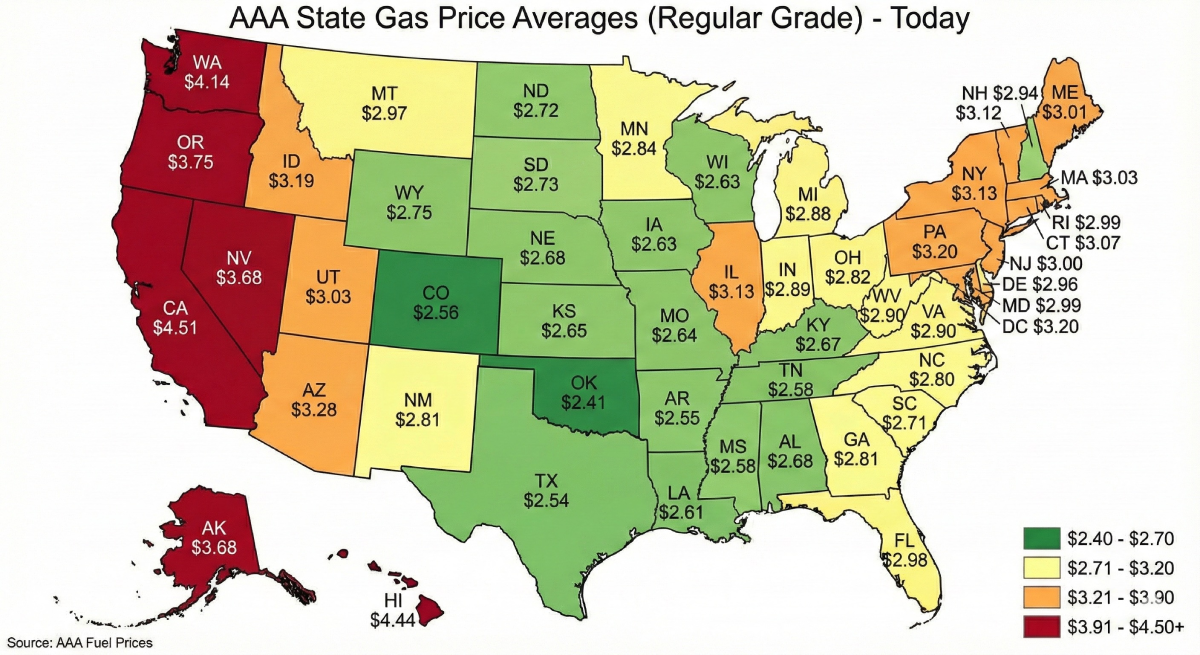
Location answers part of why diesel is more expensive than gas in some places and not others. Regions far from supply hubs pay more for delivered fuel. The West Coast often sees the highest prices because the market is relatively isolated and compliance is more rigid, raising costs. Taxes also vary widely by state, which changes price spreads at county lines.
Gasoline has boutique formulations in several metro areas, while diesel specifications are more uniform. Even so, refinery outages or pipeline limits can swing diesel prices regionally. Competition among retailers matters too. High volume truck stops may undercut small stations. All of these forces shape and make diesel more expensive than gas across regional maps.
How Transportation Costs Affect Fuel Prices
Moving fuel costs money. Pipelines, barges, rail, and trucks each add cents per gallon depending on distance and route. Areas far from Gulf Coast refineries or marine terminals often pay more. Delivery logistics and last mile trucking raise rural costs, but competition eases prices near busy corridors and cut centres. These basics affect the cost of diesel vs gas everywhere.
Distribution and marketing are explicit parts of pump prices. When supply chains slow, inventories fall and wholesalers bid up available barrels. That dynamic can push diesel first because freight needs are less flexible than discretionary driving. The same mechanics help explain why diesel gas is more expensive during logistical bottlenecks.
When Did Diesel Become More Expensive Than Gasoline?
On a national average basis, the question of when did diesel become more expensive than gasoline has a clear answer. Since September 2004.
From then, diesel has been above regular gasoline most of the time on a dollar per gallon basis. Before that, diesel was often cheaper except in cold winters when heating oil demand spiked. That shift marked a lasting change.
The reasons include stronger global demand for middle distillates, the transition to ultra low sulfur diesel, and tighter refinery capacity for those cuts. Together, those forces reset the baseline price spread. This history is central to why diesel is more expensive than gasoline today.
Was Diesel Ever Cheaper Than Gas?
Yes. For many years before 2004, diesel commonly undercut gasoline in the United States. Only during harsh winters would diesel rise above gasoline as heating oil pulled barrels from the same pool. That pattern flipped after the early 2000s as rules and global trade reshaped distillate markets, clarifying why diesel is cheaper than gas was once true but is not typical now.
Diesel Vs Gas Prices During The Covid Pandemic?
During 2020, gasoline demand collapsed as commuting and travel halted, while freight and delivery kept moving. Gasoline demands fell more than diesel, so diesel prices were more stable. Freight resilience basically held up diesel prices
The Bureau of Labor Statistics summarized EIA analysis showing distillate consumption declined less than motor gasoline early in the pandemic. EIA data confirm U.S. gasoline demand hit multidecade lows in spring of 2020 while diesel proved steadier, then both recovered eventually, but unevenly. These facts clarify why diesel was so expensive relative to gasoline during the pandemic time.