Need Emergency Fuel Delivery?
  info@elanfuels.com
Key Takeaways
- The main fire hazard is vapours, not the visible liquid.
- Warm temperatures increase vapour production and raise ignition risk.
- Good ventilation clears vapours faster, but can spread them outward.
- Porous surfaces can trap fuel and release vapours for longer.
- Absorb the spill quickly, ventilate the area, and remove ignition sources.
Table of Contents
How Long Is Spilled Gas Flammable?
Gasoline is flammable primarily because it releases ignitable vapours. In most spill scenarios, the immediate liquid is not the primary cause of ignition; rather, it is the vapour cloud situated above the liquid and surrounding the spill area. This liberation of ignitable vapours is the fundamental reason for what makes gasoline flammable. Determining how long spilled gas is flammable is directly related to the duration that ignitable vapours remain present in the atmosphere at a concentration high enough to ignite. The risk of ignition persists as long as these vapours are present. Conversely, the risk significantly diminishes once the vapours have dispersed below the lower flammability limit. Consequently, there is no definitive single answer for “how long is gas flammable?”
- Temperature affects how quickly vapours form and how quickly they can build up
- Airflow can dilute vapours faster, but it can also spread them to other areas
- Spill size changes how much fuel is available to evaporate
- Surface type changes how much fuel is absorbed and how long vapours are released
So how long is gasoline flammable is not a fixed, so treat the area as hazardous until the spill is cleaned and vapours have cleared.
Is Gasoline Flammable Or Combustible At All?
The common confusion over whether is gasoline flammable or combustible and is gas flammable or combustible arises because the terms are often used interchangeably, yet safety regulations distinguish liquids based on their flash point. A lower flash point indicates a liquid can produce ignitable vapours at lower temperatures.
Gasoline is flammable because it has an extremely low flash point. This low flash point means the flammability of gasoline is very high under typical everyday conditions, as it easily vaporizes to form an ignitable mixture with air. This characteristic answers related queries, such as whether gasoline is combustible or flammable. In standard safety classifications, gasoline is unequivocally classified and treated as a flammable liquid due to its readiness to produce vapours that ignite easily.
It also helps to compare gasoline to heavier fuels. When you do, you realize the following;
- Gasoline forms ignitable vapours easily
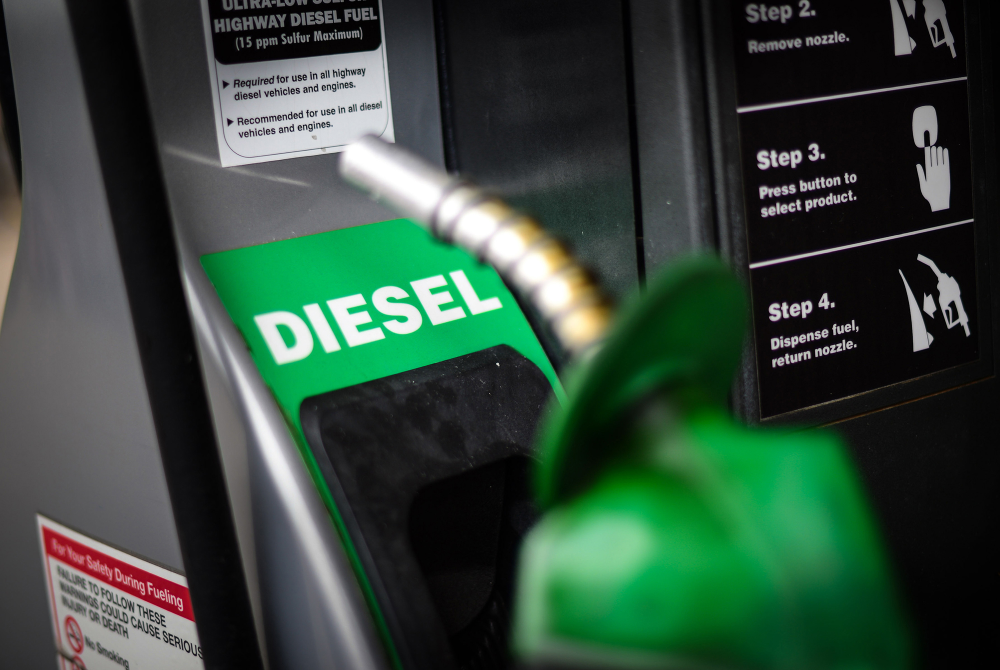
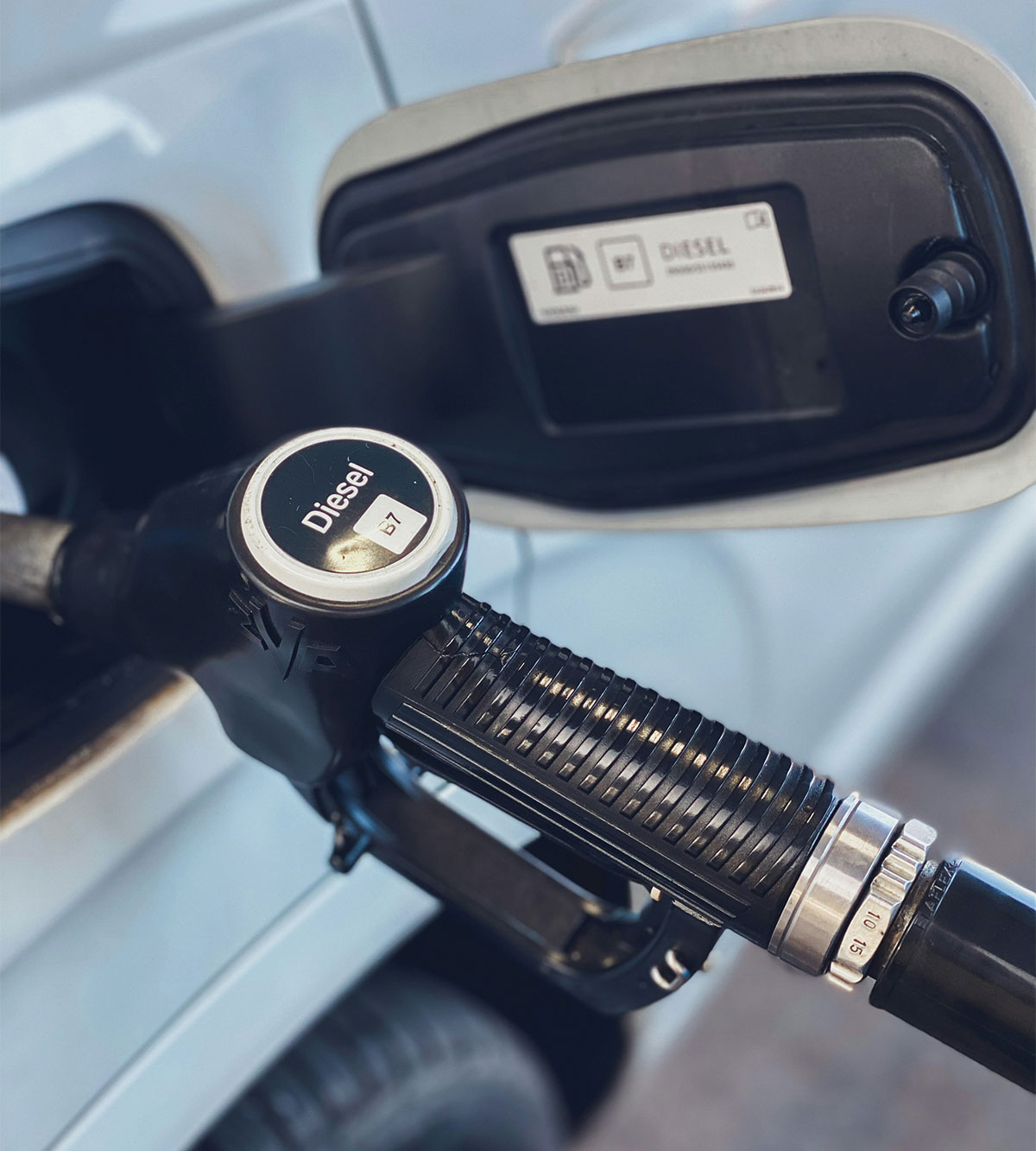
- Diesel typically forms ignitable vapours less easily at normal outdoor temperatures
- Kerosene is often less volatile than gasoline
So if you are asking is gas combustible or is gasoline flammable or combustible, the safe answer is to treat gasoline as flammable and control ignition sources.
Gasoline’s biggest danger is often the vapour cloud, not the wet spot.
Get a quick, practical safety checklist to help you control ignition sources, improve ventilation, and confirm when fumes have actually cleared especially in enclosed spaces.
Is Gas Still Flammable After It Dries?
People often ask, does gas dry up and does gasoline dry up, because a spill might appear to dry quickly. In the context of a spill, drying primarily refers to evaporation. However, the visual absence of liquid does not always mean the hazard has completely disappeared. This leads to the critical question, is gas still flammable after it dries? The answer can dried gasoline catch fire is sometimes yes for a period after the liquid is gone. Vapours can still be present even when the bulk liquid is no longer visible.
Furthermore, small amounts of fuel can soak into porous surfaces, cracks, and materials, slowly releasing flammable vapours. This ongoing release explains why questions such as, is dried gasoline flammable, is gasoline flammable after it dries, and is dry gasoline flammable are important safety concerns. While the risk is generally lower than when liquid is present, the potential for ignition still exists. Therefore, if you are assessing the safety of a spill that looks dry, do not rely on its appearance alone. Always consider ventilation, the lingering smell of fuel, and whether the fuel was absorbed into the underlying surface.
How Long Does Gasoline Stay Flammable After A Spill?
The duration for how long is gasoline flammable after a spill depends on various environmental conditions. For instance, a small, open-air spill on a sealed surface might become much safer in minutes, or within about an hour, if ventilation is effective. Conversely, a larger spill or one absorbed by porous materials can remain hazardous for a longer period. People often inquire how long does spilled gas smell or how long does gasoline smell last because the persistent odor indicates the presence of flammable vapours. Some common patterns are;
- Small splashes often clear faster than pools
- Warm air can increase vapour formation at first, then speed up overall drying
- Still air can let vapours build up and linger
- Porous surfaces can extend vapour release even after the surface looks dry
So if you are asking how long is spilled gas flammable, assume the risk lasts as long as vaporrs can be detected and until cleanup is complete.
A spill can look dry while fuel trapped in cracks, soil, asphalt, or unsealed concrete keeps releasing flammable vapours.
Use a simple risk check to judge your situation based on surface type, temperature, airflow, and lingering odor so you don’t rely on appearance alone.
Does Gasoline Evaporate When Spilled?
Gasoline is a volatile substance, meaning the statement does gasoline evaporate when spilled is true under typical conditions. Consequently, the answer to will spilled gas evaporate and does spilled gasoline evaporate is generally yes. This evaporation process is critical because it explains why are gas fumes flammable. As the liquid evaporates, it produces vapors that can easily ignite.
This highlights an important safety concern. While evaporation reduces the amount of liquid, it temporarily increases the fire hazard due to the presence of flammable vapors. Therefore, knowing how quickly does gasoline evaporate, does gasoline evaporate quickly, and how fast does gasoline evaporate is vital for safety. When considering how long does it take for gasoline to evaporate, remember the rate is not constant; it depends on factors like temperature, airflow, and the size of the spill.
Our professional fuel delivery service delivers fuel spill-free, helping you avoid spills and unnecessary cleanups.
How Does Surface Type Affect Gasoline Evaporation Time?
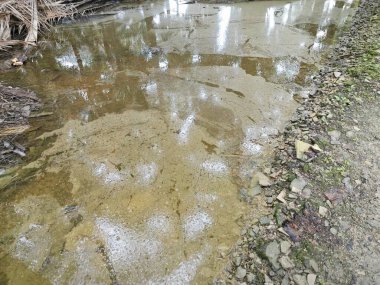
The type of surface significantly affects how long does gasoline take to evaporate and how long does gas take to evaporate. Non-porous surfaces keep fuel on top.
This table shows how common surfaces affect evaporation and risk.
| Surface | What happens to the spill | What it means for vapours |
|---|---|---|
| Sealed concrete | Fuel stays on top and spreads | Faster visible drying, short intense vapour period |
| Unsealed concrete | Fuel can soak into pores and cracks | Vapours can linger near the spill area longer |
| Asphalt | Fuel can soften the surface and seep in | Odour can linger, vapours can persist in warm weather |
| Soil | Fuel soaks in quickly | How long does gasoline stay in soil can be longer than you expect |
| Grass | Fuel coats leaves then enters soil | How long does it take for gasoline to kill grass depends on amount and conditions |
The question of how long does gas take to evaporate on concrete depends on sealing, impacting what happens if you spill gas on the ground.
How Long Does Spilled Gas Smell And Fumes Linger?
People frequently ask how long does spilled gas smell, how long does gasoline smell last, and how long for gasoline smell to dissipate. The odour lasts much longer than the visible liquid because fuel absorbs into porous materials, fabrics, and seams. Outdoors, the scent fades faster. However, in poorly ventilated, enclosed spaces, the odour can linger for an extended period, which is why spilled gas in garage dangerous is a very serious concern.
Understanding vapour presence is essential, as a strong odour indicates vapours are still present, even if your ability to detect the smell fades. Materials like car upholstery and clothing retain the smell longer. Similarly, how long does gasoline smell last on skin is prolonged if it mixes with skin oils. Questions like how long does gas take to dissipate and how long does gas smell linger are fundamentally dependent on ventilation. If the fuel odour remains strong, eliminate all ignition sources and maximize airflow.
Are Gasoline Vapors More Dangerous Than Liquid Gasoline?
Gasoline vapours are a significant hazard because they ignite easily and can travel far from the liquid source. Many people ask are gasoline fumes heavier than air. Since gasoline vapours are indeed heavier than air, they can collect in low-lying areas and move along the ground, making the question can gas fumes ignite a serious concern. Vapours can reach ignition sources, such as pilot lights or electrical switches.
Even though people ask is liquid gasoline is flammable, the liquid is dangerous because it constantly releases these flammable vapours. The liquid itself also poses a trip hazard, prompting questions like is gasoline slippery. If you wonder is gasoline flammable when mixed with water, remember that gasoline floats, so adding water does not stop the release of flammable vapours.
Most spill problems start at the fill-up or transfer step.
If you’re storing or handling fuel often, a cleaner delivery approach can help you reduce mess, fumes, and cleanup time while lowering fire risk around homes, worksites, and equipment areas.
How Does Gasoline Burn Once Ignited?
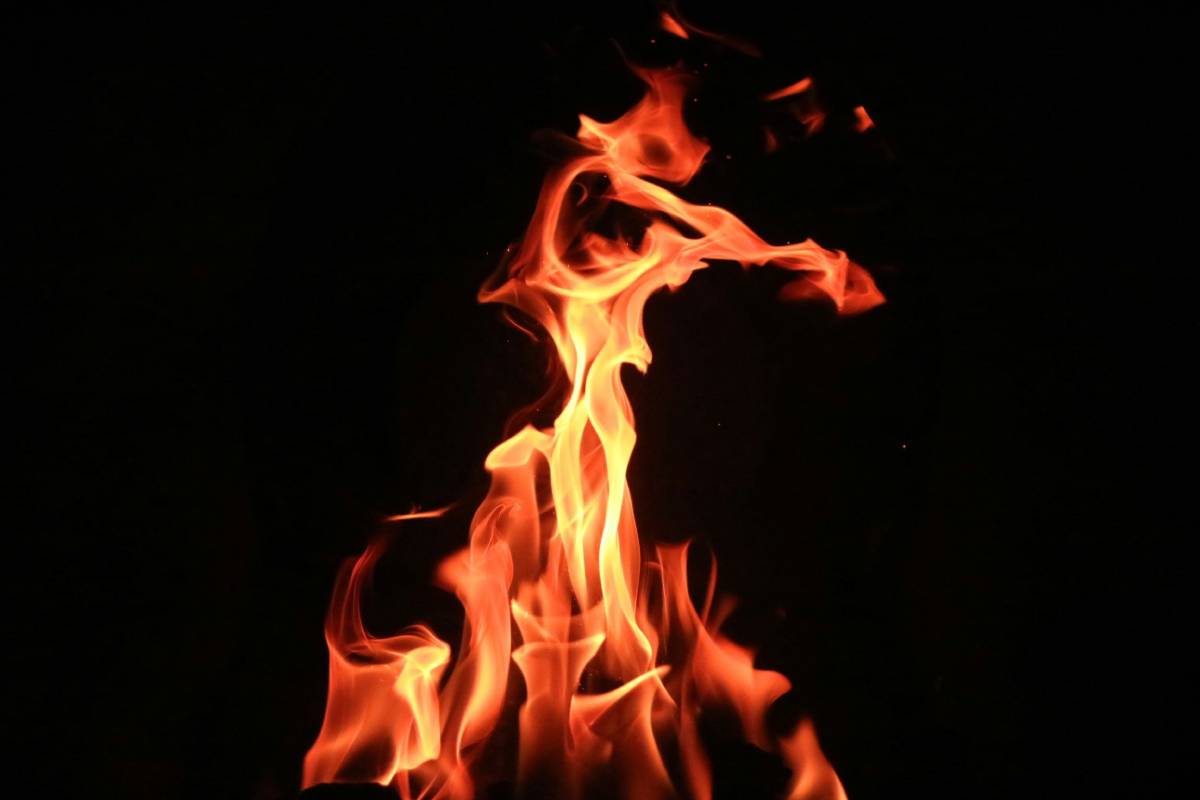
People ask how long does gasoline burn because gasoline fires can look sudden and intense. Gasoline often burns quickly because vapour production feeds the flame.
How it burns depends on spill shape and ventilation.
- Thin films can flash rapidly across a surface
- Pools can burn longer, but the burn rate depends on surface area and airflow
- Vapours can ignite first, then the liquid continues feeding the flame
This ties back to how flammable is gasoline and the flammability of gasoline. The more vapour present in the right range, the easier ignition becomes.
Is Spilled Gasoline Dangerous In Real-World Situations?
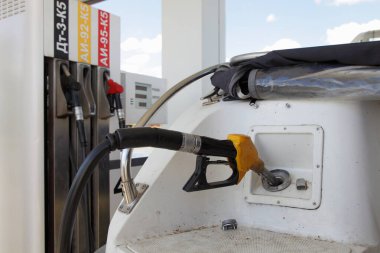
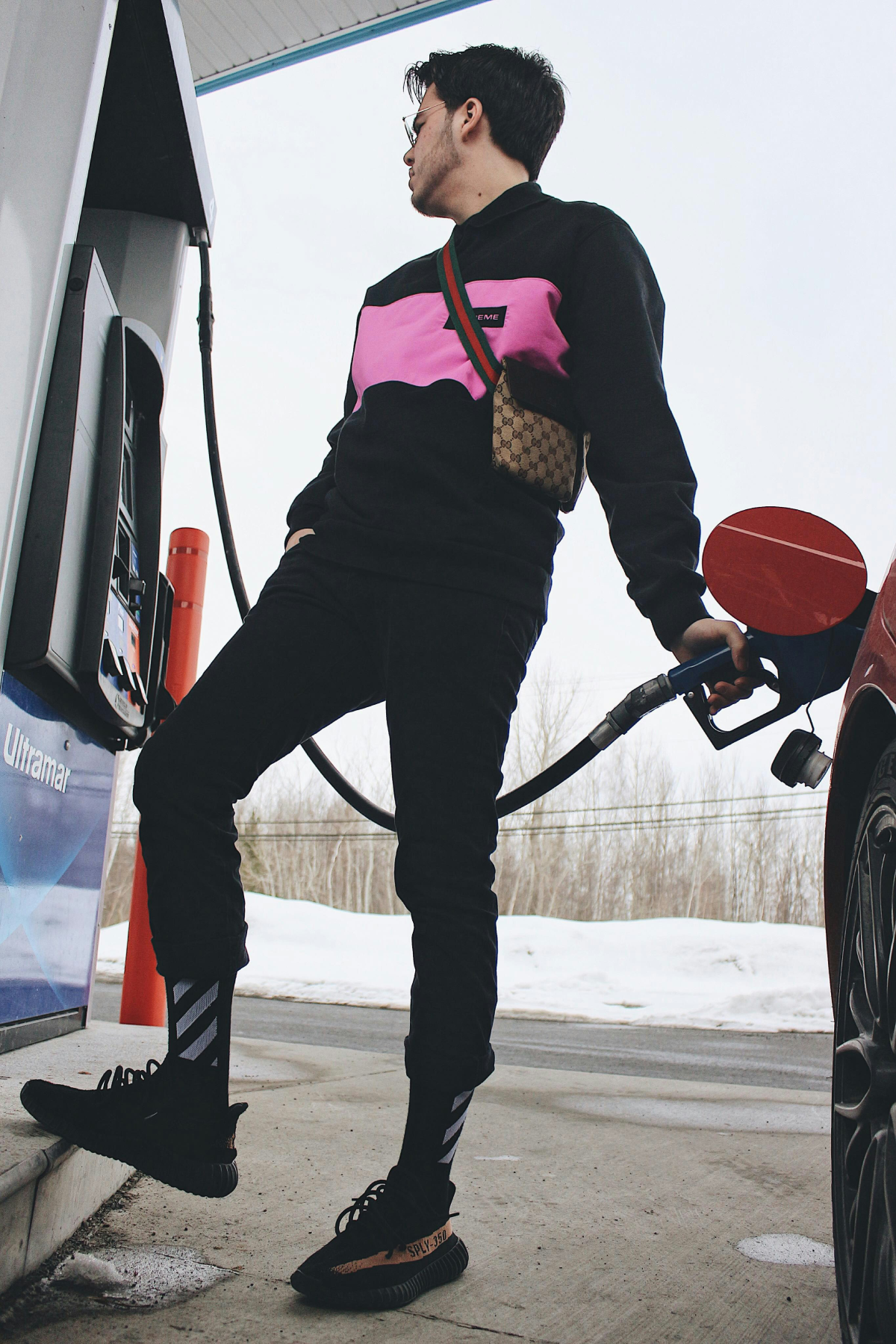
Is spilled gasoline dangerous? Yes, even small spills pose risks, particularly when near ignition sources or in enclosed spaces where vapours can concentrate. Common hazardous scenarios include spilled gas at gas station areas near vehicles, hot surfaces, and electrical equipment. A gas spill at gas station allows vapours to spread rapidly, potentially affecting nearby lanes, and creates a risk where other people may unknowingly enter the vapour area after spilling gas at gas station. Furthermore, spilled gas in car dangerous conditions arise as vapours can build up within a closed cabin or trunk.
Regarding vehicle exposure, what happens if you spill gas on your car can involve lingering odours and vapours entering ventilation systems. Similarly, what happens if you spill gas on the ground often leads to vapour release, soil contamination, and damage to vegetation. People often ask, does gasoline stain? It can leave marks or dull spots on specific paints and plastics, and it can carry grime into porous materials. While rules vary, is it illegal to spill gas at a gas station? Although not always a crime, it typically violates station safety policies. Alerting staff immediately is the safest course of action.
What Should You Do Immediately After Spilling Gasoline?
Fast response reduces vapours and reduces ignition risk. Use this checklist to address gas spills immediately
- Stop the source if it is safe to do so
- Keep ignition sources away, do not smoke, do not start engines
- Increase ventilation if indoors by opening doors and windows
- Keep people away from the spill area
- Absorb the liquid using a fuel-rated absorbent
When dealing with a fuel spill, common questions include what to put on spilled gas, what to put on gas spill, and what soaks up gasoline. A fuel rated absorbent is the optimal choice. Many people consider kitty litter, leading to the question, does kitty litter absorb gasoline? While some types can absorb the fuel, any litter used must be treated as contaminated hazardous waste.
People also frequently ask is kitty litter flammable. The litter itself may resist ignition, but once it absorbs gasoline, the resulting mixture presents a fire risk because the fuel vapours remain flammable. Always clean the spill area with mild soap and water afterward and dispose of materials according to local regulations.
What Scientific Research Explains Gasoline Spill Fire Risk?
Scientific safety guidance and research primarily focus on the generation and movement of vapours. The key factors influencing vapour behaviour are vapour pressure, temperature, airflow, and the rate at which vapours diffuse and spread. Models distinguish between open and enclosed environments. Outdoors, greater ventilation allows vapours to be diluted more quickly. Conversely, indoors, vapours can accumulate and travel along the floor, significantly increasing the risk of ignition and explosion.
Research also highlights the importance of porous materials. Liquid fuel can permeate porous materials like concrete and soil, leading to the long term release of vapours. This mechanism helps to explain how long does gasoline stay in soil and why the smell can persist even after the visible liquid has disappeared. This research also helps to answer the question, does gasoline evaporate completely? While a large portion of the fuel may evaporate, a portion can remain trapped in pores or adsorbed to the material for extended periods, especially after a significant spill.