Need Emergency Fuel Delivery?
  info@elanfuels.com
Key Takeaways
- The choice between propane and diesel generators depends on load, outage duration, and fuel availability.
- Diesel vs propane generator often favours diesel efficiency, propane storage stability, and simplicity.
- Propane vs diesel generator pros and cons shift based on noise limits and maintenance.
- The cost per kWh of a propane generator varies with load, pricing, and sizing.
- Plan generator fuel delivery so refuelling stays reliable during extended outages.
Table of Contents
Propane Vs Diesel Generator
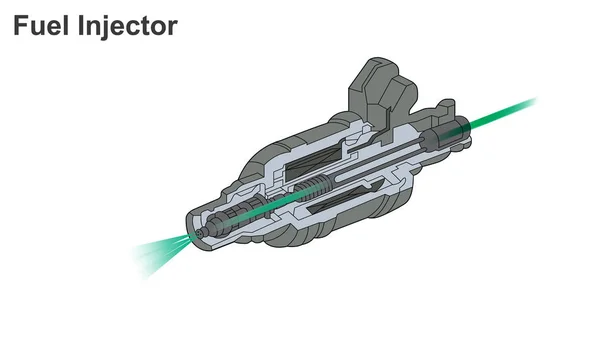
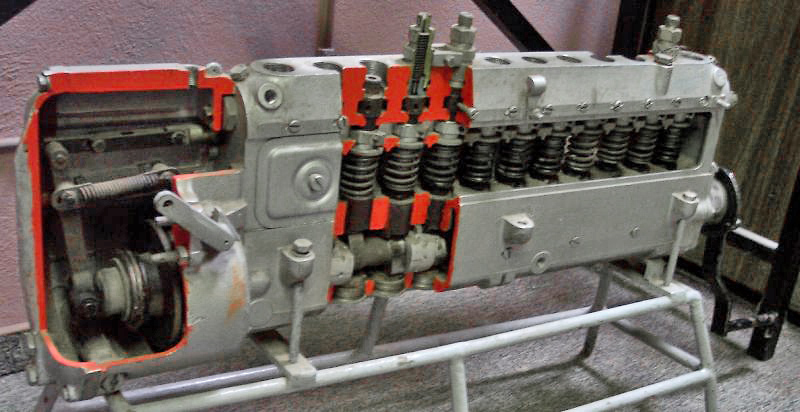
A propane generator vs a diesel unit fundamentally operates by using an engine to spin an alternator and create electricity. The key differences lie in how they store, deliver, and burn their fuel. Propane is stored as a pressurized liquid, vaporizes upon leaving the tank, and then mixes with air before combusting, often utilizing spark ignition like gasoline engines. Diesel, remaining liquid, is injected as a fine spray into hot, compressed air, igniting from the heat of compression without the need for spark plugs.
These fuel characteristics directly impact performance and design. Diesel fuel boasts a higher energy density per volume, often resulting in longer run times and superior performance under heavy loads. Conversely, propane burns very cleanly, leaving fewer soot-type deposits. This reduced residue makes the propane or diesel generator an appealing choice for homeowners, particularly for standby solutions involving long idle periods. Mechanically, diesel engines are typically built for high torque and rigorous duty cycles, while propane engines excel in standby use with stable, long-term fuel storage. Understanding these differences is crucial when comparing diesel generators vs. propane, as they influence operating costs, maintenance, and start reliability.
Diesel Vs Propane Generator Pros And Cons
A comprehensive diesel vs propane analysis must prioritize specific criteria, including efficiency, service life, maintenance needs, fuel storage stability, refuelling process, emissions, and total ownership cost. The optimal fuel source depends entirely on the generator’s intended application: infrequent emergency backup, regular power outage relief, or continuous off-grid power.
The operational scenario significantly alters the evaluation. A unit running for just a few hours annually values quick readiness and secure storage. Conversely, a continuously operating unit requires low fuel costs and robust durability. This illustrates why the pros and cons of propane generators differ markedly between typical homeowner use and demanding commercial applications.
Not Sure If Propane Or Diesel Fits Your Home Backup Plan?
Choosing between a propane vs diesel generator depends on your load size, typical outage duration, and fuel availability. Use a simple “essential loads” checklist to match the right kW capacity and avoid overspending on an oversized unit that burns more fuel at light load.
Propane Vs Diesel Generator Pros And Cons
- Efficiency and operating cost: Diesel often uses less fuel per kWh at medium to high load. Propane can be cost-effective when fuel prices are favourable, and loads are right-sized.
- Storage stability: Propane can be stored for long periods in a sealed tank with little degradation risk. Diesel can degrade over time and may need testing and treatment.
- Maintenance patterns: Diesel requires careful fuel quality control and regular filter attention. Propane systems can avoid some deposit issues, but still need scheduled service.
- Cold start and readiness: Modern designs can start well in many climates. Diesel may need attention to battery condition and fuel properties. Propane depends on tank level and regulator health.
- Emissions and local rules: Propane typically emits low levels of particulates. Diesel can produce higher particulate and Nitrogen Oxides emissions without advanced controls.
- Noise and vibration: Many diesel units produce stronger low-frequency sound and vibration. Propane units are often perceived as smoother, though the quality of the enclosure matters.
Is A Diesel Or Propane Generator Better For Home Backup Power?
For residential standby power, the focus must be on reliability, safe installation, manageable noise levels, and adequate runtime. The most effective diesel or propane generator for a home standby system typically features automatic starting capabilities, sustains essential loads without overloading, and can be refuelled efficiently during extended outages. Noise is a critical consideration in residential areas, often making propane the preferred fuel because standby packages are generally quieter. However, the actual sound level is heavily influenced by the enclosure, mounting, and unit placement. Safety is also paramount, with propane requiring secure pressure tank placement, regular leak checks, and proper ventilation. Diesel home standby generator storage demands spill control, safe tank installation, and clean fuel handling.
Consistent maintenance and readiness are crucial for dependable outage performance. Diesel owners must actively monitor the condition of their stored fuel to prevent water contamination and ensure filters are clean. Propane owners need to track the tank level and maintain clear access for deliveries. True reliability stems from meticulous planning, not just the fuel type. A diligently maintained diesel home standby generator can operate for long periods, provided the stored fuel remains clean. Similarly, a well-planned propane backup generator can stay ready for months, but only if the tank is correctly sized and filled for the expected outage duration. To establish a dependable outage plan, guaranteed fuel access is key. We offer 24/7 Emergency Fuel Delivery service, providing generator fuel delivery support for both scheduled standby maintenance and urgent outage response.
How Much Does A Propane Generator Cost Compared To Diesel?
The upfront price of a generator is determined by factors such as power size, enclosure type, brand, and whether it is portable or standby. Propane units are readily available and often competitively priced in many home standby sizes. Diesel units can cost more at similar power ratings, especially those designed for heavy-duty standby use.
Installation and infrastructure significantly impact the total cost. A propane generator cost estimate should encompass the generator itself, the transfer switch, electrical labor, fuel line work, and any necessary tank costs. Diesel ownership typically involves the fuel tank, proper placement, and ongoing fuel management, including filtration and periodic testing. If you ask how much is a propane generator costs compared to a diesel model, an accurate comparison requires matching the same kW class, enclosure grade, and installation scope, as diesel is common in larger systems while propane dominates residential standby packages.
| Cost factor | Propane standby | Diesel standby |
|---|---|---|
| Typical home size availability | Very common | Less common in smaller home packages |
| Fuel infrastructure | Tank and regulator setup | Tank setup and fuel quality planning |
| Upfront equipment cost | Often moderate | Often higher for heavy-duty designs |
| Ongoing maintenance | Scheduled service, ignition components | Filters, fuel system care, oil service |
| Long outage planning | Monitor tank and deliveries | Monitor stored fuel condition and resupply |
Want To Estimate Your Generator Cost Per kWh Before You Buy?
Fuel cost is not just the price per gallon. It depends on your generator’s load, efficiency, and consumption at 25%, 50%, and full load. Use a quick cost-per-kWh estimator to compare propane vs diesel generator running costs for your real outage scenario.
What Is The Propane Generator Cost Per kWh?
The propane generator cost per kwh is influenced by several factors, including the current fuel price, the generator’s thermal efficiency, and the operational load level. Generators typically exhibit lower efficiency at light load, which can increase the cost per kWh if the unit is oversized for the home’s requirements. Since real-world homes operate with variable, mixed electrical loads, fuel consumption and cost fluctuate throughout an outage.
Manufacturers commonly provide a propane generator fuel consumption chart detailing gallons per hour at 25%, 50%, and full load. To estimate the cost per kWh, multiply the hourly fuel consumption by the fuel price, then divide the total by the corresponding kW output. While diesel often offers a cost per kWh advantage at higher loads due to its strong thermal efficiency, making a diesel generator for home or a diesel standby generator an option for those expecting long, high-load outages, propane remains competitive when its pricing and storage convenience are favorable, and the generator is sized correctly.
How Efficient Are Propane Generators Compared To Diesel?
Generator efficiency is determined by engine and alternator design, as well as the load. Diesel engines often achieve greater thermal efficiency at medium to high loads. This translates to lower fuel consumption per kilowatt-hour under heavy demand, which is advantageous during long outages or frequent operation.
Propane generators can be efficient in standby mode. However, fuel use may increase at partial load if the generator is oversized. Many people ask how efficient propane generators are due to propane’s lower energy density compared to diesel. Therefore, it is important to correctly size the generator and compare its fuel consumption at your expected operating loads.
If you are comparing propane generator efficiency against diesel, focus on these practical points.
- Match generator size to essential loads, not peak wish list loads.
- Compare fuel burn at 50% load and near full load.
- Consider how long the generator will run per year.
- Include maintenance and fuel storage costs in the full efficiency picture.
Are Propane Generators Quieter Than Diesel Generators?
Generator noise levels depend on several factors, including engine speed, combustion characteristics, exhaust design, cooling fans, and the quality of the unit’s enclosure. Many homeowners ask, are propane generators quiet, because they seek a standby unit that will not disturb their neighbours or interrupt sleep.
Diesel combustion often produces strong low-frequency sound and vibration. This type of noise travels easily through walls and over distances, potentially making it feel louder than other sounds at the same decibel level. Propane units are often perceived as having a smoother, less harsh sound. This perception is a key reason people ask, are propane generators quieter than diesel. Proper installation, including a well-designed enclosure, effective vibration mounts, and smart placement away from reflective surfaces, can significantly reduce the perceived noise of any generator.
What Is The Environmental Impact Of Propane Vs Diesel Generators?
Environmental impact encompasses local air pollutants and greenhouse gas emissions. Propane combustion typically produces very low particulate emissions, offering an advantage over diesel in terms of local air quality. Conversely, diesel can produce higher particulates and nitrogen oxides without advanced aftertreatment. While newer diesel systems employ filters and catalysts to reduce emissions, proper operating conditions and consistent maintenance remain crucial. Diesel may still be the preferred choice for efficiency under heavy load, reducing the fuel needed to achieve the same power output.
Some buyers also consider gasoline as an alternative to propane. Common questions include is a propane generator better than gas and propane vs gas generator fuel consumption. Propane often stores better than gasoline and tends to form fewer deposits. This contributes to the discussion regarding propane is cleaner than gasoline. Ultimately, propane often reduces particulate emissions compared with both diesel and gasoline, while diesel typically offers superior fuel efficiency under heavy load.
What Diesel-Specific Generator Factors Should Buyers Consider?
If you are leaning toward diesel, plan for fuel quality and storage discipline. A diesel-fueled generator can be extremely reliable, but stored fuel must remain clean and dry.
- Use the right fuel and keep it clean. Good diesel fuel for generators reduces injector and pump wear.
- Manage water contamination. Water promotes corrosion and microbes, and it can clog filters at the worst time.
- Plan for long-term storage. Diesel can oxidise and form deposits, especially in warm storage conditions.
- Prevent microbial growth. Microbes can form sludge that blocks lines and filters, preventing a diesel backup generator from starting during an outage.
- Maintain filters and service schedules. Fuel filters, air filters, and oil changes matter for any home diesel generator.
- Exercise the generator under load. Regular test runs help confirm readiness and reduce the risk of surprise failures in a house diesel generator installation.
Planning For A Long Outage? Don’t Let Fuel Access Be The Weak Link
Even the best standby system fails if refuelling is not reliable. Build a delivery and storage plan that covers tank sizing, refill timing, access for trucks, and safe storage rules so your backup stays dependable during extended outages.
How Does Generator Fuel Storage And Delivery Differ For Propane And Diesel?
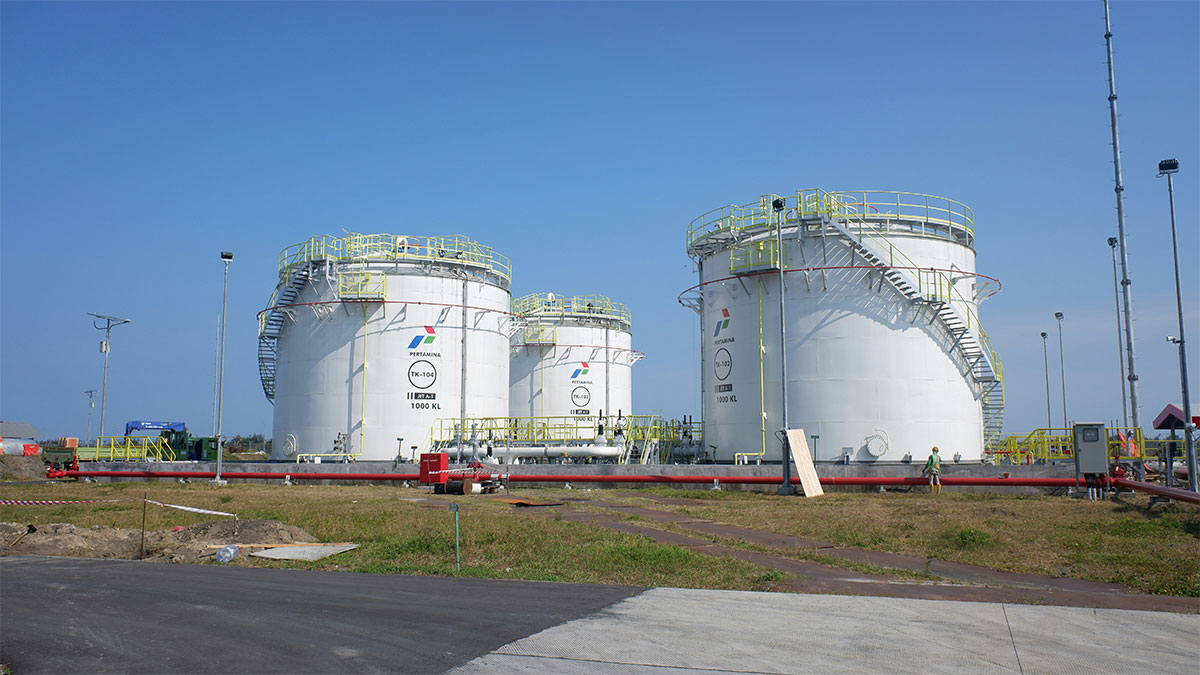
Propane is stored in sealed, pressurised tanks, which ensures long-term stability because the fuel is isolated from air, preventing the degradation typical of many liquid fuels. Conversely, diesel requires vented storage and is vulnerable to water intrusion, oxidation, and contamination. Delivery logistics also present differences.
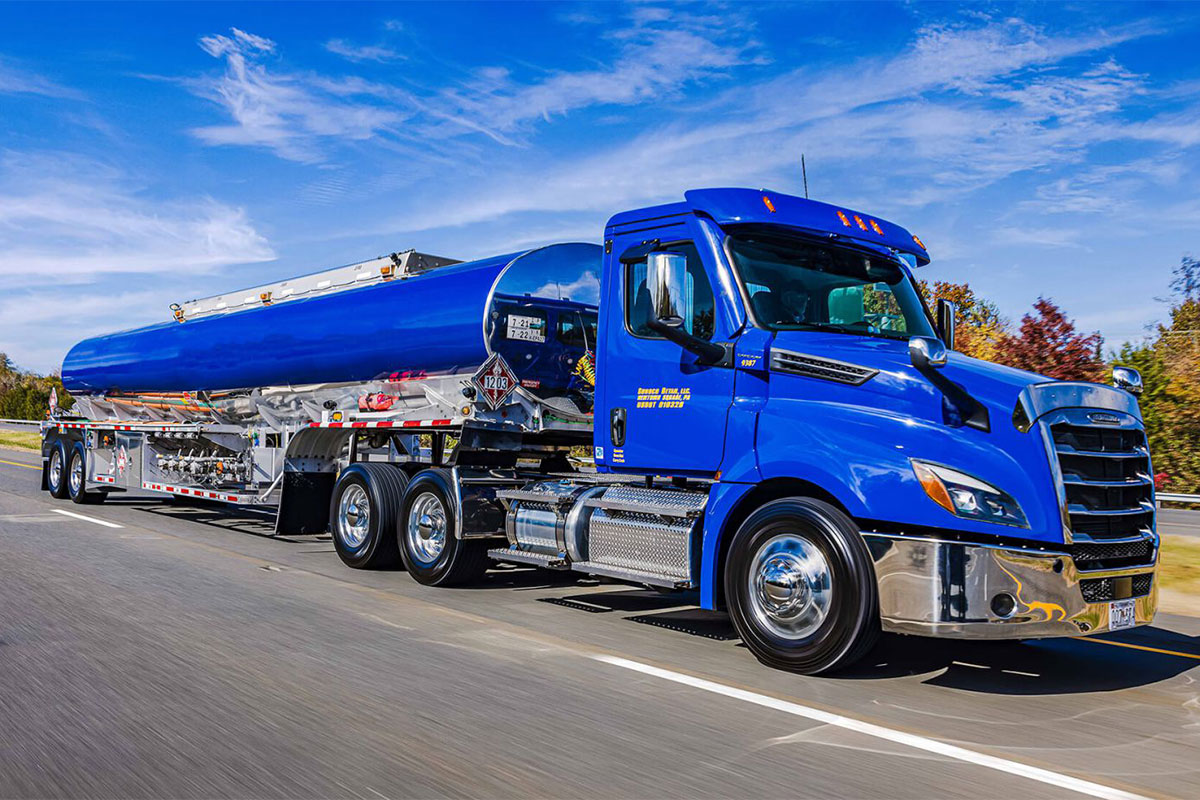
Propane is delivered via bulk truck to a fixed tank or managed through a tank exchange for smaller requirements. While diesel can also be delivered in bulk, handling must strictly prevent exposure to dirt and water. If emergency resupply is critical to your plan, comprehensive generator fuel delivery planning should be an integrated part of your purchase decision, not a belated consideration.
How Do Propane And Diesel Generators Compare In Performance And Reliability?
Diesel generators offer superior performance in handling sudden, heavy loads, which benefits equipment such as well pumps, compressors, and high-surge appliances. They are often engineered for extended service life in demanding duty cycles. While reliability depends on maintenance, diesel can provide excellent service when fuel management is consistent.
Propane generators provide stable voltage and smooth operation for typical home standby use. Propane’s fuel stability is an advantage during long-term storage, helping avoid contamination issues common with diesel. Service life is linked to run hours, but propane can be very reliable for low annual use. In any diesel and propane generator comparison, optimal performance relies on proper sizing, proper installation, and routine testing.
How Do Propane Vs Diesel Generators Integrate With Solar And Off-Grid Systems?
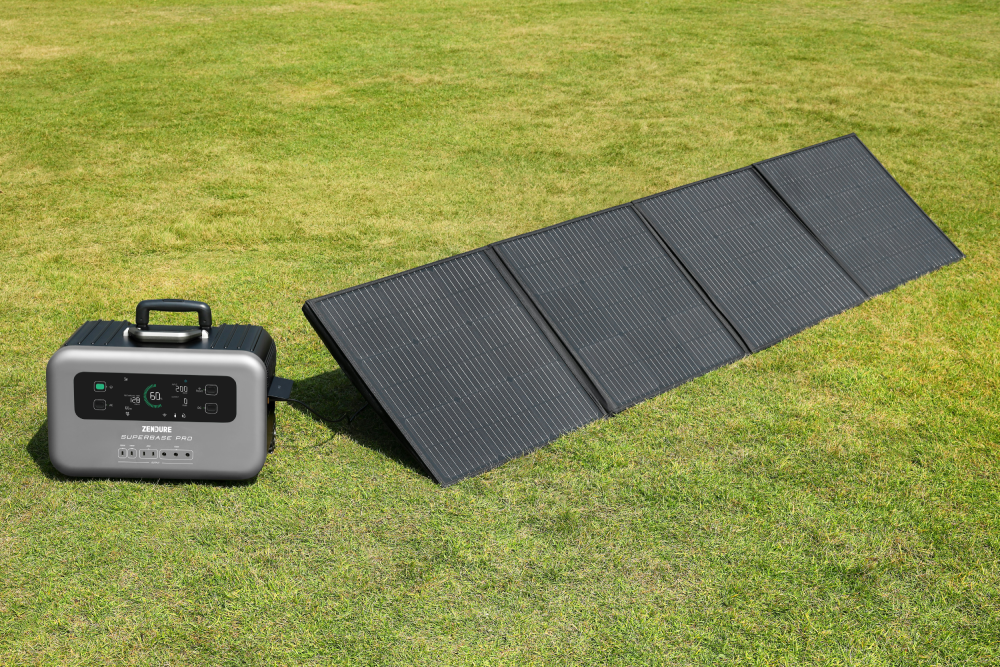
Hybrid power systems integrate solar panels, batteries, an inverter, and an auto start generator. The generator offers necessary support when solar production is low or electrical loads are high. For off-grid operation, the chosen fuel type affects logistical challenges, storage requirements, and long-term preparedness.
A key decision involves assessing diesel generator vs propane options. If the generator runs infrequently but requires constant readiness, propane’s superior storage stability is advantageous. However, for frequent use to recharge batteries and power significant loads, diesel’s efficiency under load can significantly decrease overall fuel consumption. Reliable off-grid power depends on smart fuel management, taking into account tank size, delivery access, local safety rules, and ongoing service support.