Need Emergency Fuel Delivery?
  info@elanfuels.com
Key Takeaways
- Airlines design airplane fuel tank capacity to balance range, payload, safety margins, and operating cost for each specific mission profile.
- Tank placement in wings, fuselage, or auxiliary locations shapes structural loads, aircraft fuel capacity, safety features, and long term reliability.Greater plane fuel tank capacity increases range, but added fuel weight raises burn, so airlines optimize payload, distance, and overall efficiency.
- Knowing litres, gallons, and fuel density helps interpret aircraft fuel tank capacity, fuel planning, reserves, and safety margins for flights.
- Airlines and regulators coordinate design, maintenance, and fuel planning to keep flights safe, efficient, and compliant with international aviation standards.
Table of Contents
Airplane Fuel Tank Capacity
Airplane fuel tank capacity is the total fuel volume across all installed tanks (wing, centre, and auxiliary), typically measured in litres or US gallons. This plane fuel capacity varies significantly: small general aviation aircraft hold a few hundred litres, while large commercial airplane fuel capacity can exceed 100,000 litres. Key factors determining capacity of airplane fuel tank include:
- Intended mission (e.g training, long haul).
- Engine fuel efficiency.
- Required fuel reserves for alternates/delays.
- Structural limits and maximum takeoff weight.
This is why average plane fuel tank capacity varies so much between aircraft families. A small trainer has modest airplane fuel tank size, while a wide body jet has very high flight fuel tank capacity to support intercontinental routes.
Aircraft Fuel Capacity And Design Considerations
Engineers carefully consider structure, balance, and safety when determining aircraft fuel tank capacity. Most airliners integrate the tanks into the wings, using the existing structure to support the fuel weight and manage bending forces. Many aircraft also feature a centre tank in the fuselage and may have auxiliary tanks. This clever layout defines aircraft fuel tank size without compromising passenger or cargo space. The materials and structure, including sealed wing cavities or flexible bladder tanks, must be robust against corrosion and fatigue, influencing the fuel tank capacity in aeroplane and its long-term reliability. Ultimately, the capacity of aeroplane fuel tank must integrate seamlessly with other components like the landing gear and engines.
Curious How Fuel Tank Size Limits Flight Range?
Airplane fuel tank capacity isn’t just a big number in litres or gallons, it shapes range, payload, and fuel burn. Learn how designers and airlines balance tank size, weight, and route demands.
How Does Plane Fuel Tank Capacity Affect Flight Range?
The plane fuel tank capacity is a key factor in determining an aircraft’s maximum range, though it involves trade-offs. While more fuel allows for longer flights, the extra weight increases the rate of climb and cruise burn. Airlines and manufacturers aim for an efficient balance between the fuel capacity of plane and the routes the aircraft will primarily fly. This is why there is no single ideal plane fuel tank size.
How Many Litres Of Fuel Does A Plane Hold?
The question of how many litres of fuel does a plane hold really depends on the type of aircraft. For instance, smaller, light aircraft might only carry a few hundred litres. In contrast, modern passenger or cargo jets often carry tens of thousands of litres. This capacity dictates how much fuel is on a plane when fully topped up, and is especially critical for answering how much fuel does an aircraft hold for those ultra-long-haul journeys.
Below is an approximate comparison of aircraft fuel tank capacity.
| Aircraft type | Example model | Approximate airplane fuel tank capacity litres | Approximate capacity US gallons | Typical role |
|---|---|---|---|---|
| Small training aircraft | Cessna 172 | About 210 litres | About 56 gallons | Local and training flights |
| Regional turboprop | Typical 70 seat turboprop | Around 5 000 litres | Around 1 300 gallons | Short regional routes |
| Narrow body jet | Typical Boeing 737 class | Around 26 000 litres | Around 6 900 gallons | Short and medium haul |
| Wide body long haul jet | Typical Boeing 777 class | Around 170 000 litres | Around 45 000 gallons | Long haul intercontinental |
These values help answer how many litres of fuel in a plane for common models and how many gallons of fuel does a commercial plane hold in day to day service.
Aviation uses both units,so crews often convert. One US gallon is about 3.8L. This supports questions such as how many gallons of fuel can a plane hold when specifications are written in only one system.
Confused By Litres, Gallons, And Fuel Burn Numbers?
From small trainers to wide-body jets, fuel capacity figures can be overwhelming. Get clear on unit conversions, typical tank sizes, and how much fuel different aircraft really use per flight.
How Much Fuel Does An Airplane Use Per Flight?
Fuel use depends on aircraft type, route length and conditions. A small aircraft might burn around 30 to 40litres per hour. A narrow body jet on a regional route can burn several thousand litres on one leg. Large wide body jets may burn tens of thousands of litres on a single long haul flight. This is why how many litres of fuel does a plane use varies widely.
Variables that affect how much fuel does a plane have at each phase include;
- Passenger and cargo load.
- Cruise altitude and chosen speed.
- Winds, temperature and air traffic control restrictions.
Planners look at expected burn to decide how much fuel to fill a plane and to ensure how much fuel is in the airplane at landing meets reserve rules.
Passenger Airplane Fuel Capacity And Efficiency
The necessary passenger airplane fuel tank capacity is determined by both the route distance and the aircraft’s seating layout. Interestingly, a fully loaded plane typically achieves better fuel efficiency per passenger than one that’s half-empty. To optimize fuel consumption, airlines carefully analyze demand patterns to ensure the passenger plane fuel tank capacity and cabin size are appropriate for each specific market. This highlights the various ways airlines are constantly working to improve efficiency concerning the fuel capacity of airplane.
- Matching aircraft passenger airplane fuel tank capacity to route length and demand.
- Using modern jets with aerodynamic improvements for better airplane fuel capacity use per seat.
- Optimising weight so how much fuel in a plane can be reduced without cutting range.
This planning reduces operating cost and improves sustainability while still using the full fuel tank capacity of airplanes when needed.
Commercial Airplane Fuel Capacity And Its Environmental Impact
A high commercial plane fuel capacity allows for long nonstop flights. However a full tank also means high fuel burn resulting in carbon dioxide and other emissions. Even with a large commercial airplane fuel capacity airlines aim to reduce the fuel used per passenger kilometre.
Ways to lessen the impact of a large fuel tank capacity of planes include new high efficiency engines, lighter materials and route optimization to ensure how much fuel in the plane is close to what is truly needed. Sustainable aviation fuel also helps by cutting lifecycle emissions even though the capacity of aeroplane fuel tank remains the same.
How Many Fuel Tanks Are In An Aeroplane?
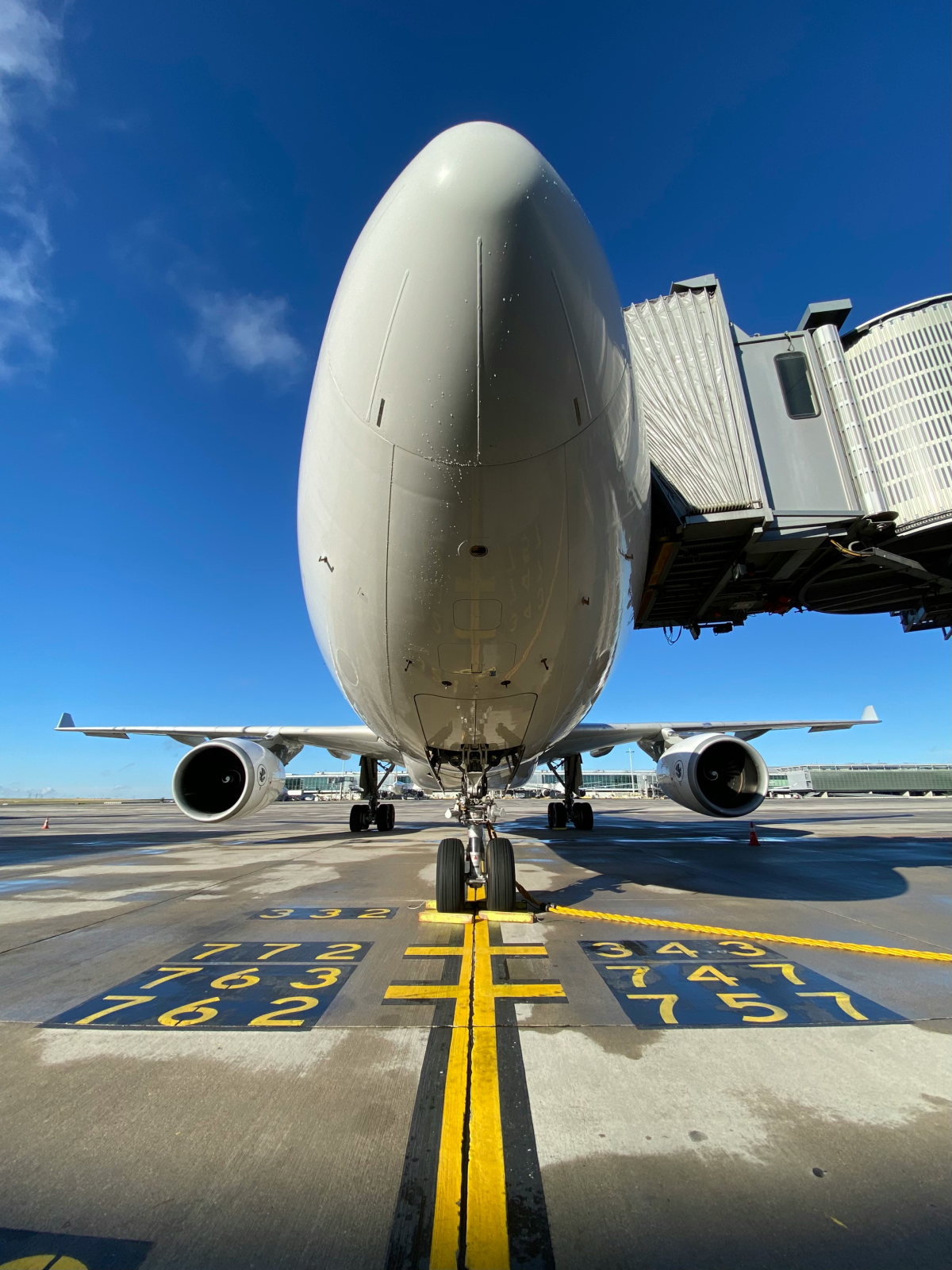
People often wonder how many fuel in aeroplane or how many tanks there are. Most modern jets have several tanks, typically including left and right wing tanks plus a center fuselage tank. Sometimes auxiliary tanks are added. These tanks define the total aeroplane fuel capacity and are crucial for maintaining balance as fuel is consumed. Fuel moves between tanks using a system of pumps and valves. This mechanism utilizes the flight fuel tank capacity efficiently and ensures the weight stays balanced. Multiple tanks and crossfeed systems also provide redundancy, allowing the aircraft to continue feeding the engines even if a component fails.
Airplane Fuel Tank Capacity In Relation To Weight Limits
The actual airplane fuel tank capacity is often limited by weight, as the maximum takeoff weight includes passengers, cargo, and fuel. Consequently, if an aircraft has a heavy payload, the crew may not completely fill every tank. This means how much fuel does a commercial airplane hold at departure is frequently less than its structural capacity. Key factors link fuel capacity in aeroplane and weight. For example, high takeoff weight limits usable fuel capacity of aeroplane on hot or high altitude runways. Long flights may limit payload to increase the fuel capacity of aircraft, while short flights carry less fuel than the capacity of fuel tank in aeroplane to reduce weight. This careful trade off ensures safe and efficient use of airplane fuel tank capacity.
Want To Plan Safer, More Efficient Flights?
Fuel reserves, multiple tanks, weight limits, and environmental impact all matter. Dive deeper into how crews plan fuel loads to stay within capacity while protecting safety margins and emissions goals.
Fuel Capacity Of Aircraft Used In Cargo Operations
Cargo operators manage fuel capacity of aircraft differently than passenger airlines. Large freighters, such as the Boeing 747-8F and Airbus Beluga families, have substantial aircraft fuel tank capacity and high payload limits. When planning long haul missions with heavy freight, planners must determine precisely how much fuel does an aircraft hold for each leg, considering cargo mass, range, and alternates. Although many freighters share a similar airplane fuel tank size and aircraft fuel tank size with passenger models, their main decks are designed for freight, allowing flexible payload use across mixed fleets.
Aeroplane Fuel Tank Capacity And Safety Regulations
Safety regulations govern aeroplane fuel tank capacity from initial design through daily use. These rules establish requirements for strength, lightning protection, venting, drainage, and inspection schedules. Design approvals ensure the fuel tank capacity of aeroplane remains safe throughout its service life. Operational rules are also crucial, dictating minimum fuel reserves for every flight. They determine how much fuel is filled in aeroplane before takeoff and the required remaining amount upon landing. The declared capacity of aeroplane fuel tank must be reliable, meaning all tanks, sensors, and pumps must meet strict standards under all expected conditions.
Aeroplane Fuel Tank Capacity And Flight Planning
Before every flight, pilots and dispatchers collaborate to calculate necessary fuel. They consider factors like route distance, weather, and aircraft type to determine how much fuel in airplane is needed for the trip. The total plan includes trip fuel, contingency reserves, alternate destination fuel, and a final reserve. This careful process ensures the actual fuel load always remains within the flight fuel tank capacity. Effective planning answers key questions such as how much fuel is in an airplane during each stage and how many litres of fuel does a plane use on a specific route. For international flights, they might also reference aeroplane fuel tank capacity in litres if metric units are used locally.
Airplane Fuel Capacity At Cruise And Landing
During cruise, pilots constantly compare the planned fuel burn with the actual consumption. They monitor airplane fuel tank capacity remaining and the projected fuel upon arrival. If they face stronger headwinds, they might adjust altitude or speed to protect their reserves. A specific minimum legal amount of fuel must remain upon landing. This reserve helps explain how much fuel does a plane have at touchdown and domestic flight fuel tank capacity is typically used. Even if the fuel tank capacity of aeroplane is large, only a portion is often burned on shorter trips, ensuring safety margins.