Need Emergency Fuel Delivery?
  info@elanfuels.com
Key Takeaways
- Diesel evaporates, but slowly and often incompletely.
- Gasoline is far more volatile than diesel in the same conditions.
- Heat, wind, and sunlight increase evaporation, shade and cold slow it.
- Open surfaces lose light fractions, residues persist on concrete and soil.
- In sealed tanks, evaporation losses are minimal if gaskets are sound.
- Safe, timely cleanup prevents fires, fines, and contamination.
Table of Contents
Does Diesel Evaporate?
Diesel fuel is a middle-distillate blend produced by atmospheric and vacuum distillation, often followed by hydrotreating. Its molecules typically range from about C10 to C20. These larger chains raise the flash point and reduce vapor pressure, so diesel evaporates more slowly than gasoline. The result is partial evaporation, not instant disappearance.
Volatility and rate under normal conditions
- At 68-86°F with light wind, thin films can lose the lightest fractions within 24-48 hours.
- Pools several millimeters deep can persist for a week or more, depending on surface porosity and sun exposure.
Enclosed vs. open spaces
- In closed containers or sealed tanks, headspace saturates with vapor and further loss slows dramatically.
- In shallow trays or spills, air exchange and heat allow ongoing, but uneven, evaporation.
Definition and traits
- Diesel is a refined distillate designed for compression-ignition engines, with higher cetane and lower vapor pressure than gasoline.
- Evaporation favors lighter aromatics and paraffins first, leaving heavier waxy components.
Storage type impact
- Tight, vent-controlled tanks keep vapor loss very low.
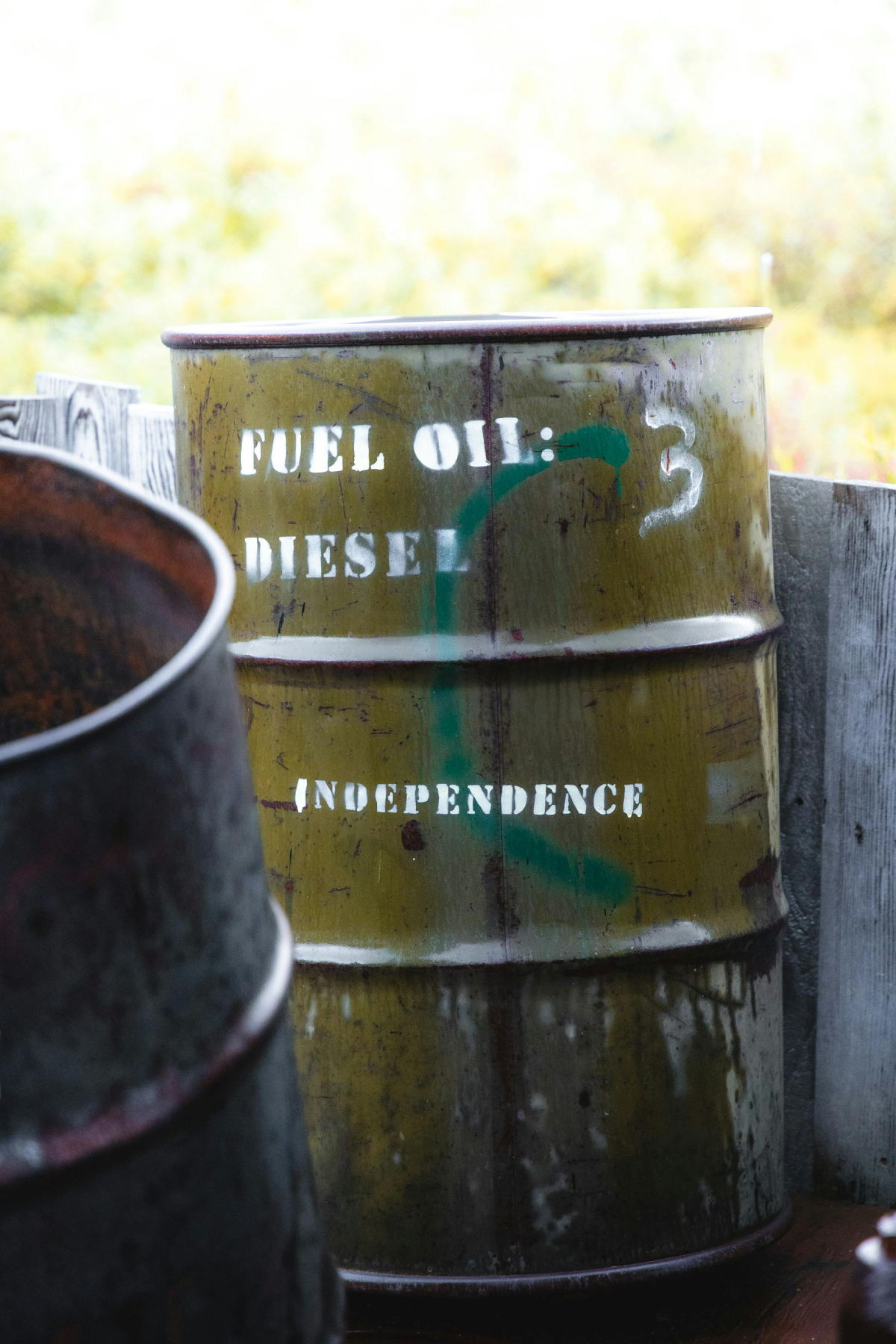
- Open cans and drums experience measurable loss over weeks, plus contamination by dust and moisture.
Scenarios where diesel may or may not evaporate
- A mist or thin sheen on hot pavement can thin quickly but leaves stains.
- On compacted soil, evaporation is limited because capillaries draw fuel downward.
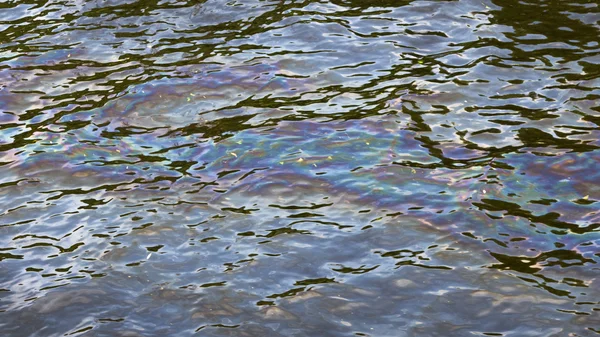
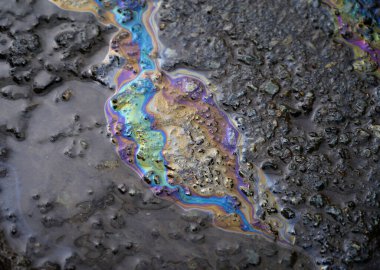
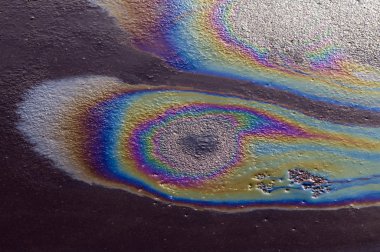
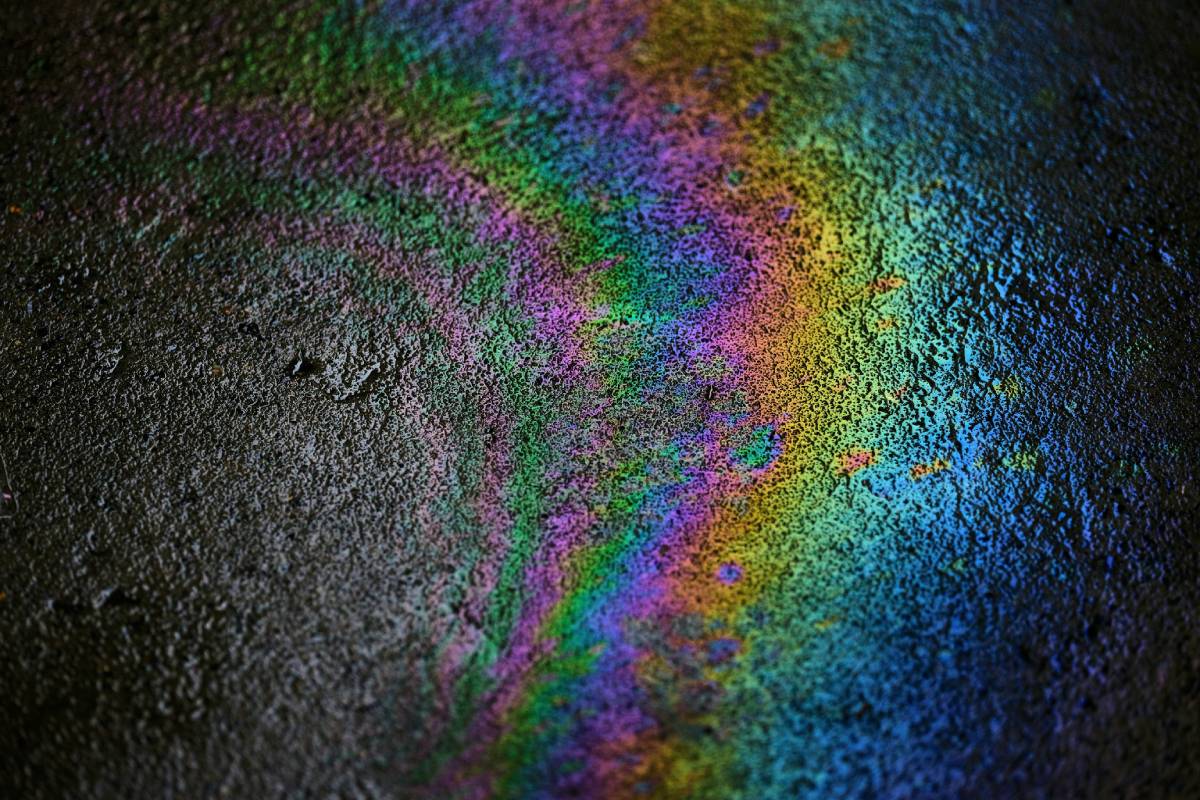
- On water, rainbow sheen fades as light fractions leave, while heavier material persists and can emulsify.
Temperature, humidity, and surface exposure
- Higher temperature and direct sun raise vapor pressure and enhance diffusion.
- Low humidity increases gradient-driven loss.
- Large exposed surface area speeds the process; thick pools and rough, porous media slow it.
Evaporation depends on vapor pressure and mass transfer. Diesel’s vapor pressure is low at ambient temperatures, so molecules need more energy to escape. Even when heat is available, removal of vapor by wind or ventilation controls the pace. If air becomes saturated or still, the process slows. Spreading a spill increases surface area and speeds loss, but it also enlarges the hazard zone. Contain first, then absorb, to manage both time and risk.
Outdoors, wind dilutes vapors. Indoors, vapors and mist can accumulate. Pits, sumps, and crawl spaces can trap heavier-than-air vapors. Use ventilation rated for hazardous atmospheres when needed.
How Does Diesel Evaporation Compare To Gas?
Gasoline contains lighter hydrocarbons, often C4-C12, with high vapor pressure. Diesel’s heavier C10-C20 range yields a higher flash point and lower volatility. Consequently, gasoline can evaporate almost completely in warm, breezy conditions, while diesel leaves residues and persists far longer.
Key differences
- Gasoline: rapid evaporation, strong vapor flammability, short persistence on hard surfaces.
- Diesel: slow evaporation, lower vapor hazard, longer persistence, higher soil and water concern.
Gasoline spills demand immediate vapor control and ignition source management. Diesel spills demand prompt containment, absorption, and soil protection, because what does not evaporate can migrate or stain.
That difference drives practical spill and storage decisions today.
Spilled Diesel on Pavement or Soil? Act Fast
Diesel evaporates slowly and leaves residue that can migrate into concrete and soil. Contain the spill, apply absorbent, collect waste in approved containers, and never hose fuel toward drains. Use our step-by-step guide to cut fire risk, fines, and downtime.
How Easily Does Diesel Evaporate?
Not easily. Under common outdoor conditions, complete evaporation is rare. Expect a two-stage pattern: quick loss of light ends, then a long tail of slow change.
Typical timelines
- Thin film on hot sunlit asphalt: surface looks drier within 1-2 days.
- Moderate puddle on concrete: several days to a week, with dark residue.
- Damp, cool weather: add days; shady areas slow the process further.
Real-world cleanup examples
- Parking lot spill: absorbent granules applied, swept after 30 minutes, followed by detergent wash to reduce slickness.
- Yard spill: excavate stained soil and dispose per local regulations, then backfill with clean material.
Step-by-step evaporation:
- Light C10-C12 fractions volatilize first.
- Intermediate molecules diffuse and oxidize slowly.
- Heavy, waxy components remain as a film or paste until weathering or cleanup occurs.
Environmental and handling factors:
- Warm surfaces, moving air, and broad exposure speed evaporation.
- Cold substrates, saturated soil, and still air slow it.
- Fuel treated with winter additives may show slightly faster light-end loss.
Field indicators to judge persistence:
- Shimmering sheen means light fractions remain, surfaces can be slick.
- Sticky film shows heavy ends, mechanical cleaning will be required.
- Dark staining indicates penetration into pores, extraction or replacement may be needed.
- Persistent odor signals trapped hydrocarbons, ventilation alone is not enough.
Can Spilled Diesel Evaporate Under Different Conditions
Yes, but the surface makes the biggest difference, followed by heat and airflow.
Conditions that promote evaporation
- Sun-warmed asphalt or metal with free air circulation.
- Low humidity and steady breeze.
- Thin films spread over large areas.
Conditions that hinder evaporation
- Porous concrete, brick, and unsealed pavers that absorb fuel.
- Clayey or organic soils that wick fuel downward.
- Shade, low temperature, and trapped air that limit mixing.
Evaporation generally increases with temperature because vapor pressure rises, so midday sun often changes a slick noticeably within hours, while the same spill at night appears static.
Does Diesel Evaporate In The Tank
Evaporation in tanks is normally negligible, especially with modern caps and vents.
Risk factors
- Sun-heated above-ground tanks expand headspace vapors; poor caps may pass small amounts.
- Cracked gaskets or damaged vent valves allow odor and gradual loss.
- Frequent lid opening increases exchange with fresh air.
Best practices
- Keep tanks filled above the midpoint to reduce headspace.
- Inspect seals, caps, and vent hardware quarterly.
- Use light-colored, UV-resistant coatings on above-ground tanks to reduce heating.
Tank management checklist
- Replace cap O-rings that are brittle or cracked.
- Clear vent screens and verify operation of valves.
- Check gauge gaskets and sender plates for seepage.
- Log fills and withdrawals to spot unexplained loss.
- Add a weekly walk-around inspection to find stains or odors.
Smelling Diesel Around Your Tank?
In a sealed tank, evaporation loss is minimal. Odor often indicates worn caps, cracked gaskets, or vent issues. Follow a quick checklist to inspect seals, reduce headspace by topping off, and plan a simple maintenance visit before heat and sun make it worse.
Does Diesel Evaporate If Left Open?
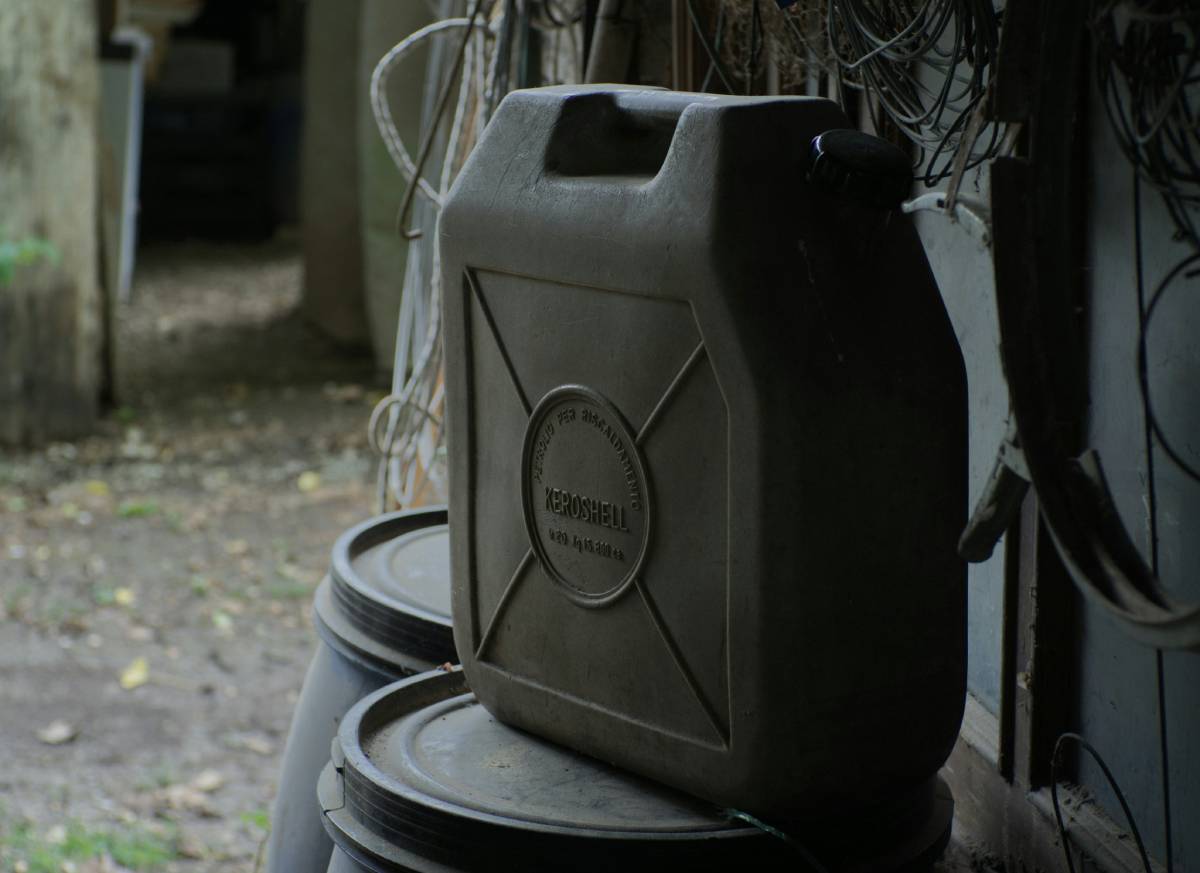
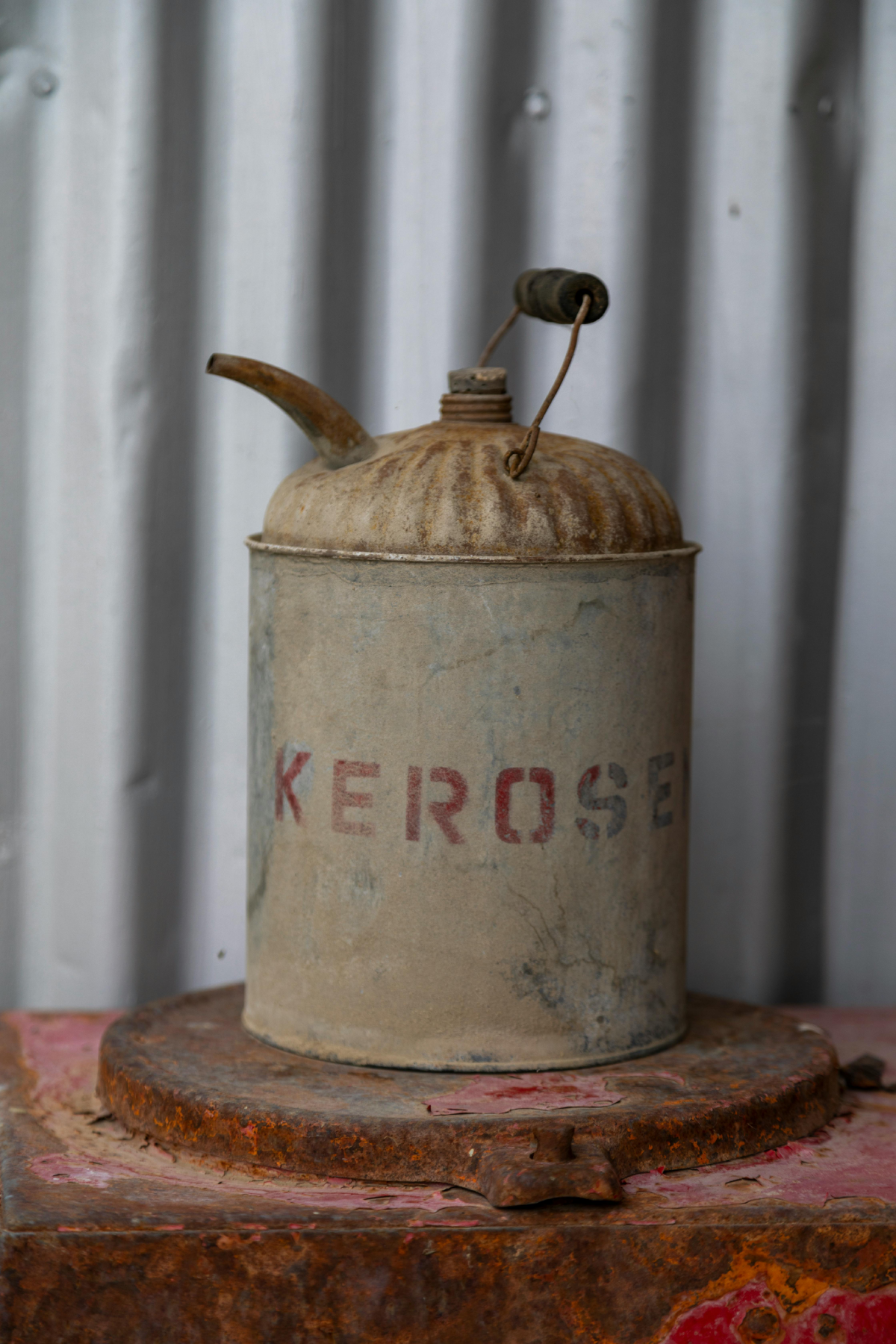
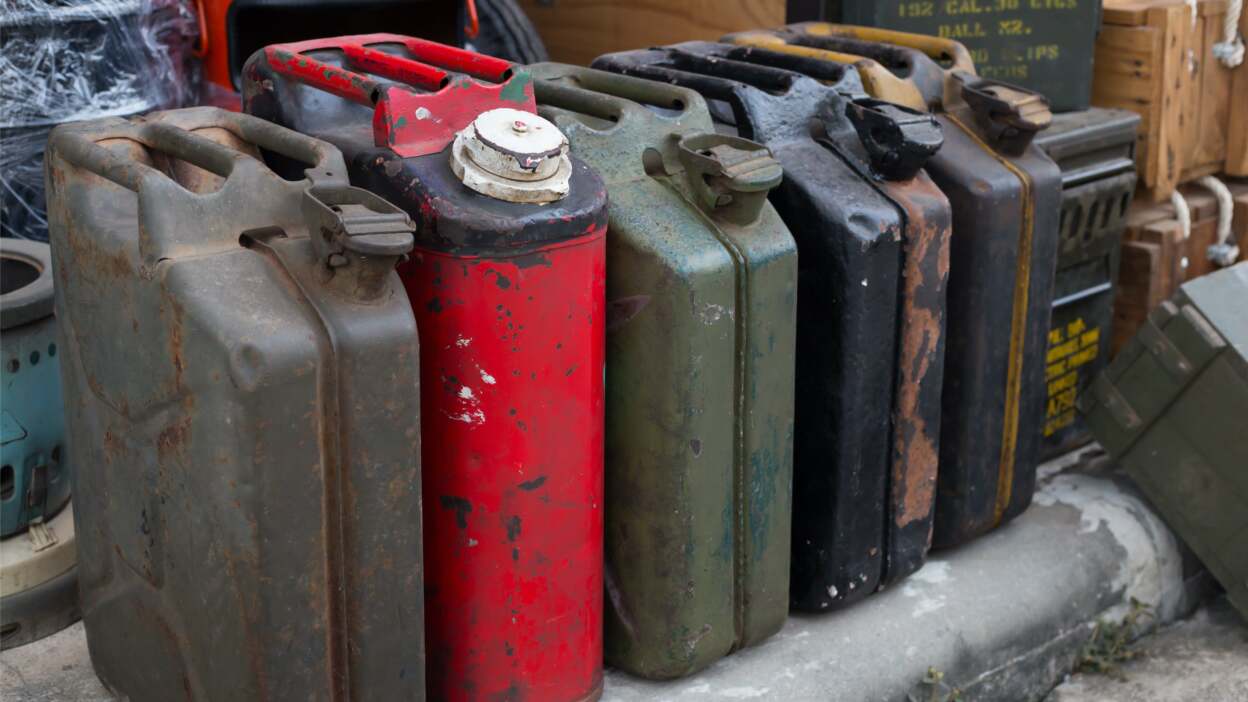
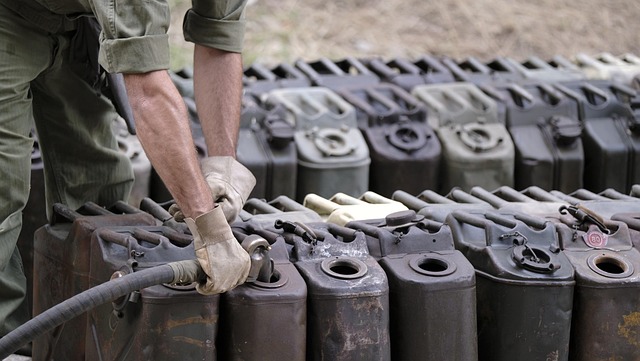
Yes, open containers lose light ends first, then thicken. Leaving cans uncapped also invites water and dust, which degrade fuel quality.
What to expect
- A shallow pan may lose a noticeable fraction in a few days.
- A five-gallon pail left open will smell less “fresh” and show varnish-like residue along the rim.
Fire and contamination
- Even with lower vapor pressure, mist and aerosolized droplets can ignite.
- Open storage risks microbial growth if moisture enters.
Handling guidance to reduce losses
- Keep containers sealed and labeled with date and grade.
- Store away from direct sun and heat sources.
- Rotate stock; use water-blocking, biocide, and stability additives as recommended.
- Inspect transfer hoses and quick-connects for drips that create chronic odors.
Open containers do not only evaporate, they also oxidize. Oxidation raises acidity and forms gums that can foul injectors. Water ingress supports microbial growth, creating sludge and acids. Sealed storage, routine testing, and additive programs maintain quality for standby generators and fleets.
How Long Does It Take For Diesel To Evaporate On The Ground?
It varies with weather, substrate, and volume.
Estimated times
- Hot, breezy summer day on asphalt: visible reduction in 6-24 hours; faint stain persists.
- Cool, shaded concrete: several days to weeks.
- Compacted soil: weeks or months without intervention.
Cleanup and remediation
- Cover with absorbent pads or granules, then collect and dispose properly.
- For soil, remove stained material and treat or replace.
- Avoid pressure-washing into drains; use emulsifying detergents only where permitted.
Weather and seasonal patterns
Summer heat drives faster weathering, but storms can push diesel toward drains or soil. Winter slows evaporation. Cold fuel spreads less yet lingers longer. Freeze-thaw cycles can pump fuel into cracks and joints. Plan cleanup accordingly.
Disposal and compliance reminders
Never wash diesel into storm drains. Use approved absorbents and containers for waste. Follow local rules for used sorbents and contaminated soil. Keep spill kits near loading points so response is immediate.
Surface-specific cleanup tips
- Asphalt: apply granular absorbent, then a degreaser; avoid solvents that soften the binder.
- Concrete: scrub with alkaline cleaner; apply absorbent clay poultice to draw stains.
- Soil: excavate stained material; aerate or treat as required before disposal.
- Water: deploy booms and pads; never use dispersants without authority.
Workers should wear gloves and eye protection during cleanup. For large spills, use chemical-resistant boots and consider a respirator if mist is present. Keep traffic and pedestrians away until the surface is no longer slick.
Storing Diesel Safely Without Waste
Open cans lose light-ends and invite water and microbes. Keep containers sealed, dated, and out of sun, rotate stock, and use stability and biocide treatments when recommended. Protect fuel quality and equipment while avoiding preventable losses.
Does Diesel Evaporate In The Air
Only partially. Diesel’s heavier components have low vapor pressures, so the fraction that becomes airborne is limited.
Air interaction and safety
- Light ends create odor close to the spill.
- Indoors, ensure cross-ventilation and control ignition sources.
- Prolonged exposure to mist or vapor is harmful; use PPE during cleanup.
- Outdoor breezes dilute odors and speed safe, rapid dissipation.
Does Diesel Evaporate In Sunlight?
Sunlight accelerates evaporation by heating the surface and increasing molecular energy. UV also promotes photo-oxidation, which can produce smaller, more volatile fragments and sticky oxidation products.
Practical takeaways
- Spills in full sun weather faster but still leave residues.
- Shade, snow cover, or wet conditions can extend persistence dramatically.
Sunlight and material compatibility
UV affects both fuel and materials. Use UV-resistant containers and hoses, and shield exposed tanks. Paint or wrap above-ground tanks to limit heat gain and material aging.
How Long Does It Take For Spilled Diesel To Evaporate?
Time depends on surface, depth, sun, wind, and humidity. Use these ranges for planning only; always prioritize safe cleanup.
Table: Estimated Evaporation or Persistence by Surface
| Surface | Warm, Breezy Weather | Cool or Shaded Weather | Notes |
|---|---|---|---|
| Pavement/asphalt | 1-3 days partial loss | 3-7 days or more | Often leaves slick stain |
| Concrete | 3-7 days partial loss | 1-3 weeks | Porous, absorption slows evaporation |
| Compacted soil | Weeks to months | Months | Migration downward reduces evaporation |
| Water surface | Hours to days (sheen) | Days | Light ends leave, heavier parts persist |
Do not wait for weather to “fix” a spill. Contact Elan Fuels for safe cleanup coordination, absorbents, disposal guidance, and emergency fueling to keep operations on schedule and compliant.
Evaporation And Escape Rate Of Diesel From MKIV Tank
MKIV tanks are fourth-generation equipment/vehicle tanks with rollover valves and controlled venting. They use improved sealing and vent control to minimize losses.
Analysis
- With intact caps and rollover valves, evaporation is very low.
- Heat-soak from direct sun can raise headspace pressure; quality vents stabilize it.
- Measurable loss usually indicates sealing issues, not normal evaporation.
Fuel efficiency and safety
- Tight tanks reduce odor, emissions, and fuel waste.
- Lower vapor release cuts fire risk during maintenance.
- Periodic inspections by Elan Fuels can verify cap, gasket, and vent integrity.
Fourth-generation vehicle or equipment tanks commonly include rollover valves and improved venting. The shared goal is tight control of headspace exchange. When valves seal correctly, evaporative loss is extremely small. If odors appear, inspect caps, valves, sender plates, and line fittings.
Monitoring tips for MKIV tanks
- Record temps with fuel levels; correlate losses to heat.
- Inspect cap threads; small damage can prevent sealing.
- Verify vent orientation and splash guards after service.
- Use a handheld gas detector near fittings; persistent readings suggest leaks, not normal evaporation.
For seasonal storage, top the tank to reduce headspace, then schedule a seal check with Elan Fuels before peak heat.
Minimized evaporation preserves energy content and reduces odor complaints, improving community relations. Tight systems also keep water out, lowering filter load and extending injector life. Over a season, well-sealed tanks save fuel, maintenance time, and money.