Need Emergency Fuel Delivery?
  info@elanfuels.com
Key Takeaways
- Is petrol the same as gasoline in normal driving use. Yes, they describe the same liquid motor fuel.
- In North America drivers say gas or gasoline, in many other regions they say petrol.
- Formulations differ by country in octane, sulphur level and additives, not in the core idea of fuel gasoline.
- Confusion about gas vs fuel and phrases like is fuel and gas the same thing comes from casual speech, not chemistry.
- Understanding petroleum vs gasoline helps drivers see how crude oil becomes finished fuel for cars.
Table of Contents
Is Petrol The Same As Gasoline?
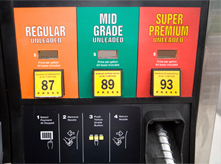
So, is petrol the same as gasoline? For the average driver, the short answer is absolutely yes. When you’re at the pump, both terms describe the same essential motor fuel for spark-ignition engines. Therefore, if you ask is petrol gasoline or is gasoline petrol, you’re talking about the same product: a blend of hydrocarbons with various additives, sold in different grades based on octane rating (regular, mid grade, or premium).
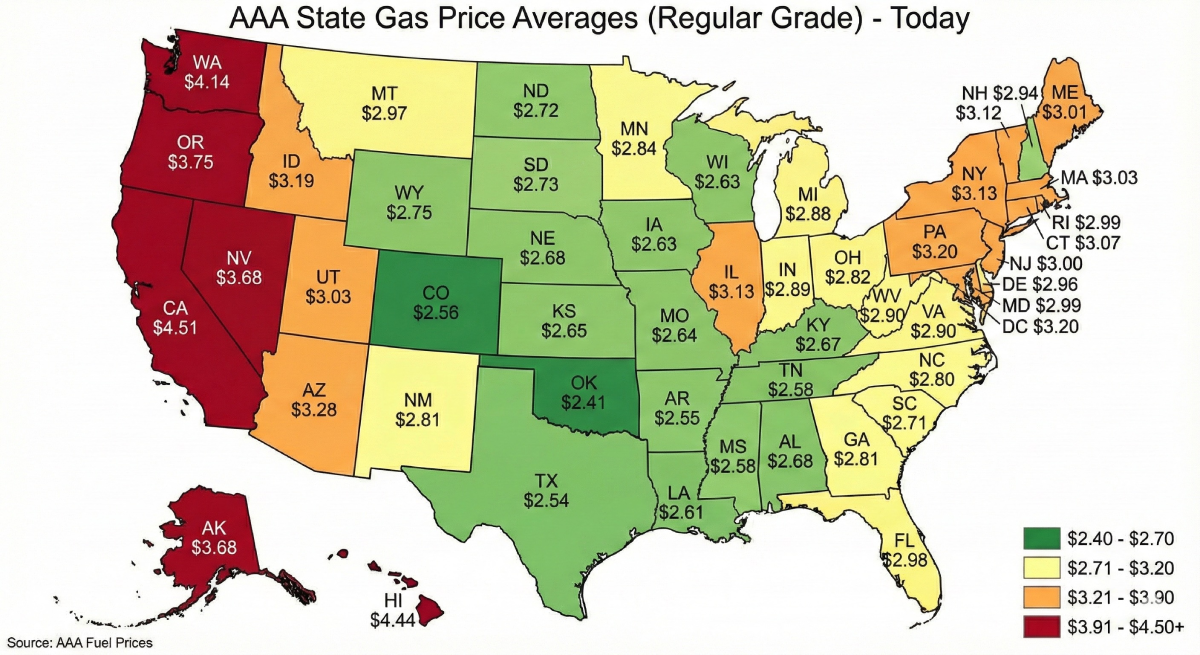
The main distinction is simply regional language. In North America (the United States and Canada), the fuel is called gasoline or often just “gas.” However, across the United Kingdom, much of Europe, Africa, Asia, and Oceania, the standard term is petrol. Thus, the questions is gasoline same as petrol and is gasoline the same as petrol are generally answered with a resounding “yes” regardless of location. Small variations in detergents, ethanol content, or octane are minor reflecting local needs, not a fundamental difference between petrol and gasoline. For all practical purposes, is gasoline the same as petrol for your modern car? Yes.
| Aspect | Term “Petrol” region use | Term “Gasoline” region use |
|---|---|---|
| Main regions | UK, Commonwealth, many EU and African states | US, Canada, some Latin American markets |
| Typical pump label | Unleaded petrol, premium petrol | Regular gasoline, unleaded gasoline |
| Everyday speech example | I need to buy petrol today | I need to buy gas today |
Gas Vs Petrol?
The common confusion with the phrase gas vs petrol stems from the word “gas.” Is it gasoline, which is often simply called gas in North America, or is it gas as a physical state? Always clarify the type of gas meant.
Some ey points to understand gas vs petrol in road transport are;
- In US speech gas almost always means gasoline used in cars and light trucks.
- In technical language gas may mean natural gas or LPG which are gaseous fuels stored under pressure.
- Petrol is always a liquid fuel for spark ignition engines, not a gaseous fuel.
- Car buyers comparing petrol vs gas often mean petrol cars compared with vehicles that run on CNG or LPG.
- When you hear gas vs gasoline in daily speech it is usually a language question, not a question about two different fuels.
So for most drivers in the US petrol vs gasoline is about words, while gas vs fuel can be about state of matter and storage method.
Still Confused About Petrol Vs Gasoline?
Many drivers worry about using the wrong fuel name when travelling or reading manuals. Your article makes it clear that petrol and gasoline are the same spark ignition fuel, just with different regional labels. Turn that clarity into action with a simple guide that shows readers how to read
Is Gas Petrol Or Diesel?
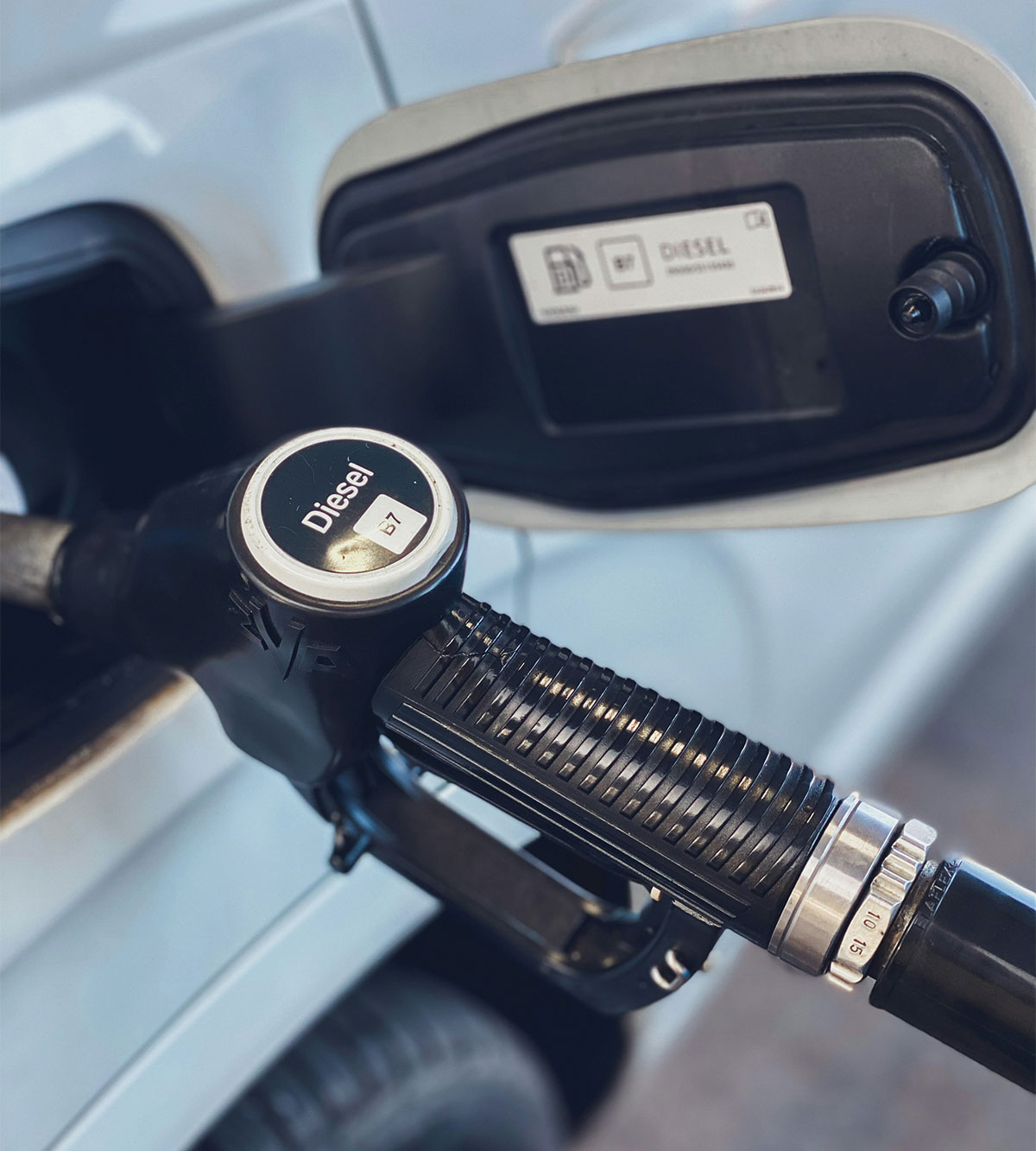
People often ask if it is gas, petrol or diesel when they hear American drivers talk about gas. In most US contexts gas means gasoline, which matches what many other countries call petrol. It rarely means diesel. To avoid misfuelling you can follow simple habits.
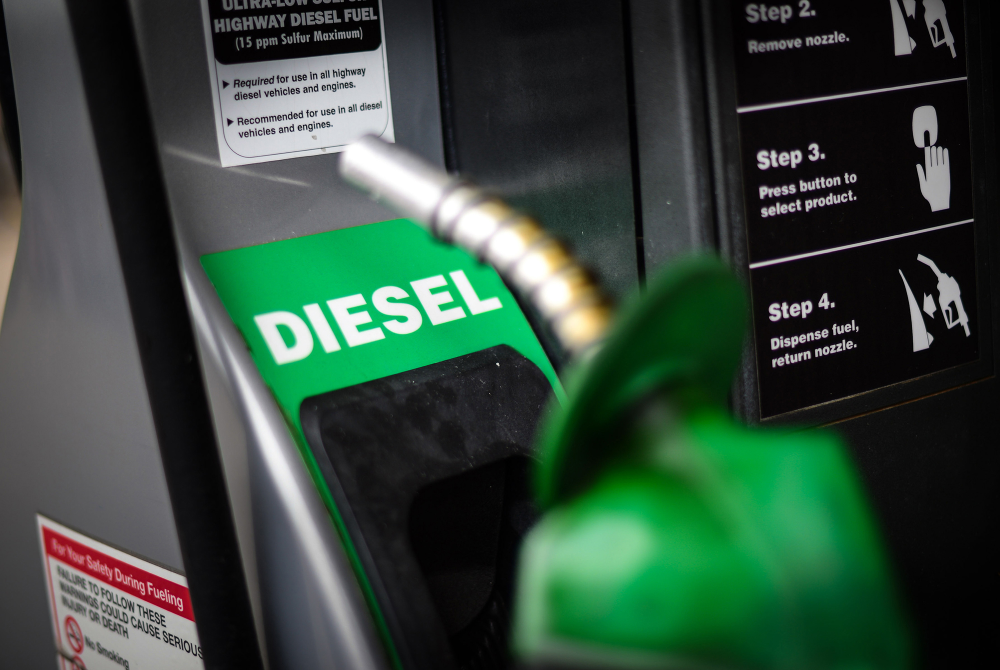
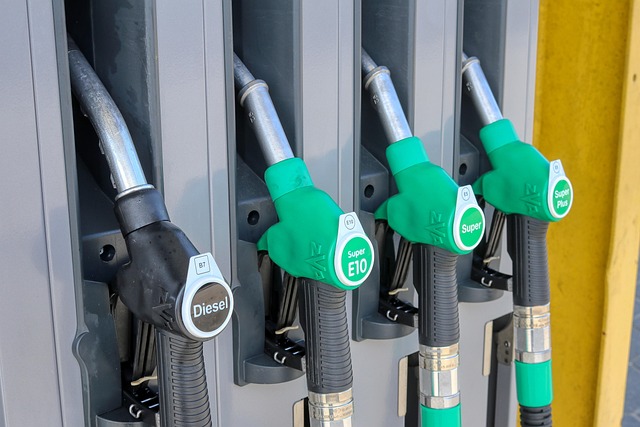
- Always read the pump label and nozzle colour before you start filling.
- Remember that green or black nozzles may mean different fuels in different countries.
- Check the fuel flap, owner manual or dashboard label for the correct fuel type.
- If the car is a diesel model never assume gas on a sign means diesel. It almost always refers to gasoline.
A driver who knows this will not confuse gasoline is petrol or diesel questions at the pump. Diesel uses a different engine cycle and needs a different fuel with other properties.
What Is Petrol?
If you’re new to different fuel types, you might ask, What Is Petrol? Essentially, petrol is a refined, volatile liquid that comes from crude oil. It’s part of the group often referred to as petrol gasoline or identified by the petrol fuel type and is exclusively for spark ignition engines. Refiners carefully blend various hydrocarbon components to ensure it meets targets for performance, volatility, and emissions. In practice, petrol fuel is an intricate, balanced mixture. It must reliably start your engine in any weather, prevent knocking, and work seamlessly with your car’s modern systems. So, when you wonder what is petrol fuel or what is petrol fuel type, remember it’s the standard liquid road fuel for cars. The label fuel type petrol simply confirms you have a spark ignition engine vehicle.
Not Sure If Your Car Needs Petrol, Diesel Or “Gas”?
Your article explains how terms like gas, petrol, diesel and petroleum get mixed up, which can lead to misfuelling and expensive repairs. Help readers apply what they just learned with a quick comparison checklist that walks them through engine type, fuel flap wording and local station signs so they always choose the correct fuel.
What Does Petrol Mean?
If you’ve ever asked What Does Petrol Mean, you’re linking language and fuel. The most common petrol meaning is motor fuel for vehicles that don’t use diesel. In many countries, the petrol gas meaning you encounter at the pump is synonymous with the definition of gasoline. So, if you ask “whats petrol” or define petrol, station staff will direct you to the unleaded pump.
How Did Gasoline Get Its Name?
Have you ever stopped to ask why is it called gasoline or wondered about the gasoline origin? The word’s full history is complex, but it became the standard name because early refiners tried names based on ‘gas oil’ and specific trade names. Over time, in North America, ‘gasoline’ won out. Initially, companies used distinct brand names, but the gasoline name eventually became generic. This is why when people discuss gas vs gasoline or gas vs petrol, they’re referring to the same common road fuel, often shortened to just “gas” in conversation. When consumers ask why is gas called unleaded, they are generally talking about this motor fuel family without lead additives.
When Was Gasoline Invented?
People often ask, “When Was Gasoline Invented” or “what year was gasoline invented,” but it wasn’t a sudden invention. Instead, gasoline emerged naturally as a byproduct of crude oil refining during the 1800s. Initially, it was just an unwanted residue from kerosene production. However, as the internal combustion engine developed, the demand for this specific oil fraction soared. So, “where was gasoline invented”? Historians usually point to refining hubs in Europe and North America in the mid to late 19th century. The timeline for “gasoline invented” is intrinsically linked to the rise of early engines, making fuel gasoline essential.
Who Discovered Gasoline?
Since gasoline developed over time, the question of who discovered gasoline doesn’t have a simple answer. Many innovators refined and blended it, making it more accurate to understand how was gasoline discovered through petroleum processing. Therefore, instead of asking who made gasoline, consider the long chain of work that led to this essential fuel.
Is Gasoline Petroleum?
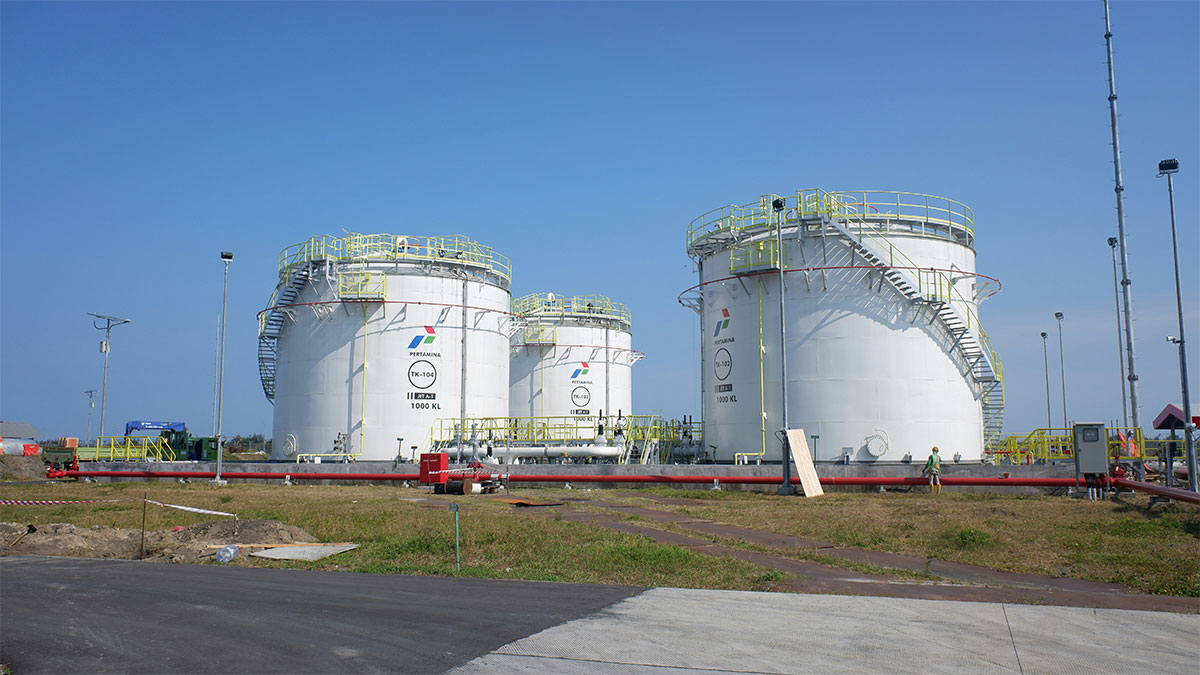
Drivers frequently wonder, is gasoline petroleum or is petroleum gasoline? The quick clarification is that petroleum is the crude raw material, and gasoline is merely one product derived from it. When oil is extracted, it’s sent to a refinery and processed.
So, is petroleum and gasoline the same or is petroleum the same as gasoline? Absolutely not. Petroleum, also known as crude oil, is a liquid, distinct from the is petroleum a gas or is petroleum gas query. Gasoline is a precisely blended, finished fuel. Understanding gasoline vs petroleum or petroleum vs gasoline is seeing the fuel chain: crude oil production is ‘upstream,’ while making the refined product, often called petroleum gasoline or a gasoline and fuel mix, is ‘downstream.’
Difference Between Gasoline And Petroleum?
People often wonder about the difference between gasoline and petroleum. Simply put, petroleum is the raw, unrefined crude oil found underground or in storage tanks. The difference between petroleum and gasoline is that gasoline is a highly refined fuel. It’s a specific product created through the distillation and blending of that crude oil. Thinking about raw feedstock versus the finished product at the pump clarifies the distinction.
Is Gasoline A Gas?
It’s a common source of confusion: Is Gasoline A Gas? The short answer to is gasoline gas in a chemical sense is no, because under normal conditions, gasoline is a liquid. This is why when you fill up your car, you pump a fluid into the tank. So, to answer is gasoline a liquid or gas, physically it’s a liquid, a blend of various hydrocarbon molecules.
However, gasoline has a low boiling point, meaning it evaporates easily. In an engine, it must turn to a vapor to mix with air and burn efficiently. This crucial state change is why people informally use the term “gas” for road fuel, leading to questions like is gasoline oil or gas and is gasoline a liquid. The difference between gas and fuel often comes down to context, where “gas” means vehicle fuel, not a state of matter.
Want To Protect Your Petrol Engine After You Fill Up?
Once readers understand what petrol is and how it’s refined from petroleum, the next step is protecting that fuel system. Build on the section about gasoline use and fuel system care by inviting them to get a curated petrol engine care kit with cleaners and additives that keep injectors, pumps and valves working at their best.
What Is The Chemical Name Of Gasoline?
Are you searching for the gasoline chemical name or trying to visualize its gasoline chemical structure? Many expect a single formula, but gasoline is actually a complex mixture of many hydrocarbons. This explains why people often ask, “is gasoline oil or gas” and what the “difference between gasoline and oil” is. It contains various components like paraffins and aromatics, meaning no single chemical name covers every blend.
What Is Gasoline Used For?
People often ask what gasoline is used for when they compare fuels for different machines. In practice most blends sold as gasoline and fuel for transport go to road vehicles. Other uses exist in small engines, tools and selected industrial applications. Key uses include
- Passenger cars with spark ignition engines in many parts of the world.
- Light trucks, vans and some taxis that specify petrol or gasoline on the fuel flap.
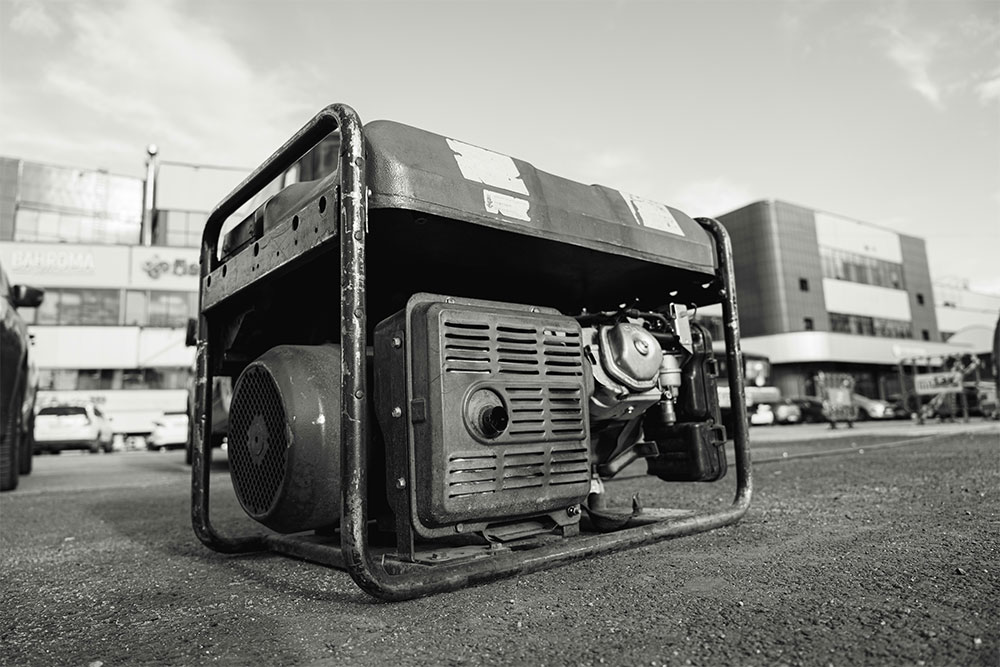
- Small engines such as lawn mowers, string trimmers and domestic generators.
- Recreational craft such as small boats and some motorcycles and scooters.
- Portable equipment such as pumps or tools that rely on compact engines.
Questions such as what is petrol gas and what is petrol fuel often mean the same thing in these contexts. Businesses that sell care products for engines may also speak about gasoline and fuel system cleaners. We can curate a fuel system care kit for you at Elan Fuels to help you maintain good engine performance.
What Is A Petrol Car?
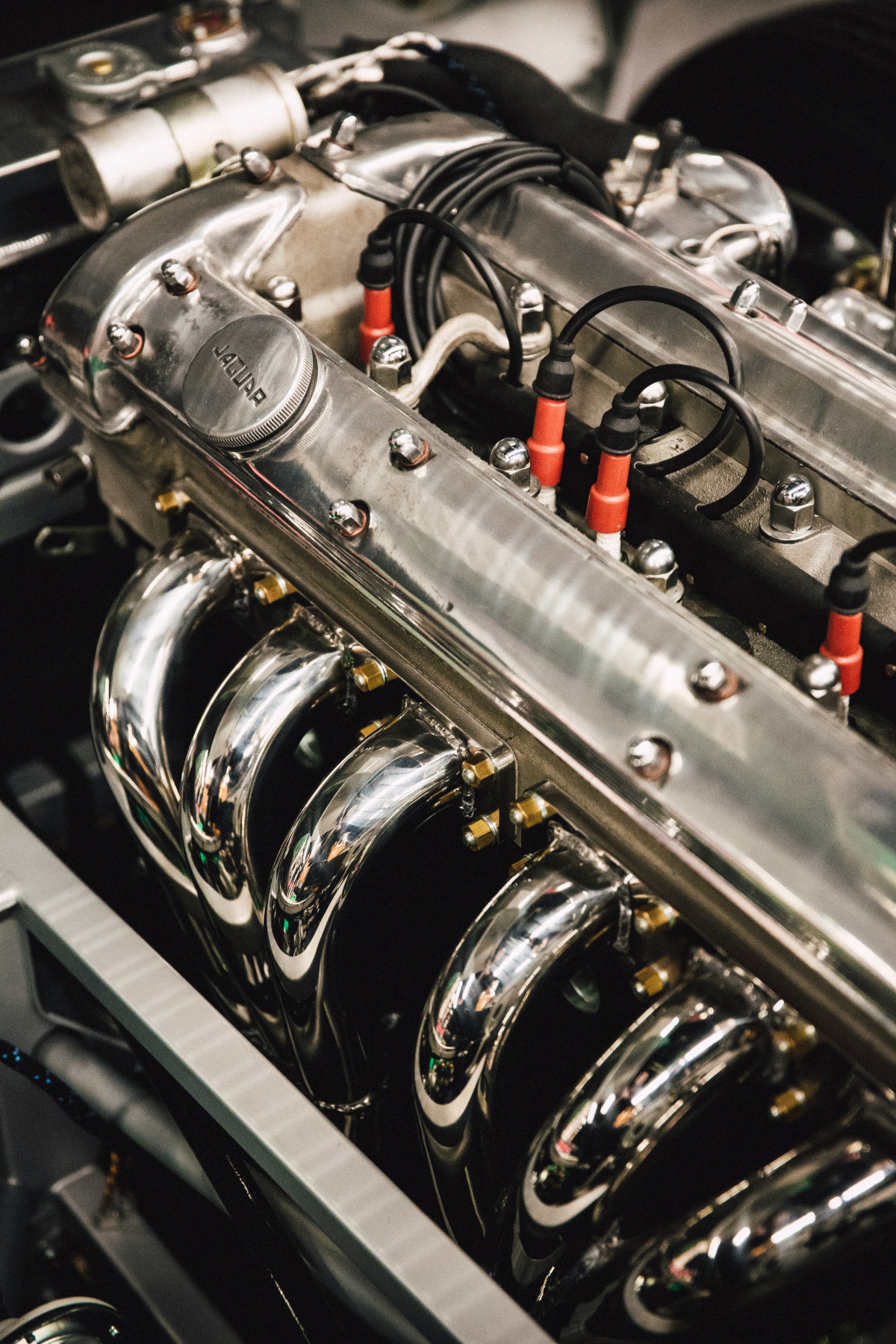
If you’ve asked what is a petrol car, you’re likely curious about how it stacks up against diesel or electric options. Simply put, a petrol car uses a spark ignition engine that relies on petrol gasoline. The engine works by compressing an air fuel mixture, which a spark plug then ignites. This mechanism distinguishes it from diesel engines, which achieve combustion through higher compression, known as self ignition. From a driver’s perspective, owning a petrol vehicle means filling up with unleaded fuel. Official documents will often state the fuel type petrol or petrol fuel type. When comparing petrol vs petroleum or gas vs petrol, remember you’re usually looking at vehicle fuel types. Even some hybrid cars still integrate a petrol engine.