Need Emergency Fuel Delivery?
  info@elanfuels.com
Key Takeaways
- While jet fuel vs diesel are both distillates, they’re designed for different engine families.
- Regarding the question “is jet fuel diesel?”, certification standards firmly state no for trucks.
- Jet A vs diesel shows key differences in freezing point, lubricity, and the additives used.
- Aviation fuel vs diesel rules strictly limit cross-use without proper approvals.
Table of Contents
Jet Fuel Vs Diesel
- Jet fuel and diesel both originate from middle distillates but are refined to achieve different volatility characteristics.
- The composition of diesel is generally heavier than jet fuel, primarily due to its higher cetane number requirements.
- Jet A, a common type of jet fuel, has a significantly lower freezing point compared to diesel, which is essential for high-altitude aircraft operation.
- While both are petroleum products, jet fuel and diesel are not interchangeable; they adhere to separate industry standards and incorporate different additive packages.
- To clarify, Jet A is specifically a kerosene-grade product.
- Aviation fuel and diesel require distinct storage controls, with a strong emphasis on water removal and strict labeling for aviation fuels.
- Jet fuel is only similar to diesel in its energy density; key differences exist in their lubricity and sulfur content.
When businesses understand these differences, making a choice for the right fuel for aviation and heavy duty use is easier and more straightforward.
Is Jet Fuel Diesel
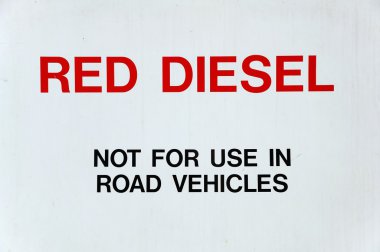
Is jet fuel diesel? The answer lies in chemistry and regulations. Jet A is a kerosene-range product that meets ASTM D1655 standards. Road diesel, on the other hand, conforms to ASTM D975 specifications, which include requirements for cetane targets, lubricity control, and specific dyes or tax rules for on-road use. So, if you’re wondering if Jet A is diesel, the answer is no.
Asking “is jet fuel like diesel” can lead to confusion because their additive packages differ significantly. In practice, aviation fuel vs diesel policy strictly prohibits substitution. Many people still compare jet A vs diesel during fuel shortages, but warranties and emissions controls prevent their interchangeability. If someone asks if airplane fuel is diesel or if aviation fuel is diesel, the answer depends on whether you’re referring to certified aviation diesel engines, which are specifically designed to burn only Jet A.
Is Jet Fuel The Same As Diesel?
No. Jet A (ASTM D1655) and road diesel (ASTM D975) have different specs, additives, and approvals. Learn exactly where each belongs to protect engines and warranties.
Jet Fuel Vs Diesel Key Technical Comparisons
Here’s a table comparing jet fuel and diesel, incorporating the requested technical and logistical considerations:
| Metric | Jet A | Diesel 2 | Why it matters |
|---|---|---|---|
| Spec | D1665 | D975 | Jet A vs diesel standards differ |
| Freezing point | Lower | Higher | Aviation fuel vs diesel altitude needs |
| Flash point | High | Similarly high | Safe handling and storage |
| Lubricity | Lower | Higher | Pump and injector wear |
| Cetane index | Not rated | Rated | Compression ignition quality |
| Sulfur limits | Very low | Ultra low | Emissions compliance |
| Verdict | Kerosen focus | Compression focus | Jet fuel vs diesel not interchangeable |
Can You Use Jet Fuel In A Diesel Engine
Using Jet A in a diesel engine poses significant risks due to its lower lubricity, which can damage critical components like fuel pumps and injectors. Despite common misconceptions, jet fuel is not a suitable substitute for diesel, and vehicle warranties typically do not cover such use. Even with additives, jet fuel-diesel blends are not officially sanctioned, and regulatory differences regarding sulfur content can lead to compliance issues. For mechanics, it’s essential to test for lubricity and seal compatibility, confirming that Jet A is distinct from diesel and its misuse can result in costly damage and penalties.
Can A Diesel Engine Be Converted To Run On Jet Fuel
While specialized conversions for aviation fuel to diesel exist, particularly in military applications that tune systems for kerosene-type fuels, they are niche. Civil aviation rarely sees a return on investment due to the high certification costs involved. Therefore, the question of “is aviation fuel diesel” often overlooks these significant expenses. Any conversion between diesel and jet fuel should be approached as a highly specialized project, requiring rigorous testing and monitoring before operational deployment.
Is It Worth Using Jet Fuel In A Diesel Engine
Opportunistic sourcing of Jet A for savings rarely justifies the cost of parts and downtime. While some may argue that jet fuel is similar to diesel, the risk to injectors and aftertreatment systems is significant. For most operators, the economics of using jet fuel as diesel are unfavorable, except in controlled trials with expert supervision and clear warranty guidelines.
Considering Jet A In A Diesel Engine?
Lower lubricity and different sulfur rules can scuff injectors, damage pumps, and break compliance. See safer options for cold flow and emergency sourcing.
Can Diesel Be Used As Jet Fuel
Many people wonder if airplane fuel is diesel or if aviation fuel is diesel, but the truth is, diesel cannot replace Jet A in turbine engines. There are crucial differences in viscosity, volatility, and cold flow properties between jet fuel vs diesel, which lead to serious atomization and coking issues. It’s important to note that certification strictly forbids such substitutions. While jet fuel and diesel do share some distillate roots, their combustion hardware is designed differently. Attempting diesel vs jet fuel interchange risks dangerous engine surge at altitude. Even if the idea that jet fuel is like diesel seems plausible, using it would introduce significant safety threats due to icing and deposits. Clear Jet A vs diesel boundaries exist specifically to protect both engines and, most importantly, passengers. Any jet fuel diesel experiments should only ever occur in controlled test cells, never in actual flight operations.
Can You Mix Jet Fuel With Diesel
Mixing these fuels can lead to several problems, including phase issues, reduced lubricity, and violations of policy. It’s important to understand that whether you ask “is jet fuel diesel” or “is Jet A diesel,” the answers don’t change the official approvals. For fleets considering aviation fuel vs diesel blends, rigorous testing is essential to prevent issues like injector scuffing and filter plugging. Additionally, storage laws often restrict unlabeled jet fuel diesel mixtures.
What Fuel Can A Diesel Engine Run On
Diesel engines typically run on certified diesel, or blends with biodiesel up to approved ratios. In certain cold weather situations, kerosene can also be used as a support fuel for a limited time. However, it’s a common misconception to think that aviation fuel is diesel. When comparing jet fuel vs diesel, it’s crucial for operators to always adhere to the limits set by the original equipment manufacturer (OEM). For optimal energy output and engine longevity, it’s best to stick to proper diesel specifications.
Can Diesel Engines Run On JP-8
JP-8 is a kerosene type military fuel. Military defense engines often have additive packs for jet fuel compatibility, but civilian engines typically do not. Therefore, inquiries about whether jet fuel is diesel or if diesel fuel can be used in aviation require specific context. Current policies generally maintain separate supply chains for diesel and jet fuel, with exceptions primarily found in certain military programs.
Does Jet Fuel Burn Cleaner Than Diesel
When comparing jet fuel vs diesel emissions, it’s a complex topic that goes beyond just the fuel itself. At altitude, Jet A combusts in turbines with different mixing and aftertreatment systems than those found in trucks. Therefore, simply claiming one is superior to the other oversimplifies the issue. The actual emissions for both jet fuel vs diesel largely depend on the specific engine technology, the load it’s carrying, and how well it’s maintained. For instance, particulate control in diesel vs jet fuel engines often utilizes filters and catalysts. In contrast, aviation generally relies on lean burn and high excess air for combustion. The presence of low sulfur content is beneficial for both fuel types. People asking if jet fuel is like diesel should really be focusing on certified systems rather than just the fuel alone. Furthermore, aviation fuel vs diesel policy sets distinct targets for nitrogen oxides and particulates, reflecting their different operational environments. Ultimately, any Jet A vs diesel comparisons require concrete test data, not just assumptions..
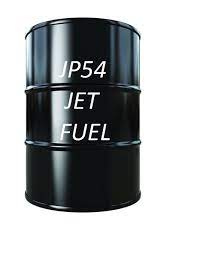
Differences Between AVGAS, Jet Fuel, Auto Fuel, And Diesel
- AVGAS is gasoline for spark ignition aircraft and is not diesel fuel aviation
- Jet fuel is kerosene for turbines which answers is airplane fuel diesel with no
- Auto fuel is retail gasoline that differs from jet fuel diesel in volatility
- Road diesel powers compression ignition and is central to aviation fuel vs diesel rules
- People ask is jet fuel diesel and is aviation fuel diesel yet approvals are strict
- Jet A vs diesel and diesel vs jet fuel must respect certification and labeling
- Operators wondering is jet fuel like diesel need OEM guidance before any trial
What Is Diesel
Diesel, a middle distillate, is designed for compression ignition engines and is meticulously defined by ASTM D975, which sets standards for its cetane, lubricity, and sulfur content. It’s common for people to ask, is jet fuel diesel? This question arises because the ranges of these fuels can overlap during the refining process. Despite these overlaps, jet fuel vs diesel remains distinct. When it comes to trucks, diesel vs jet fuel favors diesel with its specific additives that protect pumps and injectors. If you’re wondering, is jet fuel like diesel? The answer is partly true, but mainly in terms of energy density. However, jet A vs diesel diverge significantly when you consider their freezing points and volatility. Ultimately, aviation fuel vs diesel laws are in place to ensure these fuel streams are kept separate, which is crucial for protecting both hardware and people.
Running Mixed Aviation and Diesel Operations?
Prevent cross-use, contamination, and labeling mistakes. Get a simple checklist for storage, water control, and paperwork that keeps you compliant.
What Is Jet Fuel
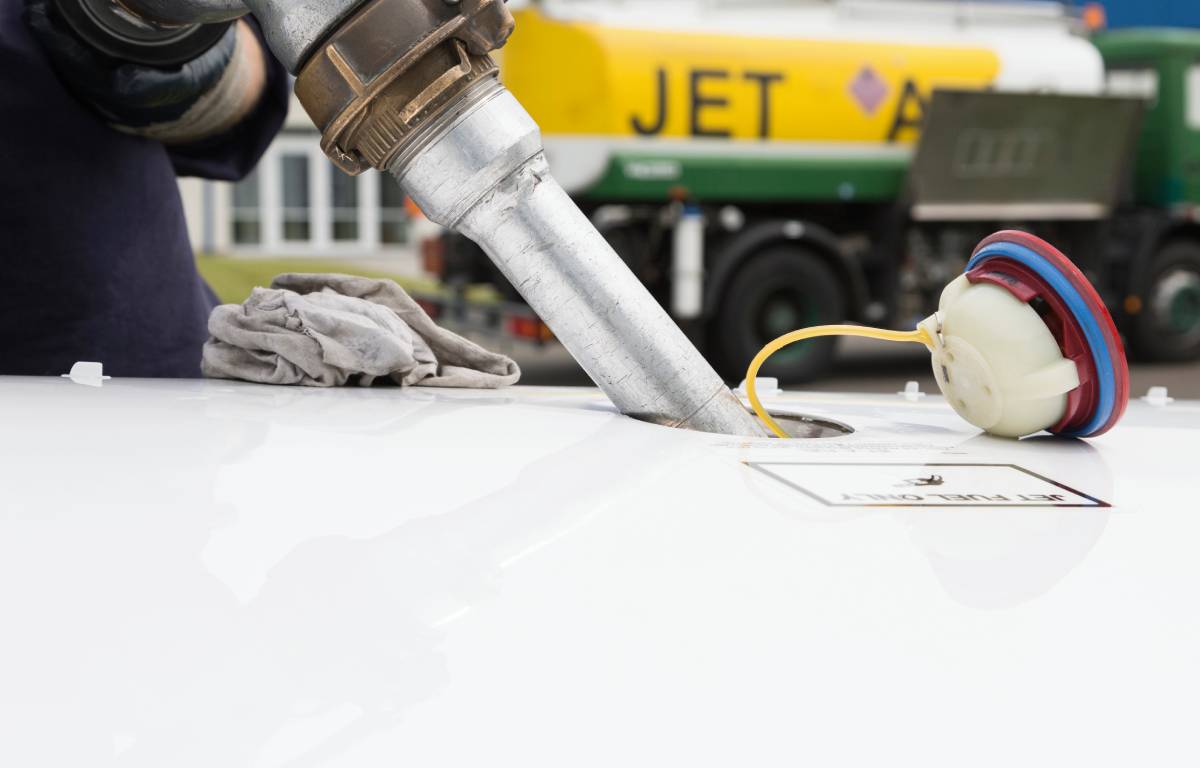
You might be wondering, is jet fuel diesel? It’s a common question, especially since both are petroleum products. Jet fuel, specifically kerosene-grade for turbine engines, comes in types like Jet A and Jet A-1, which meet strict standards like ASTM D1655 and DEF STAN 91-91. While there’s some overlap in the refining process, jet fuel versus diesel differs significantly, particularly in how they perform in cold temperatures and their required cleanliness. So, is Jet A diesel? No, it’s not. The standards for Jet A versus diesel are completely separate, reflecting their distinct applications. Aviation fuel versus diesel certifications are crucial for ensuring safety at high altitudes. When dealing with jet fuel diesel, strict control over water contamination and thorough filtration are essential. Often, questions like, is aviation fuel diesel, arise in situations with mixed fleets and where training might be limited, leading to confusion about their distinct properties and handling requirements.
Jet A Vs Jet A-1 Explained
Jet A-1 is preferred for long-range flights and colder climates because it has a lower freezing point than Jet A. Strict standards govern the additives and trace contaminants found in jet fuel. These details help answer questions like is jet fuel diesel or is jet fuel like diesel. They also guide international flights and storage practices to ensure safe aviation fuel vs diesel segregation.
Jet B And Other Jet Fuel Variants
Jet B is a wide-cut fuel designed for extremely cold conditions. While military and synthetic versions increase its availability, none of these variations equate Jet A to true diesel. These examples highlight the diverse nature of jet fuel and diesel, particularly how they adapt to different climates. However, the fundamental differences between diesel and jet fuel remain crucial for ensuring engines comply with safety and emissions certifications.
Does Jet Fuel Smell Like Diesel?
Jet fuel has a lighter, more kerosene-like scent, while diesel has a heavier smell with distinct oily notes. However, sensory checks alone are not sufficient to confirm fuel specifications. When questioning whether jet fuel is similar to diesel, it’s crucial to rely on proper testing. The identity of jet fuel versus diesel must be verified through documentation and laboratory analysis. This rigorous approach helps prevent cross-contamination and avoids warranty disputes in aviation fuel and diesel operations.