Need Emergency Fuel Delivery?
  info@elanfuels.com
Key Takeaways
- Diesel engines differ by size, cylinder layout, stroke cycle, and injection method.
- Direct injection dominates modern road and off-road applications.
- Common rail systems improve power, emissions, and noise.
- Two-stroke diesels are rare on roads, but still used in large marine engines.
- Four-stroke diesels power most vehicles and generators.
- Matching the engine to the job improves uptime and total cost of ownership.
Table of Contents
Types Of Diesel Engine
A diesel engine is a compression-ignition machine. Understanding the types matters because each design balances power, efficiency, emissions, and cost in different ways.
Recognized categories and how they differ
- By size: light-duty (cars, small pickups), medium-duty (delivery trucks), heavy-duty (Class 8 tractors, equipment), very large (marine, power plants).
- By cylinder arrangement: inline, V-type, opposed-piston; radial is historical.
- By aspiration: naturally aspirated, turbocharged, turbo-compounded.
- By stroke cycle: two-stroke or four-stroke.
- By injection system: mechanical pump-line-nozzle, unit injector, distributor pump, common rail, indirect injection.
- By intended use: on-road, off-road, marine, industrial, stationary power.
Industry often classifies diesels by displacement per cylinder, number of cylinders, and duty cycle.
Key factors to differentiate engines
- Cylinder arrangement: Inline engines run smooth and are easy to service. V engines shorten length and fit high outputs in tight bays. Opposed-piston (OP) diesels eliminate the cylinder head, reducing heat losses and improving thermodynamic efficiency; modern OP programs (e.g., Achates-style) target higher BTE and lower emissions.
- Size and weight: Smaller engines respond fast and fit compact vehicles. Large engines deliver long life at low rpm.
- Intended use: Road engines value transient response and emissions. Industrial engines value fuel flexibility, load acceptance, and service access.
Examples and scenarios
- A turbocharged inline-4 suits compact cars that need economy and strong low-rpm torque.
- I-6 is standard for long-haul while V8s exist in niche/brand-specific use
- A medium-speed marine diesel provides efficient propulsion with high reliability.
- A stationary genset diesel delivers steady power for hospitals or data centers with long maintenance intervals.
What Are The Top 3 Diesel Engines?
Many engines perform well. Three examples that illustrate modern strengths are:
1) Cummins X15 (heavy-duty on-highway)
- Displacement around 15L.
- Known for durability, long overhaul intervals, and wide service network.
- Strong torque curve for hill climbing and heavy loads.
- Suits Class 8 tractors and severe-duty vocational trucks.
2) Toyota 1GD-FTV 2.8L (light-duty SUV/pickup)
- Modern four-cylinder with variable-geometry turbo.
- Balances efficiency with towing capability.
- Common in global markets for pickups and body-on-frame SUVs.
- Noted for refinement and emissions hardware integration.
3) MAN 28/33D STC (marine/industrial)
- Medium-speed, high-efficiency platform for propulsion and power.
- Built for long continuous operation and fuel flexibility.
- Good specific fuel consumption at constant load.
Why these are top-tier
- Proven reliability in their classes.
- Strong parts support and diagnostics.
- Efficient combustion systems with aftertreatment where required.
The top 3 engines at a glance
| Engine | Class | Notable strengths | Typical use |
|---|---|---|---|
| Cummins X15 | NA Heavy-duty engine | Longevity, service network, flat torque | Class 8 tractors, vocational |
| Toyota 1GD-FTV 2.8L | Light-duty | Refinement, efficiency, VGT response | Pickups, SUVs |
| MAN 28/33D STC | Marine/industrial | Continuous duty, fuel economy | Ships, power modules |
Not Sure Which Diesel Engine Type Fits Your Job?
Engine choice depends on size class, cylinder layout, stroke cycle, and injection system. Use a quick decision guide to match inline vs V, two-stroke vs four-stroke, and DI vs IDI to cars, trucks, marine, or generators so you get the right torque, efficiency, and uptime.
Different Types Of Diesel Truck Engines And Their History
Early diesel trucks used mechanically controlled inline-pump engines with indirect injection (IDI). They were robust but noisy and smoky. Turbocharging arrived to raise power without increasing displacement. Electronic control units then improved timing precision.
Evolution milestones
- IDI to DI: Direct injection increased efficiency and cold-start performance with glow-plug aid.
- Turbocharging and intercooling: Higher air density enabled cleaner combustion.
- Unit injectors and distributor pumps: Improved atomization before common rail.
- Common rail: High-pressure fuel rails with electronic injectors allowed multiple injections per cycle.
- Aftertreatment: Cooled EGR, DOC, DPF, and SCR cut NOx and particulates.
- Downspeeding: Higher gear ratios with flat torque bands lowered fuel use.
Modern truck diesels deliver high torque at low rpm, excellent durability, and far lower emissions than earlier designs.
Timeline highlights
- 1930s-1950s: Naturally aspirated IDI diesels; simple mechanical control.
- 1960s-1970s: Turbochargers spread; intercoolers appear in high-output models.
- 2000s: Common rail becomes mainstream; EGR and oxidation catalysts reduce NOx and CO.
- 2010s-2020s: DPF, SCR, predictive controls; mild hybrid and waste-heat recovery.
Decision checklist when choosing a type
- Duty cycle and load profile over a typical day or route.
- Available space, cooling airflow, and weight allowance.
- Local service network, diagnostics tools, and parts lead times.
How Car Diesel Engines Work
A car diesel is a four-stroke compression-ignition engine. The strokes are intake, compression, power, and exhaust.
Operation
- The piston draws in clean air.
- The piston compresses the air, raising temperature.
- The injector sprays fuel as a fine mist; it auto-ignites.
- Expanding gases push the piston for work.
- The exhaust valve opens and the piston expels gases.
Design features vs petrol
- Higher compression ratio for better thermal efficiency.
- No spark plugs; ignition is by temperature and pressure.
- Lean operation under light load, improving economy.
- Turbocharging is common for torque and downsizing.
Benefits
- Strong low-rpm torque for towing and climbing.
- Good real-world fuel economy.
- Long service life when maintained.
DI, IDI, Unit Injector, or Common Rail. What Should You Choose?
Compare how each injection system affects power, noise, emissions, and maintenance. See why common rail dominates modern designs, when unit injectors still shine, and where IDI lingers in legacy light-duty engines.
Industrial Diesel Engine Types And Applications
Industrial diesels range from portable air-cooled units to massive multi-megawatt engines.
Categories
- Construction: engines in excavators, loaders, dozers, cranes.
- Manufacturing: compressors, pumps, and process drives.
- Agriculture: tractors, combines, irrigation pumps.
- Marine and shipping: propulsion and auxiliary sets.
- Power generation: standby, prime, and continuous gensets.
Applications
- High load acceptance for pumps and compressors.
- Continuous duty with predictable service windows.
- Compliance with site emissions and noise requirements.
For sizing, emissions strategy, and fuel planning, contact your industrial engine supplier and Elan Fuels for a tailored fueling program that reduces downtime and total cost.
What Types Of Engines Use Diesel Fuel?
Diesel isn’t just for big rigs; it drives everything from passenger cars to farm machinery, ferries, and standby generators. Thanks to high energy density, strong low-rpm torque, and efficiency under steady loads, diesel remains the go-to for heavy-duty vehicles, off-highway equipment, marine vessels, and stationary power. Below are the main engine types that commonly run on diesel worldwide, from cars to cargo ships, and why the fuel fits them so well:
- Cars and SUVs in many global markets.
- Pickup trucks and vans.
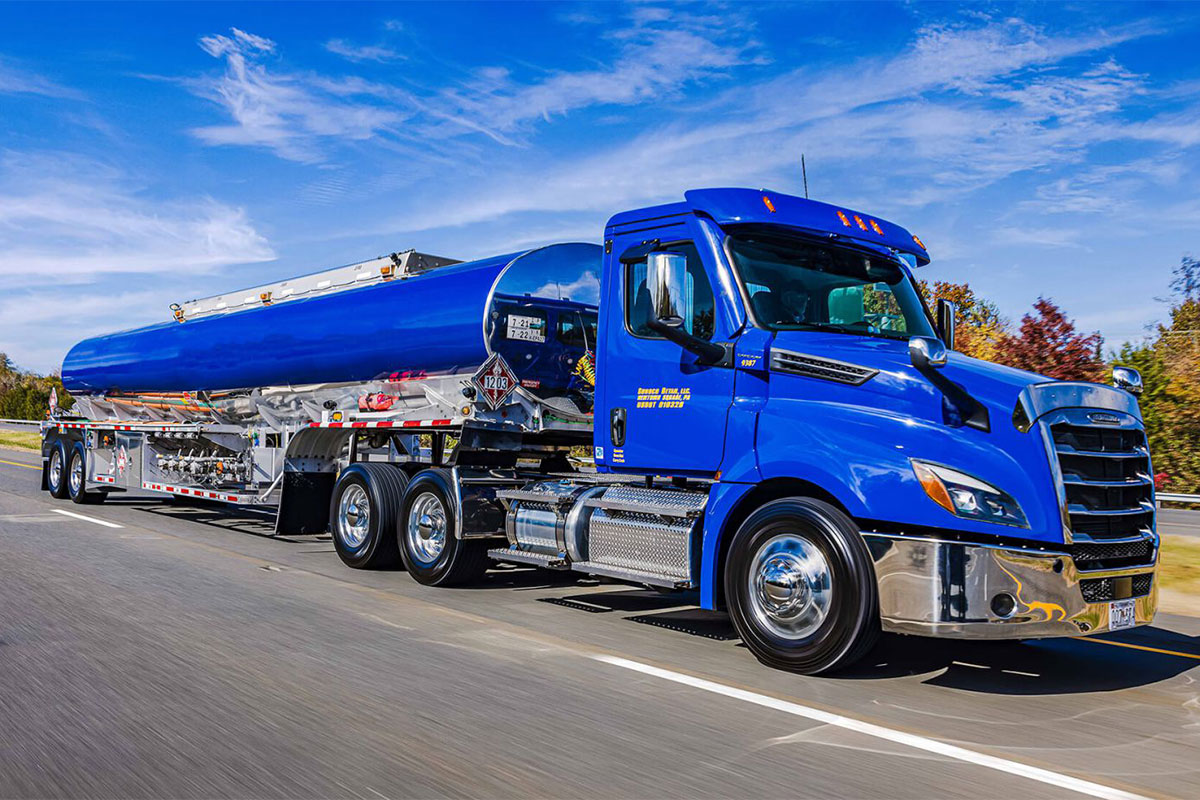
- Class 6-8 trucks and buses.
- Off-highway equipment: loaders, graders, scrapers, forklifts.
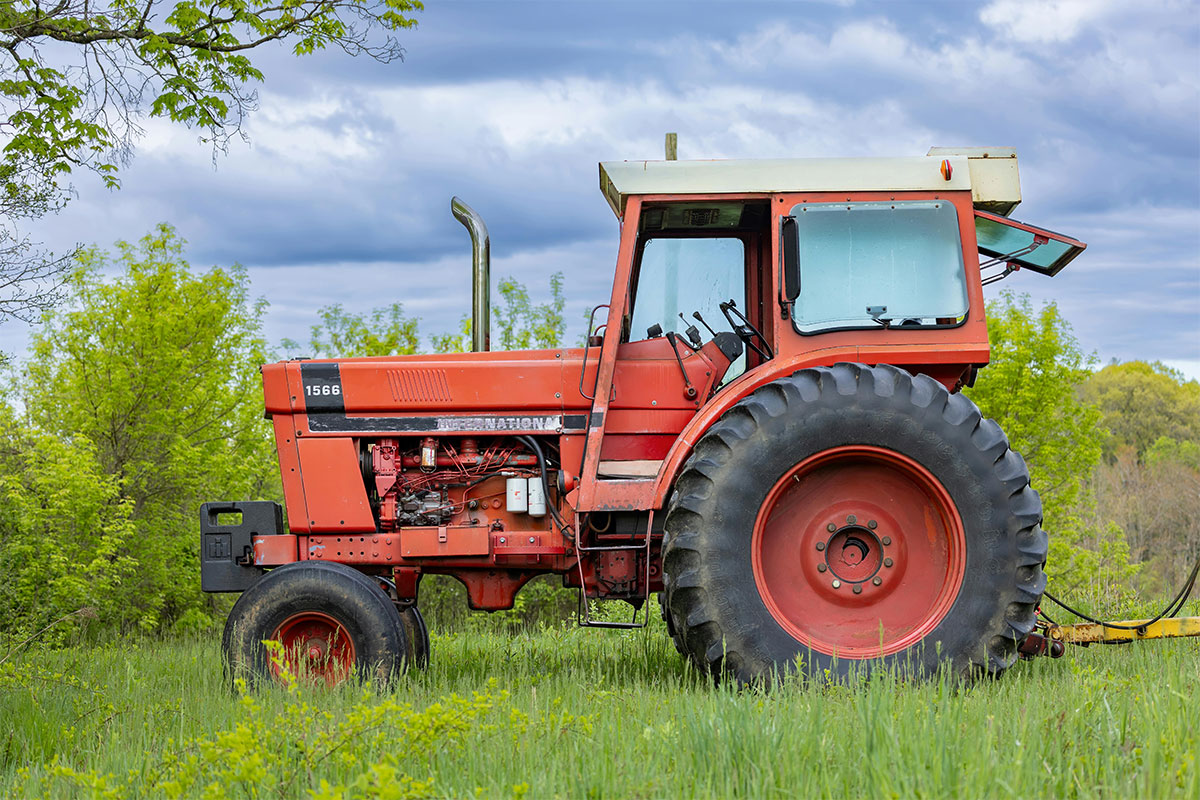
- Agricultural machinery: tractors, harvesters, sprayers.
- Marine vessels: fishing boats, ferries, cargo ships.
- Locomotives and mining haul trucks.
- Stationary engines for pumps and compressors.
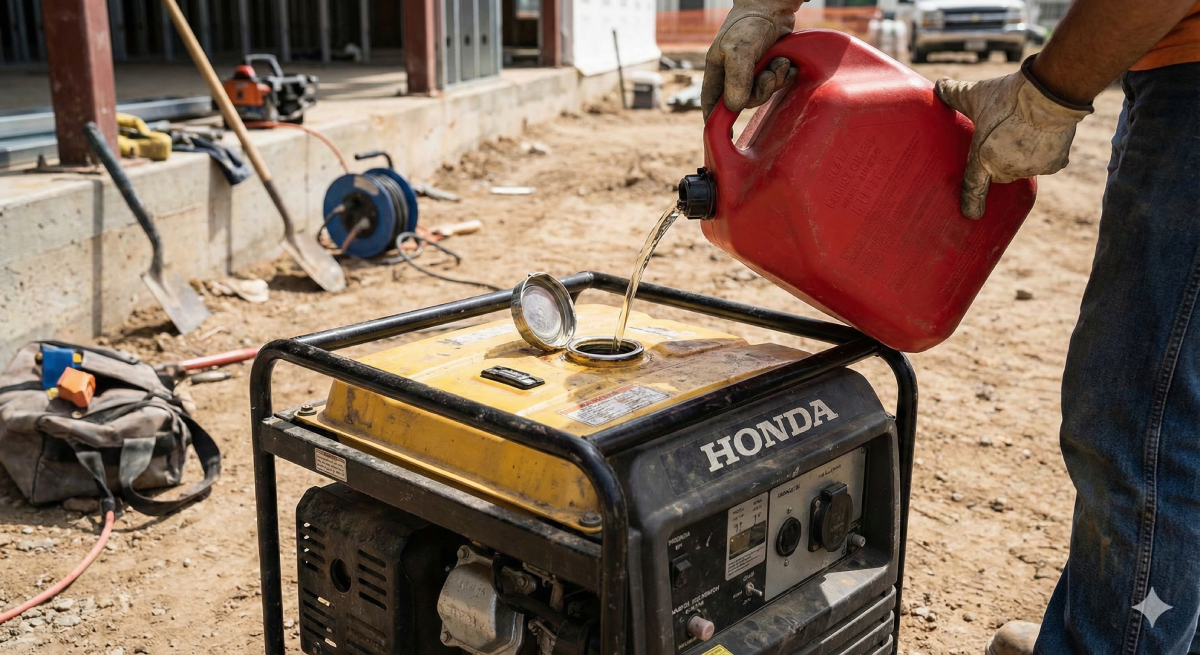
- Generators for hospitals, telecom, and data centers.
Benefits for heavy duty
- High energy density per gallon.
- Excellent torque at low rpm.
- Better efficiency under steady loads.
- Broad fueling infrastructure and storage options.
Building a Reliable Power Setup with Diesel
Pick the right engine class for standby or prime power, size for 70 to 80 percent load, and plan fueling and maintenance for long intervals. Use a simple checklist for medium-speed vs high-speed options and parallel sets.
Which Type Of Diesel Engines Are Used For Power Generation?
Medium-speed power-plant engines are typically four-stroke:
Efficient choices
- High-speed four-stroke (up to ~3.5+ MW): fast start, compact, great for standby.
- Medium-speed four-stroke (2-20 MW): prime or continuous power with strong efficiency.
- Very large two-stroke (marine-derived): limited cases where heavy fuels are available and loads are constant.
Why these engines
- Durable designs with long maintenance intervals.
- Competitive heat rate and fast load acceptance.
- Modular installation and parallel operation options.
Maintenance
- Scheduled oil analysis, filter changes, valve adjustments.
- Fuel polishing and storage housekeeping for reliability.
Power generation selection tips
- Aim for ~70-80% for efficiency for typical load to maintain efficiency and DPF health.
- Consider redundant smaller units in parallel instead of one large set.
Direct Vs Indirect Diesel Injection Types
Diesel engines use either Direct Injection (DI) or Indirect Injection (IDI).
How each works
- DI: Injector sprays directly into the cylinder bowl. The piston crown shape and swirl guide mixing and combustion.
- IDI: Injector sprays into a pre-chamber. A throat connects to the main cylinder, promoting mixing and quieter operation.
Performance differences
- DI: Modern DI with advanced glow/injection control offers good cold starts while older DI needed more assistance than IDI.
- IDI: smoother idle and lower NOx at low load but worse fuel economy.
Applications
- DI dominates modern road, off-road, and power markets.
- IDI appears in legacy light-duty designs and small portable sets.
DI vs IDI at a glance
| Factor | Direct Injection (DI) | Indirect Injection (IDI) |
|---|---|---|
| Efficiency | Higher | Lower |
| Noise | Louder, improved with CR | Quieter |
| Cold start | Good with glow aids | Good, pre-chamber assists |
| Emissions | Low with aftertreatment | Typically higher CO2 per kWh |
| Complexity | High-pressure system | Simpler injector, pre-chamber |
| Typical use | Modern vehicles, gensets | Older small engines |
What Is Common Rail Direct Injection (CRDI)?
CRDI separates pressure generation from injection timing. A pump charges a shared rail to very high pressure. Electronic injectors meter tiny pulses, often multiple per stroke, to control noise and emissions.
Why CRDI is dominant
- Ultra-fine atomization improves mixing and efficiency.
- Multiple injections manage combustion noise.
- Precise timing reduces NOx and particulates when paired with EGR, DPF, and SCR.
- Flexibility to meet diverse duty cycles and fuels.
- Clean, dry fuel is critical; water damages injectors.
- High-pressure components require trained service.
- Filters, water separators, and fuel housekeeping protect the system.
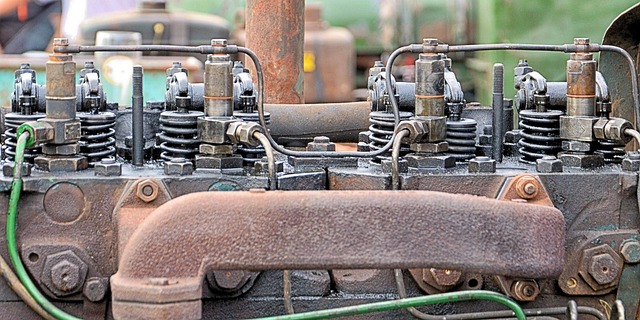
What Are Unit Injectors In Diesel Engines?
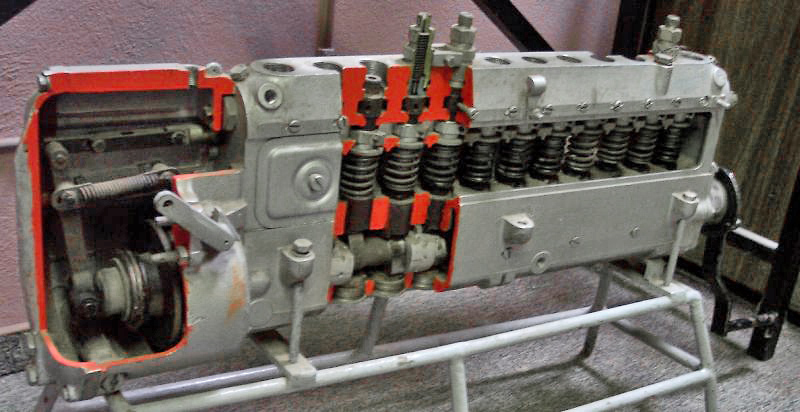
Unit injectors combine the pump and injector at each cylinder. A cam drives pressurization just before injection.
Impact on performance
- High peak pressure without long high-pressure lines.
- Excellent timing accuracy linked to cam events.
- Robust in heavy-duty engines exposed to vibration.
Trade-offs
- Mechanical complexity in the head.
- Limited flexibility for multiple small injections compared with CRDI.
- Service requires specialized tools.
Used widely in earlier heavy-duty engines and still found in applications that value simplicity and durability.
What Is Air-Blast Injection In Diesel Engines?
Air-blast injection uses compressed air to help atomize and deliver fuel to the cylinder. It originated in early large diesels and marine engines.
Mechanism
- A compressor supplies high-pressure air.
- Fuel mixes with air and is blown into the cylinder near the top dead center.
- The system ensures good atomization even with low fuel pressure.
Where used and advantages
- Historic large stationary and marine engines.
- Good atomization with heavy fuels.
- Reduced reliance on very high fuel pressure hardware.
It is largely obsolete for mobile engines because equipment is bulky and less efficient than modern mechanical or electronic systems.
What Is The Difference Between 2-Stroke And 4-Stroke Diesel Engines?
Design
- Two-stroke: Power every crank revolution; ports and/or valves handle scavenging; often uses a blower or turbo.
- Four-stroke: Power every other revolution; separate intake and exhaust strokes.
Efficiency and lifespan
- Four-stroke engines are generally more efficient at variable load and have longer overhaul intervals.
- Two-stroke designs excel at constant load and very large scale, such as marine propulsion.
Applications
- Two-stroke: large ships, some locomotives historically.
- Four-stroke: cars, trucks, generators, construction equipment.
2-stroke vs 4-stroke
| Factor | Two-stroke | Four-stroke |
|---|---|---|
| Power strokes | Every revolution | Every other revolution |
| Low-speed torque | Very strong | Strong |
| Efficiency | High at constant load | High across variable loads |
| Complexity | Ports/blowers add complexity | Valvetrain complexity |
| Best use | Marine, very large engines | Road, off-road, gensets |
Diesel Engines With Flexible Crankshafts
A flexible crankshaft is engineered to tolerate controlled torsional twist along its length. In very long multi-cylinder engines, this flexibility spreads torsional loads and reduces peak stress.
Purpose and benefits
- Smoother torque delivery across cylinders.
- Lower risk of crankshaft fatigue and gear train chatter.
- Allows longer crankshafts in large engines without excessive mass.
Applications
- Medium-speed marine and power engines.
- Large industrial engines where cylinder count and length are high.
Careful torsional vibration analysis determines damper selection, gear design, and permissible operating speeds.
What Are Low Heat Rejection Diesel Engines?
Low heat rejection (LHR) engines reduce heat loss to coolant and surroundings, often by using ceramic coatings, insulated pistons, or redesigned cooling passages.
Operational principle
- Keep more heat in the working fluid, raising average cycle temperature.
- Increase thermal efficiency and lower specific fuel consumption.
Benefits and use
- Faster warm-up, better efficiency at part load.
- Potentially smaller radiators or improved cold-weather performance.
- Investigated for military, stationary, and research applications; production adoption is targeted and application-specific