Need Emergency Fuel Delivery?
  info@elanfuels.com
Key Takeaways
- Diesel and electric power supply most fuel used in train operations worldwide today.
- Gasoline is rarely the fuel of trains because diesel is safer and more efficient for large engines.
- Electric and hybrid systems change what fuels trains today and help cut emissions in busy corridors.
- Hydrogen, biofuels and batteries are emerging options for what fuels train engines in low carbon rail plans.
Table of Contents
What Fuel Do Trains Use?
When we talk about the power source for trains, we are discussing the fuel used in train operations, which is primarily diesel or electricity for modern mainline railways. For tracks that aren’t electrified, diesel locomotives are chosen for their strong pulling power and long range. Conversely, on electrified routes, power plants generate the electricity which serves as the fuel of train, supplied through overhead wires or a third rail. So, which fuel used in train design depends on the specific service. Heavy freight, needing high hauling capacity over great distances, often prefers diesel, but high speed passenger trains typically run on electricity.
Historically, coal was what are trains fueled by, but diesel and electric traction improved efficiency and reduced labor. Now, operators focus on low-emission solutions, constantly changing what fuels trains today to achieve better air quality.
Do Trains Run On Gas?
It’s a common question: do trains run on gas? While many small engines and cars use gasoline, large locomotives almost never do. People ask do trains use gasoline because they see small maintenance vehicles occasionally fueled this way, leading them to wonder do trains take gas at all. However, for hauling heavy loads, diesel is the preferred train fuel. Gasoline has high volatility and lower energy density compared to diesel in these large compression engines. Therefore, for mainline service, the practical answer to do trains use gas or do trains need gas is no. Diesel and electricity are simply more suitable for the continuous power and fuel economy required.
Confused About What Fuel Modern Trains Use?
From diesel locomotives to electric high speed lines and emerging hydrogen projects, train fuel choices can be hard to follow. Get a clear breakdown of how different engines are powered so you can compare performance, costs and emissions with confidence.
Do Trains Use Diesel?
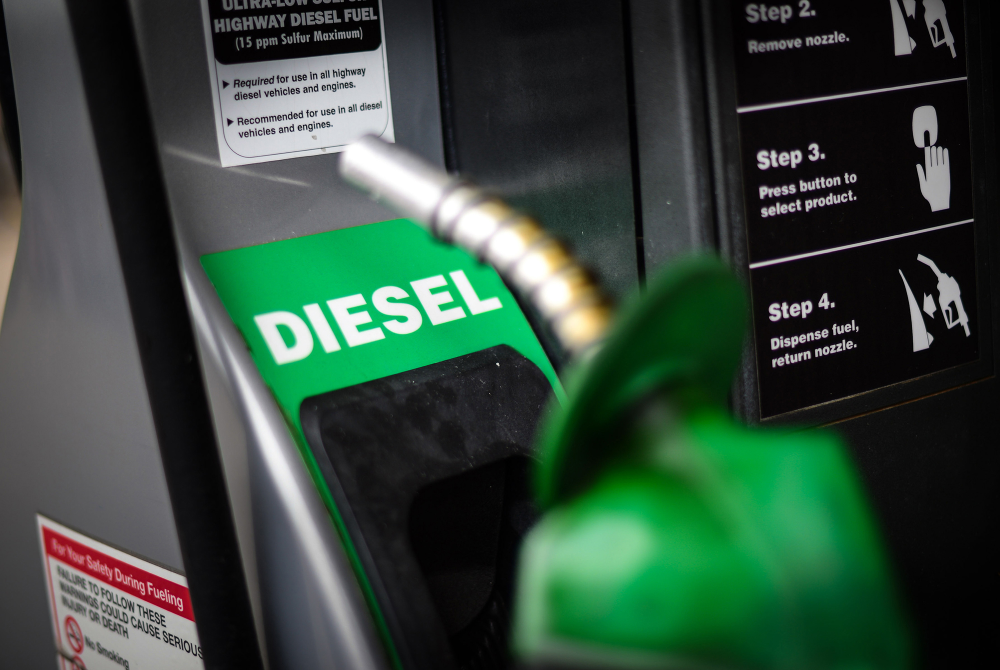
People often wonder, “do trains use diesel?” For non-electrified routes, especially for freight, the answer is a clear yes. Diesel locomotives are essential in many places. This directly addresses the question, “do trains use fuel?” The fuel is diesel, burned in a large internal combustion engine. However, in modern systems, the engine powers a generator to drive electric motors. This is how do trains run on diesel through a diesel-electric system. So, what fuel does trains use? It’s typically ultra-low sulfur diesel stored in onboard tanks.
Which Types Of Trains Use Diesel Fuel?
Diesel traction appears in many service types. This helps answer common questions like train runs on which fuel for different rail roles. Key categories include;
- Heavy Freight: For hauling large volumes of bulk goods over long, non-electrified routes.
- Regional Passenger Service: Connecting towns where the installation of overhead wires is economically prohibitive.
- Shunting/Switching: Moving rail wagons within yards, where the engine must be capable of frequent stops and starts. Diesel is the preferred fuel source in these demanding environments.
- Industrial and Mining Railways: Used in remote locations where the choice of fuel is often dictated by accessibility and operational needs.
- Intercity Secondary Routes: Employed for some intercity services, particularly on secondary lines where diesel remains the primary source of power.
Famous diesel models such as the EMD SD70 and GE Evolution series show how train fuel choices focus on power, reliability and ease of refueling far from major cities.
Want To Compare Diesel, Electric And Hydrogen Trains?
Different routes use different fuels, from ultra low sulfur diesel on non electrified lines to grid electricity and trial biofuels on greener corridors. Explore how each option affects range, reliability and environmental impact so you can understand which fuel makes sense in each setting.
What Kind Of Diesel Do Trains Use?
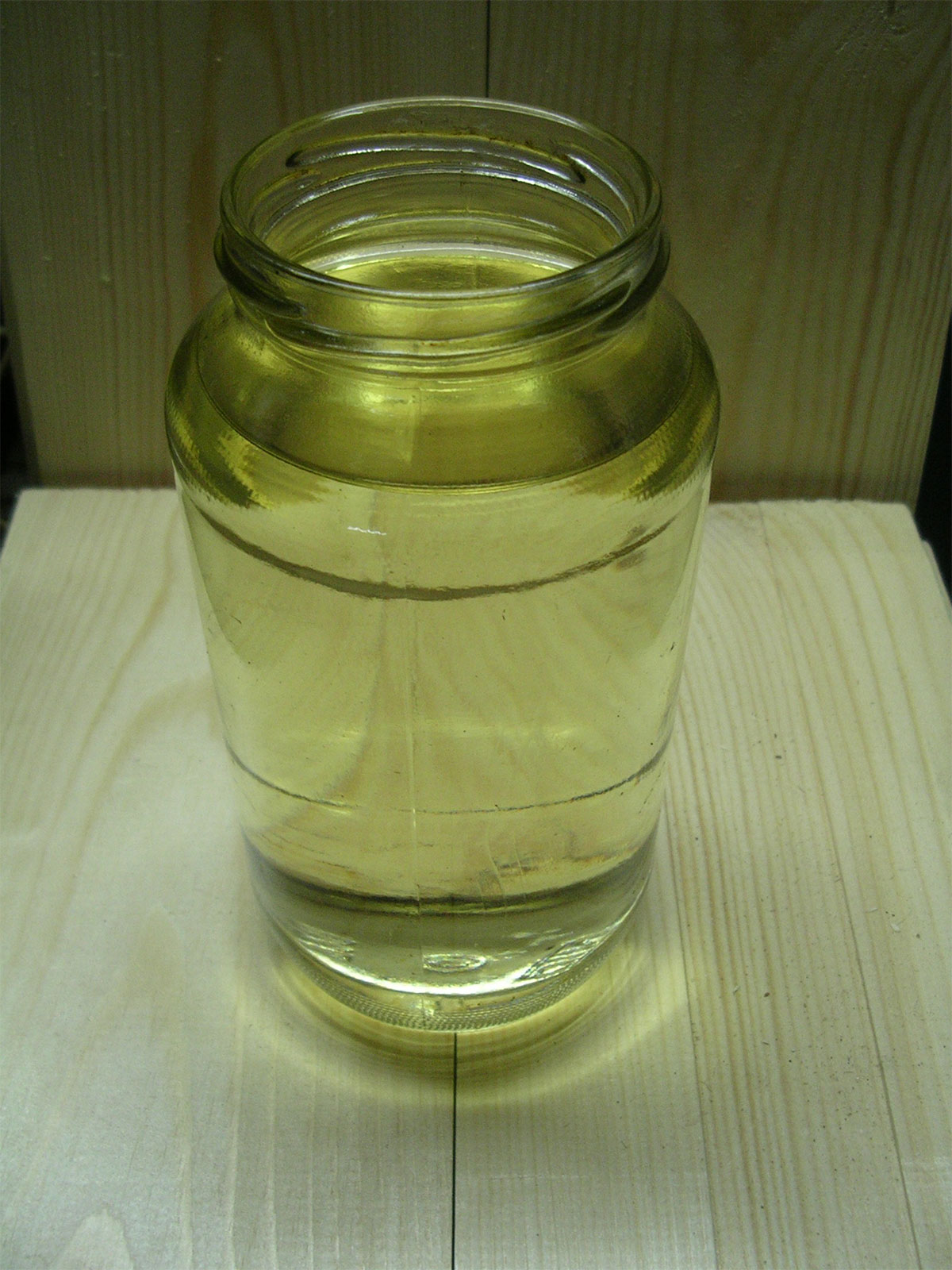
If you ask which fuel used in train fleets, the primary answer is ultra low sulfur diesel, designed for large engines. This ensures compliance and protects systems. Occasionally, you may find that a train uses which fuel is blended with biodiesel. Typical diesel types in rail use include the options below.
| Diesel type | Sulfur level | Typical rail use |
|---|---|---|
| Ultra low sulfur diesel | Very low | Standard train fuel in modern fleets |
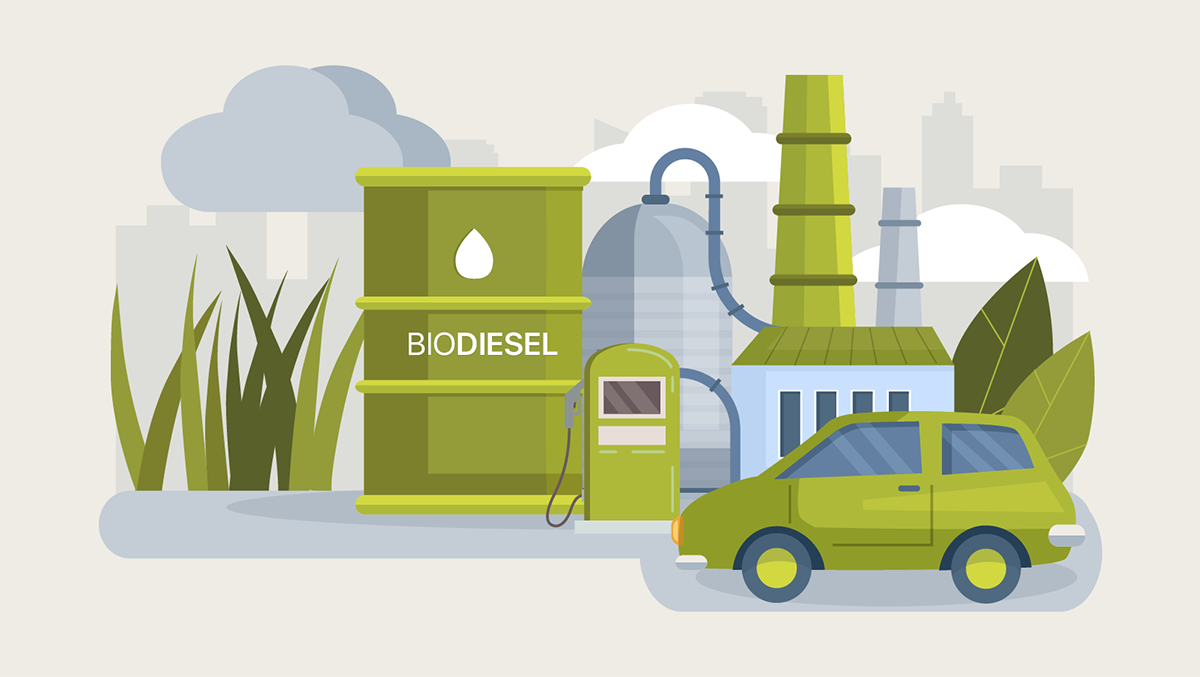
| Biodiesel blends | Reduced | Trials and some regular services |
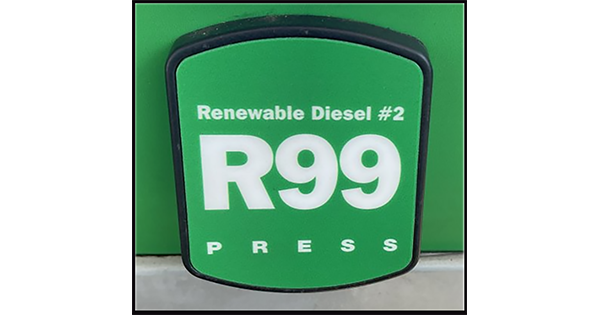
| Renewable diesel | Very low | Emerging option for low carbon corridors |
These choices show how the fuel of train systems is changing. Cleaner fuels work with advanced engines to cut particulate matter and greenhouse gases while keeping long range capability.
What Are The Different Types Of Train Engines?
Ever wonder what fuels train engines? There are four main families. Diesel engines burn liquid fuel, often in a diesel-electric setup, offering flexible operation. Electric trains get their power from overhead lines or third rails, so electricity from the grid is what fuels trains like high-speed models, providing low local emissions. Steam engines historically burned coal or oil to boil water. So, what fuels a train really depends on its design. Hybrid designs, which mix batteries with diesel or electric power, are emerging to cut idle time. Together, these technologies determine what fuels modern trains across global networks.
What Is A Diesel-Electric Locomotive?
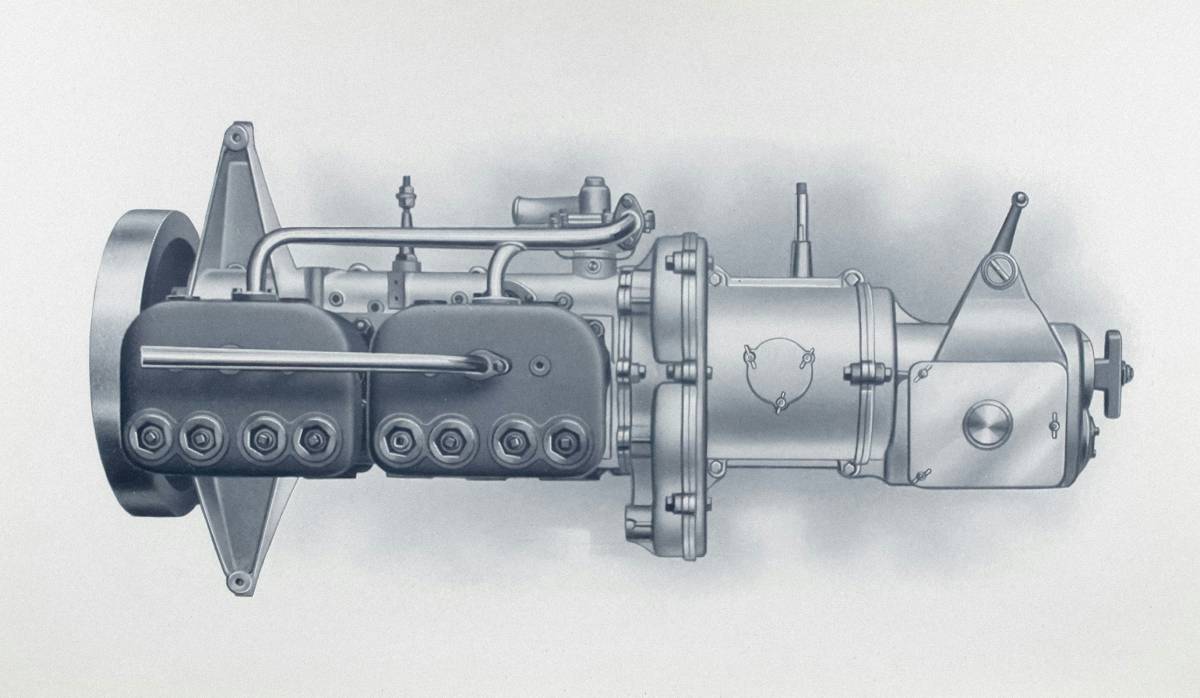
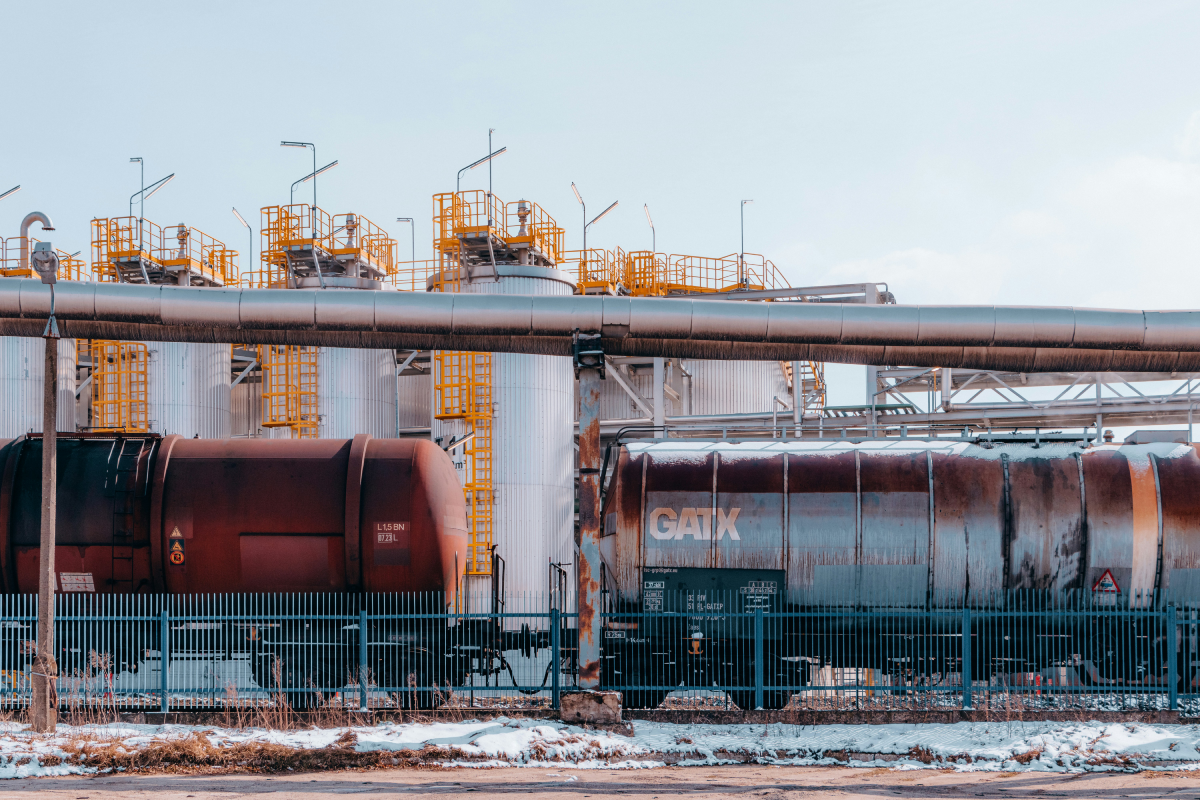
Ever wondered what fuels a train in modern services? It’s often a diesel electric system. A diesel engine drives a generator, which in turn powers electric traction motors on the axles. This clever design means the diesel engine runs efficiently while the electric motors handle the power needed at the wheels. This is very different from asking what are trains fueled by if you’re thinking of purely overhead wires. Diesel electric systems offer long range and strong pulling power, which is essential when considering what fuels train engines that need to support incredibly heavy loads, often with multiple units controlled from a single cab.
Do Trains Still Run On Coal?
If you’ve ever wondered what fuels trains today, the answer is generally not coal. Steam locomotives, which once burned coal or oil, were mostly replaced by diesel and electric engines in the 20th century. For the majority of passengers, trains run on which fuel is a cleaner, more efficient, and easier-to-control system. While heritage lines still show visitors train run on which fuel that is part of history, the mainstream train fuel options are now diesel, electricity, and emerging low-carbon alternatives.
Curious How Rail Is Cutting Fuel Use And Emissions?
Modern trains use hybrid systems, better aerodynamics, lightweight materials and cleaner fuels to move more people and freight with less energy. Dive deeper into the strategies that improve train fuel efficiency and see how future battery and hydrogen tech could reshape rail power.
What Kind Of Fuel Does The Amtrak Train Run On?
In the United States, Amtrak relies on a mix of diesel and electric power. On busy electrified routes like the Northeast Corridor, what are trains fueled by is electricity drawn directly from overhead wires. Conversely, on non-electrified lines, Amtrak locomotives primarily burn ultra-low sulfur diesel. This dual approach reflects the existing track infrastructure and diverse service needs. Newer engines and hybrid technology are constantly improving what fuels trains today, with trials exploring biofuels and renewable diesel to support cleaner transport goals and show what fuels trains today for a sustainable future.
How Are Trains Getting More Fuel Efficient?
Operators improve efficiency in many ways. These steps change what fuels modern trains in practice because less energy is wasted. Common measures include;
- New diesel engines with better combustion and after treatment for each fuel of train litre used.
- Hybrid systems that store braking energy and reduce idling.
- Lightweight materials so train fuel needs fall for the same payload
- Aerodynamic designs that cut drag at high speed.
- Driver advisory systems that guide throttle use and explain what fuels a train along each route in real time.
Decarbonization Options For Passenger And Freight Rail
Rail decarbonization aims to cut emissions while maintaining high performance, with electrification as the main strategy. When lines are wired, the power mix of the grid determines what fuels trains today. A cleaner grid improves rail emissions even without changing rolling stock frequently. For non-electrified lines, hydrogen and biofuels offer other options. Hydrogen fuel cell trains are replacing diesel on some routes, and renewable diesel blends change which fuel used in train fleets without needing major engine redesign. Furthermore, better logistics help freight operators ensure the train uses which fuel most efficiently by reducing empty runs.
Future Low And Zero Emission Train Technologies
Battery electric trains present a promising future, especially for shorter routes where they charge at stations, moving fuel sources toward grid electricity and renewables. Hydrogen fuel cell projects are also advancing. These designs use stored hydrogen to generate power for motors. Continued research into both battery and hydrogen technology will shape what fuels trains long-term, reducing emissions.
How Are Trains Fueled?
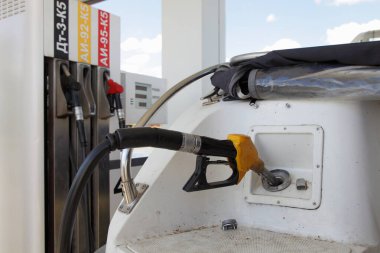
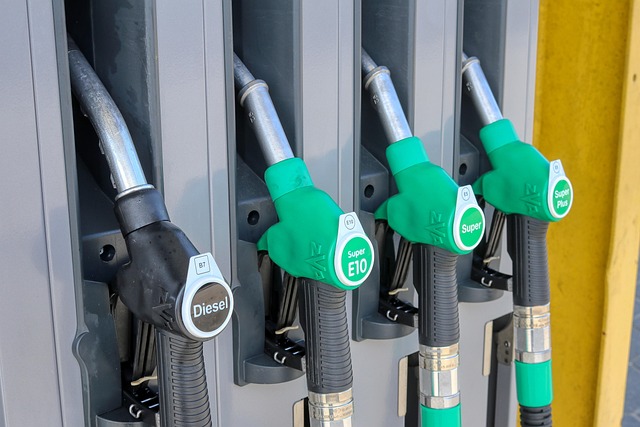
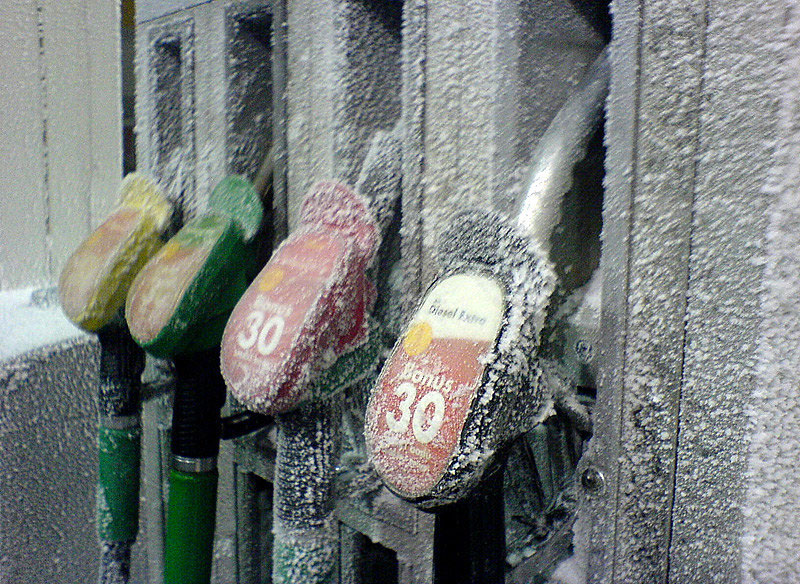
That’s a great question about train operations. The answer to how are trains fueled really depends on the type of engine. For diesel locomotives, the fueling process at depots looks similar to large-scale truck refueling, with high-flow nozzles filling massive tanks. Conversely, what are trains fueled by when they are electric is the traction power supply. These trains get their power from overhead lines or third rails fed by substations. As technology evolves, how are trains fueled will increasingly involve a combination of charging, refueling, and smart grid management for hybrid and battery units.
How Much Fuel Does A Train Use?
It’s interesting how much fuel a train actually uses! A massive freight train, for instance, can guzzle hundreds of litres of diesel per hour. However, when you look at it per tonne kilometre, train fuel efficiency is often better than trucks because one engine pulls so many wagons. Passenger trains have lower per-kilometre usage, but speed and air conditioning significantly increase their consumption. For electric trains, efficiency is measured in kilowatt hours and factors like gradients and regenerative braking matter. Ultimately, operating efficiency is about more than just the engine; things like driving style and maintenance greatly affect the fuel used in train operations.
What Is The Most Efficient Train Fuel Type?
Understanding what fuels trains today involves balancing efficiency, emissions, cost, and infrastructure. Electric power is a highly efficient choice on busy, electrified lines, especially because of regenerative braking. However, in long, remote areas, clean diesel is still a common train fuel. Therefore, the answer to train runs on which fuel is route-specific. Electric trains offer the best local air quality. For corridors without wires, hybrids and advanced diesel are key. Looking ahead, hydrogen and renewable fuels could soon join the mix, further improving the environmental picture.