Need Emergency Fuel Delivery?
  info@elanfuels.com
Key Takeaways
- The answer to what number is diesel gas is a grade system. Stations sell ULSD by diesel fuel grades like #1, #2, and #4, not gasoline octane numbers.
- Most road engines run best on #2 ULSD. Diesel uses cetane as the diesel fuel rating, unlike gasoline octane, which explains confusion around diesel grades at the pump.
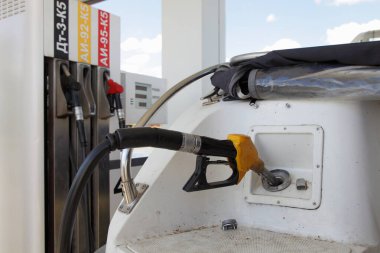
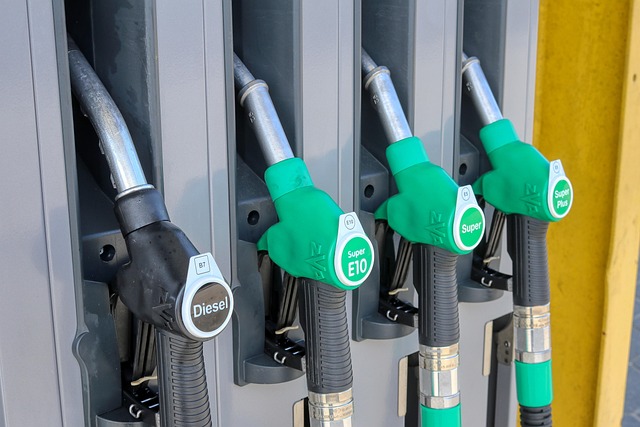
- Read pump labels first. Look for Diesel or ULSD 15 ppm and correct nozzle size. This clarifies what gas number is diesel and prevents costly misfuelling mistakes.
- Climate matters when choosing among grades of diesel fuel. #1 improves winter flow, #2 delivers higher energy and lubrication, and balances reliability with performance in cold regions.
- Know your site rules and taxes. Dyed off road fuel is restricted, and training on different grades of diesel fuel helps drivers avoid fines while protecting engines and emissions systems.
Table of Contents
What Number Is Diesel Gas
Diesel in the US is categorized by grade numbers like #1, #2, and #4. These labels belong to diesel fuel grades used by refiners and retailers. They define composition and performance ranges across diesel grades for road use and duty.
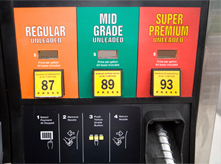
Gasoline buttons show octane numbers that measure knock resistance. Diesel uses cetane to reflect ignition delay as the diesel fuel rating. Asking what gas number is diesel creates confusion. Diesel pumps display ULSD labels and names rather than octane numbers.
When drivers ask what number is diesel gas, they seek pump grade, often #2 ULSD. If you ask what number gas is diesel, read the Diesel label and nozzle tag. If you’re still confused, make sure to ask the dispenser what fuel they have in stock to avoid costly errors.
Is Diesel Number 2?
Across the United States, drivers asking what number is diesel gas are usually being pointed to diesel fuel grades. Retail road fuel is widely called Diesel #2 under ASTM D975, part of standard diesel grades used for high speed engines. These grades of diesel fuel guide labeling and distribution nationwide.
Pump numbers show gasoline octane, not a diesel fuel rating. That explains confusion behind what gas number is diesel and what number gas is diesel. Diesel dispensers display ULSD 15 ppm labels rather than octane. The diesel gas number reference is the grade designation, typically #2 for highway use.
Diesel #2 is standard because it offers balanced energy content, lubricity, and availability that suit most engines. When choosing what grade is diesel fuel, fleets favor #2 for range and durability across different grades of diesel fuel. ASTM D975 defines properties, while distributors stock it within diesel fuel grades nationwide.
Still Wondering What “Number” Diesel Is?
Gas pumps show octane for gasoline, but diesel is sold by grade: #1, #2, or #4. Learn why most highway trucks use #2 ULSD, how cetane (not octane) works, and how to spot the right pump every time
What Is U.S. No. 2 Diesel?
U.S. #2 diesel is the standard middle distillate under ASTM D975 with sulfur capped at 15 ppm ULSD. It powers trucks, buses, pickups, and many off road machines across America. Within diesel fuel grades, U.S. #2 answers what grade is diesel fuel for daily highway use, sitting at the center of common diesel grades used year round in most regions.
Compared with #1 diesel, #2 offers higher energy per gallon, stronger natural lubricity, and balanced viscosity for injectors and pumps. Cetane minimums ensure reliable ignition, while additives can raise diesel fuel rating to suit climate. B5 biodiesel blends are permitted under ASTM D975, keeping diesel rating consistent across grades of diesel fuel nationwide. Regional cold flow targets guide winter specifications.
At retail, U.S. #2 ULSD is the most available option, labeled Diesel or ULSD 15 ppm on dispensers. Many drivers ask what number is diesel gas, but octane buttons apply to gasoline only. The correct identification is the grade and label, not a pump number.
What Octane Is Diesel?
There is no octane for diesel. Diesel engines compress air and rely on fuel auto ignition, so ignition quality is determined by the cetane number. The typical minimum under ASTM D975 is 40, which sets a baseline diesel fuel rating for starting and combustion smoothness. Higher cetane can reduce noise and ease cold starts. If you wonder what gas number is diesel, remember octane belongs to gasoline while cetane belongs to diesel. This difference explains why diesel and gasoline are never interchangeable.
Choosing Between #1 and #2 for Winter?
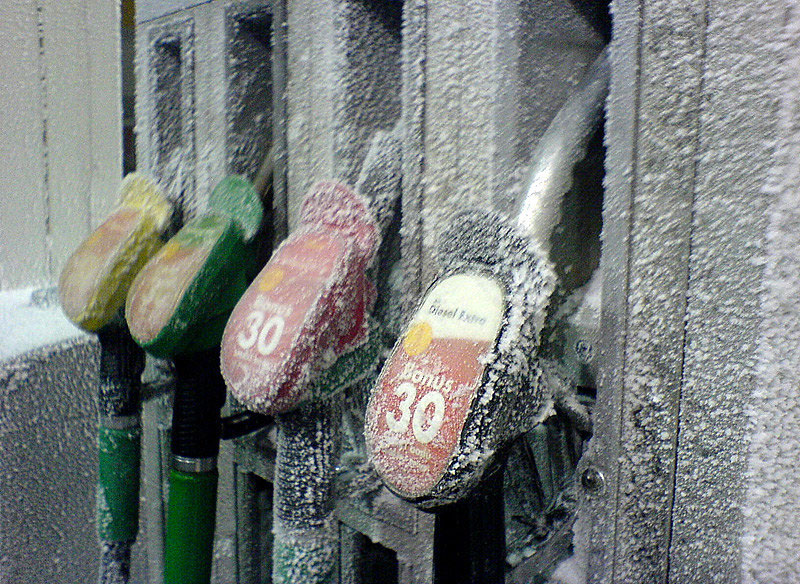
Cold snaps can gel fuel. See when to use #1, when to stick with #2, and how winterized blends and additives keep engines starting reliably. Plan your switch before the first hard freeze.
Diesel Fuel Grades And Their Differences Explained
In the United States, diesel fuel grades are organized as #1, #2, and #4 middle distillates. #1 is lighter and cold friendly. #2 is the common road fuel. #4 is heavy and industrial. Many guides use these diesel grades to help drivers and technicians match engines and operating conditions well.
#2 diesel powers commercial trucks and buses due to energy density and lubrication. #1 diesel serves cold weather operations, blending easily to prevent gelling in routes. #4 feeds slow speed engines and industrial equipment like boilers and generators. Understanding grades of diesel fuel clarifies different grades of diesel fuel and their applications.
#2 diesel delivers higher energy per gallon, improving range and towing performance. It usually costs less than #1, which trades some energy for cold flow benefits. #4 diesel offers viscosity for machinery, not passenger use. Evaluating diesel fuel rating and operational goals helps interpret diesel rating choices across climates and workloads efficiently.
Choose the grade to cut maintenance, boost efficiency, and protect warranties. On our website you can find options and guides that will help you select the proper diesel fuel grades every season.
What Is The Difference Between #1 And #2 Diesel?
Here is a comparison of diesel grades #1 and #2 across cold performance, energy, lubrication, seasonal availability, and pricing.
| Factor | Diesel #1 | Diesel #2 |
|---|---|---|
| Cold weather | Flows easily, resists gelling and sustains starts | Freezes in extreme cold weather, often needing blending or additives to avoid gelling. |
| Energy density | Lower per gallon energy density | Better range and more suitable for hauling due to higher energy per gallon |
| Lubrication | Lower lubricity, but can be boosted with additives | Naturally stronger lubricity |
| Seasonal availability | Common in northern markets during winter | National default in the USA. It is blended with #1 or treated with additives for winter usability. |
| Pricing | Often higher in winter | Usually lower due to broadly available supply. |
Can You Mix #1 And #2 Diesel Fuel?
Yes, blending No. 1 and No. 2 is common practice in cold regions. Operators blend #1 and #2 diesel in order to benefit from #1’s low gel point and to keep #2’s high energy and viscosity. When mixing grades of diesel fuel, track the cold filter plugging point and follow supplier guidance to avoid filter issues.
Additive packages modify wax crystal behavior, and blending complements these treatments when severe weather arrives. Seasonal blends are a practical way to balance reliability and economy across changing conditions. Make sure to plan before the first hard freeze and monitor performance during the first cold spell of each season.
What Are Cetane Numbers?
Cetane number is the diesel fuel rating that measures ignition delay. A higher cetane number means faster ignition after injection, which can improve cold starts and reduce combustion roughness. Test methods and specifications define how cetane is measured and the minimum acceptable values for No. 1 and No. 2 fuels.
This differs from gasoline octane which measures knock resistance in spark ignition engines.
| Aspect | Diesel Cetane | Gasoline Octane |
|---|---|---|
| Purpose | Ignition quality | Knock resistance |
| Engine cycle | Compression ignition | Spark Ignition |
| Test metric | Higher cetane rating leads to shorter start time | Higher octane rating means greater detonation |
| Typical range | Ranges from 40-50 in rating for retail diesel | Ranges from 87-93 for retail gasoline |
| Effects of higher value | Faster starts, smoother idle and lower smoke | Prevents knocking and enables advanced timing |
| Cold Weather | Aids winter starting | Largely unaffected |
For fleets, consistent cetane across suppliers can stabilize idle quality and emissions. Keep records of suppliers to track long term engine behavior.
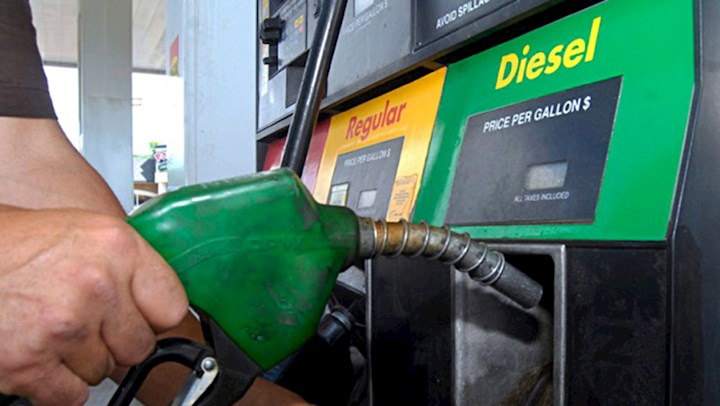
How Can I Tell If Gas Is Diesel?
To recognize diesel pumps, consider the following:
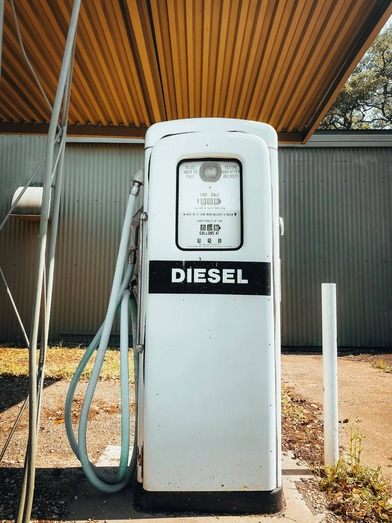
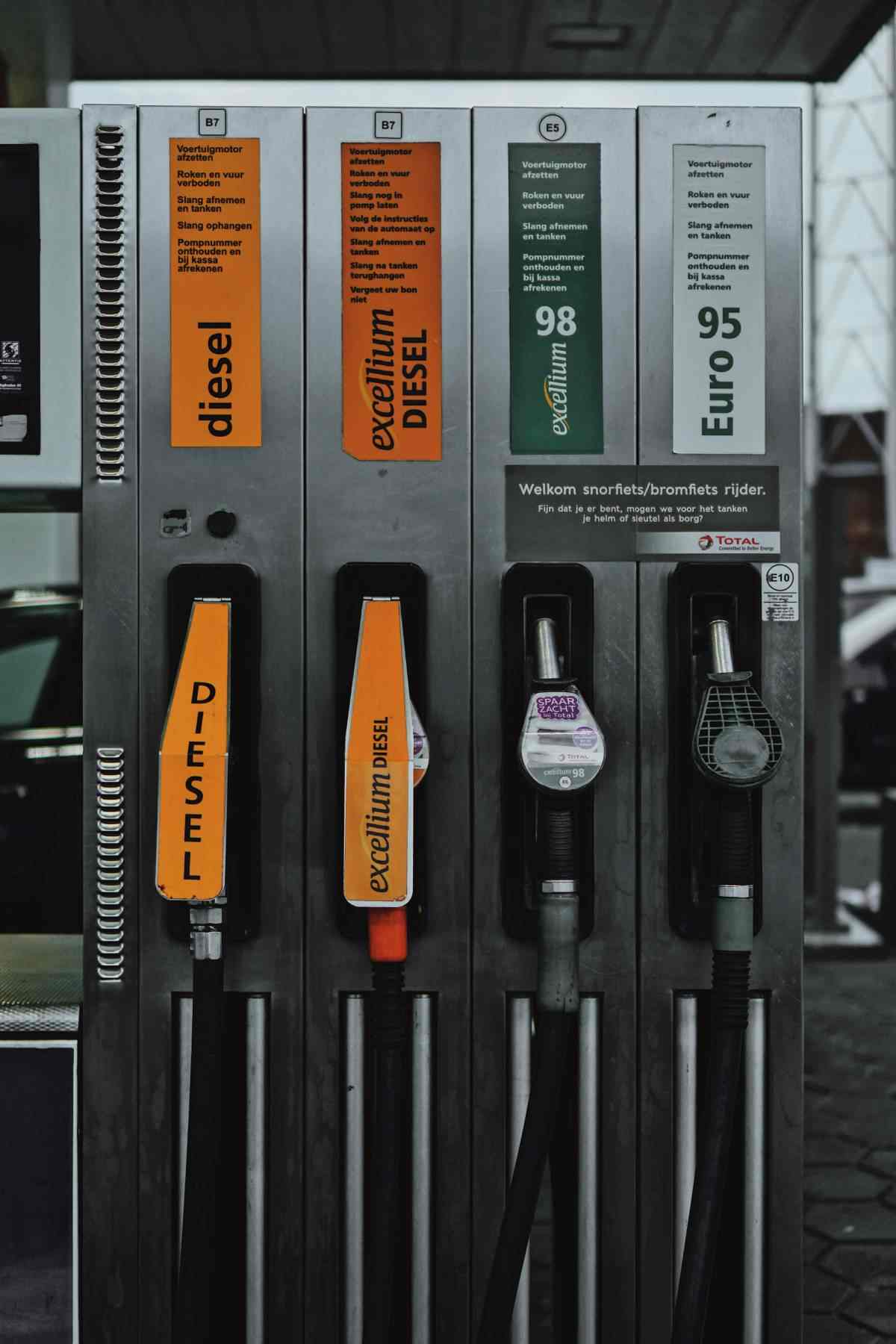
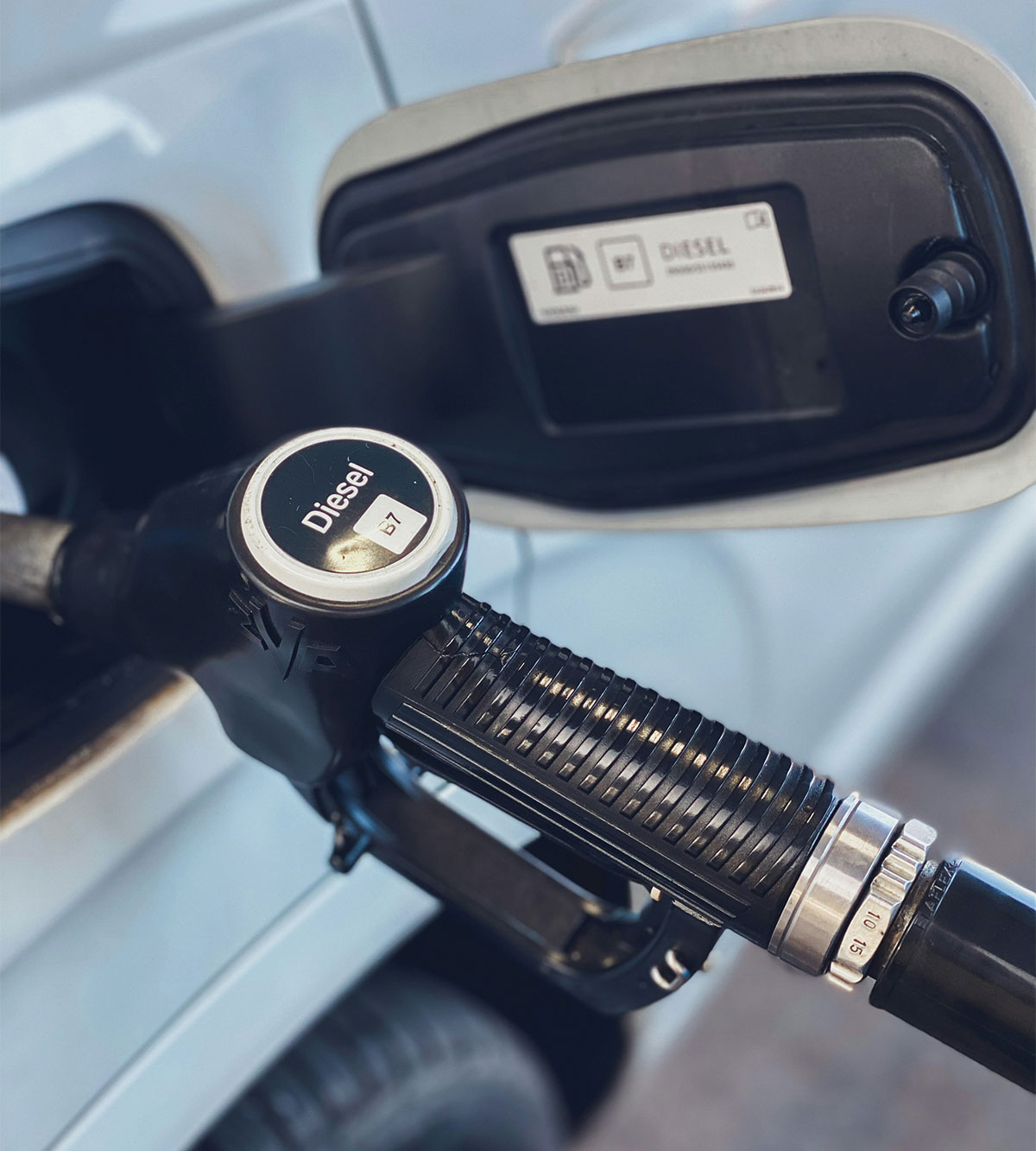
- Read the pump label for diesel or ULSD 15 ppm.
- Look for signage that lists diesel fuel grades like No. 2.
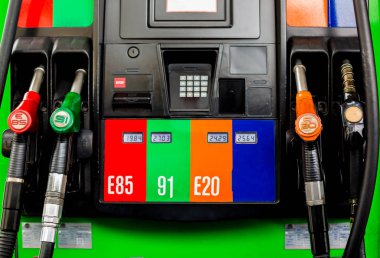
- Do not trust green handles. Trust printed labels and price boards.
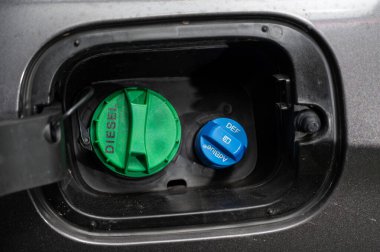
- Check your filler cap and door sticker for diesel markings.
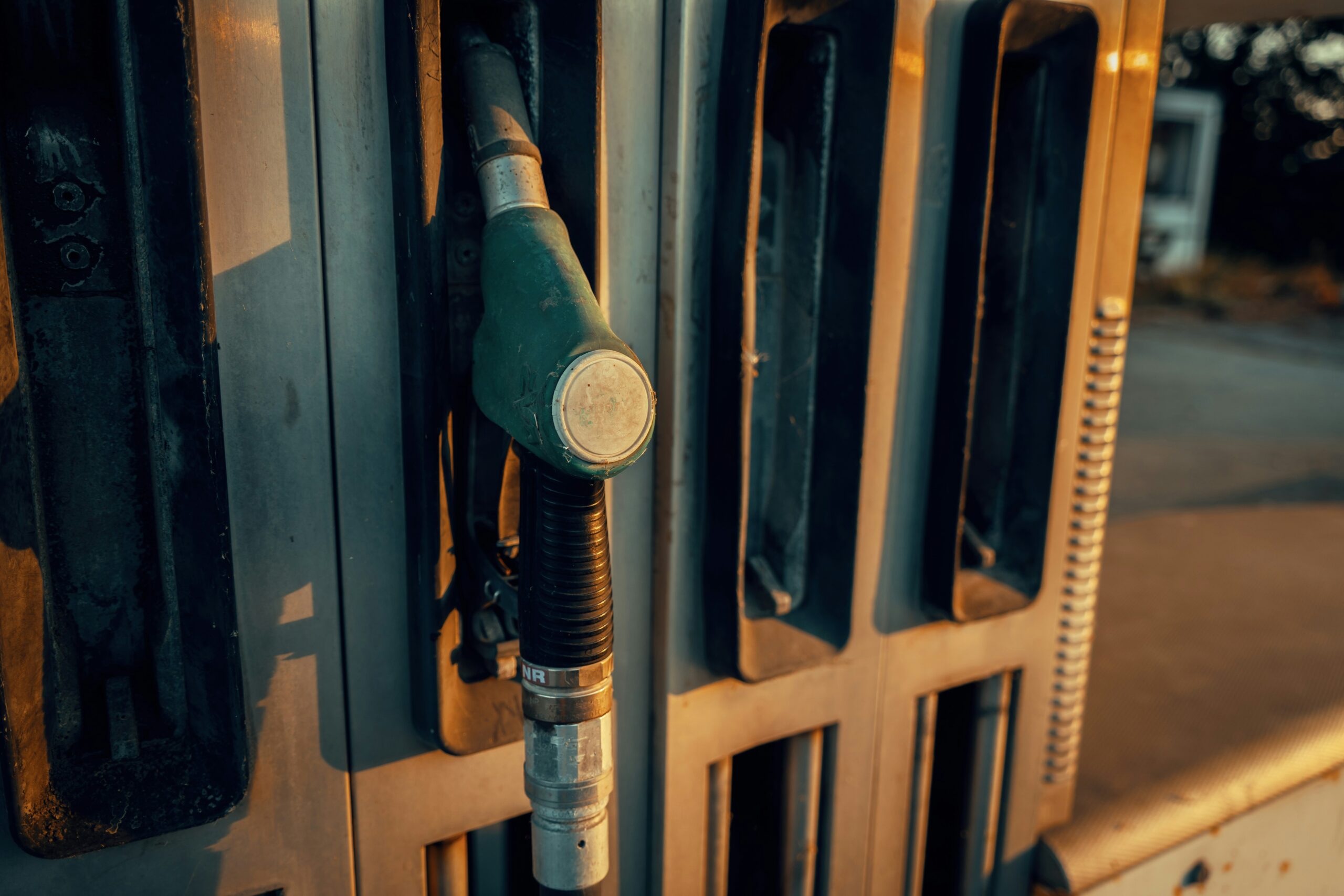
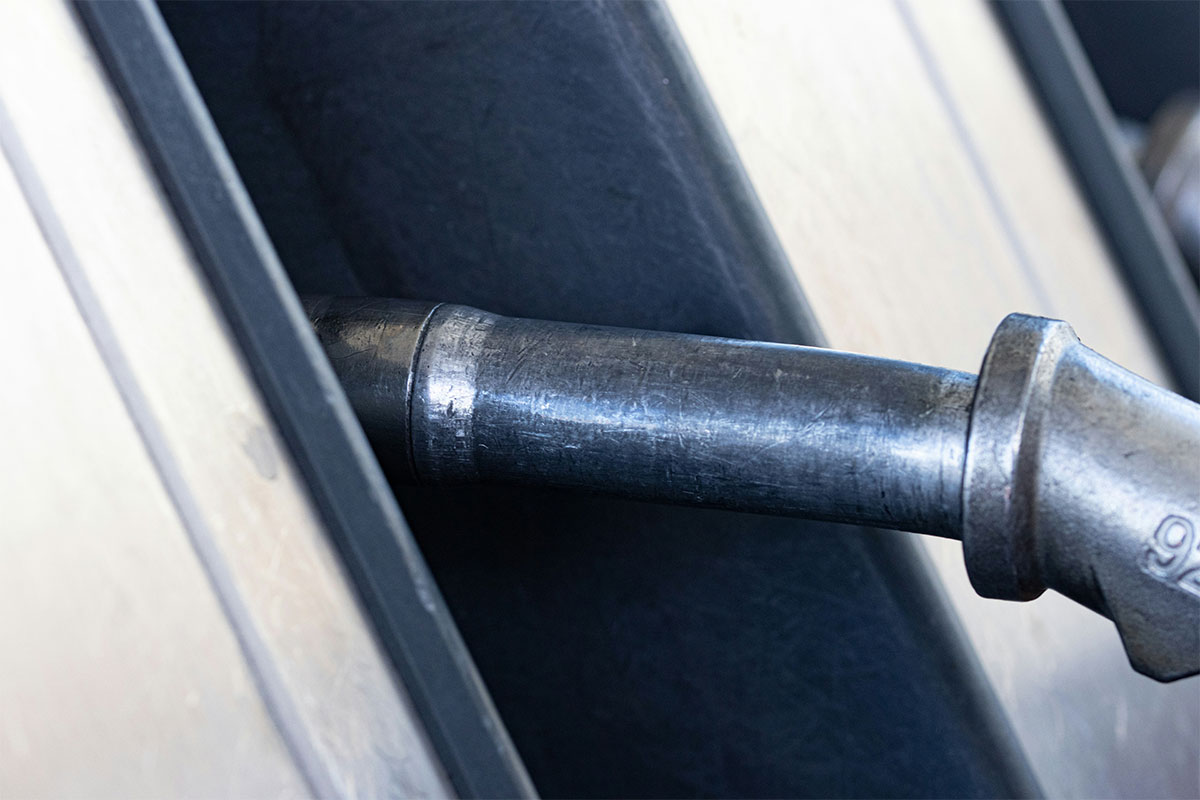
Diesel nozzles are often wider than unleaded, so a diesel spout may not fit a gasoline filler neck. Dispensers list diesel or ULSD 15 ppm on buttons and screens. Read placards and match the listed grades of diesel fuel or the station listed diesel gas number such as No. 2 ULSD to your vehicle.
First time diesel drivers should slow down and follow a checklist. Park by a diesel sign, confirm the cap, watch display, then fuel and save the receipt. If you wonder what gas number is diesel or need help comparing diesel grades, use this diesel identification guide. You can also download it for reference at the pump.
Unsure About Clear vs. Red-Dyed Diesel?
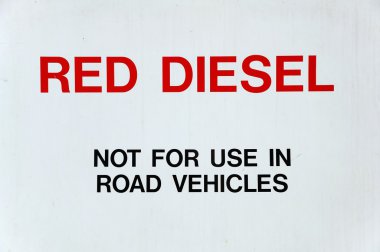
Clear ULSD is taxed for highway use; red-dyed is off-road only and can trigger fines if misused. Check labels, colors, and site rules so you stay compliant and protect your engine and wallet.
Is Diesel A Class 1 Or 2?
- For safety and storage, diesel is typically a combustible liquid rather than a Class 1 flammable liquid.
- In many references, diesel falls in Class II combustibility because its closed cup flash point is at or above 100F and below 140F.
- Some blends can be classified as Class IIIA.
Regulations and categories align with OSHA and fire code language. Make sure to always confirm local rules before specifying containers or rooms.
Is #2 Diesel For Summer?
Yes, No. 2 is the default summer grade because it has higher energy content and suitable viscosity in warm conditions. In winter, retailers may sell winterized No. 2 or blends with No. 1 to prevent waxing and flow loss. Planning seasonal fuel switches ahead of cold weather avoids roadside surprises and keeps schedules intact. It is advisable to check a seasonal switchover calendar you can use to time your changeover with forecasted lows.
What Type Of Diesel Fuel Should I Use In My Truck?
Most road trucks and pickups use No. 2 ULSD year round, switching to winterized blends or No. 1 during sustained cold. Always the owner manual and favor high turnover retailers to preserve fuel quality. Consider additives only as recommended by the engine maker or supplier.
For long haul duty, consistent suppliers and documented quality protect injectors and aftertreatment while controlling cost per mile. When in doubt, ask the station or your distributor to confirm grade and sulfur level.
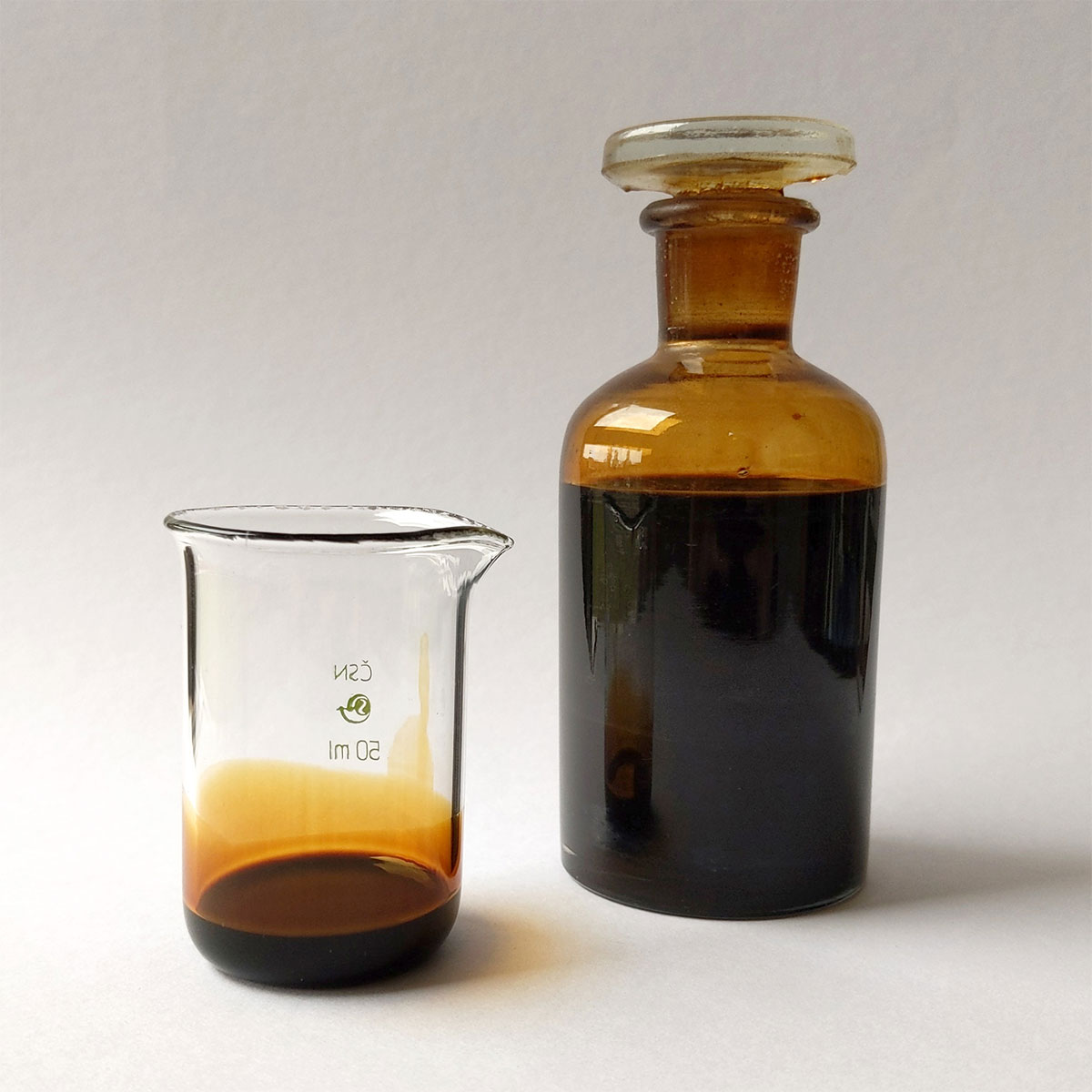
What Color Is Diesel Fuel?
Clear diesel is taxed and suitable for use on public roads. Red dyed diesel marks untaxed diesel which is made for off road use such as in agriculture and construction. In the United States, blue dyed diesel is reserved for federal government fleets rather than marine. Many marine users receive red dyed fuel because it is off road. Knowing these colors and rules prevents fines and confusion at mixed fuel sites.