Need Emergency Fuel Delivery?
  info@elanfuels.com
Key Takeaways
- Synthetic fuel production starts from carbon sources like CO2 plus hydrogen from water and sometimes biomass.
- These inputs are processed into synthetic petrol, synthetic diesel fuel, jet fuel and other synthetic fuel examples that work in today’s engines.
- Whether synthetic fuel is renewable depends on what natural resources are used to make synthetic fuel and how much clean electricity is used.
- What is the function of synthetic fuel includes decarbonising hard to electrify sectors and using existing fuel infrastructure.
- Companies and investors can treat synthetic fuels as a petrol alternative that also creates new clean technology opportunities.
Table of Contents
Where Does Synthetic Fuel Come From?
So, where does synthetic fuel come from? Essentially, it’s a process of combining carbon and hydrogen. For modern, sustainable synfuels, the carbon usually comes from captured CO2 or biomass, and the hydrogen is often separated from water using renewable electricity. These elements become the fundamental units for creating a synthetic hydrocarbon. This explains where does synthetic fuel come from in renewable energy systems, as the atoms are rearranged in chemical plants through processes like catalytic conversion to create fuels similar to petrol or diesel. However, it’s important to remember that if the starting material is coal or natural gas, the resulting fuel is a synthetic fossil fuel, even if it resembles synthetic petroleum, meaning it’s not a truly circular alternative to natural fuels. As synthetic fuels become more popular, it would be wise to consider investing in or making partnerships in clean fuel technologies would be more and more profitable
What Is The History Of Synthetic Fuel Development?
Historically, the initial drive behind synfuels was figuring out a Method for obtaining liquid fossil fuels from coal, particularly during wartime when traditional oil sources were scarce. This led to the first commercial production of artificial fuel and artificial coal derived liquids. Following the conflict, some nations adapted these techniques to convert natural gas into transport fuel. While still using fossil feedstocks, these developments proved that gasoline synthesis could be successfully scaled up. Today, research is focused on linking synthetic fuel production to cleaner resources like renewable power and captured CO2. This modern phase clearly answers what are synthetic fuels in the context of climate policy, offering a new fuel for cars that reduces emissions using existing infrastructure.
What Is Synthetic Fuel?
Let’s talk about what is synthetic fuel. In simple terms, it refers to any fuel created through chemical processes instead of being refined directly from crude oil. These products are frequently called synfuel or synthetic petroleum. Producers build these fuels from smaller molecules, which is key to what are the properties of synthetic fuel: they can be tailored for cleaner burning, lower sulfur content, and specific performance. The main reason what is synthetic fuel used for matters is that it offers a vital petrol alternative. This helps with climate goals and energy security, especially for difficult-to-electrify sectors like shipping and aviation.
Curious Where Synthetic Fuel Really Comes From?
Synthetic fuels are built from captured CO₂, hydrogen and sometimes biomass, not pumped from underground like crude oil. Help readers connect the dots from raw inputs to finished synthetic petrol, diesel and kerosene with a clear visual walk-through of the full production chain.
How Is Synthetic Fuel Made?
So, how is synthetic fuel made? It starts with combining carbon and hydrogen to create synthesis gas, which can come from biomass or even captured CO2. This answers the question of how are synthetic fuels made by setting the stage for the next critical step.
Catalytic methods, like the well-known Fischer-Tropsch process, explain how to make synthetic fuel by converting that gas into long-chain hydrocarbons, which are then refined into products like synthetic gasoline or synthetic diesel. When green hydrogen is used with captured CO2, we see what is e fuel made of in projects that link synthetic energy to renewables.
What Is The Role Of Hydrogen In Synthetic Fuel Production?
Hydrogen is vital for producing high energy density synthetic fuel. Synthetic fuel where does it come from is key; it can be made using renewable hydrogen, which is essential for achieving carbon neutral synthetic fuel. Understanding what is synfuel benefits shows that cheaper green hydrogen helps create synthetic green gas and other low carbon fuels that are more competitive.
What Are Examples Of Synthetic Fuels?
Synthetic fuels are already widely used across various sectors, demonstrating practical applications beyond theoretical concepts. Key examples of these fuels include:
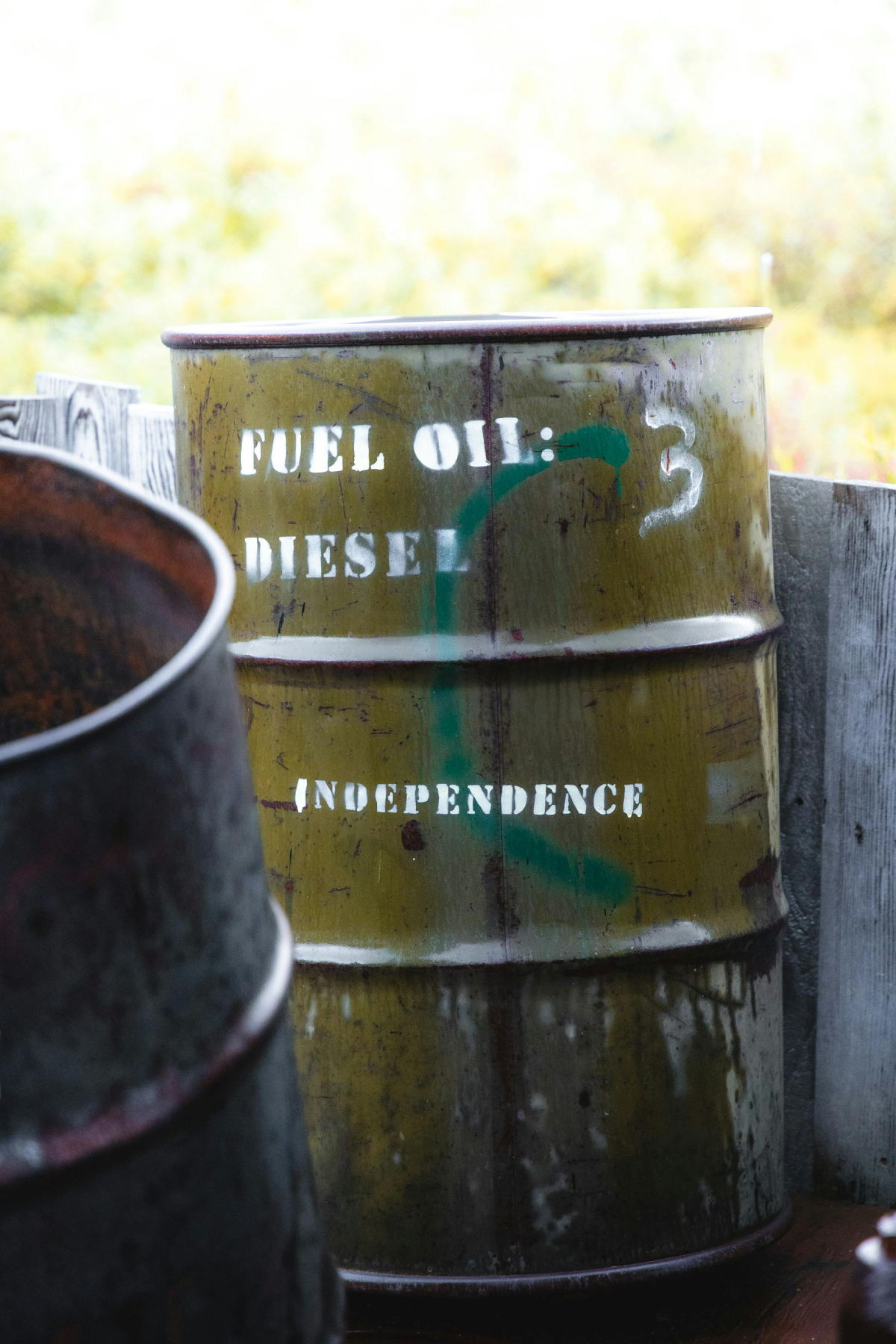
- Synthetic diesel fuel: Used in heavy-duty applications such as trucks, ships, and generators.
- Synthetic gasoline: Powers passenger cars and smaller engines.
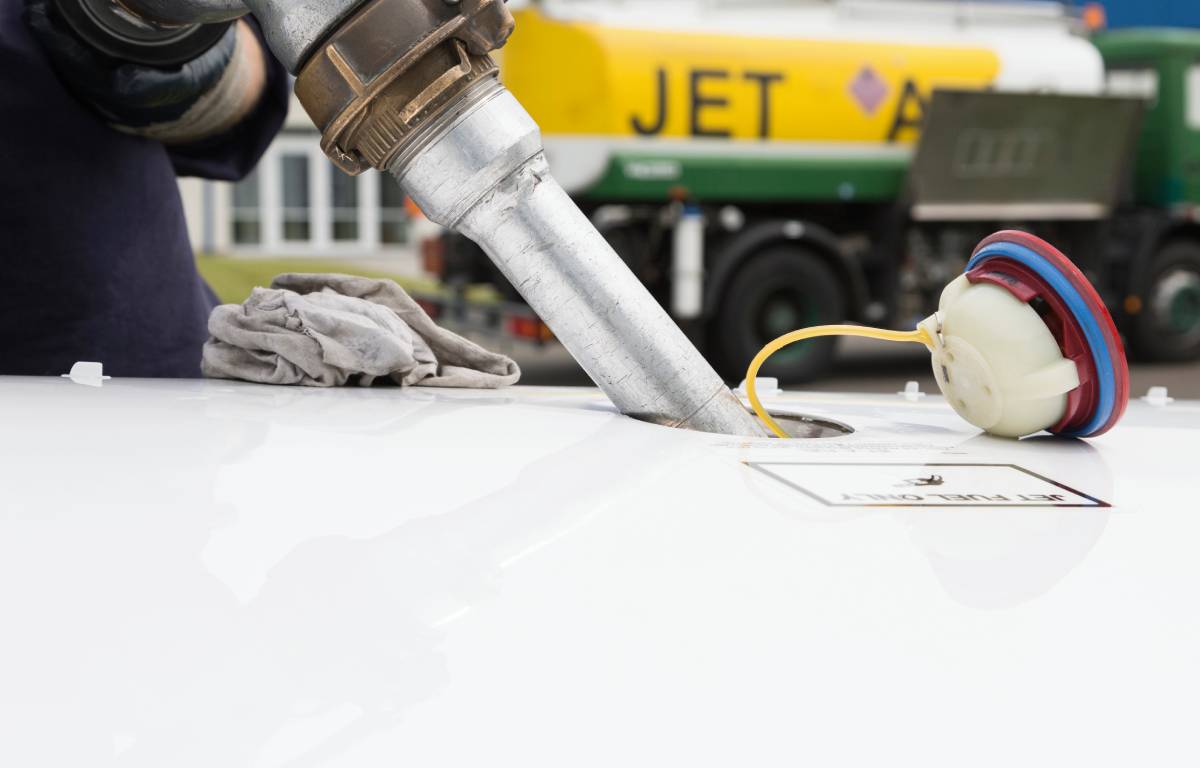
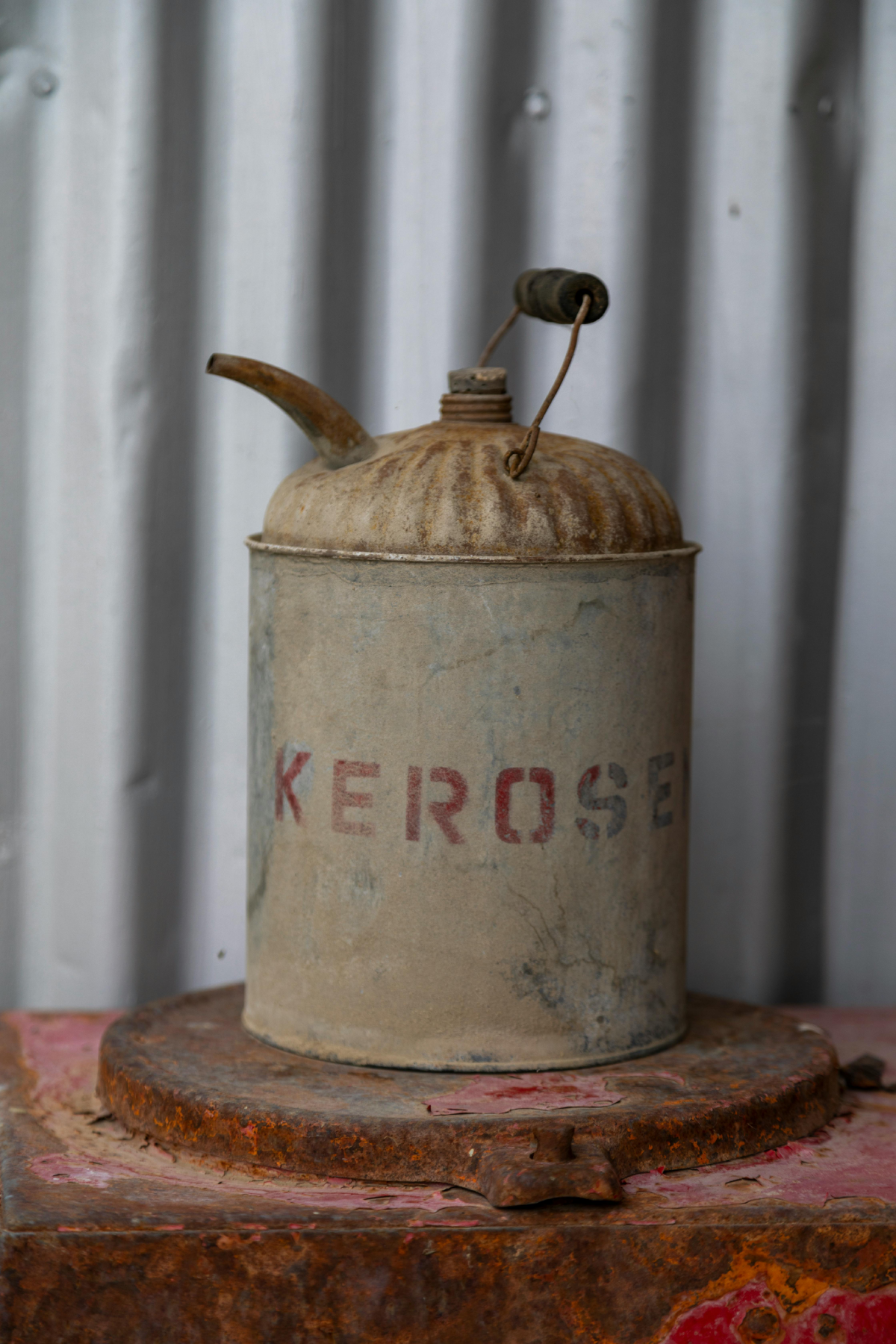
- Synthetic kerosene: Essential for the aviation industry.
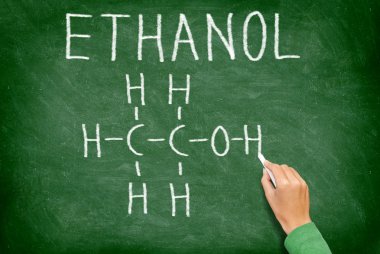
- Synthetic methanol and synthetic ethanol: Used for blending with conventional fuels or as marine fuel.
- Synthetic gas and artificial gas: Employed in vehicles, heating, and industrial processes.
These products illustrate what synthetic fuels are in practice. Some function as “drop-in” replacements that can be mixed with standard fuels, while others necessitate specialized engines or burners. Furthermore, emerging types, such as e-fuels for e-fuel cars and eco unleaded gas, offer low-carbon performance with handling characteristics similar to standard petrol. They exist alongside renewable alternatives.fuel examples like biodiesel and biogas, creating many renewable fuels examples for policymakers and fleet operators.
Wondering If Synthetic Fuel Fits Your Fleet Or Business?
Your article explains how synthetic fuels can use existing engines, tanks and pipelines while cutting lifecycle emissions. Turn that insight into action with a simple assessment that helps fleet owners and facility managers see where synfuels could slot into their operations today or in the near future.
Is Synthetic Fuel Renewable?
“Is synthetic fuel renewable” is a great question. The answer truly hinges on what natural resources are used to make synthetic fuel and the role of clean electricity. Fuels made from fossil sources act as synthetic fossil fuels and aren’t renewable. However, when you capture CO2 and combine it with green hydrogen, the result is often a carbon neutral synthetic fuel. This circular process, which sometimes produces what is synthetic natural gas, illustrates that when asking is natural gas natural or synthetic, the origin is key. True renewal means constant replenishment without depleting underground reserves.
What Is The Function Of Synthetic Fuel?
The primary function of synthetic fuel is to be an easily integrated energy carrier for existing infrastructure. Essentially, synthetic fuel for cars and planes offers a drop-in option, making it an attractive way for countries to cut emissions without immediately replacing all current engines. Understanding what is synthetic energy means recognizing its role in long-term energy storage, balancing grids by converting surplus solar or wind power into a transportable liquid or gas.
What Is Synthetic Energy?
Think of synthetic energy as energy carriers made chemically, going beyond traditional liquid fuels. These include hydrogen or even synthetic natural gas, produced using green electricity. These carriers are key because they show how are synthetic substances made to transport and store energy over long periods, offering a foundation for new fuel systems that support industries and complement direct electrification.
What Are The Properties Of Synthetic Fuel?
Since synthetic fuel is factory-designed, its properties of synthetic fuel like energy density and combustion quality can be tuned, unlike fuel from the ground.
| Property | Conventional fuel trend | Synthetic fuel trend |
|---|---|---|
| Sulphur content | Higher and more variable | Very low and tightly controlled |
| Aromatic content | Moderate to high | Can be reduced for cleaner combustion |
| Cetane or octane behaviour | Fixed by crude and refining | Can be tailored for engine optimisation |
| Impurity levels | Influenced by geology | Very low due to controlled production steps |
Engine makers appreciate what are the properties of synthetic fuel: lower impurities mean cleaner exhaust and less wear. These advantageous traits allow for specialized tuning, appealing to sectors like aviation and racing.

What Are The Benefits Of Synthetic Fuel?
Some important advantages for synthetic fuel are;
- Lower lifecycle emissions when linked to renewable inputs and synthetic green fuel pathways.
- Use of existing pipelines, tanks and engines which reduces upfront investment for fleets.
- Support for long distance transport where batteries are heavy or have limited range.
- New markets for synthetic fuel companies and investors who back advanced projects.
- Greater energy security for countries that import crude oil yet can produce synthetic fuel for cars at home.
Understanding the benefits of synfuel makes these petroleum alternatives vital to national energy strategies.
What Are The Disadvantages Of Synthetic Fuels?
Some serious disadvantages of synthetic fuels that affect near term use.
- High capital cost for plants and supporting infrastructure.
- Significant electricity demand, especially for green hydrogen routes.
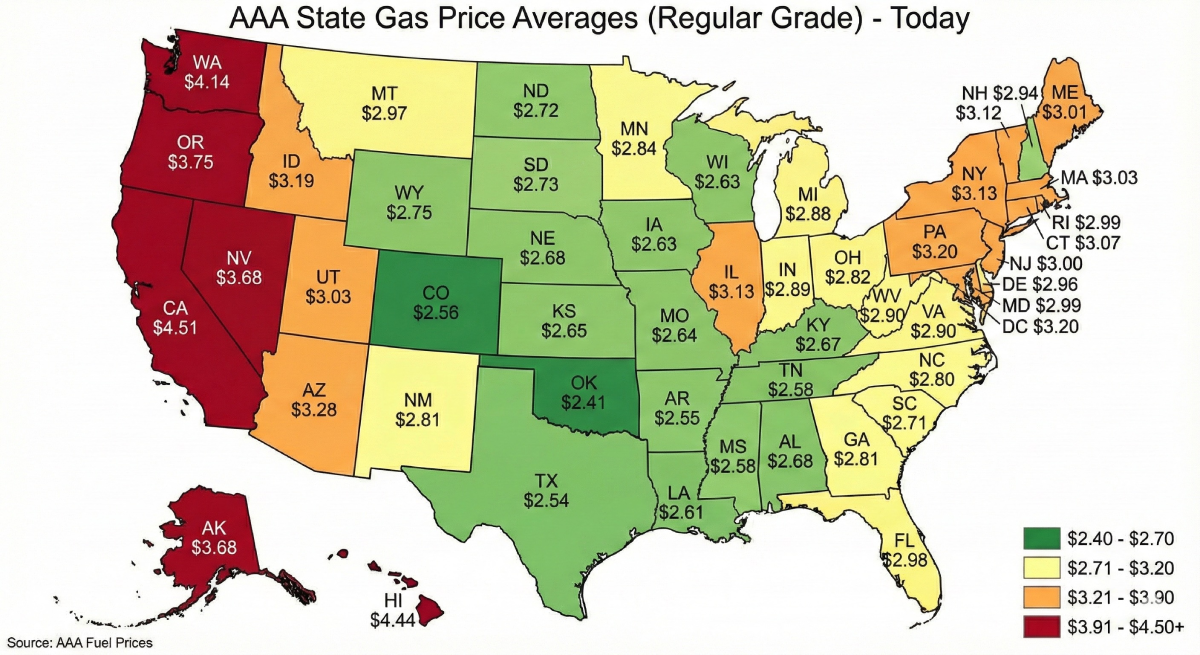
- Current synthetic fuel price and synthetic gasoline cost are higher than standard fuels.
- Limited commercial supply while projects scale up.
- Some pathways still depend on fossil inputs which can weaken climate benefits.
Synthetic fuels are usually expensive and complex to produce, explaining why they are described as future focused. Ongoing research and policy support aim to improve efficiency and reduce costs over time.
Debating Synthetic Fuel Vs Biofuel Vs Fossil Fuel?
You outline synthetic fuel benefits and disadvantages, from high capital costs to cleaner combustion and energy security. Offer readers a side-by-side comparison tool that scores synthetic fuels against biofuels and conventional petrol or diesel on cost, emissions and infrastructure readiness.
Can Cars Run On Synthetic Fuel?
The real question isn’t “can gasoline be made” synthetically, but rather if synthetic fuel for cars will work in your vehicle. Since these fuels often match existing standards, most modern engines can use them without modification. Some key points are
- Drop in liquid gasoline or synthetic petrol can meet the same specifications as regular fuel.
- Blends of synthetic gasoline with standard petrol may be introduced first to build supply.
- Performance is usually similar since energy content and volatility are carefully controlled.
- Emissions at the tailpipe can be cleaner due to lower sulphur and aromatic content.
Consider using eco friendly synthetic fuels for vehicles in order to reduce your carbon footprints without replacing current cars.
Who Is Making Synthetic Fuel?
So, who is making synthetic fuel today? It involves large energy firms, specialized synthetic fuel companies, and research labs testing synthetic diesel, synthetic kerosene for planes, and synthetic gas for cars.
Knowing where does synthetic fuel come from is key. Research also clarifies how to make synthetic gasoline and explores synthetic compounds made from petroleum alongside non-fossil alternatives, showing how to make synthetic oil and how do you make synthetic oil.
How Far Off Is Synthetic Fuel From Mass Production?
The move to full production of synfuels hinges on technology costs, policy, and market demand. While gas to liquids is mature, the focus is shifting to options for carbon neutral synthetic fuel. Aviation is keen on synthetic kerosene, but the road sector compares synthetic gasoline cost against biofuels and electrification. Scaling up synthetic ethanol and synthetic methanol will determine if synfuels become a key player alongside other petrol alternatives.