Uncategorized

Gas prices at a local pump
Uncategorized

Premium Vs Regular Gas (Costs, Key Differences, Performance, And Octane Needs)

Many drivers mistakenly believe premium fuel is inherently superior, thinking it is cleaner, stronger, or safer for their engine. However, the primary distinction between premium and regular gasoline is the octane rating displayed on the pump. Octane influences how the fuel resists knocking when compressed within the engine. Critically, it does not inherently increase the fuel’s energy content.

For engines that do not require premium gasoline, paying extra seldom yields noticeable improvements in performance or fuel economy. Conversely, if your engine is designed for premium, using regular fuel can reduce power and efficiency as the engine adjusts its timing to prevent damage. Always choose the fuel type recommended or required by your vehicle’s manufacturer.
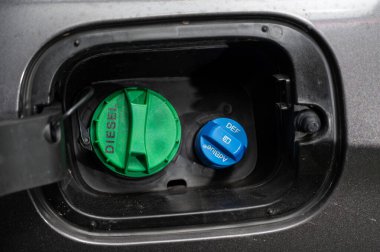
Diesel exhaust fluid and diesel fuel tank cap
Uncategorized

Is All DEF Fluid The Same? Differences, Brands, Quality, And Contamination Risk

Many diesel owners ask is all DEF fluid the same due to similar labeling. While the chemistry is tightly defined, real-world handling and contamination create significant quality differences. Compliance doesn’t guarantee quality, as poor storage can lead to dosing issues, warning lights, or early SCR failures. Understand the difference between chemical standards and quality control to make an informed purchasing decision.

White refeer truck
Uncategorized

How Long Will A Reefer Unit Run On A Tank Of Fuel? Total Runtime And Hours

A reefer trailer maintains cargo temperature at a cold or frozen state using its own refrigeration system and fuel supply. Drivers and dispatchers frequently ask, how long will a reefer unit run on a tank of fuel? A missed refill risks a temperature event and a claim. Runtime depends on tank size, burn rate, settings, and conditions. This guide estimates hours and explains factors that change fuel burn.

Oil spill forming pattern on tar
Uncategorized

How Long Is Spilled Gas Flammable? Fire Risk, Evaporation Speed, And Surface

When fuel is spilt, the primary danger is often not the visible wet spot, but the invisible, highly flammable vapor cloud. This raises critical safety questions such as how long is spilled gas flammable and how long is gas flammable on the ground. This comprehensive guide will detail the factors that control this risk, including ambient temperature, airflow, spill size, and surface material. Furthermore, it will answer related common inquiries like does gasoline evaporate when spilled, clarify are gas fumes are flammable, and address the safety concern “is gas still flammable after it dries”.

Evening shot of a refinery (1)
Uncategorized

How Is Gasoline Made? Processes, Sources, Components, And Supply Chain

People ask where gasoline comes from because its origin seems complex, involving refineries, pipelines, and contracts. Gasoline is a manufactured fuel derived from crude oil. Refining, treatment, and distribution turn it into a specified blend. Understanding how gasoline is made shows why fuel quality, managed by testing and additives, is crucial. This guide explains how gasoline is made from oil, its contents, engine function, and the supply chain.

Evening shot of oil rig (1)
Uncategorized

Heating Oil Vs Diesel: Key Differences, Costs, Safety Factors, And Usage

People often compare heating oil vs diesel because both come from similar refinery streams and can look and smell alike. That similarity creates confusion about whether they are interchangeable, how prices compare, and what is safe for equipment. In practice, the details matter. Additives, dye rules, taxes, cold-weather behaviour, and the equipment you are feeding can all change the outcome. This guide explains what is similar, what is different, and what to do in real-world situations.

Small court-type gavel on a white background (1)
Uncategorized

Fine For Using Off-Road Diesel: Penalties, Amounts, Federal And State Laws

Many individuals frequently inquire about the fine for using off-road diesel after becoming aware of enforcement actions like dyed fuel checks conducted on roadways or at work sites. Off-road diesel is intentionally dyed to facilitate quick identification, as it is designated for tax-exempt use. When this dyed fuel is discovered in a vehicle operating on public highways, regulatory agencies classify it as a fuel tax violation and, in some cases, as tax evasion. The consequences can include an off-road diesel fine, along with the requirement to pay back taxes and additional state-level penalties. The precise financial liability is determined by several factors, including the volume of gallons involved, the type of vehicle, and the jurisdiction where the violation occurred.

Black jerry can standing on black drum (1)
Uncategorized

Does Gasoline Evaporate? Complete Process, Safety Risks, And Conditions

Many people ask does gasoline evaporate because fuel seems to vanish after a spill, in a container, or after long storage. Gasoline is made to form vapor so it can mix with air and burn in an engine. That same characteristic creates a safety risk when gasoline is exposed to air. This guide explains what evaporation is, why it happens, how fast does gasoline evaporate in real conditions, what heat and airflow change, what residue can remain, and how to reduce risk.

Truck icon Order Online
Scroll to Top