Need Emergency Fuel Delivery?
  info@elanfuels.com
Key Takeaways
- The type of fuel that helicopters use depends on piston or turbine engine design.
- Smaller trainers often use helicopter gas called Avgas 100LL.
- Most turbine aircraft use helicopter fuel such as Jet A or Jet A-1.
- Helicopter fuel consumption rises during heavy lifts and hot weather.
- Tank size, payload, and reserves affect range, cost, and flight planning.
Table of Contents
What Type Of Fuel Do Helicopters Use?
To answer the question of what type of fuel helicopters use, it’s important to first know the engine type. Helicopters mainly use either reciprocating piston engines or gas turbine engines. The fuel must match the engine design exactly. That rule protects flight safety and prevents serious mechanical damage.
Piston helicopters usually burn Avgas. Turbine helicopters usually burn Jet A or Jet A-1. That is why what fuel a helicopter uses usually comes down to what type of engine the helicopter has. Aviation engines need fuels that perform well under pressure, temperature shifts and altitude. High octane or tightly controlled turbine properties matter far more here than in normal road vehicles.
Explore our comprehensive pilot training modules that cover fuel management and engine safety to kickstart your aviation career today.
What Fuel Does A Piston Powered Helicopter Use?
Piston-powered helicopters commonly utilize Aviation Gasoline, known as Avgas. In smaller trainers such as Robinson models, what kind of fuel does a helicopter use is frequently Avgas 100LL. This blue-dyed fuel is specifically formulated for spark ignition aircraft engines.
The 100LL designation signifies 100 octane low lead. Leaded fuel remains prevalent in many small aircraft engines because it provides detonation resistance and ensures reliable combustion, unlike the continuous combustion used by turbine engines. When people ask whether helicopters use gas or what kind of gas a helicopter uses, the answer is yes for some piston types but no for most turbine models.
How Can You Tell Different Aviation Fuel Types Apart?
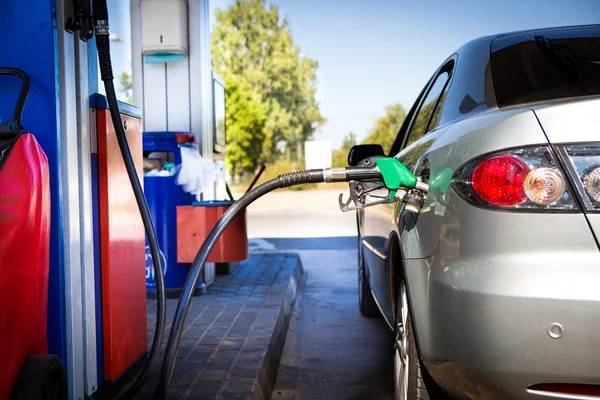
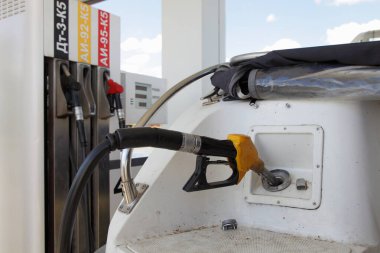
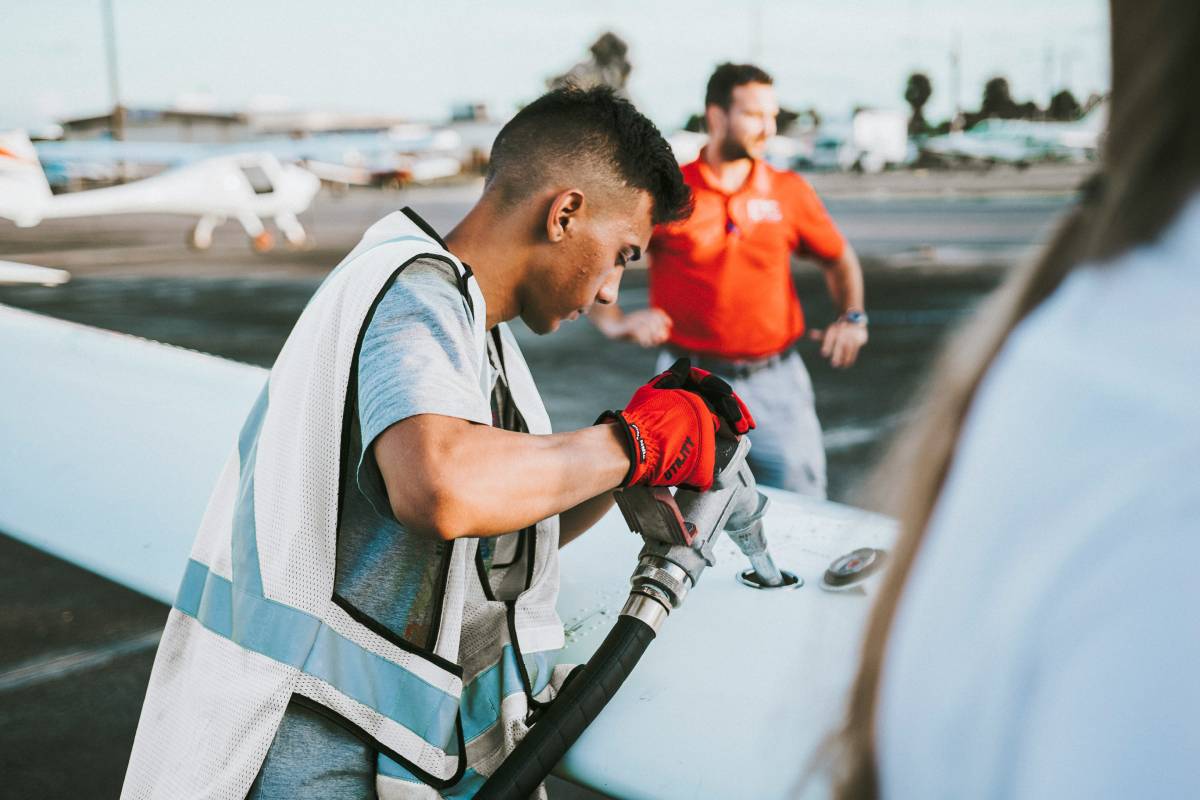
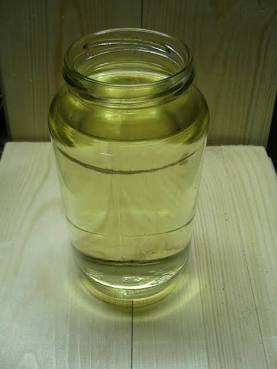
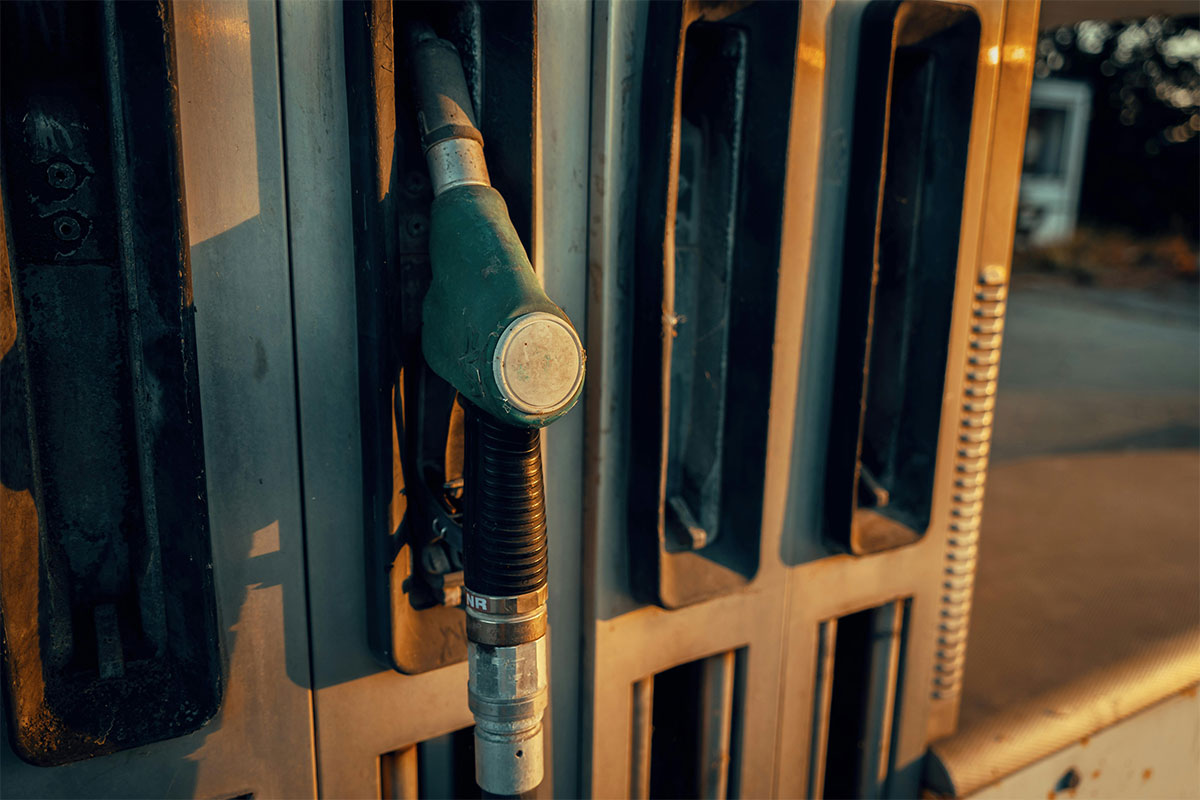
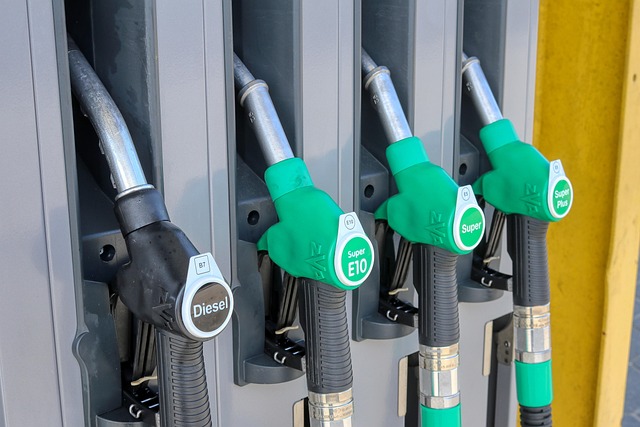
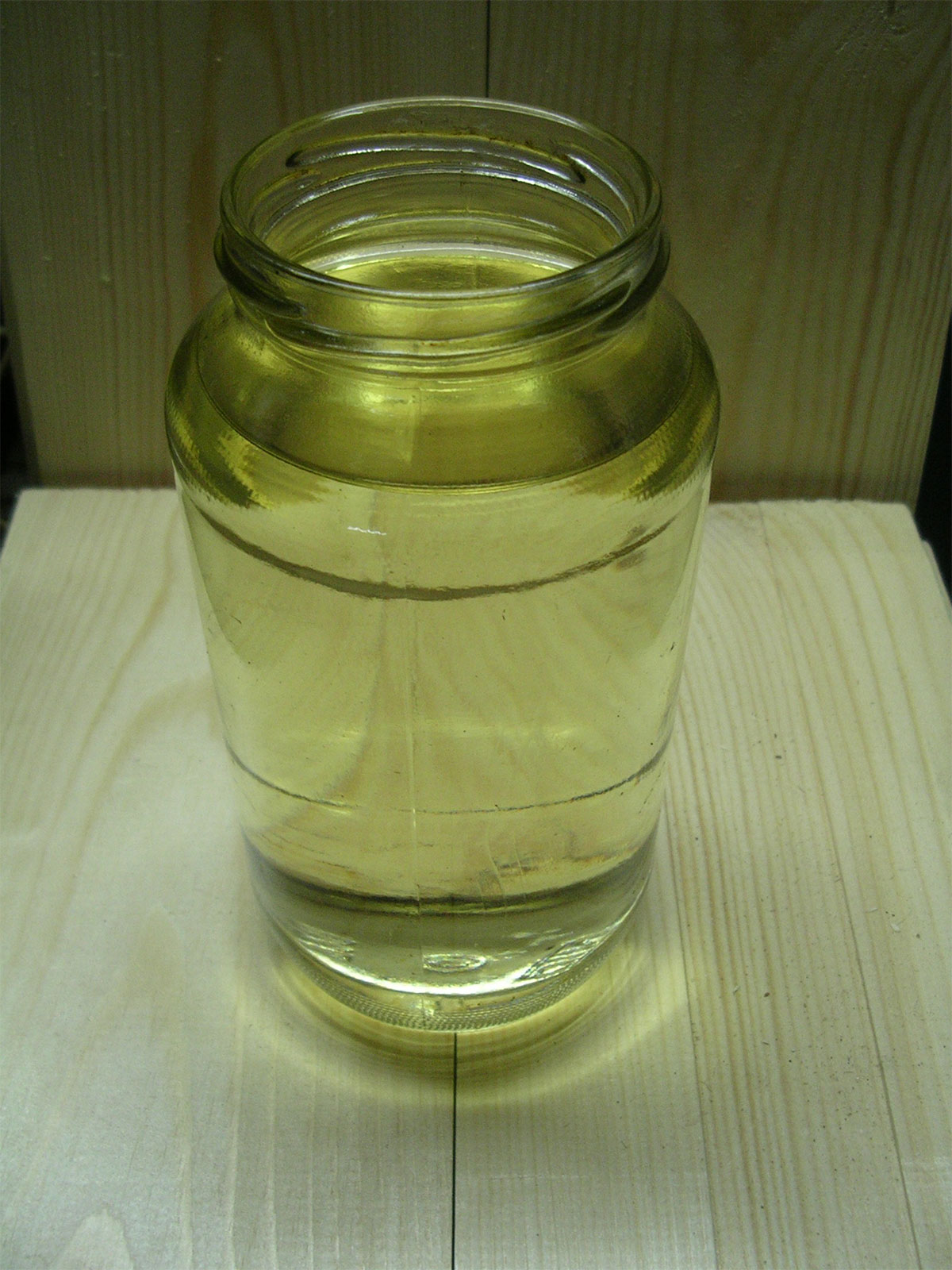
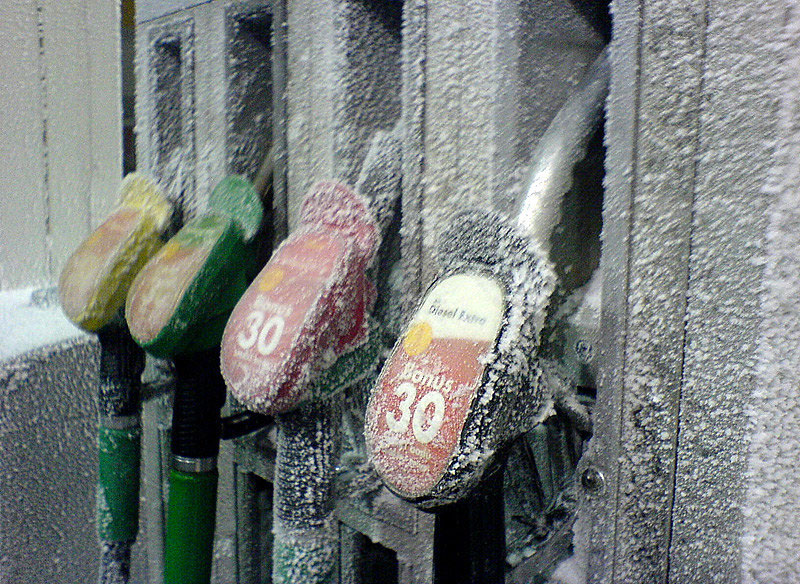
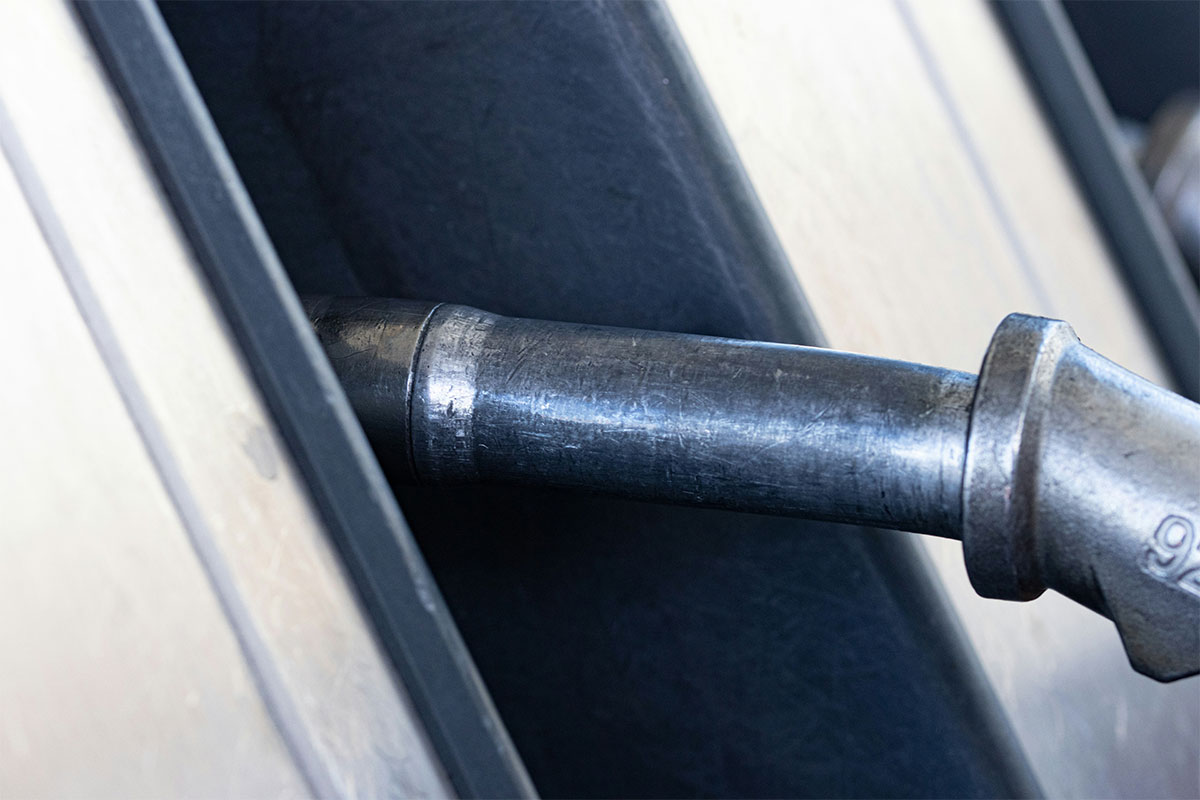
Aviation fuel systems employ clear visual and physical safeguards to prevent misfueling. Avgas 100LL is dyed blue, while Jet A is typically clear or straw colored. This color coding assists ground crews in quickly spotting errors. Nozzles also differ significantly, with jet fuel nozzles being commonly wider and Avgas equipment designed distinctly to reduce the chance of putting the wrong fuel into the aircraft.
Storage tanks, bowsers, and fuel farms are also clearly labeled. These checks are crucial because the wrong helicopter fuel can shut down or severely damage an engine. For this reason, the identity of the fuel is never guessed during the refueling process.
Jet A Vs Jet A-1 Differences
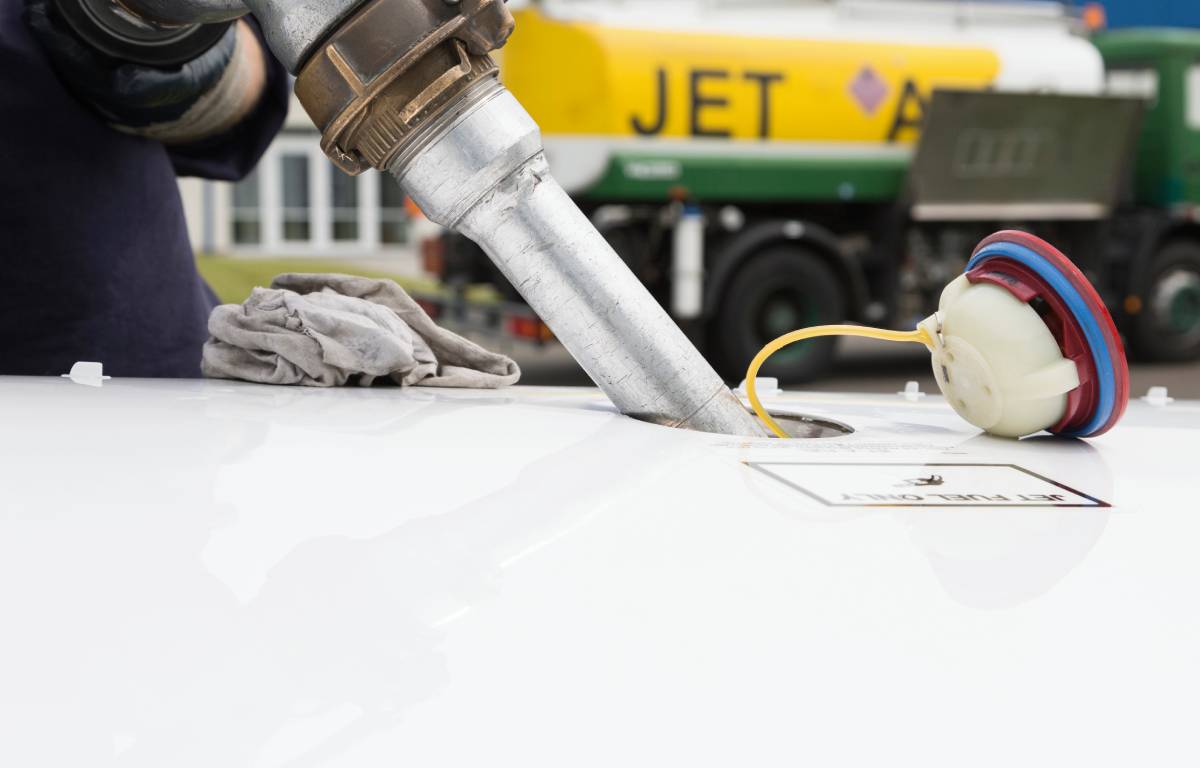
Jet A and Jet A-1 are both turbine fuels based on kerosene. Their engine performance during normal operation is highly similar. A significant difference lies in their cold-weather performance. Jet A-1 has a lower freezing point of minus 47 degrees Celsius, making it better for colder environments and for international flight operations. Jet A is predominantly used within the United States.
Jet A-1 represents the broader international standard. For operators asking if helicopters use jet fuel, the answer is yes for most turbine helicopters. This fuel can be either Jet A or Jet A-1. The specific answer to which fuel is used in aeroplanes and helicopters often depends on the aircraft’s engine type rather than simply its category.
What type of helicopter are you dealing with?
What do you need help with most?
Solution:
Use Avgas 100LL if the helicopter has a piston engine and always confirm the exact fuel grade in the aircraft manual or approved operating documents before refueling.
Solution:
Focus on tank capacity, hourly fuel burn, payload, and reserve requirements, since these factors matter most when planning range and budgeting for a piston helicopter.
What do you need help with most?
Solution:
Use Jet A or Jet A-1 for turbine helicopters, with Jet A-1 often preferred in colder or international operating conditions, and verify the approved fuel in the aircraft documentation.
Solution:
Base your planning on turbine fuel burn, local Jet A or Jet A-1 pricing, mission load, weather, and reserve policy, because these drive both range and total operating cost for turbine helicopters.
What Is The Average Helicopter Fuel Consumption Per Hour?
How much fuel a helicopter uses per hour varies a lot by model, engine, mission, and weather. Light piston helicopters may burn around 12 to 20 gallons per hour. Light turbine helicopters may burn about 30 to 60 gallons per hour. Larger twins can burn far more.
Here is a simple comparison;
| Helicopter type | Typical hourly burn | Notes |
|---|---|---|
| Light piston trainer | 12 to 20 gal hr | Lower power, lighter airframe |
| Light turbine single | 30 to 60 gal hr | Common charter and utility use |
| Medium twin turbine | 70 to 120 plus gal hr | Executive, offshore, rescue work |
Helicopters are less fuel-efficient than similar fixed-wing aircraft because hovering and vertical lift require continuous power. Understanding how much fuel a helicopter uses, how much gas a helicopter uses, and helicopter fuel consumption is important. Fuel burn increases in hot weather, at high density altitude, or during heavy operations like sling loads. The Bell 407 fuel burn for demanding utility work is notably higher than for a light repositioning flight.
Unsure Which Fuel Your Helicopter Actually Needs?
Using the wrong aviation fuel is not a small mistake. Whether you operate a piston helicopter that needs Avgas or a turbine model that runs on Jet A or Jet A-1, understanding the difference is critical for safety, performance, and engine protection. We’ll help you compare fuel types and make smarter fueling decisions.
How Much Does Fuel For A Helicopter Cost?
How much is helicopter fuel changes significantly due to regional variation, airport supply and demand, local taxes, and broader market swings. FBO retail pricing is typically higher than bulk contract purchasing. Remote airfields often charge more for fuel because logistical challenges complicate delivery and storage operations.
Therefore, the helicopter fuel cost, the cost of helicopter fuel, the helicopter fuel price, the helicopter gas price, how much is fuel for a helicopter, and how much does helicopter fuel cost are never represented by one universal figure. How much helicopter fuel costs per gallon and per litre can differ sharply between countries and between urban and remote airports, indicating that infrastructure matters almost as much as the commodity price itself.
How Much Does It Cost To Fill Up A Helicopter?
The cost to fill up a helicopter is highly variable, depending primarily on the aircraft’s tank capacity and the local price of fuel. A small, light piston trainer helicopter with a modest fuel tank will incur significantly lower costs compared to a large, medium twin turbine helicopter. A practical way to estimate the total cost involves multiplying the usable tank capacity by the current local fuel rate, then adding any applicable taxes and surcharges. For example, a helicopter holding 50 usable gallons has a lower fueling cost than one holding 180 usable gallons. Operators must closely monitor how much it costs to fuel a helicopter and the resulting helicopter fuel cost per hour for effective budgeting.
Sign up for our corporate fuel card program to access exclusive discounts and streamlined reporting for your helicopter fleet.
How Much Fuel Does A Helicopter Hold In Its Tank?
How much fuel a helicopter holds depends on size and mission. A light trainer may carry a few dozen gallons. A medium executive twin may carry well over 150 gallons. Some utility and transport helicopters hold much more.
Important points include:
- How many gallons a helicopter holds is not always the same as usable fuel.
- How many gallons of fuel does a helicopter hold includes design limits, reserves, and unusable portions?
- Helicopter fuel tank design supports centre of gravity control.
- Fuel bladders and tanks are placed carefully in the airframe.
- Total volume and flight-ready fuel are not identical.
This is why how much fuel a helicopter holds in its tank is a planning question, not just a storage question.
How Far Can A Helicopter Fly On A Full Tank Of Fuel?
The operational range, or how far a helicopter can fly on a full tank, is determined by a complex set of variables. Key factors include the fuel load carried, the rate at which the fuel is burned, the helicopter’s airspeed, prevailing wind conditions, the altitude of the flight, and the company’s reserve fuel policy. While many standard utility helicopters are capable of covering a range of a few hundred miles, the maximum range varies significantly depending on the specific model and the requirements of the mission.
Pilots adhere to strict safety protocols and never plan a flight that would require emptying the fuel tanks. They always maintain both legal and practical fuel reserves to account for unforeseen circumstances or delays. A critical part of flight planning involves calculating the point of no return. This is the precise geographical point where continuing the flight to the destination becomes safer and requires less fuel than attempting to return to the starting point.
Therefore, when people inquire about how far can a helicopter fly on one tank of fuel, how far can a helicopter fly on a tank of fuel, how far can a helicopter fly on a tank of gas, how far can a helicopter go on a tank of gas, how far can helicopters fly before refueling, or how far can helicopter fly without refueling, the definitive answer is always directly linked to the requirement to carry mandated fuel reserves and the necessary trade-offs involving payload. Increasing the amount of fuel carried often necessitates a reduction in the weight allowance for cargo or the number of passengers onboard.
Want To Lower Your Helicopter Fuel Costs?
Fuel burn, tank size, mission profile, and local fuel pricing can change your operating costs fast. Whether you fly for training, charter, utility work, or fleet operations, knowing how fuel consumption affects your budget can help you plan better and avoid expensive surprises.
Jet A And Jet A-1 Fuel Properties
Jet A and Jet A-1 have properties that matter in flight planning and aircraft handling.
- Flashpoint is high enough to improve handling safety compared with gasoline.
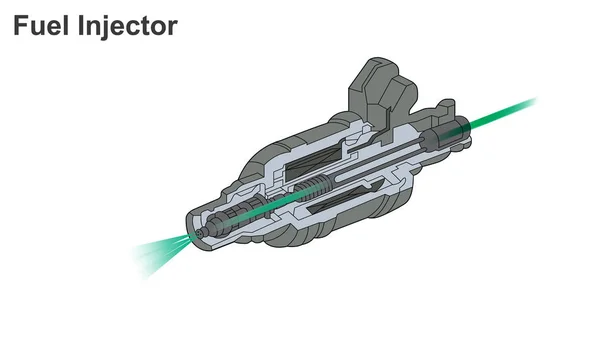
- Viscosity affects flow through pumps, filters, and injectors.
- Energy density affects endurance and power planning.
- Fuel density matters for weight and balance.
- Temperature changes alter fuel volume.
To answer what helicopters run on in turbine service, several points are important. Pilots and ground crew need to know what fuel helicopters use, along with the fuel’s weight and how it performs in various temperatures, making the operation safe and efficient.
Why Is Water In Jet Fuel So Dangerous?
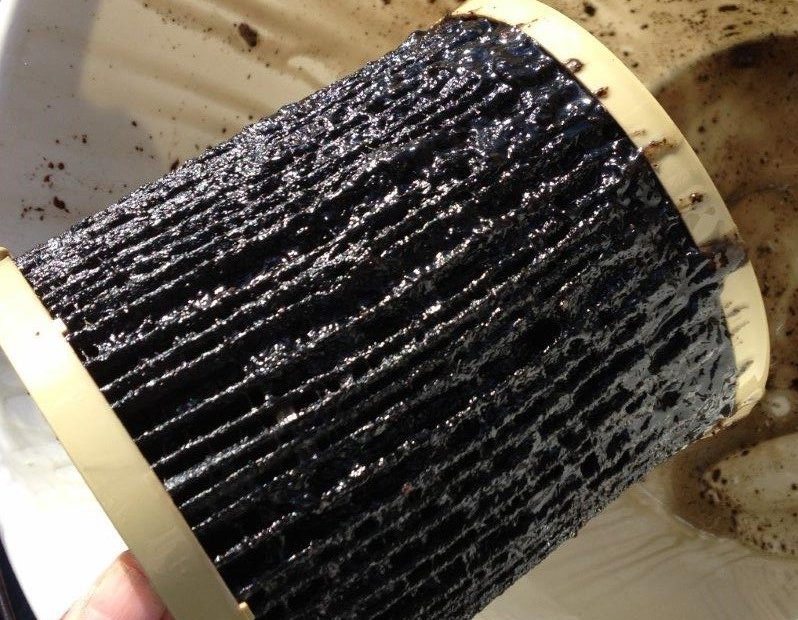
Water in turbine fuel is a serious concern. It supports microbial growth during storage and can freeze in lines or filters as temperatures drop, significantly restricting fuel flow. Daily pre-flight checks are essential for early detection. Pilots and technicians visually inspect the fuel for clarity and brightness, confirming the absence of visible water or debris.
If contamination is detected, the aircraft remains grounded until the issue is fully resolved. How fast jet fuel burns is a secondary concern when compared to fuel cleanliness. Clean fuel ensures proper engine operation, while contaminated fuel presents a substantial flight safety hazard.
Do Helicopters Use Sustainable Aviation Fuel?
Yes, some turbine helicopters can use Sustainable Aviation Fuel, often called SAF, when approved fuel blends are available. SAF is made from renewable feedstocks such as used cooking oil, plant waste, or other non-fossil sources.
Its main advantage is that it is a drop in fuel. That means it can work within existing systems when it meets approved standards. Operators do not need a totally new engine just to begin lowering lifecycle emissions.
As supply expands, SAF may play a larger role in future helicopter fuel planning, especially for fleets focused on carbon reduction.
What Kind Of Additives Are Mixed Into Helicopter Fuel?
Additives depend on fuel type and storage conditions. Common examples include fuel system icing inhibitors, static dissipater additives, corrosion inhibitors, and biocides for stored fuel.
Their jobs include:
- Reducing ice-related flow problems
- Lowering static electricity risk during handling
- Protecting internal metal components
- Limiting microbial growth in tanks
These additives support reliability, especially where aircraft fly often, store fuel for long periods, or operate in humid and cold environments.
Need Better Fuel Planning For Range And Safety?
Helicopter range depends on more than a full tank. Fuel reserves, payload, weather, altitude, and hourly burn all affect how far you can safely fly. Get the insights you need to plan refueling stops, manage reserves, and operate with more confidence.
How Much Do Helicopters Weigh When Fully Fueled?
How much helicopters weigh when fueled depends on several factors, including basic empty weight, payload, and the required fuel load. Fuel is very heavy, significantly affecting takeoff calculations. For smaller aircraft, especially, a full fuel tank can consume a large portion of the available gross weight.
Consequently, operators often offload fuel to increase the payload capacity for people or cargo. In conditions like hot weather or high altitude, performance margins decrease, making weight decisions even more critical. Therefore, understanding how much it costs to run a helicopter involves more than just money, as fuel directly impacts payload, flight performance, and crucial route planning.
What Are The Health Effects Of Exposure To Aviation Fuels?
Ground crew and pilots should avoid repeated skin contact and vapor inhalation during fueling. Jet fuel and Avgas can irritate skin, eyes, and airways. Good gloves, ventilation, spill control, and careful handling reduce risk.
Leaded Avgas raises additional environmental and health concerns because of lead emissions. That is one reason research into unleaded aviation fuel alternatives continues. Safe storage, careful transfer, and training remain essential parts of fuel handling.