Need Emergency Fuel Delivery?
  info@elanfuels.com
Key Takeaways
- E85 vs gasoline is mainly a comparison of ethanol content, octane, and fuel economy.
- E85 vs regular gas is not a simple upgrade, you need compatibility first.
- E85 vs premium gas can favor E85 for octane, but not always for cost per mile.
- Gasoline vs. E85 usually means lower MPG on E85 but potential power with tuning.
- E85 flex fuel vs regular gas depends on whether your vehicle can measure and adjust for ethanol.
Table of Contents
E85 Vs Gasoline
E85 and gasoline are both spark ignition fuels, but E85 contains much more ethanol. Gasoline is a hydrocarbon blend optimized for stable vaporization and energy density. E85 is a high ethanol blend that changes seasonally, often containing gasoline for better cold starting. Ethanol requires a greater fuel volume for the same power, which impacts the necessary engine mixture. Therefore, using e85 vs gasoline involves engine calibration and fuel system considerations, not just preference. E85 compared to gasoline is a choice for those seeking higher octane, lower carbon monoxide emissions, or different cost per mile outcomes.
What Is Inside E85 Vs Gasoline And How Does It Burn?
Gasoline primarily contains hydrocarbon molecules that release energy upon ignition with a spark and air. E85 is mainly ethanol mixed with gasoline, and ethanol contains oxygen. This built-in oxygen requires a higher volume of E85 compared to gasoline to achieve the correct air-fuel mixture. Consequently, engines using E85 must deliver more fuel via injectors and the pump. Ethanol also provides more intake charge cooling during evaporation, which increases resistance to knock. This makes the comparison of ethanol E85 vs gasoline relevant for high compression or boosted engines needing greater knock resistance.
E85 Vs Gasoline For Direct Fuel Comparison And Daily Use
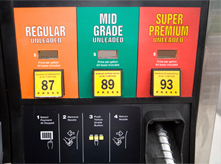
For everyday commuting, the key practical concerns are vehicle compatibility, required octane, and driving range. E85 gas vs regular gas differs in ethanol content and energy density, meaning a driver should anticipate lower miles per gallon with E85. e85 vs regular gas can be cost-effective if the E85 price is sufficiently low, the vehicle is flex fuel capable, and local availability is good. When comparing premium gas vs. E85, the focus is often on octane. Premium gasoline suits many performance engines without modification. E85 offers even higher knock resistance but may require engine tuning and increased fuel flow. For an unmodified daily driver, regular gas vs. E85 is usually favoured due to simplicity, greater range, and widespread station coverage.
Not Sure If Your Car Can Run E85?
E85 isn’t a “better gas”, it’s a different fuel that needs the right flex-fuel hardware and ECU adjustments. We’ll show you the fastest ways to confirm compatibility (fuel door, owner’s manual, and key system checks) so you avoid rough running, hard starts, and costly mistakes.
How Does E85 Vs Gasoline Impact Power, Octane And Horsepower?
E85 generally offers a higher effective octane level than regular gasoline, often equaling or surpassing premium fuel depending on the specific blend. This superior knock resistance is the main reason e85 versus gasoline is popular in some performance circles. The higher octane allows for more aggressive engine settings, such as increased ignition timing, higher boost, or greater compression, provided the engine is properly tuned. Gains vary widely. Stock engines without tuning should not expect significant gains. Proper tuning is necessary, which makes e85 vs premium fuel attractive for modified engines. Conversely, e85 versus regular gasoline is rarely an immediate improvement for a standard commuter car.
Is E85 Vs Gasoline Cheaper When You Compare Total Driving Costs?
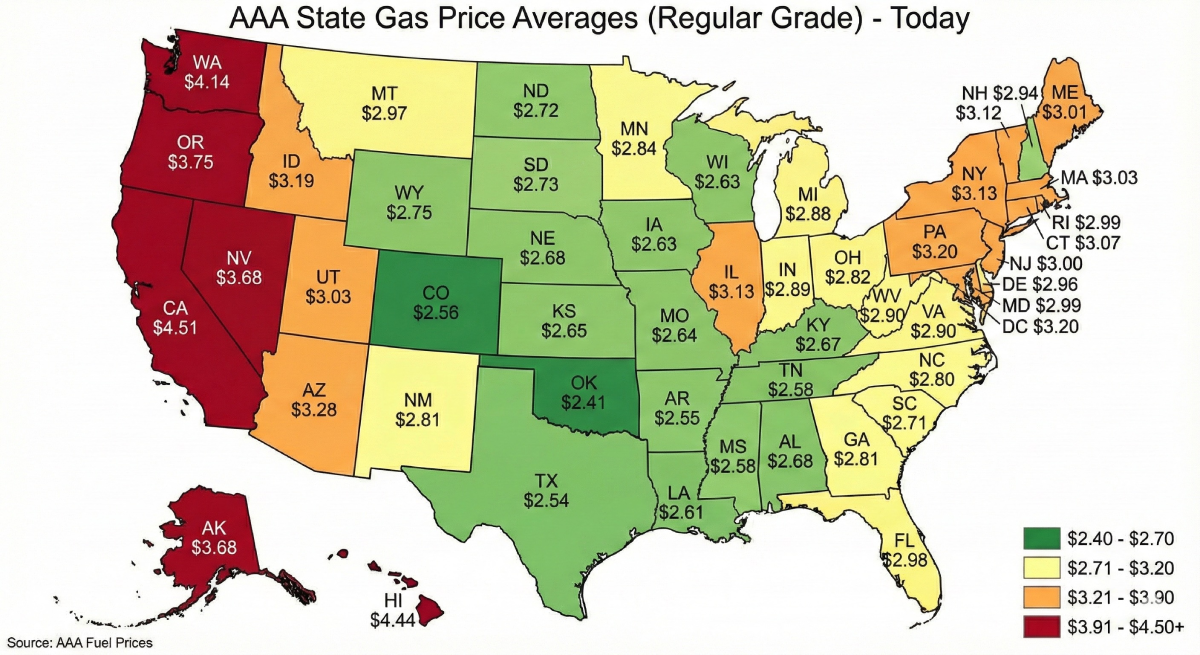
E85 often costs less per gallon than gasoline due to production and pricing in certain markets. However, the true comparison is cost per mile, not price per gallon, because E85 has lower energy. This means drivers typically use more gallons for the same distance. For some drivers, E85 fuel vs gasoline is cheaper overall when the discount offsets the lower MPG. When comparing E85 gas vs regular pricing, use a fuel cost calculator with your real MPG for each fuel. The table below shows a comparison between gasoline prices per gallon, E85 prices per gallon, their estimated MPG and their relative cost
| Example input | Gasoline price per gallon | E85 price per gallon | MPG on gasoline | MPG on E85 | Estimated cost per mile result |
|---|---|---|---|---|---|
| Scenario A | 4 | 3 | 28 | 21 | E85 can be cheaper |
| Scenario B | 4 | 3.6 | 28 | 21 | Gasoline can be cheaper |
| Scenario C | 3.5 | 2.8 | 22 | 16 | Depends on your range needs |
How Does E85 Vs Gasoline Affect MPG And Fuel Economy?
Lower miles per gallon, MPG, is normal with E85 due to its lower energy content, not a broken engine. Drivers typically see a 20-30% reduction in MPG compared with gasoline, influenced by blend, tune, and driving style. Therefore, gasoline vs. E85 comparisons must consider range per tank, as a lower range can be inconvenient for long trips or limited station availability. The most relevant financial metric is cost per mile. If E85 is discounted enough, savings are possible despite the lower MPG. Otherwise, E85 versus gasoline may cost more overall.
Is E85 Actually Cheaper In Real Life?
The pump price can look tempting, but E85 usually delivers fewer miles per gallon—so the real question is cost per mile. Use a simple price-and-MPG comparison to see whether E85 saves you money in your area or quietly costs more over time.
What Vehicles Can Use E85 Vs Gasoline Safely?
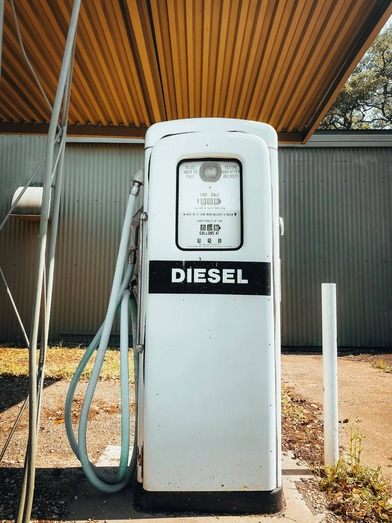
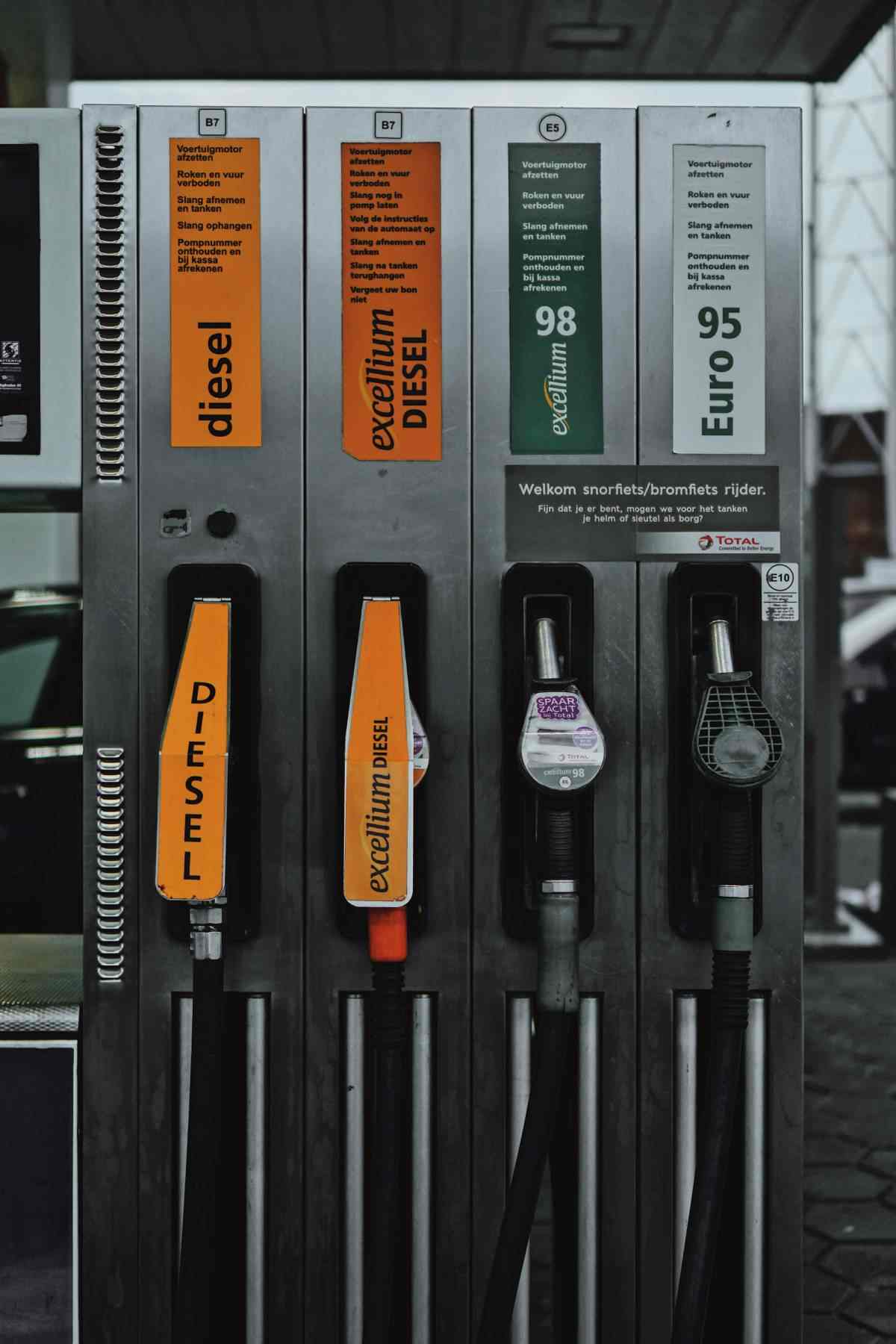
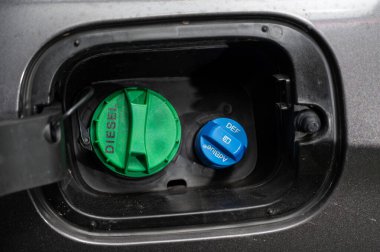
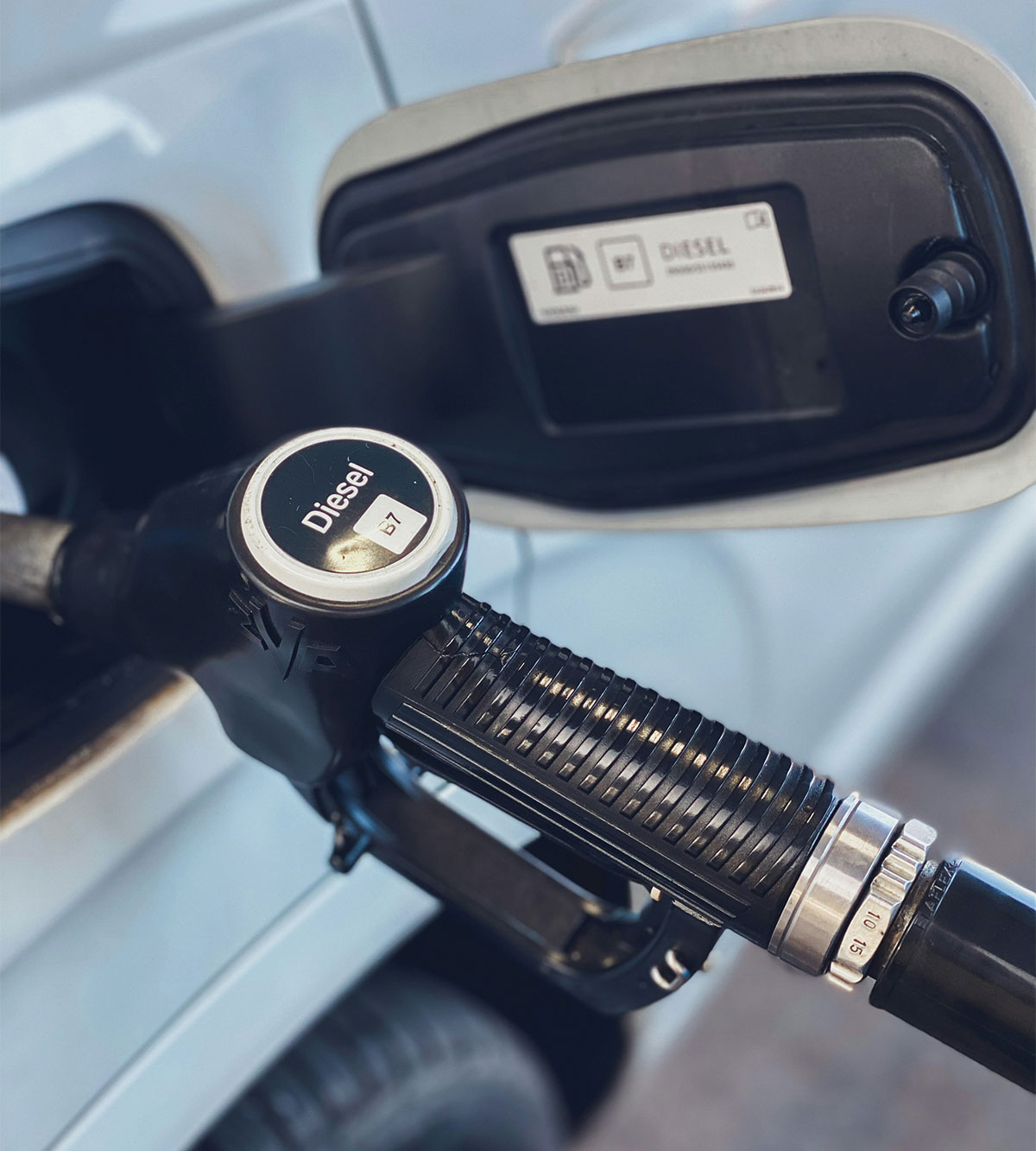
A flex fuel vehicle is engineered to handle high ethanol content through specialized fuel system materials and engine control logic. It detects ethanol content, then adjusts fueling and timing. Standard gasoline cars tolerate small blends like E10 but cannot run on E85. If you are asking what kind of vehicle is needed, the safest answer is a factory flex fuel vehicle or a properly converted one. People ask is e85 regular gas or diesel. E85 is an ethanol-rich gasoline blend, not diesel or regular gasoline. To be sure a vehicle can safely use E85, check the following;
- Check the fuel door and owner manual for E85 or flex fuel approval.
- Confirm the fuel system is ethanol compatible, including lines, seals, pump, and injectors.
- Use an ECU strategy that can adjust for ethanol content if you want to switch fuels often.
- Do not assume gasoline or e85 is interchangeable without confirming compatibility.
How Do You Get Started With E85 Vs Gasoline Conversion?
For a non-flex fuel vehicle to safely run E85, three components are essential. You need sufficient fuel flow, materials compatible with high ethanol content, and appropriate tuning. Increased volume requirements for E85 necessitate larger injectors and a higher capacity pump. Ethanol-compatible lines and seals prevent swelling and leaks. The tune must correctly target fueling, timing, and boost. If a person wants to burn E85 fuel, the practical approach is installing a flex fuel system for safe ECU map blending. For performance gains, consult a specialist.
Can You Switch Or Mix E85 Vs Gasoline Without Problems?
Switching fuels in a flex fuel vehicle is simple because the vehicle is designed to adapt. Blending occurs naturally when you refuel before the tank is empty, and the engine control unit, ECU, adjusts as expected in a true flex fuel system. In a non flex fuel vehicle, mixing can cause problems if the ethanol content becomes too high for the existing fuel system and tuning.
Drivers often inquire about mixing with premium gasoline. The result of mixing premium gas vs. E85 in one tank is a mid blend that requires more fuel than gasoline alone. If your vehicle is not designed for this, it may cause lean running conditions or push fuel trims to their limit. For a compatible vehicle, comparing E85 gas vs premium is primarily a question of cost and availability, not safety. A factory flex fuel vehicle handles switching between E85 and gasoline well. Non-flex-fuel vehicles should avoid E85 because the system may not add sufficient fuel. When you mix, the ethanol percentage is unknown, making a tuning safety margin important. When comparing e85 vs regular gas for convenience, factor in station access and driving range.

What Happens If You Accidentally Use E85 Instead Of Gasoline?
Using E85 fuel in a non-flex fuel vehicle can cause problems. Symptoms include hard starting, a rough idle, power loss, and a check engine light. The engine control unit, or ECU, and injectors are calibrated for gasoline. Consequently, the engine will run lean, which increases heat and poses a risk, especially under load. The severity of these issues depends on the amount of E85 in the tank. A small amount mixed with a nearly full tank of gasoline will dilute the ethanol and may reduce the chance of severe symptoms. However, a full tank of E85 in an incompatible vehicle is likely to cause significant drivability issues. If misfueled, drivers should reduce engine load, avoid hard acceleration, and seek professional help. Aggressive driving should be stopped immediately. Vehicle compatibility is a key consideration when comparing E85 to gasoline.
What Are The Downsides Of Choosing E85 Vs Gasoline?
For many drivers, choosing E85 involves real tradeoffs, particularly regarding convenience and range. Lower energy density means reduced fuel economy, typically 20 to 30 percent lower than gasoline, which requires more frequent refueling. Cold starts can also present challenges in very cold climates because ethanol vaporizes differently, although seasonal fuel blending helps mitigate this. Availability of E85 stations varies widely across regions, making route planning important.
When you compare e85 gas vs regular unleaded, the most significant daily compromises are reduced range and limited station coverage, more so than the cost difference alone. Flex fuel vehicles may also require extra maintenance attention if components are not designed for ethanol. Some conversions need ongoing tuning and fuel system upgrades. Therefore, if you compare e85 gas vs regular gas, you should anticipate more frequent fill-ups.
Want The Power Benefits Of E85?
E85’s higher octane can support more aggressive timing, boost, and compression—but only with the right tune and enough fuel flow. Get a practical checklist for injectors, pump capacity, ethanol-safe components, and tuning steps before you chase horsepower.
Why Is E85 Vs Gasoline Not More Widely Adopted?
Limited infrastructure restricts E85 adoption because gasoline is more conveniently available everywhere. E85 pumps are less common, keeping demand low. Automakers have not consistently supported flex fuel models. Consumer awareness is also low, as many people do not know their vehicle is compatible or confuse E85 with other blends. This confusion leads to questions like is e85 regular gas or diesel. Furthermore, a large price discount is necessary to offset the MPG loss, making e85 fuel vs gasoline comparisons less appealing if the discount is small.
Does E85 Vs Gasoline Affect Engine Longevity And Cleanliness?
Ethanol offers cleaning effects because it dissolves certain deposits, which can keep fuel injectors cleaner under specific conditions. Ethanol is also hygroscopic, meaning it absorbs water. This is a greater concern during storage and in fuel systems not designed for high ethanol concentrations.
In a factory flex fuel vehicle, running E85 is not expected to shorten engine life with normal driving and proper maintenance. Problems typically arise when E85 is used in a system that cannot deliver enough fuel or contains incompatible materials. Comparing e85 versus gasoline, E85 does not automatically cause more wear in a correctly tuned, compatible setup. Oil dilution and fuel system stress can occur during short trips and cold weather, making maintenance habits important. When comparing e85 ethanol vs regular gas, focus on proper fuel mixture control and quality components, not misconceptions about immediate engine damage.
How Is E85 Vs Gasoline Different From E15 And Other Ethanol Blends?
E15 has significantly less ethanol than E85, and it is generally approved for a wider array of newer gasoline vehicles in various markets. E85 is a high ethanol blend specifically designed for flex fuel vehicles or properly converted vehicles. This difference in blend levels is critical. A vehicle approved for E15 cannot automatically run on E85. The required fuel system modifications, injector capacity, and engine control unit strategy are typically insufficient. Furthermore, E85 composition can fluctuate seasonally, whereas E15 is usually more consistent. When evaluating e85 gas vs regular gas, remember that regular gasoline often contains some ethanol in many areas, but this amount is far lower than E85’s content. Therefore, E15 is distinctly different from E85, and the shift from e85 gas vs regular is substantial, which many drivers overlook.
What Do Real World Tests Show About E85 Vs Gasoline?
Actual results with E85 depend on the vehicle and proper tuning. Stock flex fuel vehicles often see lower miles per gallon, but day to day drivability remains similar. Performance builds with tuning can utilize E85 to manage knock while increasing boost and timing for more power. Therefore, clear gains in e85 versus regular gasoline occur only when the car’s setup is optimized for it. Controlled testing typically shows reduced fuel economy, but improved knock resistance with E85. Driving style also significantly affects the fuel economy difference. Gentle driving minimizes the penalty. When comparing e85 gas vs premium, power increases are usually due to tuning, not just filling the tank with E85.
What Is The Overall Tradeoff Between E85 Vs Gasoline?
The choice between E85 and gasoline is a tradeoff between performance and convenience. E85 offers higher octane and charge cooling benefits, supporting more power when a vehicle is properly tuned and the fuel system is upgraded. Gasoline typically provides better range, wider station availability, and greater simplicity. Cost savings with E85 are not guaranteed due to lower miles per gallon, which changes the economic calculation. Compatibility is the key factor. If your vehicle is flex fuel or correctly converted, e85 flex fuel vs regular gas is a valid daily decision based on local prices and your priorities. If your vehicle is not compatible, e85 gas vs regular gas is not a safe experiment.