Need Emergency Fuel Delivery?
  info@elanfuels.com
Key Takeaways
- How much water in a gas tank will ruin a car depends on tank size and engine type.
- Water in fuel can cause stalling, misfiring, corrosion, and injector damage.
- A gallon of water in a gas tank creates a major risk for most vehicles.
- Diesel vehicles are highly sensitive because water in diesel fuel can damage the engine.
- Fast diagnosis and proper water in the gas tank fix reduces repair costs.
Table of Contents
How Much Water In A Gas Tank Will Ruin A Car?
The answer to how much water in a gas tank will ruin a car is not easy to answer. From a few drops of water, mild hesitations may occur, and as the water in the gas tank increases and settles at the bottom, it will reach the fuel spray, and that will cause combustion failure, as water doesn’t burn. So this is when water in a gas tank becomes a serious problem.
For many vehicles, a few hundred millilitres of water in a gas tank will cause some mild issues. If you have a gallon of water in a gas tank, that is very serious contamination, and if the amount of water in a gas tank is 3 gallons, for many vehicles, that will mean the engine is entirely unable to run. So to know how much water in a gas tank is bad, you must consider tank size, fuel levels and engine design. For diesel engines, know that even small amounts of water in the diesel tank are bad.
Would Half A Liter Of Water Ruin A Car?
While half a liter of water may not necessarily destroy the engine, it poses a very serious risk for the engine. In a full sedan tank, that amount may disperse briefly and cause rough idling before settling. In a low tank, it becomes more concentrated and more dangerous.
For modern fuel-injected vehicles, half a litre of water in a gas tank can trigger symptoms like misfiring, hesitation and lead to no start condition. Other carbureted engines may be more tolerant for a short time, but in the end, they still suffer from poor combustion. So when people ask how much water in a gas tank is bad, it’s important to note that half a liter is bad enough and should justify draining the engine and inspecting it.
What Happens When You Put Water In A Gas Tank?
When what happens if you put water in a gas tank is a concern, the process is straightforward. Water enters through the filler neck and quickly drops below the fuel because the gas and water mix is mostly false, water is denser than gasoline. The water settles near the bottom of the tank, where the fuel pickup tube often draws from, meaning the engine can ingest water in gas instead of pure fuel. This contamination causes the engine to sputter, stall, or fail to start because water disrupts the combustion process in the injectors or carburettor. A more severe outcome, known as hydro lock, occurs if a significant amount of water enters a cylinder; the non-compressible liquid resists the piston, potentially causing bent or broken internal engine parts. This illustrates why what happens if you put water in your gas tank can range dramatically from a rough idle to catastrophic engine damage.
Protect your vehicle from expensive engine rebuilds by booking a professional fuel system inspection with our certified technicians today.
Think There’s Water In Your Gas Tank?
Even a small amount of water in fuel can lead to rough idling, stalling, injector trouble, and expensive fuel system damage. We’ll help you understand the warning signs, what to do next, and when it’s time to stop driving before the problem gets worse.
Can Water In A Gas Tank Damage The Fuel Pump?
Yes, water in the fuel pump is a serious mechanical problem because the pump relies on fuel for necessary cooling and lubrication; water removes this protective barrier, increasing internal friction and wear. If the pump continues attempting to move contaminated fuel, it may fail due to overheating or excessive damage.
Repairing this issue usually necessitates dropping the fuel tank, cleaning the entire fuel system, and replacing the pump and fuel filter. Therefore, whether water in the gas tank damage engine is a major concern, but the fuel pump often sustains damage first.
What Happens If Water Gets In Your Diesel Tank?
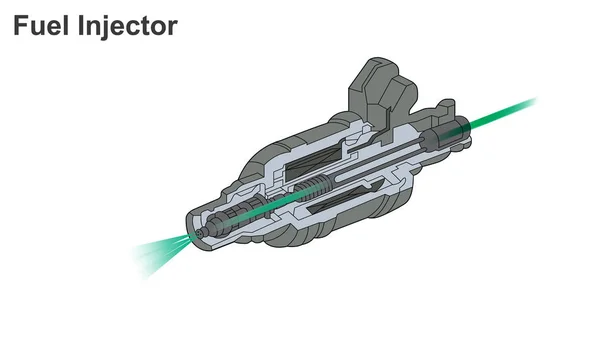
What happens if water gets in your diesel tank can be worse than in gasoline engines. Modern high-pressure common rail systems have very tight tolerances, which allows water to rapidly scar pumps and injectors. This is why water in diesel fuel can damage engine and fuel system components, which is a significant problem. Water also promotes internal corrosion and supports microbial growth in stored diesel fuel. In practice, water in the diesel fuel tank can clog filters and trigger system warning lights.
On some 7.3 Power Stroke trucks, water in fuel symptoms include a rough idle, difficulty starting, reduced power output, and illuminated warning lights. If the water in the fuel light appears, you must stop driving immediately, drain the water separator if one is installed, and have the entire system inspected by a qualified professional without delay.
What level of water contamination are you dealing with?
Is your vehicle gasoline-powered or diesel-powered?
Solution:
top driving, confirm contamination with a fuel sample, and use a manufacturer-approved fuel dryer only if the moisture appears minor. Then refill with fresh fuel, monitor for continued misfire or stalling, and replace the fuel filter if symptoms continue.
Solution:
Stop driving immediately and have the vehicle inspected before restarting. Even small amounts of water in diesel can damage high-pressure pumps and injectors, so the safest recommendation is to drain the system, service the water separator if fitted, and get a professional diesel fuel-system check.
Is your vehicle gasoline-powered or diesel-powered?
Solution:
Do not keep trying to start or drive the car. Have the tank drained, contaminated fuel removed, the fuel filter replaced, and the system tested with fresh fuel. If symptoms continue, inspect the pump and injectors for damage caused by water ingestion.
Solution:
Treat this as a high-risk fuel-system failure. Arrange towing, drain the tank completely, replace contaminated filters, inspect the pump and injectors, and have the diesel system professionally cleaned before the engine is run again.
What Are The Most Common Symptoms Of Water In A Gas Tank?
Common symptoms of water in the gas tank include the following;
- Hard starting or no start
- Hesitation during acceleration
- Sputtering and stalling
- Surging as the engine finds cleaner pockets of fuel
- Rough idle and shaking
- Misfire and possible check engine light
- Loss of power under load
The signs of water in the gas tank often emerge after refueling or extended periods of sitting. Many drivers observe the car starting then stalling as contaminated fuel reaches the injectors. A misfiring engine sounds uneven, choppy, or skips beats. Whether water in gas causes misfire is affirmative, and whether water in gas causes the check engine light is also affirmative in numerous vehicles, indicating fuel system contamination issues.
What Does Water In A Gas Tank Look Like?
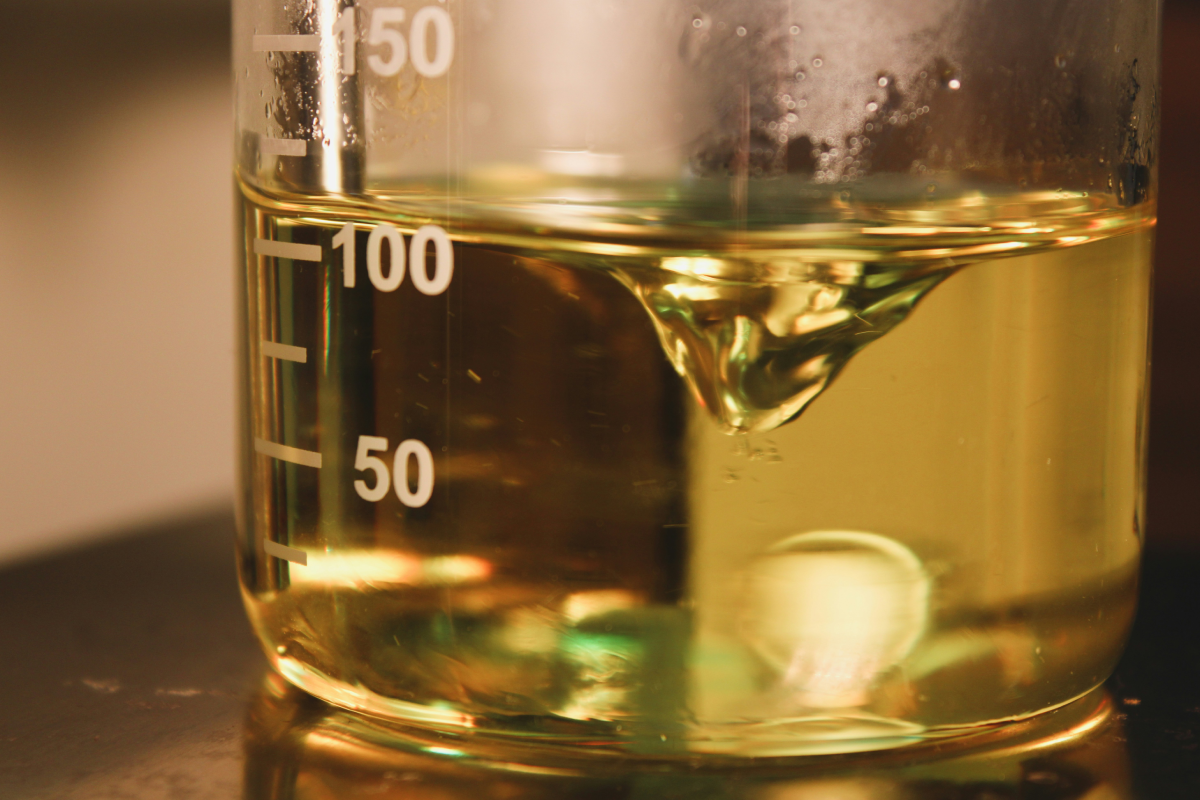
When you pull a fuel sample into a clear glass container, what water in gas looks like is usually easy to spot because water and gasoline separate. Water, being denser, forms a distinct layer at the bottom of the container because gasoline mixed with water does not remain uniformly blended. In ethanol-blended fuels, contamination may make the sample appear cloudy or milky, a sign of phase separation. Professionals frequently use water finder paste on a dip tool to confirm contamination. To safely inspect for water mixed with gas or gas with water in it, collect a small sample, allow it to settle, and observe closely for two separate layers or for cloudy fuel containing small droplets.
| Fuel sample appearance | Likely meaning |
|---|---|
| Clear single layer | No obvious contamination |
| Two distinct layers | gas mixed with water or heavy water contamination |
| Cloudy or milky fuel | Moisture absorbed into the ethanol blend |
| Rust or debris present | Water exposure and tank contamination |
Worried Water In Fuel Could Damage Your Engine?
Water contamination can do more than cause a misfire. It can affect the pump, injectors, combustion process, and in severe cases, leave your car unable to run at all. Learn how serious the contamination may be and what repair path makes the most sense.
Does Gasoline Mix With Water?
The questions do gas and water mix and water and gas mix are typically answered negatively, as gasoline is hydrophobic and water is polar, causing them to separate. A small amount of moisture can be temporarily suspended, particularly with ethanol-blended fuel, since ethanol acts as a temporary bridge.
However, once saturation occurs, phase separation begins, and the water drops out. This explains why the presence of water, as in is there water in gasoline, might not be noticeable initially but can suddenly become evident.
How Long Does It Take For Water To Settle In Gasoline?
Water separates from gasoline quickly once a vehicle stops moving. Agitation from driving may temporarily keep water droplets mixed in the fuel, but once the car is parked, gravity causes the denser water to settle. Clear separation often becomes noticeable within minutes to a few hours. This is why drivers frequently ask how to tell if gas has water in it after the car has been still overnight. Symptoms like difficulty starting or sputtering are frequently worse in the morning because the water has settled at the bottom of the fuel tank near the fuel pickup. Therefore, determining whether water is in the gas often begins with checking the fuel system after the vehicle has been stationary for an extended period.
How Does Water Get Into Your Gas Tank?
Water gets into tanks in several ways;
- Condensation from temperature swings and humidity
- A loose or damaged gas cap
- Contaminated fuel from a station
- Flood water or heavy rain exposure
- Poor storage conditions for fuel cans
Water in the gas tank from the gas station is one possible source, though not the sole cause. A partly empty fuel tank can accumulate condensation over time by breathing moist air. If you are wondering if there is water in gas or if there is water in gasoline, recent refueling and weather exposure are key indicators.
Ensure your fuel system stays sealed and secure by purchasing our premium heavy-duty locking gas caps designed for all weather conditions.
How Often Should You Check For Water In Your Gas Tank?
Fuel system inspection frequency varies depending on conditions. A humid climate, vehicle storage, or using questionable fuel sources warrants more regular checks, particularly during seasonal changes.
Routine service typically includes a visual fuel system check for daily-driven vehicles. Diesel work trucks and stored equipment benefit from more frequent inspections to catch moisture or rust early.
How To Safely Get Water Out Of A Gas Tank?
Addressing the water in the gas tank fix depends on the contamination level. Small amounts may need a fuel dryer with isopropyl alcohol for moisture absorption. Larger amounts require draining the tank, which is safer and more effective.
Use these steps;
- Do not keep driving a vehicle with a misfire or stalling.
- Confirm contamination with a fuel sample.
- For minor moisture, use an approved dryer only if the manufacturer allows it.
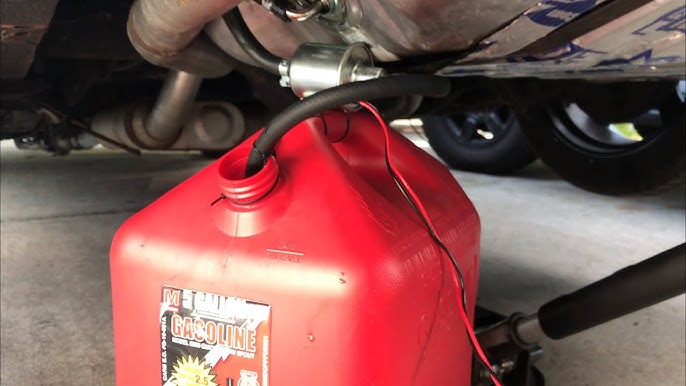
- For larger contamination, siphon or drain the tank.
- Replace the fuel filter.
- Refill with fresh fuel and test.
Heavy contamination requires professional tank cleaning or fuel polishing, ensuring bad fuel disposal follows local environmental rules. If you need to get water out of a gas tank, physical removal is the safest answer, avoiding guesswork with additives.
Need To Know How To Get Water Out Of A Gas Tank?
From mild moisture to heavy contamination, the right fix depends on how much water got in and how your vehicle is reacting. We’ll walk you through the safest ways to handle the issue, avoid costly mistakes, and protect your fuel system.
Is It Safe To Drive With Water In The Gas Tank?
Driving with water in my gas tank when symptoms are active is highly unsafe; it can cause immediate breakdown and leave you stranded in traffic. Water contamination can severely damage the fuel pump and accelerate injector wear. If mild contamination is suspected but no symptoms are present, do not drive. The settling of the water can worsen the next start. The safest option is always professional towing or mobile repair help.
Can Fuel Injector Cleaner Remove Water From Gas?
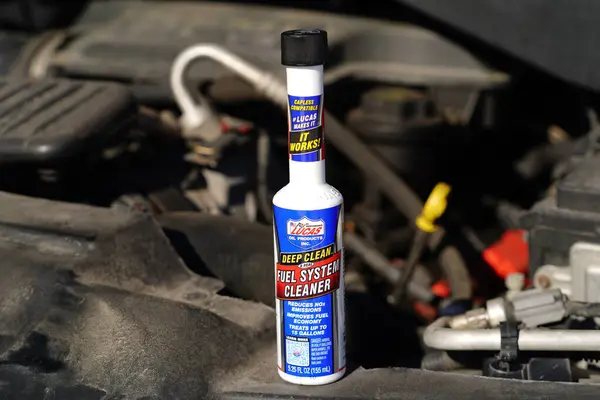
Injector cleaner and water dispersant are typically different products, focusing on varnish and deposits rather than addressing water in the fuel tank. Using the wrong cleaner might delay a necessary repair, which can be costly on modern high-pressure systems. If you suspect water in a car’s gas tank, you should use a product specifically labeled for moisture control, and only for very small amounts of contamination.
How Much Does It Cost To Drain A Gas Tank?
Costs associated with water contamination vary significantly by vehicle and the extent of the issue. A simple water extraction from the tank is generally more affordable than a full tank drop, which incurs higher labor costs. Replacing contaminated fuel, filters, and potentially a pump or injector rapidly increases the overall expense.
Independent shops often charge less than dealerships. Gasoline cars with mild contamination are typically less costly to repair, but diesel vehicles can become very expensive because damage to the injector and pump systems adds up quickly.