Need Emergency Fuel Delivery?
  info@elanfuels.com
Key Takeaways
- Jet fuel is a refined petroleum fuel built for turbine aircraft engines
- Jets almost always use jet fuel for turbine reliability
- Jet fuel is mostly hydrocarbons plus small additive packages
- The differences between jet fuel and gasoline include volatility, flash point, and engine fit
- People usually think jet fuel is similar to gasoline and cannot be used interchangeably. This is not true
Table of Contents
What Is Jet Fuel?
To answer what is jet fuel simply, it is a refined fuel specifically used by turbine-powered aircraft. The primary function of jet fuel is to release energy in a controlled manner within a turbine engine to generate thrust. This explains what kind of fuel is jet fuel; it must remain stable, flow efficiently in cold conditions, and ignite reliably under high compression and heat.
What makes jet fuel different is its design, which caters to the unique needs of turbine engines rather than standard spark ignition car engines. It is a petroleum product, meaning it originates from crude oil refining. People often ask what’s in jet fuel or what jet fuel is made out of. The core concept is that it occupies a middle ground in the petroleum spectrum, being heavier than gasoline but lighter than many diesel blends. This middle weight facilitates smooth turbine operation and reduces the fuel’s volatility during storage and handling. Consequently, jet fuel vs car fuel is not interchangeable, as engine designs and safety standards vary significantly.
What Is Aviation Fuel?
Aviation fuel is a general term for fuels used in aircraft. This category covers fuels for both piston engines and turbine engines. Fuels for piston aircraft are typically gasoline-like products designed for spark ignition engines. Turbine aircraft fuels are mainly jet fuel. Therefore, when people compare aviation fuel vs petrol, they are often confusing fuels meant for two distinct types of aircraft engines. Aviation fuel can be either a high-octane gasoline-type fuel for piston planes or jet fuel for turbines, depending on the plane.
What Fuel Do Jets Use?
Many people ask what fuel do jets use because these aircraft differ significantly from cars. Most jets use turbine engines, which are specifically designed around jet fuel properties. The fuel must be stable, pump easily, and function effectively during high altitude operation. That is why the answer to what type of fuel do jets use is generally consistent across airlines. It is jet fuel, such as Jet A or Jet A One, with the specific type depending on the operating region and requirements. If you are asking what do jets use for fuel, the practical answer is that turbine aircraft almost exclusively use jet fuel. Their engine and fuel systems are engineered precisely for it. While some military aircraft can utilize a slightly wider range of turbine fuels, they still rely on fuels possessing jet fuel type properties.
What Is Airplane Fuel Used For?
Most people believe what is jet fuel used for is only combustion. While combustion is the main role, jet fuel also supports other important functions in many aircraft systems. In various designs, jet fuel is used as a heat sink. This means it absorbs heat from oil coolers and other components before reaching the combustor. This process helps manage temperature in systems that operate at high temperatures for extended periods.
Jet fuel can also assist with lubrication-related systems. It primarily supports fuel control units and pumps that require reliable flow and clean fuel. The exact design varies by aircraft, but the central theme remains consistent. Jet fuel is a vital part of the aircraft energy and thermal management strategy, not merely an engine fuel source.
High altitude operation presents another critical requirement. At very cold temperatures, the fuel must resist waxing and maintain a consistent flow. This is a key difference where airplane fuel vs car fuel is clearly evident. Aircraft are designed to cruise for hours in extremely cold, thin air, unlike cars. Therefore, jet fuel is specifically tested and specified to ensure proper behavior in these harsh conditions.
Confused About Jet Fuel Vs Gasoline?
Jet fuel and gasoline come from crude oil—but they’re engineered for totally different engines and safety needs. Use a quick comparison to understand volatility, flash point behavior, and why interchangeability can wreck engines.
What Is Jet Fuel Made Of?
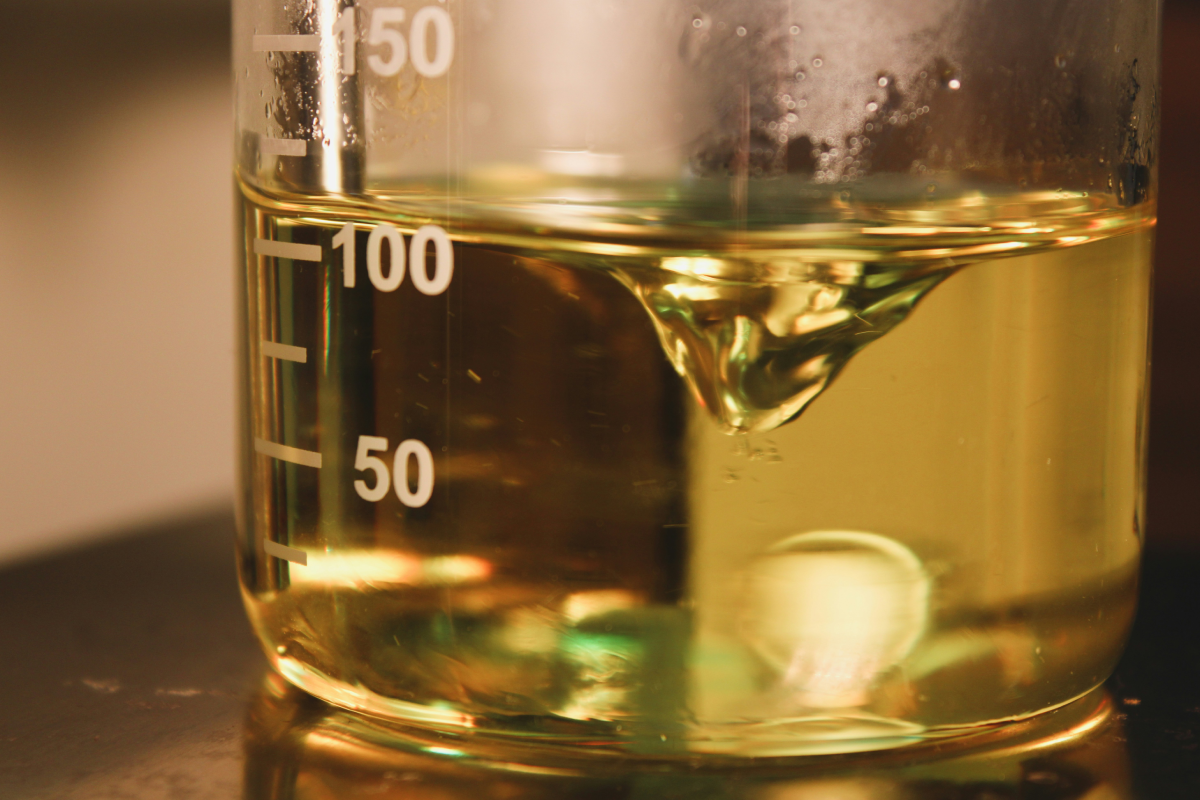
People commonly search what is jet fuel is made of because they assume it is a single liquid. In reality, what is jet fuel made out of is a carefully controlled blend of numerous hydrocarbons. The mixture is precisely formulated to meet strict performance and safety specifications for aviation. The components of whats in jet fuel are mainly hydrocarbons within a middle carbon chain range suitable for turbine combustion. What is jet fuel made of often contains paraffins, cycloparaffins, and aromatics, all in limited, controlled proportions. What is jet fuel made out of is produced from specific crude oil streams that are selected and refined for high stability.
Small amounts of additives are incorporated to enhance safety and durability during both storage and operation. These additives commonly function for purposes such as static control, corrosion inhibition, and protection against icing in the fuel system. Consistency is vital because turbine engines rely on predictable properties like flow rate, heat release, and proper low-temperature behaviour. Purity is also critical because contaminants can severely damage filters, pumps, and precise fuel metering components. Therefore, the simple takeaway is that what is jet fuel made of is a refined hydrocarbon blend with carefully managed properties, plus additives that help it meet aviation handling and performance needs.
How Is Jet Fuel Made?
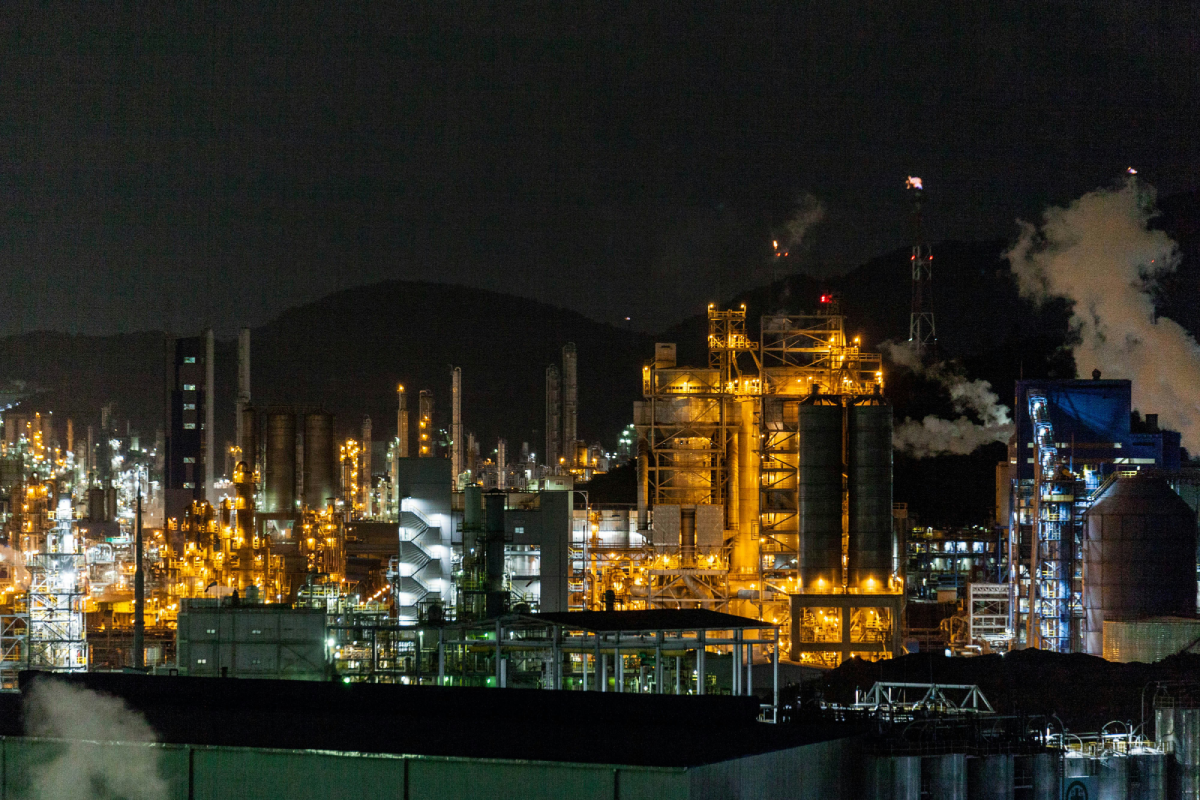
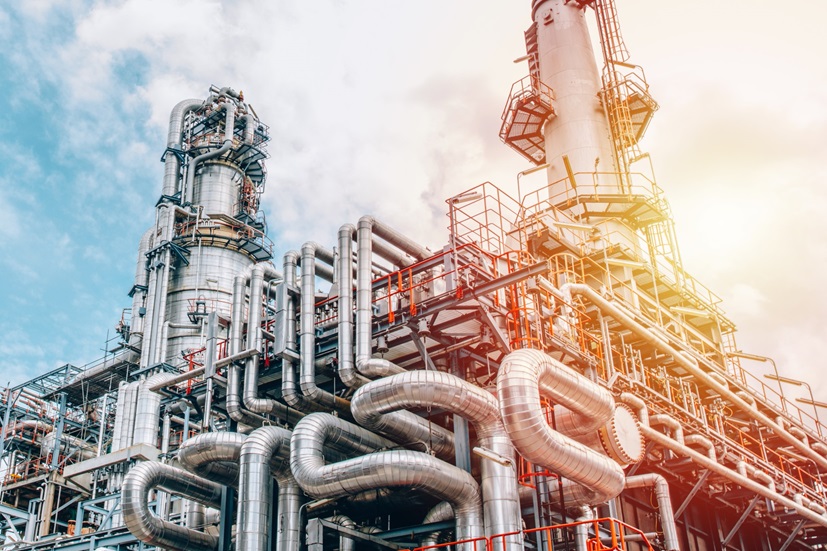
If you are asking how is jet fuel is made, it starts in an oil refinery where crude oil is separated into fractions. How is jet fuel made, then continues through cleaning and quality control steps so the final product meets aviation specifications. It’s refining follows the process below;
- Crude oil is heated and separated by distillation into different boiling range streams
- The middle distillate streams that fit jet fuel ranges are selected as the main starting material
- The selected streams are treated to remove unwanted sulfur and reactive compounds, so the fuel is more stable
- Refiners adjust and blend streams so the final jet fuel meets required limits for volatility, freezing behavior, and cleanliness
- Additives are mixed in measured doses to support handling, storage stability, and system protection
- Final testing confirms the fuel meets specification before it is certified for aviation delivery
So when someone asks how jet fuel is made, the practical answer is controlled distillation, cleaning, blending, and testing to produce a consistent turbine fuel.
Want A Fast Answer On Jet A Vs Jet A-1?
Jet A and Jet A-1 are both jet fuels, but their low-temperature performance and operational use differ, especially for international routes. Get a simple “which one and why” breakdown you can remember.
What Is The Difference Between Jet Fuel And Gasoline?
Many drivers compare jet fuel vs gasoline because both originate from petroleum. The difference, how jet fuel is different from gasoline, involves volatility, safety, and engine design. Gasoline vs jet fuel also differs in ignition style. Gasoline is for spark ignition engines, needing fast vaporization and knock resistance. Jet fuel is for turbine engines, requiring steady combustion after air compression.
Here is a practical table that shows what is the difference between jet fuel and gasoline in everyday terms.
| Feature | Jet Fuel | Gasoline |
|---|---|---|
| Volatility | Lower, less rapid evaporation | Higher, evaporates more easily |
| Handling safety | Higher flash point behavior, less likely to ignite from a small spark | Lower flash point behavior, ignites more easily |
| Engine match | Turbine engines and some diesel-type systems | Spark ignition piston engines |
| Low temperature focus | Designed for high altitude cold flow needs | Designed mainly for road vehicle conditions |
| Misfuel risk | Wrong fuel can cause severe engine damage | Wrong fuel can cause severe engine damage |
The difference between jet fuel and gasoline is significant. It impacts how the fuel is stored, how it ignites, and the engines that can utilize it. If you wonder whether jet fuel burns hotter than gasoline, the accurate answer is that flame temperature depends on the air-fuel mixture and the engine’s design. In turbines, jet fuel supports high continuous power, whereas gasoline engines use different combustion cycles. The temperature comparison relies on how each system uses its fuel.
Is Jet Fuel Gasoline?
The common question, is jet fuel gasoline, has a clear answer: no, jet fuel is not gasoline. These fuels differ in volatility and are designed for distinct engine types. The misconception that jet fuel is gasoline can cause costly errors. Gasoline is unsuitable for turbine aircraft needing jet fuel. Conversely, jet fuel is neither a safe nor a correct alternative for gasoline in standard cars. Each fuel is specifically made for its respective engine and should never be interchanged.
Is Jet Fuel Kerosene?
Common questions include is jet fuel is kerosene and is kerosene the same as jet fuel. Simply put, jet fuel is closely related to kerosene. Most commercial grades are kerosene-based turbine fuels, highly refined and controlled to meet strict aviation specifications. Therefore, is jet A kerosene often answered yes in general conversation. However, the aviation product has much stricter specifications than general-purpose kerosene. Regional naming variations can confuse, but the key point remains that is jet fuel kerosene is a more accurate comparison than gasoline, as many jet grades are high-quality, kerosene-range fuels.
What Is The Difference Between AvGas And Jet Fuel
AvGas, or aviation gasoline, is used in aircraft with piston engines. In contrast, jet fuel is primarily for turbine-powered aircraft, reflecting their distinct operational needs.
Piston engines require fuel that resists knock during compression and spark ignition. AvGas is specifically formulated to ensure this knock resistance. Certain grades historically included lead additives to achieve the necessary performance levels. Turbine engines, however, do not rely on an octane rating in the same manner. Their fuel must provide stable combustion, clean handling, and dependable performance across a wide range of temperatures. Consequently, AvGas and turbine aircraft utilize separate refuelling infrastructures and adhere to different fuel quality standards. This is why the distinction between aviation fuel vs gasoline can be a source of confusion. Some aviation fuel is a gasoline type, intended for piston planes, while turbine aviation fuel is jet fuel.
What Is Jet A Fuel?
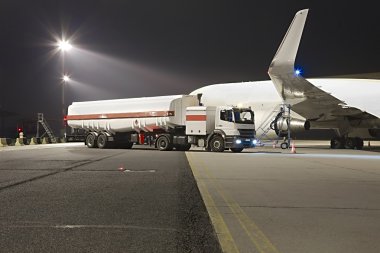
Many people ask what is jet A fuel is because its label appears at airports. What is jet A fuel is the main commercial jet fuel used in many places, especially in the United States. It is a kerosene-type turbine fuel made to a defined aviation specification. Airlines and operators use it because it provides consistent turbine performance and supports high altitude flight conditions. When you see Jet A, it is still jet fuel. The name indicates a specific grade and specification.
What Is The Difference Between Jet A And Jet A One?
Jet A-1 is widely used internationally, primarily due to its superior low-temperature performance and freezing behavior compared to Jet A. It is specified for colder conditions, which supports its broad acceptance for international operations. Consequently, global supply chains often prioritize Jet A-1 to accommodate a diverse range of routes and operating environments.
Why Does Jet Fuel Not Catch On Fire Easily?
Concerns about jet fuel being dangerously explosive are sometimes overstated. In practical handling situations, jet fuel is actually less likely to ignite instantly than gasoline. This is because jet fuel is less volatile and possesses a higher flash point. Consequently, it does not produce flammable vapor as readily at standard ambient temperatures.
However, this lower volatility does not mean jet fuel is safe to handle carelessly. It remains a combustible petroleum product. The characteristics of jet fuel do support safer storage and refuelling compared to extremely volatile fuels. This information is relevant to the issue of jet fuel car mistakes. Putting jet fuel into a gasoline car will likely cause the engine to run poorly or fail, and this action does not reduce the risk. The correct approach is always to use the appropriate fuel for the specific engine and to avoid deliberate fuel mixing.
Worried About A Misfueling Mistake?
Putting the wrong fuel in the wrong engine can cause severe damage—fast. Learn the practical signs, risks, and the safest next steps to take if jet fuel and gasoline ever get mixed up.
How Sustainable And Synthetic Jet Fuels Work?
Sustainable and synthetic aviation fuels reduce lifecycle emissions compared with conventional fossil jet fuel. Biological feedstocks are processed into hydrocarbons that meet jet specifications. Synthetic pathways combine hydrogen and captured carbon to produce hydrocarbon liquids resembling jet fuel. These are often “drop-in” fuels, meaning they can blend with conventional jet fuel and still meet aircraft and airport requirements. This compatibility allows them to work in existing engines, tanks, seals, and fueling infrastructure, maintaining safety and performance while reducing environmental impact.