Need Emergency Fuel Delivery?
  info@elanfuels.com
Key Takeaways
- How often should you change oil in a diesel truck? Usually, it means every 5000-10000 miles.
- Heavy towing, idling, dust, and short trips shorten the diesel oil change interval.
- Engine hours can be more useful than mileage for work trucks.
- A stored truck still needs a diesel oil change based on time.
- The right oil specification protects turbochargers, bearings, and emissions equipment.
Table of Contents
How Often Do You Change Oil In A Diesel Truck?
Most light-duty diesel pickup trucks need fresh oil changed every 5000-10,000 miles, depending on the engine, oil type and driving conditions. Heavy-duty commercial diesel rigs often follow a different schedule based on engine hours, fleet maintenance plans, oil analysis and manufacturer guidance.
Fresh lubrication matters because diesel engines run with high compression and often use turbochargers that depend on a steady supply of clean oil. Dirty or worn oil cannot protect bearings, cool moving parts well, or suspend soot properly. That leads to faster wear and reduced efficiency.
If you want the safest interval, start with the manual and shorten the schedule when the truck tows, idles, or works in severe conditions. Schedule your professional diesel oil change with our certified technicians today to help keep your engine under warranty and perform at its best.
Schedule your professional diesel oil change with our certified technicians today to help keep your engine protected, your warranty intact, and your truck performing at its best.
Manufacturer Recommended Oil Change Schedule For Diesel Engines
The owner’s manual is always the safest place to start. If you want to know how often diesel oil should be changed, the OEM schedule is the most accurate answer for your engine, model year, emissions system, and approved oil type. This documentation typically outlines service intervals for both normal and severe operating conditions.
Normal use generally involves steady highway driving and light loads, representing less stress on the engine and oil. Severe service, which is common for many diesel pickups, includes activities such as frequent towing, short trips, continuous stop-and-go traffic, operation on dusty roads, extended idling periods, and exposure to extreme temperatures. It is crucial for owners to correctly identify their driving pattern, as severe service necessitates a shorter oil change interval for a diesel truck.
Furthermore, modern trucks are equipped with onboard monitoring systems that track parameters like load, temperature, idle time, and trip length to estimate remaining oil life. While useful, these systems are supplements and do not override the detailed guidance provided in the owner’s manual. For proper maintenance, you should utilize both the OEM schedule and the truck’s monitoring system.
How Driving Conditions Affect Diesel Truck Oil Change Intervals
Driving style and environment can shorten how long diesel oil lasts very quickly.
- Long idling increases contamination without adding many miles. This is why often oil changes for diesel engines may be sooner for service trucks or delivery trucks.
- Extreme heat and mountain driving raise oil temperature and speed up breakdown.
- Short trips are hard on oil because the engine may not fully warm up, so moisture and fuel stay in the crankcase.
- Dusty roads and job sites increase contamination risk.
- Repeated heavy loads make when to change diesel engine oil arrives sooner.
A truck used mostly on the highway may reach the upper end of the interval. A truck used for local runs or job site work often needs earlier service.
Changing Diesel Truck Oil Too Late?
Waiting too long between oil changes can lead to soot buildup, poor lubrication, extra engine wear, and even turbo damage. Whether your truck tows, idles, or works in dusty conditions, we’ll help you figure out the safest oil change interval for your diesel.
Synthetic Oil Change Intervals For Diesel Engines
Owners frequently inquire about how often to change synthetic oil in diesel because synthetic oils exhibit superior heat management compared to conventional types. Full synthetic oil typically offers enhanced oxidation resistance, improved cold flow properties, and greater stability within high-heat diesel operating environments.
Consequently, the actual diesel synthetic oil change interval requires consideration of several factors, including engine design, specific oil approvals, the weight of the towing load, total idle time, and the overall operating climate. Although synthetic oil involves a higher initial cost, many owners justify the expense because it delivers improved engine protection, especially during rigorous use. For trucks used for towing or operating in high-temperature regions, synthetic oil provides a better safety margin, even when maintaining a conservative service interval.
What best describes how your diesel truck is used?
Are you following the owner’s manual with the correct diesel oil specification?
Solution:
Stay close to the manufacturer’s recommended interval, which is often toward the higher end for light-duty use. Keep using the correct oil specification, monitor oil life if your truck has that system, and still change the oil based on time if the truck sits for long periods.
Solution:
Switch to the exact oil specification required by your truck and reset your maintenance plan around the owner’s manual. Even with light use, the wrong oil can reduce protection for bearings, turbo components, and emissions equipment, so correcting the oil type matters as much as the interval.
Are you following the owner’s manual with the correct diesel oil specification?
Solution:
Use a shorter severe-service oil change interval rather than stretching to the maximum mileage. Track engine hours as well as miles, especially if the truck idles a lot or works hard, because heavy use can age the oil much faster than mileage alone suggests.
Solution:
Move to the correct diesel oil specification immediately and adopt a shorter severe-service schedule. Because towing, idling, dust, and heat already stress the oil, using the wrong product at the same time raises the risk of soot buildup, faster wear, and poor protection for the turbo and other critical parts.
Are Engine Hours Better Than Miles For Diesel Oil Changes?
For working trucks, engine hours often outweigh miles when determining maintenance needs, particularly for fleet, construction, and service vehicles. The frequency of how often diesel oil should be changed should therefore be partially judged by factors like idle time and total engine hours. A general, though not exact, guideline suggests that one engine hour is equivalent to approximately 25 to 30 highway miles.
Consequently, a truck with relatively low accumulated mileage but significant idling could still require an oil change in a diesel truck sooner than anticipated. Most modern truck dashboards include an information menu displaying engine hours. If your vehicle frequently idles or powers auxiliary equipment, tracking both engine hours and mileage is essential before deciding how often trucks need oil changes.
Why The Right Oil Type Matters For Diesel Oil Change Intervals
Modern diesel engines require the correct oil specification, typically API CK 4 or the exact rating mandated by the manufacturer. This specific oil is engineered to effectively manage soot, maintain viscosity, and safeguard delicate emissions components. Incorrect oil viscosity significantly shortens oil life. Excessively thin oil can fail rapidly under high load and heat.
Conversely, oil that is too thick may hinder proper flow during cold starts. These viscosity issues directly impact how often you should change oil in a diesel engine because unsuitable oil degrades much faster. The appropriate oil formulation is vital because it must suspend soot, minimise engine wear, neutralise harmful acids, and protect the turbocharger. A proper oil change for diesel extends beyond mere timing; it is fundamentally about selecting and using the correct product.
How Long Can Oil Sit In A Diesel Engine During Storage?
A diesel truck requires service based on time, even when it is not used, so storage is just as important as mileage when determining how often to change oil in a diesel. Moisture can accumulate inside the crankcase when the truck is idle. Used oil retains acids and contaminants from previous operations. These materials stay in the oil pan, affecting internal parts over time, even with the engine off.
For most trucks, six months to one year is the maximum time, regardless of mileage. A shorter interval is advisable if the truck is in humid conditions or runs only occasionally. Many owners choose a diesel truck oil change before extended storage to prevent dirty oil from remaining in the engine for months.
How Heavy Towing Affects Diesel Oil Change Intervals
Heavy towing increases heat and shear forces, stressing engine oil; this reduces the safe diesel truck oil change interval and categorises the truck as severe service. Frequent towing is a main reason owners ask how often do you change oil in a diesel, and receive varied answers. Here is a simple guide.
| Truck use | Typical service approach |
|---|---|
| Light highway driving | Often 7500-10000 miles |
| Mixed use with occasional towing | Often 5000-7500 miles |
| Frequent heavy towing | Often 3000-5000 miles |
| Commercial heavy load use | Often based on hours and oil analysis |
Protect your investment while hauling heavy loads by purchasing our heavy-duty towing maintenance package with high-performance filters and premium lubricants.
Towing Or Idling More Than Usual?
Heavy towing, long idle hours, short trips, and hot conditions can shorten your diesel oil life much faster than normal highway driving. Get expert help choosing the right service interval, oil type, and maintenance plan to protect your truck under severe use.
How Often Should You Change Oil In A 7.3 Powerstroke?
The 7.3 PowerStroke oil change interval is crucial because the HEUI system utilizes high pressure oil to fire the injectors. Dirty oil can lead to stiction, causing rough starts and poor injector response.
Many owners service the 7.3 Powerstroke around 5000 miles, especially when the truck tows, idles, or has older age related wear. Clean oil is vital for smooth engine operation and protecting the sophisticated injection system.

How Often Should You Change Oil In A 6.7 Cummins Diesel Engine?
For Ram trucks with the 6.7-litre Cummins, the oil change interval on a diesel truck is typically 7500-15000 miles. This depends on the oil type, the model year, and driving conditions. Severe use, like heavy towing or frequent idling, often requires service closer to 7500 miles. A complete service should also include attention to the crankcase ventilation filter, not just the engine oil itself. Lightly used highway trucks usually need less frequent service.
How To Tell If Your Diesel Oil Needs Changing Early
You can often spot signs that an early diesel car oil change or truck oil service is needed.
- Check the dipstick for level, thickness, and unusual texture.
- Smell the oil. A fuel smell may point to dilution.
- Watch for a rising oil level, which can signal contamination.
- Pay attention to dashboard service warnings.
- Listen for rougher operation or unusual engine noise.
Professional oil analysis reveals soot loading, viscosity change, coolant intrusion, fuel dilution, and metal wear, before major damage develops. This makes changing diesel engine oil more precise than guessing by color.
Why Diesel Engines Need Oil Changes More Often Than Gas Engines
Diesel engines usually need more frequent oil service than gasoline engines because their oil works harder.
- Diesel combustion creates more soot than gasoline combustion.
- Diesel engines often run at higher compression and heavier load.
- Turbochargers expose diesel oil to very high heat.
- Diesel oil must hold contaminants in suspension.
- TBN helps neutralize acids, which is vital in diesel lubrication.
Diesel engines need oil changes on a stricter schedule than gas engines and also need to be more carefully monitored because contamination and thermal stress are greater.
Want To Protect Your Diesel Engine Longer?
Clean oil does more than reduce wear. It helps protect injectors, bearings, turbo components, and emissions systems while keeping your truck running strong. We’ll help you stay ahead of breakdowns with the right oil change strategy for your engine and driving conditions.
What Happens If You Do Not Change Diesel Engine Oil Regularly?
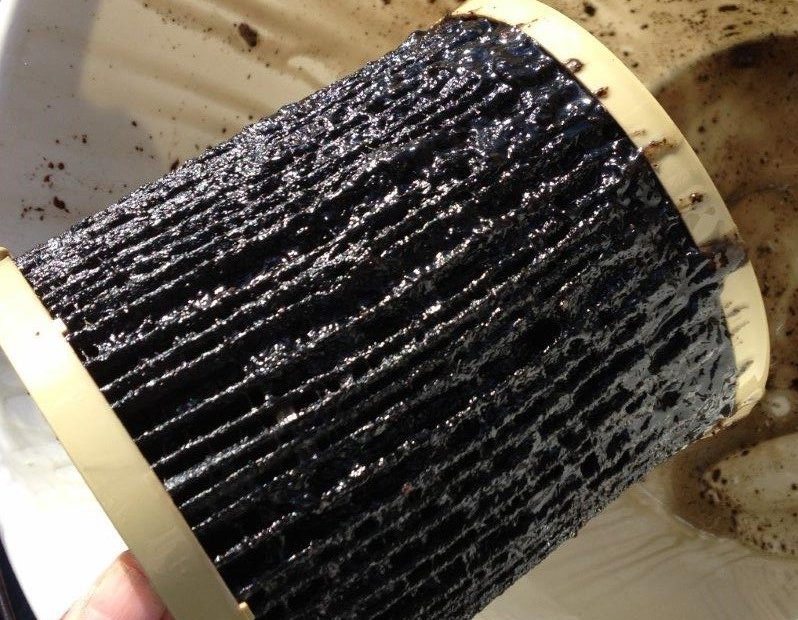
When engine oil remains in service excessively, soot, acids, and debris accumulate, potentially forming sludge. This sludge can restrict oil flow through narrow passages, reducing protection for critical engine components. Turbochargers are particularly vulnerable, relying on clean, constant lubrication. Oil breakdown rapidly causes bearing wear. Neglected oil may lead to catastrophic engine damage and seizure. A delayed diesel oil change ultimately costs more than routine maintenance.
When Should You Do The First Oil Change On A New Diesel Truck?
Some owners choose an early first service for their new vehicle during break-in, typically between 3000 and 5000 miles, believing it helps remove initial wear particles. Many manufacturers, however, suggest adhering to the normal first interval because the factory fill oil is often formulated specifically for the break-in period. The safest approach for the initial diesel truck oil change is to follow the owner’s manual first, then consult a qualified technician if an earlier service is desired.