Need Emergency Fuel Delivery?
  info@elanfuels.com
Key Takeaways
- Best practices for fleet management improve uptime, safety, fuel control, and compliance.
- A strong fleet management plan should connect maintenance, driver behavior, routing, and procurement.
- Good data helps managers solve fleet management challenges before costs rise.
- Preventive maintenance and training are central to fleet management maintenance success.
- AI, telematics, and EV planning are shaping future fleet management trends.
Table of Contents
Fleet Management Best Practices For Better Efficiency
Modern fleet management best practices start with control, visibility and alignment with the goals of the business. In modern fleet management, every vehicle has to match the work being done with the vehicle type, size and cost of usage. This is one of the most important best practices in fleet management because poor asset matching leads to wasted capital, higher cost of maintenance and lower utilization.
It is also important for fleet management best practices that managers keep a hold of data such as mileage, idle time, repair history, fuel spend and utilization rates in order to support decision-making. With this date, managers can devise clear vehicle fleet management strategies to reduce confusion and increase accountability. Businesses that follow clear fleet management guidelines are usually better at controlling costs and scaling sustainability.
If you’re still grappling with your fleet management strategy and want a better grasp of your costs, download our fleet optimization audit tool in order to identify hidden costs in your operations and start saving on these costs today.
How Do You Build An Effective Fleet Maintenance Plan?
Moving away from reactive repairs to preventive service schedules is the foundation of fleet maintenance best practices, which improves uptime. A proactive plan lowers breakdown risk, keeps vehicles safer, and supports longer asset life. Automated work orders ease scheduling, and inventory controls prevent delays from missing parts. Routine inspections detect issues like worn tires, brake problems, and leaks before they become expensive failures.
Use this checklist as part of your fleet maintenance management system best practices and daily fleet management procedures.
- Check engine oil, coolant, brake fluid, and transmission fluid.
- Inspect tyres for wear, pressure, and sidewall damage.
- Test lights, signals, horns, and wipers.
- Review brakes, suspension, and steering response.
- Track battery health and charging system output.
- Confirm service intervals for filters, belts, and spark plugs.
- Record defects and close repairs quickly.
These habits define strong fleet management maintenance and make it easier to manage fleet vehicles at scale.
Want To Cut Fleet Downtime Before It Gets Expensive?
Unplanned breakdowns, missed service intervals, and delayed repairs can quietly drain your budget. A smarter fleet strategy starts with preventive maintenance, better tracking, and clear operating standards that keep vehicles working longer and more reliably.
Why Is A Strong Fleet Safety Policy Important?
A robust fleet safety policy is crucial for protecting personnel, vehicles, and the business itself. Strong fleet safety management best practices establish clear expectations for driver conduct, vehicle inspection schedules, permissible phone use, mandatory rest periods, and detailed incident reporting standards. Neglecting these essential rules frequently leads to an increase in accident rates and subsequently higher insurance premiums. Consistent monitoring of unsafe driving behaviors such as harsh braking, excessive speeding, rapid acceleration, and distracted operation is necessary. Utilizing telematics data facilitates fact-based coaching conversations.
A formal reporting system is also vital where every collision, near miss, and instance of vehicle damage must be documented, reviewed, and used for continuous improvement. Safe operations safeguard company reputation and mitigate hidden costs like downtime, claims administration, legal liabilities, and compromised customer trust. Ultimately, safety is fundamental to sustainable fleet management operations.
What Are The Key Metrics To Track Fleet Safety Performance?
Key safety performance indicators include accidents per million miles, preventable accident rate, seat belt compliance, harsh event frequency, and claim severity; these measures support fleet management dashboard best practices by transforming scattered data into clear operational patterns. Scorecards and recognition programs also reinforce safer driving habits.
How Does Vehicle Misuse And Abuse Management Protect Your Assets?
Misuse includes aggressive driving, overloading, poor cleanliness, delayed defect reporting, and ignoring warning lights. Addressing abuse protects resale value and lowers repair frequency. This is vital to how to manage a fleet because asset condition directly affects total cost of ownership. Direct coaching and clear consequences help protect vehicles.
What Are The Future Trends In Fleet Safety Management To Watch?
New tools like dash cameras, driver assistance systems, collision alerts, and fatigue detection are essential. These advanced technologies, which also include behavior analytics, are central to fleet management best practices in 2026. Insurers and operators now require stronger evidence of safe driver behavior. For high exposure fleets, safety technology is no longer an optional component.
What Role Does Telematics Play In Fleet Management?
Telematics offers managers real time visibility into location, utilization, engine performance, idle time, route efficiency, and driver behavior. It is one of the most useful tools in modern fleet management strategies because it unifies operations, maintenance, and risk data. GPS data pinpoints vehicle location, duration of stops, and route efficiency. Maintenance alerts are directly linked to mileage or engine hours.
Fuel consumption data connects with routes and driver habits, creating a complete operational view and improving decision-making. Cybersecurity is also essential. Strong fleet management cybersecurity best practices and data security best practices for fleet management safeguard driver records, location data, fuel transactions, and connected vehicle systems. Access controls, password policies, software updates, and vendor reviews must be included in every telematics deployment.
Is Your Fleet Safety And Compliance Program Strong Enough?
From driver behavior to inspection records and reporting systems, small gaps in safety and compliance can lead to major costs. Get the tools and guidance you need to build a safer, more accountable fleet operation.
How Fuel Management Practices Reduce Fleet Costs
Fuel is a major fleet operating cost. Effective fleet fuel management best practices and best practices in fleet fuel management are essential for managers to control waste, detect fraud, and optimize route efficiency. Fuel cards are valuable tools linking spend to specific vehicles, drivers, and locations.
A strong fuel approach should include the following.
- Use fuel cards with transaction controls and exception alerts.
- Track fuel economy by vehicle, route, and driver.
- Investigate sudden drops in miles per gallon.
- Reduce idling through policy and coaching.
- Train drivers on smooth acceleration and braking.
- Plan routes to avoid congestion and unnecessary mileage.
Fuel trends matter as much as raw consumption. If a vehicle begins using more fuel than normal, the cause may be theft, poor driving habits, tire issues, or maintenance problems. Good routing and scheduling also improve efficiency. This is one of the simplest ways to how to improve fleet management without adding more assets.
How To Manage Fleet Lifecycle And Procurement Effectively
A balanced lifecycle plan considers depreciation, repair cost, safety needs, and utilization. This balance highlights why best practices for fleet lifecycle management and fleet lifecycle management best practices are essential. Replacing vehicles too early wastes capital, while keeping them too long increases maintenance costs and downtime. Right-sizing is vital, ensuring every asset is earning its place.
Underused vehicles should be reassigned, pooled, or removed. Standardized procurement with fewer makes, models, and parts simplifies maintenance, training, and inventory control.
| Lifecycle area | Good practice | Business benefit |
|---|---|---|
| Acquisition | Match vehicle to job need | Reduces overspending |
| Utilization | Review mileage and usage monthly | Improves asset productivity |
| Maintenance | Track repair cost trends | Supports replacement timing |
| Replacement | Use total cost of ownership data | Prevents late stage cost spikes |
| Standardization | Limit unnecessary model variety | Simplifies service and training |
These steps strengthen fleet management principles and create a more disciplined fleet management plan.
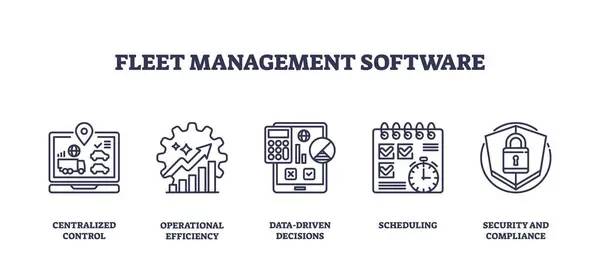
Can AI Powered Route Planning Reduce Last Mile Delivery Costs?
AI route planning is a key element of modern fleet management tips. It reduces costs by optimizing stop order, minimizing idle time, avoiding traffic congestion, and ensuring routes align with delivery windows. This technology facilitates improved service quality while decreasing miles driven and labor hours. Furthermore, geofencing enhances control by tracking vehicle entry and exit from work zones, customer sites, and restricted areas. Better routing also mitigates driver fatigue, making workdays more predictable and less stressful for the team.
Schedule a live demo of our AI routing software to see how you can reduce your delivery expenses by up to 20% this quarter.
How To Manage Driver Training And Retention
Driver quality has a direct effect on safety, fuel use, compliance, and customer experience. Strong training and retention efforts are central to best practices vehicle fleet management because even the best equipment will underperform with poor driving habits or low morale.
Focus on these actions.
- Verify licenses, certifications, and role specific qualifications.
- Keep training records current and easy to audit.
- Provide onboarding for safety, fuel saving, inspections, and reporting.
- Offer refresher training when new rules or systems are introduced.
- Use coaching, recognition, and feedback to improve performance.
- Support driver’s well-being with realistic schedules and clear expectations.
Retention improves when drivers feel supported, trained, and treated fairly. Accountability matters, but so does communication. Fleets with steady teams usually perform better across safety, service, and vehicle care.
Ready To Lower Fuel Waste Across Your Fleet?
Fuel costs rise fast when idling, poor routing, and weak oversight go unchecked. With better data, smarter route planning, and stronger fuel controls, you can reduce waste and run a more efficient fleet without adding more vehicles.
Is Your Fleet Fully Compliant With Legal And Safety Rules?
Compliance should be built into daily work, not treated as a last minute response to audits. Good fleet compliance management best practices and best practices for fleet compliance management help fleets avoid fines, reduce legal exposure, and maintain customer trust.
Managers should stay current on driver files, inspection records, maintenance documentation, hours-related rules where applicable, and safety reporting. Automated pre trip inspections and digital record keeping make this much easier, improving traceability and reducing the risk of missing forms or late actions.
Regular internal audits are essential, showing whether the fleet is actually following policy. Strong compliance habits also improve operational discipline because maintenance, safety, and training records become part of one connected system.
How To Transition Your Fleet To Electric Vehicles
EV adoption reduces fuel spend, lowers emissions, and supports long-term sustainability goals. Still, EV fleet management best practices require careful planning. Managers must evaluate route length, charging access, payload needs, and total cost of ownership before expanding electric assets. Battery health should be monitored closely because degradation affects range and resale value. Planning charging infrastructure is essential.
Depot charging, utility coordination, and charging schedules all affect uptime. A gradual rollout usually works best, allowing managers to test vehicle fit before large purchases. A greener fleet can support public image and customer expectations, offering a competitive advantage for some businesses. For others, it is primarily a cost and compliance decision. The electric transition should always be tied to clear operational goals.
What is the main area where your fleet needs the most improvement?
Do you already have reliable systems for tracking service intervals, repair history, and fuel use?
Solution:
Tighten your preventive maintenance plan by using your existing data to spot repair trends early, improve replacement timing, and reduce avoidable downtime. This is the best next step for fleets that already track performance but need stronger maintenance discipline.
Solution:
Start with a basic fleet control system that tracks inspections, service intervals, repair records, and fuel use. This will help you move away from reactive repairs, uncover hidden operating costs, and build a more effective maintenance plan.
Do you already have reliable systems for tracking service intervals, repair history, and fuel use?
Solution:
Focus on strengthening driver coaching, incident reporting, and compliance audits while using telematics and operational data to correct unsafe behavior faster. This is the right recommendation for fleets that already collect data but need to turn it into stronger accountability and safer performance.
Solution:
Build a formal safety and compliance foundation first with driver policies, inspection checklists, training records, and simple digital tracking. This will help you close safety gaps, improve accountability, and reduce the risk of fines, claims, and preventable accidents.
What Makes Municipal And Government Fleet Management Different?
Public sector fleets face unique pressures regarding budgeting, transparency, documentation, and service continuity. Municipal fleet management best practices demand strong reporting discipline because taxpayers, auditors, and public leaders require clear evidence of value and accountability. These fleets often include specialized assets like fire trucks, transit shuttles, forklifts, laptops, and printers. Therefore, fire truck fleet management best practices, forklift fleet management best practices, federal fleet management best practices, and even best practices for remote laptop fleet management can all be relevant within a single operation.
Government managers must control lifecycle cost while also meeting service obligations that cannot be delayed. Standard data, documented procedures, and strong procurement rules are essential in these environments.
How Will AI Change The Future Of Fleet Management?
AI is transforming fleet operations, making them more predictive, connected, and responsive. Sensors can already identify patterns indicating imminent parts failure, enabling maintenance teams to intervene before costly breakdowns occur. This proactive shift improves uptime and strengthens planning frameworks that rely on reliable forecasting, informing fleet management best practices.
Machine learning is also adept at pinpointing driver behaviors that escalate risk, fuel consumption, or maintenance costs. Looking ahead, fleets will increasingly utilize semi autonomous features, sophisticated route engines, and more adaptive scheduling tools. Businesses that integrate these technological advancements will be better positioned to navigate fleet management trends than competitors who move slowly. Crucially, AI augments sound management, empowering effective managers to act earlier and with better supporting evidence.