Need Emergency Fuel Delivery?
  info@elanfuels.com
Key Takeaways
- Signs of bad gas in your car often start soon after refueling or long storage.
- Bad fuel symptoms can include hard starts, stumbling, and loss of power.
- Bad gas causes engine lights to flicker, and this is common because fuel issues can trigger sensor warnings.
- Whether bad gas causes a car not to start is more likely after old fuel sits for weeks or months.
- Confirming the cause early can help prevent costly fuel system repairs.
Table of Contents
Bad Gas Symptoms Car
Bad gas symptoms in a car indicate engine and drivability problems caused by fuel that burns poorly. When fuel combustion is inconsistent, a vehicle may experience power loss, rough idling, or hesitation during acceleration. Bad car gas symptoms are serious because low-quality fuel can lead to increased deposits and strain on fuel injectors.
The quality of the fuel directly affects the engine’s ability to start, accelerate, and maintain a steady idle. If the fuel is contaminated or degraded, the engine’s computer will try to adjust, but its capabilities are limited. Consequently, symptoms of bad gas in a car often begin subtly and worsen over time. It is important to remember that not all fuel-like issues are fuel-related. For example, wrong gas in the car symptoms occur if an incorrect fuel type is added. A faulty gas cap can also cause drivability issues. Many drivers ask, do gas caps go bad, and the answer is yes. Questions like can a gas cap go bad and can gas caps go bad are common, especially when the sealing components crack or degrade. can a bad gas cap cause stalling and can a bad gas cap cause idle problems are possibilities because a leak can disrupt system pressure and the air-fuel mixture control. On some vehicles, a warning message prompts drivers to ask what the gas cap mean on a car. The honda gas cap check engine light is a known issue often triggered by a loose or worn cap.
What Are The Symptoms Of Bad Gas?
Here are common symptoms of bad gas and bad fuel that may appear quickly, especially after refuelling or storage.
- Bad gasoline symptoms include a rough idle that comes and goes.
- Signs of bad gasoline include hesitation when you try to accelerate.
- Bad gas signs like a sudden drop in fuel economy.
- Signs of bad fuel include weak power on hills.
- Symptoms of bad fuel include uneven running at a steady speed.
Symptoms may appear suddenly if a tank is contaminated at the pump. Symptoms may also appear gradually when fuel degrades during storage.
What Are The Symptoms Of Bad Gas In Your Car?
Drivers usually notice what are the symptoms of bad gas in their car while driving. Bad gas in a car often worsens under load, such as merging or climbing a hill. Signs of bad gas in car include stumbling when accelerating, surging at a steady speed, and intermittent loss of power that quickly returns. Another sign of bad gas in a car is repeated roughness that changes with throttle position. Signs of bad gas in a vehicle, like stalling at stops, especially following a recent refill, are also common.
What Is Bad Gas?
What is bad gas is gasoline that fails to meet proper burn quality due to age, water absorption, or contamination from materials like dirt. Bad gasoline may initially appear normal, but it will burn inconsistently. Bad fuel can result from storage in a dirty container or from issues at a gas station that introduce water or debris. Sometimes, the problem is contaminated gas in the car after a recent fill-up, rather than a long-term tank issue.
It is important to distinguish degraded fuel from mechanical fuel delivery faults. A clogged filter, a weak pump, or an air leak can produce similar symptoms even with good fuel. Therefore, confirmation steps are necessary before replacing any parts.
Rough Idle Or Weak Power Right After Refuelling?
If symptoms showed up soon after a fill-up (or after storage), you can quickly narrow down whether fuel is the real culprit—or if it’s something like a cap/EVAP issue. Use a simple timing + symptom checklist before you start replacing parts.
Does Gasoline Go Bad?
Fuel degrades over time through oxidation and evaporation. Ethanol blends accelerate degradation because they can absorb moisture from humid air. If you wonder how long it takes gas to go bad, the duration depends on the storage conditions and the fuel blend used. If a car has been sitting, you may need to check how to tell if gas has gone bad using both symptoms and a fuel sample. To answer the question of how to tell if gas is bad, the most reliable approach is combining timing, visible symptoms, and physical inspection.
What Happens When Gas Goes Bad?
Degraded fuel diminishes ignition quality and causes erratic burn speed. This poor quality can lead to engine issues like hesitation, roughness, and seemingly random misfires. Furthermore, deposits can accumulate, leaving residue that damages both injectors and intake valves.
Drivers frequently ask what bad gas does to your car because the resulting symptoms can seem alarming, even when the resolution is easy. The consequences of what happens when you put bad gas in your car often include poor drivability and reduced engine power. Signs of what happens if you get bad gas in your car can include a rough idle and engine stalling. In severe instances, what bad gas does to your car may include repeated stalling and injector fouling. Regarding what bad gas sounds like in a car, it may sound like sputtering or uneven firing, but audio alone is not conclusive proof of contaminated fuel.
Will Bad Gas Cause A Car Not To Start?
The possibility that bad gas causes a car not to start exists when fuel volatility is too low or contamination is high. Old fuel struggles to ignite during cold starts. Water contamination prevents normal combustion. Observe the old gas in the car symptoms after the car has been sitting for weeks. Old gas symptoms include hard starting, a rough idle right after starting, and quick stalling. Separate these from out-of-gas symptoms, which usually involve cranking without firing and then stalling.
Want To Confirm Bad Gas Without Guessing?
Pull a small fuel sample and look for cloudiness, particles, or separation—then compare the smell to fresh fuel and match it to your symptoms. It’s a fast way to support (or rule out) bad fuel before you book repairs.
Can Bad Gas Cause A Misfire?
Yes, can bad gas cause a misfire when fuel combustion is uneven across cylinders? This uneven burning can result in symptoms like shaking, power loss, and jerky acceleration. Misfires also have the effect of sending unburned fuel into the exhaust system. If you suspect bad fuel in your car, it is advisable to avoid heavy throttle application and high-load driving. Continued engine misfiring can, unfortunately, lead to increased deposits and complicate the diagnostic process.
Can Bad Gas Cause Check Engine Light?
Yes, can bad gas cause the check engine light is a common question. When poor quality fuel causes unstable combustion, sensors detect irregular patterns and trigger the warning light. Thus, can bad gas cause the engine light to come on and can bad gas cause the check engine light to come on are both answered with a yes. Drivers also ask if cheap gas can cause check engine light. Low-quality fuel can contribute if it is contaminated or lacks proper additives. However, a diagnosis is always required since other issues, such as cap and vapor system leaks, can present similar symptoms.

How Do You Know If You Got Bad Gas In Your Car?
To answer how you know if you got bad gas in your car, consider the timing. If symptoms appear shortly after refueling, the fuel is likely the cause. A sudden onset of issues after a gas stop suggests a bad batch.
These clues can help you determine if you got bad gas and how to tell if you got bad gas.
- Symptoms began soon after a refill, which supports how you know if you got bad gas.
- More than one car from the same station shows issues, which supports how do i know if I got bad gas.
- The car suddenly runs rough and loses power, which fits bad gas car cases.
- The issue improves after topping off elsewhere, which supports how to tell if you got bad gas.
- The pattern matches how you know if you have bad gas in your car rather than a single part failure.
How To Test For Bad Gas In A Car?
A fundamental step to confirm how to test for bad gas in a car is by visually inspecting a small fuel sample. Use a clean, clear container to check for cloudiness, particles, or liquid separation after the sample settles. Compare its smell to fresh fuel, as stale gasoline often smells sour. A professional mechanic can further diagnose fuel issues by examining fuel pressure, injector performance, and scan data. For a practical guide on how to tell if gas is bad, combine symptom tracking with a sample inspection and simple checks like ensuring the fuel cap seals correctly.
Not Sure How To Treat Bad Gas Safely?
Mild cases may improve by diluting with fresh fuel and using a quality dryer/cleaner, while avoiding hard acceleration. If the car won’t start or you see clear contamination, the safest move is tank draining and a professional inspection.
What Does Bad Gas Look Like?
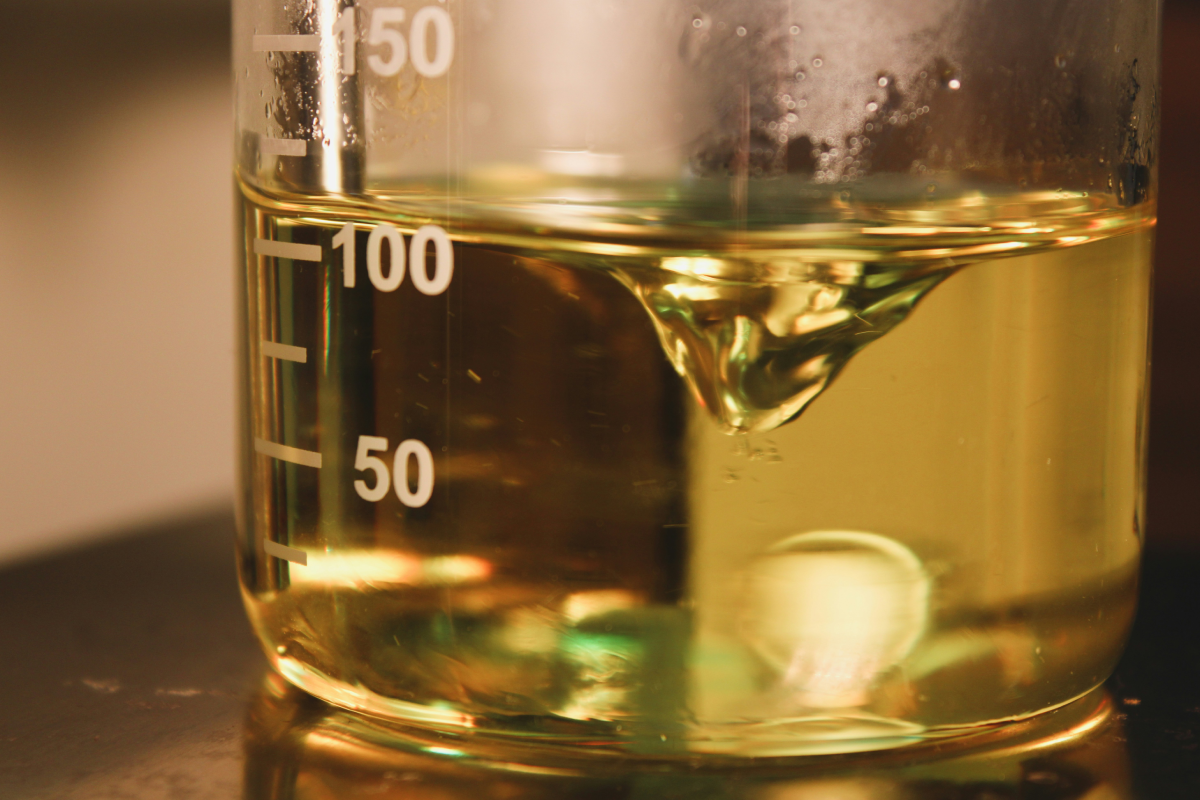
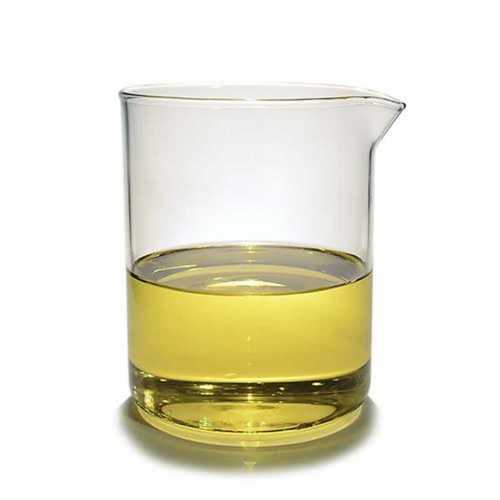
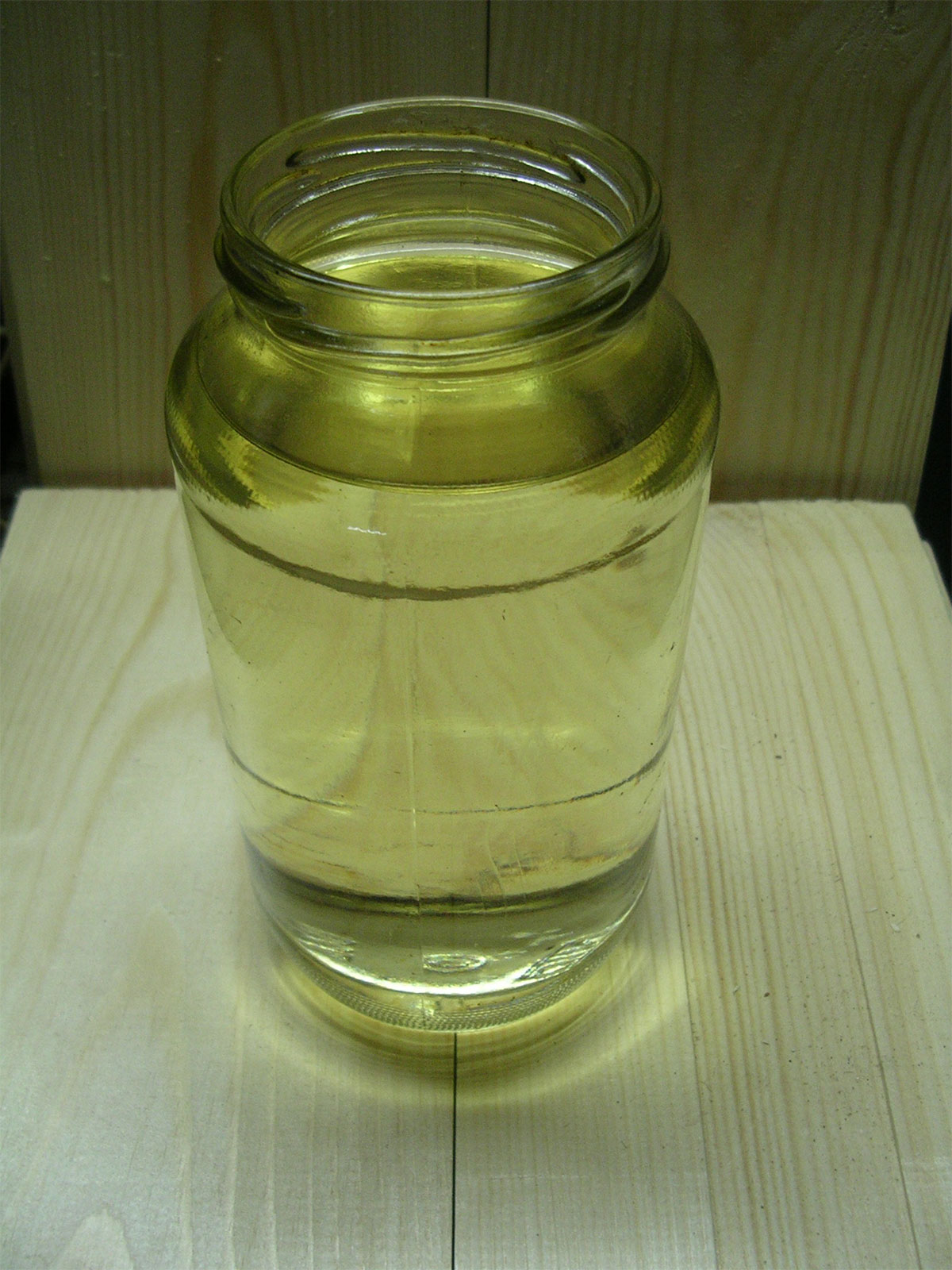
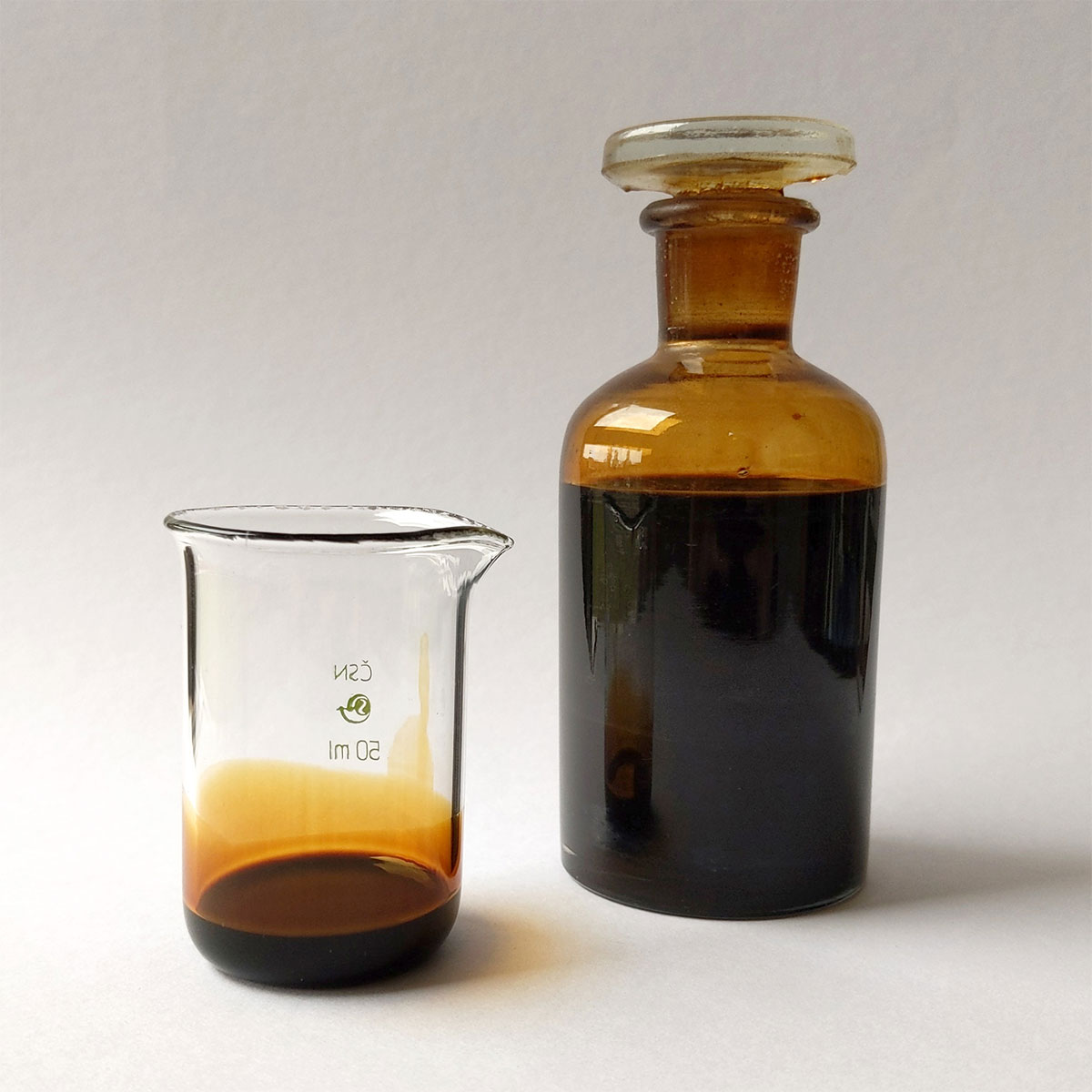
Many people ask what bad gas looks like because visual evidence is helpful. Fresh fuel is typically clear and uniform. Clues for what bad gasoline looks like include a darker color, cloudiness, or visible debris. Additionally, what bad fuel looks like may involve separation, especially if water is present and the sample has sat for a few minutes. While a visual check is useful, it is not perfect since some contamination is invisible. Therefore, combining symptoms, timing, and inspection offers greater confidence.
How Long Does It Take Gas To Go Bad?
The time it takes for gas to go bad, or degrade, how long does it take gas to go bad, depends on heat, air exposure, and ethanol content. Fuel in a sealed system lasts longer. Hot climates accelerate evaporation and oxidation. Additives can slow degradation, but they cannot fix badly degraded fuel.
| Storage situation | Typical time range | What you might notice |
|---|---|---|
| Car used often with regular refills | about one to three months | Fewer issues unless contamination occurs |
| Car parked for long storage | about one to two months | old gas symptoms during start and idle |
| Fuel stored in a loose container | a few weeks | Odor change and harder starts |
| Hot humid conditions | shorter than cool storage | Higher water absorption risk |
If symptoms appear after storage, use inspection steps and consider draining if the fuel sample looks clearly contaminated.
What Are The Symptoms Of Water In Your Gas Tank?
Water contamination in fuel can cause sudden stalling and rough engine running because it disrupts combustion. This water enters the tank through condensation, especially when the tank is partially filled, or from issues at a fuel station. When people ask what messes up a gas tank, water is a key concern because it quickly alters the combustion process. The resulting symptoms of bad gas may include hesitation, stumbling, or stalling shortly after a refill. Severe contamination can lead to repeated stalling at idle or difficulty starting the engine.
How Do You Treat Bad Gas In A Car?
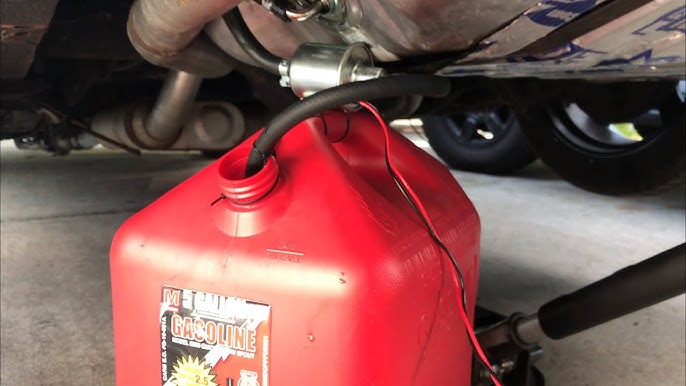
Choosing how to treat bad gas in a car depends on the issue’s severity. Mild problems following a single refill often improve by diluting the contaminated fuel with fresh gas and adding a quality fuel dryer or cleaner. However, severe symptoms, such as a failure to start or any visible fuel contamination, usually necessitate draining the fuel tank for safety. Continuing to drive with bad gas in the car can, unfortunately, increase deposit buildup and perpetuate the engine problem.
Use these steps to treat bad gas in a car;
- Reduce load and avoid hard acceleration if symptoms are active.
- Top off with fresh fuel from a trusted station if the car still runs.
- Check the cap seal and replace the cap if needed, since do gas caps go bad and leaks can keep symptoms active.
- If the engine will not start or symptoms are severe, have the tank drained and the system inspected.
- Schedule a professional fuel system inspection to confirm the cause, clean injectors if needed, and prevent repeat issues while restoring engine performance.