Need Emergency Fuel Delivery?
  info@elanfuels.com
Key Takeaways
- Does a gasoline freeze occur in typical winter weather for most drivers
- The freezing point of gasoline varies because gasoline is a blended mixture
- Does fuel freeze problems often ice from water, not solid gasoline
- Keeping the tank fuller can reduce condensation and water buildup
- Cold start issues often come from the battery and oil, not frozen gasoline
Table of Contents
Can Gas Freeze In Cold Temperatures?
For normal winter driving, the question can gas freeze usually arises when a car fails to start or runs poorly after a very cold night. However, the gasoline itself is rarely a solid. Gasoline remains liquid at temperatures much lower than most regions experience in winter.
This common question exists for several reasons. A sudden winter start often leads people to blame the fuel first. Drivers may hear about frozen fuel lines and wrongly conclude that the gasoline itself froze. They also sometimes confuse gasoline behavior with diesel fuel behavior. Additionally, cold, thick engine oil and weak batteries can mimic fuel starvation issues. Most winter temperatures cause slow cranking, reduced battery power, and ice accumulation from moisture. While extreme temperatures can increase fuel thickening and vapor issues, solid gasoline is still uncommon for most drivers.
Can Gasoline Physically Freeze At Any Temperature?
Yes, gasoline can physically freeze, but this usually requires extremely cold temperatures. Gasoline is a blend of many hydrocarbons, not a single chemical. Because of this, it does not have one universal freezing point like pure water. It is important to distinguish between two concepts. Freezing means the fuel forms solids, stopping it from flowing normally. Thickening means the fuel stays liquid but flows more slowly.
When people ask when does gasoline freezes, they are often describing thick fuel, slow cranking, or a blocked filter. These symptoms are more likely caused by water ice or general cold start limitations. If you are asking what temperature does gasoline freeze, the realistic answer is that it varies by blend, and it is usually much colder than most winter days. Gasoline solidification is rare because the fuel in a tank changes temperature slowly, the running vehicle adds some heat, and winter problems are typically due to water contamination.
Car Won’t Start After A Freezing Night?
Most winter no-start moments are not solid gasoline. They are usually moisture turning to ice, or cold start issues like weak batteries and thick oil. Use this quick checklist to narrow the cause and choose safer next steps.
Is It Possible To Intentionally Freeze Gasoline?
Some people ask whether you can you freeze gasoline out of curiosity. Attempting this at home is neither practical nor safe. Household freezers are not built for flammable liquids and their associated fuel vapors. Moreover, they typically cannot reach the extremely low temperatures necessary to truly freeze most gasoline blends. Trying to freeze gasoline at home poses a serious fire risk and a significant risk of harmful vapour exposure, making it an unsafe experiment. In contrast, laboratories can cool fuels under strictly controlled, safe conditions.
What Happens If Gasoline Freezes Or Thickens?
Thickened gasoline moves slowly through the fuel system, causing hard starting, hesitation, and rough running until the engine warms up. If gasoline truly froze, the engine would not run because the fuel would not flow. However, most winter failures are actually caused by ice from water in the system. Water, which enters via condensation, a damaged cap, or contaminated fuel, freezes in small passages and blocks the fuel flow. If you are asking what happens if gasoline freezes, focus on these likely outcomes.
- The engine may crank but not start because fuel flow is restricted
- The engine may start, then stall as ice shifts and blocks the flow
- Power may drop under load if the filter is partially blocked
- Symptoms often improve after the vehicle warms in a safer location
Avoid unsafe warming methods, such as using open flames or improvised heaters near a fuel system. Gradual warming in a sheltered space is safer. If the issue repeats, seek a professional diagnosis.
What Is The Freezing Point Of Gasoline?
The freezing point of gasoline is the temperature at which portions of the fuel begin to solidify. Gasoline does not have one exact freezing point because it is a blend. These blends fluctuate based on the region, the season, and the specific refinery formulation. This inherent variability explains the different charts and conflicting answers.
A practical approach is to use a range instead of a single number. Most common discussions place the gasoline freezing point at very low temperatures, typically well below minus forty degrees Fahrenheit for the majority of blends. For the gasoline freezing point Fahrenheit reference, remember to think in broad ranges because it depends on the blend. Gasoline may also thicken before it completely freezes, which causes drivers to report sluggish fuel performance without a truly solid fuel tank.
Think Your Gas Line Froze?
Frozen gas lines usually mean water in the system froze and blocked fuel flow, not that the tank turned solid. Learn what to do safely, when warming is enough, and when it is time to call a professional instead of trying risky heat fixes.
What Is The Gasoline Freezing Temperature Range?
The gasoline freezing temperature is presented as a range rather than a single number due to variations in gasoline composition. Simplified references suggest the range is approximately minus forty degrees Fahrenheit to minus 76F. This variance depends on the blend and the definition of freezing. Factors that cause the range to shift include seasonal blending for cold start performance, regional supply differences, vapor pressure targets, and the proportion of components and additives. Therefore, different charts often describe different gasoline blends.
Can Gasoline Freeze In Car Inside A Vehicle Fuel Tank?
Drivers often wonder can gasoline can freeze in a car when facing winter starting problems. In most cases, the gasoline in the tank remains liquid. The large volume of fuel in the tank cools slowly, and the tank is less exposed than the fuel lines and filters.
The real issue is often water contamination. Water is heavier than gasoline, so it can settle in low points within the fuel system. When this water freezes, the resulting ice can block the pickup sock, the filter, or a narrow section of the fuel line. This blockage creates symptoms that resemble frozen fuel. Common signs include a long crank with no start after a cold soak, a quick start then stall, loss of power that improves as the vehicle warms, or a strained sound from the fuel pump. Moisture ice, and cold starting limits are more likely causes than the gasoline itself.
Why Gas Lines Are Affected By Freezing Temperatures
Fuel lines are smaller than the fuel tank and are more exposed to cold air. Consequently, even a small amount of ice can easily block a line or restrict a filter. This is why the phrase frozen gas line typically refers to a blockage caused by ice from water, not solidified gasoline. Moisture is the primary cause of this freezing. The water responsible for the ice can enter the fuel system in several ways. Condensation accumulating inside the fuel tank is a common source. Water may also be present within the fuel itself. Additionally, a damaged seal can allow humid air to enter the fuel system, introducing moisture. When the ambient temperatures drop significantly, this accumulated moisture freezes. The resulting ice forms a blockage within the narrow fuel lines or the filter, preventing or restricting the flow of fuel to the engine. This restriction is the operational issue commonly described as a frozen gas line. Understanding the source of the moisture is key to preventing this issue, especially in cold weather conditions.
Is It Possible For Gas Lines To Freeze?
Gas lines can freeze when water within the fuel system turns to ice. This condition is most likely to occur after a cold soak, which is when the vehicle has sat long enough for its temperature to match the outside air temperature.
Several points in the system are especially vulnerable to freezing. These include low spots where water naturally collects, the fuel filter where small passages can easily be blocked, connectors and fittings that tend to trap droplets, and any areas under the vehicle that are exposed to wind. If you are asking what temperature gas freezes, the more precise and often more relevant question is what temperature does fuel freeze when water is present. Water freezes at typical winter temperatures, allowing it to block a fuel line even though the gasoline itself remains in a liquid state.
What To Do If Your Gas Line Freezes?
Begin with safe steps that avoid direct heat on fuel parts. If possible, move the vehicle into a warmer, sheltered area to let the system warm gradually. Avoid long, repeated cranking; this action can quickly drain the battery. If the vehicle fails to start or stalls repeatedly, you should call a professional. A technician is equipped to check for water contamination, filter blockage, and fuel pressure issues. Do not use flames or improvised heating near fuel lines.
How To Stop Gas From Freezing In Cold Weather?
Prevention is mainly about moisture control and basic cold-weather readiness. These habits reduce the chance of ice blockage and improve starting.
- Keep the fuel cap sealed properly so humid air stays out
- Buy fuel from busy stations to reduce contamination risk
- Replace fuel filters on schedule so small ice crystals do not block the flow
- Do not store the vehicle for long periods with a nearly empty tank
- Keep the battery healthy because weak batteries mimic fuel problems
- Use the correct oil viscosity for your climate to improve cranking speed
These steps target the real causes behind most winter complaints. They also help whether you drive short trips or long trips in cold weather.
Should You Fill Up Your Gas Tank When It’s Cold?
Filling the tank reduces the air space. Less air space decreases condensation during temperature fluctuations, which minimises water accumulation over time. This practice also increases the thermal mass, causing the fuel temperature to change more slowly. Keeping the tank full is a simple habit that supports effective moisture control.
What Is The Difference Between Gasoline Gelling And Freezing?
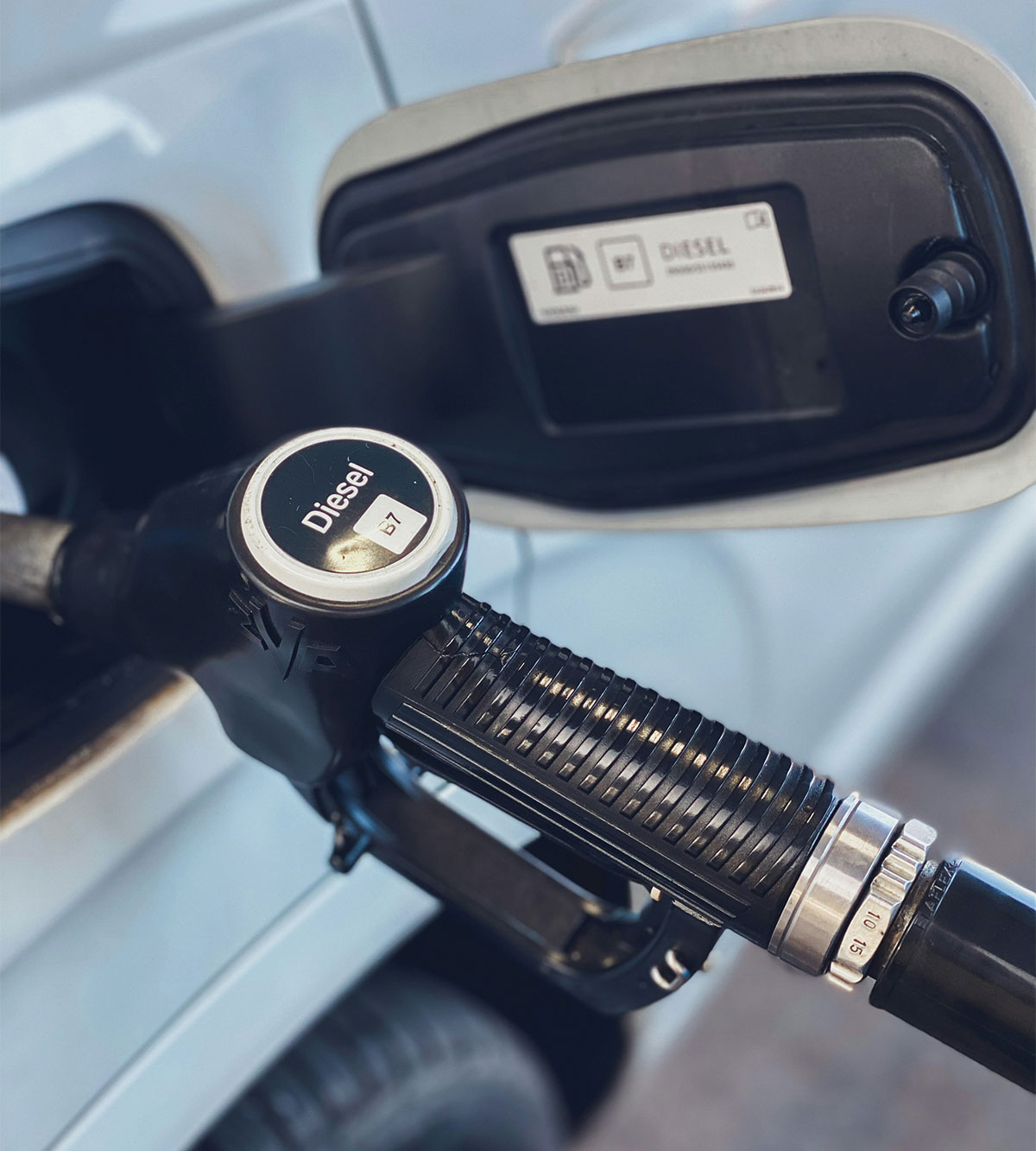
Gelling is a term often used to describe fuel that becomes waxy and subsequently blocks filters. This issue is far more common with diesel fuel. Gasoline typically does not gel in the same way under common winter conditions.
People frequently ask, can gasoline gel, or discuss a gasoline gel point. However, in most actual winter scenarios, problems are caused by fuel thickening or ice formation from water contamination. While gasoline can thicken slightly in extremely cold temperatures, true gelling like that seen with diesel is rare. It is helpful to clarify the terms. Gasoline freezing involves solid formation at very low temperatures. Gasoline thickening means slower flow in extreme cold. In contrast, diesel gelling is the formation of wax crystals that often block fuel filters in cold weather. Therefore, if a gasoline vehicle struggles during winter, maintenance checks should focus on moisture, battery condition, and general upkeep first, rather than immediately assuming the fuel has gelled.
Want To Prevent Fuel Problems In Cold Weather?
Most prevention comes down to moisture control and basic winter readiness. Get a simple routine for sealing the fuel cap, keeping the tank fuller, maintaining filters, and avoiding repeat freeze-ups caused by ice in lines.
What Is The Gasoline Freezing Point In Celsius?
For international readers, the gasoline freezing point Celsius values are typically discussed as a range. A simplified freezing range is often cited from about minus forty degrees Celsius to about – 60 degrees Celsius. This range depends on the specific blend and the definition being used. It is important to understand that there is no single universal freezing point for gasoline due to blend variability. Furthermore, moisture can form ice at much warmer temperatures than gasoline’s actual freezing point. When comparing charts, always check if they describe a true freezing point, a thickening behavior, or a different low-temperature property.
How Cold Is Too Cold For A Gas Car To Operate?
Most gasoline cars stop before the fuel freezes. Cold reduces battery power, thickens oil, stiffens rubber, and creates ice, preventing the engine from starting.
Here is a simple guide to what drivers often experience
| Outside temperature range | Common symptoms | Most common cause |
|---|---|---|
| Near freezing | Slower start, rough idle | Weak battery, moisture, worn ignition parts |
| Below freezing | Hard start, stalling, low power | Ice from water, thick oil, clogged filter |
| Very cold | No start, repeated failed cranks | The battery cannot supply enough current |
| Extreme cold | Multiple systems struggle | Ice blockage, sensor limits, stiff components |
When considering gas freezes at what temperature versus a car not starting, note that most winter failures occur because the vehicle cannot crank, or ice blocks fuel flow, not because the gasoline is solid.