Need Emergency Fuel Delivery?
  info@elanfuels.com
Key Takeaways
- Chemical Composition: In terms of chemical composition, renewable diesel is the same as petroleum diesel, while biodiesel is a fatty acid methyl ester (FAME).
- Production Process: The processes used to produce both fuels are different; for renewable diesel it is hydrotreatment and for biodiesel it is called transesterification.
- Compatibility: Renewable diesel and diesel can be used interchangeably because they have the same chemical composition. However, for biodiesel to be used in diesel engines, it often requires blending.
- Performance Metrics: In terms of emissions and fuel efficiency, renewable diesel is usually better than biodiesel.
Table of Contents
Renewable Diesel Vs Biodiesel
Renewable diesel and biodiesel are two fuels gotten from renewable sources, but they are obtained through different processes. The primary source of renewable diesel extraction is hydro heated animal fats and vegetable oil. In terms of chemical composition, renewable diesel is entirely similar to petroleum fuel. In contrast, biodiesel is produced from a process called transesterification. Biodiesel is obtained from oilseeds, animal fats, or recycled cooking oils, it is chemically different from petroleum diesel. Below are some key factors that provide critical information on how these fuel types function;
- Emissions: Both fuels are considered cleaner than fossil fuel as they both emit less greenhouse gases. However, due to its feedstock and the process involved in its extraction, renewable diesel has less emission than biodiesel.
- Feedstock Sources: Renewable diesel typically utilizes higher-quality feedstocks, contributing to its efficiency and performance. Common feedstocks include canola oil, soybean oil, and animal fats.
- Chemical Differences: Renewable diesel has a molecular structure that makes it combust better and release more energy than biodiesel. With its fatty acid structure, biodiesel can have more emissions and even potential engine damage depending on the circumstances.
With us at Elan Fuels, you discover which fuel types will meet your fleet needs, permit you cut costs and go green. We’ll guide you through the different biofuels to ease your decision making.
What Is The Difference Between Renewable Diesel And Biodiesel?
Renewable diesel and biodiesel are primarily differentiated by their chemical composition and their production processes. Renewable diesel, like petroleum diesel, is a hydrocarbon, hence it can be used in diesel engines without needing any modifications. However, biodiesel is a mix of fatty acid esters. And so in order to use biodiesel in diesel engines, it requires blending with petroleum diesel. esters that requires blending with petroleum diesel.
- Drop-In Fuel – Renewable diesel can be used interchangeably with diesel in diesel engines, hence it is referred to as a drop-in fuel. For biodiesel to work in diesel engines, it needs to be blended with petroleum diesel. This difference impacts the use of these two fuels in fleets.
- Engine Compatibility – Renewable diesel is compatible with every existing diesel engine. Making it more attractive for fleet operators. Whereas biodiesel has to be blended with petroleum diesel and its compatibility with diesel engines even when blended will still vary depending on the engine. Higher biodiesel blends such as B20 and above can cause issues in solder engines making maintenance more difficult.
Not Sure Which Fuel Is Best for Your Fleet?
Choosing between biodiesel and renewable diesel isn’t just about emissions—it’s about performance, cost, and compliance. Our fleet fuel consultation will help you make a confident, data-backed decision.
How Does Renewable Diesel Production Differ From Biodiesel?
These fuels have different production processes. These processes are very significant for their sustainability and scalability
- Biodiesel Production: The process used in producing biodiesel is transesterification, a chemical reaction that converts oils and fats into fatty acid methyl esters (FAME) and glycerin. This process involves the reaction of triglycerides with an alcohol, usually methanol or ethanol, using a facilitating compound called a catalyst. This method is reliable for the production of biodiesel but it can be limited by the availability and quality of feedstock leading to variations in fuel performance
- Renewable Diesel Production: Hydrotreatment is the process used in producing renewable biodiesel. It is carried out by hydrogenating vegetable oils and fats from animals, redmoving oxygen from the feedstock to produce a fuel that is more stable and has a higher energy density. Through hydrotreatment, the fuel produced is very similar in chemical composition to petroleum diesel making it vhighly combustible and limiting emissions.
Renewable diesel and biodiesel are primarily differentiated by their chemical composition and their production processes. Renewable diesel, like petroleum diesel, is a hydrocarbon, hence it can be used in diesel engines without needing any modifications. However, biodiesel is a mix of fatty acid esters. And so in order to use biodiesel in diesel engines, it requires blending with petroleum diesel. esters that requires blending with petroleum diesel
- Drop-In Fuel – Renewable diesel can be used interchangeably with diesel in diesel engines, hence it is referred to as a drop-in fuel. For biodiesel to work in diesel engines, it needs to be blended with petroleum diesel. This difference impacts the use of these two fuels in fleets.
- Engine Compatibility – Renewable diesel is compatible with every existing diesel engine. Making it more attractive for fleet operators. Whereas biodiesel has to be blended with petroleum diesel and its compatibility with diesel engines even when blended will still vary depending on the engine. Higher biodiesel blends such as B20 and above can cause issues in solder engines making maintenance more difficult.
Is Renewable Diesel Better Than Biodiesel?
In evaluating which is better between the two fuels, the following metrics are important to consider:
- Performance Metrics: According to a comparative study on the engine performance and exhaust emissions of biodiesel from various vegetable oils and animal fat, biodiesel can deliver between 3-10% less fuel economy than renewable diesel, depicting weaker performance and lower energy output.
- Carbon Intensity: The carbon lifecycle intensity of biodiesel is often higher than renewable diesel. Due to renewable diesel’s production process, aand the quality of feedstock used, it is a more sensible option for fleet operators whose aim is to reduce their carbon emissions.
- Engine Wear: In terms of engine maintenance from wear, renewable diesel is a better option for fleet operators who want to keep costs low as it is a drop -in fuel for diesel and as such it will be more compatible with most diesel engines than biodiesel will.
Curious If You Can Switch to Renewable Diesel Seamlessly?
As a true drop-in fuel, renewable diesel fits most diesel engines—no blending or retrofitting required. Learn how to transition without downtime or costly modifications.
Which Is The Cleaner Choice, Biodiesel Or Renewable?
When comparing the cleanliness of biodiesel versus renewable diesel, various factors come into play:
- Lifecycle Emissions: Due to its lower lifecycle emission profile, renewable diesel is more appealing as a clean fuel option. According to several studies, renewable diesel can emit 80% less greenhouse gases than petroleum diesel, while biodiesel only emits 78.45% less.
- Particulate Output: In cities where air quality is a growing concern, biodiesel(especially blends like B20) is a more preferred option as it produces fewer particulates during combustion than renewable diesel.
- Overall Environmental Impact: The production of renewable and feedstock sourcing can deliver a more favourable environmental output. For instance, using waste feedstocks minimizes the need for agricultural land, reducing the risk of deforestation and habitat loss.
Can You Mix Biodiesel And Renewable Diesel?
It is possible to mix renewable diesel and biodiesel, but considerations around how compatible they are and their performance must be taken into account.
- Blending Ratios: In the fuel industry, blending is allowed depending on the careful monitoring of sp cities ratios to avoid engine issues resulting from blending. Mostly, fleets prefer to use the B5 made of 5% biodiesel and 95 petroleum diesel/renewable diesel, but higher blends with different ratios are possible and may pose for challenges.
- Regulatory Standards: The regulations in place may decide which blending ratios and blending practices are permitted. If you intend to blend, make sure to consult local guidelines to understand the risk and ensure compliance.
While mixing is allowed and can have some benefits, fleet owners and operators must be aware of the potential risk involved in blending. This includes potential damage on engine performance as some older engines are not optimized for blended fuels.
Want Lower Emissions and Better Efficiency?
Compared to biodiesel, renewable diesel burns cleaner and lasts longer—especially in cold weather and long-haul operations. See how it performs in real-world fleet case studies.
How Does Renewable Diesel Compare To Biodiesel In Terms Of Efficiency?
For fleet owners and operators, efficiency is very important.
- Combustion Efficiency: In terms of combustion, renewable diesel demonstrates higher combustion efficiency, leading to better fuel economy. In heavy duty applications where fuel is a major cost factor, the combustion efficiency of renewable diesel provides a greater advantage.
- Energy Density: Renewable has a higher energy density, leading to less renewable diesel being needed to achieve the same work as biodiesel would. Due to this, renewable diesel has lower refuelling frequency and is more efficient for operation.
- Fleet Experiences: In the real world, fleets that have switched to renewable diesel have reported better mileage, fewer maintenance issues, lower spending on fuel and overall better operational efficiency than they witnessed with biodiesel.
How Are Renewable Diesel And Biodiesel Produced?
To evaluate the sustainability and scalability of both fuels it is important to understand how they are produced. These are the factors;
- Feedstocks:The two fuels are produced from feedstock such as animal fats, vegetable oils, used cooking oil and other waste products. The key difference is that the process of hydrotreatment used in producing renewable biodiesel is more sophisticated and permits the usage of a wider range of feedstock, including those that could be considered waste. This is a serious advantage for renewable diesel in sustainable fuel production.
- Global Production: The production of renewable diesel and biodiesel are expanding as they provide greater sustainability and flexibility. In some states, where cleaner fuels are being promoted, implementing favourable policies leading to increased investment in their production.
Both fuels are generally experiencing more market growth, while biodiesel has a greater market share, renewable diesel is witnessing faster growth, especially in the US due to its greater sustainability and efficiency.
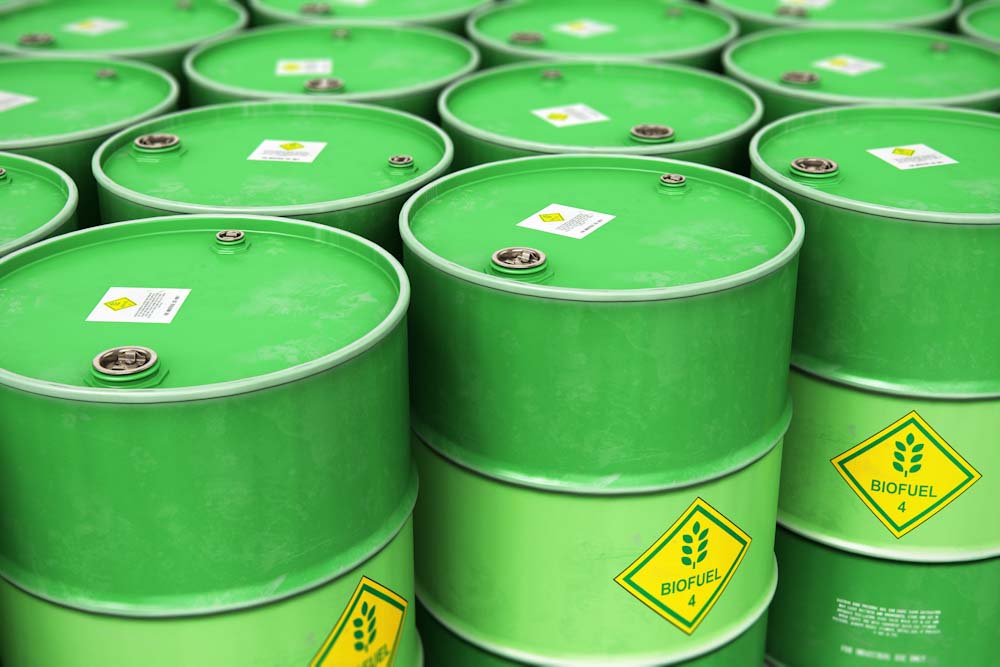
Green Diesel VS Biodiesel Key Distinction
“Green diesel” and renewable diesel are often used as synonyms to each other. However, the term “green diesel” may also refer to a wider range of sustainable fuels. To communicate accurately with industry professions, it is important to understand the nuances in naming convention and regulations in different regions.
So even though the names green diesel and renewable diesels are used to refer to each other, it is important to note that renewable diesel is only produced through hydrotreatment whereas other sustainable fuels are produced through other processes and using different feedstock. And green diesel is used to refer to all these other sustainable fuels.
Renewable Diesel, Biodiesel And SAF Key Differences
SAF refers to Sustainable Aviation Fuel. As its name indicates, it is mostly used in aviation. It is another kind of sustainable fuel that overlaps with renewable diesel and biodiesel in terms of production process and the use of feedstock in its production. However, they all differ in application and are used to achieve different goals.
The production of SAF uses similar feedstock like the production of renewable diesel. SAF is very important in aviation’s drive to reduce emission and adhere to international climate change goals.
Biofuel VS Renewable Fuel – Are They The Same?
Biofuel and renewable fuel are usually used to refer to the same things, however they have different meanings and different contexts.
- Biofuel: Biofuels as their names India are are fuels obtained from biological materials such as plants and animal waste products.
- Renewable Fuel: Renewable fuels refer to any fuel produced using resources that can be replenished . They include biofuels and synthetic fuel.
Biodiesel and renewable diesel are both biofuels and renewable fuels.
For the sake of compliance, you have to understand the differences in how these terms are used in different regions and markets. The names are usually tied to the way the laws regard each fuel type.
HVO VS Biodiesel Performance Comparison In Diesel Engines
HVO refers to Hydrotreated Vegetable Oil. It is a type of renewable diesel that is becoming increasingly popular, especially in Europe. It offers similar benefits to renewable diesel but can have differences in performance and in regulation.
HVO provides some advantages over biodiesel as it is very compatible with petroleum diesel engines and performs better in cold weather
When comparing the cleanliness of biodiesel versus renewable diesel, various factors come into play:
- Lifecycle Emissions: Due to its lower lifecycle emission profile, renewable diesel is more appealing as a clean fuel option. According to several studies, renewable diesel can emit 80% less greenhouse gases than petroleum diesel, while biodiesel only emits 78.45% less.
- Particulate Output: In cities where air quality is a growing concern, biodiesel(especially blends like B20) is a more preferred option as it produces fewer particulates during combustion than renewable diesel.
Overall Environmental Impact: The production of renewable and feedstock sourcing can deliver a more favourable environmental output. For instance, using waste feedstocks minimizes the need for agricultural land, reducing the risk of deforestation and habitat loss.
Why Did Biodiesel Fail In Some Applications?
Biodiesel has faced some challenges in the past. These are some of them:
- Cold Weather Gelling: In extremely cold weather conditions, biodiesel is known to gel. This can lead to engine issues and so is a serious problem to fleets that operate in places with severe winter.
- Engine Compatibility: Many older engines, especially those made before the 200s are not compatible with biodiesel leading to operational challenges and increased maintenance costs.
- Quality Standards: Sometimes biodiesel quality varies. This inconsistency leads to drop in performances creating a lack of trust among fleet operators.
Even though biodiesel has faced these challenges, there have been improvements in response to these challenges that have made biodiesel more reliable than in the past Improvements in product and stricter quality control standards have been implemented to make biodiesel more reliable.
What Are The Problems With Renewable Diesel?
Even with all its advantages, renewable diesel has faced challenges too:
- Scalability: The production of renewable diesel is currently limited by feedstock availability. As demand grows, securing sufficient high-quality feedstocks will be crucial.
- Economic Constraints: Producing renewable diesel costs significantly higher than producing biodiesel . This slows down its adoption as potential producers must weigh the costs against the benefits of reduced emissions and improved performance.
- Infrastructure Integration: The existing infrastructure doesn’t support the production of renewable diesel and adapting existing infrastructure to accommodate its production can be complex, requiring large investments in storage and distribution systems.
With technological advancement and increasing investment in infrastructure for the production of renewable diesel, the existing processes are going to become more efficient and scalable.
Renewable Biodiesel VS Diesel Comparison In Real-World Use
In the comparison of these renewable fuels to petroleum diesel, key metrics to be considered include:
- Engine Performance: Renewable diesel and biodiesel deliver performances that are comparable to traditional diesel. Renewable diesel is considered more performant due to fewer emissions and better fuel efficiency.
- Commercial Case Studies: In real life case studies, fleets using renewable diesel report better fuel efficiency, lower emission and lower maintenance costs than those using biodiesel and traditional diesel. However, given that traditional diesel and biodiesel are more widely produced, they’re more accessible and can be cheaper to buy than renewable diesel.