Need Emergency Fuel Delivery?
  info@elanfuels.com
Key Takeaways
- Diesel often provides the most fuel efficient generator performance for heavy use and large loads.
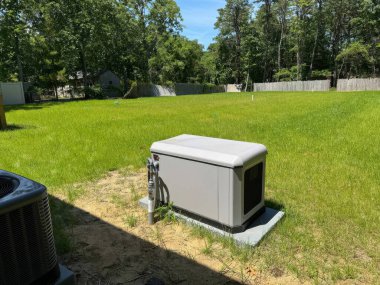
- Natural gas and propane give very clean generator fuel with easy long term supply for home standby units.
- Gasoline is the most common fuel for generator use in small portable units but is less efficient for long runtimes.
- Local prices, access to fuel, climate and maintenance needs all affect what is the most efficient fuel for a generator in practice.
- A generator specialist can help compare electricity generation efficiency by fuel type for your real world usage pattern.
Table of Contents
What Is The Most Efficient Fuel For A Generator?
When we ask what is the most efficient fuel for a generator, we’re really asking which fuel provides the best electrical output for the cost, considering energy content and engine performance. Efficiency involves the fuel’s energy density, the engine design, and how consistently the generator operates near its optimal load.
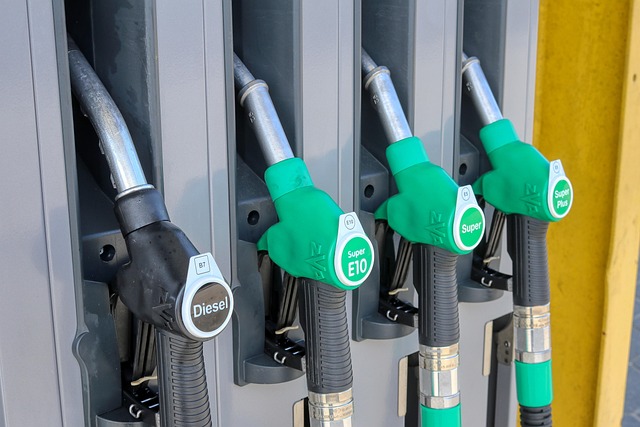
Diesel fuel for generators is often a top contender due to its high energy density and suitability for sustained operation, yielding excellent fuel economy per kilowatt-hour. Natural gas is a viable, cost-effective alternative if local prices are low, though it has slightly less energy. While propane stores well, it’s typically less efficient than diesel. Gasoline, while convenient, is usually the least efficient for long-term use. The definitive answer depends heavily on your local fuel prices and operating needs.
What Is The Best Fuel For Generators?
Many generator owners seek guidance on the optimal fuel for various applications. Below is a comparison of the main fuel types, outlining their advantages and typical uses.
| Fuel Type | Key Characteristics | Best Suited For |
|---|---|---|
| Diesel | High torque and excellent fuel efficiency. | Large standby and commercial units requiring frequent operation. |
| Natural Gas | Clean-burning with low emissions and quiet operation. | Connected home standby systems. |
| Propane | Long shelf life and clean-burning. | Rural areas and reliable standby models. |
| Gasoline | Easiest to access during emergencies; small, portable units. | Light backup needs and short-duration use. |
Not Sure Which Fuel Makes Your Generator Most Efficient?
Choosing between diesel, natural gas, propane and gasoline is not just about price per litre. It is about runtime, load, local availability and how often you actually use your generator for backup power. Let us walk you through the trade offs so you can match the right fuel to your home or business needs.
How To Choose The Right Fuel For A Generator?
Choosing the right generator fuel type for your needs can be accomplished by following these simple steps:
- Identify Your Generator Type: Determine if you have a portable unit, a standby unit, or a dual fuel whole house generator.
- Assess Local Fuel Availability: Investigate nearby fuel sources, such as diesel stations, propane bottle suppliers, and municipal gas lines to determine where you can get natural gas to run your generator.
- Factor in Climate and Storage: In extremely cold climates, diesel or natural gas might be preferred over gasoline. Ensure propane tanks are correctly sized for winter conditions.
- Establish a Budget: Calculate the total cost over several years, including the price of fuel, maintenance visits, and generator refueling expenses.
- Evaluate Run Time Requirements: For long and frequent usage, the higher upfront cost of the most fuel-efficient generator may be justified by lower long-term operating costs.
If you are uncertain what is the most efficient fuel for a generator in your specific situation, contact a generator specialist. They can provide personalized recommendations after reviewing your power load, usage schedule, and local fuel prices.
What Is The Safest Fuel For A Generator?
When considering safety, remember that diesel is less volatile than gasoline, making it safer for large storage volumes. Propane and natural gas need proper ventilation and leak checks, as they can accumulate indoors. Gasoline poses the highest vapor risk. For safe generator fueling, always operate outdoors and shut the unit down before refilling. Store fuel away from living spaces in approved containers, check hoses and valves, and never run any generator inside.
What Do Generators Run On?
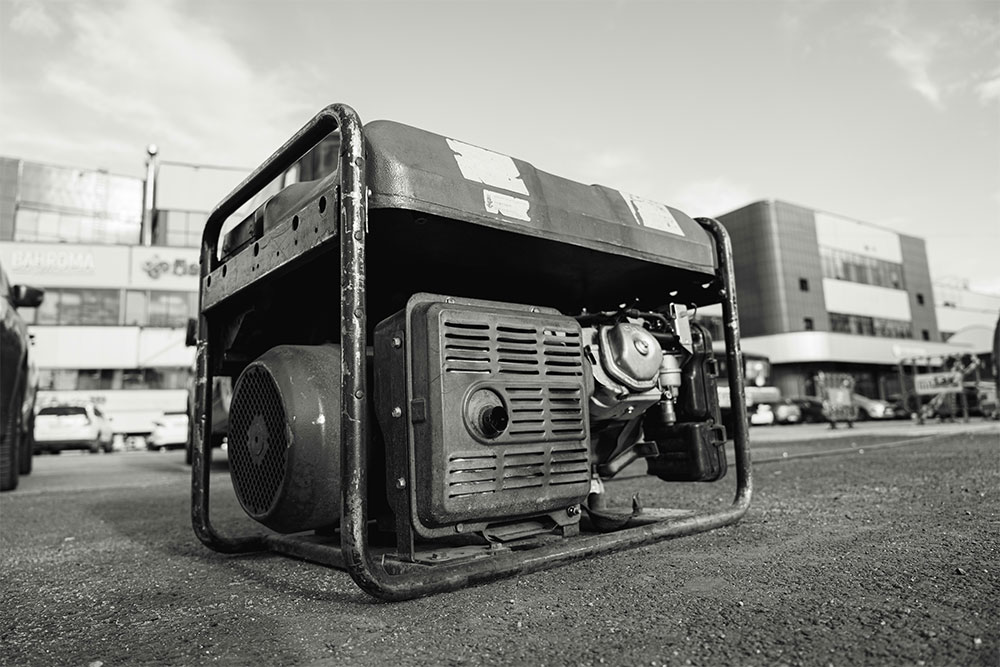
People often ask what do generators run on and what fuel does a generator use for home or industrial power. Generally, small portable units use gasoline or propane, whereas larger standby models rely on diesel or natural gas. This fuel powers an internal combustion engine, which turns a rotor to create electricity. Standby systems are typically connected to a fixed supply, like natural gas, influencing the Generac generator fuel type. Portable units might be a simple generator with gas or a dual-fuel option. Interestingly, not all designs use fossil fuels; newer models are incorporating batteries or solar power.
Want To Cut Your Generator’s Long Term Running Costs?
The article shows that diesel, natural gas and propane each behave differently once you factor in energy content, maintenance and how many hours you run per year. Instead of guessing, you can turn those ideas into real numbers by estimating cost per hour and cost per kilowatt hour for your own setup. We will help you model the savings before you commit.
How Diesel Fuel Powers Generators
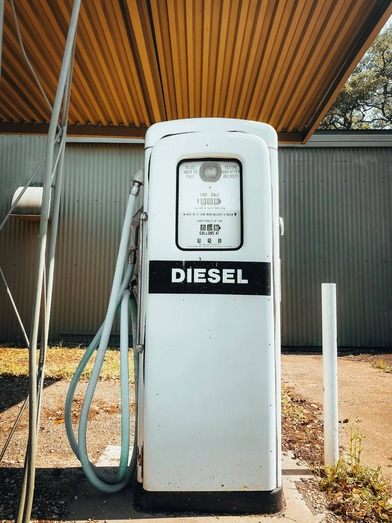
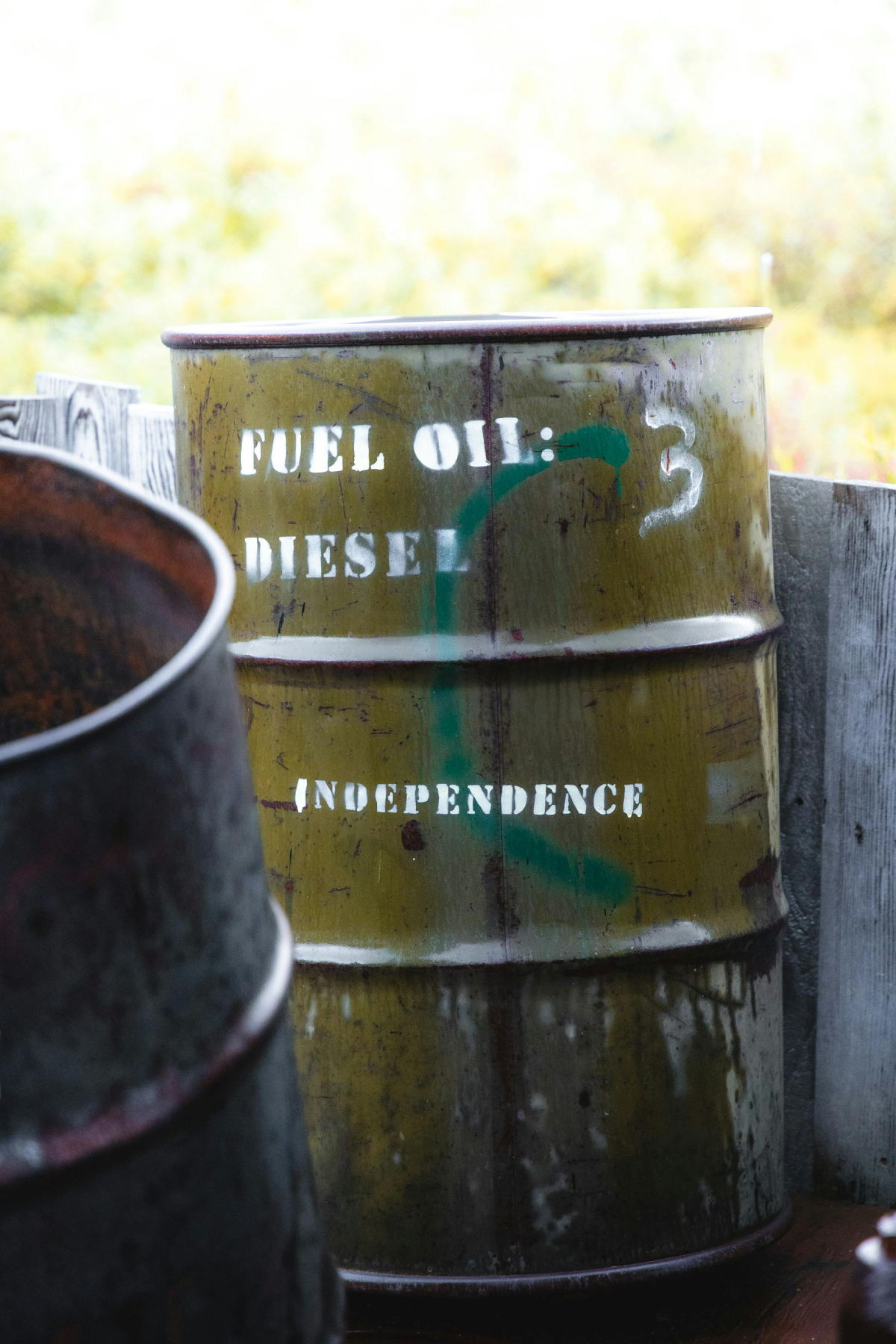
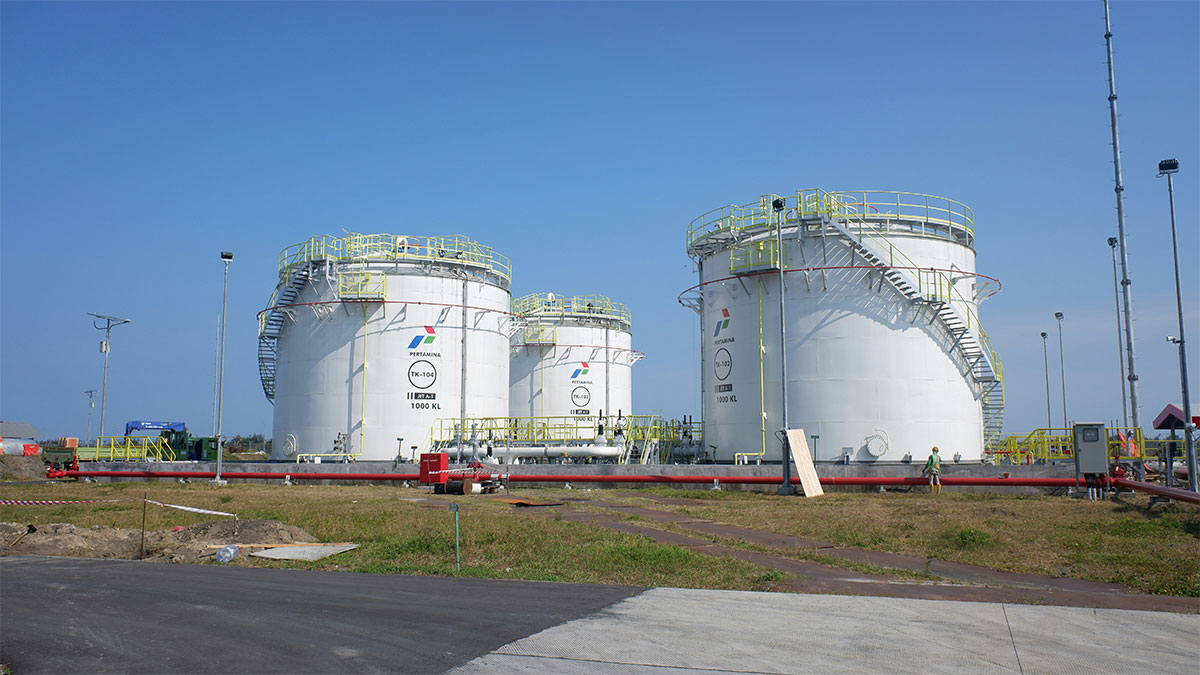
Let’s talk about the efficiency of diesel power. Diesel engines use compression to heat air, which then ignites the injected diesel fuel for generators. This makes them very efficient, especially under heavy load, providing the strong torque needed to start motors and power industrial equipment. For businesses, choosing diesel as a fuel for generator offers long life and great value, particularly in remote areas. Large tanks and careful generator refueling planning ensure low downtime. Plus, the most fuel efficient generator sets for commercial use are often diesel units optimally sized for extended operation.
How Natural Gas Powers Generators?
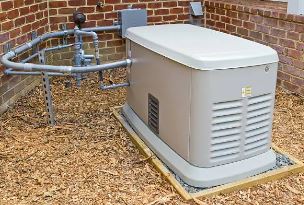
Natural gas generators operate like gasoline engines, using spark ignition. A key advantage is the piped fuel supply, which eliminates the need for portable generator fueling or storage. This constant connection helps answer what does Generac run on, since many home standby systems rely on natural gas. Plus, it burns cleaner than diesel, lowering emissions. So, is it cheaper to run a generator on natural gas or gasoline? In areas with inexpensive gas, the running costs are often lower.
If you’re wondering where do i get natural gas to run my generator, the most common method is connecting to your municipal gas main. You’ll need a licensed installer to properly size the line, ensuring enough electric generator gas reaches the unit even with other appliances running. This reliable generator fuel option is great, but remember to check local rules for permits and inspections first. In areas without natural gas access, or for a simpler setup, a large storage tank filled by a gas supplier might be possible, or you may need to consider propane or diesel.
How Propane Fuel Works In Generators?
Propane makes an excellent generator fuel because it’s stored as a liquid in a tank and then vaporizes right before powering the engine. This process results in a very clean burn, leaving minimal carbon deposits in the engine and exhaust. Consequently, this reduced buildup can help extend service intervals, saving you maintenance time and cost. A major advantage of propane is its incredible shelf life; as long as the tank is properly maintained, the fuel remains usable for many years. This long-term stability is why it’s a standard choice in the best standby propane generator models. Furthermore, propane is perfect for a generator that doesn’t use fuel in the traditional sense, as it relies on a large, stored supply rather than frequent liquid refills at gas stations.
How Gasoline Fuel Powers Generators?
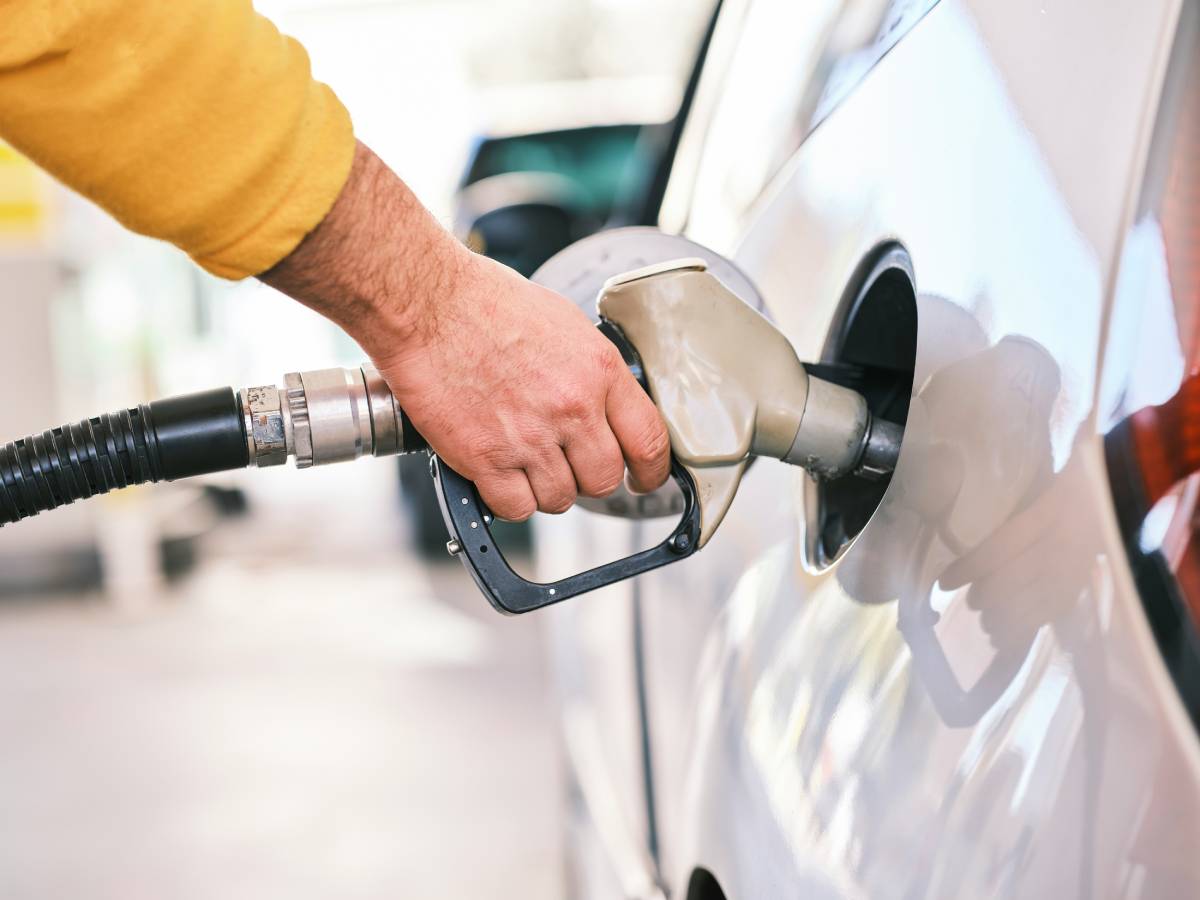
Many people wonder, do generators run on gas? The simple answer is yes, particularly the smaller portable models that use gasoline engines equipped with spark plugs. This clarifies what kind of gas do you put in a generator; in most cases, regular pump gasoline, adhering to the manual’s octane guidelines, is what owners use. These gasoline backup generator solutions are popular because petrol is so readily available. When people ask what kind of gas does a generator use or what type of gas does a generator use, the best advice is to follow the manual, use stable fuel additives, and avoid stale fuel for reliable operation.
Planning A New Standby Or Portable Generator Setup?
Fuel choice affects everything from safety and storage to runtime and resilience in an outage. Whether you are considering a diesel standby unit, a natural gas whole house system, or a dual fuel portable that can switch to propane, you need a simple checklist for climate, tank size, permits and refuelling. Use our planner to design a fuel strategy that actually works when the lights go out.
Is It Cheaper To Run A Generator On Natural Gas Or Gasoline?
To compare costs you look at fuel price per unit and how much energy you get from each. The table below gives a simple view for typical small units. Values are examples only.
| Fuel type | Typical relative fuel cost per hour | Notes on use |
|---|---|---|
| Natural gas | Low | Connected supply, no refilling, good for long runtimes |
| Gasoline | Medium to high | Portable, best for short use and emergencies |
A common question is is it cheaper to run a generator on natural gas or gasoline? In many areas, for extended operation, natural gas is more economical than gas for generator purchased from a fuel pump. Gasoline is better suited for owners needing only limited hours of power.
Do Generators Run Longer On Gas Or Propane?
Runtime is a key consideration, influenced by tank size and engine efficiency. While propane might offer slightly less energy per unit than gasoline, the accessibility of large external propane tanks often allows for many hours of continuous use, leading some owners to feel their generators run longer. For portable units with smaller built-in tanks, gasoline usually provides longer runtime because the tank design is optimized for this denser fuel. When considering what gas do generators use, dual-fuel owners should consult their manual’s runtime charts. Finally, for long-term storage, propane is the better type of gas for generator use, as it won’t degrade like stale gasoline, which is crucial if you only need the generator occasionally.
What Is The Cheapest Way To Run A Generator?
Considering what type of fuel do generators use and how you run them is essential for effectively saving money on operation costs.
- Choosing the right size so the unit runs at a healthy load instead of idling.
- Performing regular oil changes and filter replacements to improve efficiency.
- Using extension cords or transfer switches to power only essential loads.
- Planning generator refueling to avoid frequent short top ups.
- Comparing electricity generation efficiency by fuel type when buying a new set.
Thinking long-term, the most fuel efficient generator often saves money, even with a higher initial cost. Everyone wants to know the best fuel for portable generator options.
Generator That Does Not Use Fuel
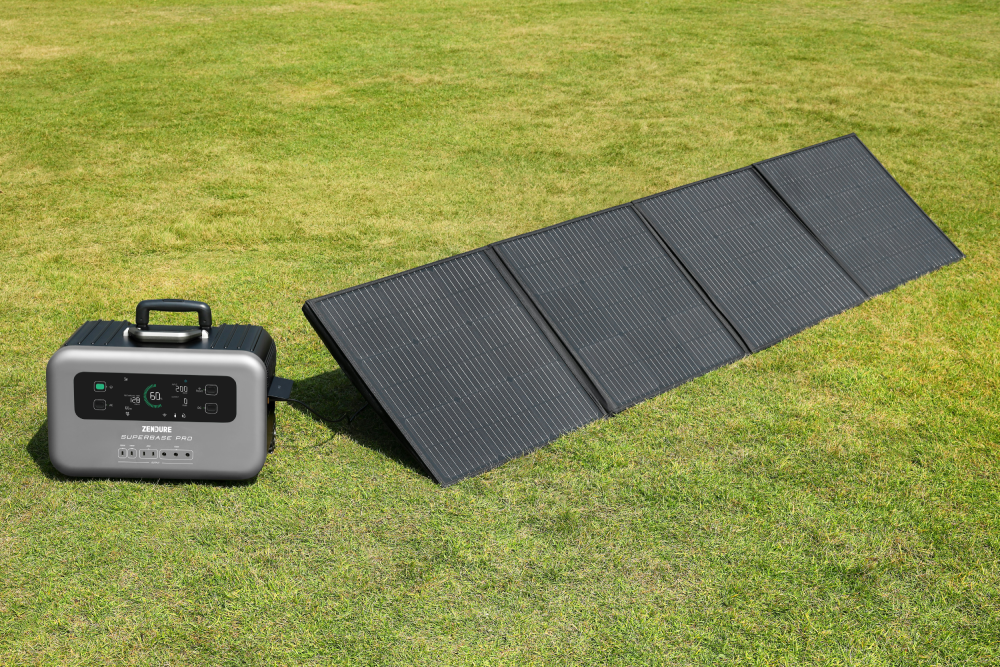
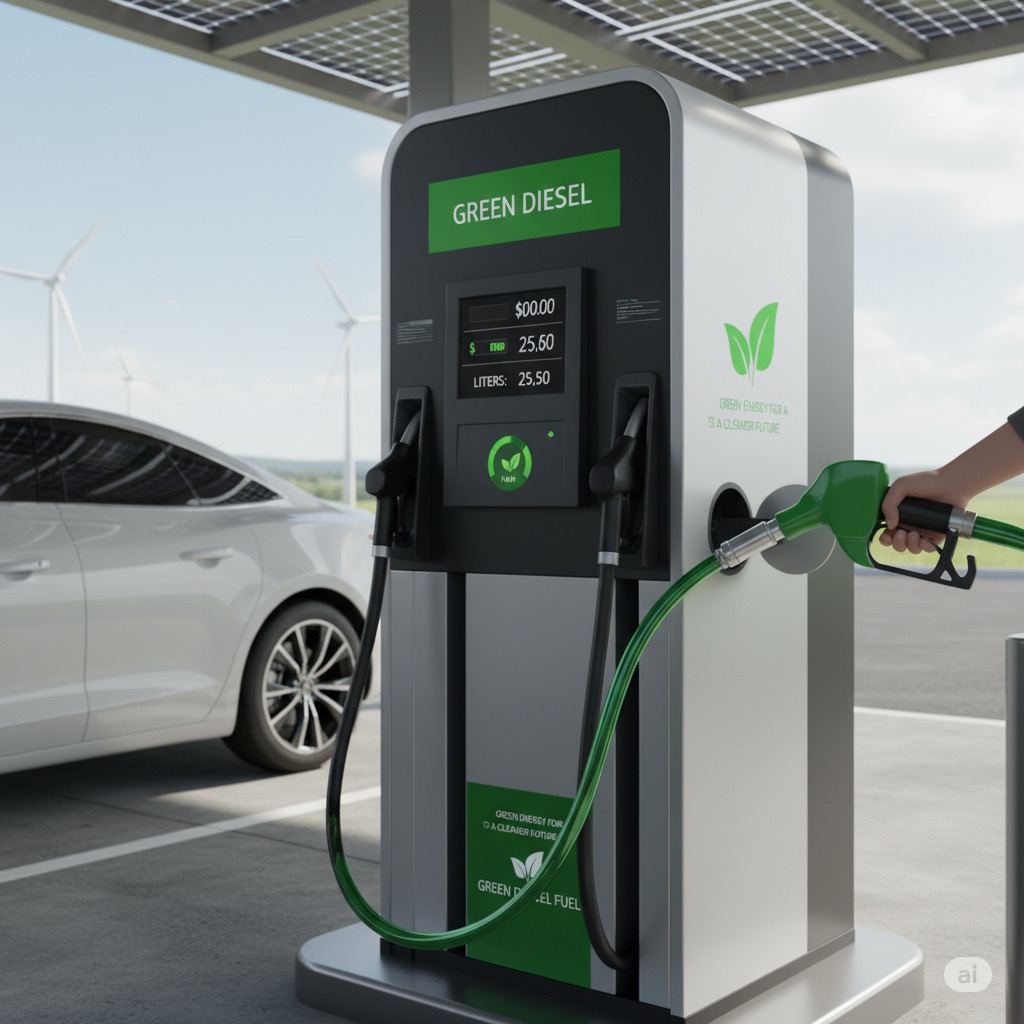
When people seek a generator that doesn’t use fuel for cleaner, quieter power, they are usually looking for solar generators or battery power stations. These charge via solar or the grid, offering silent operation without site emissions. Hydrogen fuel cells are another option; they still use generator fuel but emit only water. To name a type of fuel for the future, hydrogen is a strong candidate, even as it is currently more expensive than conventional options.
Are Dual Fuel Generators The Perfect Solution?
Have you considered a dual fuel generator? They offer great flexibility because they can run on either gasoline or propane. Some larger industrial systems even mix diesel fuel for generators with gas, which often leads owners to ask what kind of gas do generators use. The fuel selection is actually quite flexible. A dual fuel whole house generator provides fantastic resilience, allowing you to switch to propane for cleaner exhaust or longer storage when gasoline isn’t readily available. While slightly less fuel-efficient than single-fuel units, the convenience and backup power are a great trade-off.