Need Emergency Fuel Delivery?
  info@elanfuels.com
Key Takeaways
- Grades of fuel exist to match fuel behaviour to engine needs.
- For gasoline, the biggest difference between gasoline grades is knock resistance.
- Higher octane only helps if the engine can use it.
- Mixing grades usually creates a middle octane that is safe in the short term.
- Ethanol blends change octane and fuel economy, so labels matter.
Table of Contents
Fuel Grades
Fuel grades are categories describing fuel options that meet specific performance and specification goals. At most stations, gasoline fuel grades differ mainly by octane number. This number helps prevent engine knock and maintains the engine’s designed timing and efficiency. Diesel is not categorised by octane. Instead, its grade labels highlight specifications and intended use, such as on-road versus off-road diesel. Fuel grades standardize selection for drivers and fleets and minimize misfueling.
What Are Fuel Grades Used For In Vehicles?
Engines require predictable combustion. Increased compression or turbo boost raises the risk of engine knock, necessitating higher octane fuel. This is why gas ratings for cars align with manufacturer requirements. If your car manual specifies regular fuel, higher octane will not typically boost power because the engine is already operating knock-free. However, if your manual requires premium fuel, using a lower grade may prompt the engine computer to reduce ignition timing, thereby decreasing both performance and efficiency.
What Is The Difference Between Gasoline Grades?
The primary difference in gasoline grades is their ability to resist knock under heat and pressure. Higher octane fuel is more resistant to unintentional ignition during the engine’s compression stroke. This higher octane rating does not guarantee cleaner fuel or greater energy content. The price variation usually reflects how the fuel is blended and the local supply and demand dynamics. If your engine is not prone to knock, using higher octane gasoline will not provide a meaningful benefit.
This table summarises common grades of gasoline for cars that many drivers see in us gasoline grades.
| Label | Common octane at the pump | What it is best for |
|---|---|---|
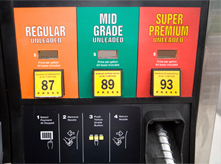
| Regular | 87 octane gasoline | Most engines are designed for regular |
| Mid grade | 89 or 90 | Some towing or hot weather cases, if a knock occurs |
| Premium | 91 octane gasoline or higher | Turbo and high-compression engines that require it |
Drivers frequently ask what number is regular gasoline. In many US stations, the answer is 87, so manuals often describe regular unleaded gasoline number 87. Since test methods vary globally, the posted number may differ in other countries. Always follow local fuel labels and your vehicle’s manual.
Not Sure Which Fuel Grade Your Car Actually Needs?
Fuel labels (87, 89, 91+) aren’t “better vs worse”, they’re about matching octane to your engine’s knock protection. Use our quick guide to confirm the right grade for your vehicle and avoid wasting money at the pump.
Can You Mix Fuel Grades Safely?
Mixing different grades of gasoline typically occurs when only a non-preferred grade is available for top-up. Most fuel mixing is safe because the result is a blended octane level between the two fuels. The main concern is ensuring this blended octane remains above the minimum requirement for your engine during current driving conditions. For instance, a vehicle that normally uses unleaded gasoline 87 will be fine with a small addition of premium. However, a vehicle requiring premium that receives a small amount of regular should be driven gently and refilled with the recommended premium soon.
When travelling and only one option is available, select the closest octane rating and switch back to the recommended grade later. Repeatedly using a lower-than-required octane in an engine that needs premium can activate more knock control and decrease performance. This is where the difference between fuel grades becomes significant for engine health.
What Happens When You Use The Wrong Fuel Grade?
Using an octane rating lower than required is a frequent error. This mistake can lead to issues such as sluggish acceleration, reduced fuel economy, and sometimes noticeable knocking when the engine is under load. Modern engines mitigate this by adjusting the timing, but this protective action can decrease overall efficiency. This situation clearly demonstrates the difference in octane fuels.
If this occurs once, drive the vehicle gently and refuel with the correct grade as soon as possible. If the engine warning light activates or knocking persists, reduce the engine load and have the vehicle inspected immediately. Incompatible ethanol levels are also a concern, as high ethanol blends are not suitable for vehicles without a flex fuel system.
Did You Mix Fuel Grades or Use The Wrong One?
Topping off with the “wrong” grade happens. Get a simple checklist for what to do next, how to drive safely in the short term, and when you should refuel immediately to protect performance.
What Are High-Octane and Speciality Gasoline Fuels?
Some markets offer very high octane fuels, intended for performance vehicles or engines that have been tuned. Drivers frequently inquire what 94 gasoline or what 97 octane fuel is when they observe these grades at specific fuel stations. Higher octane fuels can be beneficial for an engine that is truly limited by knock, particularly when operating under boost or with high compression ratios. However, these fuels are usually unnecessary for most standard, stock vehicles.
People also frequently consider the difference between 95 and 100 octane fuel. This distinction is only relevant and advantageous if the engine has been specifically tuned to utilize the higher octane rating. Otherwise, selecting a higher octane fuel grade primarily results in an increased cost without delivering performance benefits.
What Types Of Unleaded Gasoline Exist?
In everyday driving, unleaded gas types are categorized by their octane rating, resulting in three common grades: regular, mid grade, and premium. These are the most frequent types of unleaded gasoline available. Most fuel stations also provide an ethanol content label for further information. Note that the same fuel may have different numerical labels in various countries, yet it consistently falls within comparable octane bands. If you are uncertain about what are the gasoline grades in your locale, prioritize the octane number and the ethanol label. These two essential details accurately describe the majority of the unleaded gasoline types you will encounter.

What Is Regular Unleaded 87 Octane Fuel?
What 87 octane gasoline is a frequent inquiry since 87 is the most common regular option in many markets. 87 octane fuel is engineered to provide sufficient knock resistance for engines that are designed and calibrated for regular gasoline. Fuel pumps may identify this product as unleaded gasoline 87 or 87 unleaded gasoline. If your vehicle’s owner’s manual specifies regular, using regular is the appropriate choice. If the manual requires premium gasoline, using regular may cause the engine to reduce ignition timing, resulting in diminished performance.
What Is Mid Grade Gasoline And When Should It Be Used?
Drivers often ask what is and what is midgrade gasoline is because it appears to be a reasonable compromise. The mid-grade fuel octane rating is typically 89 or 90, based on the posted anti-knock index number. This fuel is primarily useful when a vehicle is designed for regular gasoline but experiences engine knocking under specific conditions. These conditions include heavy load, high heat, steep hills, or towing. In such scenarios, mid-grade offers a practical increase in octane without the full cost of premium gasoline.
However, if your vehicle manual mandates premium fuel, mid-grade is not an acceptable substitute. Furthermore, if your manual recommends regular gasoline and your engine never knocks, using mid-grade usually increases your fuel cost without providing any tangible performance benefit. This outlines the simple logic behind the mid-grade gasoline octane rating.
What Is Premium Gasoline And Who Needs It?
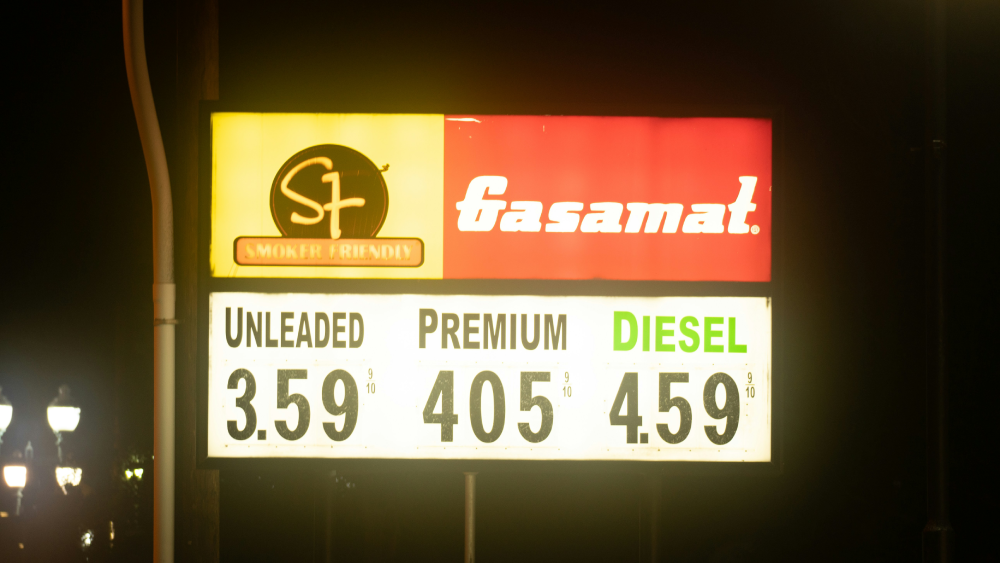
Premium gasoline is designed for engines requiring higher knock resistance. This fuel is commonly designated as 91 octane fuel or higher. You may also see octane 91 fuel on station signage. Consumers often ask what is 91 octane fuel is when gas stations use generic brand names like “super” or “premium.” The reliable identifier is always the posted octane number, which represents the premium fuel number for that specific market.
Premium fuel is most critical for turbocharged engines, high compression engines, and vehicles with specific performance calibrations. If your owner’s manual states that premium is required, you must use it consistently. If the manual recommends premium, you can choose based on current driving conditions. Always verify your vehicle’s requirements using a trusted fuel compatibility guide or by consulting a qualified automotive service technician. This ensures you confirm the correct premium gasoline octane rating for your vehicle’s optimal performance and longevity.
What Are Ethanol Blended Fuel Grades?
Ethanol-blended fuels are labelled by ethanol content, such as E10, E15, and E85. E10 contains up to 10% ethanol and is common for many gasoline vehicles. E15 may be allowed for some vehicles in some markets, but not all. E85 is a high ethanol blend meant for flex fuel vehicles with compatible fuel systems and calibration.
Ethanol can raise octane, but it also tends to lower energy per litre, so fuel economy can drop even when octane increases. That means the difference in fuel octane is not the only change. Follow the fuel door label and the manual.
What Are Diesel Fuel Grades And How Do They Differ?
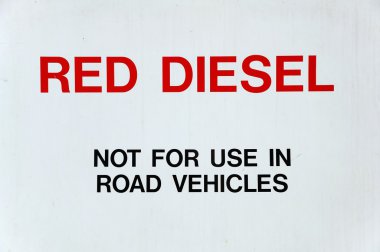
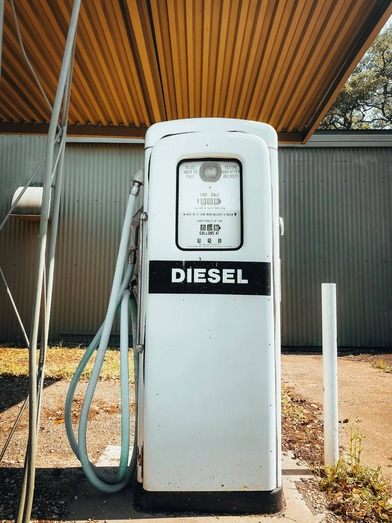
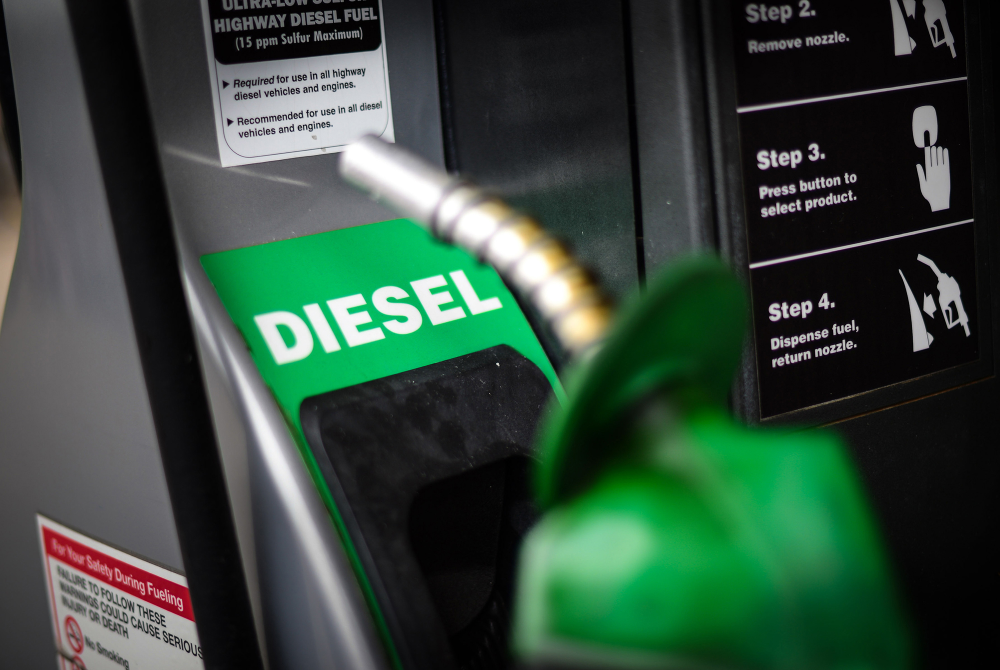
Diesel fuel grades are based on specifications, not octane ratings. On-road diesel is typically ultra-low sulfur diesel in many regions. Off-road diesel is often dyed and may have different tax implications. Some suppliers provide premium diesel, which can offer improved cold flow characteristics or higher cetane levels. However, product names vary among suppliers.
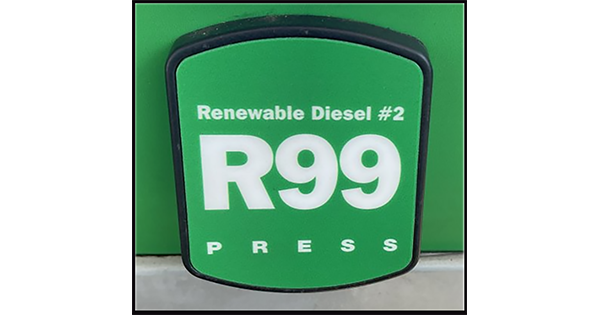
Renewable diesel is a newer alternative. This fuel is produced from renewable raw materials, and its chemical composition is similar to petroleum diesel. Drivers frequently ask what renewable diesel is because it can often be used as a drop-in fuel in many engines. Its use is subject to local regulations and availability. It is crucial to remember that renewable diesel fuel is not the same as biodiesel. All renewable fuel grades must still satisfy regional diesel specification requirements. Fleets can utilise fuel grade consulting or supply services for assistance with specification selection, storage advice, and seasonal operational planning.
Confused By Ethanol Labels Like E10, E15, Or E85?
Ethanol blends can change octane and fuel economy, and some blends aren’t compatible with every vehicle. Learn what the labels mean and how to avoid fueling mistakes that can cause real problems.
How Do Fuel Grades Impact Fleet And Business Operations?
Fuel choices scale with fleet size. Paying for higher octane than needed increases cost without return. Using lower octane than required can reduce performance under load. For diesel operations, the biggest risks are fuel quality variation, storage contamination, and cold-weather gelling. To control your spend and manage the impact of fuel grades, consider the following practices;
- Set a policy by vehicle type and required grade.
- Train drivers and include photos of pump labels in training materials.
- Track purchases and investigate outliers early.
- Align maintenance checks with fuel-related issues like misfueling symptoms and filter changes.
What Is Octane And Why Does It Matter In Fuel Grades?
Octane describes gasoline’s resistance to knock under test conditions. A higher octane rating indicates the fuel can tolerate greater pressure before engine knocking begins. It is important to note that a higher octane does not signify a fuel with more energy. Therefore, premium fuel will not automatically improve economy in an engine designed for regular fuel. Drivers often ask how much octane is in unleaded fuel and what octane is unleaded fuel. The precise answer depends on the grade of fuel and the specific numbering method used in the country. The number displayed on the fuel pump is the key reference for the unleaded fuel octane rating, and this should always match the requirement specified in your vehicle’s owner’s manual.
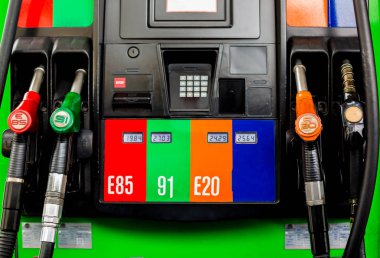
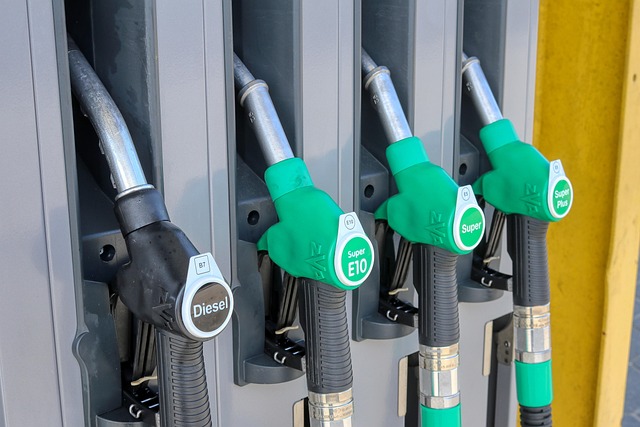
How Can You Identify Fuel Grades At The Pump?
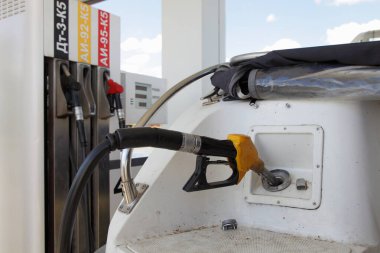
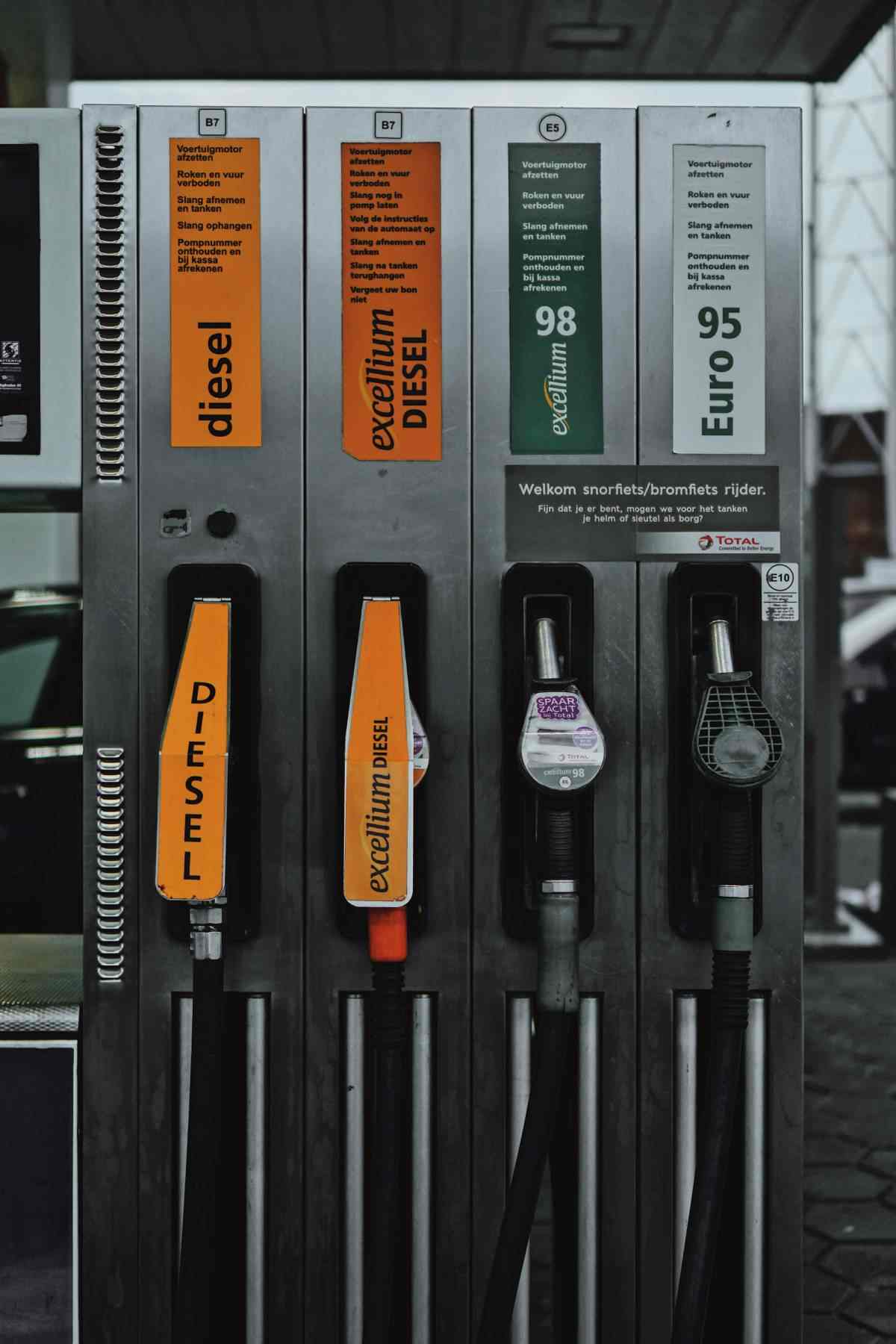
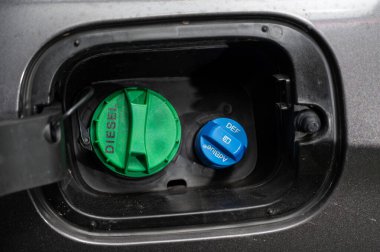
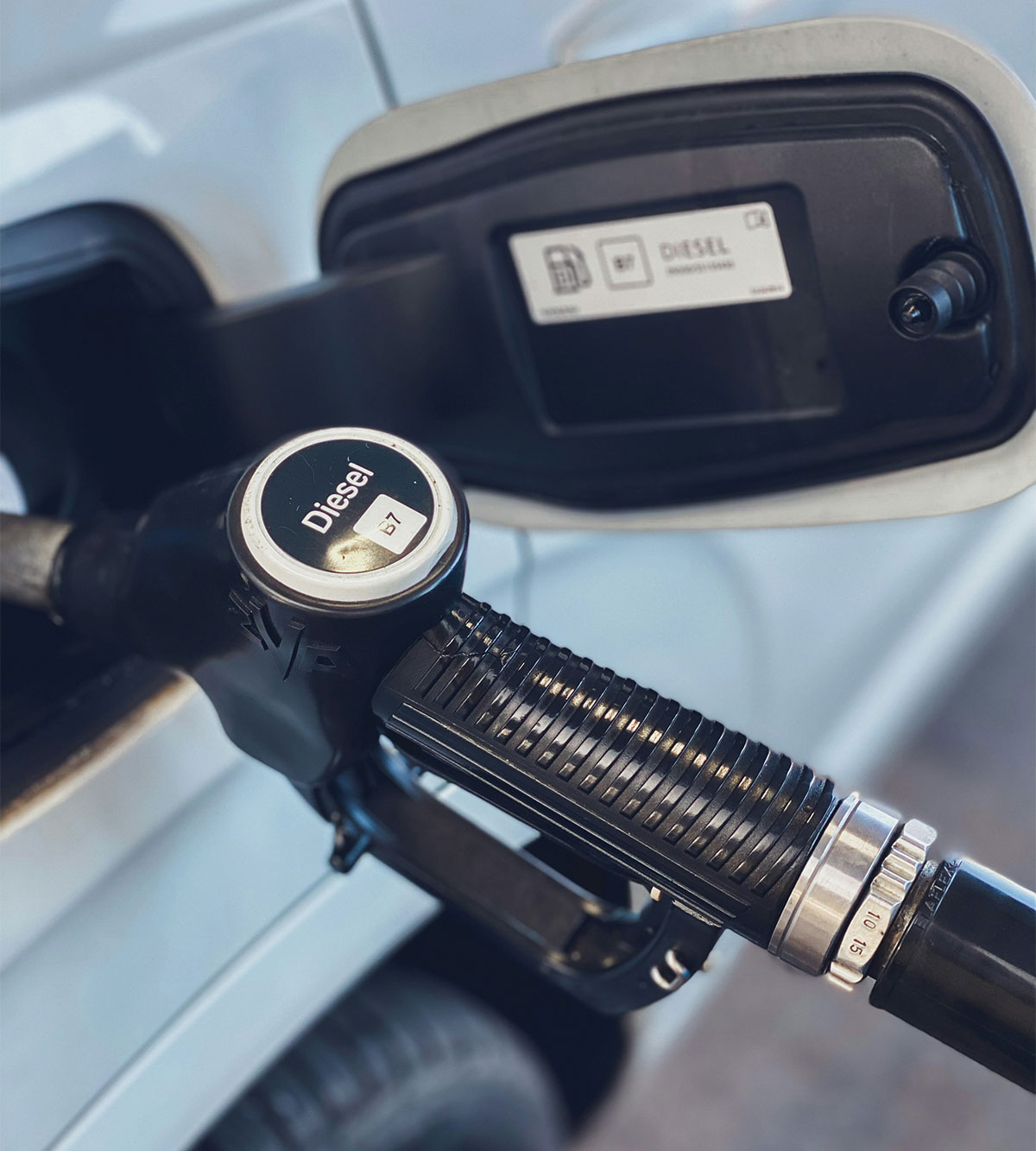
Start with the octane number for gasoline and the diesel label for diesel. Most pumps show the number clearly on the button or the placard. Many also show ethanol content. Use the simple routine as follows
- Check the fuel door label or manual before you pull up to the pump.
- Match the pump number to that requirement, such as choosing 87 octane gasoline when regular is specified in the US market.
- Look for ethanol labels and avoid E85 unless your vehicle is flex fuel.
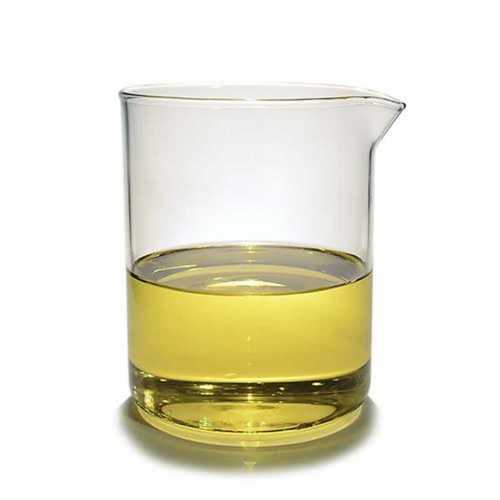
- Do not rely on colour. People ask what color is 87 gasoline but gasoline grade is not consistently linked to colour, and you cannot identify grade by sight.
If you travel, learn the local numbering system so you do not confuse octane scales. That is the practical way to manage differences in gasoline octane across regions.