Need Emergency Fuel Delivery?
  info@elanfuels.com
Key Takeaways
- Transmission fluid in diesel changes fuel properties, it is not a designed diesel treatment.
- Older mechanical systems tolerated more variation than modern common rail systems.
- Transmission fluid in diesel fuel can affect injectors, pumps, and emissions components over time.
- No manufacturer endorses a safe ratio for transmission fluid added to diesel fuel.
- Diesel-specific additives are a safer choice than transmission fluid as a diesel additive.
Table of Contents
Transmission Fluid In Diesel Fuel
In practice, the phrase transmission fluid in diesel fuel tank describes an accidental or intentional mixing of automatic transmission fluid with diesel fuel. This mixture is also referred to as diesel and transmission fluid mixing. People sometimes add transmission fluid, which is designed for hydraulic control and friction management, to diesel, hoping to improve lubricity or cleanliness. However, automatic transmission fluid is not intended for combustion. When a transmission fluid-diesel combination occurs, the fluid can dissolve and circulate throughout the fuel system. This mixing, though, may negatively alter the fuel’s viscosity and chemical additive balance, potentially affecting engine performance and longevity.
What Is Transmission Fluid In Diesel Fuel Used For?
The general concept behind mixing transmission fluid with diesel suggests the added oil might increase lubricity or act as a mild cleaner. Some view it as a transmission fluid, diesel fuel additive for older pumps and injectors. This practice is partly rooted in older diesel engine traditions. A common misunderstanding is equating lubrication with combustion goals. Diesel fuel must lubricate, but it must also burn cleanly and protect emissions parts. Using transmission fluid in diesel fuel can disrupt this crucial balance.
Accidentally Added Transmission Fluid To Your Diesel Tank?
If you’ve already mixed ATF with diesel, don’t guess. We’ll help you spot early warning signs (hard starts, rough idle, smoke, power loss, warning lights) and know when it’s time to involve a diesel mechanic before damage gets expensive.
Why Do People Put Transmission Fluid In Diesel Fuel?
The practice of adding transmission fluid to diesel fuel originated from older low sulfur fuel transitions and workshop habits. People often ask why put transmission fluid in diesel, or why put transmission fluid in diesel fuel, believing it helps lubrication for pumps or reduces smoke and noise. Some believe adding transmission fluid to diesel fuel helps because they feel a temporary improvement. This cheap, easy practice persists, especially since older mechanical injection engines were more tolerant. However, this method is not necessarily safe for every modern injector design or diesel truck transmission fluid system.
Can Transmission Fluid In Diesel Fuel Affect Diesel Engines?
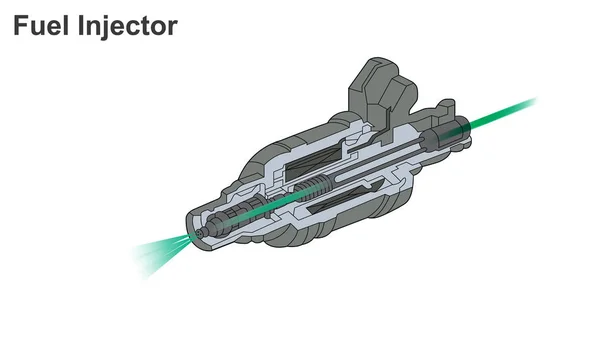
Diesel engines rely on high-pressure pumps and injectors for precise spray control and lubrication. Modern systems meter tiny fuel quantities at very high pressure, making them highly sensitive to viscosity changes and deposits. The effect of transmission fluid in your diesel fuel varies across engine designs. Older mechanical injection engines had wider clearances. Newer common rail designs have tighter tolerances. Therefore, using transmission fluid for diesel engine lubrication can yield different results based on engine generation and the condition of pumps and injectors.
What Does Transmission Fluid Do In Diesel Fuel?
People ask what does transmission fluid do in diesel fuel and what does putting transmission fluid in diesel do because the effect can feel subtle at first. Automatic transmission fluid can thicken the blend and change how fuel atomizes at the injector tip. That can alter spray pattern and combustion timing. Some drivers also ask what does adding transmission fluid to diesel do because they hope it increases lubricity. The short term effect might be slightly different sound or smoke, but the long term risk is deposits, injector coking, and ash that diesel fuel is not meant to carry. This is a key reason transmission fluid in diesel truck discussions often split by engine age.
Will Transmission Fluid Burn In A Diesel Engine?
Automatic transmission fluid can combust, but it does not burn as cleanly as diesel fuel. If you put transmission fluid in diesel fuel, the resulting mixture may increase the risk of incomplete combustion. The risk level depends on the fluid concentration and the specific engine type. Incomplete combustion causes deposits to form on vital engine parts. These components include injectors, piston areas, and turbo parts. It can also increase ash loading, which stresses the aftertreatment systems. As the mixture composition contains more oil-like fluid than diesel, the likelihood of residue formation increases. For this reason, using automatic transmission fluid in diesel is strongly discouraged for modern trucks equipped with emissions systems.
Not Sure If Your Diesel Engine Can Handle It?
Older mechanical systems and modern common rail engines don’t react the same way to fuel changes. Use a quick guide to identify your injection system and emissions equipment so you can understand the real risk level for your specific vehicle.
Should You Put Transmission Fluid In Diesel Fuel?
For modern engines, the safest answer is no. People still ask whether you should put transmission fluid in your diesel fuel, or if it’s good to put transmission fluid in diesel fuel, seeking a simple fix. The perceived benefits lack support, and the downsides are often expensive. Manufacturers design fuel systems for standard diesel fuel and generally do not approve practices to add transmission fluid to diesel fuel. Fuel contamination may void the warranty if a pump or injector fails. Use a diesel-rated additive for better lubricity instead of relying on diesel transmission fluid myths.
Is Transmission Fluid In Diesel Fuel Safe For Modern Engines?
Older engines with mechanical injection sometimes tolerated transmission fluid in a diesel tank without immediate failure. This history prompts the question, is it ok to put transmission fluid in diesel fuel? Modern common rail engines operate at higher pressures and have finer injector holes, making them more vulnerable to deposits and viscosity changes. Therefore, even if someone claims it is good to put transmission fluid in your diesel, its suitability depends on engine design and emissions equipment. Using transmission fluid in diesel engine systems generally adds risk without a clear benefit.
What Are The Risks Of Using ATF In Diesel?
When automatic transmission fluid in diesel is used as a fuel treatment, the biggest risks come from deposits, altered fuel flow, and emissions system sensitivity. Even if ATF fluid in diesel seems to run fine at first, the effects can build over time. Modern common rail systems are less tolerant of fuel changes, and repeatedly adding automatic transmission fluid to diesel fuel can increase long-term wear and fault codes. If you are debating whether it is ok to put transmission fluid in diesel fuel, these are the main risk areas to understand.
| Risk area | What causes it | What you may notice | Why it matters more on modern systems |
|---|---|---|---|
| Injector deposits | Transmission fluid added to diesel fuel can increase residue and coking | Rough idle, smoke, misfire like running, poor MPG | Tight injector holes and precise spray patterns clog easier |
| Spray pattern change | Mixing transmission fluid with diesel can alter viscosity | Hard starts, knock, higher smoke under load | High-pressure injection depends on consistent atomisation |
| Fuel filter plugging | Transmission fluid in your diesel fuel can loosen tank debris and add heavier material | Loss of power, stalling, frequent filter changes | Modern systems are sensitive to restriction and pressure drop |
| High-pressure pump wear | Using transmission fluid in diesel fuel can change lubrication and flow behaviour | Rail pressure faults, limp mode, noisy pump | Pumps run at extreme pressures and rely on correct fuel properties |
| Aftertreatment stress | ATF fluid in diesel fuel can raise ash and deposit output | More regenerations, warning lights, reduced performance | DPF and sensors are vulnerable to ash, soot, and contamination |
| Sensor contamination | Transmission fluid in diesel combustion byproducts can coat sensors | Check engine light, unstable readings | Modern engines use many sensors for fueling and emissions control |
| Warranty and compliance risk | Putting transmission fluid in diesel fuel can be treated as contamination | Repair denial or disputes | Manufacturers expect diesel that meets standards, not improvised additives |
When Should A Diesel Mechanic Be Consulted?
If you already used atf in a diesel tank, monitor your vehicle for signs of trouble. These symptoms include hard starts, rough idle, excessive smoke, fuel filter plugging, power loss, or warning lights. If any issues appear after adding transmission fluid to the diesel, a qualified diesel mechanic must investigate immediately. They will scan for fault codes, inspect fuel pressure, evaluate the filter condition, and analyse injector correction values. Depending on the contamination severity, the mechanic may advise draining the compromised fuel, replacing the fuel filters, and professionally cleaning the entire fuel system. Consult a diesel specialist immediately if you have concerns after running transmission fluid in a diesel. This proactive step helps mitigate the risk of costly repairs to the fuel pump, injectors, or emissions system.

How Much Transmission Fluid Should Be Added To Diesel Fuel?
There is no universally safe ratio. People ask how much transmission fluid to add to diesel fuel, seeking a clear number, but manufacturers do not endorse one. Risk generally rises as the amount increases, especially in modern common rail engines. Even small amounts can matter if injectors are borderline or aftertreatment is sensitive. If you are asking can i put transmission fluid in my diesel fuel or can i put transmission fluid in my diesel tank, the better answer is to avoid it. Use a diesel-rated additive instead. If contamination occurred, monitor symptoms and seek professional advice.
Are There Better Alternatives To Transmission Fluid In Diesel Fuel?
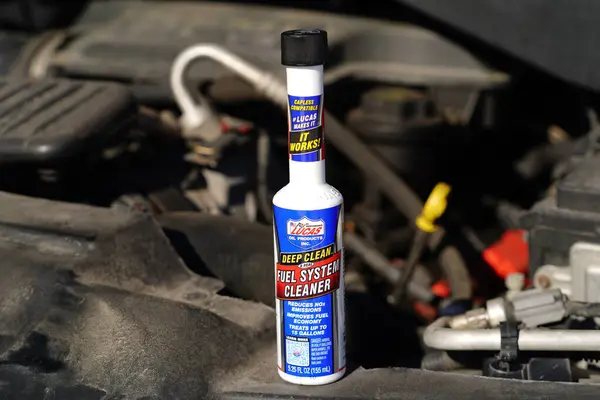
Yes, modern diesel additives are specifically designed for the job. If the operational goal involves improving lubricity, enhancing cleaning, or ensuring better winter performance, these additives directly address those requirements. They do so without carrying the same risk of deposit formation associated with using alternatives like transmission fluid for diesel. Modern products are engineered to target specific needs effectively and safely in the following ways;.
- Diesel lubricity additives that meet fuel additive standards and are intended for injectors and pumps.
- Diesel detergents and injector cleaners that are explicitly labeled for diesel fuel systems.
- Water control additives are used when water contamination is the real issue.
- Cold flow improvers for winter gelling prevention, when temperature is the driver problem.
Want Better Lubricity Without Risking Injectors Or The DPF?
If your goal is smoother running, cleaning, or protection, transmission fluid isn’t designed for combustion. We’ll point you to diesel-rated additive options (lubricity, detergents, water control, cold-flow) that match your exact goal—without the same deposit and aftertreatment risks.
What Does Research Say About Diesel Fuel Lubricity?
Research and industry testing confirm that diesel lubricity is a fuel property managed by fuel standards and approved additives, not by improvised fluids. Refinery practices evolved to control lubricity, stability, and emissions compatibility. Studies and field experience show that high pressure injection systems are sensitive to contamination and deposit forming components. That is why can you use transmission fluid in diesel fuel is usually answered with caution by professionals. Even if a fluid increases lubricity, it can worsen combustion deposits and aftertreatment performance. This is the core problem with treating transmission fluid as diesel additive.
Can Running Transmission Fluid In Diesel Cause Long Term Damage?
Yes, repeated use of transmission fluid in diesel fuel can cause problems. While some view can you run transmission fluid in a diesel as a one-time test, long-term use leads to cumulative injector deposits, pump wear, and sensor contamination. Delayed failures are common because wear and deposits build gradually. Repeated adding automatic transmission fluid to diesel fuel also increases ash stress on emissions components. Issues may only appear later, such as during cold starts or regeneration events, which can falsely suggest the practice is safe.
Should You Trust Online Advice About Transmission Fluid In Diesel Fuel?
Exercise caution with online claims. Such advice often ignores critical differences in engine age, injection system design, and emissions equipment. For example, an owner with an older mechanical pump may report no immediate problem after an attempt to can you mix transmission fluid with diesel fuel or put transmission fluid in diesel fuel. In contrast, a newer truck could rapidly suffer serious injector and aftertreatment problems. Many online posts also fail to include essential details about the specific dosage, frequency, and current fuel quality. If you see advice asking is it good to add transmission fluid to diesel fuel or is transmission fluid good for diesel fuel, consider it an unsubstantiated story, not reliable evidence. Always consult a certified diesel technician and your manufacturer documentation for accurate, professional guidance.