Need Emergency Fuel Delivery?
  info@elanfuels.com
Key Takeaways
- Fuel injector symptoms often include rough idle, misfires, poor fuel economy, and hard starting.
- A faulty fuel injector may be clogged, leaking, or electrically dead, and each failure acts differently.
- Ignoring signs of bad fuel injector trouble can damage pistons, spark plugs, and the catalytic converter.
- Simple checks can reveal fuel injector problems before a full breakdown happens.
- Fast diagnosis and repair reduce risk, cost, and wasted fuel.
Table of Contents
Bad Fuel Injector Symptoms
The fuel injector in a car engine is a very crucial part of the engine. It is responsible for metering and spraying fuel into the engine, and it does so in a fine mist. That spray pattern is critical because the engine depends on accurate fuel delivery for smooth combustion, power, and emissions control. When injector health drops, fuel injection issues begin to occur almost immediately.
The following situations are signs of a bad fuel injector
- Rough idling
- Hard starts
- Poor acceleration
- Sudden stalling
- Reduced mileage
- Engine shaking
These issues are common fuel injector issue symptoms and should not be ignored.
While all the above are symptoms of fuel injector issues, they vary according to the specific issue type. A clogged injector often leads to lean running and misfires, while a leaking injector can flood a cyclometer and create rich running. If the injector has an electrical failure, it may stop pulsing altogether, causing severe fuel injector misfire systems and an obvious dead cylinder. When fuel no longer atomizes as it should, combustion becomes inefficient, and fuel economy begins to fall. That is why bad fuel injector signs often show up at the pump first.
You can browse our professional-grade fuel injector cleaning kits and replacement parts to fix these issues today and save on expensive mechanic labor costs.
What Does A Bad Injector Sound Like?
A healthy injector typically produces a steady light click as the solenoid opens and closes. A silent injector indicates a potential wiring fault or a dead coil. A louder, irregular tick may suggest a malfunctioning fuel injector or unstable spray behaviour. A failing injector can also cause a sharp combustion knock. In petrol engines, poor fuel delivery may result in uneven burning, which sounds like light diesel knock. The engine may also sound rougher as the engine speed increases. The misfire sound changes with speed. At idle, it can sound like a stumble or random shake. Under throttle, fuel injector malfunction symptoms may manifest as a repeated popping or hesitation noise.
What Are The Signs Of A Bad Fuel Injector Due To Clogging?
Fuel injector clogging begins with minute deposits from subpar fuel, age, or contamination. These deposits constrict the injector tip and compromise the spray pattern, leading to poor atomization and characteristic symptoms of bad fuel injector problems. A clogged injector may spray unevenly or puddle fuel instead of creating a fine mist.
This results in incomplete combustion, causing the engine to hesitate, idle poorly, or lose power. These fuel injector issues often become more pronounced during cold starts. Fuel additives can address light deposits and alleviate minor fuel injector fault symptoms. However, severe buildup usually necessitates professional ultrasonic cleaning or component replacement for a definitive fix.
What Are The Symptoms Of A Bad Fuel Injector Seal?
Injector seals can deteriorate even while the main injector body remains functional. This failure causes fuel or air leaks to develop around the injector seat or O-ring, resulting in distinct defective fuel injector symptoms. A noticeable fuel odor may be present inside or around the vehicle, and dampness might be visible near the intake manifold or fuel rail. In specific instances, a failing seal can cause a vacuum leak instead of a fuel leak. This unwanted air leak often increases the idle speed or makes the engine idle erratically. Consequently, a damaged seal may present fuel injector problem symptoms that initially resemble issues with sensors or the intake system, complicating the diagnostic process.
What Happens When The Fuel Injector Goes Bad?
Running an engine with a bad fuel injector can create more than a rough idle. It changes combustion, raises emissions, and can damage expensive parts over time.
| Fault type | Immediate effect | Long-term risk |
|---|---|---|
| Clogged injector | Lean running and misfire | Hot cylinder and piston damage |
| Leaking injector | Rich running and fuel wash | Catalytic converter damage |
| Stuck open injector | Flooded cylinder | Hydrolock and severe engine damage |
| Dead injector | Cylinder drop and power loss | Converter stress and drivability issues |
A stuck-open injector is dangerous because excessive fuel entering a cylinder can cause hydrolock, potentially bending internal parts. Furthermore, bad injectors release unburnt fuel into the exhaust, which overheats the catalytic converter and may damage oxygen sensors. Over time, either a rich or lean mixture can harm cylinder walls, rings, and pistons, demonstrating why fuel injector failure symptoms are more serious than many drivers assume.
Not Sure If Your Fuel Injector Is Failing?
Rough idling, misfires, hard starts, and fuel smells should never be ignored. Catching fuel injector problems early can help you avoid engine damage, poor fuel economy, and expensive repairs before the issue gets worse.
Signs Your Fuel Injector Is Bad
You can check for signs that your fuel injector is bad without advanced tools by following a simple process;
- Start the engine and listen for rough idle, shake, or misfire.
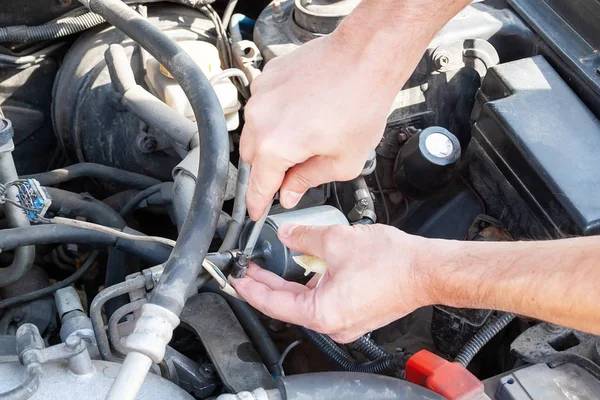
- Use a long screwdriver as a listening tool: Touch one end of the injector to your ear and the other to the injector. A healthy injector usually clicks rhythmically.
- Look at the exhaust: Black smoke suggests too much fuel. White smoke can mean another issue. Blue smoke usually points more toward oil burning.
- Inspect the fuel rail and injector bases for wet spots, fuel smell, or dirt sticking to damp areas.
- Pay attention to hard starting and sudden stalls: These are common symptoms of a bad fuel injector.
These steps help you spot signs of fuel injector problems before booking a repair.
How To Tell If It Is A Bad Fuel Injector Or Spark Plug
Ignition and fuel delivery problems often present with similar symptoms, but their root causes differ significantly. For instance, a weak ignition from a faulty spark plug can trigger an engine misfire. Conversely, a poor fuel supply caused by a malfunctioning fuel injector also results in a misfire.
A key diagnostic indicator is a wet spark plug, as fuel saturation suggests the injector is leaking or the cylinder is failing to combust the fuel, which can help diagnose bad fuel injector trouble. Many technicians initially replace spark plugs due to their lower cost. However, if the underlying problem is the injector, the misfire will likely persist, demonstrating the importance of checking for signs of faulty fuel injector trouble before engaging in guesswork.
How To Diagnose A Faulty Fuel Injector
Professional testing is the fastest way to confirm how to diagnose a faulty fuel injector and separate it from pump, ignition, or sensor problems.
- Scan for trouble codes: Cylinder-specific misfire codes and fuel trim codes often support diagnosing bad fuel injector issues.
- Run a power balance test: This identifies which cylinder contributes less power.
- Measure injector resistance with a multimeter: A coil outside spec can indicate a broken fuel injector.
- Check rail pressure to rule out low supply from the pump.
- Inspect fuel trims and live data to see whether the engine is running rich or lean.
These tests are important because many fuel injection issues create overlapping symptoms.
Want To Diagnose Fuel Injector Problems Faster?
A bad fuel injector can look like a spark plug, fuel pump, or sensor issue at first. Learn how to spot the difference, identify the weak cylinder, and take the right next step before you waste money on the wrong repair.
Which Fuel Injector Is Bad?
To determine which fuel injector is bad, the initial step is isolating the weak cylinder. This isolation can be achieved using a scan tool, a balance test, or by reading the spark plugs. A practical diagnostic technique involves swapping injectors between cylinders. If the misfire migrates with the injector, the component is likely faulty.
Analyzing spark plug condition also provides clues; a dry plug suggests a lean cylinder, while a wet or dark plug indicates rich running. This methodical process is especially useful if one fuel injector is bad and the others are functioning correctly.
How Bad Fuel Injector Symptoms Vary By Driving Condition
Bad fuel injector symptoms do not always appear the same in every scenario. Poor fuel atomization is often more apparent during a cold start because the engine requires a precise fuel mixture. A clogged injector can manifest as prolonged cranking, engine stumbling, or a rough idle.
Once the engine is warm, minor injector issues may be masked at idle speeds. However, under heavy load or during highway acceleration, the performance deficit from a weak cylinder becomes noticeable. This is when failing fuel injector symptoms often present as engine hesitation or a distinct loss of power. Engine heat soak can exacerbate issues like restart problems. After a brief drive, residual heat can intensify fuel vapor problems or cause a leaking injector to flood a cylinder. This contributes to the perception that fuel injector going bad symptoms are sometimes random.
How To Tell A Bad Fuel Pump From Bad Fuel Injectors
Fuel pump and injector faults both affect fuel delivery, but they behave differently.
- A bad fuel pump usually affects all cylinders at once.
- A bad injector often affects one cylinder first.
- Pump problems often cause broad power loss at all speeds.
- Injector faults commonly create one cylinder misfire, fuel smell, or local plug fouling.
- Pressure testing helps separate supply failure from injector failure.
Low rail pressure suggests a pump issue, but normal pressure with a single misfiring cylinder indicates a fuel injector problem, distinguishing between general system failures and localized fuel injection problems.
How Serious Is A Bad Fuel Injector?
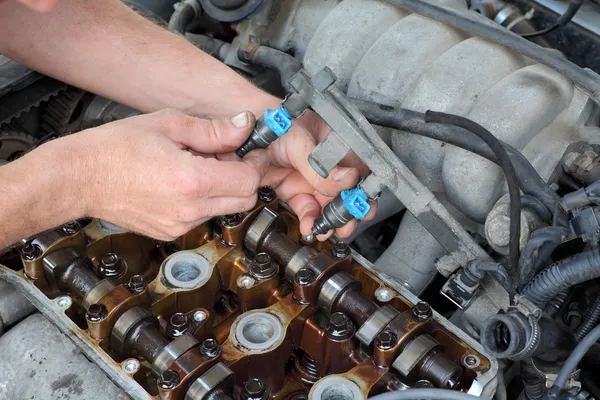
A fuel injector going bad presents a serious risk, unlike a simple, routine maintenance delay such as a postponed oil change. Ignoring what happens when a fuel injector goes bad can lead to significant engine complications. These complications include ruined spark plugs, damaged oxygen sensors, and an overheated catalytic converter, which is a costly component.
Furthermore, a faulty injector can cause fuel to wash past the piston rings into the engine oil. This process, known as oil dilution, significantly reduces the oil’s lubricating properties and accelerates engine wear. Underestimating how serious a bad fuel injector is quickly increases repair costs. Addressing the problem early by cleaning or replacing an injector is far more economical than replacing an entire converter or rebuilding the engine later on.
Signs You Need A New Fuel Injector Right Away
Several severe signs that you need to replace fuel injector components indicate an urgent need for repair. These safety and engine survival issues necessitate immediate action to prevent catastrophic failure. Key indicators include a strong raw fuel smell near a hot engine, visible fuel spray or an active leak, and heavy black smoke combined with a severe misfire.
A no-start condition potentially linked to injector flooding is another critical warning. You may also observe a repeated cylinder fault even after professional cleaning and testing, or evidence of oil dilution where fuel is detected in the crankcase. At this stage, the signs you need a new fuel injector are no longer minor drivability issues; they are serious risks to both the vehicle and its occupants.
What To Do If You Notice Bad Fuel Injector Symptoms
If you notice bad fuel injector symptoms, take decisive action. First, confirm the symptoms by listening for the characteristic injector click, inspecting the lines for any fuel leaks, and scanning the onboard diagnostic system for relevant trouble codes. If a minor issue is suspected, and no external leak is evident, a high-quality fuel injector cleaner may resolve light clogging and restore proper function.
If engine misfires persist after initial cleaning, the faulty injector must be replaced, or the entire set should be professionally tested for flow and spray pattern inconsistencies. Replacing a single injector is less costly, but installing a matched set can improve performance balance, particularly on older engines.
The optimal choice depends on the vehicle’s mileage, the engine’s overall condition, and your budget for fuel injector troubleshooting. Always install a new fuel filter during injector service to prevent immediate re-clogging.
Sign up for our newsletter to receive a 15% discount on your first order of fuel system cleaners and diagnostic tools designed for your specific vehicle make and model.
Ready To Fix Bad Fuel Injector Symptoms Early?
From clogged injectors to leaking seals and dead injectors, the right fix depends on what is actually failing. Get the tools, cleaners, and replacement parts you need to restore performance and prevent bigger engine trouble.