Need Emergency Fuel Delivery?
  info@elanfuels.com
Key Takeaways
- Use the best container for long-term gasoline storage that is purpose-built and safety rated.
- Tight seals and low vapor loss matter for how to keep gasoline from going bad.
- Metal usually blocks vapors better, plastic can still work when it is approved and intact.
- Stabilizer plus rotation is the practical answer for how to make gasoline last longer.
- Storage location choices affect long-term fuel storage as much as the container.
Table of Contents
Best Container For Long-Term Gasoline Storage
The container provides the first layer of protection for long-term storage. A suitable container must minimize air exchange, prevent leaks, and keep out dirt and water. This reduces evaporation, oxidation, and contamination, which is essential for keeping gas from going bad.
Key considerations include the material, the seal quality, and safety approvals. Both metal and approved plastic are effective when designed as a container for storing gas. Improvised containers must be avoided because they allow vapor loss, may crack or leak, and significantly increase the risk of fire. Approved containers generally preserve fuel quality longer than unapproved ones due to their superior seals and damage resistance. Using non-approved containers can shorten the usable life of the gasoline and create hazards when storing gasoline long-term. A comparison table highlights the differences. A Metal safety can or jerry can, is strong and good for long-term storage of gasoline if maintained. An approved plastic gas can is moderate and works well for long-term gas storage when kept cool. A household bottle or jug is not safe for long-term gasoline storage.
Quality containers must meet EPA, OSHA, and NFPA standards for flammable liquid storage in practical settings.
What Container Is Safe To Store Gasoline In For Extended Periods?
Always check for labels and markings indicating the container is designed for gasoline and flammable liquids. Look for common safety approvals such as UL listing, FM approval, and DOT compliance for transport. These markings verify a legitimate container for storing gas, not a general-purpose jug. Approved flammable liquid containers incorporate features to reduce accidents. These include flame-arresting designs, self-closing lids on safety cans, and pressure relief to manage vapor expansion. Only use containers with intact caps and gaskets. Unapproved items, like milk jugs, are unsafe because they can leak, deform, and allow vapor loss. They also increase the likelihood of spills during how to store gas long term. To confirm legitimacy, verify the presence of clear fuel use labelling, the manufacturer’s name, model information, and safety certification marks. Missing any of this means it is not the best way to store gasoline long-term.
Not Sure If Metal Or Plastic Will Keep Gas Fresh Longer?
Metal can slow vapor loss, and approved plastic can still work well when it seals tightly and stays cool. Compare the tradeoffs fast so you pick the right can for your storage setup and rotation plan.
Does Gas Last Longer In Metal Or Plastic Containers?
Metal containers typically offer a stronger vapor barrier than plastic, which slows evaporation and reduces oxygen exposure. This supports longer stability during long-term storage of gasoline. Plastic can be more permeable, allowing vapors to pass through the walls unless specifically designed for fuel. Approved metal often maintains fuel quality better, but approved plastic performs well when sealed, stored cool, and rotated. Fuel stability is mostly affected by heat, sunlight, air space, and container cleanliness, not just the material.
How To Preserve Gasoline For Long Term Storage
To handle how to preserve gasoline for long-term storage, follow a simple, practical protocol. Focus on using clean fuel, ensuring clean containers, adding stabilizer, and performing routine checks. This method removes guesswork and ensures proper preservation.
- Start with fresh gasoline from a reputable source, older fuel is harder to protect for long-term gasoline storage.
- Inspect the can, confirm the cap and gasket seal tightly, which supports how to keep gasoline from going bad.
- Use a fuel stabilizer made for gasoline, add it immediately after purchase and follow the product label directions.
- Fill carefully, avoid spills, and keep a small amount of headspace for expansion to support how to store fuel long term.
- Store the container in a cool, dry, shaded place away from ignition sources.
- Check monthly for odor, leaks, bulging, and cap tightness, then rotate fuel on a schedule to support how to make gasoline last longer.
If you want a simple system, download the free checklist and schedule tracker on the site so your long-term fuel storage plan stays organized.
How To Store Gasoline Long Term For Emergencies Without Degradation?
For emergencies, the plan for how to store gasoline long-term should be simple and conservative. Use an approved container and treat the fuel with stabilizer right away. Store it in a stable environment away from living areas, pilot lights, and heat. Keep containers tightly closed, filling to allow headspace for temperature changes. Avoid direct sunlight. Rotate on a clear timeline and inspect before critical use. If fuel smells sour or looks unusual, do not rely on it. This routine supports storing gasoline long-term without surprises.
Key Features Of The Best Gas Cans For Long Term Storage
The best gas can for long-term storage must minimize vapor loss, offer durability, and ensure safe handling. These qualities are essential for maintaining fuel quality and preventing everyday spills.
Key features for long-term gas storage include a cap and gasket that seal tightly and remain flexible over time. This seal is crucial for keeping gas from going bad. The can should be made of thick, heavy-gauge metal or dense, approved polymer for maximum impact resistance. A stable base and strong handles reduce tipping and make the container safer to move. A reliable spout and closure system should reduce drips and reseal cleanly. Finally, the container for storing gas must have clear labeling and safety certification marks. Choosing a capacity that fits your fuel rotation plan, often a smaller can, is key to store gas long term without the fuel sitting unused for too long. Ultimately, the best gas can for long-term storage is safety-rated, seals well, and fits your rotation routine.
Want A Simple Plan To Keep Gasoline From Going Bad?
Fuel stabilizer plus a clear rotation schedule is the easiest way to protect fuel for emergencies. Get a practical checklist that covers filling, headspace, monthly checks, and when to rotate.
What Is The Difference Between Type I And Type II Safety Cans?
Type I safety cans feature one opening for both filling and pouring, typically with a self-closing lid and a spring-loaded cap. These cans are simple, durable, and often selected for storage with occasional use.
Type II safety cans have separate openings for filling and pouring. This design reduces spill risk during dispensing and provides more controlled pouring. Both types work for long static storage when the seal is tight. However, for frequent use, Type II is generally considered easier and cleaner.
What Type Of Plastic Is Safe For Gasoline Storage?
High-density polyethene, or HDPE, is commonly used in approved fuel cans. Not all plastics are gasoline compatible, so the plastic must be specified for fuel use, and the container must be certified or listed for gasoline storage. To ensure safety, always check the manufacturer’s labelling and certification marks. While recycling codes offer hints, the key is that the container is explicitly made and tested as a gasoline can. Approved designs may incorporate multi-layer construction to minimize vapor loss, which is essential for keeping gasoline from going bad. If a container is not labelled and marketed for gasoline, it should not be considered safe for storing fuel long-term.
Will Gasoline Leak Through Or Melt Certain Plastic Bottles?
Some plastics soften, crack, or leak when exposed to gasoline. Even if a bottle does not melt, gasoline vapors can pass through certain plastics over time. This increases evaporation and creates strong fumes. Consequently, household containers like milk jugs and soda bottles are unsafe for long-term gasoline storage. Gasoline can also dissolve or weaken additives in non-fuel plastics, which contaminates the fuel. This increases the risk of sudden container failure. For how do you store gasoline long term, an approved gasoline container is the only safe answer, not a household bottle.
How Long Do Metal Jerry Cans Last For Fuel Storage?
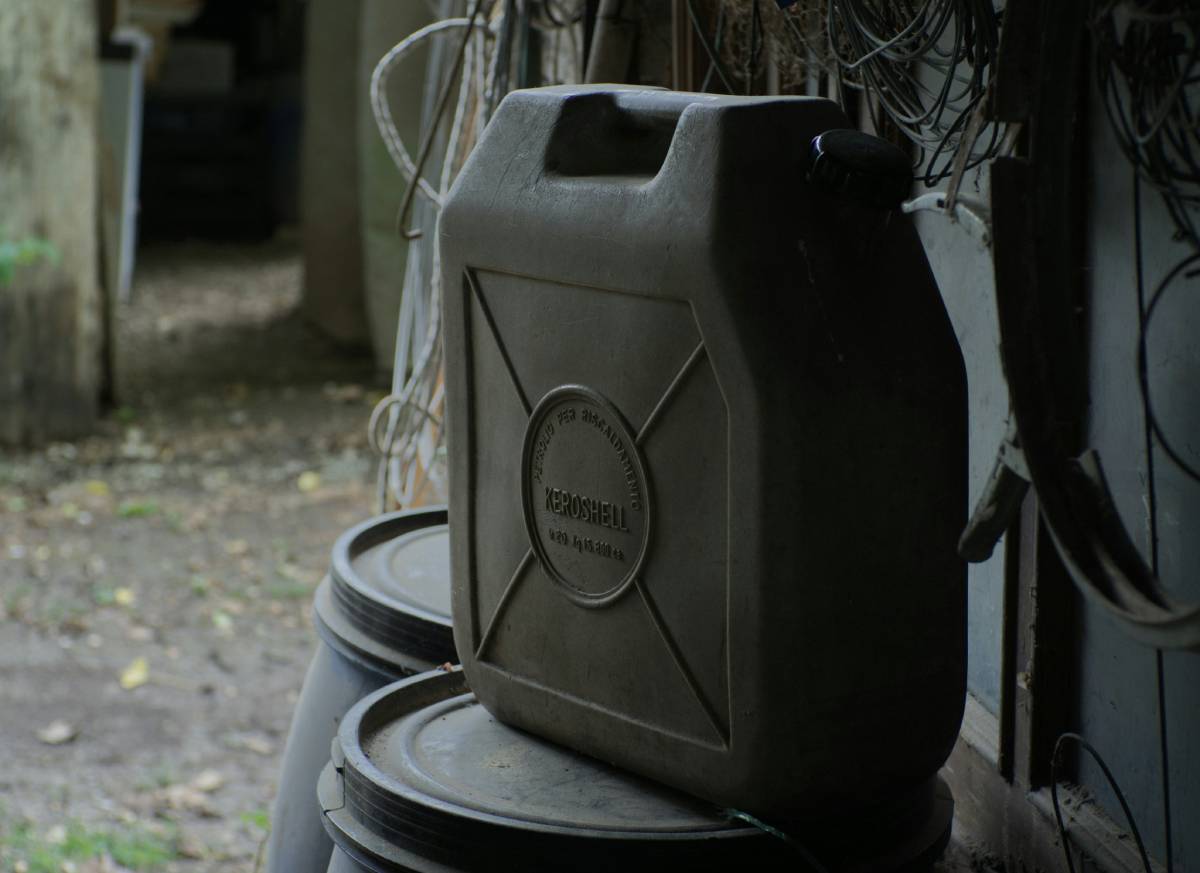
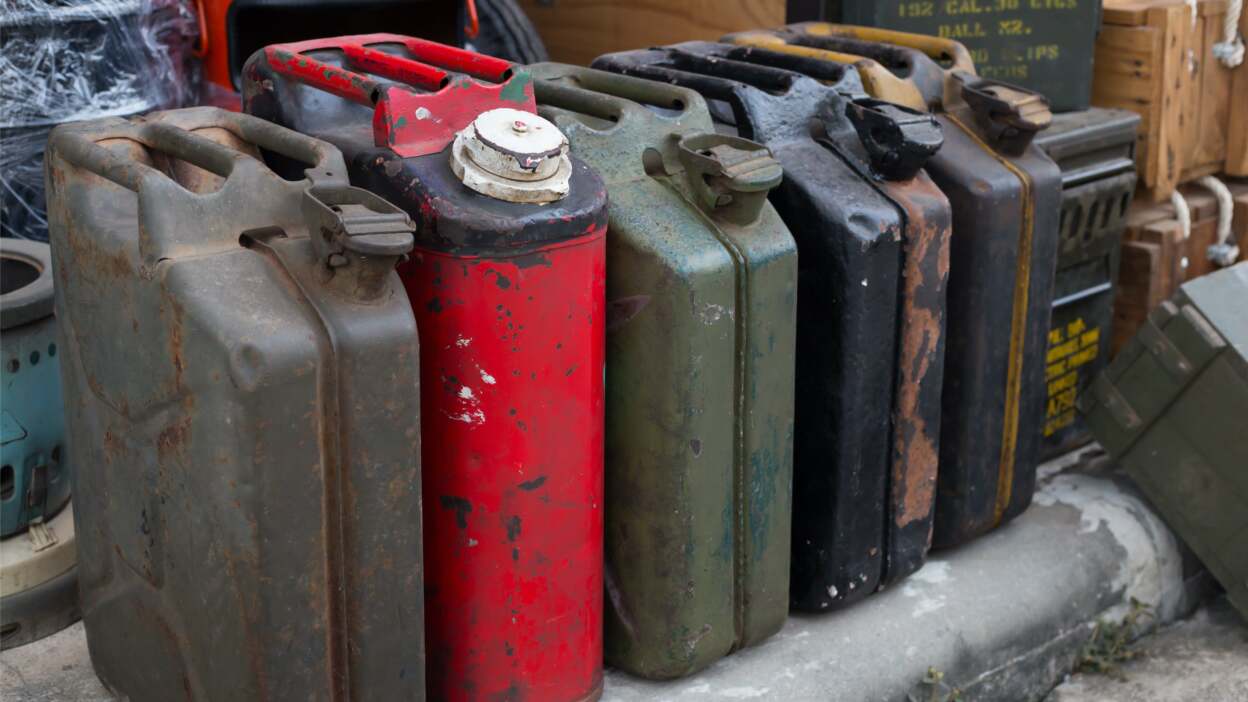
A high-quality metal jerry can can last many years with proper maintenance and dry storage. Lifespan depends on exposure to corrosion, paint condition, seam quality, and gasket integrity. Rust and seal deterioration are the main reasons to discard a can used for long-term storage. To maximise service life, keep the exterior dry and avoid storing the can on wet concrete. Regularly check seams and under handles for rust. Inspect the cap gasket and replace it if cracked or flattened, provided the model allows it. Military specification style cans often offer better durability for long-term storage of gasoline due to heavier materials and stronger seams. Replace any can that leaks, smells strongly near the cap, or shows swelling or severe rust.
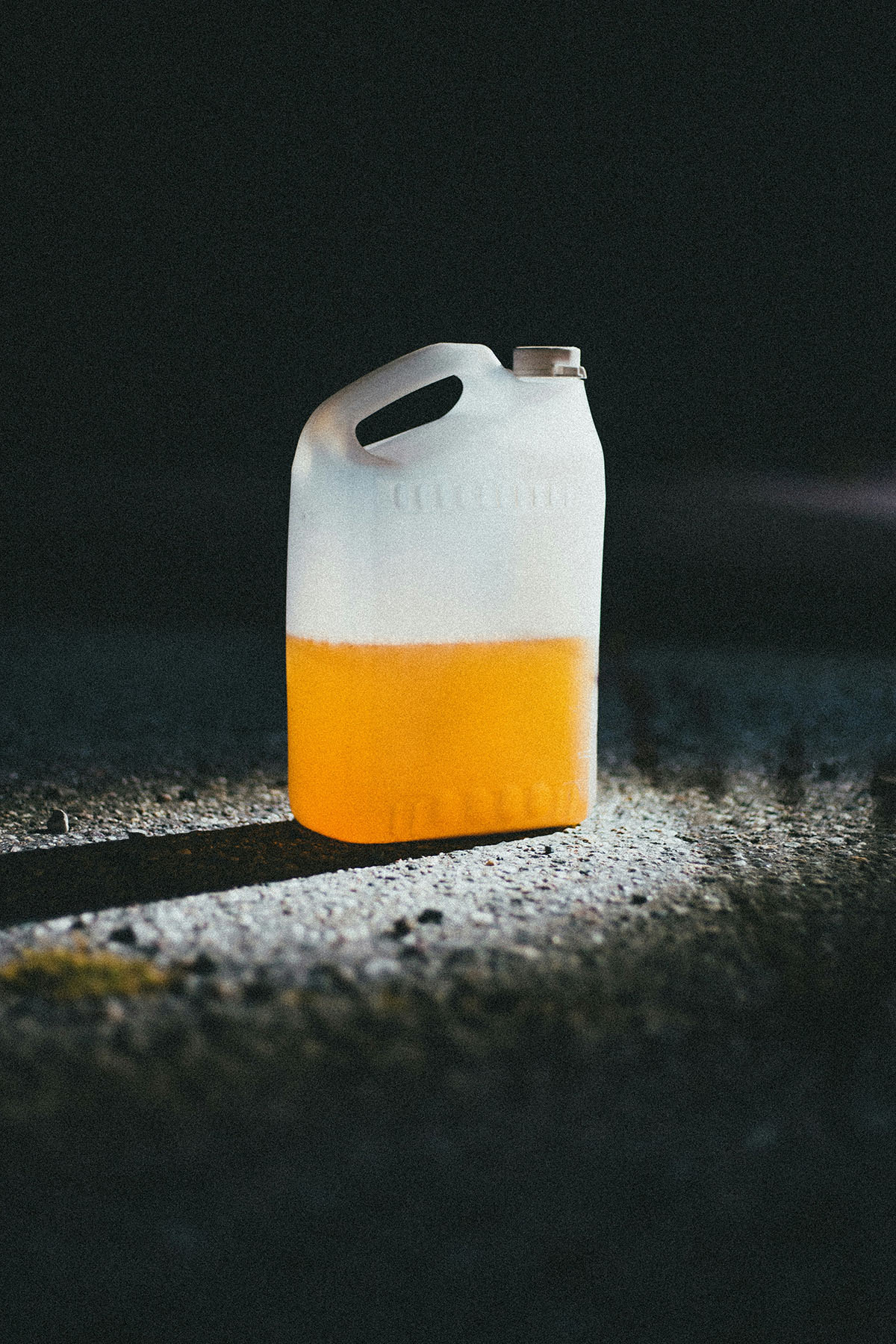
Best Container For Long-Term Gas Storage In Sheds And Garages
Storage location affects safety as much as the container. For best container for long term gasoline storage decisions, match the can to the environment and local rules.
- Choose a ventilated area that stays cool, heat increases vapor pressure and hurts how to keep gas from going bad.
- Keep containers away from ignition sources like heaters, tools that spark, and pilot lights.
- Store off the floor when possible, and use a stable shelf or tray for secondary containment.
- Limit quantity, follow local fire codes and insurance rules for long-term fuel storage in homes.
- Keep gasoline separated from incompatible chemicals and keep it out of living spaces.
- Label containers clearly and maintain a rotation plan so that storing gasoline long-term does not turn into storing forgotten gasoline.
For compliant options, browse the approved gasoline containers and flammable storage cabinets linked on the site, and choose based on your garage or shed conditions and quantity limits.
Flammable Liquid Safety Cabinets For Home Gasoline Storage
Flammable liquid safety cabinets are metal cabinets designed to reduce fire risks and contain chemical spills. Key features include sturdy construction, self-closing doors, and a leak-proof bottom sump to hold spilled liquid. These cabinets help organise containers, protect them from damage, and isolate them from ignition sources. They offer greater utility as liquid quantities increase or hazards multiply. For many homes, a cabinet is a sensible upgrade for long-term gas storage when space and budget permit.
Portable Gas Caddies And Fuel Transfer Tanks For Larger Quantities
Portable fuel caddies are designed for larger fuel volumes and easier dispensing. Common sizes range from twenty-five to sixty gallons. They often include wheels and a handle, allowing fuel to be moved without heavy lifting. This design also significantly reduces spill risk.
Caddies may use manual rotary pumps or built-in transfer pumps. Safety features and proper certifications are very important for these larger sizes. Always follow local rules for storage and transport. A large caddy should not be treated like a casual storage item. For many users, caddies are best for controlled property use rather than very long holding times. Rotation is harder with larger volumes, which affects how to store gasoline long-term.
Storing Gas In A Garage Or Shed And Worried About Safety?
Location matters as much as the container, especially near heat, pilot lights, and tools that spark. Learn how to store containers safely, limit risk, and when a safety cabinet or caddy makes sense for your fuel amount.
Marine Fuel Containers For Boat Gasoline Storage
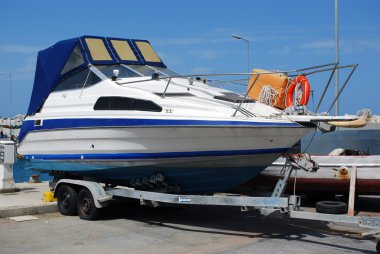
Marine fuel containers require materials that withstand fuel blends and rough handling. They typically feature a built-in gauge, secure fittings, and vented cap systems designed for marine environments. Regulations for marine fuel storage differ from home expectations, including EPA standards and Coast Guard guidance. Always choose containers labelled for marine gasoline use and keep them securely fastened to prevent tipping. Store them away from heat and direct sunlight, and avoid unventilated, enclosed spaces. These steps are essential for keeping gasoline from going bad and reducing hazardous fume buildup.
Auxiliary Fuel Transfer Tanks For Vehicles And Equipment
Vehicle-mounted auxiliary and transfer tanks are specifically designed for mobile use, not just for stationary storage. These tanks may require DOT-compliant construction and proper mounting procedures. They often include valves, hoses, and dispensing equipment, which adds to the system’s complexity and increases inspection requirements.
Transfer tanks help fuel equipment at a job site, but they are not always the best solution for long-term fuel storage. For stable, long-term storage, an approved stationary container system paired with a fuel rotation plan is usually simpler. Use transfer tanks only when mobile dispensing is truly necessary, and you can meet all local regulations.