Need Emergency Fuel Delivery?
  info@elanfuels.com
Key Takeaways
- Off-road diesel vs regular diesel is mostly about tax status and permitted use.
- Off-road diesel can run an engine, but on-road use can still be unlawful.
- Keep receipts and labels to prevent off-road diesel in truck errors.
- Mixing does not erase dye, tests can still detect it.
- Penalties vary, good records can reduce outcomes.
Table of Contents
Can You Put Off-Road Diesel In A Truck?
In many trucks, the fuel will physically run out. That includes many pickups, work trucks, and some farm trucks. The key difference is possible versus allowed. Possible means the engine can operate. Allowed depends on road tax rules and where the truck is driven.
Use these rules of thumb;
- If the truck drives on public roads, treat dyed fuel as high risk even if it runs fine.
- If the engine is on equipment that stays off public roads, dyed fuel may be permitted.
- If a truck is mixed use, separate tanks, cans, and receipts matter most.
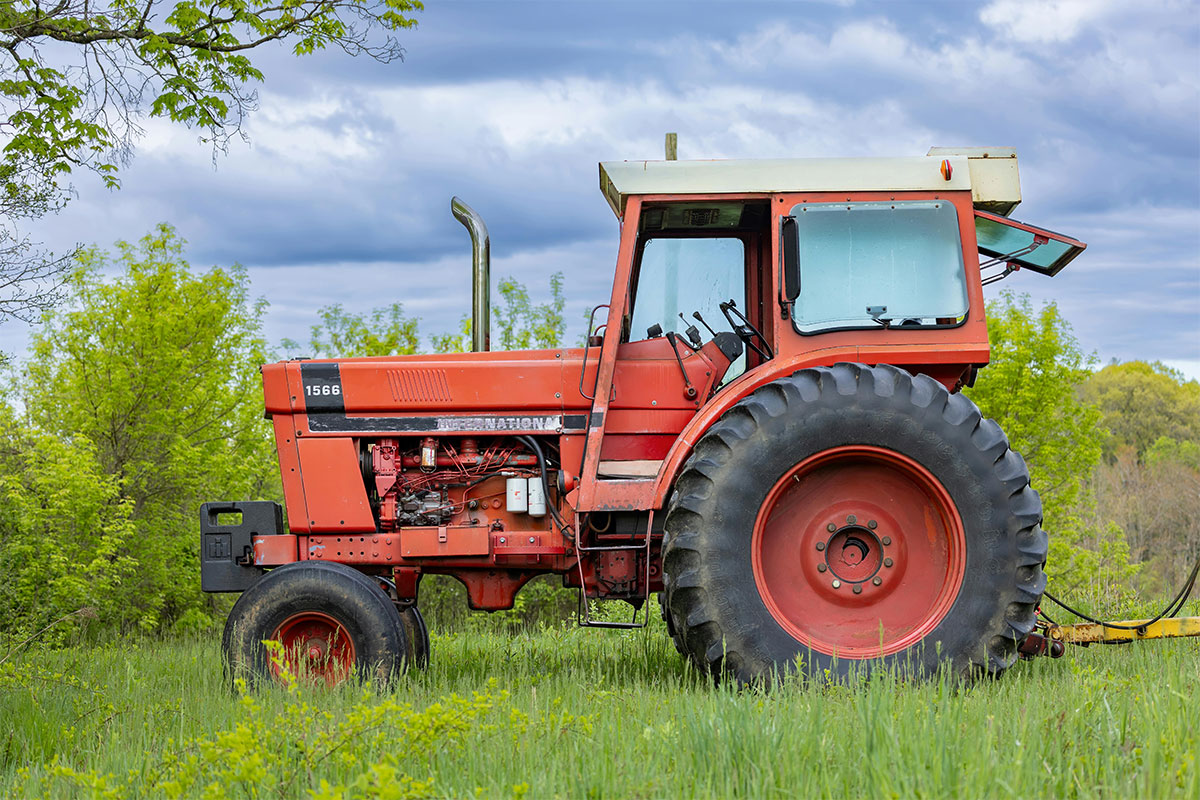
Mistakes with dyed off-road diesel often happen during routine fueling. For example, a farm vehicle like a tractor might use fuel from a dyed tank, and a road-legal pickup could mistakenly be filled from the same source due to habit. A contractor might also use a slip tank for equipment and later use that same nozzle on a road vehicle. These errors lead to common questions like can you run off-road diesel in a farm truck and can you use off-road diesel in a truck.
Convenience should be seen as a warning. If you operate off-road diesel trucks only on private property, keep a written log of the vehicle’s location and specific use. If the truck will travel on public roads, you must switch to clear, taxed fuel before leaving the property. When comparing prices, remember that off-road diesel vs on-road diesel and off-road diesel vs regular represent tax and compliance decisions, not just different pump options. Purchase off-road diesel fuel only for approved equipment, and always keep the invoice. Clear tank labels and strict fueling practices prevent most errors. The dye itself does not damage engines, so the question will off road diesel hurts usually relates to potential fuel contamination. Searches like what is off-road diesel and what is off-road diesel reflect the varying labels for this tax-exempt product.
Can You Use Off-Road Diesel In A Pickup Truck?
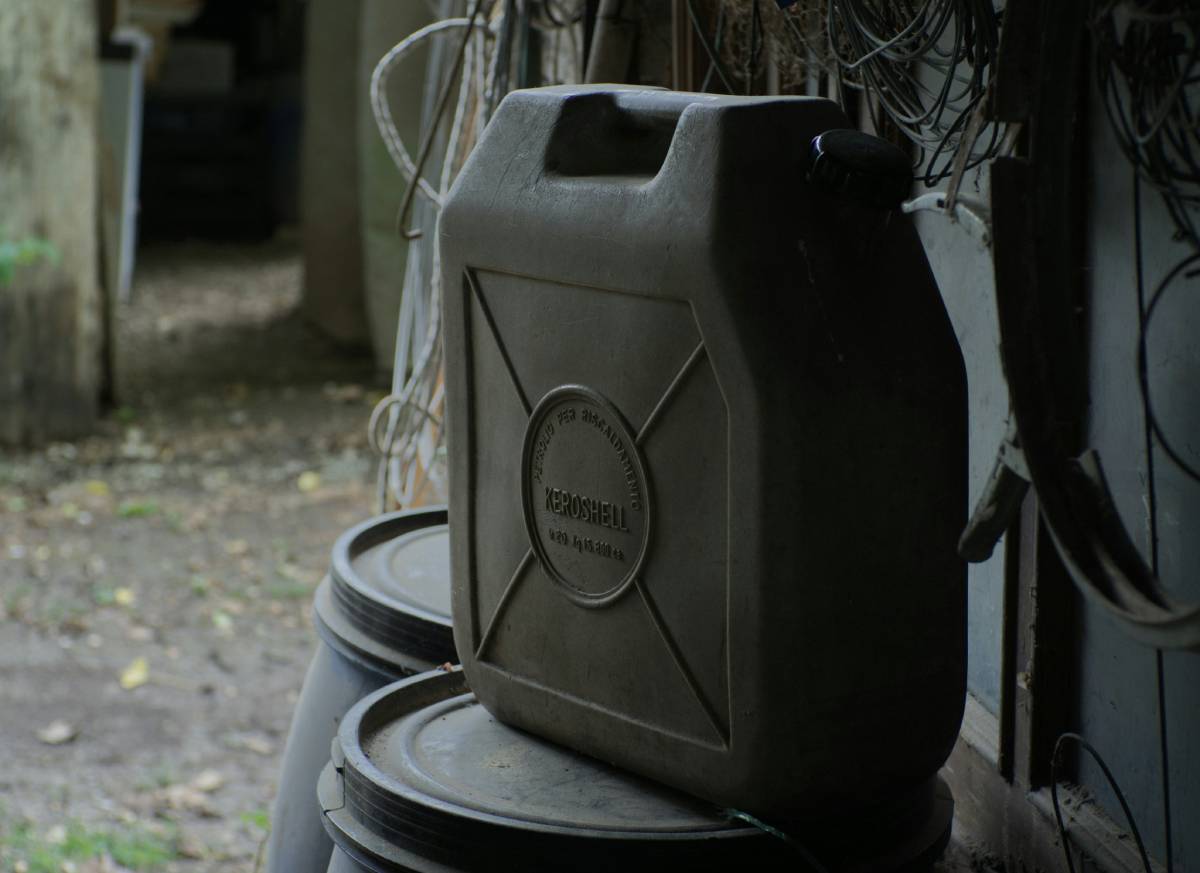
Pickups are inspected because they travel on public roads while also performing job site and farm work. This dual use necessitates enforcement. Driving a pickup with dyed fuel on public roads may be considered tax misuse by inspectors. If you are asking, can I use off-road diesel in my truck, first consider your driving pattern. A pickup that remains off public roads is treated differently from one that commutes daily. To avoid confusion, clearly label bulk tanks, use separate fuel cans, and keep invoices that specify the product.
What To Do If You Accidentally Put Off-Road Diesel In Your Truck
If you accidentally put off-road diesel in my truck, remain calm and stop adding more dyed fuel immediately. Keep the receipt and note the date, location, and total amount. Reduce driving on public roads until you understand the relevant local regulations. Accidents may not automatically remove penalties, as inspections focus on the fuel currently in the tank during a stop. Important details include where you bought the fuel, how the pump was labelled, and how quickly you corrected the error. If this is a fleet vehicle, report the incident and keep the documentation with the vehicle’s records.
Can You Put Red Diesel In A Truck?
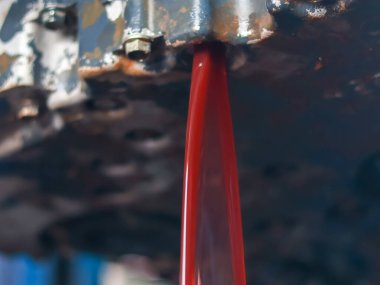
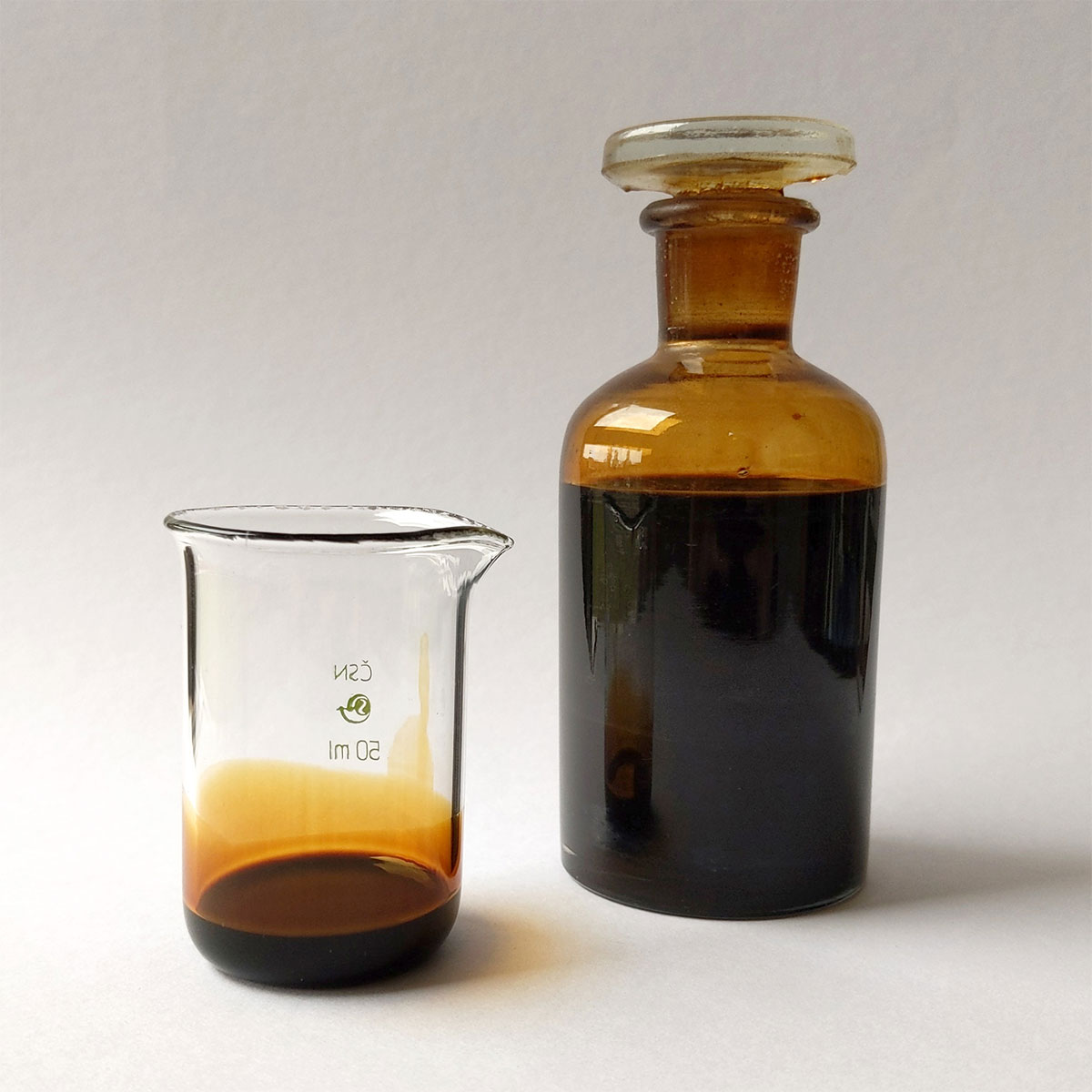
Red diesel is diesel with a dye marker. The dye matters because it makes enforcement easier. The common misconception is that if the base diesel is similar, then it is fine on roads. That is why people ask whether you can put red diesel in a truck. In many regions, the problem is using dyed fuel on public roads, not the engine running.
People are tempted when a farm tank is convenient, when a slip tank is nearby, or when prices rise. Those choices raise risk because the dye is designed to be found.
Accidentally Put Off-Road (Red) Diesel In Your Truck?
If you misfuel with dyed diesel, the biggest risk is legal, not mechanical. Learn what to do next, what records to keep, and how to reduce costly mistakes during routine fueling.
Can You Run Red Diesel In A Truck?
The issue is typically operating on public roads while dyed fuel is present. On-road use often includes commuting, deliveries, errands, and driving between sites. Even short trips can create liability if you are stopped and sampled. If you are asking, can you run red diesel in a truck, assume that public road driving is the key trigger.
Will Off-Road Diesel Hurt My Truck?
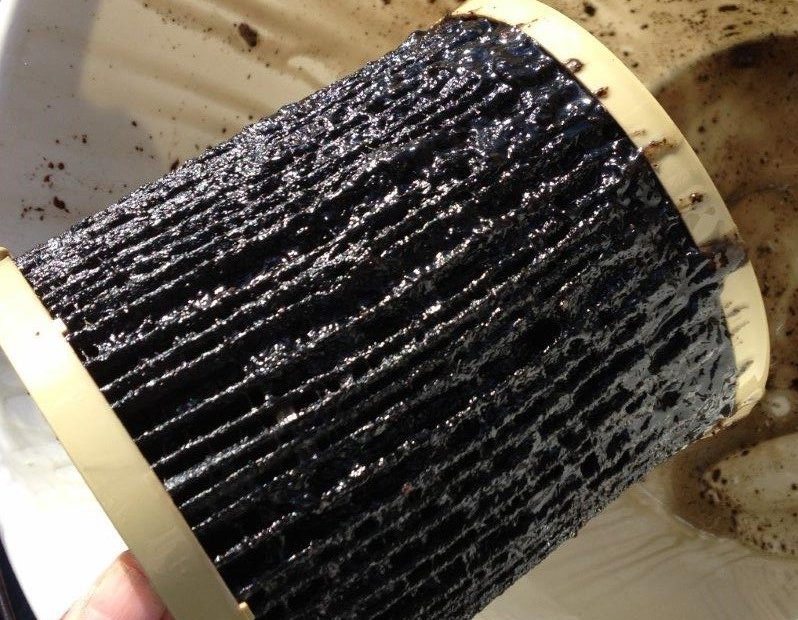
Legal and mechanical risks related to diesel fuel are distinct. Many readers ask if off-road diesel will hurt my truck due to concerns about the red dye. However, the greater mechanical risks usually stem from poor fuel quality and improper storage. A quick quality check should look for four things. Water contamination causes rough running and clogged filters. Sediment from old tanks can damage filters and injectors. Old fuel creates deposits, resulting in poor performance. Wrong handling can introduce other liquids that are more harmful than the dye itself. People also ask whether red dye diesel is bad for your truck, whether red diesel is bad for your truck, and if dyed diesel is bad for your truck. The dye primarily serves as an identifier, but any diesel engine can be harmed by bad storage. If symptoms appear, check the filter, sample the fuel, and inspect for water and dirt.
Can You Mix Red Diesel With Regular Diesel?
If you are asking, can you mix red diesel with regular diesel? Mixing can happen by topping off, shared cans, or shared slip tanks. Mixing does not remove liability, dye traces can remain detectable. It can also confuse your own records.
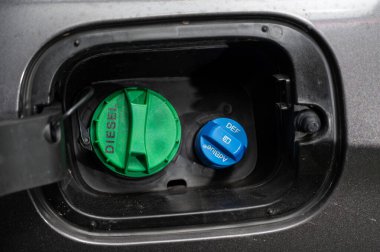
Best practice is prevention. Use dedicated containers, label them clearly, and avoid cross-use of hoses and funnels. If you must switch a tank from dyed to clear use, clean it carefully and change filters.
Why Is Off Road Diesel Illegal?
The fuel itself is not typically banned in most places. The restricted action is using tax-exempt, dyed fuel on public roads. Road taxes fund infrastructure, so regulations connect taxed fuel to on-road driving. This policy link clarifies why off-road diesel is illegal, as a common question.
When people ask why off-road diesel is illegal, the explanation is that dyed fuel is reserved for approved non-road applications. These approved uses include farming and construction equipment, generators, and other diesel off-road vehicles. The restriction is due to tax evasion, not the fuel’s composition.
Driving A Pickup That Does Farm + Road Miles?
Mixed-use trucks get the most attention because they move between private property and public roads. Get simple fueling rules, tank-labelling tips, and a receipt system that helps you stay compliant.
What Is The Fine For Running Off Road Diesel?
The fine for running off-road diesel varies widely. Agencies determine penalties based on the amount of dyed fuel, repeat offences, and whether the vehicle is commercial. Some systems also assess back taxes and fees. Because the numbers vary, prevention is the safest method. Keep receipts, label tanks, and properly train all employees who fuel vehicles. Use a quick compliance checklist and discuss documentation that matches your specific region with your fuel team.
How Do The Police Check For Red Diesel?
Checks can occur during roadside stops, commercial enforcement, or checkpoints. Inspectors often focus on on-road vehicles that appear to be working, towing, or operating commercially, but personal trucks can also be checked.
| Check | What it involves | What it may show |
|---|---|---|
| Visual sample | A small sample is observed | Dye presence and contamination |
| Field test | A test kit is used | Dye markers or indicators |
| Records | Receipts and invoices are reviewed | Product type and history |
These methods are why relying on dilution is risky. If you use dyed fuel for equipment, keep it separate from road vehicles.
How Long Does Dyed Diesel Stay In Tank?
If you ask how long dyed diesel stays in a tank, the dye can linger and remain detectable even after refueling with clear diesel. How long it persists depends on several factors, including the tank size, the amount of dyed fuel used, and the rate at which fuel is turned over. Residue in fuel lines and filters also contributes to its persistence. Using separate fueling systems and practising careful storage procedures can help reduce the accidental carryover of the dye.
What Is Off- Road Diesel?
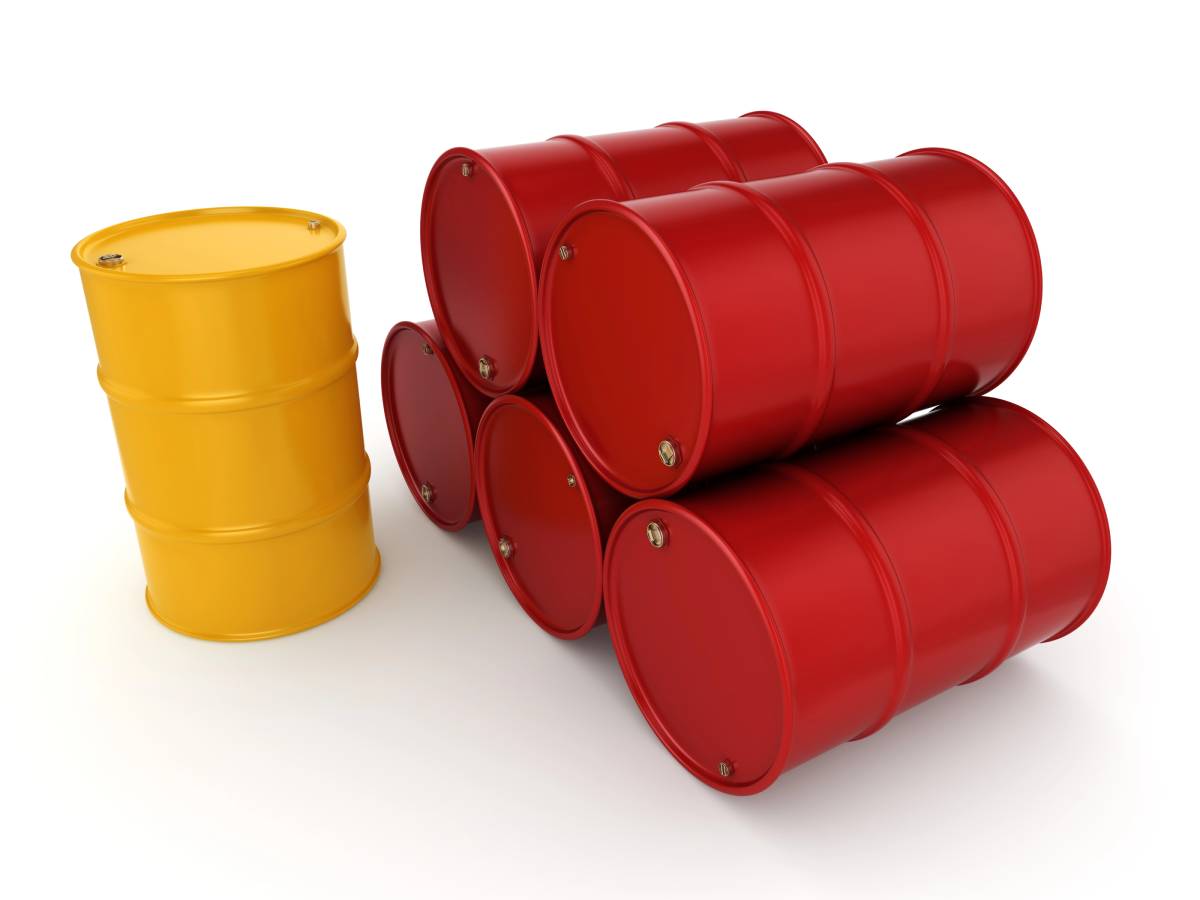
What is off-road diesel is a fuel intended for non-road uses, which means it has a distinct tax status. This fuel is often dyed for easy identification and is sometimes called agricultural diesel fuel or off-road fuel by suppliers. It is typically used for equipment that does not operate regularly on public roads. Always read pump labels and invoices carefully, and ensure storage tanks are clearly marked to guarantee proper usage.

Off-Road Diesel Vs Regular Diesel Explained
Comparisons involving diesel fuel often centre on a single base product with varying regulations. People frequently inquire about the difference between off-road diesel and regular diesel, the difference between off-road diesel and on-road diesel, and what the difference is between off-road diesel and regular diesel, seeking a concise explanation. The most obvious difference is the dye used. However, the critical distinction lies in taxation and authorised usage. Terms such as farm diesel vs road diesel, off-road vs on-road diesel, or on-road diesel vs off-road diesel all refer to this fundamental concept of regulated use and tax status.
How Much Cheaper Is Off-Road Diesel?
Many buyers ask how much cheaper off-road diesel is because its lower price reflects different tax treatment. Although the savings may appear attractive, unlawful use can rapidly increase the actual cost. Risks, vehicle downtime, and penalties often exceed the initial price difference. A realistic cost comparison must include your typical routes, the type of vehicle, the probability of inspection, and the potential cost of an enforcement stop. For true cost comparisons, use a savings calculator that accounts for risk, or inquire about compliant bulk fuel options from a supplier.
Where To Buy Off-Road Diesel?
If you search for where to buy off-road diesel, common sources are fuel suppliers, farm co-ops, card lock locations, and delivered bulk tanks. Some retail stations also offer it at dedicated pumps. Always confirm the label before fueling your equipment.
Some drivers locate options using GasBuddy as a locator, then confirm the pump label and receipt wording before purchase. For safe storage, always use clean, dedicated tanks, manage water, filter the fuel, and ensure road and dyed fuel are physically separated.
Think Mixing Red Diesel With Regular Makes It “Safe”?
Mixing doesn’t erase dye traces, and tests can still detect it. Learn how inspections work, why dilution is risky, and how to prevent cross-contamination with dedicated cans, nozzles, and storage.
Common Myths And Facts About Off-Road and On-Road Diesel
| Common Myth | The Reality |
|---|---|
| Off-road diesel is legal for public highway use | Legality is determined by tax status and road use. Off-road diesel is untaxed for public road travel. |
| You can put diesel in a truck | The main violation is using it on public roads, not merely putting it in the tank. |
| Can you mix red diesel with regular diesel? | Traces can remain detectable even after mixing or refilling with regular fuel. |
| Red diesel will | Water and dirt are much greater mechanical threats to your engine than the fuel itself. |
| Only big rigs get checked for illegal fuel use | Pickups and work trucks are frequently inspected for using off-road diesel. |