Need Emergency Fuel Delivery?
  info@elanfuels.com
Key Takeaways
- A diesel supercharger can improve low RPM torque feel, but it adds drag to the engine.
- Whether you can put a supercharger on a diesel safely depends on fueling, tuning, intercooling, and engine strength.
- Supercharged diesel vs turbo diesel often comes down to response versus efficiency under load.
- A diesel supercharger kit is only reliable when fitment and calibration are correct.
Table of Contents
Can You Supercharge A Diesel?
Yes, can you supercharge a diesel is mechanically possible. A diesel engine primarily controls power by regulating injected fuel, not by throttling air like most gasoline engines. This means a diesel can accept more air without needing a complex throttle strategy. Adding forced induction increases the oxygen mass in the cylinder. This allows more fuel to burn, which in turn produces more torque. Diesel combustion is called compression ignition. Air is highly compressed until it becomes hot, then fuel is injected and ignites. Forced induction increases the air mass, supporting a greater volume of fuel. The main challenge is managing the resulting heat and pressure.
A common misconception is that airflow alone creates significant power. On a diesel, extra air reduces smoke and improves efficiency, but power increases only when the fuel system and tuning are matched to the greater airflow. Another misconception is that boost cannot damage diesels. Excess cylinder pressure can damage pistons, stress rods, and lift the head. Excess heat also shortens engine and turbo life.
Can You Supercharge A Diesel Engine?
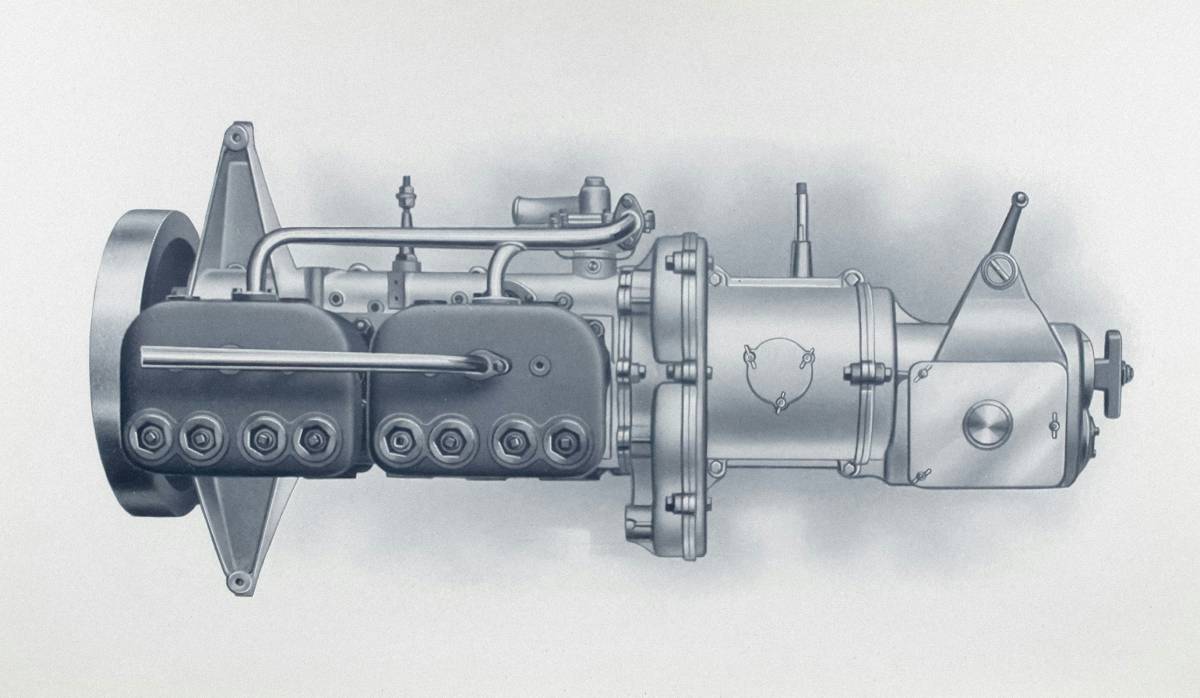
A supercharged diesel engine uses a belt-driven compressor mounted with brackets and a drive system. The compressor pressurizes intake air. This air usually passes through an intercooler before reaching the intake manifold. A bypass valve controls boost at light load, preventing constant pressure. Diesel airflow differs from gasoline because diesel engines often run with excess air, which can be very lean at light load. Supercharging allows more fuel to burn under load, reducing smoke. The tune must coordinate boost, injection timing, rail pressure, and torque limits for safety.
Success requires strong charge air cooling, a fueling plan, and a calibration strategy, along with realistic boost targets. A high boost often necessitates upgraded head studs, stronger pistons, and drivetrain reinforcement. Therefore, you can put a supercharger on a diesel, depending on the whole system, not just the physical mounting.
What Happens If You Supercharge A Diesel?
A supercharger instantly improves torque feel and low-RPM throttle response, beneficial for towing and competition starts. Many favor supercharged diesel for this immediate airflow. The drawbacks are increased heat and stress on engine components (pistons, rings, valves, gaskets, and cooling system) due to higher intake air temperatures and cylinder pressures, especially during extended high-load operation. The earlier torque rise also stresses the transmission and clutch.
Performance gains depend on matching parts and tuning. A safe build may show stronger midrange torque and improved drivability. An aggressive build may show large gains but also a much smaller margin for error. A diesel supercharger can deliver strong results, but it can also expose weak links faster than many owners expect.
Why Are Diesel Cars Not Supercharged?
Most modern diesel cars use turbochargers because the technology aligns with diesel priorities. Turbocharging is efficient for highway cruising and steady load driving because it recovers exhaust energy that would otherwise be wasted. Diesel buyers and manufacturers prioritize torque, driving range, emissions compliance, and durability. Turbo systems support these goals while minimizing mechanical drag.
Decades of development have improved turbo diesel technology significantly. Innovations like variable geometry turbos, better intercoolers, and advanced fuel injection reduced turbo lag and improved drivability. Consequently, the main advantage of supercharging, quick low RPM boost, became less crucial for passenger cars. Most consumers prefer efficient torque and strong highway fuel economy over the added complexity and cost of supercharging. This is why supercharged diesel passenger cars remained rare while turbo diesels became the industry standard.
Planning A Diesel Supercharger Build?
More boost can feel amazing at low RPM—but heat, cylinder pressure, and poor tuning can break parts fast. Use our checklist to plan fueling, intercooling, and safe boost targets.
Why Do Diesel Engines Not Typically Use Superchargers?
The main drawback of a diesel supercharger is reduced efficiency. It draws power from the crankshaft, a parasitic load that lowers fuel economy during steady cruising. A turbocharger, using exhaust energy, often achieves better efficiency. Superchargers also present packaging challenges, as the compressor, belts, and brackets require significant engine bay space. Moreover, air compression generates heat, demanding strong intercooling, which further complicates the packaging. These factors limit supercharging in mass-produced diesel designs.
Supercharged Diesel Vs Turbo Diesel Which Is Better?
The choice between supercharged diesel vs turbo diesel depends on specific performance goals. A supercharger provides a strong, low-RPM response because it is mechanically linked to the engine speed. A turbocharger typically delivers stronger output at higher RPMs and increased airflow demands due to its efficient high-boost capability once spooled. While a supercharger offers instant feel, it continuously loads the engine and generates heat. Conversely, a properly sized turbo, especially a variable geometry type, can still feel responsive.
Efficiency under load is where turbos often lead. Under long towing pulls, a turbo system can sustain boost with less direct mechanical loss. A supercharger can still tow well, but belt load and intake heat can become bigger constraints.
| Comparison point | Supercharger on diesel | Turbo on diesel |
|---|---|---|
| Low RPM response | Fast boost with engine speed | Can lag, can be reduced with sizing |
| Midrange towing feel | Strong early torque | Strong once spooled |
| Efficiency at cruise | Lower due to crank drive | Often higher due to exhaust drive |
| Heat management | Intake heat can rise quickly | Exhaust heat is a major factor |
| Typical adoption | Niche custom builds | Common factory choice |
What Is Stronger A Turbo Or A Supercharger?
Stronger refers to torque, horsepower, or durability. A supercharger feels stronger at low RPMs due to earlier boost availability for torque. A turbo often offers more peak horsepower, flowing air efficiently at higher speeds. Durability depends on the build, not the concept. A high boost and poor tuning harm either system. High exhaust temperatures stress turbos, while high intake temperatures and belt load stress superchargers. Conservative boost, strong intercooling, and careful calibration ensure the safest performance by managing temperature and cylinder pressure.
Can You Put A Supercharger On A Turbo Diesel?
The concept described is twin charging, which involves combining a supercharger and a turbocharger. The supercharger provides an immediate boost at low RPMs, improving throttle response off idle. The turbocharger then takes over at higher RPMs to maintain strong top-end power and airflow. This approach is complex because the two compressors require careful coordination to prevent them from working against each other.
Twin charge systems typically use components like bypass valves and one-way valves to direct airflow efficiently at the appropriate time. Furthermore, the engine’s tuning must precisely manage fueling and boost limits across diverse operating conditions. Consequently, these intricate setups are usually reserved for competition applications or specialized projects. For those asking can you supercharge a diesel for reliable daily driving? A well-planned single forced induction system is generally the simpler and safer starting point.
Turbo Vs Supercharger—Which Fits Your Use Case?
Superchargers bring instant low-RPM response, while turbos usually win on cruising efficiency and sustained towing. We’ll help you match the right setup to how you actually drive or work.
Could Electric Supercharging Be The Answer?
Electric superchargers use a motor to spin a compressor, aiming for quick boost response without constant belt load. Theoretically, this assist improves transient response before the turbo spools. Practically, generating a meaningful boost requires significant electrical power. This necessitates strong alternators, batteries, wiring, and reliable control. For diesel engines, the most reliable improvements come from good airflow, effective intercooling, and proper tuning. Electric assist is a supplement, not a replacement, for a safe forced induction setup.
Does A Supercharger Reduce Engine Life On A Diesel?
Boost increases cylinder pressure and heat, which can accelerate wear or cause failures if an engine exceeds its design limits. A supercharged diesel engine with consistently high exhaust temperatures can shorten the life of pistons, rings, and valves. An increased boost also raises head gasket stress. Engine life remains stable with conservative builds, safe tunes, good temperature control, and proper maintenance.
Here are the main factors that decide outcomes.
- Tune quality: Fueling and timing must match airflow and keep temperatures controlled.
- Charge air cooling: Intake temperatures should stay low under sustained load.
- Fuel system health: Injectors, pumps, and filtration must support clean delivery.
- Engine strength: Head studs, head gasket condition, and piston design matter.
- Drivetrain margin: More low RPM torque can overload clutches and gearboxes.
- Maintenance discipline: Oil quality, coolant health, and regular checks matter.
If you want longevity, avoid chasing maximum boost on stock parts. A diesel supercharger can be reliable, but it needs realistic targets and professional calibration.
What Is A Supercharged Diesel Engine?
A supercharged diesel engine utilizes a mechanically driven compressor to increase intake air pressure above the atmosphere. This process boosts air density, enabling more complete fuel combustion, which yields less smoke and greater torque when tuned correctly. This differs from a naturally aspirated diesel, which relies solely on atmospheric pressure and engine breathing. It is also distinct from a turbo diesel because the supercharger is crankshaft-driven, not exhaust-driven. This changes the engine’s response and efficiency profile.
Supercharged diesel setups often provide immediate response at low RPM, unlike many turbo diesels that feel stronger as the RPM increases. Today, they are mostly found in custom applications for towing, pulling, or racing, as factory versions are rare in passenger vehicles.
What Is A Diesel Supercharger Kit?
A diesel supercharger kit is a comprehensive package designed to integrate a supercharger onto a specific diesel engine and vehicle. The typical kit includes the compressor, essential mounting brackets, pulleys, a belt drive system, and necessary intake plumbing. Many kits require an intercooler upgrade and a bypass valve system. Compatibility is limited due to variations in engine bay size and accessory layout. Correct calibration is vital for safe operation, preventing excessive smoke, high heat, and unsafe cylinder pressures.
A practical way to evaluate a diesel supercharger kit is to check these items before purchase.
- Vehicle and engine match. Confirm exact engine code and model year fitment.
- Cooling plan. Confirm intercooler capacity and airflow through the cooling stack.
- Belt system design. Confirm alignment, tensioning, and pulley ratios are proven.
- Tuning support. Confirm your ECU can be tuned safely for the new airflow.
- Fuel system needs. Confirm injector and pump capacity for your power goal.
- Drivetrain limits. Confirm transmission and clutch capacity for early torque rise.
For long- term reliability, consult professional diesel performance specialists. They can help choose the right diesel supercharger kit, confirm fitment, install it accurately, and tune it for your real use case.
Are There Supercharged Diesel Trucks And Cars?
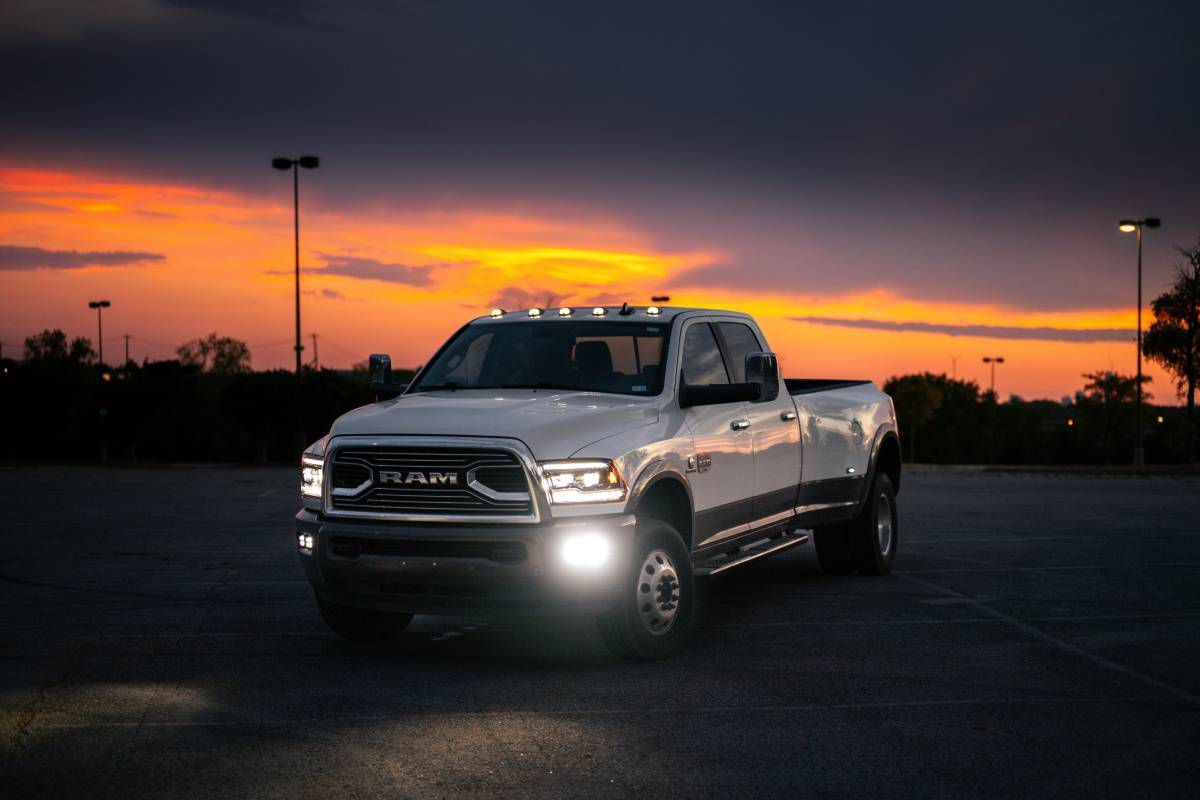
Supercharged diesel vehicles are mostly niche and custom builds. A supercharged diesel truck is more common than a supercharged passenger car. Trucks offer more engine bay space, stronger drivetrains, and a large aftermarket for towing, pulling, and racing. Diesel cars have tighter packaging and complex emissions systems, which complicate custom airflow modifications.
When these builds occur, they pursue specific objectives. Some aim for fast, low-speed response when pulling heavy loads. Others target competition launches or short runs. Some are show builds designed to prove a concept. Owners often choose supercharging for a distinct torque feel compared to a typical turbo setup.
Worried A Supercharger Will Shorten Diesel Engine Life?
A mild, well-cooled, conservatively tuned setup can stay reliable—but aggressive boost shrinks your margin for error. Learn the warning points to watch before you commit to a kit.
Can You Supercharge a Four-Cylinder Diesel Engine?
Supercharging four-cylinder diesels is possible, but harder than on larger engines. Smaller displacement makes airflow tuning more sensitive. Heat buildup is faster, and parts are often lighter duty. Tighter packaging complicates intercooling and belt routing. A four cylinder build requires careful boost control and very strong cooling. The tune must prioritize safe exhaust temperatures, and the power goal should remain modest for reliability. This complexity explains why turbo upgrades are often preferred over a full supercharger system on small diesels.
Can You Supercharge A Cummins Diesel Engine?
Large displacement diesel engines are suitable for experiments because they can move significant air and produce strong, low-end torque. Some builders use a procharged Cummins setup to improve low RPM airflow and launch response, making the gains very noticeable due to the engine’s size. However, limits like head sealing, piston temperature, and drivetrain capacity remain. Successful builds require a clear use case and a realistic power target. Consult diesel performance builders for appropriate forced induction hardware and tuning to meet high output goals.
Why Are Two-Stroke Diesel Engines Different For Supercharging?
Two-stroke diesels require pressurized airflow, called scavenging, to push exhaust gases out and bring fresh air in due to their timing. For many classic two-stroke diesel designs, a blower was essential for basic operation, not just a performance enhancement. Four-stroke diesels can run naturally aspirated at low loads, adding forced induction for efficiency. Two-stroke engines rely on forced airflow as a core breathing process. This explains the historical link between supercharging and two-stroke diesels.