Need Emergency Fuel Delivery?
  info@elanfuels.com
Key Takeaways
- Diesel vs gas fuel efficiency often favors diesel on longer trips and steady loads.
- Diesel vs gas mpg can look strong, but fuel prices and maintenance costs change the totals.
- Gas vs diesel torque delivery is different, and towing feel often favors diesel.
- Desel vs gas reliability depends on design, maintenance, and emissions equipment.
- Should I buy gas or diesel depends on miles driven, load, climate, and budget.
Table of Contents
Diesel Vs Gas
Diesel and gasoline engines both convert fuel into motion using different methods, affecting efficiency, power, and lifespan. A gasoline engine uses a spark plug to ignite its fuel-air mix at a lower compression ratio. Diesel engines compress air first, then inject fuel into the hot air, causing ignition without a spark. This higher compression supports strong thermal efficiency. Diesel engines produce strong low-speed torque, while gasoline engines are more responsive in light-duty driving. These fundamentals highlight the core trade-offs between diesel and gas.
What Distinguishes Diesel Vehicles From Gasoline Vehicles In Real-World Use?
In real driving, the best engine is the one that matches your routes and your load.
- City driving. Gasoline engines warm up quickly and often suit short trips. Many diesel engines can be less happy with repeated short runs if the emissions system does not reach the proper temperature.
- Highway driving. Diesel vehicles often do well at steady speeds. This is where many drivers notice that diesel is more fuel-efficient in practice.
- Towing and hauling. Diesel torque at low engine speed helps hold speed on grades. This is a major reason people ask why diesel is over gas for work use.
- Cold weather use. Both can work well, but diesel fuel and diesel starting can need extra attention in very cold conditions.
- Noise and feel. Modern diesels are quieter than older models, but gasoline is often smoother in small cars.
Vehicle categories matter for fuel choices. Diesel is common in US trucks, but less so in smaller sedans. Europe once favoured diesel passenger cars, especially for long drives. Now, regulations have shifted the market. Today, diesel is found in many trucks, larger SUVs, commercial vans, and work vehicles. Limited small-car options affect your practical gas- or diesel-fueled decisions.
Still Torn Between Diesel Vs Gas For Your Next Vehicle?
If you’re stuck comparing diesel vs gas for fuel efficiency, towing feel, and long-term costs, use a quick decision guide that matches your engine choice to your miles, load, climate, and budget. Get a clearer “best fit” answer in minutes without guessing.
Which Engine Type Between Diesel Vs Gasoline Delivers Better Fuel Efficiency And Mileage?
Fuel efficiency can be described in several ways, such as miles per gallon or fuel use over distance and total cost over time. When comparing diesel vs gasoline efficiency, separating the three ideas helps. First is thermal efficiency. Diesel engines often convert more of the fuel’s energy into useful work due to higher compression and lean-burn operation. Second is energy content per unit of fuel. Diesel fuel often contains more energy per gallon than gasoline, which supports a longer range. Third is how the vehicle is used. Weight, gearing, tire choice, load, road speed, and driving style can change results significantly. In many real world cases, diesel can lead on highway mileage and under load. That is why people search which is more fuel efficient diesel or gas and often hear that diesel wins on long trips. City driving, short trips, and light duty commuting can narrow the gap, and a modern turbo gasoline engine can sometimes be competitive.
How Does Diesel Fuel Efficiency Compare To Gasoline Efficiency?
Diesel gains efficiency from lean burn operation, supporting better conversion of heat into work. Diesel fuel also has higher energy density per gallon, which reduces fuel consumption.
| Vehicle type | Typical pattern for diesel vs gas mpg | Where diesel often helps |
|---|---|---|
| Sedan | Diesel can be higher on steady routes | Longer highway commutes |
| Sport utility vehicle | Diesel can hold mileage better under load | Family trips with cargo |
| Light truck | Diesel can stay efficient while towing | Towing and long work days |
Real-world mileage depends on weight, load, and driving style. Heavy wheels, aggressive tyres, roof racks, and stop-and-go traffic reduce efficiency for both engine types. Towing performance often favors diesel, which is central to diesel efficiency vs gas comparisons.
If you want clean, reliable performance, you can buy high-quality gasoline or diesel from us. Better fuel quality supports stable combustion, cleaner injectors, and more consistent engine operation.
Why Are Diesel Engines Often Considered More Efficient Than Gasoline Engines?
Many ask why diesel is more efficient. Higher compression ratios increase potential thermal efficiency. Diesel combustion is controlled by injection timing and quantity, supporting efficient operation across a wide load range. Strong low-speed torque allows taller gearing, reducing revs and losses at cruise. High efficiency under heavy load explains its use in commercial vehicles. Emissions systems add complexity. Maintenance quality is critical; poor care reduces efficiency and raises costs. These trade-offs are key to understanding the pros and cons of diesel vs. gasoline engines for buyers.
Want To Know If Diesel Fuel Savings Will Actually Pay Off?
Diesel vs gas mpg can look better on paper, but the real question is whether fuel savings beat higher purchase price and maintenance over your ownership period. Use a simple break-even calculator based on yearly miles, towing frequency, and expected resale value.
Why Do Some Drivers Choose Diesel Over Gasoline?
Drivers choose diesel for practical and personal reasons.
Durability is a common belief, and many people ask why diesel when gasoline options exist. Towing power is another key reason, especially for rural and commercial use. Fuel economy on long routes is also a major driver, which ties back to questions like “Are diesels more fuel efficient?”
Some choices are regional, as diesel is part of the work culture in areas with heavy pickup use. For long-distance driving and frequent towing, a driver may trust diesel because it feels strong at low speeds and delivers a long range. There is also psychology: many drivers associate diesel with longevity and heavy-duty strength, which feeds questions like ‘why choose diesel over gas?’ and ‘why buy diesel over gas?’ Those perceptions can be supported by real benefits, but the best choice depends on vehicle use.
What Advantages Do Diesel Engines Offer Over Gasoline Engines?
Diesel engines offer distinct strengths, especially for larger vehicles and trucks. These advantages of diesel over gasoline often become apparent in specific operational scenarios:
- Superior Low-End Torque: Diesel delivers its torque early, which is highly beneficial for towing and hauling heavy loads.
- Highway Fuel Efficiency: Many drivers notice significant diesel vs. gas fuel efficiency when maintaining steady speeds over long distances.
- Extended Range: Due to diesel fuel’s higher energy density, vehicles can often travel longer distances between refuelling stops.
- Heavy-Duty Suitability: Diesel engines are widely favored for fleets and demanding, heavy-duty work applications.
- Strong Resale Value in Specific Markets: In certain vehicle segments, particularly trucks, where diesel demand is consistent, resale value can remain high.
Ultimately, diesel is an excellent choice for drivers who regularly carry heavy cargo or undertake long-haul trips at constant speeds, as the benefits of diesel over gas in these situations tend to outweigh potential drawbacks like a higher initial purchase price and certain maintenance expenses.
How Do Diesel And Gasoline Engines Compare In Reliability And Longevity?
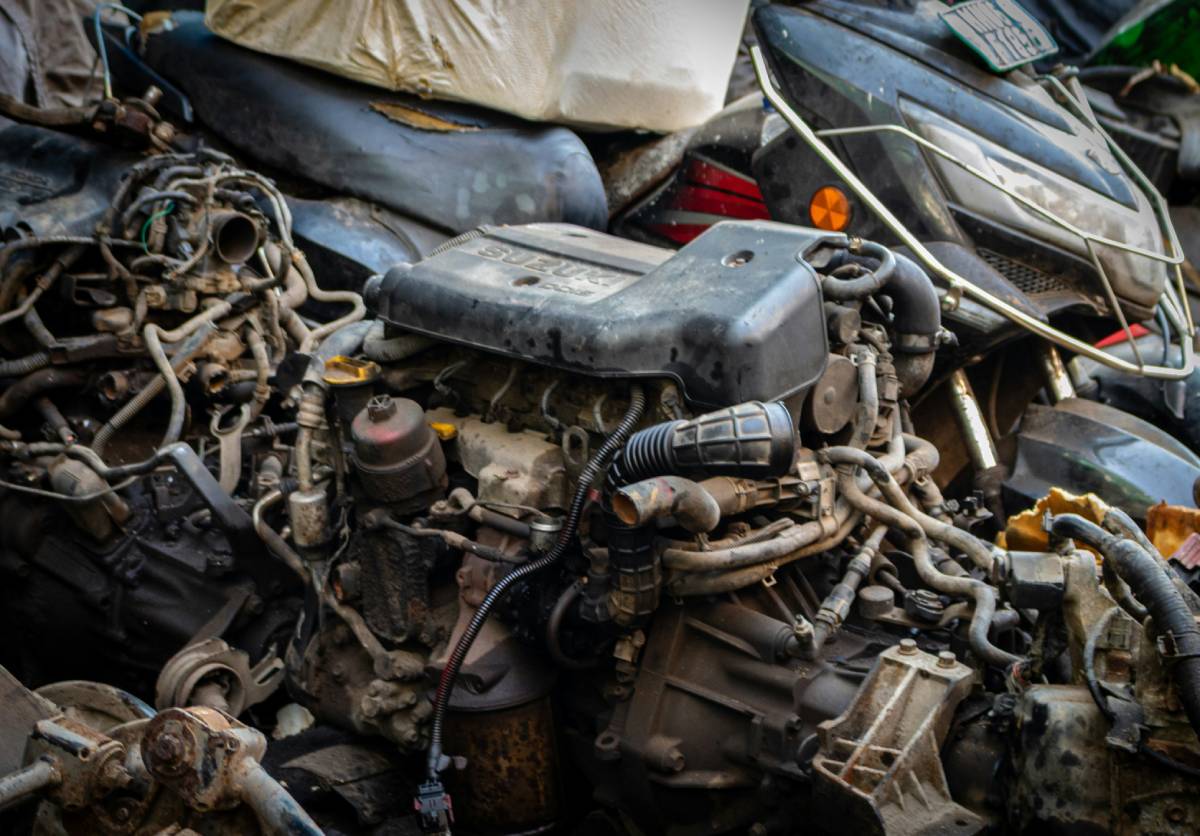
Reliability and lifespan depend on the exact engine, transmission, maintenance, and usage, not only the fuel type. Diesel engines are built to withstand high compression, which supports a long service life, leading people to ask whether diesel engines are better for long-term ownership. Modern diesels have expensive, complex fuel injection and emissions parts that can fail. Gasoline engines can be simpler and cheaper to repair. A fair summary is that both types can last a long time with good maintenance. When comparing which is more reliable, gas or diesel, look at specific models and your driving pattern.
Which Engine Type Performs Better In Speed And Overall Driving Performance?
Performance involves more than top speed. It includes acceleration feel, passing power, and engine response in daily driving. The core difference lies between torque and horsepower. Torque is the turning force, while horsepower is how quickly that force is delivered over time. Diesel engines often produce more torque at low engine speeds, feeling strong when pulling away, climbing hills, or towing. Gasoline engines typically generate more power at higher engine speeds, supporting faster acceleration in lighter vehicles. Modern turbocharged engines lessen this gap. Drivers often ask whether diesel or gas is faster. Gasoline can feel quicker in small cars, but diesel feels quicker for towing and heavy loads.
What Are The Pros And Cons Of Gas Vs Diesel Engines?
Both options have real strengths and real downsides. The best choice depends on your priorities. This section summarises the pros and cons of gas vs diesel in a practical way.
- Fuel economy: Diesel can lead to diesel vs gas mpg (miles per gallon) on the highway and under load. Gasoline can be competitive in city and short-trip use.
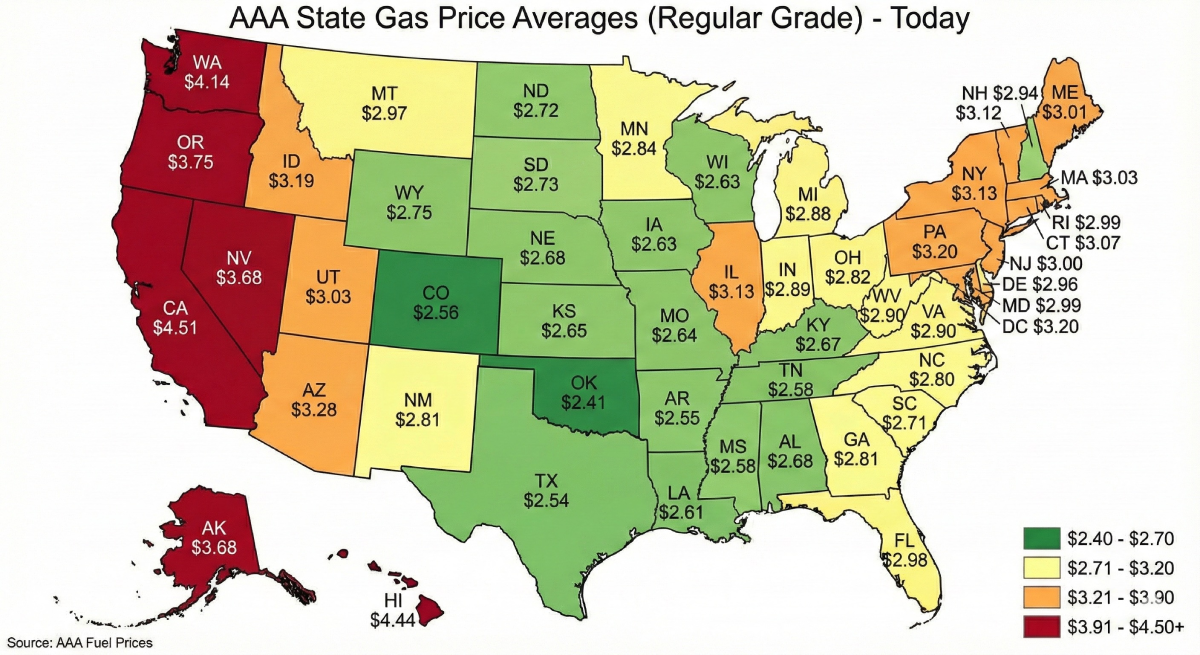
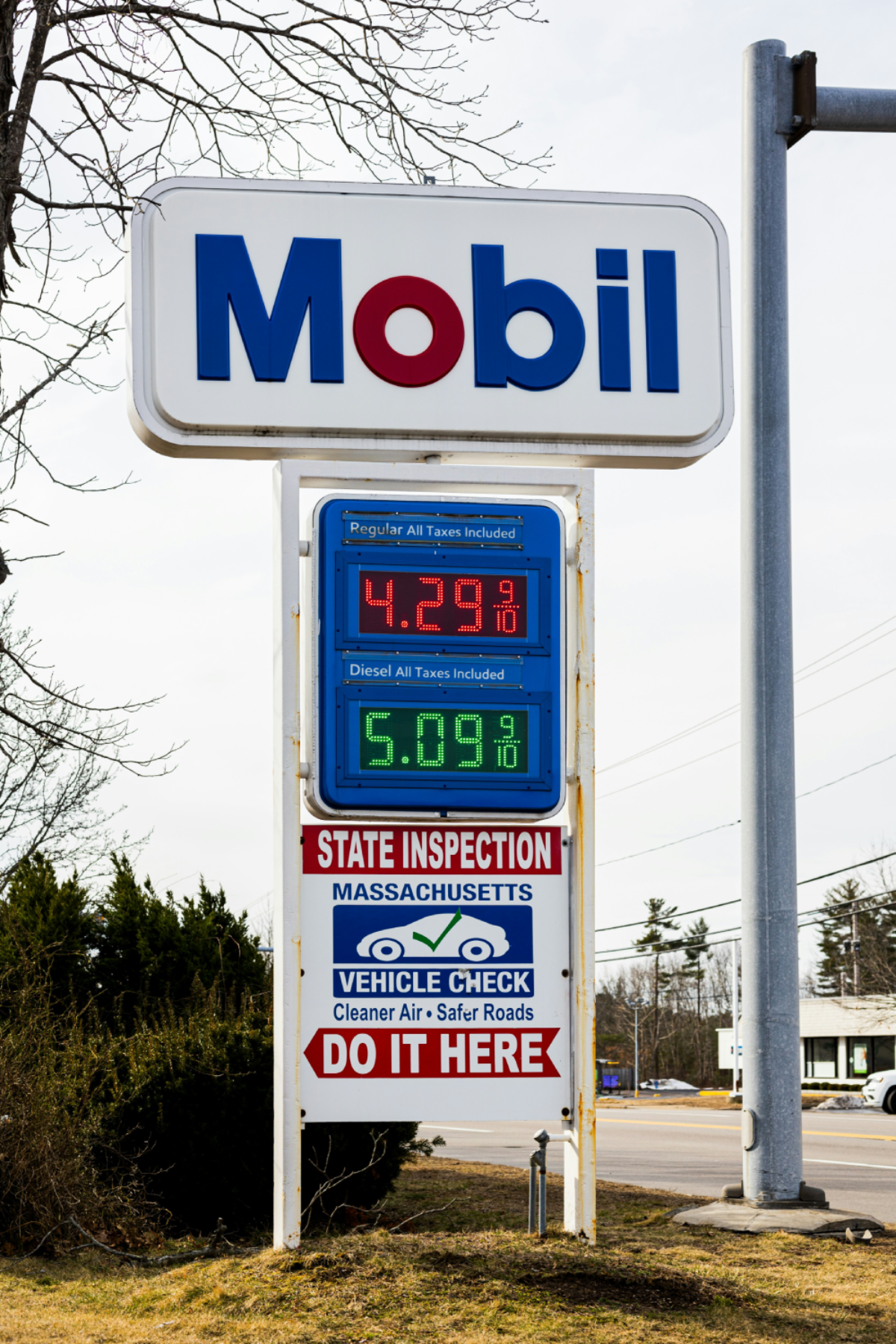
- Fuel price: Diesel can cost more in some regions, reducing savings.
- Maintenance: Diesel oil changes and filters can cost more, and modern emissions systems add cost risk.
- Towing and hauling: Diesel often feels more relaxed and comfortable under load.
- Cold weather. Gasoline can start more easily in extreme cold, and diesel may need more planning.
- Availability and model choice: Gasoline options are more common in many passenger categories.
- Emissions: Both have emissions systems, but modern diesel engines can be more complex.
If you want a balanced view, look at the pros and cons of diesel vs. gasoline for the exact model you are considering, then match it to your driving pattern.
Hauling, Towing, Or Long Highway Miles? Check The Right Setup First
If your driving involves steady speeds, cargo, or frequent towing, the differences in diesel vs gas fuel efficiency and torque delivery can change your experience and costs fast. Get a practical checklist that helps you choose the right engine type and the right vehicle category for how you actually drive.
How Do Ownership Costs Differ Between Diesel And Gasoline Vehicles?
Ownership cost includes the purchase price, maintenance, repairs, insurance, and depreciation, not just fuel. Diesel vehicles often cost more initially. This higher cost needs to be offset by fuel savings and resale value. Maintenance costs can differ, with some diesel repairs being expensive. Many shoppers ask, “Should I buy diesel or gas?” The break-even point depends on how much you drive and how much you tow. For a practical comparison, estimate yearly miles, towing frequency, and expected ownership length to compare fuel spend, maintenance, and typical resale value.
Which Type Of Engine Is Better For Towing, Power, And Heavy-Duty Use?
Diesel is often the preferred option for towing and heavy-duty work because it delivers strong torque at low engine speed. This power profile suits towing, especially on grades. Diesel power curves feel steady under load, reducing the need for frequent downshifts. It remains dominant in commercial trucks for long-haul and heavy-load work, providing durability when properly maintained. Gasoline can still tow, but for frequent towing, large trailers, and heavy daily loads, diesel is often the better choice. This ties into the discussions about why to buy a diesel vs gas car.
Why Is Gasoline More Commonly Used Than Diesel In Many Countries?
Gasoline is often preferred in passenger vehicles due to market history, policy, and strategy. In the United States, gasoline cars are the default, while in Europe diesel adoption was widespread, though this is changing. Infrastructure and service networks favour gasoline models. The manufacturer’s strategy also reinforces the trend if buyers prefer gasoline. Fuel pricing and emissions rules also shape demand. These factors help explain why do we use gas instead of diesel and why gasoline is more popular than diesel. The answer is a mix of economics, availability, regulation, and consumer habits.