Need Emergency Fuel Delivery?
  info@elanfuels.com
Key Takeaways
- Diesel engines require oil for lubrication, cooling, and sealing within the engine.
- Some normal diesel engine oil consumption can happen without visible smoke.
- If you suspect a diesel engine is burning oil, track the oil level over the same distance to spot trends.
- White smoke can have multiple causes, so avoid hard driving until you know the source.
- Capacity varies widely, so confirm your exact fill amount before topping up or refilling.
Table of Contents
Do Diesel Engines Use Oil?
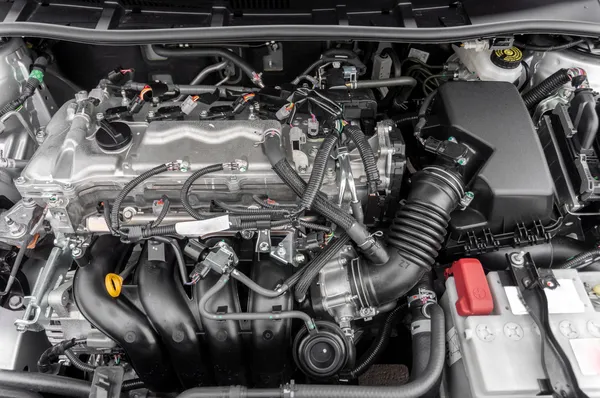
Yes, diesel engines use oil as an essential part of normal operation. Oil creates a thin film, preventing metal components from scraping against each other. It also helps to dissipate heat from loaded surfaces and keeps contaminants suspended so the oil filter can remove them. This confirms why diesel engines need oil, which is crucial for their function. It is important to distinguish engine oil from diesel fuel, which is burned for power. Engine oil remains in the crankcase for lubrication and protection. Routine oil checks are vital because even small losses can rapidly lead to damage to bearings and turbo parts.
Understanding The Purpose Of Oil In Diesel Engines
During engine startup, oil pressure creates a protective film over bearings, cam surfaces, and other sliding points. While cruising, oil minimizes friction and stabilizes temperatures in hot zones. Under heavy load, oil film strength is vital because cylinder pressures and bearing loads increase. Oil also improves sealing. An effective oil film on cylinder walls helps piston rings seal better, boosting compression. Good oil and regular warm-up cycles help reduce corrosion risk from moisture and fuel vapors during cold starts.
Do Diesel Engines Burn Oil?
People often ask, do diesel engines burn oil, and sometimes they do. Burning oil means engine oil enters the combustion chamber and ignites with the air and fuel charge. This differs from normal oil consumption. Normal consumption involves slow oil degradation, requiring regular changes, but the oil stays in place.
Some gradual oil consumption can occur without visible smoke. Heat, pressure, and ventilation can move tiny oil mist amounts through the intake over time. The crucial point is whether the rate is stable and low or increasing. If the rate rises, then do diesels burn oil signal a problem, not normal operation? Also, people ask whether diesel burns. Yes, diesel fuel burns. The concern is not the fuel burning, it is diesel burning oil when oil should not be combusting.
Seeing White Smoke Or Losing Oil Too Fast?
White smoke and oil loss can mean very different things, from a cold-start quirk to oil getting into the combustion chamber. Use our quick diesel oil-use check to spot warning signs early and know when to book an inspection.
What Is Normal Diesel Engine Oil Consumption?
No single oil consumption number fits every engine because load, speed, climate, and service history all matter. Normal diesel engine oil consumption is typically a small, consistent drop on the dipstick over a long distance.
Compare oil use over the same distance and under similar conditions. Driving patterns like highway towing, long idling, or short stops, start trips can change the consumption rate. A simple log is helpful. Check the dipstick on level ground at the same temperature, recording the reading and mileage. A changing trend is an early warning that the diesel engine burning oil may be starting, or that another issue is affecting the oil level.
Why Am I Losing Oil But No Leaks?
Oil can disappear without leaving a stain. That does not mean it is mysterious. It usually means the oil is being used internally, moved into the intake stream, or altered by another fluid.
Use a checklist so you do not miss simple causes.
- Confirm the reading method: Check the level on level ground, and use the same timing each time.
- Check the fill cap and filter area for a light mist that does not drip to the ground.
- Look for oil in the intake piping if the engine has a turbocharger.
- Watch for new smoke under load, especially after long idle, then acceleration.
- Smell the dipstick for fuel odor, which can change the apparent level and thin the oil.
- Check the coolant level over time, because coolant loss can point to a different root cause.
If the pattern points to internal use, diesel engine burning oil may be the reason, even if the tailpipe is not smoking all the time.
Where Is The Oil Going?
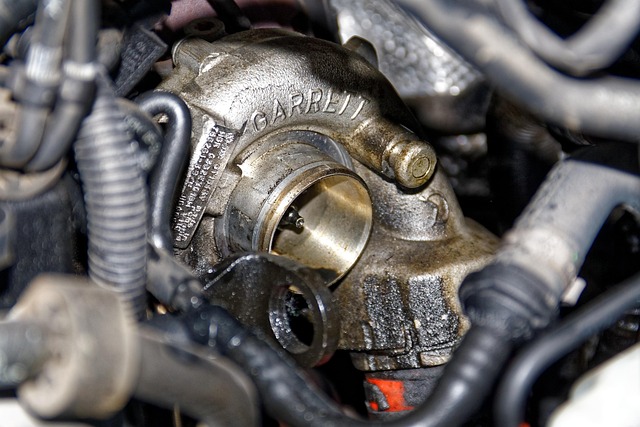
Oil enters the combustion chamber through several paths. Worn or stuck piston rings allow oil to slip past. Faulty valve stem seals can also leak oil into the cylinders, often noticeable after idling or on deceleration. Leaking turbocharger seals and bearings can carry oil into the intake and then into the cylinders. Furthermore, the crankcase ventilation system routes oil mist with vapors back into the intake, especially if blow-by increases. Oil deposits can also burn off inconsistently, causing erratic smoke.
White Smoke And Oil Burning In Diesel Engines
Smoke color offers a clue but not a full diagnosis. White smoke can indicate unburned fuel during cold start, coolant entering the combustion space, or a combustion temperature problem. It may also appear as a light haze when diesel-burning oil is atomized and partially burned. Note when the smoke occurs. White smoke that quickly disappears after a cold start can be normal in cold weather.
Persistent white smoke, especially if it smells sweet or coincides with coolant loss, suggests a coolant fault. White smoke that involves rising oil use, oily residue near the tailpipe, or boost-related changes points to a diesel engine burning oil issue. Simple next steps include avoiding heavy throttle and towing. Check oil and coolant levels, observe when the smoke appears, and arrange for an inspection if the smoke continues.
Want To Know If Your Diesel Is Burning Oil?
Guessing doesn’t help, tracking does. Log your dipstick readings over the same distance and driving style to see whether oil use is stable or trending worse, then get clear next steps if it’s abnormal.
How Much Oil Does A Diesel Truck Take?
The answer to how much oil a diesel truck takes varies based on engine size, oil pan design, and filter volume. Similar-looking trucks can require vastly different amounts of oil. Guessing can easily result in either an overfill or an underfill. Light-duty diesel pickups often hold a large volume compared to gasoline engines, with some heavy-duty engines holding even more. The safest procedure is to verify the exact capacity for your specific engine and filter combination, then fill, run, and recheck the level.
Here is a simple table that shows where to confirm the correct amount.
| Where to check | What you will find | Why it matters |
|---|---|---|
| Owner manual | Exact capacity with filter, plus oil spec | Most accurate source for your trim and engine |
| Under hood label | Service capacity or oil grade info | Quick reference if the manual is missing |
| Engine model plate | Engine family code | Helps match the right service data |
| Trusted service data | Capacity for your engine code | Useful if you changed pans or filters |
| Professional diesel shop | Verified fill procedure | Reduces risk of misfill and repeat issues |
Overfilling can cause foaming and aeration, which can increase consumption and blow oil into the intake. Underfilling can reduce oil pressure under load.
How Often Do Diesels Need Oil Changes?
Oil change intervals depend heavily on truck usage. Towing, extended idling, short trips, dusty environments, poor fuel quality, and high soot load all reduce oil life. Always follow the manufacturer’s guidance first, then adjust the schedule for severe operating conditions.
Diesel engines frequently contaminate oil with soot and fuel dilution, particularly with stop-start driving and extended idling. If oil maintenance is ignored, it will thicken, lose crucial additive strength, and fail to properly protect engine surfaces. If you are tracking normal diesel engine oil consumption, keep a log of service intervals to easily identify any changes in oil use post-service.
Selling Point: Increased oil use, visible smoke, or frequent top-ups necessitate a diesel oil service and inspection. A basic inspection package can detect leaks, ventilation problems, and early turbo or piston ring issues before they cause costly damage.
What Happens If You Do Not Change The Oil In A Diesel Engine?
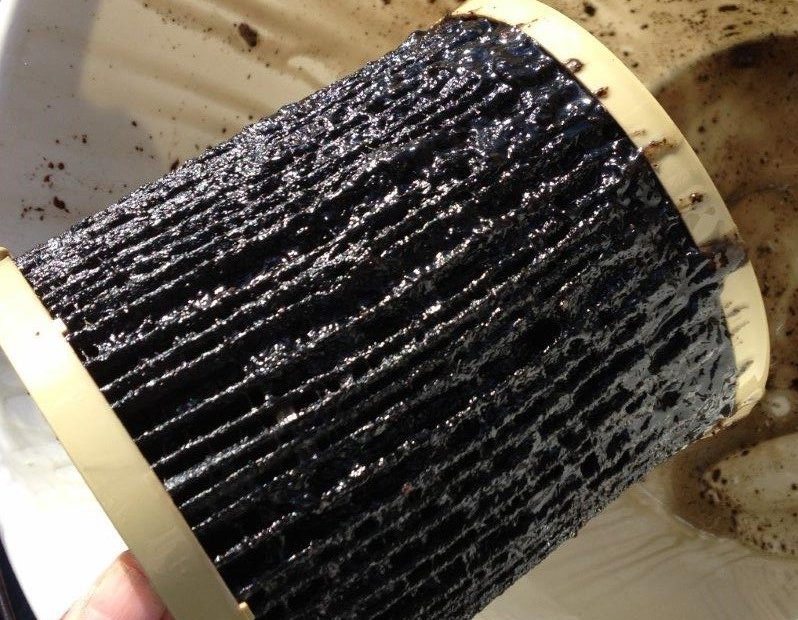
Old oil degrades, reducing its ability to safely hold contaminants. Sludge formation restricts oil flow, starving tight passages. Wear increases as the protective film weakens, and rising friction causes operating temperatures to rise. Neglect eventually affects turbo bearings, ring movement, and valve train wear. Reduced sealing worsens blow-by, increasing diesel burning oil and creating a cycle of higher consumption and deposits.
Will A Diesel Engine Run Without Oil?
An engine can run briefly without oil, but damage begins instantly. Without oil pressure and the protective oil film, vital parts like bearings and cams will scrape and overheat within seconds. Some modern engines have low-pressure safeguards that can trigger a shutdown, but these do not prevent all failures.
Treat low oil pressure as an emergency. If the oil light illuminates or the gauge suddenly drops, shut down the engine as soon as it is safe. Understanding whether diesel engines need oil is not a maintenance preference; it is essential for the engine’s survival.
What Happens When A Diesel Runs Out Of Oil?
Common failure points are crankshaft bearings, cam bearings, and turbocharger bearings. Symptoms include ticking, knocking, a sudden change in engine tone, warning messages, power loss, and rising temperatures. Do not restart the engine to check again. Immediate shutdown and towing are necessary because restarting after a seizure or turbo failure can multiply damage and cost.
Does Idling A Diesel Burn Oil?
Extended idling negatively impacts oil condition. Low temperature operation increases soot and moisture in the oil, especially when the engine fails to reach full operating temperature. This alters crankcase vapor flow and increases oil mist entering the intake. Idling can also increase deposit formation, affecting ring movement and sealing. Over time, this shifts normal diesel engine oil consumption upward. Instead of asking if diesels burn oil more at idle, consider that long idle periods worsen the conditions leading to oil use. Reduce long idle time when possible, warm up correctly, and drive gently until the temperature stabilizes.
Due For An Oil Change And Not Sure What’s “Normal”?
Oil change timing, idling, towing, and soot load all affect oil life and consumption. Get a personalized maintenance guide so you can protect turbo parts, bearings, and seals before wear turns expensive.
Is It Normal To Top Up Oil Every Month?
Sometimes it can be normal, sometimes it is a warning. The calendar is a poor measurement. Distance and duty cycle matter more. Use a baseline approach as follows;
- Measure oil use per distance, not per month.
- Note operating style, such as towing weeks, highway runs, or long idle stretches.
- Keep the same check routine, so readings are comparable.
- If top-ups become more frequent without a use change, inspect for diesel engine burning oil causes.
- If smoke or new odors appear with higher top-ups, treat it as abnormal and diagnose it soon.
Diesel Specific Engine Oil Vs Regular Engine Oil Which Is Better?
Diesel-rated oils are formulated for high soot loads and heavy-pressure conditions. They include additives to suspend contaminants and protect against wear. The proper oil must meet your engine’s required standards, not just a viscosity number.
Always consult your manual for the correct oil specification and viscosity grade based on your climate. Using incorrect oil can increase wear, harm emission systems, and alter consumption. If you are diagnosing diesel-burning oil, first confirm the correct oil is used, as a mismatch can worsen a minor problem. To ensure stability, use a trusted oil selector or purchase the specific diesel-rated oil and filter kit for your engine. This eliminates guesswork, supports warranty compliance, and helps maintain normal diesel engine oil consumption.