Need Emergency Fuel Delivery?
  info@elanfuels.com
Key Takeaways
- If you ask how fast does gasoline evaporate, expect wide variation. Wind, sun, and thin films matter most, so timing is never the same everywhere.
- In vehicles, can gasoline evaporate from gas tank is limited, but leaks and loose caps increase vapor loss, so investigate odors and safety concerns promptly.
- Temperature drives rate. at what temperature does gasoline evaporate faster? Higher heat speeds evaporation without boiling, raising vapor levels, so avoid ignition sources nearby always.
- Even when liquid seems gone, does gasoline evaporate quickly can leave odor and residue on porous surfaces. Ventilate, clean properly, and treat vapors as flammable.
- When fuel is exposed, does gas evaporate quickly is often true, but how long for gas to evaporate depends on ventilation and spill size, so manage vapors safely.
Table of Contents
Does Gasoline Evaporate?
Yes, gasoline evaporates. The direct answer to does gasoline evaporates is yes. Gasoline changes from liquid to vapor at normal outdoor temperatures because it contains many light compounds. These compounds escape from the liquid surface into the air.
People often ask because they want one clear time such as how long does it take gasoline to evaporate. They may also notice that a spill looks dry while the odor stays. Evaporation is not burning, it is a physical change where liquid becomes vapor. In real life, evaporation is not one fixed speed. Temperature, airflow, surface area, and enclosure all change the rate. That is why how long does gasoline take to evaporate can vary a lot from one situation to another.
Does Gas Evaporate The Same Way As Gasoline?
In automotive contexts, “gas” commonly refers to gasoline, the volatile liquid fuel that powers most internal combustion engines. The direct answer to “Does gasoline evaporate,” or “Does gas evaporate,” is a definitive “Yes”, it does. Gasoline is a volatile mixture of hydrocarbons, meaning it readily vaporises into a gas when exposed to air. This volatility is essential for the engine but also leads to fuel loss and environmental emissions.
How Fast Does Gasoline Evaporate In Real-World Conditions?
People seek a simple number to judge safety and fuel loss. However, how quickly does gasoline evaporate depends on conditions. In real settings, how fast does gasoline evaporate can range from minutes to days. The main drivers of evaporation speed are listed next.
- Temperature: Warmer air increases vapor release and speeds evaporation. Cooler air slows it.
- Air movement: Wind or ventilation removes vapours, allowing more liquid to evaporate.
- Surface area: A thin film evaporates faster than a deep puddle.
- Sun exposure: Sun warms the liquid and the surface beneath it.
- Material: Fabric, wood, and soil can absorb fuel and release it slowly later.
- Enclosure: A closed space can trap vapor and reduce the evaporation rate while increasing the hazard.
This variability explains why one person asks does gasoline evaporate quickly after a small splash on hot pavement, yet another notes the smell lasts longer in a garage. It is also why questions like “how long does it take for gas to evaporate?” lack a single universal answer. For a practical approach to time, use a range. A small, exposed spill disappears fast. Absorbed fuel on porous materials takes much longer, even when no liquid is visible.
Dealing With A Gasoline Spill Or Strong Odor?
Gasoline can look “dry” fast, but vapors and residue can linger—especially on porous surfaces. Use a simple spill safety checklist to cut ignition risk, improve ventilation, and clean the right way (without making fumes worse).
Can Gasoline Evaporate From A Gas Tank Or Vehicle?
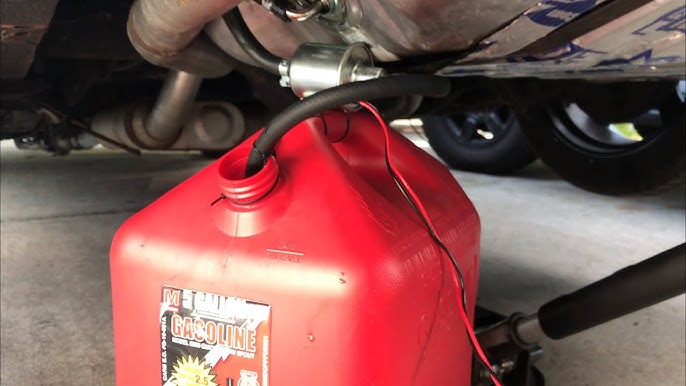
Because a fuel system is primarily enclosed, the evaporation of gasoline is restricted compared to an open spill. However, gasoline can evaporate from a gas tank to a minor degree, particularly if the system’s seal is compromised or if it is designed to manage fuel vapors.
Modern vehicles minimize vapor loss through the use of sealed caps and specialized vapor control components. Nonetheless, vapor can still escape if the cap is loose or a leak is present. This is why many people ask, “Does gas evaporate in a gas tank?” Significant loss solely due to evaporation is improbable in a properly sealed system. If you detect a strong fuel smell or rapid fuel depletion, treat it as a mechanical issue rather than normal evaporation.
Common reasons people suspect tank evaporation include.
- A loose or damaged fuel cap
- Cracked or ageing hoses and seals
- High heat that increases tank pressure
- Older designs that vent more vapors
Our safe fuel delivery service focuses on secure handling from load to drop off. We use controlled transfer steps to reduce spills, limit vapor exposure, and protect fuel quality. We also support site verification and documented delivery procedures so fuel is transferred to the right tank with less chance of theft, contamination, or unsafe handling.
At What Temperature Does Gasoline Evaporate Most Rapidly?
Evaporation is a slow, passive process occurring exclusively at the surface of a liquid. It does not require raising the liquid’s bulk temperature to a specific point. Boiling, however, is a rapid, active process happening throughout the entire volume of the liquid. It occurs when the liquid’s vapor pressure equals the external pressure, characterized by a specific boiling point.
| Temperature range in C | Typical observation in open air | Practical evaporation rate |
|---|---|---|
| Below 10 | Odor builds more slowly and vapor release is weaker | Slower |
| 10 to 25 | Steady evaporation and noticeable odor near the source | Moderate |
| 25 to 35 | Stronger vapor release and faster loss from exposed surfaces | Faster |
| Above 35 | Very rapid vapor release, especially on hot surfaces | Very fast |
Do not use heat sources to speed evaporation. Vapors can ignite easily.
Worried You’re Losing Gas From Your Tank?
Evaporation from a properly sealed fuel system is usually limited, so if you notice fuel smell, rapid loss, or repeated odors, it may point to a loose cap, worn seals, or a leak. Learn what’s “normal” vs. what needs immediate inspection.
How Does Gasoline Evaporate When Spilled?
A spill evaporates faster than fuel in a container because it spreads out, increasing the surface area. This quick evaporation can make the spill appear gone, even though vapors and absorbed fuel remain.
Spill evaporation happens in stages. The light parts leave first, making the odor strong early on. Heavier parts may stay longer, particularly if the spill soaks into porous material. Spills are a safety issue because vapors travel with air currents, reaching ignition sources. Vapors can also collect in low areas or enclosed corners. If you are focused on how long does it takes gasoline to evaporate after a spill, remember the hazard while it is drying. Remove ignition sources, increase ventilation if safe, and clean up using appropriate absorbent materials and following local guidance.
Does Gasoline Evaporate If Left In An Open Container?
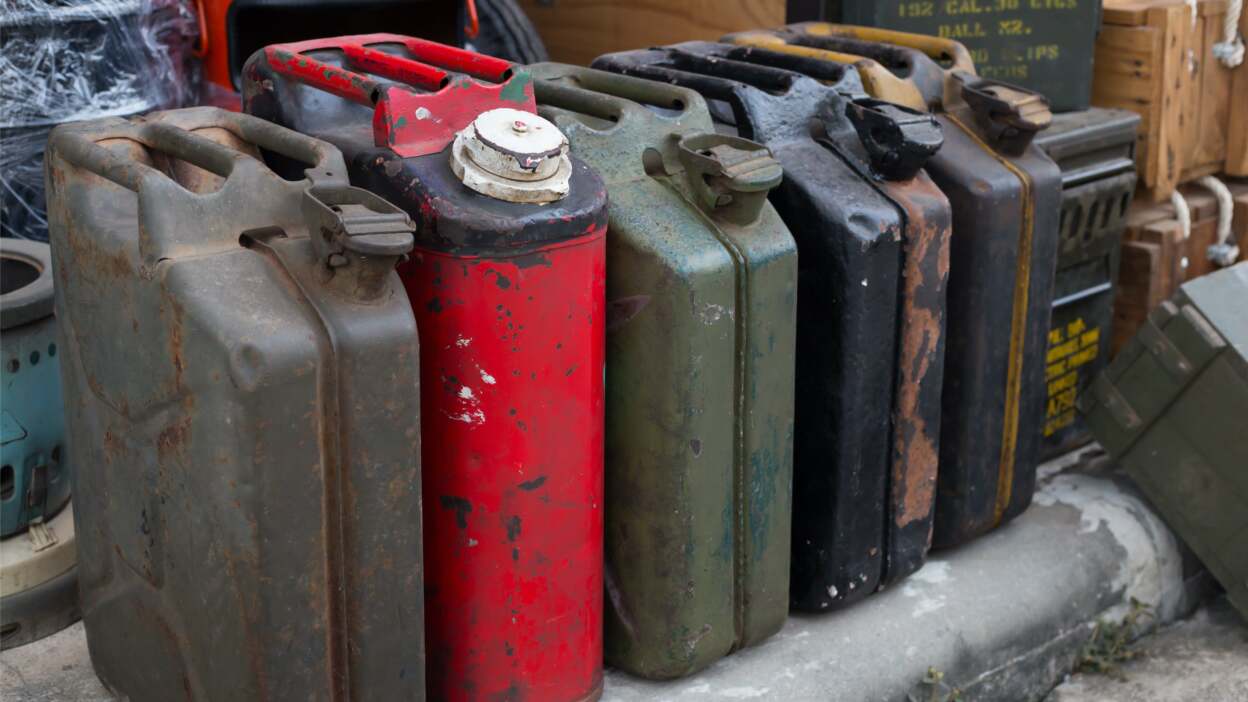
Gasoline will indeed evaporate from an open container. This rapid evaporation, which is a common concern (hence questions like “does gas evaporate quickly” and “why does gasoline evaporate quickly”), is one of the fastest ways to lose fuel. Furthermore, it creates a significant vapor hazard. Evaporation is often rapid because wide openings expose a larger liquid surface area. Common storage mistakes include.
- Leaving the cap off or loose
- Using a wide-mouth container
- Storing near heat sources
- Storing indoors where vapors can build up
- Using non-approved containers that do not seal well
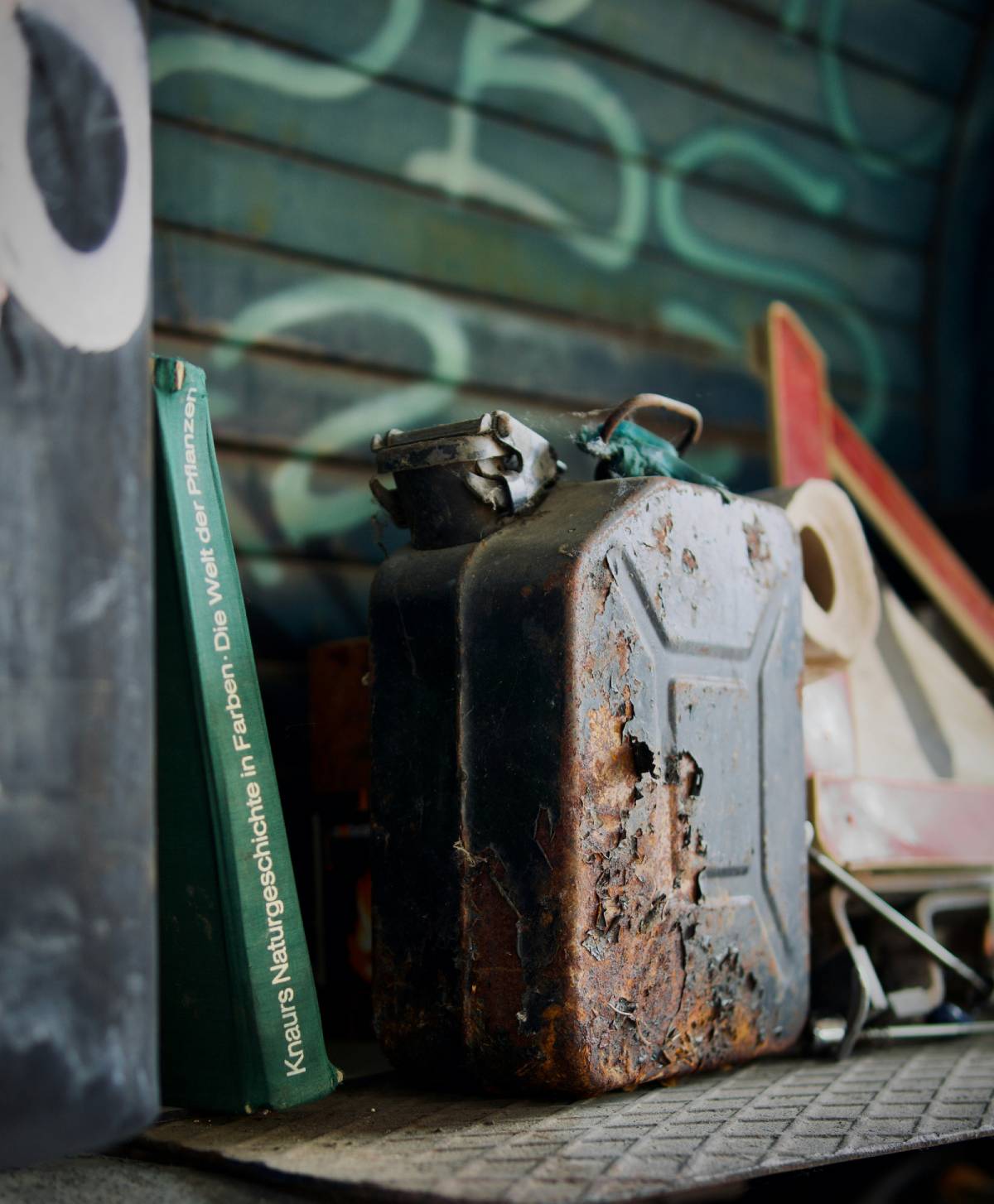
Use an approved container with a tight cap. Store it in a cool, well-ventilated area away from flames, sparks, and devices that can ignite vapours. Follow local rules for safe storage.
Does Gasoline Leave Residue After Evaporating?
Sometimes yes. Gasoline is a mixture, and some heavier components and additives can remain after the lighter parts evaporate. Residue is more likely if the gasoline is old, contaminated, or mixed with oil or dirt.
Residue can look like a faint stain or feel slightly oily on some surfaces. Porous surfaces can hold fuel and release odor later when warmed. Even if the liquid is gone, treat stained materials carefully and clean them properly, especially indoors.
Will Gasoline Smell Eventually Go Away After Evaporation?
Yes, but odor can take time to clear. Odor comes from vapors and fuel soaked into materials. Even after the liquid seems gone, vapors can remain in cracks, fabric, wood, and soil. Outdoors, airflow helps clear odor faster. Indoors, vapors linger because ventilation is limited and materials can re-release odor. Strong indoor smell is a safety warning. Ventilate if safe, avoid ignition sources, and consider professional cleanup for large spills.
Want To Store Gasoline Without Dangerous Fumes?
Open containers and heat speed vapor release fast. Get a practical storage guide: container choice, sealing tips, where not to store fuel, and how to reduce vapor buildup and fire risk around your home or worksite.
Is Gasoline Still Flammable After It Dries?
Yes, it can be. A common misconception is that once gasoline looks dry, it is not dangerous. Flammability is driven by vapors. A drying spill can still produce ignitable vapors, especially in enclosed or poorly ventilated spaces. Materials that absorbed fuel also keep releasing vapors. Treat recently dried spill areas as potentially flammable until the odor is gone and the area has been well ventilated.
Why Does Gasoline Evaporate So Easily Compared To Other Liquids?
Gasoline’s high volatility, a tendency to become vapor easily, is due to its high vapor pressure. This property is doubly significant.
- Functionality in Engines: Easy vaporization ensures the fuel forms a quick, uniform, combustible air-fuel mixture in spark-ignition engines, critical for proper performance.
- Safety and Environmental Concerns: Volatility causes safety hazards. Vapors spread quickly, creating a detectable odor. Vapors are heavier than air so they settle and travel along the ground to distant ignition sources. This makes it more likely to reach the flammable range, so safety precautions are paramount.
How Do Gasoline Vapors Behave And Affect Human Exposure?
Gasoline vapors move with airflow and can build up in enclosed spaces, collecting in low areas. Outdoors, vapors tend to dilute faster. Indoors, risk increases because vapors can concentrate.
Key points for vapor behavior and exposure.
- Vapors can irritate eyes and airways, especially with poor ventilation.
- Higher exposure can cause headache, dizziness, and nausea.
- Vapors can travel to ignition sources even when the spill is not near the source.
- Vapors can be trapped under mats, in drains, and in cracks, then release later.
- Children and pets can be exposed more because vapors can be stronger near the floor.
If you suspect significant exposure, move to fresh air. If symptoms are severe or do not improve, seek medical help.