Need Emergency Fuel Delivery?
  info@elanfuels.com
Key Takeaways
- Water in diesel fuel symptoms can start mild, leading tosudden stalling and no start.
- Whether water floats on diesel depends on time, but water usually settles and collects.
- Water in the diesel fuel filter is often the first place the problem shows up.
- Act early to avoid can water in diesel fuel damage engine components like the pump and injector wear.
Table of Contents
What Happens When There Is Water In Diesel Fuel?
Water contamination occurs when unwanted water is present in fuel as droplets, layers, or a haze. In everyday driving, people often refer to this issue as water in fuel, diesel or water in fuel diesel trucks. This contamination is common because fuel travels through storage tanks, delivery trucks, and vehicle tanks, and each transfer point can introduce water in fuel.
Once water in diesel enters the system, it compromises combustion quality, reduces lubrication for fuel components, and increases corrosion risk. Even small amounts can cause significant problems in modern systems due to tight tolerances. This article will cover the likely sources, how diesel and water separate, the main symptoms, the appearance of contaminated fuel, and practical methods to remove water from diesel fuel before extensive damage occurs.
What Is Water In Diesel Fuel And Why Does It Matter?
Water contamination in diesel exists in two forms. Free water is liquid water that settles, such as water in diesel tank bottoms. Emulsified water is tiny suspended droplets, making the fuel hazy, often described as emulsified water in diesel fuel or water-contaminated diesel fuel.
Why doesn’t diesel fuel mix with water is a matter of chemistry, as non-polar diesel and polar water separate. This separation prevents a stable blend of diesel mixed with water, meaning water and diesel can feed into engine parts. This leads to water in a diesel engine issues and, over time, costly water in diesel engine damage.
Where Does Water In Diesel Fuel Come From?
Most cases come from storage and handling rather than the engine itself. Common sources of what causes water in diesel fuel include the following.
- Condensation inside tanks: Temperature swings can pull moisture from the air, then it condenses on tank walls and drips down into the fuel. Over time, this becomes water in the diesel fuel tank sediment at the bottom.
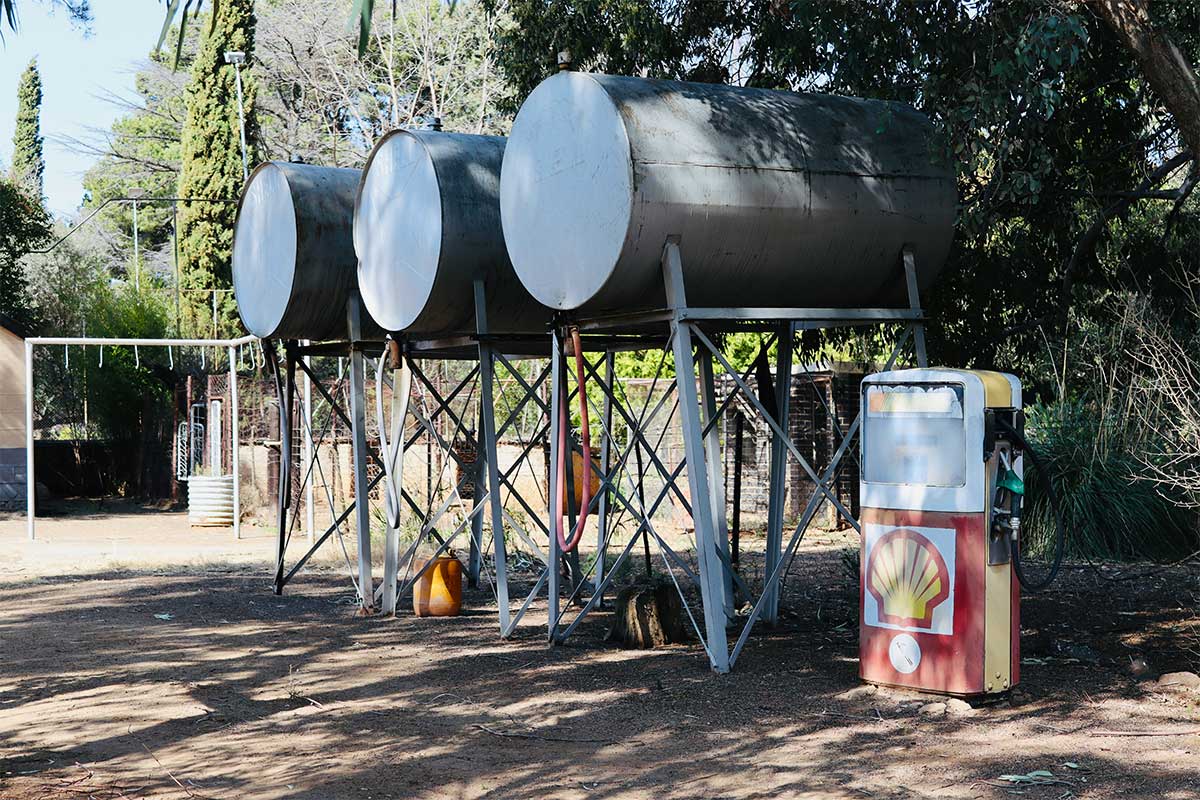
- Rain intrusion: Damaged caps, missing seals, or open vents can let rain water in diesel tank during storms or washdowns. This is a frequent cause of water in the fuel tank of diesel in outdoor equipment.
- Delivery and storage contamination: Water can enter during delivery, poor housekeeping, or cross-contamination. Some people notice it after a refill and ask whether diesel has water in it. Good suppliers work to prevent this, but it can still happen.
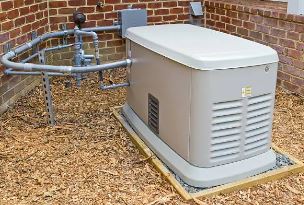
- Long storage: When fuel sits, water has time to separate and collect. This can look like water in the diesel fuel tank issues in standby generators and seasonal equipment.
Seeing Rough Idle Or Filter Warnings After Refuelling?
Water in diesel fuel can hide until it clogs filters, triggers separator alerts, or causes hesitation and stalling. Learn the quickest checks (jar sample, separator bowl, filter inspection) so you can confirm the issue before it turns into expensive pump or injector wear.
How Does Water Behave Inside Diesel Fuel?
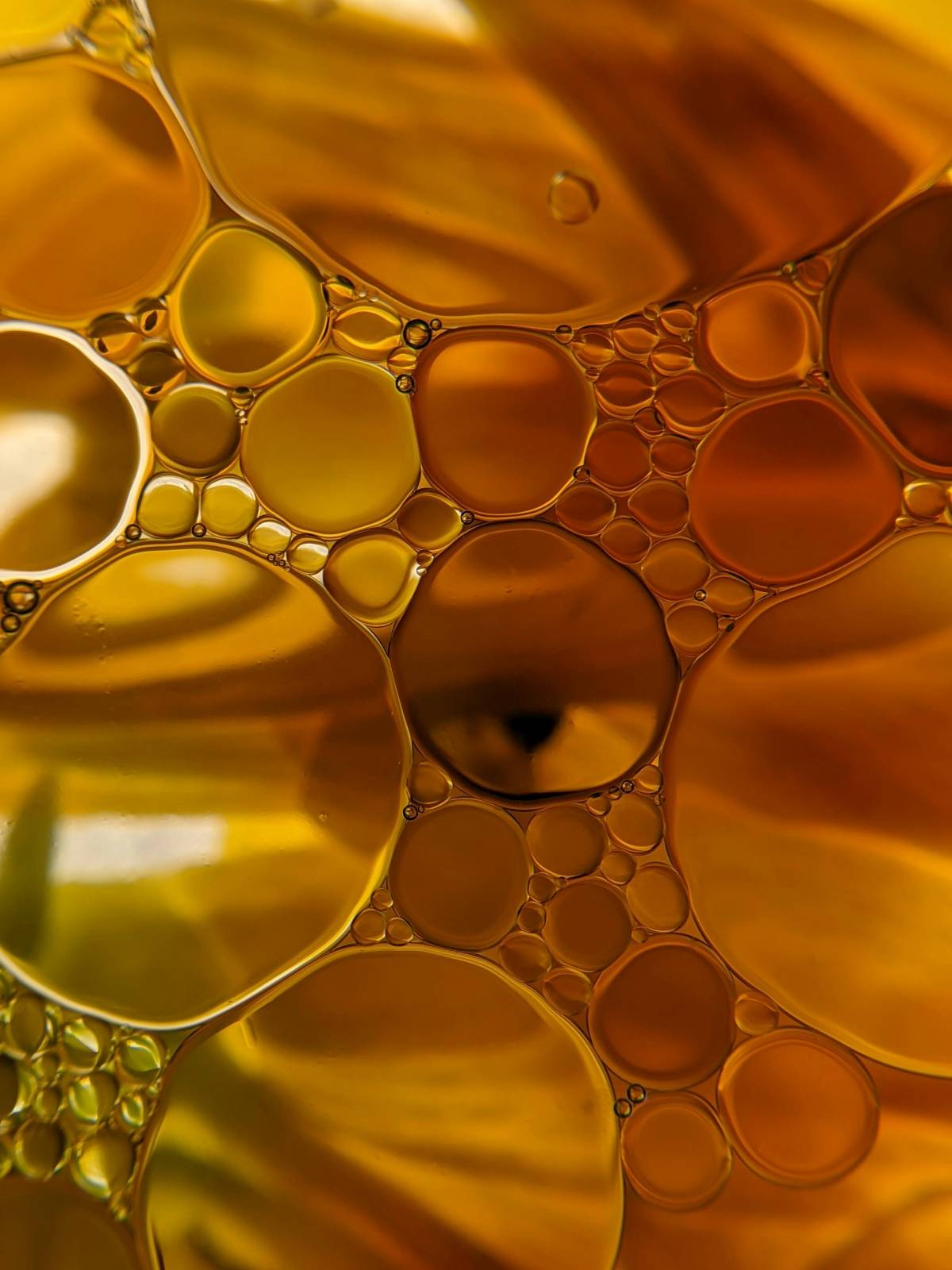
Because diesel fuel does not mix with water, water separates and sinks to the bottom of the tank over time. Questions like does water sink in diesel or does water float on diesel are common. The fuel above may appear normal, causing the problem to go unnoticed until filters clog or the fuel pickup draws the water layer. Separation can also create a cloudy zone of tiny droplets in the fuel. This haziness is often what drivers mean by water in diesel fuel. If the tank is disturbed, water can briefly disperse and then settle again.
Does Water Sink In Diesel Or Float On Diesel Fuel?
Water is denser than diesel. Therefore, if you ask if water is heavier than diesel, the answer is yes. People also ask whether water sinks in diesel. The practical answer is that it settles to the bottom when the fuel is still. Since diesel is less dense, it sits above water, answering the question does diesel floats on water. This bottom-layering is important because the fuel pickup and water sensors are often low in the system. This increases the water in diesel fuel filters and raises a serious question about water in the diesel tank.
What Are The Symptoms Of Water In Diesel Fuel?
Initial signs may seem like minor drivability problems, progressing to severe failures. After the first indicators, many search for water in diesel symptoms
- Hesitation during acceleration and uneven throttle response.
- Rough idle, misfire-like vibration, and reduced smoothness.
- Loss of power under load, especially on hills.
- Hard starts, longer cranking, or a start then stall pattern.
- Frequent filter plugging or water separator warnings.
- Smoke changes and poor fuel economy in some cases.
The symptoms of water in diesel fuel worsen due to corrosion and microbial growth. Mild contamination causes occasional stumbling. Severe contamination leads to no-start events, limp mode, or injector and pump wear.
Need To Remove Water From Diesel Without Guesswork?
Free water and emulsified water behave differently, and the fix isn’t the same. Get a clear, step-by-step removal plan (drain, filter changes, tank cleanup, fuel polishing options), so you stop damage before it starts.
What Are The Warning Signs Of Water In Diesel Fuel Systems?
Look for a combination of rough running and fuel system alerts. Common signs are hesitation, stalling, and rough idling soon after refuelling or after the vehicle sits. Hard starting and reduced power output are also typical. Some vehicles have a dashboard water in fuel indicator. If you see water in diesel fuel symptoms with a warning light, treat it as urgent. If you are wondering what happens if water gets in diesel fuel, it causes unpredictable issues because the water sloshes, and the engine may draw from the lowest point where it collects.
What Does Water In Diesel Fuel Look Like?
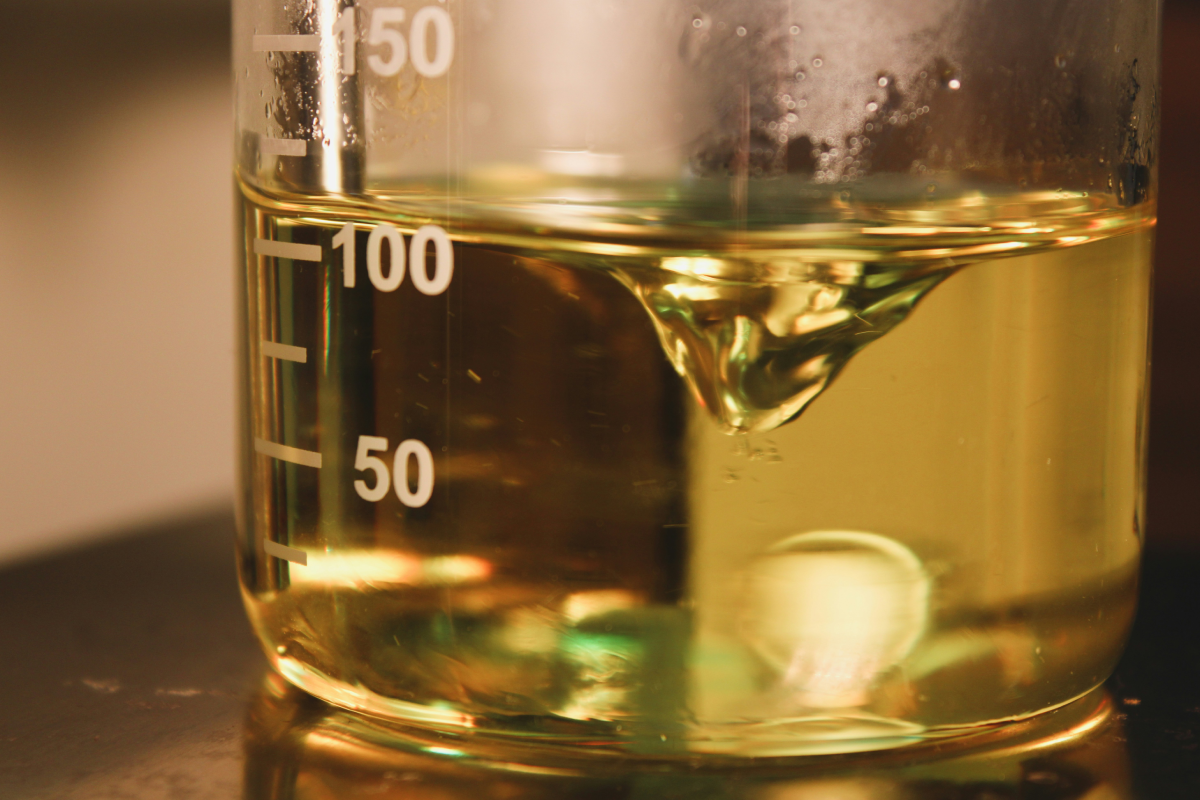
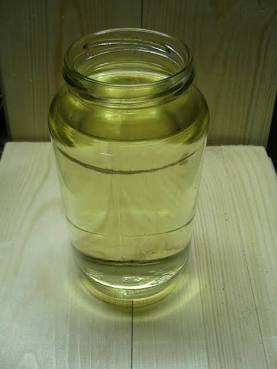
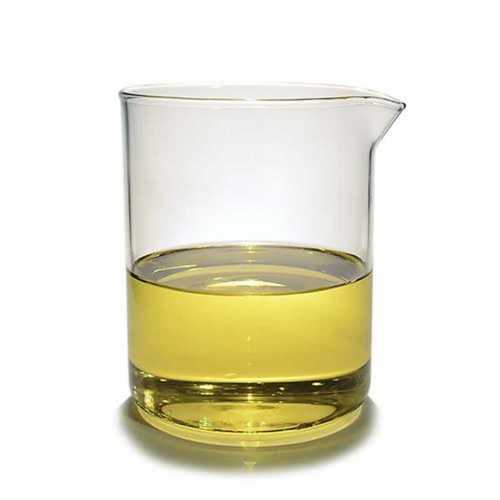
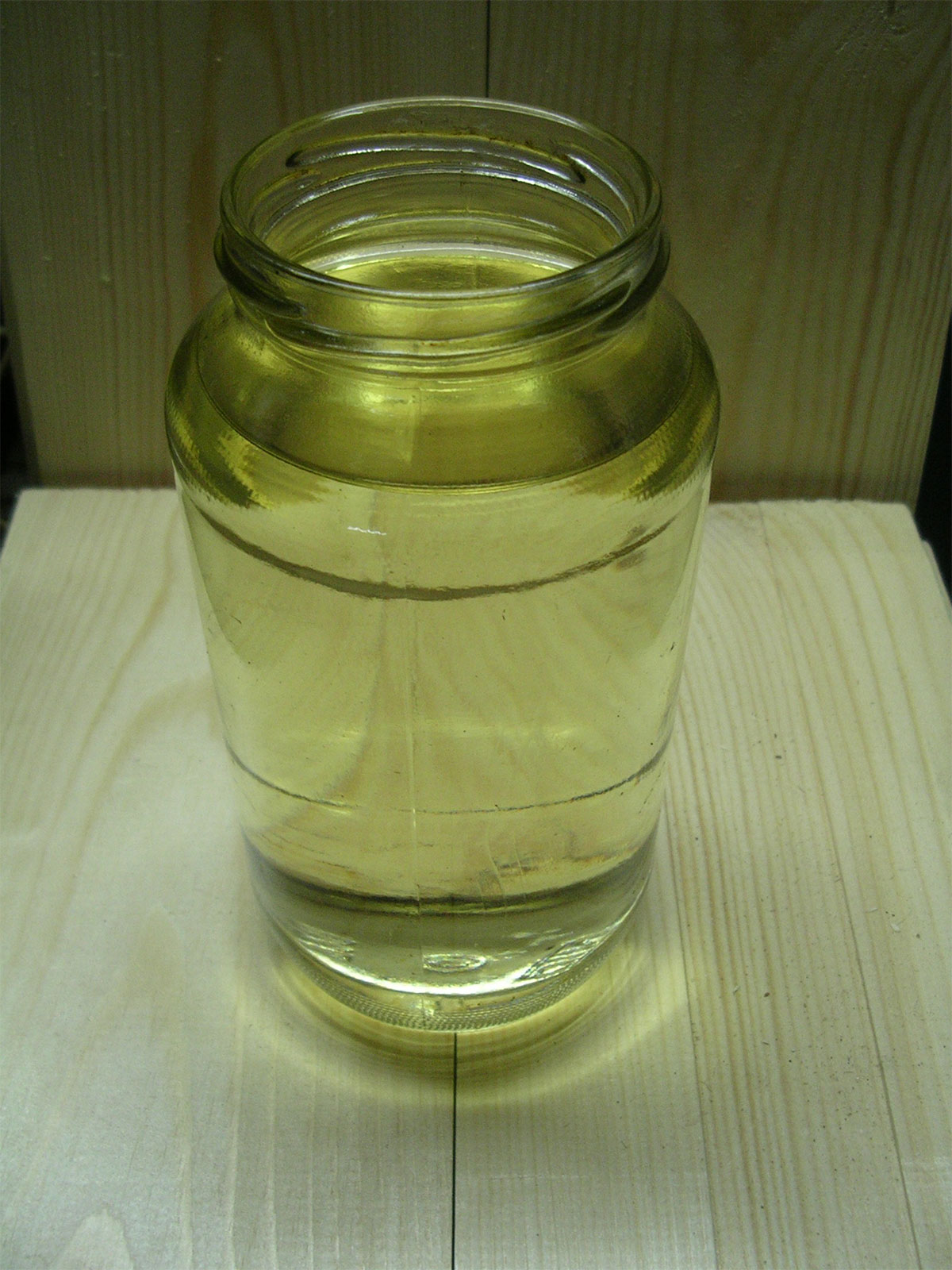
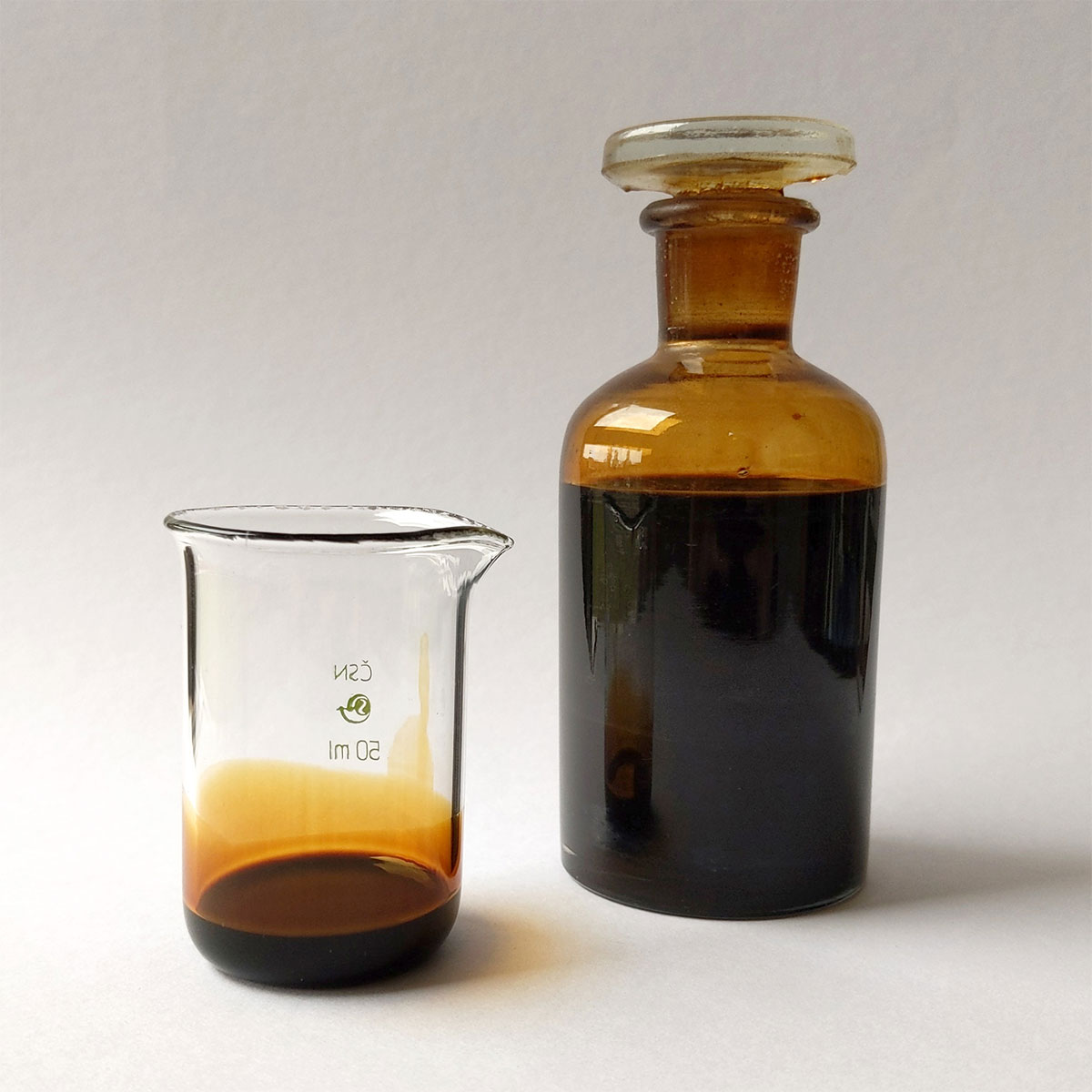
A careful sample provides visible clues about water contamination. People often ask what water in diesel fuel looks like or what water in diesel look like. The clearest sign is separation. In a clear container, water appears as a lower clear layer or as beads collecting at the bottom. Cloudy fuel suggests dispersed droplets, known as water in diesel fuel haze. Obvious layering indicates free water and water in the diesel fuel tank bottom contamination. Visual checks are helpful but not perfect for emulsified water, so combining sampling with filter and sensor checks is recommended.
Can Water In Diesel Fuel Damage The Engine?
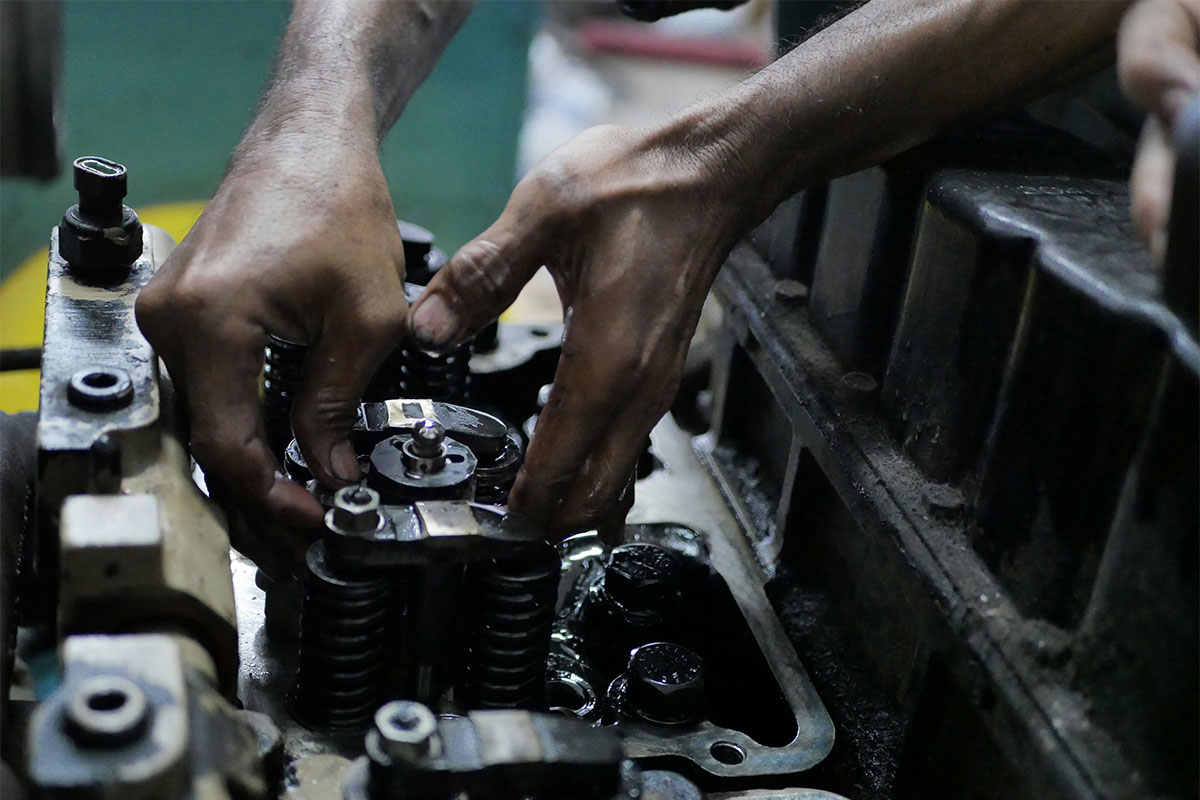
Yes, water in diesel fuel can damage the engine. The risk is significant. Water does not burn, which disrupts combustion and causes rough operation. Water also promotes corrosion and reduces lubrication in the fuel system. High-pressure injection systems need diesel for lubrication. With water in the diesel fuel tank, contamination and wear increase when it reaches the pump. Water can also pit metal and create rust. Repeated operation with water in the diesel engine leads to pump and injector failure. Contaminated fuel is high on the list of the worst things for a diesel engine.
Can Water In Diesel Fuel Damage Injectors And Fuel Pumps?
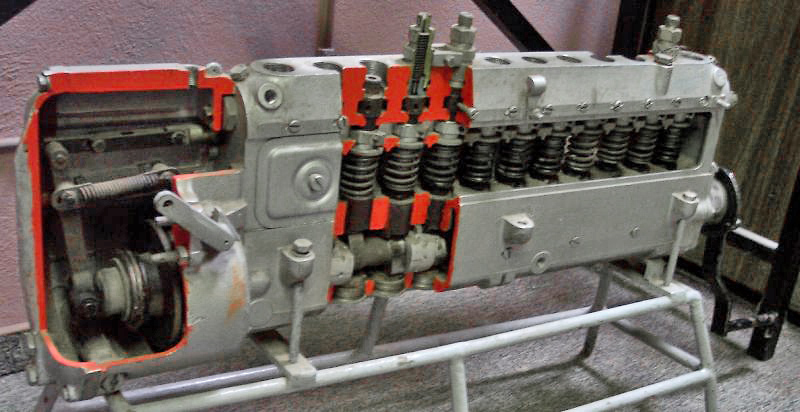
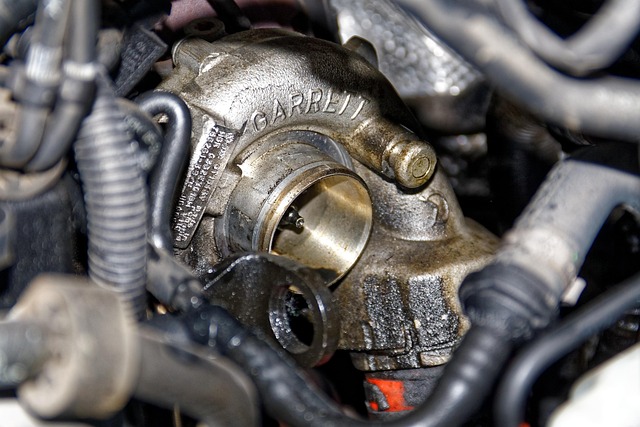
Yes, many drivers ask if water in diesel can damage injectors due to fine tolerances. Water causes erosion and rust, which introduces abrasive particles. It reduces lubrication, increasing friction and heat in the pump and injector parts. This damage necessitates major repairs. Fuel contamination and repeated water in the diesel engine operation severely shorten component life, often answering what will destroy a diesel engine.
How Can You Check For Water In A Diesel Fuel Tank?
Checking for water in diesel fuel typically involves sampling, filter inspection, and onboard detection. If you are asking how to check for water in a diesel fuel tank, prioritise safe, practical checks. If you are not trained, involve a qualified mechanic because fuel handling carries fire and health risks. Common methods include looking for water in separator bowls and inspecting water in the diesel fuel filter housings. You can also take a sample from the lowest drain point. Some fleets use test paste or sensors in bulk tanks.
Here is a simple comparison of common checks.
| Check method | What can it show? | What can it miss? |
|---|---|---|
| Clear a jar sample from the tank or filter area | Separation, cloudiness, bottom water layer | Very small emulsified droplets |
| Separator bowl or drain inspection | Free water is collecting in the separator | Water upstream of the separator |
| Filter condition check | Frequent plugging due to contamination | The exact water amount |
| Onboard water sensor | Water presence in the separator area | Water that is dispersed elsewhere |
These checks help you confirm water in my diesel fuel concerns before you spend money on parts.
How Do You Remove Water From Diesel Fuel?
Water removal from diesel fuel depends on the amount present, whether it is free or emulsified. Many users search for how to get water out of diesel fuel, how to get rid of water in diesel fuel, or get water out of diesel fuel, seeking a fast solution. The safest approach is to avoid running the engine until the severity is known. Free water often requires physical removal. This includes draining the collected water, replacing filters, and cleaning tanks. For larger volumes or critical equipment, fuel polishing and professional filtration effectively remove water and particulates. This professional service is generally the safest option. Chemical treatment can address small amounts of dispersed water, but it cannot remove large layers. For heavy contamination, water removal from a diesel fuel tank is typically a professional task.
If you suspect major contamination, consider contacting a professional fuel polishing service. A good provider can remove water from diesel fuel, restore fuel quality, and help prevent costly water in diesel engine damage and downtime.
Want To Prevent Water In Diesel Tanks Long-Term?
Most contamination starts in storage and handling: condensation, rain intrusion, bad seals, or long storage time. Use a simple prevention checklist (caps, seals, venting, draining separators, monitoring) to keep vehicles, generators, and equipment reliable.
Do Diesel Fuel Additives Really Remove Water From Diesel Fuel?
Some additives are marketed as the best treatment for water in diesel fuel or as a water in diesel treatment, claiming to disperse water into smaller droplets for easier passage through the system. However, in practice, these additives have limitations. Alcohol based products can cause issues in diesel systems and are often unsuitable for modern equipment. Furthermore, additives do not eliminate free water layers at the tank bottom. If you want to remove water from diesel using only additives, be aware that they are only helpful for minor contamination. Actual water removal requires separation and filtration.
Can You Filter Water Out Of Diesel Fuel Effectively?
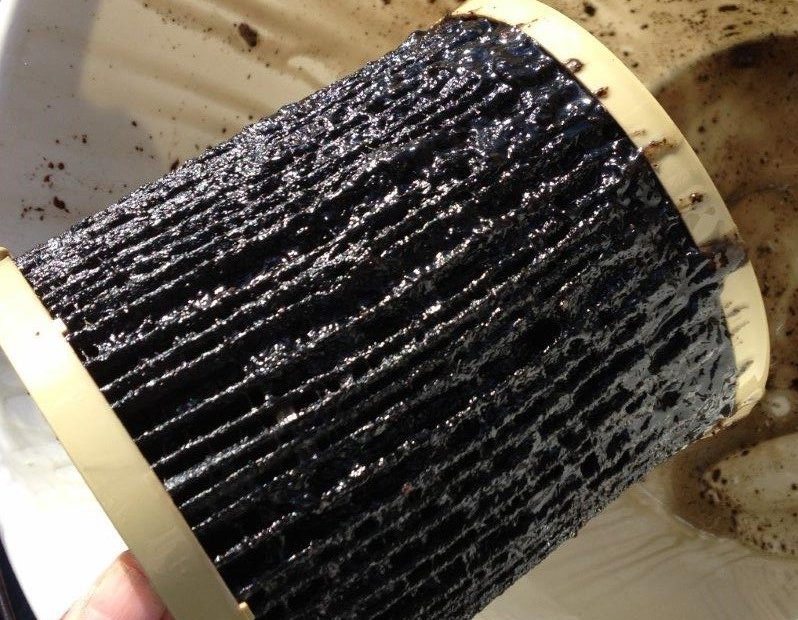
Water separators filter free water and coalesce small droplets that settle out. Regular maintenance is crucial because a saturated filter offers no protection. Persistent water in the diesel fuel filter indications suggest the filter is working, but the source of water remains active upstream. Standard filters poorly handle emulsified water. Professional systems remove water from diesel fuel more effectively using multi-stage filtration. To learn how to get water out of a diesel tank or how to remove water from a diesel fuel tank, know that filtration works best when combined with good tank housekeeping and fixing the source of entry.
How Can You Prevent Water Contamination In Diesel Fuel Long Term?
Long-term prevention is mostly about tank condition, housekeeping, and early detection. Since how water get in diesel fuel often starts with moisture and leaks, prevention focuses on stopping those pathways.
- Keep caps and seals in good condition to prevent rainwater from entering the diesel tank.
- Reduce condensation by keeping tanks appropriately filled and using proper venting and desiccant breathers where suitable.
- Inspect and drain water separators on schedule, especially after heavy rain or temperature swings.
- Use storage best practices and buy from reputable suppliers to reduce water-contaminated diesel fuel risk.
- Use monitoring tools so you catch water in diesel fuel symptoms early, before you get stranded.
Preventative maintenance plans and water detection filtration systems significantly reduce equipment downtime. They also protect valuable assets by addressing water in diesel fuel tank issues before major repairs to injectors or pumps become necessary. A related question is whether diesel evaporates. Diesel does evaporate, but it does so much more slowly than gasoline. This slow evaporation does not remove water. Water still collects at the bottom of the tank, so separation and prevention methods are much more reliable than waiting for changes in storage conditions.