Need Emergency Fuel Delivery?
  info@elanfuels.com
Key Takeaways
- How is gasoline made through distillation, conversion, treatment, and blending at refineries
- Where we get gasoline from depends on crude supply, refinery capacity, and imports
- What gasoline is made of is mostly hydrocarbons plus regulated additive packages
- How gasoline works depends on controlled vaporisation, ignition, and combustion timing
- Gasoline and petroleum is commonly confused because gasoline is refined from petroleum, but it is not crude oil
Table of Contents
How Is Gasoline Made?
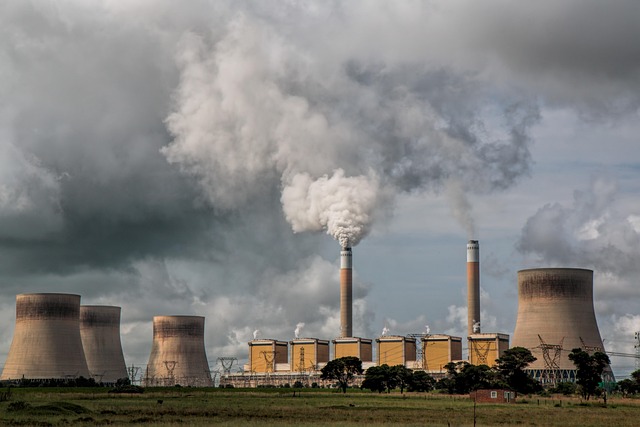
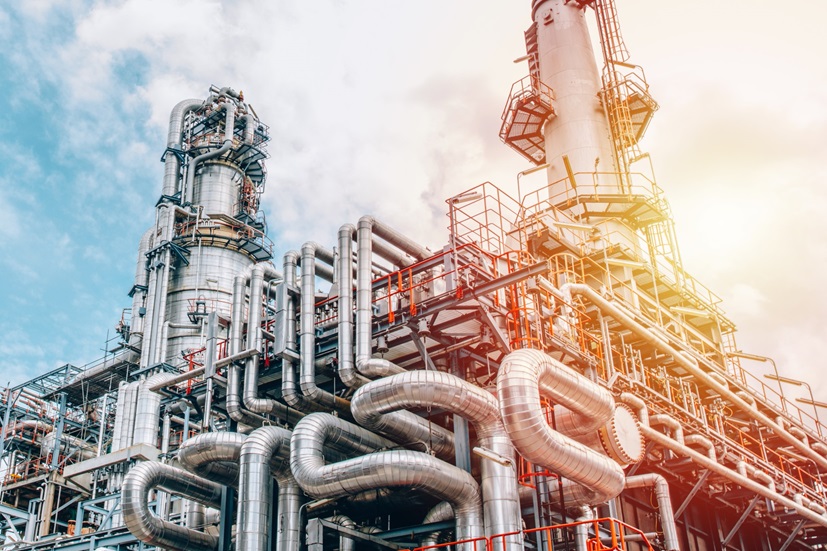
If you are asking how gasoline is produced, think in phases. The main gasoline production process is consistent. Crude oil is separated, some streams are converted, contaminants are removed, and the final product is blended. This is the practical answer to how gasoline and fuel are made. Crude oil is heated and separated, producing streams such as naphtha. This shows whether gasoline comes from oil. Conversion units raise octane, which is central to gasoline production. Contaminants are removed. Finished gasoline is made by blending multiple streams to meet targets. This answers where do we get gas from and where our gas from come.
What Is Gasoline And What Is It Made Of?
A clear starting point is what gasoline is. Gasoline is a refined fuel designed for spark ignition engines. It is a complex blend of hydrocarbons, typically in a boiling range that allows it to vaporise, mix with air, and burn in a controlled way. So what is gasoline made of? It is mostly hydrocarbons, with smaller amounts of additives that support performance and stability.
People also ask what is gas made of or what is gas made out of. In many driving contexts, gas means gasoline, and the answer is the same. It is not one single chemical. It is a mixture of many molecules, chosen to meet standards for octane, volatility, and cleanliness. Another common question is what is gasoline made out of. The best practical answer is that it is made out of a carefully balanced set of refinery streams, with additive packages blended in. Petrol is the common term for gasoline in many regions. Gasoline can become contaminated by water, dirt, rust, or microbial debris. Gasoline is toxic, and its vapours are hazardous.
Confused By Refinery Steps Like Distillation, Cracking, And Reforming?
Gasoline isn’t “found,” it’s engineered through separation, conversion, treatment, and blending. Get a simple one-page breakdown of the refining steps (and what each step actually changes in the final fuel).
What Are The Physical Properties Of Gasoline That Make It A Useful Fuel?
The efficacy of gasoline in spark-ignition engines is fundamentally dependent on its blended characteristics. Essential fuel properties like flammability and volatility are paramount, as they facilitate easy cold starting and proper mixing of the air-fuel charge within the engine cylinders. Furthermore, a high energy content is indispensable for maximizing power output and overall thermal efficiency during combustion.
Crucially, a fuel’s octane rating serves as a vital measure of its resistance to premature auto-ignition, commonly known as engine knock. A high Octane rating is necessary to permit higher compression ratios and more advanced timing, thereby enabling efficient and reliable operation of modern engines. While sophisticated engine control systems are now employed to minimise the formation of exhaust pollutants, the fundamental quality and composition of the fuel remain a significant factor in both performance and environmental impact.
How Does Gasoline Work In Engines Once It’s Made?
A simple way to explain how gasoline works is to follow what happens in the cylinder. Fuel is injected or mixed, it vaporises, it combines with air, and a spark ignites the mixture. The burn releases energy as expanding gases push pistons, turning the crankshaft and producing motion. This is also the practical meaning of how does gas works when drivers feel acceleration.
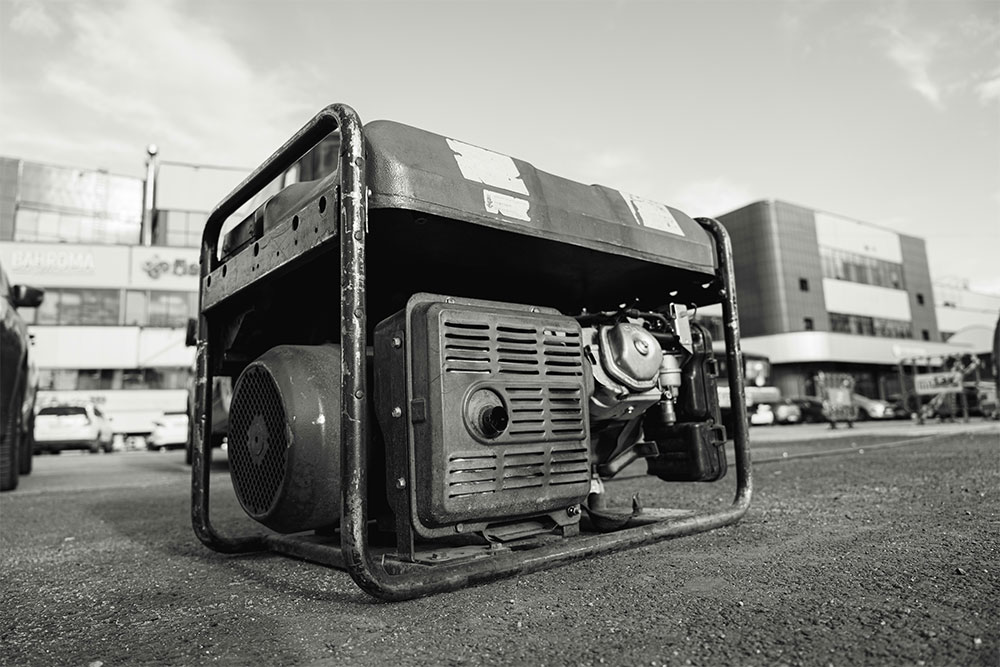
Fuel volatility affects starting and warm-up. Octane affects knock resistance. Additive packages influence injector cleanliness. These factors link fuel composition to performance. Gasoline is also used in small engines like generators and lawn equipment, where the fundamental combustion role remains the same.
If you want reliable performance in modern engines, you can buy our top-grade gasoline built for high-efficiency systems that demand clean injection and stable combustion.
What Is Gasoline Made Out Of In Terms Of Chemical Structure?
At the chemical level, what is gas made up of and what is gasoline made out of can be described by hydrocarbon families. Gasoline includes paraffins, isoparaffins, olefins, naphthenes, and aromatics. The specific composition depends on crude oil quality, refinery unit choices, and local fuel regulations.
Paraffins and isoparaffins help with clean burning and stability. Olefins may influence reactivity and deposit behaviour. Aromatics increase octane but affect emissions. Refineries adjust these components to meet octane and volatility targets while adhering to regulations. Composition varies because different crude oils and refinery processes produce different intermediate streams.
Want To Know If Your Gasoline Quality Is Actually “Good”?
Fuel performance depends on volatility, octane, contaminants, and additive packages not just price. Use a quick checklist to spot common quality red flags (storage issues, contamination risks, and what additives really do).
Is Gasoline The Same Thing As Petroleum Or Oil?
Questions regarding whether gasoline is an oil or petroleum are frequent because gasoline is derived from crude oil. Crude oil and petroleum serve as source materials, whereas gasoline is a refined product. It is important to understand that gasoline is not crude oil. Instead, it is one specific product manufactured through complex refining and blending processes.
Petroleum is a broad category encompassing various hydrocarbons. Gasoline is a refined product and is not synonymous with raw petroleum. A single barrel of crude undergoes processing to yield many distinct outputs. The term “gasoline oil” can be misleading because gasoline functions as a fuel, not a lubricant like engine oil.
Where Does Gasoline Come From Globally And Locally?
The origin of gasoline is fundamentally tied to both crude oil production and global refining capacity. While some nations extract significant volumes of crude oil, they often export a large portion. Conversely, many countries import crude oil for domestic processing in their refineries. Furthermore, regional supply imbalances and seasonal demand spikes necessitate the import of finished gasoline to ensure adequate supply.
Therefore, determining where gasoline comes from involves analyzing both geological resources and intricate infrastructure. Locally, gasoline is supplied by nearby refineries and various terminals, which are linked through extensive pipelines and shipping routes. Limited local refining capabilities often mean that imports assume a more significant role in meeting consumer demand. The comprehensive supply chain, extending from the wellhead to the final pump, provides the answer to the question, where does car gas come from.
How Do We Acquire The Crude Oil Used To Produce Gasoline?
Crude oil production begins with exploration and well drilling, followed by various recovery methods. Onshore and offshore logistics differ. Crude is then transported to refineries. The upstream stage is sometimes described as the extraction of gasoline, but extraction produces crude oil, which later becomes gasoline through refining.
How Does Oil Get Converted Into Gasoline During Refining?
People ask how is gas made from oil and how is gas oil is made because the conversion steps sound like chemistry magic. In reality, refining is a controlled industrial process combining separation and chemical conversion. It answers does gas come from oil and explains why is gas made from oil is true for the conventional gasoline supply. Distillation separates crude by boiling range, creating naphtha and other fractions. Cracking breaks heavier molecules, and reforming raises octane. Hydrotreating reduces sulphur. Blending combines streams to hit targets like octane and volatility. This explains how oil is converted into gas in the context of transport fuels.
What Is Included In Gasoline Additives And Why Are They Important?
| Additive function | What it helps with | Why it matters for engines and fuel systems |
|---|---|---|
| Antioxidants | Slows oxidation during storage | Helps reduce gum formation and helps fuel stay stable longer |
| Corrosion inhibitors | Protects metal surfaces in tanks and lines | Helps reduce rust, wear, and fuel system damage over time |
| Metal deactivators | Limits reactions caused by trace metals | Helps prevent faster degradation and helps keep fuel chemistry more stable |
| Markers or dyes were required | Identification for regulated products | Helps support compliance and traceability in specific markets |
| Oxygenates where required | Adjusts combustion characteristics in regulated blends | Helps meet local fuel rules and emissions-related targets in some regions |
Trying To Understand Where Gasoline At The Pump Really Comes From?
Supply chains matter local refinery capacity, imports, terminals, pipelines, and seasonal blending all affect availability and consistency. Learn how to trace your fuel’s likely pathway from crude source to retail station.
What Type Of Petroleum Is Used To Make Car Gasoline?
To understand the type of petroleum used in cars, one must differentiate between the crude source and the finished product. The fuel used in vehicles is finished gasoline. The primary petroleum source is crude oil. In the refinery, the most direct fraction is naphtha, which is then combined with converted streams and upgraded to meet specific gasoline specifications. Crude oils vary significantly in their sulfur content and the amount of light material they contain. Consequently, refineries often prefer certain crude sources based on their existing equipment and current economic considerations. It’s also worth noting that “petrol” is a regional term used interchangeably for gasoline, while “petroleum gas” typically refers to liquefied petroleum gases (LPGs).
Why Can’t We Produce Gasoline Easily In A Lab?
Questions like how to make gasoline or how do you make gas are common, but production is hazardous, toxic, and regulated.
Why is it not simple or cost-effective?
- Gasoline is a blend of many molecules, not one compound, so matching specifications is complex
- Refinery conversion relies on catalysts, high temperatures, and high pressures that are not practical or safe in small setups
- Quality control requires lab testing for volatility, octane, contaminants, and stability
- Legal and environmental requirements make compliant production difficult outside industrial systems
Research into synthetic fuels and alternatives continues, but cost and energy inputs remain major constraints.