Need Emergency Fuel Delivery?
  info@elanfuels.com
Key Takeaways
- How long stabilised gas lasts depends on sealing, temperature, and fuel type.
- How long gasoline lasts with stabilizer is usually longer than untreated fuel, but not indefinite.
- How long does ethanol-free gas last is often longer than ethanol blends, even before treatment.
- How to store gasoline long term is mostly about certified containers, tight seals, and fuel rotation.
Table of Contents
How Long Can Gas Be Stored With Stabilizer?
A good working answer to how long gas can be stored with stabilizer is that treated fuel often stays usable for seasonal storage when it is stored correctly. Correct storage requires an approved container, a tight seal, and a cool, stable location. In this setup, how long gas last with stabilizer is typically measured in months, not years. Stabilized fuel lasts longer than untreated fuel because stabilizers slow oxidation, which is a main cause of lost volatility and deposit formation, helping to reduce the creation of gums and varnish. Untreated fuel can cause problems sooner, especially in small engines and carburettors. For this reason, many choose a gas additive for storage or fuel storage additive for gasoline long -term storage.
Use the table below as a practical range for the shelf life of gasoline with stabilizer. The ranges assume you used the product as directed and stored fuel in an approved container with a tight seal.
| Fuel and storage situation | Typical without stabilizer | Typical with stabilizer |
|---|---|---|
| Ethanol blend in a sealed approved container | 1–3 months | 6–12 months |
| Ethanol-free gasoline in a sealed approved container | 3–6 months | 12–18 months |
| Fuel in small equipment systems that vent | Weeks to a few months | A few months to about 1 year |
| Hot storage with big temperature swings | Shorter than average | Shorter than average |
These are potential results, not certainties. For the most reliable outcome regarding how to store gas long term, reduce heat, limit air, and rotate fuel.
Does Fuel Stabilizer Extend Gas Lifespan?
People commonly ask does fuel stabilizer extend gas lifespan, expecting a permanent fix. Fuel stabilizer can extend storage life, but it does not make fuel last forever. To understand how long fuel stabilizer work, realize that it slows the chemical reactions that lead to performance loss and deposits. Chemically, many stabilizers are antioxidants that slow oxidation. Some also contain components that reduce metal-driven reactions and manage minor contaminants. This explains what a fuel stabiliser is in a practical sense. Stabilizer works best when fuel is fresh, stored in a sealed, cool environment, extending the fuel’s viability.
How Long Does Fuel Stabilizer Last?
People frequently ask how long fuel stabilizer last and how long gas stabilizer last because they often keep a bottle across multiple seasons. Unopened stabilizer remains potent longer when stored cool and tightly sealed. Heat and direct sunlight reduce the product’s effectiveness more quickly.
A straightforward way to determine how long a fuel stabiliser is good for and how long a fuel stabilizer last is to consider its storage history. If the product has remained sealed and stored under stable conditions, it will more likely perform as intended. Conversely, if it has been opened repeatedly, stored in heat, or left uncapped, its effectiveness may diminish. Always follow the manufacturer’s label guidance and avoid using a very old product for crucial long-term storage.
Does Fuel Stabilizer Go Bad?
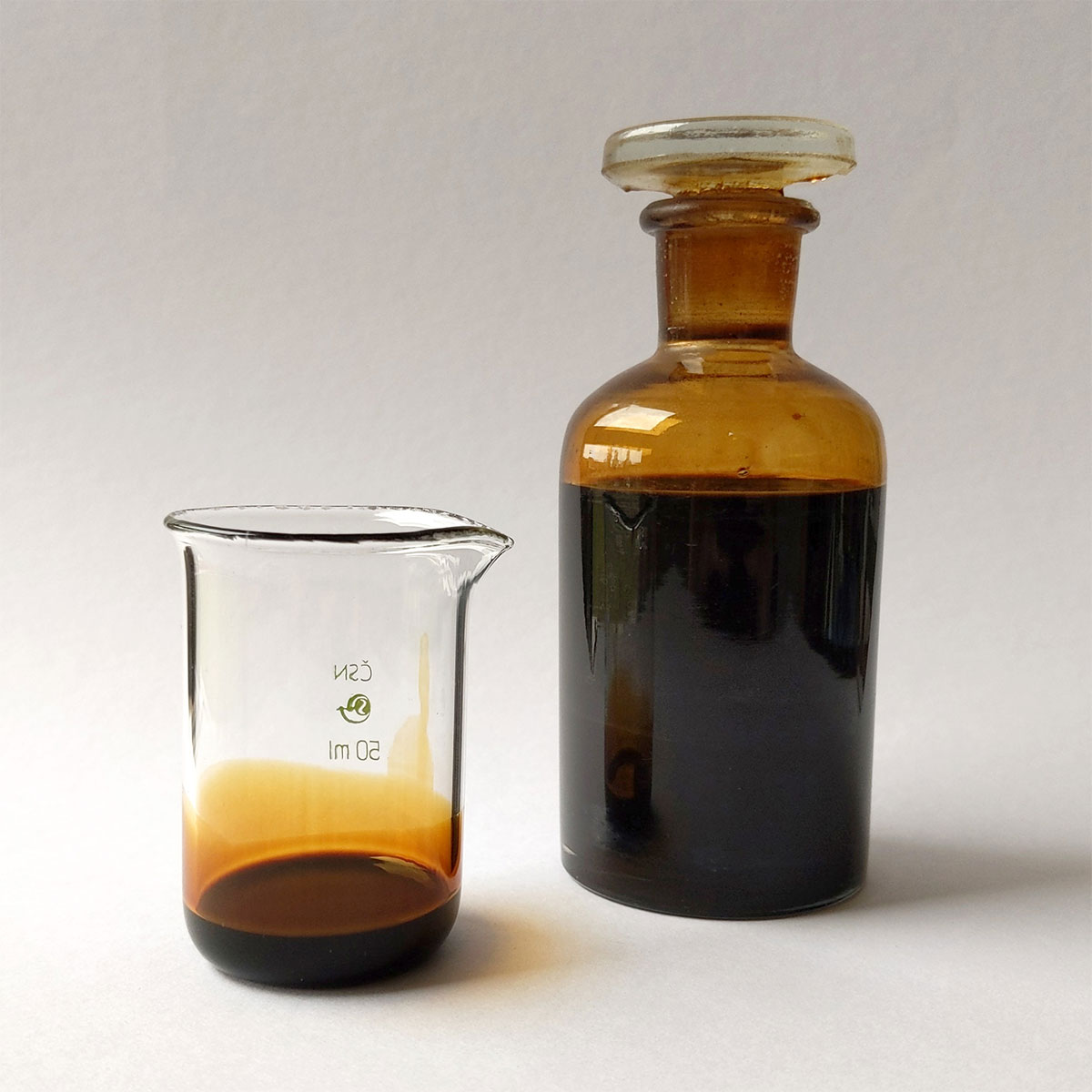
Yes, does fuel stabilizer go bad is a legitimate concern. Old stabilizer may change in appearance or consistency, becoming darker, thicker, or separated. A different smell also indicates that the product is no longer reliable. People frequently ask whether fuel stabilizer go bad, does stabil expire, does stabil go bad, and does sta bil go bad. The answer is that stabilizer can degrade, especially after opening. For products like sta-bil storage fuel stabilizer, keep the bottle sealed, avoid heat, and replace any very old stabilizer rather than risking a carburettor repair.
How Long Does Ethanol Gas Last With Stabilizer
Ethanol blends degrade faster because ethanol can absorb moisture from the air. This moisture reduces combustion quality and increases the risk of corrosion. Significant water absorption can cause phase separation, where the fuel separates into layers, leading to serious performance problems. This explains why people ask how long does ethanol gas last with stabilizer. Stabilizer helps slow oxidation and reduces deposit formation, but it cannot fully prevent moisture issues if the fuel is exposed to humid air or frequent temperature changes.
A realistic comparison shows the difference. Without treatment, ethanol blend fuel may become risky within a few months in typical storage. With treatment, how long does ethanol gas last with stabilizer is often extended to a seasonal window if the container is well sealed and stored cool. Ethanol blends usually require better sealing and tighter fuel rotation than ethanol-free fuel for extended storage. This is why some users avoid ethanol blends for small engines and emergency storage.
Not Sure If Your Stored Gas Is Still Good?
If you’re asking how long gas can be stored with stabilizer, it usually comes down to fuel type (ethanol vs ethanol-free), sealing, and storage temperature. Use our quick shelf-life guide and storage checklist so you don’t gamble with hard starts, clogged carbs, or rough running when you need your equipment most.
How Long Will Ethanol-Free Gas Last With Stabilizer
Ethanol-free gasoline usually lasts longer because it does not pull in moisture the same way ethanol blends do. That does not mean it lasts forever. It still oxidizes and it can still lose lighter components if the container is not sealed well. When people ask how long ethanol-free gas will last, the practical answer is that ethanol-free fuel is often more forgiving during storage. With stabilizers, ethanol-free gas lasts longer than ethanol blends stored the same way.
This matters most in the situations below;
- Seasonal equipment storage where reliability matters next season.
- Small engines that are sensitive to deposits and volatility loss.
- Emergency plans where you want fewer fuel surprises.
If you are choosing between fuels for long storage, ethanol-free plus stabilizer and good sealing is often the easier path.
How To Store Gas Long Term With Stabilizer
When planning how to store gas long term or considering how to store gasoline long term, prioritize safety, as gasoline ignites easily. Never store fuel without adult supervision if you are under 18. Always follow local fire codes and product labels.
For storing gasoline long term, the best way to store gasoline long term involves limiting exposure to oxygen, moisture, and heat. While stabilizer helps, storage conditions are the main factor. This practical process shows how to store gasoline long-term using a stabilizer, aligning with safety rules and labels.
- Start with fresh fuel and plan a rotation date. This supports how to preserve gasoline for long-term storage.
- Use certified, approved containers in good condition. This supports gasoline long-term storage and reduces leaks and vapor loss.
- Keep containers sealed tightly and store them in a cool, dry, well-ventilated place away from ignition sources. This can improve how long stored gasoline lasts.
- Use the stabilizer exactly as directed on the label. This is the safest way to use a gas additive for storage or fuel storage.
- Label the container with the date and the fuel type, then rotate the fuel before it becomes questionable. This is a core part of storing gasoline long-term.
If you want fewer mistakes, use a professionally tested fuel storage kit with stabilizer and certified containers. This can reduce the risk of costly engine damage caused by stale fuel, leaks, or poor sealing.
Storing Ethanol Gas? Avoid Phase Separation Mistakes
Ethanol blends can absorb moisture and degrade faster in storage, especially with heat swings or loose seals. Learn what stabilizer can (and can’t) do, plus the simplest storage steps to keep fuel reliable for seasonal use and reduce the risk of fuel-related corrosion and performance issues.
When To Add Fuel Stabilizer?
Timing is key when asking when to add fuel stabilizer, as early treatment yields better results. Treat fuel before it sits unused for long periods. The stabiliser protects fuel best when it is still fresh. For seasonal equipment like generators, mowers, or blowers, treat the fuel before storage to reduce deposits and improve starting later. Regarding when to use fuel stabilizer and whether you can use fuel stabilizer all the time, follow product labels and engine manufacturer guidance. Stabilizer supplements, but do not replace, regular fuel rotation and proper storage.
What Does Fuel Stabilizer Do?
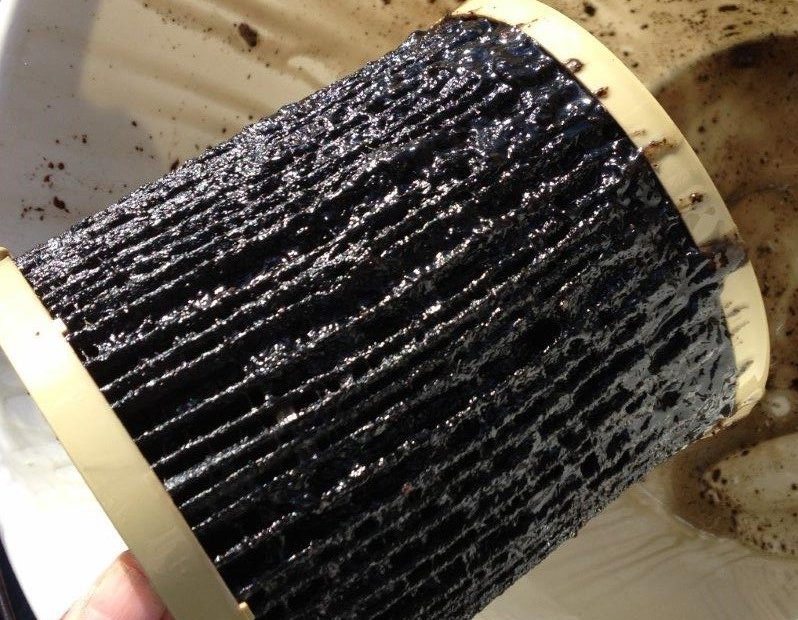
What a fuel stabilizer does is primarily to slow down oxidation and limit deposit formation. Over time, gasoline reacts with oxygen, creating heavier compounds that do not vaporize well. These compounds can form gum and varnish, which clog jets and stick valves, particularly in small engines.
Many stabilizers also contain corrosion inhibitors. This helps minimize the risk of rust and corrosion in fuel systems that are left idle. This is why people use a fuel stabilizer for cars when a vehicle is not driven for a period. In simple terms, what is a fuel stabilizer? It is a preventative product that helps fuel remain fresh for a longer duration. It cannot create new fuel or reverse major degradation.
How Long Can Gasoline Be Stored Without Stabilizer?
If you ask how long gasoline can be stored untreated, the answer is that it is unpredictable. In common conditions, fuel can lose volatility within a few months. Heat and air exposure accelerate this. Ethanol blends increase the risk because they absorb moisture.
When old fuel is found, people also search how long I can i store gasoline and how long gas can be stored to check usability. Ageing fuel increases the risk of hard starts, rough idle, hesitation, and deposits that clog passages. For reliability, rotate untreated fuel sooner or use a stabilizer for longer storage.
Will Fuel Stabilizer Revive Old Gas?
Stabilizers are mainly preventative, not restorative. Therefore, using a fuel stabilizer for old gas is not a fix. If fuel is already heavily oxidized or contaminated with water, adding stabilizer will not make it reliable again. Stabilizer can slow further degradation, but it cannot reverse major changes. It also cannot remove water already mixed into ethanol fuel. If fuel smells sour, looks dark, or leaves sticky residue, proper disposal is safer than trying to run it with stabilizers.
How Long Does Ethanol-Free Gas Last Without Stabilizer
People often ask how long non-ethanol gas lasts because ethanol-free fuel typically lasts longer in storage. This fuel degrades more slowly than ethanol blends since it does not pull in moisture as easily. Still, non-ethanol gas does get bad. It can oxidize and lose lighter components. This is especially true if the container seal is loose or the storage area is hot. Searches like does non-ethanol gas last longer, how long is non-ethanol gas good for, and how long is ethanol-free gas good for are common. For longer storage, use stabilizer and careful sealing.
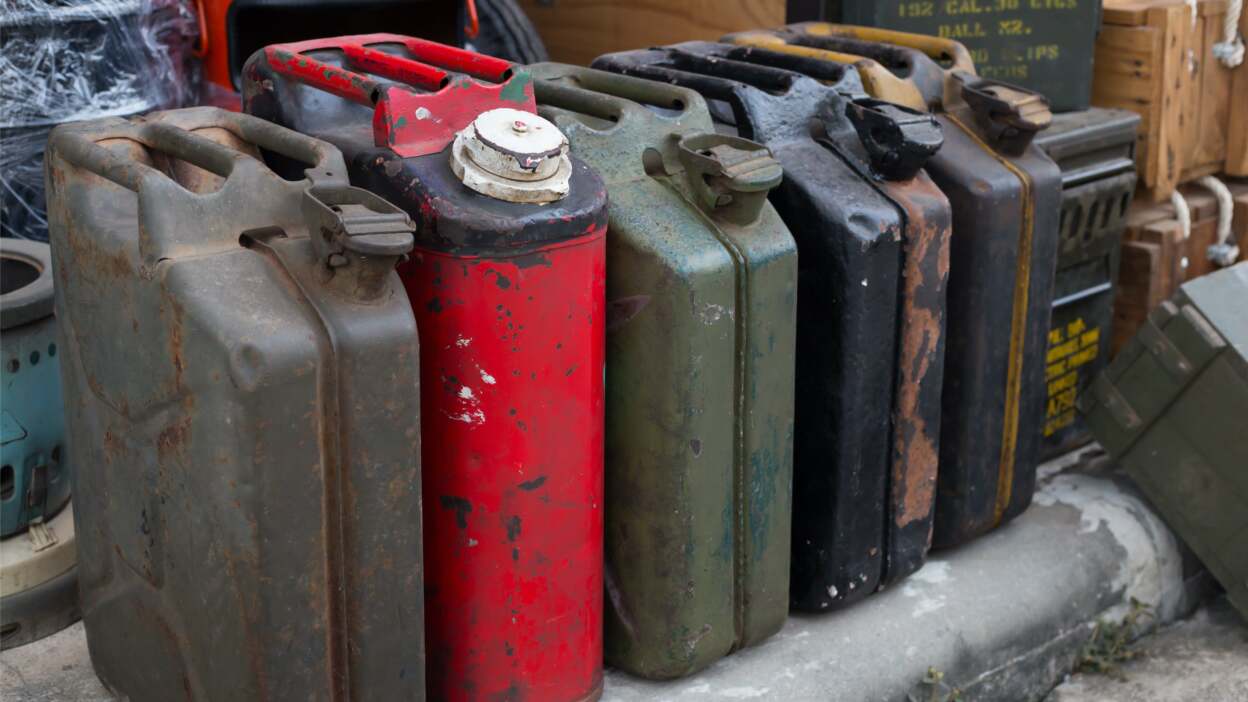
How Long Does Gas Last In A Gas Can?
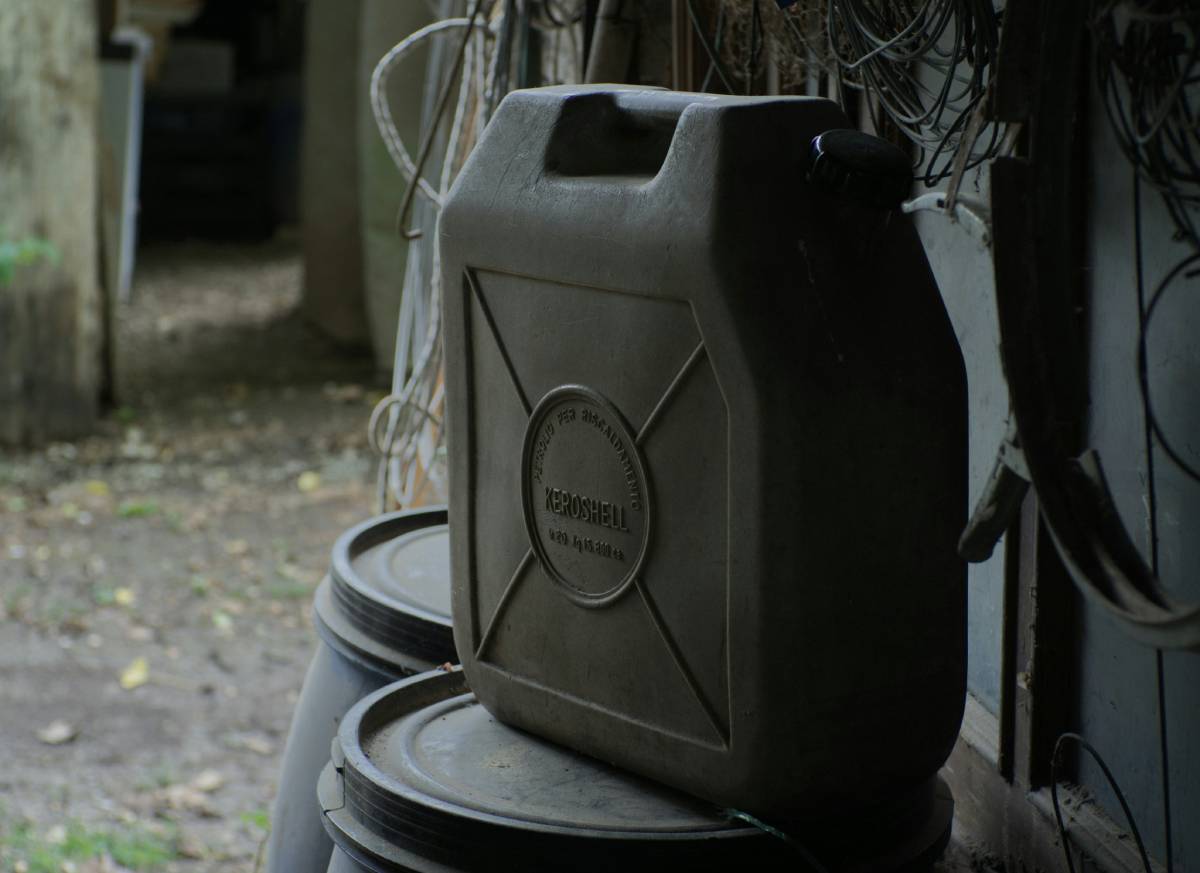
Fuel storage life depends on the can material, the seal, and temperature. Metal cans and well-sealed containers lose less vapor than some plastic or vented designs, which shortens shelf life.
Use this checklist when thinking about how long gasoline lasts in storage in a can.
- A tighter seal usually improves how long stored gasoline lasts.
- Cooler storage usually improves how long gasoline can be stored.
- Larger air space in a container can increase oxidation over time.
- Ethanol blends are more sensitive to moisture exposure.
- Stabilizer can help affect how long fuel lasts
Want Generator-Ready Fuel Without the Guesswork?
Fuel sitting in a generator is often less protected than fuel in a tightly sealed container. Get the practical plan: when to add stabilizer, how to label and rotate fuel, and when shelf-stable/canned gasoline makes more sense for emergency readiness.
How Long Can Gas Sit In A Generator With Stabilizer?
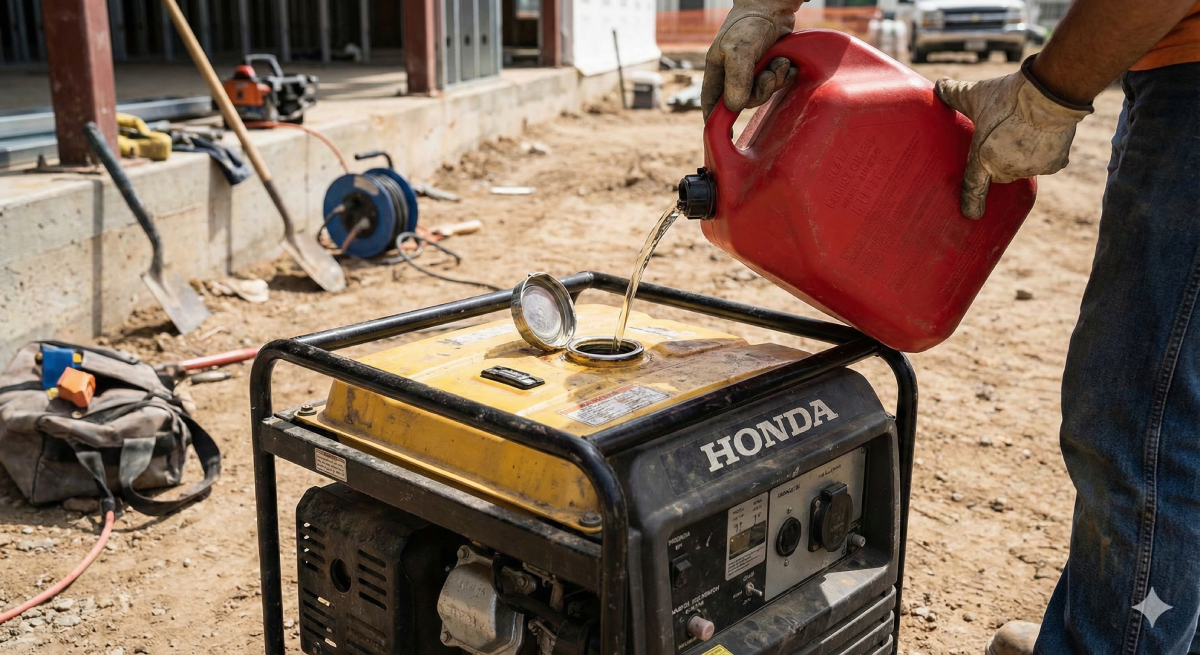
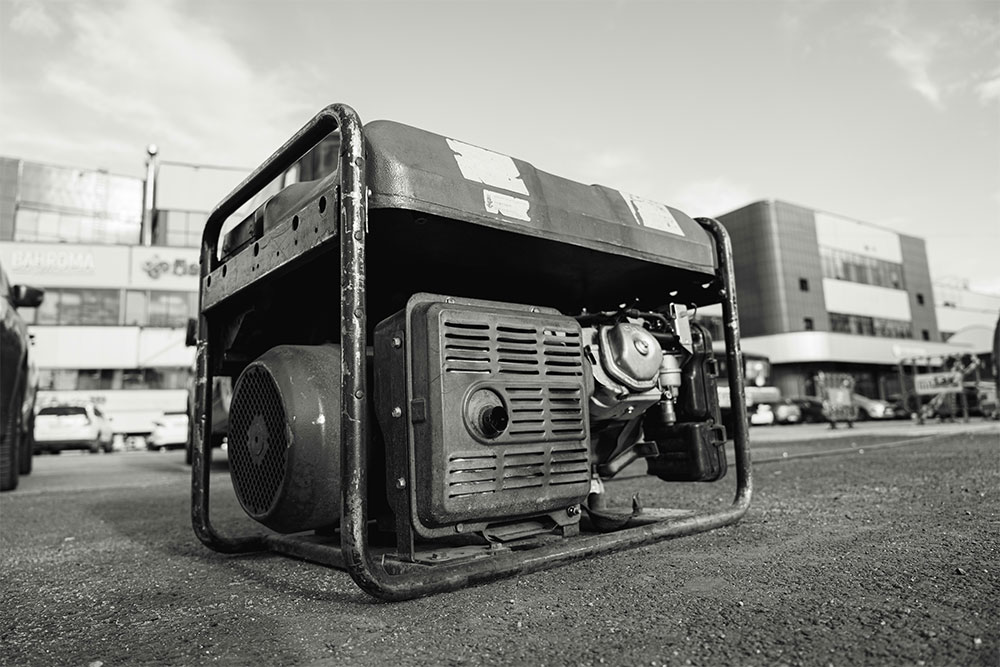
Generators are often more sensitive to fuel storage issues because many have small carburettor passages. Fuel can evaporate from bowls, leaving damaging residues behind. Even when treated, fuel stored inside the machine is often less protected than fuel kept in a tightly sealed container.
Therefore, when people ask how long gas is good for with stabilizer in a generator, the safest answer is that stabilizer aids with seasonal storage, but you should not assume multi-year reliability. This concern also prompts questions like how long can you store gasoline with stabil and how long can you store gasoline with stabilizer as people plan generator readiness. Best practices involve following the generator manual, using fresh fuel, using stabilizer correctly, and rotating fuel on a schedule. The simplest plan is storing fuel in certified containers, rotating it regularly, and maintain the generator fuel system as recommended.
Shelf Stable Gasoline & Canned Gas Options
Shelf-stable gasoline is fuel packaged for extended storage life. The packaging minimizes exposure to air and moisture. Canned gasoline is a common type used for emergency preparedness, storm readiness, and backup power. This prepackaged fuel simplifies storage compared to treating pump gas yourself, though users should still follow rotation and storage guidelines.
These situations often fit shelf-stable options.
- Emergency fuel that may sit for a long time before use.
- Backup generators where you want fewer storage surprises.
- Small engines where stale fuel causes quick problems.
For emergency preparedness, buying certified shelf-stable gasoline removes storage uncertainty. This simplifies fuel rotation and reduces the risk associated with using questionable stored fuel.