Need Emergency Fuel Delivery?
  info@elanfuels.com
Key Takeaways
- Reefer runtime depends on tank size, burn rate, temperature, and stop frequency.
- Use gallons divided by hourly burn to estimate safe operating hours.
- Hot weather, warm loads, and door openings increase reefer fuel consumption.
- Larger tanks extend trips, but operating conditions often matter more in the overall picture.
- Plan refuelling early to avoid cargo temperature excursions and costly claims.
Table of Contents
How Long Will A Reefer Unit Run On A Tank Of Fuel?
Reefer runtime is the duration a refrigeration unit can operate before running out of fuel, distinct from the truck engine runtime. A tractor uses fuel for movement, while a reefer consumes it for cooling, fans, and controls, even when parked. There is no single fixed number for how long can a reefer trailer run. Fuel consumption changes across trips. For example, cooling a warm product in summer uses more fuel than holding a stable temperature in mild weather. The key factors that determine how long does reefer fuel last include:
- Tank size and usable gallons.
- Average hourly burn in the current mode.
- Ambient temperature, sun load, and wind.
- Setpoint and how tight the control band is.
- Door openings, loading pattern, and air leakage.
- Mechanical condition and airflow around the unit.
Fuel runtime ranges depend on tank sizes and average burn rates. A small tank may last 1 to 3 days, while larger tanks can support several days in moderate conditions. Estimate hours based on your trailer’s fuel capacity and expected gallons per hour, adding a safety margin.
How Much Fuel Does A Reefer Unit Use Per Hour
Knowing how much fuel does a reefer unit burn per hour is vital for calculating runtime, and for converting gallons into hours to plan routes and refuelling stops. Fuel consumption for modern semi trailer refrigeration units varies significantly. Factors like the load, operating mode, engine speed, compressor load, and whether the unit is running continuously or cycling all influence the burn rate.
To estimate reefer fuel consumption, consider the demand levels. These include light demand when the product is already cold and the unit cycles less, moderate demand when the unit cycles more often, and heavy demand during pull-down, hot weather, or frequent door openings. If you are trying to estimate how much diesel does a reefer unit use, start with your fleet history and telematics data. Using a conservative burn rate for new lanes helps protect cargo.
Need To Know Your Reefer Runtime Before You Roll?
A reefer can burn more fuel than expected in hot weather, pull-down, or multi-stop routes. Use a simple gallons ÷ gallons-per-hour estimate plus a safety margin to plan refuelling early and avoid temperature excursions and claims.
How Much Fuel Does A Reefer Trailer Use Per Day
Daily usage is calculated by multiplying the hourly burn rate by the number of hours the reefer operates each day. This converts how much fuel a reefer trailer uses into a figure that dispatch and operations can effectively plan around. Daily estimates are preferred by many carriers as they align with common trip durations, helping decide if a refuel stop is necessary. Below is a practical way to translate reefer trailer fuel consumption into daily planning.
- Estimate your average hourly burn for the lane and season.
- Multiply by 24 for continuous operation.
- If you cycle, adjust the effective running hours, but keep a safety cushion.
- Add extra gallons for pull-down days, hot afternoons, or long door times.
Differences in light versus heavy refrigeration demand significantly impact daily energy consumption. For instance, a semi-reefer maintaining frozen products in summer typically uses more energy than a load of chilled items in mild weather. A trailer single temp operation with stable temperatures and minimal door openings is usually more efficient than multi-stop work. Fuel quality and clean handling matter. You can buy high-quality trailer fuel from us for better efficiency and fewer fuel-related issues. If you need scheduled or emergency reefer fuel delivery, you can request service directly from us
How Many Gallons Does A Reefer Fuel Tank Hold
Tank size is critical because it determines the maximum runtime before a reefer empties. When asking how many gallons a reefer tank holds, the answer varies due to diverse trailer specs and fleet preferences for reefer fuel tank capacity. Common reefer fuel tanks include smaller options for short-haul and larger ones for long-haul or high-risk temperature routes. Bigger tanks also minimise refuelling and offer protection against delays.
| Tank type example | Description | Typical use case |
|---|---|---|
| 50-gallon reefer fuel tank | Compact tank size with limited range | Short haul, frequent yard access |
| 100-gallon reefer fuel tank | Common mid-size option | Regional work and mixed conditions |
| Larger tanks | Higher capacity setups on some trailers | Long haul, hot season, high uptime lanes |
This table is a practical planning tool, not a definitive spec sheet for every manufacturer. To confirm reefer fuel tank capacity for a specific trailer, always check the tank label, build sheet, or maintenance records. Confirm the usable capacity, as low-level shutoff can leave unused fuel. The term reefer trailer fuel tank, also called a reefer diesel tank, refers to the system supplying the reefer engine.
Worried About Running Out Of Reefer Fuel Mid-Trip?
If your lane has long detention, unpredictable delays, or high-risk temperature loads, proactive refuelling beats emergency scrambling. Set up planned reefer fuel delivery at secure stops and protect the load when conditions change.
How Do You Calculate How Long A Reefer Will Run On A Tank Of Fuel
The fundamental equation for determining operational duration is straightforward: runtime in hours is calculated by dividing the usable fuel volume in the tank, in gallons, by the average fuel consumption rate, in gallons per hour. Consequently, an accurate estimation of the hourly fuel burn rate is crucial. A poor estimate for reefer fuel consumption can lead to a runtime calculation error of several hours. Use these steps.
- Confirm the usable fuel capacity of your reefer trailer’s fuel tank.
- Estimate the average burn in gallons per hour for the lane and season.
- Divide gallons by gallons per hour to get hours.
- Apply a safety margin. Many operations plan to refuel before the tank is low.
A safety margin matters because real conditions change. Traffic delays, a longer detention, or a hotter afternoon can increase burn and reduce the hours you actually get from the tank.
How Long Will A Reefer Run If You Know Gallons Per Hour
A trailer with 100 usable gallons and an average burn rate of 0.8 gallons per hour can operate for 125 hours, slightly over five continuous days. A higher burn rate of 1.0 gallon per hour, caused by hotter conditions, reduces this to 100 hours. This variability highlights why fuel consumption averages must be updated seasonally to accurately determine how many hours does a reefer unit last. To refine estimates, use a higher average rate for hotter periods. If determining how long will a reefer unit run on a tank of fuel for a specific trip, use a conservative estimate and refuel early.
What Operating Conditions Affect How Long A Reefer Runs
Operating conditions often influence fuel consumption more significantly than the size of the tank itself. While a larger tank is helpful, various environmental and operational factors dictate the unit’s actual fuel burn rate. These main influences include ambient temperature and humidity, direct sun exposure, wind and airflow, the setpoint and product temperature at loading, and the frequency of door openings and stops.
Furthermore, factors such as trailer insulation quality, door seals, air leaks which necessitate more run time, unit maintenance like dirty coils, and the chosen mode or control logic all affect reefer trailer fuel consumption. When adverse conditions like hot weather combine with warm product and multiple stops, fuel consumption can rise sharply, requiring earlier refuel planning to protect the load.

How Does Managing The Running Temperature Extend Runtime
Effective temperature management is a simple way to control efficiency. The best practice is to select a setpoint meeting the cargo’s needs without overcooling, as this increases compressor work, runtime, and fuel consumption. You can extend operational time by focusing on temperature stability. Avoid long idle pull-down with open doors, limit door open time at docks, and use proper air chutes and loading patterns. Monitoring air temperatures helps catch early drift. Stable control minimises cycling extremes, improving fuel efficiency and directly impacting how long does reefer fuel last.
What Are Reefer Hours And How Do They Relate To Runtime
Reefer hours track the total operational time of the reefer unit, distinguishing them from tractor idle hours, though they are analogous to engine hours in other equipment. Carriers diligently monitor reefer hours to schedule maintenance intervals, uphold warranty requirements, and implement effective cost control measures. A critical point is that a reefer unit can accumulate hours even when the tractor is parked, as the unit continues running to maintain cargo temperature.
Reefer hours are intrinsically linked to fuel consumption because they facilitate the estimation of fuel use over time. By calculating the unit’s runtime and the total fuel consumed during a trip, one can determine the average burn rate and thereby more accurately predict how long will a reefer unit run on a tank of fuel. An increase in fuel use relative to reefer hours can serve as an early indicator of higher load conditions, a looming maintenance issue, or the need for earlier refueling on a specific route.
How Much Does It Cost To Run A Reefer Unit Per Day
Daily cost is daily gallons multiplied by diesel price. Since conditions change, costs can vary widely from one trip to another. To estimate cost, consider the following;
- Estimate daily gallons from your hourly burn and expected runtime.
- Multiply by your delivered diesel price.
- Add a buffer for peak demand days and unplanned delays.
If a dedicated reefer fuel system is used, its tracking should be separate from the tractor fuel. Keeping reefer fuel in truck logs separate from tractor logs provides a clearer view of the true refrigeration cost and avoids accounting confusion. Fuel type, such as clear or dyed diesel, must match compliance rules and fleet policy.
Want Lower Reefer Fuel Costs Without Risking The Load?
Fuel cost is gallons per day times diesel price, but your biggest lever is reducing unnecessary run time. Track gallons per reefer hour by route and season, spot spikes early, and tighten your refuel plan with real data.
What Is The Difference Between Reefer Fuel And Tractor Fuel
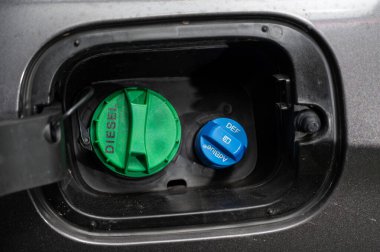
Reefer units have separate fuel systems because the reefer is a separate engine that can run when the tractor is off. This separation helps protect cargo and gives the operator direct control over refrigeration fuel levels.
Fuel compatibility is a common question, especially when people compare reefer fuel vs truck fuel. In many operations, the reefer runs on diesel fuel that is similar in base product to tractor diesel. But legal status, dye, tax treatment, and fleet rules can differ by location and use.
Here are practical points that explain the differences between truck fuel and reefer fuel.
- A reefer tank is dedicated to refrigeration to reduce the risk of running out during stops.
- A tractor tank is dedicated to propulsion and road operations.
- Some fleets use dyed diesel for reefers where allowed for off road equipment, while tractors use taxed on-road diesel.
Mixing policies depend on compliance, contracts, and customer requirements.
People may also hear informal terms like reefer gas. In most fleets this still refers to diesel used by the reefer unit, not gasoline. Many modern reefers are diesel powered and use reefer diesel fuel.
If you are deciding between reefer or tractor fuel for a given fill point, follow your fleet policy and local rules. The safe approach is to keep systems separate and labeled so drivers do not guess.
Some common phrasing includes tractor or reefer fuel, reefer or tractor fuel, and tractor or reefer fuel for truck. In practice, the best operational habit is to plan reefer fills proactively, and treat the reefer tank as mission-critical for the load.
A frequent concern is what happens if i put reefer fuel in my truck. If the reefer fuel is standard diesel that meets on road specs, the fuel itself may be compatible. The bigger issue is legality and tax compliance if the reefer fuel is dyed or designated for off road use. If dyed fuel enters a highway vehicle tank, penalties can apply in many jurisdictions. Also, if the reefer supply has different additive treatment, it may not match the tractor fuel program.
For that reason, keep a clear distinction between the reefer diesel tank and the tractor tanks, and do not treat the reefer tank as an emergency reserve for the road vehicle.
What Happens If A Reefer Runs Out Of Fuel During Operation
Depletion of reefer fuel poses an immediate risk to cargo, particularly for frozen loads or high-value, temperature-controlled freight. A unit stoppage can lead to elevated temperature, fluctuating humidity, and subsequent degradation of product quality. Some key risks include:
- Temperature excursions that trigger claims or rejection.
- Ice cream and frozen goods are softening then refreezing.
- Produce respiration and moisture issues.
- Loss of compliance records for the trip if the unit stops and alarms are triggered.
Restarting a refrigeration unit after a shutdown can be difficult. Even with prompt refueling, the trailer might take time to reach its temperature setpoint, especially if the cargo warmed up significantly. Protective shutdowns can also occur if the unit ingests air or if filters are obstructed. Effective planning reduces the risk of an empty reefer tank: know your reefer fuel tank capacity, continuously monitor levels, and refuel early. For long trips, consider arranging planned reefer fuel delivery at secure stops.