Need Emergency Fuel Delivery?
  info@elanfuels.com
Key Takeaways
- Treat safety first, ventilate well, remove ignition risks, and plan disposal.
- Routine maintenance and filter checks reduce the need for deep cleaning of boat fuel tanks.
- Pick chemicals that match the tank material, seals, and fuel type.
- If contamination is heavy, focus on how to clean out a boat’s fuel tank and check the whole fuel system after.
- In-place methods for how to clean a boat fuel tank work best for light sludge, not severe corrosion or heavy debris.
Table of Contents
How To Clean A Boat Fuel Tank
A boat fuel tank holds gasoline or diesel and supplies the engine through lines, filters, and sometimes a water separator. Clean fuel is vital because modern marine engines have precise tolerances. Even small particles can restrict injectors, clog filters, and cause power loss. Water promotes corrosion and may lead to engine stalling. Neglect increases the risk of fuel contamination spreading throughout the system, turning simple service into extensive downtime.
Before cleaning the boat’s fuel tank, prioritise safety. Work outdoors or ensure strong cross ventilation. Disconnect the battery, turn off shore power, and keep all flames, sparks, and smoking materials away. Wear eye protection and gloves. Have approved containers and a spill kit ready. Pre-plan the disposal of contaminated fuel and waste before starting work. Routine cleaning suits tanks with mild sediment, but deep cleaning is necessary when filters repeatedly clog, fuel smells sour, water keeps returning, or sludge is visible.
| Tank material | Common risk | Safer cleaning direction | What to avoid |
|---|---|---|---|
| Aluminum | Corrosion and pitting | Mild detergent rinse and careful inspection | Harsh caustic cleaners, aggressive abrasives |
| Plastic | Swelling and softening | Gentle detergent and compatible additives | Strong solvents that attack plastics |
| Any tank | Debris and water | Drain, filter, remove sludge, replace filters | Reusing contaminated fuel without treatment |
Boat Fuel Tank Cleaner
A boat fuel tank cleaner is usually an additive designed to break down varnish and loosen light sludge. It also aids in water separation, allowing removal via a separator or filter. Some products can disperse minor amounts of moisture until they reach a water-separating filter. Mechanical cleaning physically removes contamination through draining, wiping accessible areas, vacuum extraction, and filter changes. Chemical cleaning suits light deposits accessible through fuel circulation.
Cleaners work best with mild tank buildup and a system allowing fuel circulation with good filtration. They are less effective against heavy sludge mats, large debris, or advanced corrosion. Selecting a marine-grade option is vital as it is formulated for marine fuel systems, seals, and storage conditions. Choosing a proven marine fuel tank cleaner from trusted suppliers ensures reliability, reduces downtime, and extends fuel system life.
Best Boat Fuel Tank Cleaner
Evaluate a cleaner’s effectiveness by what it targets, such as varnish, light sludge, and water-related issues. Safety and cleaning strength are equally important. A cleaner must be compatible with your fuel type and common marine hose and seal materials. Avoid products that loosen too much debris at once, as this can quickly clog filters, especially in sensitive high-pressure systems. Plan to carry spare filters. Environmental impact also requires consideration for proper disposal.
What To Use To Clean A Boat Fuel Tank?
Standard cleaning supplies include mild detergents for accessible surfaces, lint-free rags, a fuel-rated hand or transfer pump, and high-quality water separating filters. Only use solvents that are explicitly safe for the fuel system and tank material. Additives help with maintenance, but cannot remove heavy debris. Match tools and agents to the material. For example, aluminium tanks need gentle handling, and plastic tanks need compatible chemicals. Avoid household cleaners due to potential residues or ingredients that attack tank materials. If uncertain, perform boat tank cleaning, focusing on removal, filtration, and inspection rather than harsh chemicals.
How To Clean A Boat Gas Tank
Gasoline systems require caution because fumes ignite easily, and vapors accumulate in low areas. Approach how to clean a boat’s gas tank as a priority task for ventilation and ignition control, then a cleaning task. Use a fume safe fan if necessary, keep all electrical switches away, and avoid sparking tools.
Use these steps for how to clean a boat’s gas tank, and treat them as the basics of boat gas tank cleaning.
- Shut down power sources and ventilate until fumes are clearly reduced.
- Drain fuel into approved containers and separate any water and debris.
- Replace the primary fuel filter and water separator element.
- Inspect the pickup screen, sender gasket, and fill and vent hoses for leaks or cracking.
- Refill with fresh fuel and monitor filter loading during the first hours of operation.
Common signs a gas tank needs cleaning include repeated filter clogging, hesitation under load, and visible water in the separator.
Rough Idle Or Clogged Filters On The Water?
If your engine is stumbling, your water separator keeps filling, or filters clog fast, your fuel tank likely has sludge or moisture. Learn how to clean a boat fuel tank safely, drain contamination, and protect your fuel system before a small issue becomes an on-water breakdown.
How To Clean Out A Boat Fuel Tank?
When contamination is heavy, the focus shifts to how to clean out a boat’s fuel tank by physically removing sludge, debris, and water instead of attempting in-place dissolution. Start the process by draining as much existing fuel as possible. If the tank includes an access port, only open it after confirming the area has safe ventilation. Use fuel-rated pumping or vacuum equipment to remove the sludge, collecting all waste for correct disposal. Wipe any reachable internal surfaces using lint-free materials and a compatible cleaning agent, then make sure all residue is removed.
After removal, inspect the internal surfaces with a light, checking for corrosion, pitting, cracking, loose baffles, or softened plastic. Structural damage may require replacement as a safer option than continued use. Before refilling, confirm no standing liquid, rag fibres, or cleaner residue remains. Next, clean the boat’s fuel tank plumbing by replacing all filters, checking the pickup tube, and confirming the vent line is clear. Finally, run the engine and watch for filter loading, as loosened particles may still move for a short time.
How Do You Flush A Boat Gas Tank?
Flushing differs from cleaning. Flushing moves clean fuel through the tank, lines, and filters to remove small remaining particles. Cleaning focuses on eliminating sludge and stuck deposits. A practical flush begins after the main debris is removed. Add a small amount of fresh fuel, circulate it through a filter or polishing loop if available, and drain it if contaminated. Replace filters again if the initial run loads them quickly. Prevent recontamination by maintaining a clean fill area, using proper dock fuel practices, and stabilizing fuel for storage.
How To Clean A Boat Fuel Tank Without Removing It?
In-place cleaning is effective when the tank is difficult to access, contamination is minor, and the tank structure is sound. This method is often what people mean by how to clean a boat’s fuel tank without removing it. The standard procedure involves circulation and filtration. Fuel is drawn from the tank’s lowest accessible point, filtered through high-quality media, and then returned to the tank. Gentle agitation during this process helps lift light sediment.
Use this approach when you want to know how to clean boat’s gas tank without removing work to address minor water and sludge problems, not for heavy buildup. This method has limitations, as it may not remove heavy sludge mats, corner debris, or corrosion scale. Safety is critical in confined spaces, so ensure proper ventilation and avoid fume exposure. If filters rapidly clog, stop and consider professional service or a complete clean out.
Want To Clean A Boat Fuel Tank Without Removing It?
If your tank is hard to access and the buildup is light, in-place circulation and filtration can work when done safely. Follow a clear method for how to clean a boat’s fuel tank without removing it, including ventilation, ignition control, and smart filter planning.
How To Clean Inside An Aluminum Boat Fuel Tank?
Aluminium tanks require special maintenance. Aggressive chemicals and abrasion can damage the protective oxide layer, exposing the metal to corrosion. Water inside the tank worsens this risk, especially near seams and low points. For safe cleaning, first drain and remove all water. Then, use mild detergent solutions and gentle wiping for accessible areas. Avoid strong caustic products, bleach-like cleaners, and harsh abrasives, which can scratch the surface and initiate corrosion.
After cleaning, dry the tank completely. Prevent water intrusion by ensuring the fill cap seal and vent routing are maintained. Replace worn hoses and clamps that might allow moisture in. Ongoing filtration and regular separator checks are crucial to prevent the return of corrosion-driven contamination.
How To Clean A Plastic Boat Gas Tank?
Plastic fuel tanks resist corrosion, but incompatible chemicals can damage them. For how to clean plastic boat gas tanks, focus on gentle removal methods, compatible detergents for accessible areas, and fuel system additives safe for plastics and seals. Strong solvents must be avoided, as they can soften the plastic, cause swelling, or create stress cracking. Always confirm that any chemical product is appropriate for plastic tanks and marine fuel systems. After cleaning, inspect the plastic tanks carefully. Check for bulging, soft spots, cracks near fittings, damaged threads, and leaks at hose barbs and gaskets. If the plastic has softened or cracked, replacement is generally the safest solution.
How Do You Clean A Gas Tank That Has Been Sitting For Years?
Old fuel degrades, forming varnish deposits. Water can enter, causing separation as heavier components settle. Long storage seriously contaminates both gasoline and diesel. Treating this requires remediation, not a quick rinse, and necessitates replacing filters multiple times.
Use this step-by-step approach.
- Assess safety and ventilation, then drain all old fuel into approved containers.
- Inspect the tank interior if access exists, and remove sludge and debris physically.
- Clean reachable surfaces gently with compatible agents, then remove all residues.
- Replace filters, check the pickup, and inspect hoses and seals for age damage.
- Refill with fresh fuel, then monitor filter loading closely during the first operating hours.
If the tank has heavy corrosion, structural damage, or persistent sludge that cannot be removed, replacement may be safer than continued cleaning.
How To Remove Old Gas From A Boat Gas Tank?
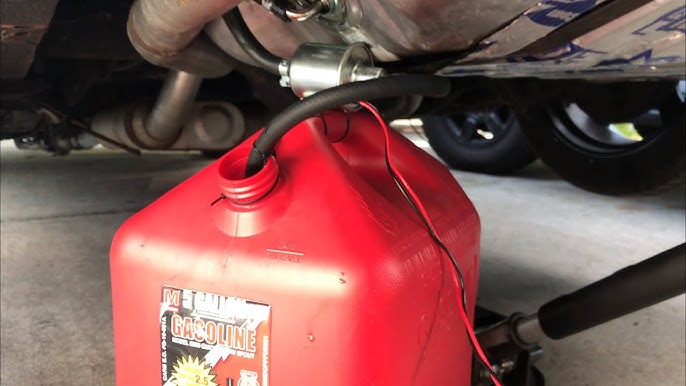
Use a hand pump or transfer pump rated for gasoline and marine applications to extract fuel. Store fuel in approved, sealed, clearly labeled containers, away from heat sources and living areas. Do not reuse old fuel that smells sour, shows water separation, or contains visible debris, as this can cause contamination. Old gasoline is typically hazardous waste. Use local household hazardous waste programs, marina guidance, or licensed waste handlers for disposal. Never dump fuel or rinse it into drains, soil, or water.
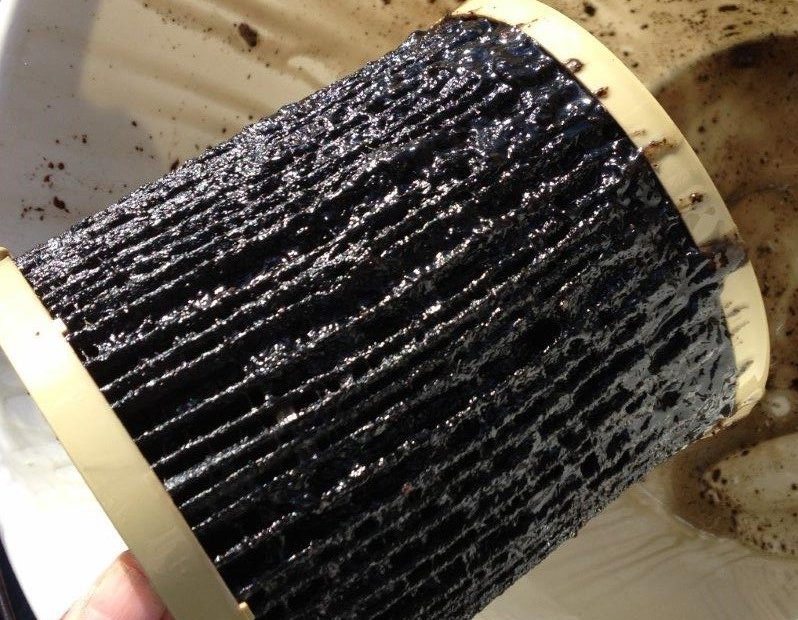
How To Clean A Marine Diesel Fuel Tank?
Diesel contamination often includes sediment, sludge, and microbial growth at the fuel water interface. Microbes produce dark slime, which quickly clogs filters. Cleaning requires water removal, physical sludge extraction, and strong filtration. A biocide may be suitable for diesel systems, but it must be part of a plan with filter changes and water control. Sediment removal involves draining, removing sludge, wiping accessible surfaces, and inspection. Diesel systems benefit from polishing, which circulates fuel through fine filters to remove particulates and separate water. After cleaning, expect to change filters and monitor restriction as loosened material is captured.
Not Sure What Cleaner Is Safe For Aluminum Or Plastic?
Tank materials react differently. The wrong chemical can damage seals, soften plastic, or worsen aluminium corrosion. Use a checklist to choose the right approach for how to clean inside an aluminium boat fuel tank or a plastic tank, plus when it’s smarter to call a pro.
Marine Fuel Tank Cleaning
Professional marine fuel tank cleaning services employ specialized pumps, filtration, borescope inspection, sludge extraction tools, and controlled waste handling. Professional service is advised for severe contamination, limited access, difficult fume management, or when corrosion is visible. The main advantage is thorough cleaning and verification, minimizing the risk of leaving residues or spreading debris. Certified services also document disposal for safety and compliance. If you experience repeated clogging or heavy sludge, a certified team can protect the engine and prevent breakdowns.
What Is The Cost Of Boat Fuel Tank Cleaning?
Fuel system cleaning costs depend on tank size, access difficulty, fuel type, and system contamination level. DIY expenses are typically lower but increase with replacement parts or high disposal fees. Professional costs fluctuate based on equipment needs, whether fuel polishing is included, and if inspection requires corrosion repair or replacement. To reduce future expenses, minimize condensation by keeping tanks full, maintain vents and seals, use quality filtration, drain water separators, and buy reliable fuel. Routine checks prevent frequent deep cleaning.