Need Emergency Fuel Delivery?
  info@elanfuels.com
Key Takeaways
- How to drain a boat’s gas tank depends on tank type, access, and fuel condition
- Draining a boat’s fuel tank is often needed for storage, repairs, or contamination
- Built-in tanks often need extraction through lines or ports, not a plug
- A pump-based method is usually safer than open pouring
- The cost of draining a boat’s gas tank depends on volume, access, and disposal rules
Table of Contents
How To Drain Boat Fuel Tank
In simple terms, draining a boat’s fuel tank means removing gasoline from the tank and sometimes from parts of the fuel system. Some boats have portable tanks you can lift and empty. Many others have permanently installed tanks under a deck. Those usually require suction through an access point.
It is commonly necessary in these situations.
- Storage for months, where fuel may degrade and cause starting problems later
- Repairs like replacing hoses, filters, sending units, or the tank itself
- Contaminated fuel from water, debris, or accidental misfueling
- Old gas that smells sour or causes rough running
Before starting, set safety priorities. Work outside or in very strong ventilation. Keep all flames and sparks far away. Keep approved gasoline containers ready. Keep absorbent pads ready for drips. If you cannot identify a safe access point, stop and use a professional service.
How To Drain Old Gas From Your Boat Fuel Tank
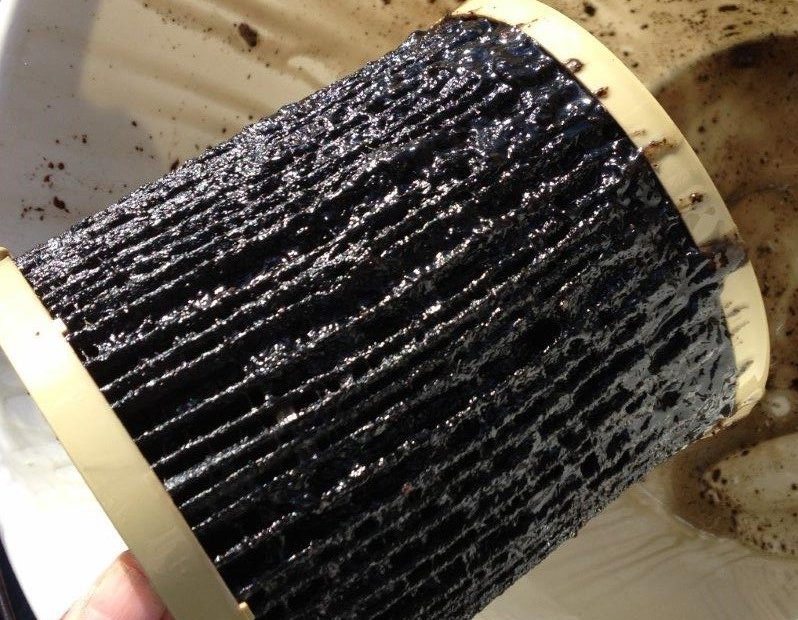
Gasoline has a limited shelf life. Over time, it can oxidize, forming harmful deposits. Some fuel blends also absorb moisture, leading to separation issues. These problems degrade engine performance, causing hard starts, stalling, hesitation, and clogged filters. Signs that old gas should be removed include a strong varnish smell, dark color, visible sediment, and repeated filter clogging. If a boat is stored for multiple seasons, you should plan how to remove gas from boat’s fuel tank instead of trying to reuse it. Proper disposal is required. Never dump fuel on the ground or into drains. Use a local hazardous waste program, a marina service, or a licensed waste hauler. Call a municipality or marina office for local acceptance sites.
How Do You Drain A Boat Fuel Tank?
A safe overview of how to drain gas from a boat requires inspection and careful planning. Begin by identifying the tank type, locating an access point, choosing a safe extraction method, and transferring fuel into approved containers. Post-draining steps include replacing filters and checking for water contamination. Manual draining typically involves a hose and a gasoline-rated pump. Mechanical assistance uses professional equipment for faster, more controlled fuel removal. Many boat owners use the phrase how to drain gas from a boat to specifically mean pump extraction.
The following preparations and safety checks should happen before any hose is opened.
- Confirm strong ventilation and keep people away from the work area
- Turn off engines and remove ignition sources
- Place containers on stable ground and secure them against tipping
- Keep absorbent pads and a small spill kit ready
- Know the approximate fuel volume so you do not run out of container space
Need To Drain Your Boat Fuel Tank Safely?
Removing old or contaminated fuel can get risky fast—especially with built-in tanks, fumes, and spill concerns. Whether you are dealing with stale gas, water contamination, or seasonal storage prep, we can help you understand the safest removal option for your boat.
How To Drain A Fuel Tank Without Removing It
Boats often have permanently installed tanks located under the deck. When owners search how to drain the underfloor fuel tank, access is typically limited. Fuel removal is commonly done through existing fuel lines or a designated inspection port. Methods include suction via the fuel pickup line or access through a service hatch. The process requires controlled extraction without sparks, seal damage, or spills. For a built-in tank, professional fuel extraction services offer better spill control, and technicians can also inspect hoses and clamps, addressing how to drain a gas tank safely.
How To Drain A Fuel Tank Without A Drain Plug
Many marine tanks lack drain plugs because plugs can leak or become weak points under vibration. Therefore, the safest answer to how to drain a gas tank on many boats is suction extraction rather than opening a plug. Safe alternatives include pulling fuel through the pickup line with a gasoline-rated pump or using a designed access port. Avoid drilling the tank, which creates sparks, weakens the structure, and causes future leaks. Any modification requires a qualified marine professional.
How To Drain Gas From Outboard Gas Tank
Portable tanks are common for outboards. If you are learning how to drain gas from a boat with a portable system, the steps are usually simpler. First, close the fuel valve if one is present. Then, disconnect the quick-connect fitting. Keep the line end elevated to reduce drips. Next, transfer the fuel using a gasoline-approved pump. After draining, store the tank safely. Ensure the cap is secure and keep the tank away from heat sources. Check the vent and gasket for wear, as a strong fuel odor may indicate a seal is failing.
How To Drain Gas From An Inboard Boat
Inboard systems are highly integrated, featuring components like a fuel water separator, longer fuel lines, and service points within the engine bay. People searching for how to drain gas from a boat for an inboard must prioritize ventilation, as vapors can collect in enclosed areas. Fully open hatches and ventilate the space. Access for extraction is usually near the primary filter or separator. Technicians often remove fuel at a service point to avoid disturbing tank fittings. Always replace filters and inspect hoses after fuel removal.
How To Drain A Pontoon Transom Gas Tank Safely
A pontoon transom gas tank is typically rear-mounted. This positioning affects boat balance and trim as fuel is removed. Maintain stability and ensure even loading to prevent issues. Place fuel containers securely to avoid sliding. Move slowly, keeping the hose routing controlled throughout the process. Pontoons are prone to shifting due to movement and wind. If the dock is unstable or conditions are rough, reschedule the work. A technician offers reduced spill risk and can confirm the optimal access route for the specific pontoon design.
Cost To Drain Boat Gas Tank
The cost to drain a boat’s gas tank depends on practical factors. Fuel volume matters because larger amounts require more time and containers. Tank access is critical, as a portable tank is faster than a built-in one under a deck. Contaminated fuel also increases costs due to extra handling and disposal. DIY costs include equipment and disposal fees. Professional cost to drain gas tank services include labor, safety controls, and a system inspection. Owners should inquire about what is included, such as disposal, filter replacement, and water checks. If you suspect contamination or water, contact a certified marine technician. Professional removal can reduce spill risk and can help find issues like bad vent routing, loose fill seals, or failing hoses.
Below is a table that compares cost factors and how they’re affected in different settings.
| Cost factor | What changes the price | DIY cost impact | Professional cost impact |
|---|---|---|---|
| Fuel volume | More gallons take more time and containers | Higher equipment and container needs | Higher labour time |
| Tank access | Under-deck tanks take longer to reach | More time and more risk | More labour and setup |
| Fuel condition | Water, sludge, or debris needs careful handling | More disposal and filter cost | Higher handling and disposal |
| Disposal rules | Local fees vary by location | You pay direct fees | Often included or billed |
| Inspection add-ons | Filters, hoses, clamps, vents | Optional extra parts | Often recommended |
How To Remove Water From Boat Gas Tank
Water enters boat fuel systems in several common ways. A worn fill cap seal can allow rain entry. A damaged vent line might pull in water spray. Condensation can also build when a tank is partially filled in humid conditions. Contaminated fuel from a source can also introduce water.
If you are trying to remove water from a boat’s gas tank, the safest approach depends on the amount of water and the fuel’s usability. Small amounts may be handled with a good fuel water separator and fresh filters. You can sample the fuel to confirm the presence of water. If water is heavy, frequent, or causes engine stalling, draining the tank is often the safest solution. Water causes corrosion and can clog injectors or carburettor passages. If water returns, find the entry point. Check the fill cap seal, vent routing, and any cracked hoses. A professional inspection prevents repeated contamination.
Unsure Whether To Siphon Or Fully Drain Boat Gas?
Not every boat fuel tank should be handled the same way. From portable outboard tanks to underfloor built-in systems, the right method depends on your setup, fuel condition, and access point. Learn when pump extraction makes more sense than basic siphoning.
Is It Better To Siphon Or Drain Gas?
To remove fuel, you can siphon gas or drain it, depending on the tank design. Many boats require suction extraction as they lack a drain plug. Terms like gas siphon, fuel siphon, and syphon gas all refer to the safe, controlled transfer into approved containers.
Here is a practical comparison.
- Siphoning can work when height and hose routing allow steady flow
- Pump-based transfer usually gives better control and less spill risk
- Built-in tanks often require suction through lines or ports
- Portable tanks may allow for controlled emptying more easily
- Environmental risk is lower when transfer is slow and controlled
If you are unsure which applies, choose the method that reduces spills and avoids tank modifications. For many owners, a pump is the safer option.
How To Siphon Gas
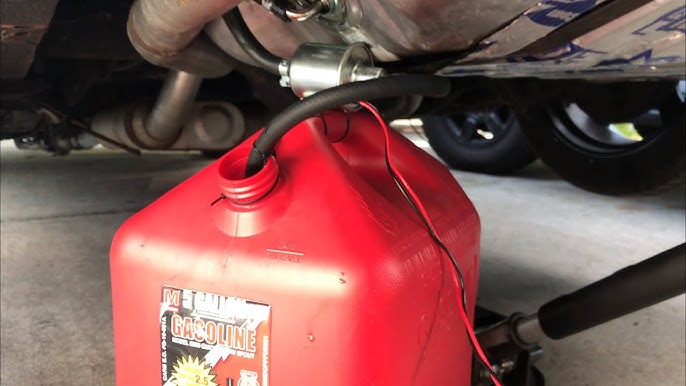
When people ask how to siphon gas, the safest method is to use a pump rated for gasoline. A reliable hand pump kit may be labelled a fuel tank syphon pump. You might also see terms like siphoning gas or gas siphon on packaging. Use fuel-rated hoses with secure fittings. Never use mouth suction, as it is unsafe and exposes you to inhalation. Set up a stable container first, then insert the hose carefully. Start the flow using the pump method described by the kit. If proper equipment is unavailable, a technician can safely extract the fuel.
How To Siphon Gas From A Boat
Boat layouts present additional challenges for siphoning fuel. Tanks are often located below deck, and some systems include anti-siphon valves that restrict flow. Hoses may also have bends that decrease suction. This is why how to siphon gas from a boat often involves using a pump instead of relying on gravity.
If you are attempting to siphon gas out of a boat, ensure stability and correct positioning. Secure the boat to prevent movement. Whenever possible, keep the collection container lower than the boat tank. Use short hoses and tight connections. Outboard portable tanks are usually easier to access. Inboard systems may require using a service point near the fuel filter. Always consult the engine manual, for instance, for how to drain gas from a mercury outboard motor.
Is It Better To Drain Fuel Or Use A Stabilizer?
A fuel stabilizer can slow fuel degradation when fuel is fresh and storage time is moderate. When used correctly, it reduces oxidation and deposit formation. Stabilizer must be added early, and the engine usually needs to run long enough to move the treated fuel through the entire system. A stabilizer is not a solution for bad fuel. If fuel smells sour, looks dark, has sediment, or has water-contamination, draining is often safer. If you experience repeated filter clogs or stalling, do not rely on additives alone. Plan to drain gas from the boat and then address the root cause to prevent recurrence.
For long term storage, some owners keep a tank full to reduce condensation risk, while others remove the fuel to avoid it becoming stale. The best choice depends on climate, tank material, and the expected storage duration. If you are uncertain about fuel condition, removal is always safer than guessing.
Dealing With Old Gas Or Water In Your Boat Tank?
Bad fuel can lead to rough starts, clogged filters, stalling, and long-term engine trouble. Before you reuse questionable fuel or attempt a risky DIY fix, get clear guidance on whether you should filter, drain, or bring in a marine technician.
Important Safety Tips
Fuel work can cause fires and spills if done carelessly. Use these safety rules every time you handle gasoline.
- Work outdoors or with very strong ventilation
- Keep flames, heat, and sparks far away
- Turn off engines and avoid switching electrical items near fumes
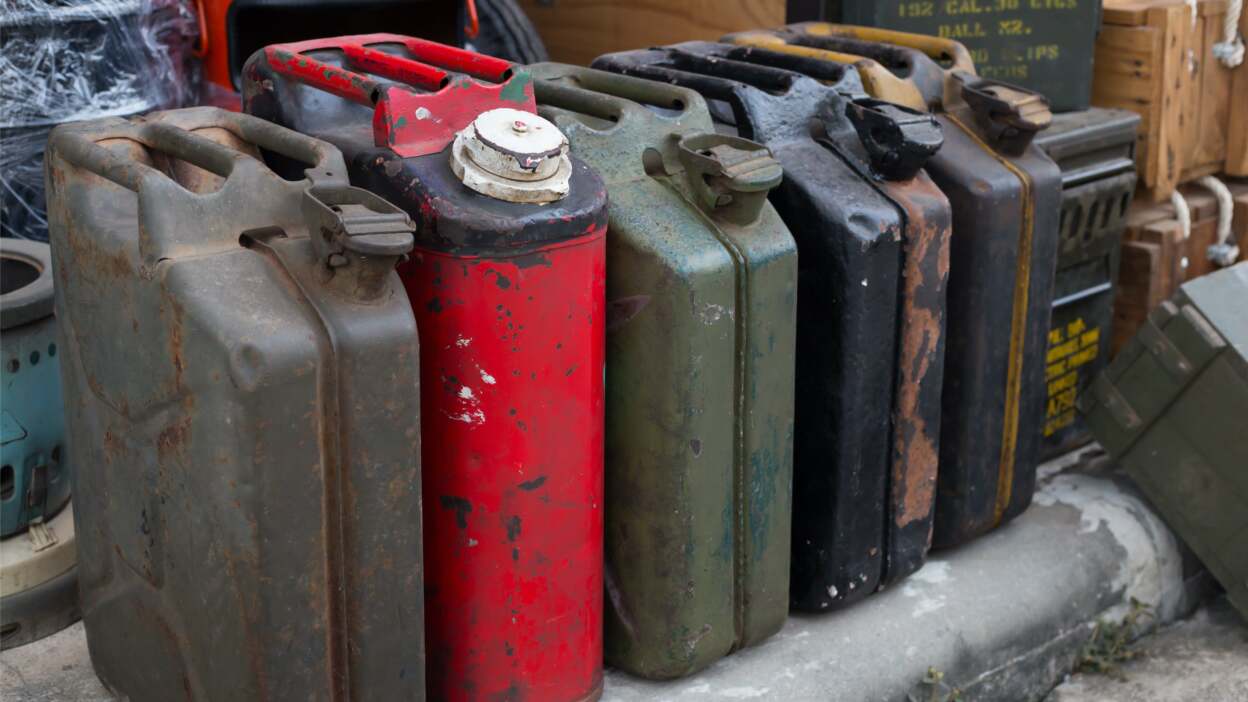
- Use only approved gasoline containers and keep lids closed when not filling
- Keep absorbent pads and a spill kit ready before starting
- Keep children and pets away from the work area
- Stop if you smell strong fumes or see any leaks
- Follow local rules for fuel transport and disposal
If you are unsure about any step in how to drain a boat’s fuel tank, the safest move is to stop and call a certified marine technician.