Need Emergency Fuel Delivery?
  info@elanfuels.com
Key Takeaways
- Is all DEF fluid the same chemically, but handling and contamination change real performance.
- DEF quality depends on ISO compliance, storage temperature, and clean transfer equipment.
- Does DEF brand matter when testing, packaging, and distribution controls prevent contamination?
- Can you mix DEF fluid brands safely if both are ISO compliant?
- The cost of DEF per gallon varies by jug, pump, and bulk DEF supply.
Table of Contents
Is All DEF Fluid The Same?
- Is all DEF fluid the same in chemistry? In principle, yes, it is a defined mixture with a narrow target concentration and strict impurity limits.
- Is all DEF the same in performance? Not always, because vehicle performance depends on purity, cleanliness, and whether the product stayed within spec from the plant to your tank.
- Are all DEF the same across sellers? The intended function is the same, but the risk profile changes with storage temperature, packaging, age, and exposure to dirt or water.
- Is all diesel exhaust fluid the same across every supplier? The function is standardized, but handling can create real differences.
- Are there different types of DEF fluid in practice? You mainly see differences in packaging and logistics, not different formulas.
- Is there a difference in DEF fluid that an engine can detect? Yes, because SCR systems react to dilution or contamination.
Chemical uniformity explains why DEF can be standardized. Real-world variation explains why some drivers see problems after refilling from a questionable source. A modern SCR system watches Nitrogen Oxide reduction and dosing behavior. If the fluid is diluted or dirty, the system may set faults even if any DEF was used.
Is There A Difference In DEF Fluid Quality?
Significant quality differences typically stem from stringent process controls and careful handling, rather than proprietary formulas. Superior product quality is dependent on accurate blending, meticulous filtration, precise packaging, and clean logistics throughout the supply chain. Key reasons def fluid differences show up include;
- Manufacturing controls and testing discipline
- Packaging seals and container cleanliness
- Storage temperature management
- Transfer equipment cleanliness
- Stock age and batch traceability
Using contaminated exhaust fluid introduces significant risks beyond a simple warning light. Over time, the vehicle’s Selective Catalytic Reduction (SCR) system can suffer severe damage, including clogged filters, persistent injector deposits, failures within the tank heater, and irreversible catalyst damage. Consequently, informed buyers prioritize documented testing and the exclusive use of dedicated Diesel Exhaust Fluid (DEF) equipment to ensure quality and safeguard their vehicle’s emissions control system.
Worried Your DEF Source Is Contaminated?
Even when labels look identical, real-world handling can turn “in-spec” DEF into a problem, triggering warning lights, dosing issues, or long-term SCR damage. Use a quick checklist to verify ISO 22241 compliance signals, packaging integrity, batch traceability, and clean dispensing practices before you refill.
Does DEF Brand Matter For Diesel Engines?
The question of whether DEF brand matters is common among drivers who observe the apparent similarities among various Diesel Exhaust Fluid (DEF) labels. While the fluid is standardized, leading many to assume brand irrelevance due to personal experience using different labels without issue, the reality is more nuanced. A brand can significantly impact reliability because it often serves as an indicator of the manufacturer’s quality control standards. Key factors include;
- The frequency of batch testing
- The effectiveness of packaging in preventing contamination
- The consistency of product storage and rotation practices
- The cleanliness of the pumps, hoses, and bulk tanks used in distribution.
This is precisely why consumers often ask, does it matter which brand of Blu DEF you use. Although the chemical composition on the label is similar, the critical handling and quality assurance processes behind the brand may vary substantially.
What Is The Best DEF Fluid For Diesel Engines?
For modern diesel engines utilizing Selective Catalytic Reduction (SCR) systems, the essential requirement is the use of Diesel Exhaust Fluid (DEF) that is compliant with ISO 22241 DEF standards and sourced from a supplier adhering to rigorous handling practices. When determining which DEF fluid is best, or which diesel exhaust fluid is best, the critical factors to consider are formal certification, full product traceability, and assured freshness. General quality expectations vary across different applications. Personal vehicle owners prioritise consistent, high-quality DEF in sealed packaging. Commercial fleets depend on maximum vehicle uptime, efficient bulk logistics, and comprehensive, documented quality controls. Furthermore, operators in cold regions greatly benefit from suppliers who implement storage solutions that protect the product from freezing or degradation.
This core principle remains consistent across specific engine types. Whether you are searching for the best DEF fluid for Cummins, best DEF fluid for 6.7 Cummins, best DEF fluid for Powerstroke, or best DEF fluid for 6.7 Powerstroke, the SCR system fundamentally demands the correct urea concentration and the lowest possible level of impurities.
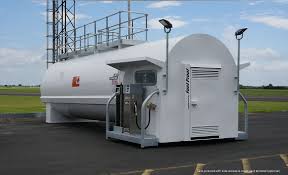
Our Diesel Exhaust Fluid (DEF) is manufactured to the stringent ISO 22241 requirements. Every batch is thoroughly tested and packaged with tight seals to minimize exposure to moisture and airborne debris. For customers purchasing in bulk, we utilize dedicated DEF equipment and follow documented cleaning procedures to significantly reduce the risk of contaminated exhaust fluid entering storage tanks. Furthermore, we provide comprehensive storage guidance to safeguard DEF fluid quality from the point of purchase through to the final tank refill.
Not Sure If Your DEF Brand Actually Matters?
DEF chemistry is standardized, but brand-level testing discipline, storage rotation, and clean distribution equipment can make reliability very different. Compare what to look for (batch testing, seals, freshness, pump cleanliness) so you can choose DEF that stays within spec from supplier to tank.
What Is DEF Fluid Made Of Exactly?
People search what’s def made of and what is def fluid made of because they want a simple answer. DEF is a mixture of high-purity urea and deionised water at a controlled concentration.
Searches related to the makeup of Diesel Exhaust Fluid (DEF), such as def ingredients, def contents, ingredients in def, ingredients in def fluid, def fluid ingredients, and ingredients of def fluid, all point to the same core composition in compliant products. The crucial factors are purity and proper handling, as even minor impurities can severely damage the Selective Catalytic Reduction (SCR) components. Typically, the DEF urea concentration is maintained at approximately 32.5% urea by weight, and the acceptable DEF concentration range is very narrow. This strict requirement underscores why precise DEFfluid composition and diesel exhaust fluid composition are critical for effective real-world operation.
What Standards Define High-Quality DEF Fluid?
Standards are essential because Selective Catalytic Reduction (SCR) systems are highly sensitive. Automotive exhaust fluids that do not meet specifications can cause damage to catalysts, sensors, and dosing components. The purpose of these standards is to control:
- Concentration accuracy
- Impurity limits
- Clean packaging and clear labelling
- Storage and transport guidance
While compliance with standards is crucial, real-world performance depends on the seller as well. A high-quality product can be compromised by factors such as dirty pumps or the reuse of containers. Therefore, DEF certification and robust traceability are just as important as proper product handling.
What Is ISO 22241 And Why Does It Matter For DEF?
ISO 22241 DEF is the key standard that defines DEF concentration, permissible impurities, and test methods. It also provides guidance on storage and transport.
Why it matters;
- It protects the SCR catalyst and dosing system
- It keeps DEF made of and impurity limits consistent across suppliers
- It reduces confusion when comparing different DEFproducts
- It supports warranty expectations and enforcement
If a product claims compliance but lacks batch codes or credible testing, the risk of a difference in DEF fluid in real use increases.
Can Mixing DEF Brands Cause Problems?
A common query among vehicle owners is, can you mix DEF fluid brands when attempting a top-off during travel? Generally, compliant Diesel Exhaust Fluid (DEF) products are chemically compatible, meaning the primary concern is contamination rather than chemical reactions. Practical guidance strongly recommends against mixing with any questionable source, as this can easily spread contamination throughout the entire tank. Furthermore, using dirty funnels, hoses, or containers can lead to contaminated exhaust fluid. It is crucial to avoid reusing containers that may harbor fuel or chemical residues. The safest approach is to use a clean, sealed container and purchase exclusively from a reputable supplier.
Is DEF Fluid Toxic Or Harmful To Humans?
Common safety concerns about Diesel Exhaust Fluid (DEF) include: is DEF toxic, is DEF harmful, is diesel exhaust fluid toxic, is DEF bad for your skin, and is DEF harmful to skin. While DEF is not intended for consumption, brief, typical skin contact is generally considered a low-risk exposure and usually causes only minor irritation. Basic safety steps;
- Wash your skin with soap and water after contact
- Rinse eyes with clean water if splashed
- Do not ingest
- Clean spills to prevent residue and crystallization
People often ask, is diesel exhaust fluid corrosive? While not highly corrosive, DEF can be corrosive to certain metals over time and, upon drying, can leave behind crystallized residue. Therefore, it is important to promptly clean DEF off surfaces and ensure it is stored in containers made of compatible materials.
Need To Top-Off And Mix DEF Brands Safely?
Most compliant DEF products are chemically compatible, but mixing with a questionable source can spread contamination through your whole tank. Get a simple “safe top-off” guide: what to avoid (dirty funnels/containers), what to buy (sealed, reputable), and how to reduce risk on the road.
How Does DEF Fluid Work In Diesel Engines?
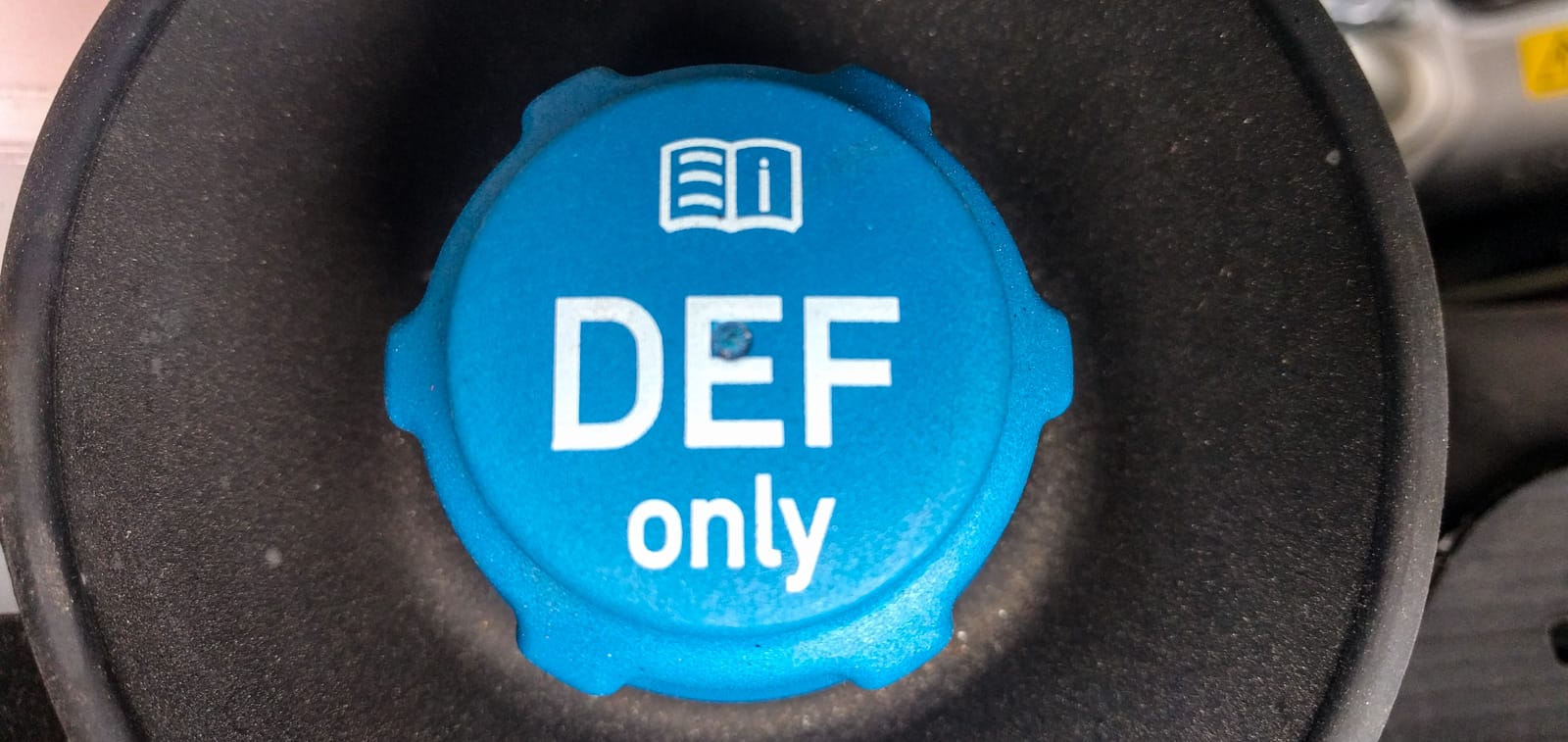
People often ask how DEF fluid works and does DEF actually work because Diesel Exhaust Fluid (DEF) is not a fuel. DEF is injected into the exhaust stream via the DEF exhaust system to support Selective Catalytic Reduction (SCR), a technology that reduces Nitrogen Oxides (NOx) emissions. The process is as follows
- DEF is dosed into the hot exhaust gas.
- The heat causes it to break down into ammonia.
- The SCR catalyst then uses the ammonia to convert harmful NOx into harmless nitrogen and water.
The fundamental difference between Diesel Exhaust Fluid (DEF) and diesel fuel clarifies why concepts like “def vs diesel” and “diesel vs DEF” do not represent a comparison between interchangeable products. Specifically, the question of “diesel exhaust fluid vs diesel” should not be mistaken for a choice between two fuels. DEF is mandatory for reducing nitrogen oxide emissions in SCR-equipped diesel engines and must be stored exclusively in the DEF tank, separate from the diesel kept in the fuel tank. Mistakenly viewing DEF as “def only fuel” or asking, “what’s def fuel,” is a common error that can result in significant engine damage and costly mistakes.
Do All Diesel Vehicles Require DEF Fluid?
The question of “do all diesels use DEF” is primarily determined by the vehicle’s design and model year. While many modern on-road diesel vehicles utilize Selective Catalytic Reduction (SCR) technology and therefore require Diesel Exhaust Fluid (DEF), it is not a requirement for every diesel engine. In summary
- Most newer pickups and heavy-duty trucks are equipped with SCR systems, which require DEF.
- Older diesel engines may not incorporate SCR technology; consequently, do all diesels use DEF? The answer is no for them.
- The DEF requirement for some off-road engines varies based on specific regulatory standards and certifications.
If your vehicle is equipped with a dedicated DEF tank, then the answer to “do you need DEF fluid” is unequivocally yes. It is crucial to avoid any diesel exhaust fluid alternative that is not fully compliant with the required specifications.
How Much Does DEF Fluid Cost Per Gallon?
The pricing for Diesel Exhaust Fluid (DEF) varies and is influenced by factors such as product format, geographic location, and supply chain specifics. Consumers frequently search for terms like DEF fluid cost, cost of DEF fluid, cost of DEF per gallon, DEF cost per gallon, DEF price, DEF prices, DEF price near me, and how much does a gallon of DEF cost when looking for current market rates.
Several elements commonly drive the final price of DEF. For instance, smaller packaging and increased convenience, such as purchasing in jugs, result in a higher cost per gallon. Regional logistics and the level of competition among local suppliers also play a significant role in determining the price point. Furthermore, strict quality controls, effective handling systems, and the volume of bulk contract purchases are major factors that impact the overall expense of the DEF product.
Here is a practical comparison table. Ranges are illustrative because DEF fluid prices change over time and place.
| Format | Typical use | What drives cost | Common outcome |
|---|---|---|---|
| Sealed jug | Personal vehicles | Retail markup and packaging | Higher per gallon, lower contamination risk |
| Pump dispenser | Truck stops | Site upkeep and turnover | Convenient, nozzle cleanliness matters |
| Bulk tote or tank | Fleets | Volume contracts and delivery | Lowest unit cost, handling discipline required |
Consumers often search for the most cost-effective options, using terms like cheapest DEF, cheapest DEF fluid, and cheap DEF fluid. They also look for deals such as DEF on sale, DEF sale, DEF for sale, and DEF for sale near me. However, prioritizing a low price should not compromise the quality or increase the risk of contamination from the source.