Need Emergency Fuel Delivery?
  info@elanfuels.com
Key Takeaways
- Most cars use regular unleaded gas, answering is unleaded regular gas yes today.
- All road grades are unleaded, unleaded vs regular describes octane labels only.
- Premium unleaded helps high compression engines, standard engines gain little from premium.
- Unleaded 88 is E15, cheaper sometimes, check vehicle compatibility before fueling anywhere.
- Follow the owner manual, match yellow octane stickers, avoid knock and warranty problems.
Table of Contents
Is Unleaded Regular Gas?
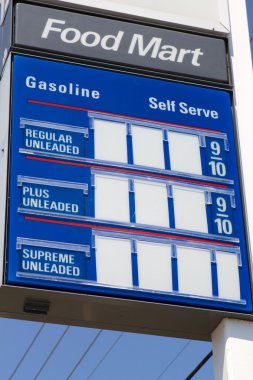
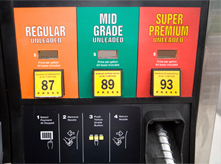
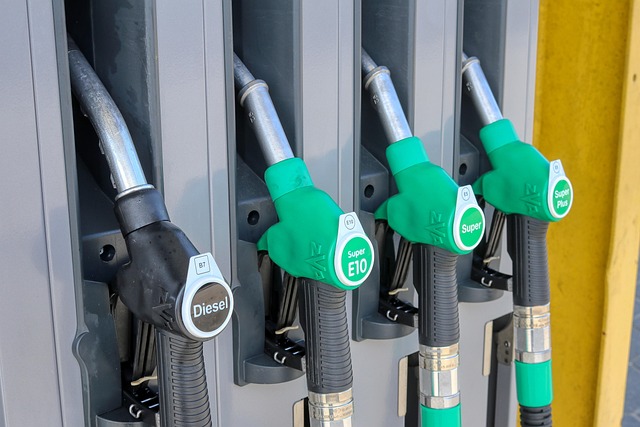
“Is unleaded regular gas” is a naming question, not a different fuel. At the pump, regular unleaded gas is usually 87 octane, while midgrade is 89, and premium is 91 or higher. When drivers ask “is unleaded gas regular” because brands use different words like regular, unleaded, or super. Chemically, the fuel is unleaded, labels simply guide octane choice and pricing.
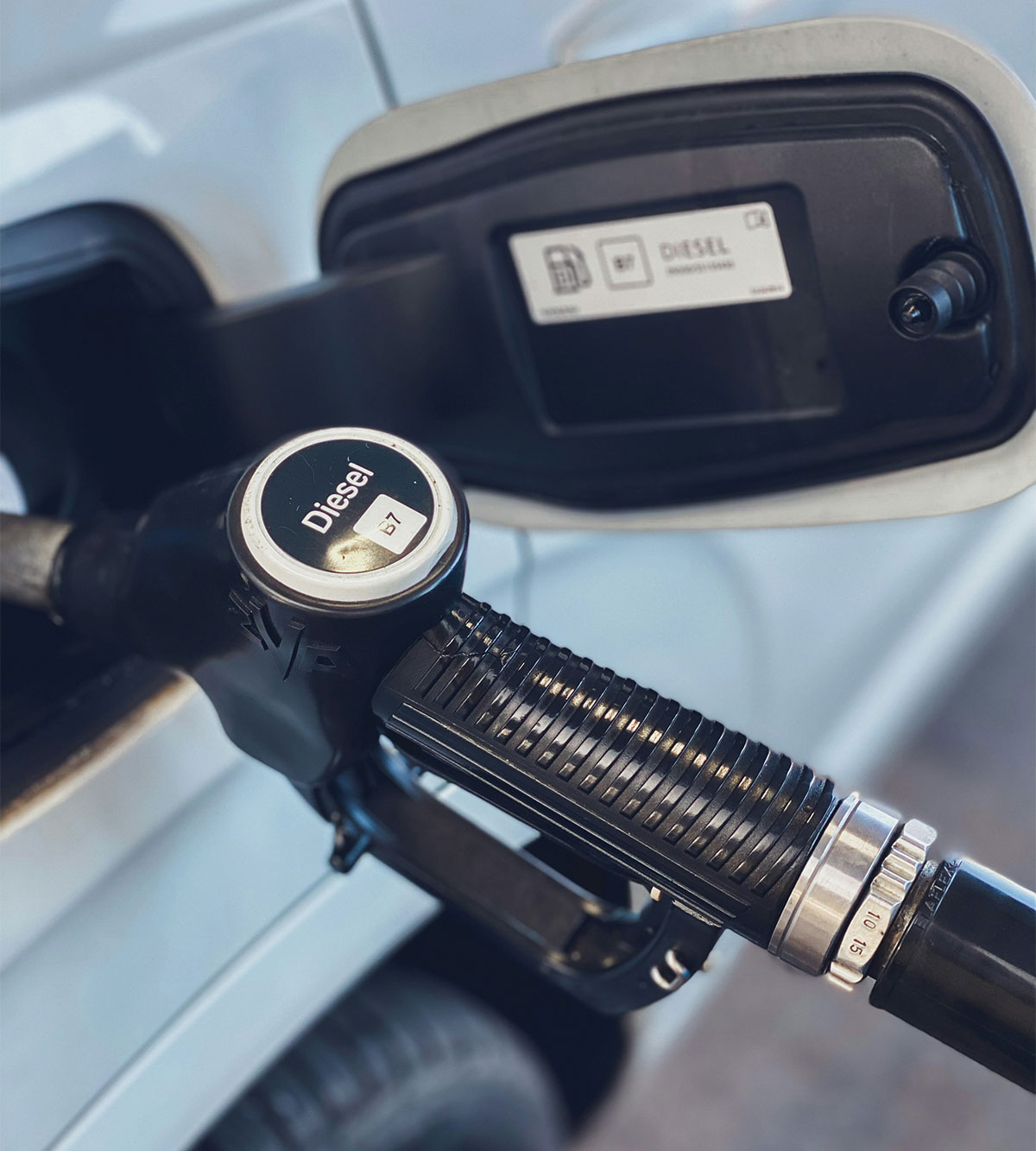
Most vehicles are designed for regular unleaded gas, so the question “is regular gas unleaded” is yes for consumer cars. Pump stickers show octane numbers on yellow labels that help avoid misfuelling. Comparing unleaded vs regular, regular describes the lowest octane sold, while unleaded describes the absence of lead. Make sure to your manual and follow posted octane to protect performance and warranties for the engine.
Is All Gasoline Unleaded
Is all gas unleaded now is almost correct for road vehicles. In the United States, unleaded became universal after leaded gasoline was phased out for health and emissions reasons. People still ask “is gasoline unleaded” because the term is stuck in marketing jargons and on pump labels. This history explains why unleaded vs regular language persists across stations and brand signage today.
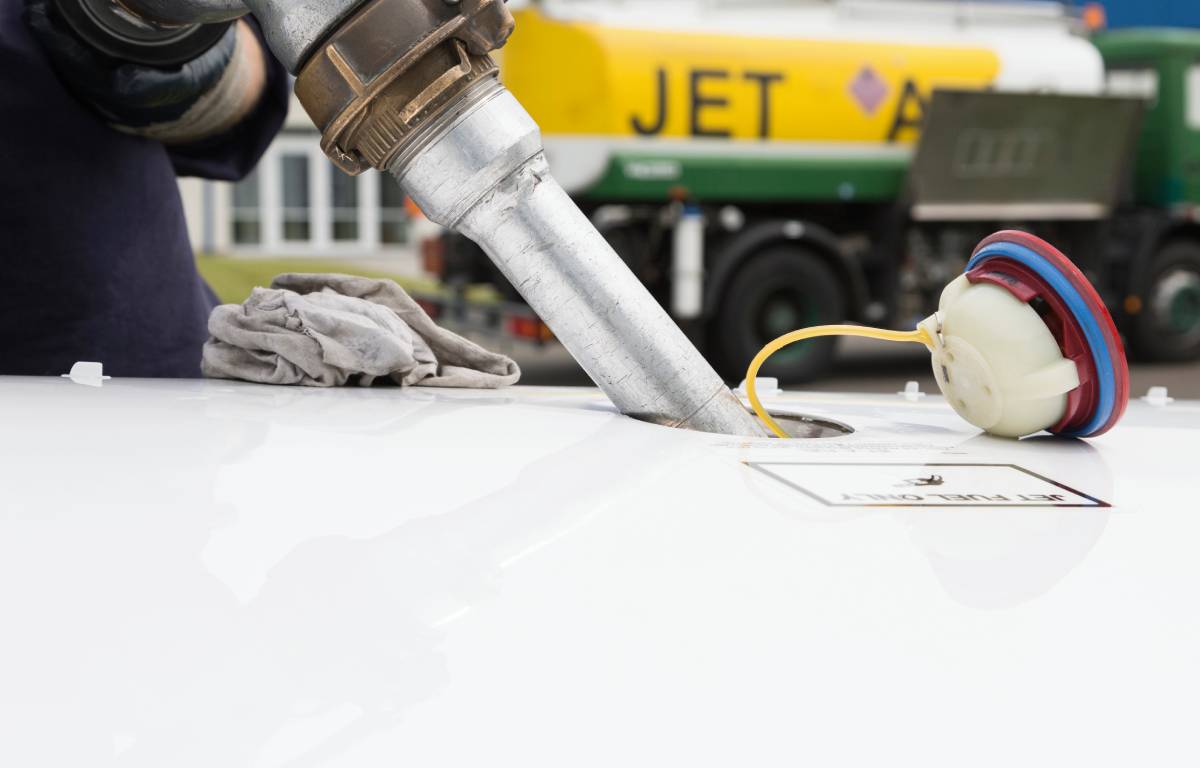
Not every engine uses unleaded. Aviation piston aircraft commonly use leaded avgas, and some specialty or vintage engines may rely on non-road fuels. Therefore unleaded gas is the same as regular applies to road gasoline, not aviation. For drivers, regular unleaded gas is standard, while aviation continues with leaded fuel until replacements mature. This remains a small market segment.
Unsure If You Need Premium Or Regular?
Most cars are built for regular 87, while some high compression or turbo engines require premium. Use your owner’s manual and the yellow pump octane sticker to match what your engine needs, avoid knock, and keep warranties safe.
What Is Unleaded Gas
Unleaded gas is gasoline without lead additives such as tetraethyl lead. Unleaded gasoline enabled catalytic converters and cleaner exhaust, so regulators started requiring its availability and then phased out leaded fuel. People also ask for the meaning of unleaded or what is unleaded gasoline because labeling varies by station and region. Across the market, unleaded became the default for road vehicles.
Modern standards govern fuel quality, volatility, and posted octane, so unleaded vs regular gas reflects grades, not chemistry. Health research linked lead emissions to serious harms, so unleaded replaced leaded for cars. Even after the transition, the word unleaded stayed on pumps and marketing, which sustains questions like is regular gasoline unleaded among drivers. Labels keep the legacy term alive.
References for this section.
What Fuel Is Unleaded
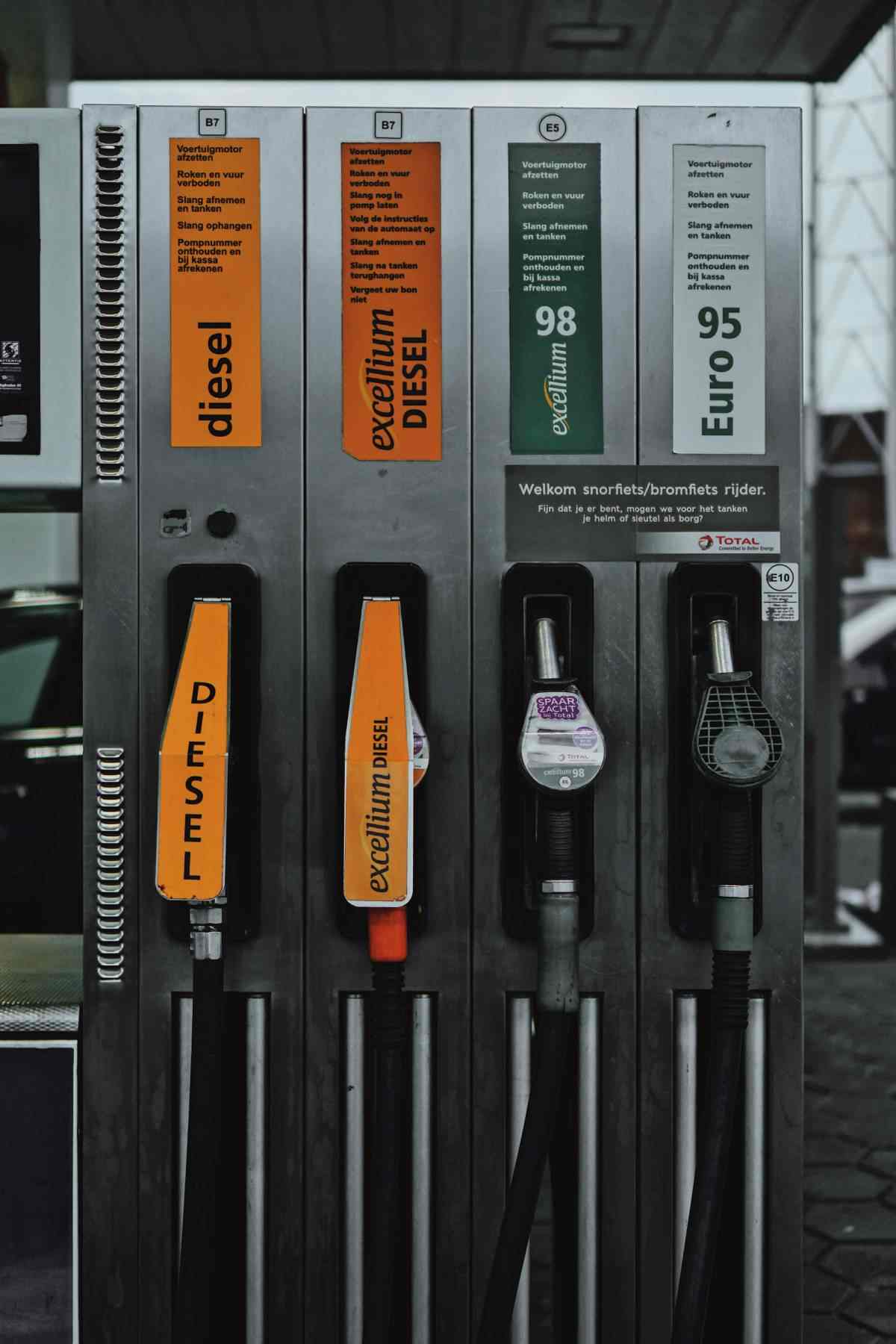
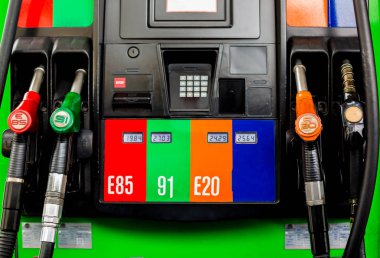
What fuel is unleaded at the pump? The answer to this question includes regular 87, midgrade 89, and premium 91 or higher. All of these road fuels are unleaded, so unleaded vs regular simply separates the lowest octane rated gasoline from higher grades. Drivers asking which gas is unleaded can trust the yellow octane labels that show the minimum octane value. These names vary slightly by brand.
Most vehicles sold in the United States are engineered for regular unleaded gas. Some models require or recommend higher octane, which will be stated in the manual and often on the fuel door. That means unleaded gas is regular for most owners, while premium unleaded is reserved for specific engines that need knock resistance. Make sure to always follow the manufacturer’s guidance precisely.
Thinking About Unleaded 88 (E15)?
Unleaded 88 is E15. It can be cheaper, but compatibility matters. Many 2001 and newer vehicles are approved, while small engines and some older models are not. Confirm before you fuel to protect performance and emissions systems.
Is 87 Unleaded Gas
87 unleaded gas is common in U.S. stations, and it is also called regular unleaded gas. Some high altitude states may offer 85, but 87 is the common baseline number. Questions like is unleaded 87 regular gas arise because pump buttons and signs vary by brand and region. Look for the yellow sticker on which the octane number is posted.
Marketing names can include regular, unleaded, or super, yet the octane numbers remain the most reliable guide. Use 87 if your manual recommends regular, choose higher only if your vehicle requires it. This approach answers does unleaded mean regular gas, since regular refers to 87, not the presence or absence of lead. Pump stickers help prevent misfuelling by specifying octane grades.
Is Shell Regular 87 Gas Unleaded
Wondering if what is sold at Shell is regular 87 gas unleaded? The answer is yes. Shell labels its entry grade as regular gasoline with octane typically between 85 and 87 depending on state rules. That offering is unleaded road fuel like other major brands. Consumers sometimes compare unleaded vs regular wording across brands, but the octane number remains the key guide. Labels are uniform across Shell stations.
Fuel quality also involves detergency standards. Top Tier certification requires additive levels that keep intake valves and injectors cleaner across all octane grades. Drivers who ask is regular unleaded enough, can use 87 where recommended, and can seek Top Tier retailers for added deposit control without unnecessarily paying for premium octane. This approach balances performance, cost, and cleanliness for drivers.
Premium Vs Regular Vs Unleaded
Premium vs regular vs unleaded compares octane levels, not whether fuel contains lead or not. Regular is usually 87, midgrade near 89, and premium starts at 91. All road gasoline grades are unleaded, so unleaded vs regular describes naming and octane. Higher octane resists knocking in high compression engines, but it does not add energy content. Octane rating appears on yellow pump stickers.
If your manual recommends regular unleaded gas, using premium rarely improves performance or economy. Engines that require premium specify it for durability and emissions, so follow that guidance provided in the manual of your vehicle. For most drivers asking is unleaded gas the same as regular, the practical answer is yes, choose 87 unless your vehicle clearly states otherwise. This protects vehicle components and avoids audible knock events.
Is Premium Gas Unleaded
The answer to “is premium gas unleaded” is yes. Premium simply indicates higher octane, usually 91 to 93, which resists knocking in engines that need it. All consumer gasoline grades are unleaded, so premium unleaded and premium describe the same road fuel. Use premium only if your vehicle requires or recommends it consistently.
Difference Between Unleaded and Premium
The table below summarizes the differences between unleaded regular and unleaded premium gasoline
| Aspect | Premium unleaded | Regular unleaded |
|---|---|---|
| Definition | Unleaded gasoline with higher octane numbers usually 91-93 or higher | Unleaded gasoline with baseline octane, usually 87 |
| Purpose | Helps resist knocking in high compression or turbo engines under load | Suits most modern engines designed for octane 87 |
| When to use | Only use when the owner manual prescribes usage | Use if the owner manual prescribes regular fuel |
| Performance | Allows for optimal timing and power engines that need it | Delivers intended performance in standard engines |
| Efficiency | Gains appear only in engines calibrated for higher octane | Little benefit from higher octane in these engines |
| Risk if misused | Extra cost with almost no benefit in regular engines | Possible knock and reduced power if higher octane is required |
| Recommendations | Choose top tier retailers from best detergent content | Follow octane recommendation in owners manual |
What Is Super Unleaded Gas
What is super unleaded gas? This appellation usually refers to the premium grade sold by a particular brand. At most stations that is an octane of 91- 93, though a few markets offer 94. Names like super or super unleaded are strictly for marketing, the yellow sticker number is the critical specification for choosing correctly. Some brands also use the word ultimate for premium.
Since all road fuels are unleaded, unleaded vs premium is about knock resistance, not additives or energy content. If your owners’ manual calls for regular unleaded gas, you can skip super without penalty. Engines designed for higher compression need premium to avoid knock, protect components, and maintain intended performance and emissions across conditions. Follow the exact instructions printed in your manual.
Want To Prevent Engine Knock And Protect Your Warranty?
Using lower octane than required can cause knock, reduce power, and risk long-term damage. Using higher octane than needed often brings no benefit. Match the octane your manual specifies to keep drivability and coverage intact.
Can I Put Unleaded Gas In A Regular Car
Can I put unleaded gas in a regular car? This is a common question for modern road vehicles and the answer is yes. Regular cars are designed for regular unleaded gas, which has an octane rating of 87 in most markets. People also ask if unleaded gas means regular, which reflects labeling differences rather than chemistry in the fuel. Check the yellow sticker which carries octane rating specifications before choosing the grade for your vehicle.
Using higher octane than required is usually harmless, but it rarely delivers any benefits in standard engines. Using lower octane than required can cause;
- Knocking of the engine
- Reduced power
- Potential long term mechanical harm.
Always match the posted octane to your owner manual, and treat unleaded vs regular as a grade naming distinction at the pump. This protects drivability and emissions over time.
Does It Matter What Type Of Unleaded Gas You Put In Your Car
Does it matter what type of unleaded gas you put in your car? Yes, it absolutely does. Use the octane grade your manual specifies, since octane controls resistance to knock. Higher octane does not add energy. Lower than required can trigger knock control, reduce efficiency and lead to long term harm.
Why Do Most Cars Say To Use Unleaded Gasoline
To why most cars say to use unleaded gasoline you have to go back to emissions and engine hardware. Catalytic converters require unleaded fuel to function and avoid damage, so regulators forced a switch and manufacturers standardized designs. Drivers therefore see unleaded on caps and manuals, which also helps prevent rare misfuelling with non-road products. This change has protected public health and improved air.
Unleaded is now universal for road cars, so regular unleaded gas has become the baseline recommendation. Using leaded fuel in a modern car would damage catalysts and oxygen sensors, void warranties, and increase pollution. This history explains frequent questions like is regular fuel unleaded and the consistent reminders found on filler doors and inside manuals. These warnings remain standard today.
Why Is Gas Still Called Unleaded
Why is gas still called unleaded if all consumer gasoline lacks lead. The term became familiar during the long transition away from leaded fuel, and it persisted on pumps, caps, and in marketing campaigns. People still ask if unleaded is the same as regular gas, because regular refers to octane rating, while unleaded refers to chemical composition. It has therefore become a simple shorthand for compliant fuel today.
Retailers also maintain clarity through yellow octane labels, so the pairing of names and numbers continues. The legacy term helps drivers avoid incompatible products like aviation fuel or off road blends. As a result, questions like is regular and unleaded gas the same keep appearing, even though unleaded is universal for road vehicles. This reduces errors and protects engine hardware.
Why Is Unleaded 88 Cheaper
Why is unleaded 88 cheaper ? The answer is related to its ethanol content. Unleaded 88 is E15, which means fifteen percent ethanol blended with gasoline. Ethanol often costs less than petroleum components and receives policy incentives, so E15 pumps can post lower prices. Drivers see unleaded 88 alongside 87 and 89 in many markets today. Seasonal waivers can expand availability during peak demand periods.
However, compatibility matters. E15 is approved for many vehicles from 2001 or later but not for small engines or certain older models. If you wonder if unleaded gas is the same as regular gas, remember E15 has higher ethanol, not higher octane. Check the label and the manual, and follow posted guidance on each dispenser. The E15 blend protects performance, emissions, and warranties longer.
Gas Octane Ratings And Fuel Types Explained
For gas octane ratings and fuel types to be explained begin with the octane number. The number reflects knock resistance under controlled tests, posted as the average of research and motor methods on yellow labels. Regular is 87, midgrade near 89, premium 91 or higher. People compare regular vs premium gas to decide if higher octane benefits their vehicle.
Octane does not measure energy content. Higher numbers help high compression or turbocharged engines avoid knock, enabling them to meet intended timing and power performance. Standard engines that call for regular unleaded gas run best on 87, with little gain from more octane. Use unleaded vs regular naming to choose octane grade, and use your owner’s manual to see requirements. Follow posted numbers in all conditions for consistency.
Gas Octanes Explained
Gas octanes explained means understanding how engines compress air and fuel. Too early ignition causes knock, which sensors try to manage by reducing timing. Octane ratings indicate resistance to this, letting engines hold spark advance. Regular 87 suits most vehicles, while higher numbers support designs that need more margin. Higher compression and boost increase knock risk during heavy loads substantially.
Drivers debating regular vs unleaded gas are really evaluating grades, not chemistry. All road gasoline is unleaded, so choose the octane that matches your manual. That guidance answers is unleaded the same as regular, which is yes for common use. Use premium unleaded only when the manufacturer requires or recommends it for your engine. This preserves power and efficiency reliably.
What Happens If You Use The Wrong Type Of Fuel
What happens if you use the wrong type of fuel in your vehicle depends on the mismatch. Lower octane than required can trigger engine knocking, reduce power, and stress parts. Higher octane than required usually offers no gains in standard engines. Using E15 in non-approved engines or older vehicles can cause driving issues. Sensors may pull timing to protect components and emissions temporarily.
If you misfuel with the wrong product, do not start the engine. Seek professional help to drain and correct, then refuel with the correct grade. Use pump labels and your manual to match the needed octane. This is how regular gas vs unleaded questions translate into safe, reliable choices every time. Keep receipts and note the station for needed support.