Need Emergency Fuel Delivery?
  info@elanfuels.com
Key Takeaways
- The difference between jet fuel and gasoline comes down to volatility, ignition behavior, and engine design.
- The kind of fuel do airplanes use depends on the aircraft type, turbine aircraft use jet fuel, and piston aircraft use aviation gasoline.
- A car running on jet fuel is a risky myth, short operation does not mean safe compatibility.
- Jet fuel vs diesel is closer than jet fuel vs gasoline, but lubrication and additives still matter.
- Why is jet fuel cheaper than gasoline often involves tax and distribution, not better suitability for cars.
Table of Contents
Jet Fuel Vs Gasoline
At a high level, jet fuel vs gasoline compares two distinct petroleum products. Jet fuel is a turbine fuel engineered for stable performance at high altitude and in cold conditions. Gasoline is a road fuel optimized for rapid vaporization and clean spark ignition in passenger vehicle engines. Both fuels originate from crude oil refining and are used for transportation, leading to confusion. Terms like plane fuel or aviation gas often increase this misunderstanding. Understanding jet fuel vs gasoline is essential for engine integrity and safety. Jet fuel is specified to minimize vapor risks. Gasoline is designed for quick starting in daily driving. Knowing the difference is critical if you encounter a misfueling situation or hear advice about using aviation fuel in car engines.
What Makes Jet Fuel Different?
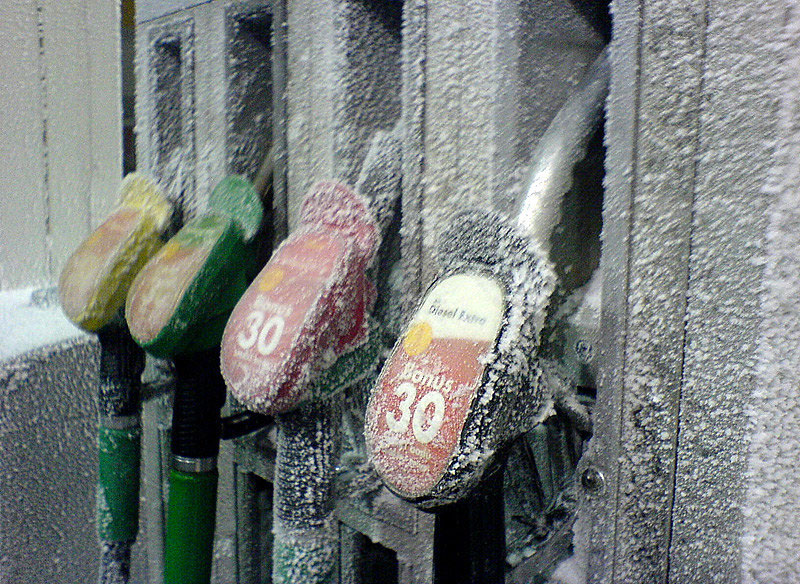
A key part of what makes jet fuel different is its cold-weather performance at high altitudes. Turbine aircraft operate in extremely low temperatures, so jet fuel must have a controlled freezing point to ensure it flows properly through lines and filters. Jet fuel also uses specific additive packages. These can include anti-icing components, corrosion control agents, and static dissipater additives, depending on the grade and operator practices. These additions support safer handling and reduce the risk of water-related icing during flight. Another part of what makes jet fuel different is its storage stability.
What Is The Difference Between Jet Fuel And Gasoline?
The difference between jet fuel and gasoline begins with their chemical composition. Jet fuel consists of hydrocarbons similar to kerosene, possessing longer carbon chains. Gasoline, conversely, is a lighter fuel designed for easier vaporization. This structural distinction significantly impacts volatility, ignition characteristics, and air-fuel mixing behavior. Volatility is crucial for gasoline, which requires rapid vaporization for effective spark ignition, especially in cold conditions. Jet fuel is less volatile, which enhances safety during handling and minimizes the formation of flammable vapors.
These inherent differences dictate the required engine design. Gasoline engines use spark ignition, while diesel engines rely on compression ignition. Turbine engines need continuous combustion and a stable fuel flow. Therefore, how is jet fuel different from gasoline is fundamentally tied to the specific engine technology built to utilize each fuel.
Put Jet Fuel In A Gasoline Car By Mistake?
Jet fuel does not behave like gasoline in spark ignition engines, and driving can worsen damage fast. Get a simple, step-by-step checklist for what to do next, including when to stop, drain, and inspect.
Aviation Fuel Vs Gasoline
Aviation fuel vs gasoline is best understood by recognizing aviation fuel as a category. This category includes turbine fuels for jet aircraft and aviation gasoline for piston aircraft, each with distinct standards and performance goals. Turbine aircraft typically use jet fuel, while cars use road gasoline. Therefore, aviation fuel vs gasoline compares aviation standards with road fuel standards. Aviation fuel standards are often stricter, prioritizing safety, consistency, water control, and performance in extreme conditions. What aviation fuel is called varies by type and region. Jet fuel is often labeled by grade, and aviation gasoline by octane and lead content.
Airplane Fuel Vs Car Fuel
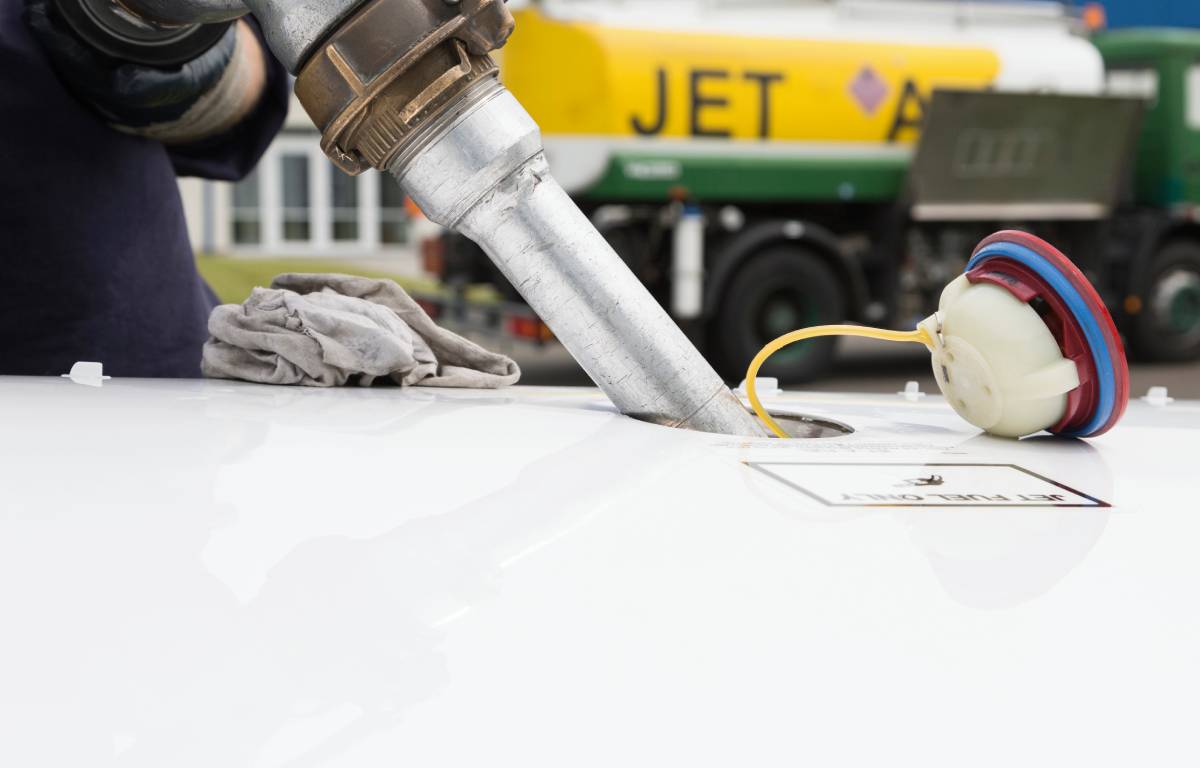
Airplane fuel vs car fuel differs due to the harsher operating environment and stricter safety requirements of aircraft. Aircraft fuel must function in cold temperatures at high altitude, where water contamination poses a serious safety risk. Car fuel is also unsuitable because its volatility and vapor behavior are not designed for aircraft turbine systems. Engine and fuel controls are built around specific fuel properties. Using the wrong fuel increases engine damage risk and can be catastrophic for aircraft.
| Comparison area | Airplane fuel vs car fuel in aircraft | Airplane fuel vs car fuel in cars |
|---|---|---|
| Typical engine type | Turbine or piston aircraft engines | Spark ignition gasoline engines or compression ignition diesel engines |
| Volatility need | Lower volatility preferred for turbine safety | Higher volatility for gasoline starting and mixture control |
| Cold performance | Controlled for very cold conditions | Designed for daily ambient conditions |
| Water control | Strong emphasis on testing and filtration | Less stringent, though still important |
| Rating focus | Octane for avgas, other measures for jet fuel | Octane for gasoline, cetane for diesel |
Confused About Jet Fuel Octane And Aviation Gas?
Octane applies to gasoline and avgas, not turbine jet fuel, and that mix up leads to bad decisions. Use our quick guide to understand ratings, fuel types, and what your engine is actually designed to run.
Is Aviation Fuel Safe For Passenger Vehicles?
You should not consider using aviation fuel vs petrol in passenger vehicles. Aviation fuels are incompatible with road vehicle emissions systems, warranty conditions, and fuel taxation rules. Even if a car operates, it will likely run poorly, damage components, and cause expensive repairs. Therefore, aviation fuel for car use is unsafe and inappropriate. Spark ignition engines require gasoline’s specific volatility and octane rating. Jet fuel impairs intake mixing and combustion timing, reducing efficiency and increasing deposits. Untaxed or unapproved fuel also carries legal risks.
Here are practical reasons why aviation fuel vs gasoline is a safety and compatibility issue for passenger cars;
- Misfueling can damage pumps, injectors, and oxygen sensors.
- Combustion can be unstable, leading to rough running and misfires.
- Emissions controls can be harmed by off-spec fuel behavior.
- Warranty coverage can be denied after misfueling.
- Local laws can penalize use of non-road taxed fuels.
Can A Car Run On Jet Fuel?
People often ask if a car can run on jet fuel, mistakenly believing it is similar to diesel or a variant of gasoline. In reality, a brief operation does not confirm long-term compatibility. A gasoline car might not start or will run poorly because the fuel does not vaporize and ignite correctly. When considering jet fuel in car situations, injector fouling and combustion problems can emerge quickly. The engine control system is calibrated for gasoline and its mixture and timing will not suit jet fuel properties. Emissions and lubrication issues also arise because jet fuel is not formulated for the spark ignition conditions of a car’s combustion chamber. If you are wondering, can you put jet fuel in a car or can you use jet fuel in a car, the definitive and safe answer is no. If misfueling occurs, do not drive the vehicle, instead follow the manufacturer’s directions and have the fuel system drained and inspected. Putting jet fuel in a car is considered a dangerous misfueling event, not a viable fuel alternative.
Jet Fuel Vs Diesel
The comparison between jet fuel vs diesel is closer than jet fuel vs gasoline because both are middle distillate fuels. Jet fuel is kerosene-based, while diesel is a distillate fuel for compression ignition engines. This leads to the question, is jet fuel similar to diesel? They are not interchangeable. Jet fuel often has lower lubricity than road diesel, which is essential for protecting diesel injection pumps and injectors. Additive packages also vary significantly. The difference between jet fuel and diesel matters. Jet fuel is optimized for turbine combustion and cold altitude stability. Diesel is designed for high-pressure injection, necessary lubricity, and road emissions compliance.

Can Diesel Engines Run On Jet Fuel?
Some diesel engines can tolerate jet fuel temporarily, raising questions about jet fuel vs car fuel and its use as a backup. Tolerance depends on the engine design, injection pressure, and emissions equipment. Older mechanical injection systems might cope better than newer high-pressure systems, but this is not recommended. The main risk is reduced lubrication, which can cause increased wear on injection components. Prolonged use is discouraged due to potential damage. Jet fuel is designed for turbine engines and aviation safety, not for road vehicles. Any misfueling should be treated as a maintenance issue, not a substitute fuel strategy.
What Octane Is Jet Fuel?
People often ask what octane is jet fuel because they incorrectly associate fuel quality with an octane number. For jet fuel, the octane rating does not apply because turbine engines do not depend on spark knock limits like gasoline engines. Therefore, phrases like jet fuel octane rating, what is jet fuel octane, octane of jet fuel, and jet fuel octane represent a misunderstanding. Octane measures knock resistance in spark ignition engines. Cetane indicates ignition delay in diesel engines. Jet fuel combustion behavior is more similar to diesel. The relevance of what octane is in aviation fuel depends on the fuel type. Piston aircraft fuels use octane ratings, but jet fuel performance relies on other properties.
Aviation Gasoline Vs Jet Fuel
The distinction between aviation gasoline and jet fuel represents the main division within aviation fuels. Piston aircraft require aviation gasoline, while turbine aircraft use jet fuel. This is the core difference between AV gas and jet fuel. Aviation gasoline is specifically formulated for spark ignition piston engines. It exhibits higher volatility than jet fuel and is graded for its resistance to engine knock. A common grade is 100LL AV gas, a low lead aviation gasoline used in many piston aircraft. These fuels undergo strict quality controls because aircraft engines operate under sustained high loads.
Jet fuel is designed for turbine engines, featuring lower volatility and excellent cold-weather performance. Therefore, when asked if jet fuel is gasoline, the answer is no. They are distinct fuels for separate engine types. Reports of avgas in car use should be viewed as misfueling issues, as aviation gasoline can contain lead that may damage modern vehicle emissions systems.
Jet Fuel Vs Diesel Vs Gasoline, Want A Clear Answer?
Jet fuel can sound similar to diesel, but additives and lubricity still matter, and it is not a safe swap for most road vehicles. Compare the fuels side by side so you know what is compatible and what is risky.
Is Jet Fuel More Flammable Than Gasoline?
People frequently wonder whether jet fuel is more flammable than gasoline, often assuming jet fuel is highly explosive. In reality, gasoline is typically more dangerous in everyday handling because it is more volatile and produces flammable vapors easily. Jet fuel is less volatile. This makes it generally safer to handle regarding the risk of vapor ignition. The primary difference is vapor behavior. Gasoline forms ignitable vapor mixtures readily. Jet fuel requires more heat or atomization to ignite, which improves aircraft safety. While fuel handling demands strict safety controls, understanding gasoline vs jet fuel vapor risks is key.
Why Is Jet Fuel Cheaper Than Gasoline?
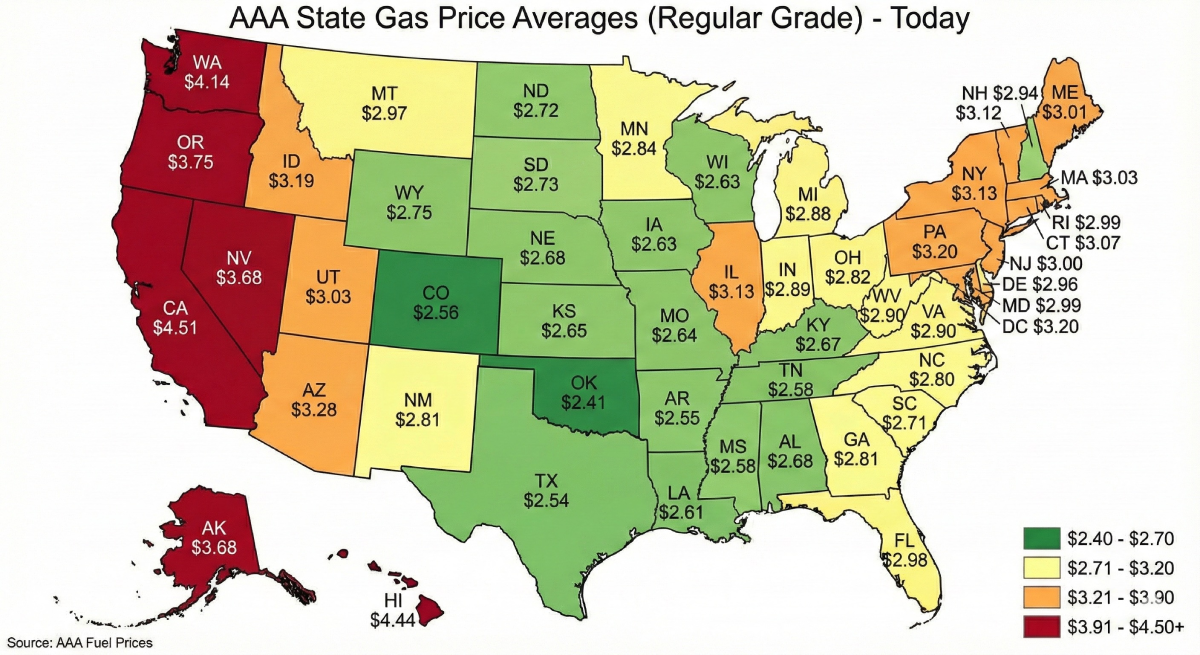
Why jet fuel is cheaper than gasoline relates to differences in taxation, distribution, and sales methods. Road gasoline has higher taxes to fund infrastructure, unlike jet fuel. Jet fuel uses distinct supply chains, regulations, and taxes. Refining priorities and market demand also affect pricing. Using aviation fuels in road vehicles is illegal, unsafe, and damaging, even if the AV gas price or jet fuel price seems low. Misfueling can violate emissions compliance and void insurance.
How Gasoline Diesel And Jet Fuel Differ By Engine Type
Engine type dictates fuel needs. Spark ignition engines compress air and fuel together, using a spark for ignition. Compression ignition engines compress air until it is hot enough to ignite injected fuel. Turbine engines compress air, mix fuel in a combustion chamber, and sustain continuous combustion. This is why the difference between jet fuel vs car fuel is fundamentally about engine design.
Gasoline works with spark ignition and is rated by octane. Diesel works with compression ignition and is evaluated by ignition quality measures like cetane. Jet fuel is designed for turbine engines, specified by properties such as cold flow, stability, and safe handling. Asking is jet fuel diesel overlooks this context. Jet fuel may share a general hydrocarbon range with diesel, but it is a distinct product, not blended for the durability needs of road engines. A simple compatibility guide is recommended to prevent misfueling errors. This guide should list the engine type, approved fuel, and the steps to take if misfueling occurs.
Are There Viable Alternatives To Jet Fuel?
Alternative aviation fuels reduce lifecycle emissions and enhance supply resilience. Sustainable aviation fuels, derived from waste oils, biomass, or synthetic processes, must meet strict performance requirements. These fuels must handle cold conditions, maintain storage stability, and safely integrate with existing aircraft systems. Therefore, replacing jet fuel requires more than simply using any renewable liquid. Adoption is challenging due to feedstock scale, production costs, certification, distribution, and ensuring consistent fuel properties across all aviation fuel grades. It is important to consult fuel specialists for alternative fuel transition planning and compliance guidance, especially when you need to understand what jet fuel is called in procurement documents or what aviation fuel is called across different regions and standards.