Need Emergency Fuel Delivery?
  info@elanfuels.com
Key Takeaways
- The most efficient diesel generator saves fuel while providing reliable, long-term performance.
- Choosing the best diesel generator for home ensures dependable backup power anytime needed.
- A portable diesel generator offers flexibility for travel, work sites, and emergencies.
- Efficiency depends on fuel economy, engine technology, and proper generator maintenance routines.
- We guide you in finding the best diesel generator for value.
Table of Contents
Most Efficient Diesel Generator
When we talk about the most efficient diesel generator, we’re referring to machines designed to maximize power output while minimizing fuel use. Efficiency here isn’t just about saving on diesel, it’s also about ensuring consistent performance and reducing long-term operating costs.
A key way to measure generator efficiency is by looking at kilowatt-hours (kWh) per gallon of fuel consumed. This metric tells you how much usable energy your generator produces per unit of fuel, helping you compare models accurately.
Another important factor is the load efficiency curve, which shows how performance changes under different loads. Generators that maintain high efficiency at partial loads often prove more economical, especially for home or standby use.
What Is The Most Fuel-Efficient Diesel Generator?
When choosing the most fuel-efficient diesel generator, comparing top-performing models is essential. Below is a quick look at portable and stationary types known for their fuel savings:
| Generator Model | Type | Efficiently Highlight | Best use case |
|---|---|---|---|
| Cummins QuietConnect C-D series | Stationary | Low fuel burn at standby | Home backup power |
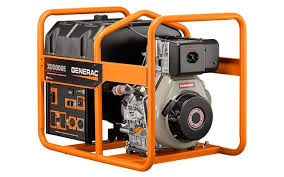
| Generac XD5000E | Portable | Excellent kWh per gallon | job sites, emergency backup power, and agricultural applications |
| Caterpillar C18 | Industrial | High efficiency under load | Heavy duty operations |
Fuel savings also depend on engine technology, rotation per minute (RPM), and size. Lower RPM engines consume less fuel, while advanced injection systems optimize combustion. A properly sized generator runs more efficiently, minimizing wasted diesel. Together, these factors determine how cost-effective and reliable your generator will be.
Looking for the Most Fuel-Efficient Diesel Generator?
Don’t waste money on fuel-heavy models. From Cummins to Kubota, discover which generators deliver the highest kWh per gallon—maximizing output while cutting long-term operating costs.
Top 10 Diesel Engines For Power Generators
When evaluating the most efficient diesel generator engines, certain models stand out for their balance of durability and fuel economy. Engines from Cummins, Caterpillar, Perkins, Kohler, John Deere, Volvo Penta, MTU, Yanmar, Deutz, Generac and Kubota are widely used in both commercial and residential generators. Each brand has established itself with engines optimized for different applications, from heavy-duty standby systems to compact portable units.
Theoretical efficiency ratings often hover around 40–45% thermal efficiency, while real-world maximum efficiency typically settles closer to 30–35%, depending on load and operating conditions. For example, MTU engines are prized for industrial performance, while Kubota and Yanmar deliver excellent efficiency in smaller portable generators.
This list is a go-to reference for buyers seeking proven performance before making a purchase. According to Power Engineering International, selecting engines with established reputations ensures not just fuel efficiency but also long-term reliability and service support.
It’s important to note, however, that no engine reaches 100% efficiency due to heat loss, friction, and mechanical limitations. Maintenance, fuel quality, and load conditions also influence real-world performance, making it vital to match the engine to your specific needs for the best results.
Best Diesel Generators For Reliable Power And Backup Solutions
When reliability is your priority, the best diesel generators are built with robust engines, long run times, and advanced safety systems. Brands like Cummins, Caterpillar, and Perkins specialize in standby and continually in use models that ensure consistent performance during outages or extended workloads. These generators are engineered to deliver stable power without fluctuations.
For backup solutions, fuel efficiency and durability matter most. A diesel standby generator can support your home or business through emergencies, while heavy-duty units serve industries with critical power needs. Choosing a trusted model means peace of mind, knowing you’ll always have dependable energy when you need it most.
What Is The Most Efficient Power Generator?
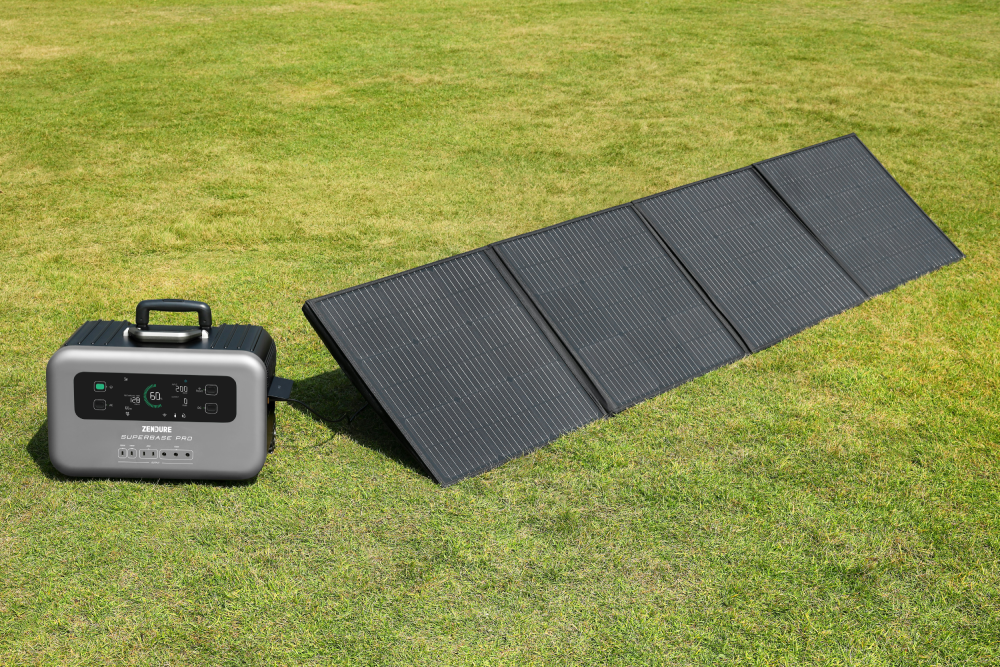
When asking what the most efficient power generator is, diesel models are often the first choice due to their fuel economy, durability, and ability to run continuously under heavy loads. However, efficiency also depends on the context. In some cases, alternative energy-powered generators such as solar, natural gas, or hybrid systems can surpass diesel in cost-effectiveness and environmental performance, particularly when fuel availability is limited or emissions regulations are strict.
- Solar generators excel for off-grid, eco-friendly applications with consistent sunlight.
- Natural gas generators offer cleaner operation and lower emissions than diesel.
- Hybrid systems combine fuel with renewables, maximizing flexibility and efficiency.
At What Load Is A Diesel Generator Set Most Efficient?
A diesel generator reaches peak efficiency when operated at about 70–80% of its rated load. At this range, fuel is burned cleanly, and the engine produces steady power without unnecessary strain or wasted diesel. Running consistently below 40% load can cause “wet stacking,” while pushing above 90% reduces fuel economy and increases wear.
To maintain efficiency, it’s important to match generator size to demand. If your needs fluctuate, using load banks or combining multiple generators allows you to adjust output effectively. Monitoring performance through digital controllers helps ensure your set operates within the optimal efficiency range, reducing fuel costs and extending the life of the generator.
Need Reliable Backup Power Without Wasting Fuel?
Whether for home, travel, or industrial use, fuel-efficient diesel generators give you dependable power with less diesel burned. Learn how to choose a model that balances cost, durability, and reliability.
At What Load Is A Diesel Generator Set Most Efficient?
A diesel generator reaches peak efficiency when operated at about 70–80% of its rated load. At this range, fuel is burned cleanly, and the engine produces steady power without unnecessary strain or wasted diesel. Running consistently below 40% load can cause “wet stacking,” while pushing above 90% reduces fuel economy and increases wear.
To maintain efficiency, it’s important to match generator size to demand. If your needs fluctuate, using load banks or combining multiple generators allows you to adjust output effectively. Monitoring performance through digital controllers helps ensure your set operates within the optimal efficiency range, reducing fuel costs and extending the life of the generator.
What Factors Impact The Fuel Efficiency Of A Diesel Generator? (H2)
Several variables influence the fuel efficiency of a diesel generator, with some of the most critical outlined below:
| Factor | Impact on efficiency | Example benefit |
|---|---|---|
| Engine type | Advanced combustion systems optimize combustion | Lower fuel use per kWh output |
| Load management | Operating at 70-80% load prevents waste. | Maximum efficiency and reliability |
| Fuel quality | Clean, high grade diesel prevents deposits | Smoother engine operation |
| Maintenance | Regular servicing reduces wear and tear. | Longer engine lifespan |
Beyond recognizing these factors, you can actively take steps to improve your generator’s performance. The following practices help keep fuel consumption in check while extending the machine’s durability:
- Choose a generator size that matches your power requirements.
- Keep filters clean and replace them at recommended intervals.
- Use high-quality diesel fuel to prevent clogging and inefficiencies.
- Monitor load levels with digital controllers for optimal balance.
- Schedule regular professional servicing to identify issues early.
Diesel Generator Vs Gas Generator Which Is More Efficient
When comparing a diesel generator to a gas generator, diesel units typically come out ahead in fuel efficiency, durability, and lifespan. Diesel engines burn less fuel per kilowatt/hour and require less frequent servicing due to their simpler ignition systems. While initial purchase costs may be higher, long-term savings on fuel and maintenance often outweigh the difference.
Real-world tests show that diesel generators deliver around 30–35% thermal efficiency, compared to gas units averaging 25–30%. In heavy-duty or continuous-use environments, diesel’s extended engine life, often exceeding 20,000 hours, adds even more value. Gas generators, however, can still be practical for lighter, short-term use where upfront affordability is the main concern.
Ready to Cut Generator Fuel Costs?
Running your generator at the right load and maintaining it properly can save thousands in wasted fuel. Get practical tips and proven models designed for maximum efficiency.
Are Diesel Generators More Efficient Than Propane?
When comparing diesel generators and propane under similar load conditions, diesel units generally deliver higher fuel efficiency. Diesel engines convert more energy per gallon into usable electricity, resulting in lower cost per hour for long-term or heavy-duty use. This makes them particularly attractive for backup power in homes and industries where reliability is critical.
However, propane generators offer cleaner combustion with fewer emissions, making them more environmentally friendly. While propane often costs more per hour to run, it provides advantages in storage, shelf life, and reduced maintenance issues. The choice depends on whether your priority is maximum efficiency or environmental impact.
Why Are Inverter Generators More Fuel Efficient?
Inverter technology allows a diesel generator to automatically adjust engine speed to match the required load, rather than running at a constant RPM like traditional models. This dynamic operation significantly reduces unnecessary fuel consumption, especially during lighter loads, while still delivering clean, stable power. The result is lower operating costs, reduced noise, and less engine strain, ultimately extending the generator’s lifespan.
When comparing inverter diesel generators with conventional diesel models, the efficiency difference becomes clear. Traditional generators are most efficient at 70–80% load, but their performance drops when usage fluctuates. Inverter models, on the other hand, maintain higher fuel efficiency across a wider range of loads. This makes them an excellent choice for home backup systems and portable power, where demand often varies.
How To Increase Generator Efficiency?
Boosting the efficiency of a diesel generator starts with proper setup and operation. Positioning the generator on level ground, avoiding overloading, and keeping it within its optimal 70–80% load range all help maximize fuel economy. Regular maintenance, such as timely oil changes, filter replacements, and fuel system inspections ensure that the engine runs smoothly and avoids unnecessary fuel waste.
Technology upgrades can also make a big difference. Installing digital controllers for real time load monitoring, using automatic transfer switches, and considering inverter diesel generators provide smarter performance. These improvements not only save fuel but also reduce emissions and extend the lifespan of your investment.
Kubota 3.5 KW Micro Diesel Generator
The Kubota 3.5 kW Micro Diesel Generator is a compact yet powerful option for those seeking reliable, fuel-efficient performance in smaller applications. Known for its durability and low operating costs, this model is especially popular in residential, marine, and light commercial setups. Key highlights include:
- Compact size: Easy to install in tight spaces.
- High efficiency rating: Delivers strong output with minimal fuel consumption.
- Quiet operation: Built with noise-reducing technology for home or RV use.
- Low emissions: Meets strict environmental standards for cleaner operation.
- Best use scenarios: Ideal for off-grid living, small businesses, boats, and backup power.
This generator blends efficiency, portability, and Kubota’s reputation for engineering excellence.
Slow-Turning 10 KW Diesel Generator
A slow-turning 10 kW diesel generator is designed for longevity and efficiency, making it a smart choice for continuous or backup power.
- Reduced engine wear: Lower RPM decreases stress on engine components.
- Improved fuel efficiency: Operates economically at steady loads.
- Longer service life: Designed for thousands of running hours.
- Lower noise levels: Quieter compared to high rotation per minute models.
- Ideal applications: Perfect for homes, farms, and small businesses.
Slow-Turning 5 KW Yanmar Diesel Generator
The slow-turning 5 kW Yanmar diesel generator and the MAP 1030 military generator with a Kubota engine are built for rugged efficiency and dependable performance in demanding conditions.
- Performance metrics: Delivers steady 5 kW output with low fuel consumption.
- Durability: Slow RPM design reduces wear and extends engine life.
- Applications: Ideal for military use, off-grid living, and remote operations.
- Kubota reliability: Trusted engineering ensures consistent power delivery.
- Efficiency: Strong balance of power, endurance, and fuel savings.
3-Cylinder Engine
The 3-cylinder diesel engine is praised for its ability to achieve 7.96 kilowatt-hours per gallon, making it a benchmark for efficiency in compact generators. Key reasons for its strong performance include:
- Balanced combustion: Three cylinders allow smoother power delivery and less wasted fuel.
- Optimized displacement: Engine size is tuned to maximize output without unnecessary consumption.
- Lower friction: Fewer moving parts reduce mechanical resistance, improving fuel economy.
- Consistent torque: Maintains efficiency even under variable loads.
- Advanced injection systems: Precision fuel delivery ensures complete combustion.
- Compact design: Smaller build limits energy loss while maintaining strength.
- Proven efficiency rating: Achieves 7.96 kWh/gal under standardized test conditions.
Small Diesel Generator For Long-Term EV Charging In Remote Locations
Using a small diesel generator for EV charging in remote areas can be practical when grid access is unavailable. Key feasibility and efficiency considerations include:
- Feasibility: Portable diesel units can provide continuous charging where renewables are insufficient.
- Benefits: Reliable backup, easy fuel sourcing, and compatibility with EV charging equipment.
- Efficiency: Best achieved when running at 70–80% load capacity.
- Cost factor: Higher long-term fuel costs compared to renewable setups.
- Environmental impact: Diesel emissions remain a drawback, though modern engines reduce pollutants.
- Applications: Useful for remote mining, rural EV fleets, or off-grid travel.
Top 10 Most Fuel-Efficient Generators Available At CS Diesel
Here’s a ranked list of the most fuel-efficient generators you can find at CS Diesel, each chosen for performance, economy, and reliability:
- Cummins QuietConnect 13kW: 8.2 kWh/gal, excellent standby efficiency.
- Caterpillar C18: 7.9 kWh/gal, industrial-grade durability.
- Perkins 404D-22G: 7.6 kWh/gal, compact, ideal for homes.
- Kubota GL11000: 7.5 kWh/gal, quiet portable power.
- John Deere 4045: 7.4 kWh/gal, strong mid-range engine.
- Volvo Penta D5A: 7.3 kWh/gal, fuel-efficient continuous power.
- Yanmar 3TNV: 7.2 kWh/gal, compact and versatile.
- MTU Series 1600: 7.1 kWh/gal, premium industrial reliability.
- Kohler 14RESA: 7.0 kWh/gal, standby-ready for residential use.
- Deutz BF4M2011: 6.9 kWh/gal, efficient for smaller operations.
What To Look Out For When Choosing A Diesel Generator
When selecting the best diesel generator, focus on key factors that balance efficiency, performance, and reliability:
- Size and Power Output: Match generator capacity to your actual energy needs.
- Fuel Efficiency: Look for models with higher kWh per gallon ratings.
- Noise Level: Opt for low-decibel units, especially for residential or indoor use.
- Reliability & Brand Reputation: Choose trusted manufacturers with proven track records.
- Maintenance Requirements: Easy servicing extends the generator’s lifespan.
- Portability: Compact or wheeled units suit travel, events, or temporary use.
- Cost & Value: Balance upfront price with long-term fuel and service savings.