Need Emergency Fuel Delivery?
  info@elanfuels.com
Key Takeaways
- Premium and regular gas mainly differ by octane rating and knock resistance.
- Octane relates to knock control, not extra energy, power, or cleanliness.
- Premium helps engines designed for it, especially under load and heat.
- Regular gas is safe for engines built for regular, with no downside.
- Follow the owner manual fuel requirement to avoid cost waste.
Table of Contents
Premium Vs Regular Gas
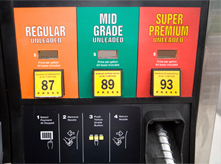
Premium and regular gasoline are fundamentally distinguished by their octane rating. Regular fuel typically has an octane rating of 87, while premium often ranges from 91 to 93. Octane is a measure of a fuel’s resistance to engine knock, which is defined as uncontrolled, premature combustion of the air-fuel mixture under pressure. Higher octane fuel is essential for maintaining controlled combustion, particularly in engines with high compression ratios or those that are turbocharged. It is critical to understand that octane measures only this knock resistance. It does not measure the fuel’s energy content, nor does it inherently guarantee a cleaner fuel. Fuel cleanliness is instead determined by factors such as the included additive packages and storage conditions. The primary distinction between regular and premium fuel lies in their knock resistance.
Drivers often hold the mistaken belief that premium fuel will universally enhance acceleration and improve mileage. However, a premium only offers measurable benefits when an engine is specifically designed and calibrated for higher-octane fuel. For an engine calibrated for regular gasoline, using premium usually provides no noticeable improvement. Conversely, using regular gas in an engine designed to require premium can force the engine to adjust its timing to prevent knock. This adjustment may result in reduced power output and, under demanding driving conditions, decreased fuel efficiency. The engine’s original calibration, as specified in the owner’s manual, is the most crucial factor. If the manual requires a premium, it must be used. If premium is only recommended, regular gas might be acceptable, but performance may suffer under heavy load.
Comparison Between Regular and Premium Gas
Manufacturer guidance matters because it matches the engine calibration. Required means the engine needs it to meet intended performance and protection targets. Recommended means it may benefit in certain conditions. Below is a table comparing regular gas and premium gas based on key factors;
| Factor | Regular gas | Premium gas |
|---|---|---|
| Typical octane | 87 | 91 or 93 |
| Knock resistance | Lower | Higher |
| Best match | Most standard engines | High pressure engines |
| Cost | Lower | Higher |
| Benefit in regular tuned engines | Usually none | Usually none |
What Is Premium Gas And What Does It Do?
Premium gas is gasoline with an octane rating higher than regular fuel. It is considered high-grade fuel because it more effectively helps the engine keep timing closer to its target and maintain knock. Higher knock resistance is crucial when the engine produces elevated cylinder pressure. This pressure increase can result from higher compression ratios, turbocharging, or aggressive ignition timing.
Premium octane numbers are most relevant when the engine is operating near the knock limit. Under strenuous conditions like hard acceleration, high temperatures, towing, or extended uphill driving, cylinder pressures rise significantly. In an engine specifically calibrated for premium fuel, the higher octane helps the engine sustain controlled combustion. This supports the engine in keeping timing closer to its target and maintaining peak power output.
Not Sure If Your Car Needs Premium Or Regular?
Octane confusion costs drivers money fast. Use a quick checklist that matches your owner’s manual guidance (“required” vs “recommended”) to your engine type (turbo/high compression vs standard) so you choose the right fuel every time.
What Is Regular Gas And How Is It Different?
Regular gas, typically rated 87 octane, is the standard fuel for most vehicles. Most engines are specifically designed to operate safely and efficiently with this fuel, making it the default choice. Regular fuel meets all required gasoline standards and is widely accessible to consumers. Standard engines are calibrated with appropriate compression ratios and ignition timing to prevent engine knock on 87 octane. Consequently, a vehicle designed for regular gas will achieve its rated power and fuel economy using this fuel.
For vehicles whose manufacturer recommends regular, this fuel is entirely sufficient and safe. Using premium fuel in these engines usually does not yield better results because the engines do not require the added knock resistance. If the owner’s manual specifies that premium fuel is required, utilizing regular gas may cause the engine to reduce ignition timing to protect itself. This protective measure can subsequently reduce performance and, in some cases, fuel efficiency, particularly under a heavier load. You can buy high-quality quality clean fuel from us for better performance and efficiency.
What Are Gas Grades?
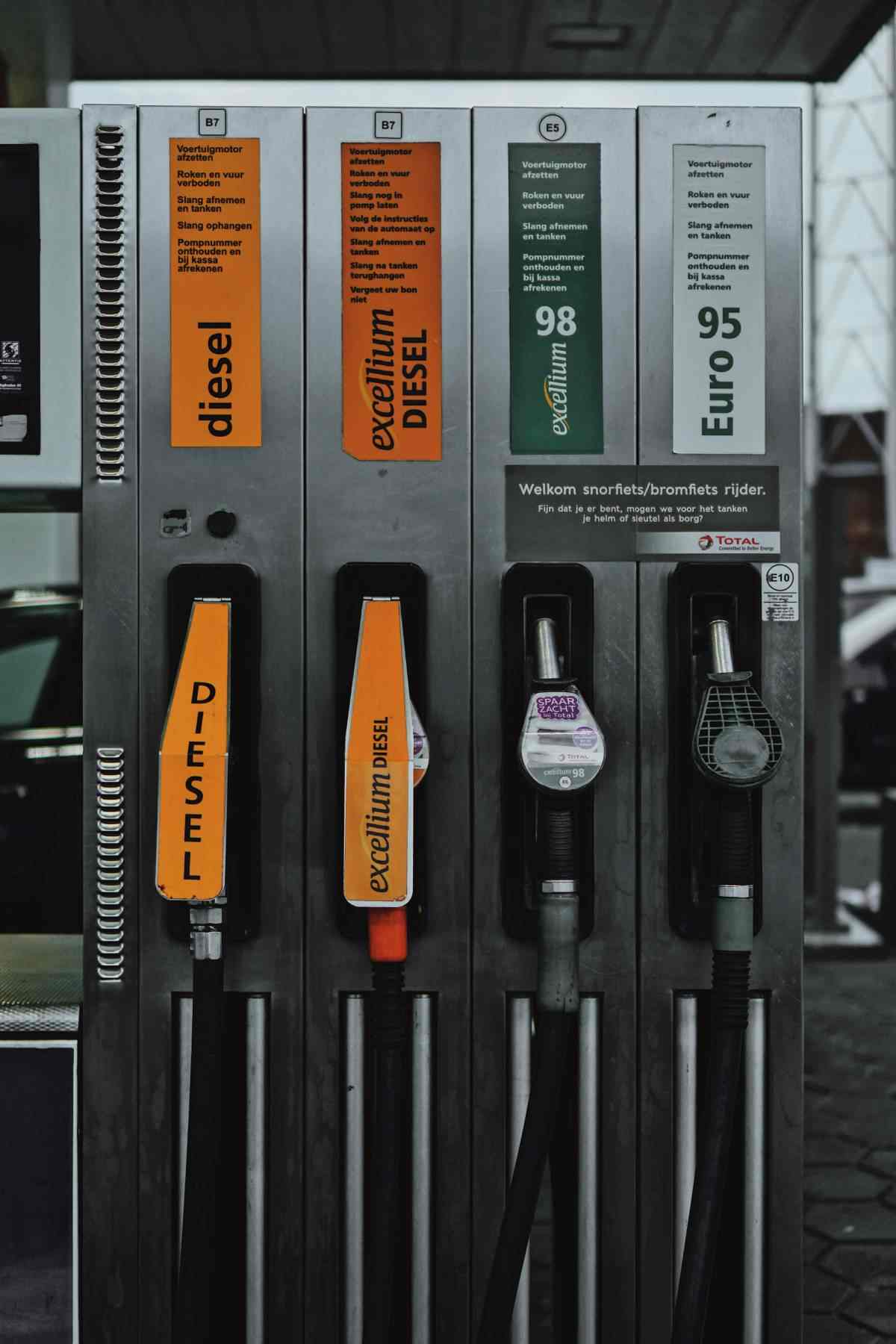
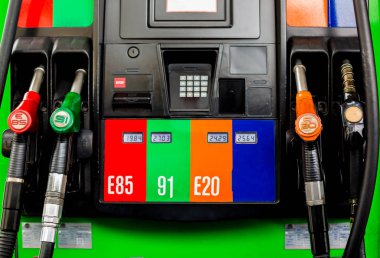
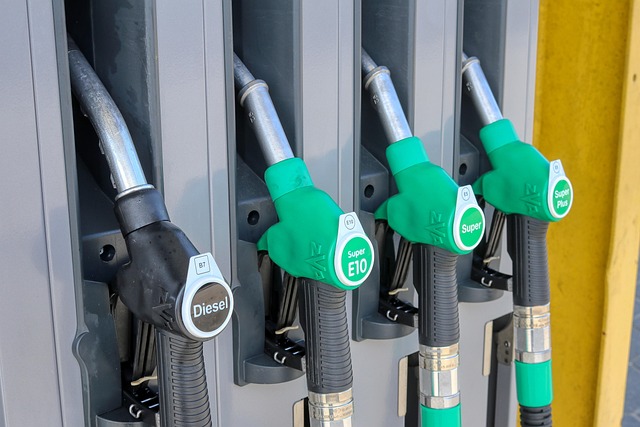
- Gasoline grades are different octane options sold at stations, most often regular, midgrade, and premium.
- The grade label on the pump matches an octane number, and the number is the key detail.
- Grades exist because engines have different knock resistance needs based on design and calibration.
- A higher grade does not automatically mean better results in every vehicle.
- The best grade is the one the manufacturer requires or recommends for your engine.
- Fuel grades are labeled and standardised by the octane rating method used in your market.
- This standardisation helps drivers compare grades across stations, even when brands differ.
- The octane number indicates knock resistance, not fuel energy content.
- Gas grades are not the same as fuel quality.
- Two fuels can have the same octane rating yet differ in detergent additives and storage conditions.
- Station turnover and storage cleanliness can affect real-world fuel consistency.
- Multiple gasoline grades exist because some engines are knock-sensitive.
- High-compression and turbocharged engines may require higher octane to avoid knock.
- Many standard engines are designed to run best on regular and do not benefit from premium.
Paying Extra For Premium? Find Out If It’s Actually Worth It
Premium doesn’t automatically add power or better mileage, it only helps when your engine can use the higher octane. Estimate your real monthly cost difference and see when premium may matter most (heat, towing, long climbs, hard acceleration).
Is 93 Octane Really Better Than 87?
The benefit of 93 octane over 87 is only realized when an engine requires higher octane for increased knock resistance. Higher octane does not inherently equate to more energy or automatically guarantee extra power. If an engine is designed for 87, using 93 typically offers no measurable gains in regular driving because the engine already avoids knock.
If your engine mandates premium fuel, higher octane is necessary to prevent timing reduction under heavy load, thus preserving power. Performance gains depend on engine design. If the engine is calibrated for premium, the correct octane ensures proper function. If it is calibrated for regular, higher octane is often an unnecessary expenditure.
Which Burns Hotter 87 Or 93?
Higher octane does not mean hotter burning fuel. Octane is a measure of resistance to knock. Combustion temperature is influenced by air fuel ratio, ignition timing, engine load, cooling system capacity, and combustion chamber design. Higher octane can allow an engine to run its intended timing without knock. That can change performance in engines that need it. It is not because the fuel burns hotter.
A common myth is that premium burns hotter and therefore makes more power. Power depends on controlled combustion at the correct time in the cycle. Premium can help control combustion in knock-sensitive engines. That can preserve power in those engines. In engines designed for regular, the temperature and power output usually does not change in a meaningful way.

What Are The Benefits Of Premium Gas?
- Premium can benefit high compression engines by reducing knock risk under pressure.
- Premium can support knock resistance and combustion stability during heavy load driving.
- Premium can help some turbocharged engines maintain intended timing and rated power.
- Premium benefits are most noticeable when the engine is designed for premium use.
- Premium offers limited advantages in regular tuned engines because knock is not limiting.
- Premium can reduce the chance of timing reduction when conditions increase knock risk.
- Conditions include high heat, long climbs, towing, and strong acceleration demands.
- Even then, benefits depend on the engine calibration and driving situation.
- Premium is not a universal upgrade for all vehicles.
- The clearest benefit is matching the fuel to the engine requirement.
- That match supports consistent performance and can avoid unnecessary fuel spend.
Is Premium Gas Better Or Actually Worth It?
Premium gas is not better for general use. It is better for engines that require it. Premium is sometimes perceived as superior because it costs more and is marketed as a performance choice. Engineering determines whether it is worth it. The manufacturer sets the fuel requirement based on knock testing, emissions goals, durability goals, and performance targets.
If a premium is required, it is worth it because it helps the engine meet its intended operating conditions. If a premium is recommended, it may be worth it in demanding driving, but it depends on the vehicle and conditions. If regular is recommended, premium is usually not worth the extra cost because the engine cannot typically use the added knock resistance.
A practical way to judge value is to follow the manual first. Then consider whether you drive in conditions that increase the risk of knock. Heat, towing, and steep grades can increase that risk. In many everyday commutes, the difference is minimal. The best decision is the one that matches engine’s needs and your real driving conditions.
Using Regular In A Premium-Required Car? Reduce Risk Fast
If your engine is tuned for premium, regular fuel can trigger timing changes that reduce power, especially under heavy load. Get a practical “what to do now” guide to drive more safely until you can refill with the correct octane.
What Does Higher Octane Gas Do Inside The Engine?
Higher octane fuel resists premature auto-ignition under pressure, which is essential to prevent both engine knock and detonation in a spark-ignition engine. In this type of engine, combustion is designed to initiate at the spark plug and then spread uniformly across the chamber. When parts of the fuel-air mixture ignite prematurely, it causes sharp pressure spikes known as knock.
Engine design features, such as the compression ratio and boost pressure, directly dictate the necessary octane level. Elevated compression increases both temperature and pressure before the spark event, while turbocharging significantly increases effective pressure. Both of these conditions raise the risk of knock. Higher octane promotes controlled combustion, which allows the engine to operate closer to its optimal ignition timing. This controlled combustion is vital for maintaining engine stability, power, and efficiency. Higher-octane fuel only widens the range of conditions for controlled combustion; it does not add any extra energy to the fuel itself.
Why Do Some Cars Need Premium Gas?
Engines in certain cars require premium gas due to designs that operate at higher pressures, such as high compression ratios or turbocharging. These advanced designs enhance efficiency and power but increase the risk of engine knock. Higher octane fuel is necessary to manage this risk. Engines designed for premium fuel utilise advanced timing strategies, which higher octane allows to operate as intended without knock. Using lower-octane fuel can cause the engine to reduce timing to protect itself, resulting in lower power and potentially reduced fuel economy. Manufacturers’ fuel requirements, either required or recommended, reflect real-world testing and ensure optimal performance.
What Happens If You Put Premium Gas In A Regular Car?
Premium fuel will not damage a regularly tuned engine and typically results in minimal or nonexistent performance gains. A standard engine, designed for lower octane fuel, does not require the higher knock resistance that premium provides. Since most regular fuel engines already operate without knock on 87 octane, the combustion timing remains largely unchanged. The main drawback is the increased cost, as you pay extra without a measurable return in power or fuel economy. For better results, focus on consistent maintenance and proper fueling. Always follow the guidance in your owner’s manual.
Will Regular Gas Damage An Engine That Needs Premium?
Using regular gas in an engine designed for premium can pose risks, especially under heavy load. Modern engines use knock sensors and engine control to reduce timing and prevent severe knock, but this can lead to decreased power and fuel economy, particularly during towing, in hot weather, or on steep grades. Short-term effects often include slower acceleration and reduced responsiveness. While occasional use might be tolerated in vehicles where premium is merely recommended, it should be a temporary option only when premium is required. To minimise risk temporarily, avoid heavy throttle and high-load driving, and refill with the correct fuel as soon as possible. The safest approach is always to follow the manufacturer’s requirements.