Need Emergency Fuel Delivery?
  info@elanfuels.com
Key Takeaways
- Types of fuel can be grouped by physical form, origin, and practical use.
- What are the three types of fuels is usually answered by solid, liquid, and gas.
- What are the two types of fuels by origin, renewable and nonrenewable?
- Cost depends on local supply, equipment, and efficiency, not just sticker price.
- Cleanest choices depend on how the fuel is made and how it is used.
Table of Contents
Types Of Fuel Explained With Definitions, Forms, And Real-World Meaning
A fuel is any material that can release usable energy through a controlled process. This process is usually combustion, where fuel reacts with oxygen and generates heat. Alternatively, some fuels release energy through chemical reactions in a device like a fuel cell, or through nuclear reactions.
People commonly request fuel names or names of fuels for recognizable examples, such as gasoline, diesel, natural gas, or wood. In industrial settings, categories of fuels are important because storage, handling, safety, cost, and emissions are all affected by the fuel chosen. When you explain different types of fuels, begin with three main concepts. Physical form influences storage and transport. Origin determines sustainability and long term availability. Practical use dictates which fuel is appropriate for a specific application. This is why fuel types and uses is more informative than a simple list of fuels lacking context.
What Are The Three Types Of Fuels Based On Physical Form?
When people ask what the three types of fuels are, they are typically referring to the physical state of the fuel. Physical form is important because it dictates how easily a fuel can be stored, pumped, metered, and transported. This state also influences how the fuel is ultimately used in various applications, such as engines, burners, and power plants. The three forms of fuel are solid, liquid, and gas. Many sources also refer to these as the three types of fuels or 3 forms of fuel for brevity.
| Physical form | Typical examples | Common uses |
|---|---|---|
| Solid | wood, charcoal, coal | cooking, heating, some industry |
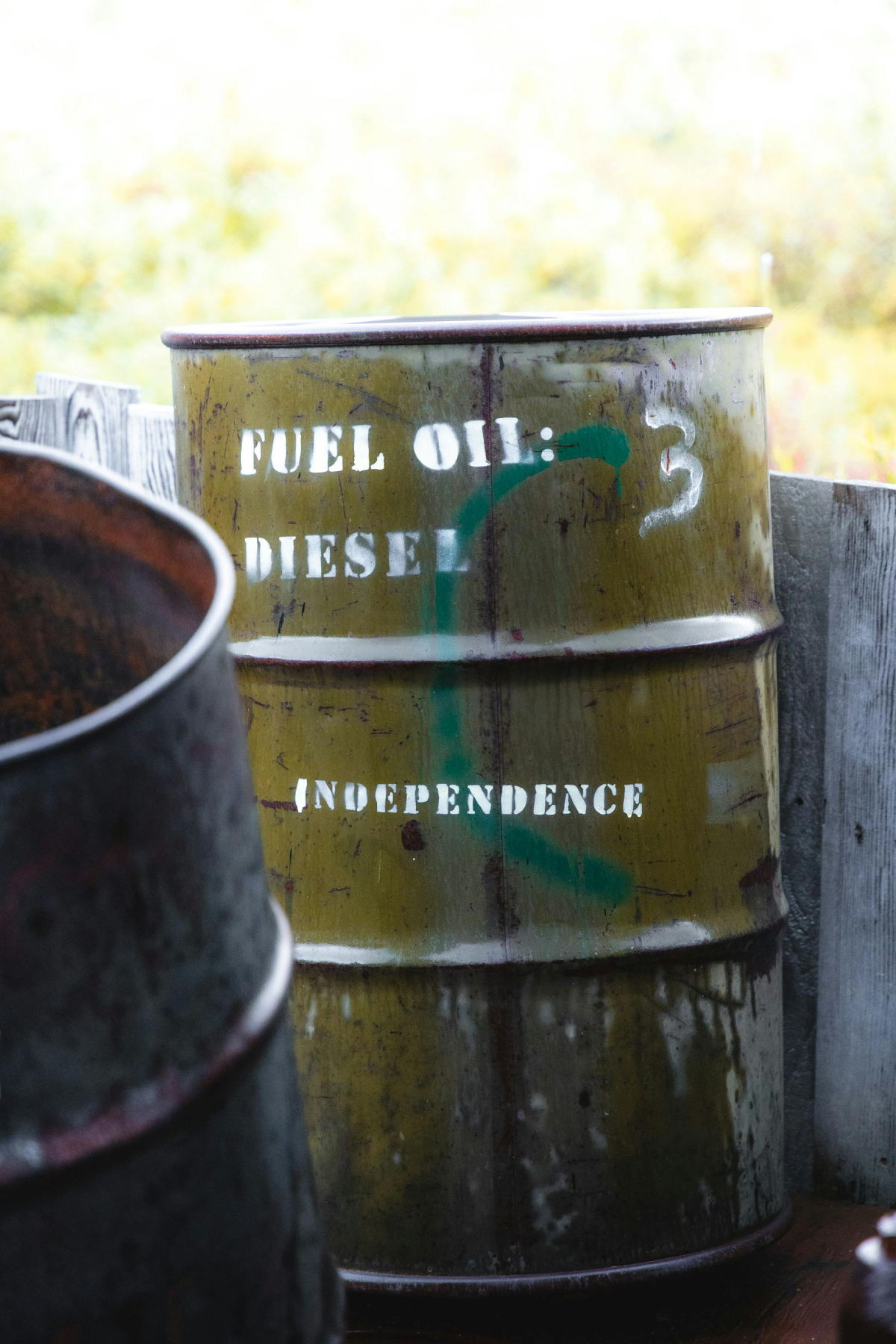
| Liquid | gasoline, diesel, fuel oil | transport, heating, backup power |
| Gas | natural gas, propane, hydrogen | cooking, heating, power, some transport |
Not Sure Which Fuel Type Fits Your Exact Need?
Picking between solid, liquid, and gas fuels is not just a definition question. It changes storage, safety, equipment, and what you can actually use day to day. Use our quick fuel matching guide to choose confidently.
What Are The Two Types Of Fuels Based On Origin?
Fuels are commonly categorized based on their origin. This grouping helps explain sustainability, supply risk, and long-term resource planning, which addresses the question of what the two types of fuels are. The two main groups are renewable and nonrenewable. Some people ask this as which are the two kinds of fuels, or what two types of fuels are there?
- Renewable fuels are replenished naturally on a human timescale. Examples include various biofuels and biogas, where new organic matter can be continually grown and processed.
- Nonrenewable fuels come from resources that are finite. Fossil fuels, such as coal, oil, and natural gas, are created over geological time spans. Nuclear fuels also rely on materials that must be mined.
This origin-based classification provides a clear answer to how many types of fuel are recognized. While many specific fuels exist, most fit into one of these two origin groups when considering their source.
What Are Fuel Types And Their Practical Uses?
In real decisions, fuel selection is usually based on the job. A household may prioritize availability and simple equipment. A fleet may prioritize energy density and refueling speed. A power system may prioritize reliability and infrastructure. This is why fuels and their uses is a better question than simply asking for a type of fuel at random.
Below are common use categories that connect different types of fuels to daily activities and industrial needs.
Want To Find The Cheapest Fuel For Your Situation?
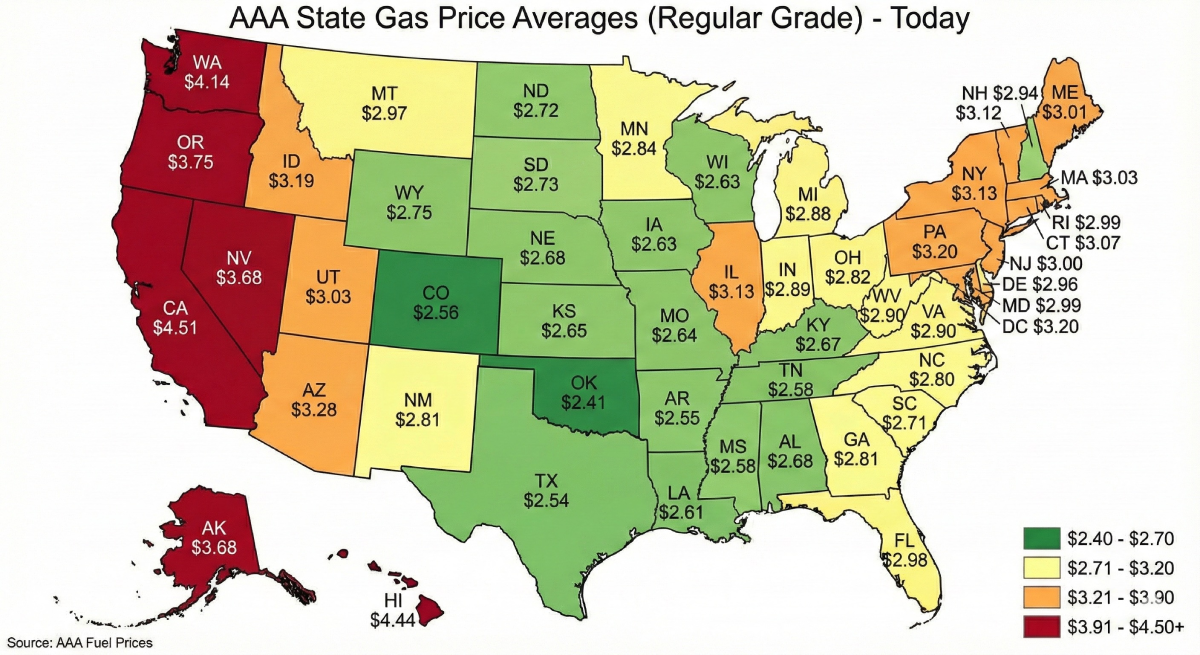
There is no universally cheapest option. The real cost depends on local supply, your equipment, and efficiency. Compare common fuels for heating, transport, or backup power using a simple cost per usable energy method.
How Are Fuels Used For Transportation?
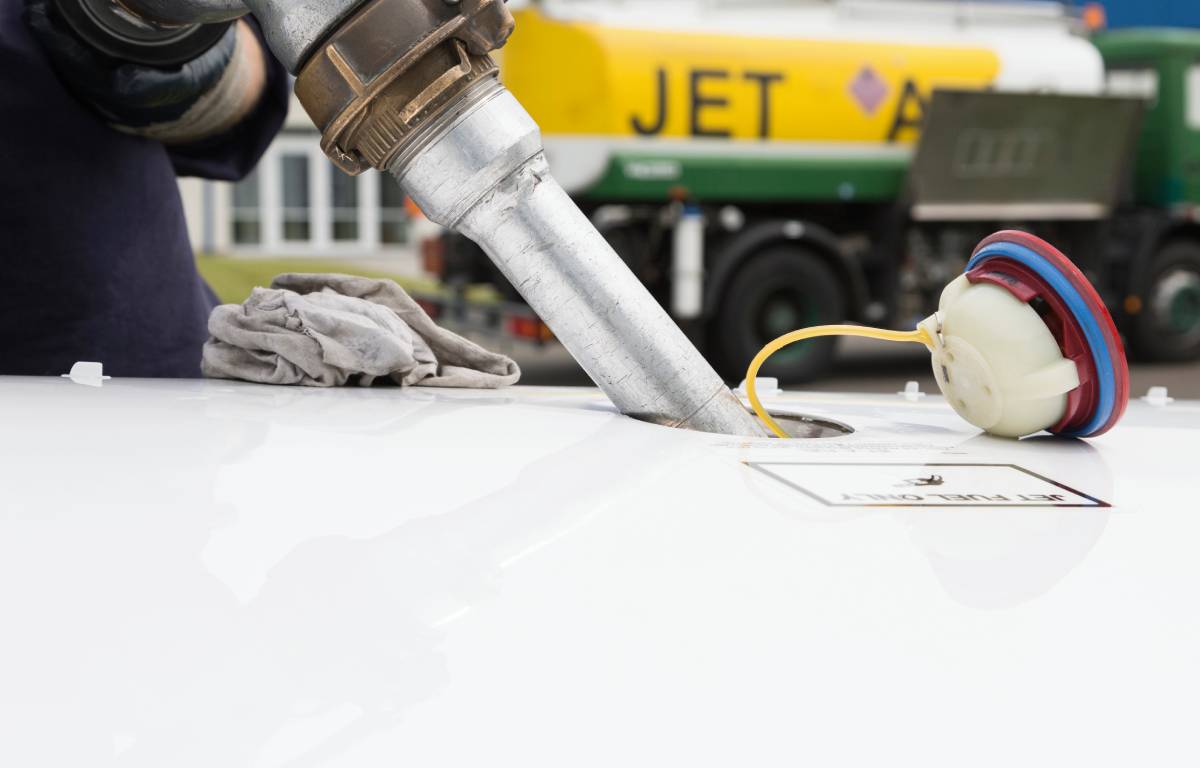
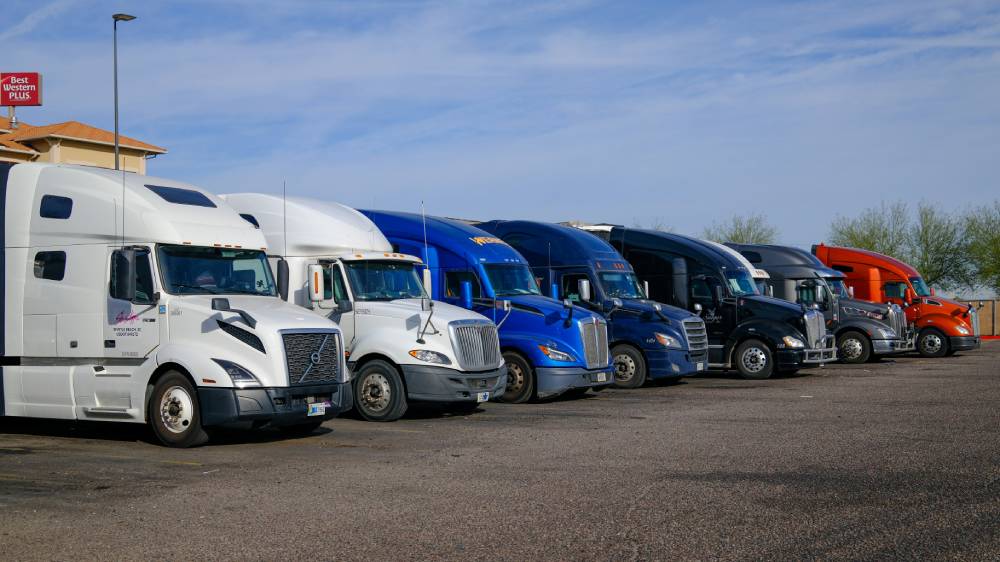
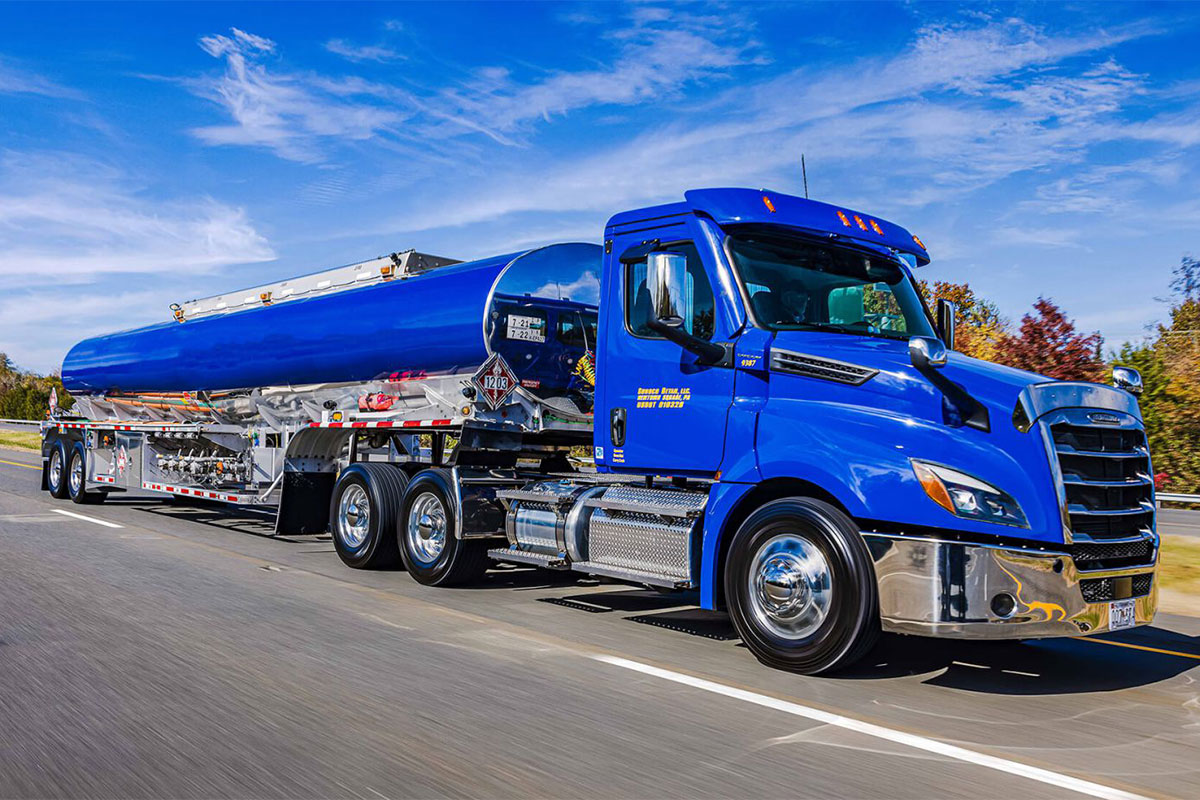
Transport fuels require easy onboard storage and quick refueling. Energy density is crucial because vehicles have limited space and weight capacity. Consequently, liquid fuels have long dominated road, air, and sea transport. Gas fuels are utilized where their storage systems are practical, and the use of electricity and hydrogen is increasing in specific markets. 3 examples of fuels commonly used in transport are gasoline, diesel, and jet fuel. The optimal fuel choice depends on the vehicle type, its operational demands, and the existing local infrastructure. This necessity is the primary reason why different fuels and their uses vary significantly across various geographic regions.
How Are Fuels Used For Heating Purposes?
Heating fuels are chosen for reliability, seasonal demand, and local supply. Homes may use natural gas, propane, electricity, wood, or heating oil. Industry may use natural gas, fuel oil, coal in some regions, or electricity for certain processes.
For many households, the most important factors are delivery logistics, safe storage, and stable pricing. In cold seasons, heating demand rises, so supply planning matters. This is also where common fuels can differ by location.
How Are Fuels Used For Electricity Generation?
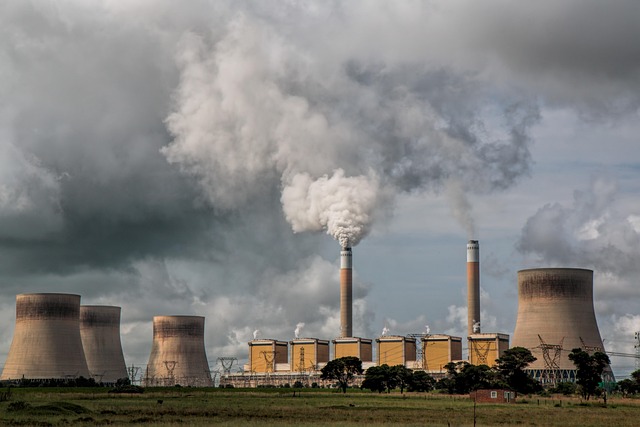
Electricity generation requires reliable fuel and compatible equipment. Power systems use steady output plants for baseline demand, and flexible plants for quick ramping. Fossil fuels, nuclear fuel, and renewables are all used, depending on the grid design and resource availability. Infrastructure is key. A region’s reliance on coal, gas, wind, solar, or hydro depends on access to pipelines, logistics, and natural resources. This practical view connects types of fuels and energies to real-world engineering choices.
Which Fuel Type Is The Cheapest And Most Affordable?
There is no single cheapest fuel everywhere. The cheapest option depends on local production, transport costs, taxes, and the equipment you must buy to use the fuel. Cost should be compared in useful energy delivered, not just price per litre or price per unit. Efficiency also changes the real cost.
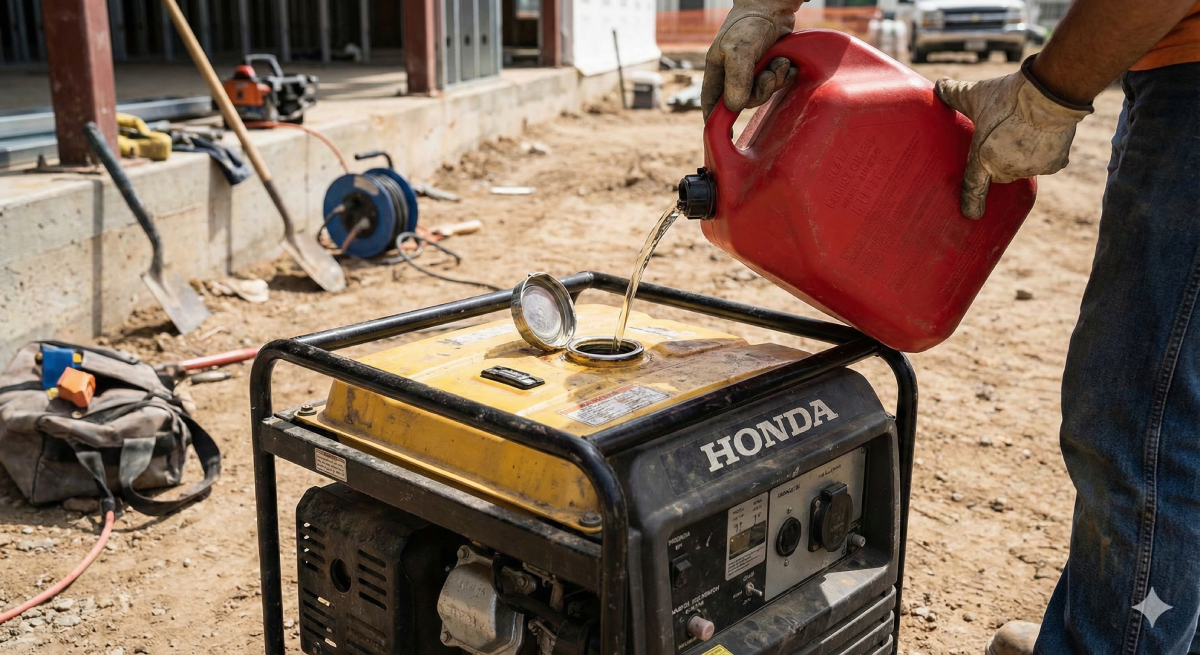
A helpful approach is to compare options in your area using the same task. Heating a home, running a generator, or fueling a vehicle all have different constraints. This is why fuel types and uses must be considered together. In practice, commonly used fuels often look cheaper because the infrastructure is already built and the equipment is widely available.
Which Fuel Type Burns The Cleanest And Why?
Clean burning has multiple definitions. It can refer to less soot and smoke released during use. It can also signify lower greenhouse gas emissions throughout the entire supply chain, or fewer harmful pollutants like sulfur compounds and nitrogen oxides. A fuel’s cleanliness varies based on its production and combustion method.
- At the point of use, some gas fuels can produce less soot than many solid fuels.
- Electricity can be very clean at the point of use, but the overall impact depends on how the electricity is generated.
- Hydrogen can be clean at the point of use in a fuel cell, but the production method matters a lot.
- Some biofuels can reduce net emissions in some pathways, but results vary by feedstock and process.
- Well-controlled combustion and good maintenance can reduce pollution for many different kinds of fuels.
What Are Solid Fuels And What Are Their Characteristics?
Solid fuels are defined as fuels stored and handled in a solid state. Key examples include wood, charcoal, coal, and various processed biomass products. A significant advantage of solid fuels is their ease of long-term storage without the risk of leaks. However, they can be bulky and present challenges for automation in smaller systems.
A drawback of solid fuels is the production of ash and particulate matter, particularly when combustion occurs in basic stoves or poorly regulated environments. Consequently, proper ventilation and suitable equipment are essential for their use. Despite these challenges, solid fuels remain vital globally because they are often locally accessible and compatible with simple devices. This contributes significantly to the broader understanding of forms of fuel.
What Are Liquid Fuels And How Are They Used?
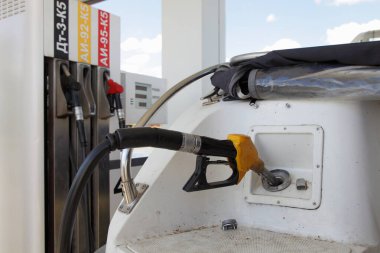
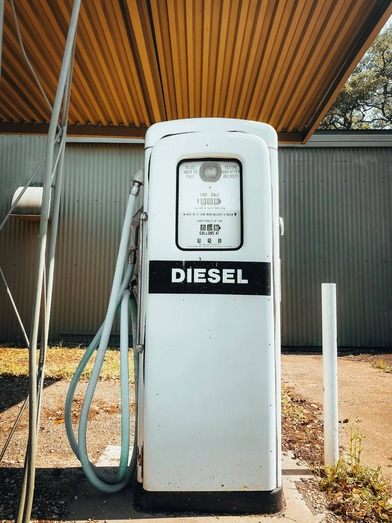
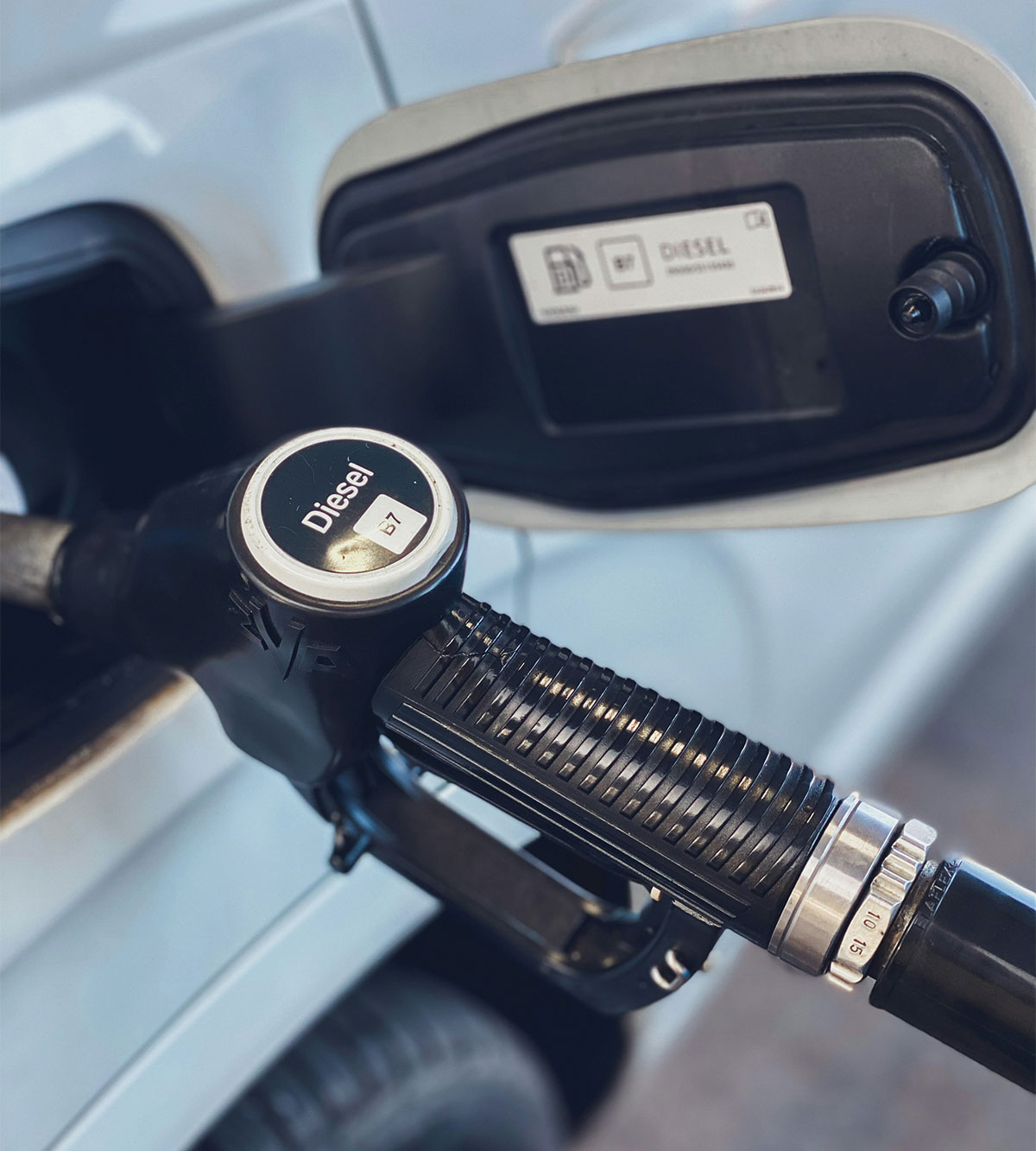
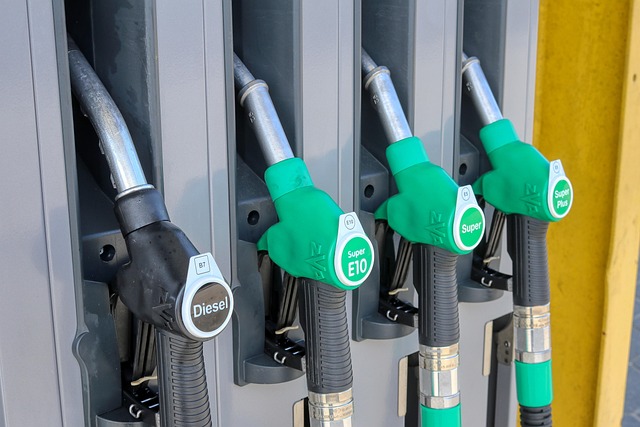
Liquid fuels are extensively utilised due to their high energy density, ease of pumping, and practicality in mobile engines. Gasoline and diesel are the primary examples for road transport, while specialized liquid fuels serve aviation, marine transport, and heating. These fuels are also simple to measure precisely for control and billing systems. Safe storage is necessary because spills and hazardous vapors present risks. Given the widespread refueling infrastructure, when people seek a type of fuel for vehicles, liquid fuels are typically the immediate and most common choice.
Trying To Choose The Cleanest Practical Fuel Option?
Cleanest can mean less soot at the point of use or lower emissions across the whole supply chain. Learn what changes the answer for electricity, gas fuels, biofuels, and hydrogen so you can pick the cleanest realistic option.
What Are Fossil Fuels And How Do They Differ From Alternatives?
Fossil fuels, including coal, oil, and natural gas, are energy sources derived from ancient organic matter over vast time periods. They are widely utilized because of their high energy density and the extensive infrastructure already in place for their use. However, a major drawback is their finite nature and the fact that their consumption significantly contributes to greenhouse gas emissions and pollution.
Alternative energy sources encompass renewables like wind, solar, and hydropower, as well as fuels produced from biomass or through synthetic methods. Some alternatives merely shift emissions from the consumption point to the production phase, while others genuinely reduce overall emissions depending on the specific method of production. Therefore, classes of fuels must be assessed based on both their chemical composition and their overall system impact.
What Are Cleaner Fuel Options And Alternatives?
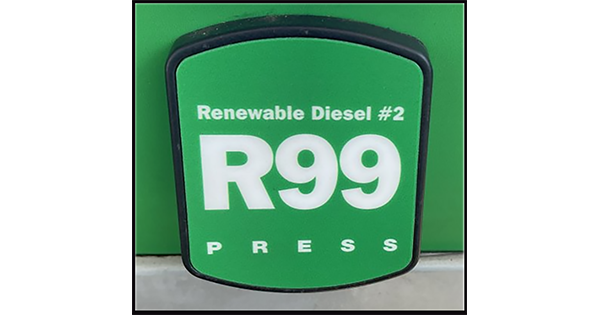
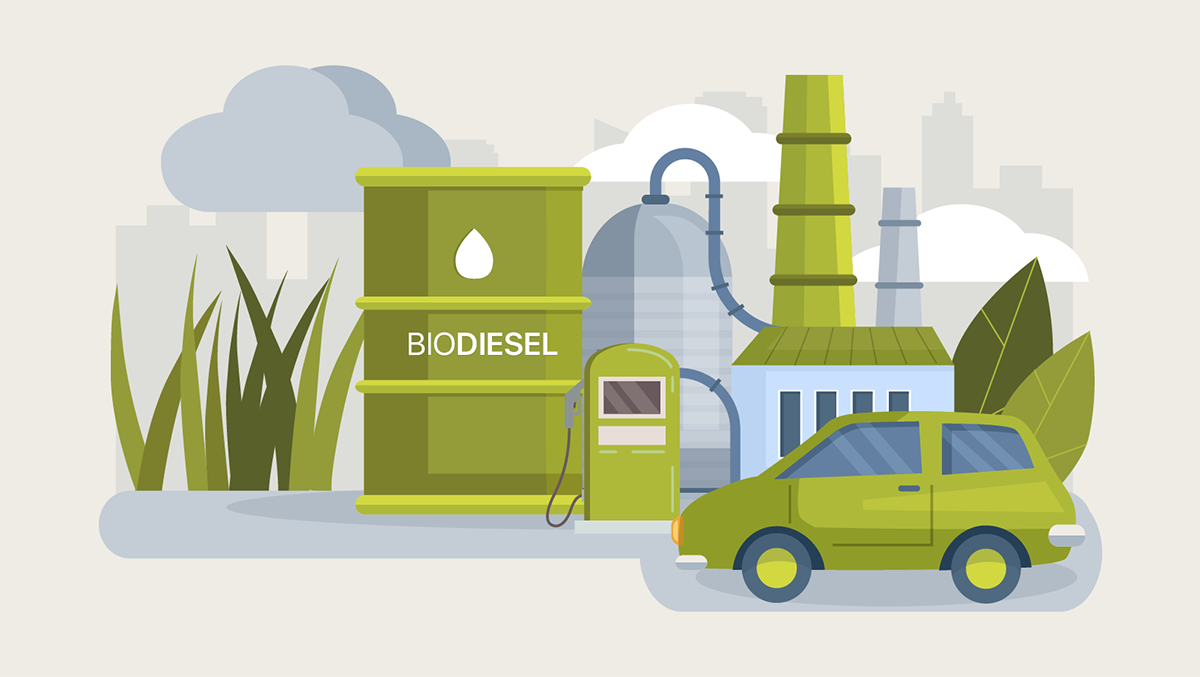
Cleaner energy options aim to reduce pollution, improve efficiency, or decrease net emissions across a product’s full lifecycle. These options include electrification, biofuels, synthetic fuels, and hydrogen in specific uses. Each choice involves trade-offs related to cost, necessary infrastructure, and supply chain demands. A practical list of different types of fuels often considered cleaner alternatives includes electricity, biogas, ethanol blends, biodiesel, renewable diesel, and hydrogen. Some of these various types of fuels can be used immediately in existing engines, while others require new equipment. This variety is a useful way to think about cleaner options without assuming one solution is suitable for every region.
What Is Hydrogen Fuel And Why Is It Important?
Hydrogen is an energy carrier, requiring production from electricity or fossil resources before storage and use. It can generate electricity in fuel cells, yielding water as the main byproduct. Alternatively, burning hydrogen is possible, though this may create nitrogen oxides under certain conditions.
Hydrogen’s significance lies in its potential to decarbonize difficult sectors. These include heavy transport, industrial processes, and long-duration energy storage. Its viability depends on the production method, cost, and necessary infrastructure. This all relates to the broader question of what fuels are there when considering non-traditional fuel options.
How Does Nuclear Fuel Work?
Nuclear fuel produces energy through fission. This process splits the nucleus of a heavy atom, releasing heat. This heat generates steam to drive turbines and produce electricity. Nuclear plants offer steady output over long periods, and their fuel has a very high energy density compared to combustion fuels.
Nuclear energy mandates strict safety systems, a specialized workforce, strong regulation, and long term waste management plans. People often compare nuclear to fossil fuels and renewables in all types of fuels discussions, even though nuclear involves no combustion. Fusion, where light nuclei combine, is a distinct concept, but it is not yet widely used for commercial power generation.