Need Emergency Fuel Delivery?
  info@elanfuels.com
Key Takeaways
- The cars that run on diesel are only the versions built and sold with a diesel engine.
- Cars that use diesel fuel have compression ignition and higher-pressure fuel systems.
- Labels on the fuel door and the owner’s manual are the fastest confirmation tools.
- Misfueling can damage pumps, injectors, and emissions parts, so verify before pumping.
- The types of vehicles that use diesel fuel most often are heavier vehicles and long-distance users.
Table of Contents
What Cars Take Diesel?
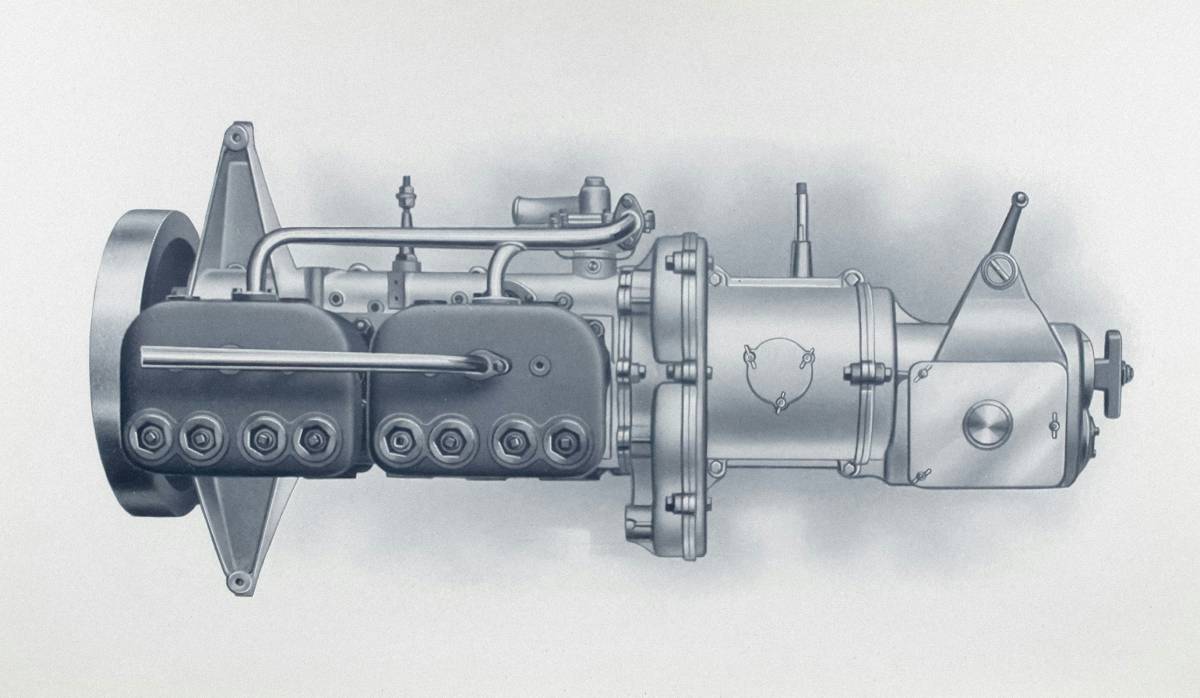
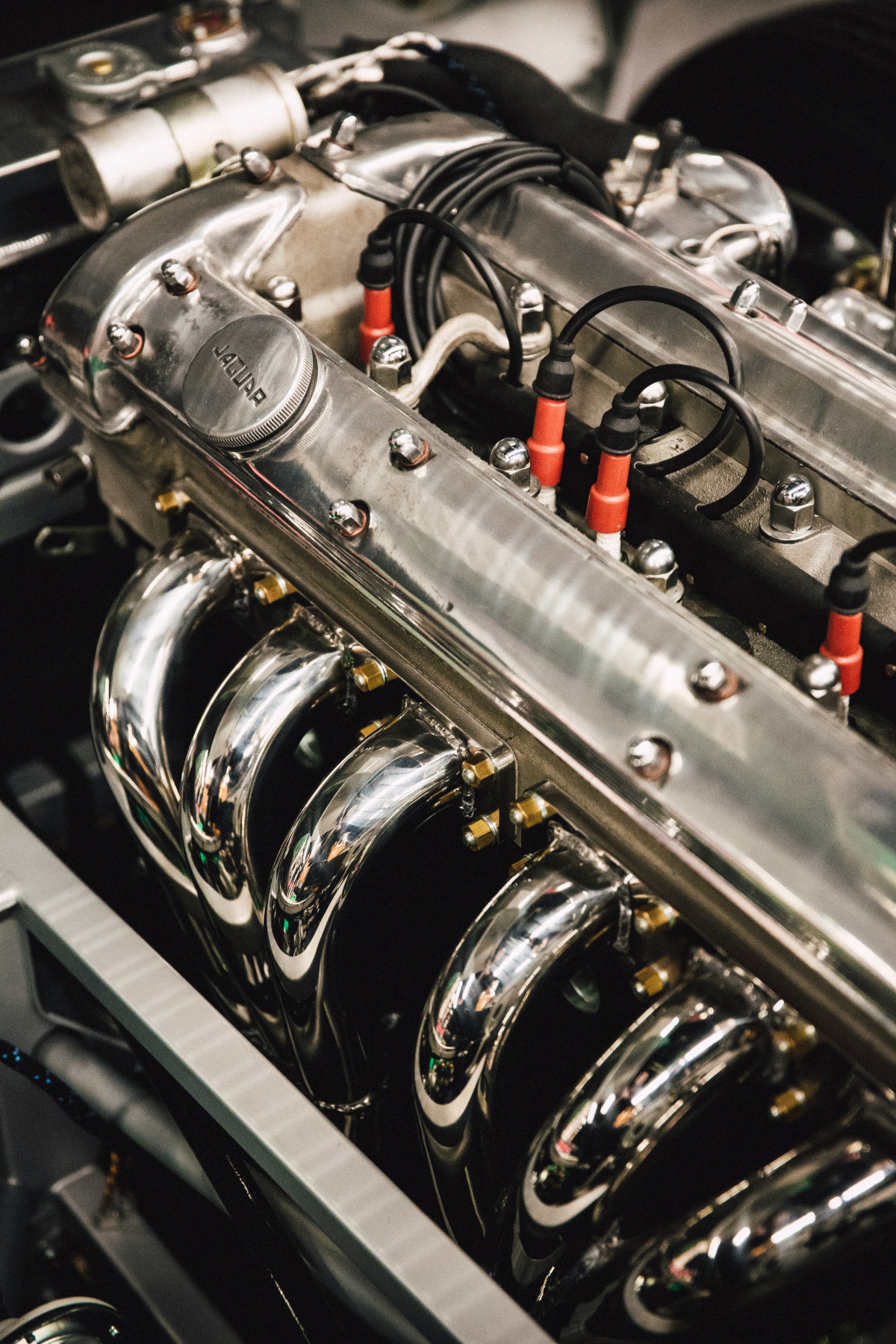
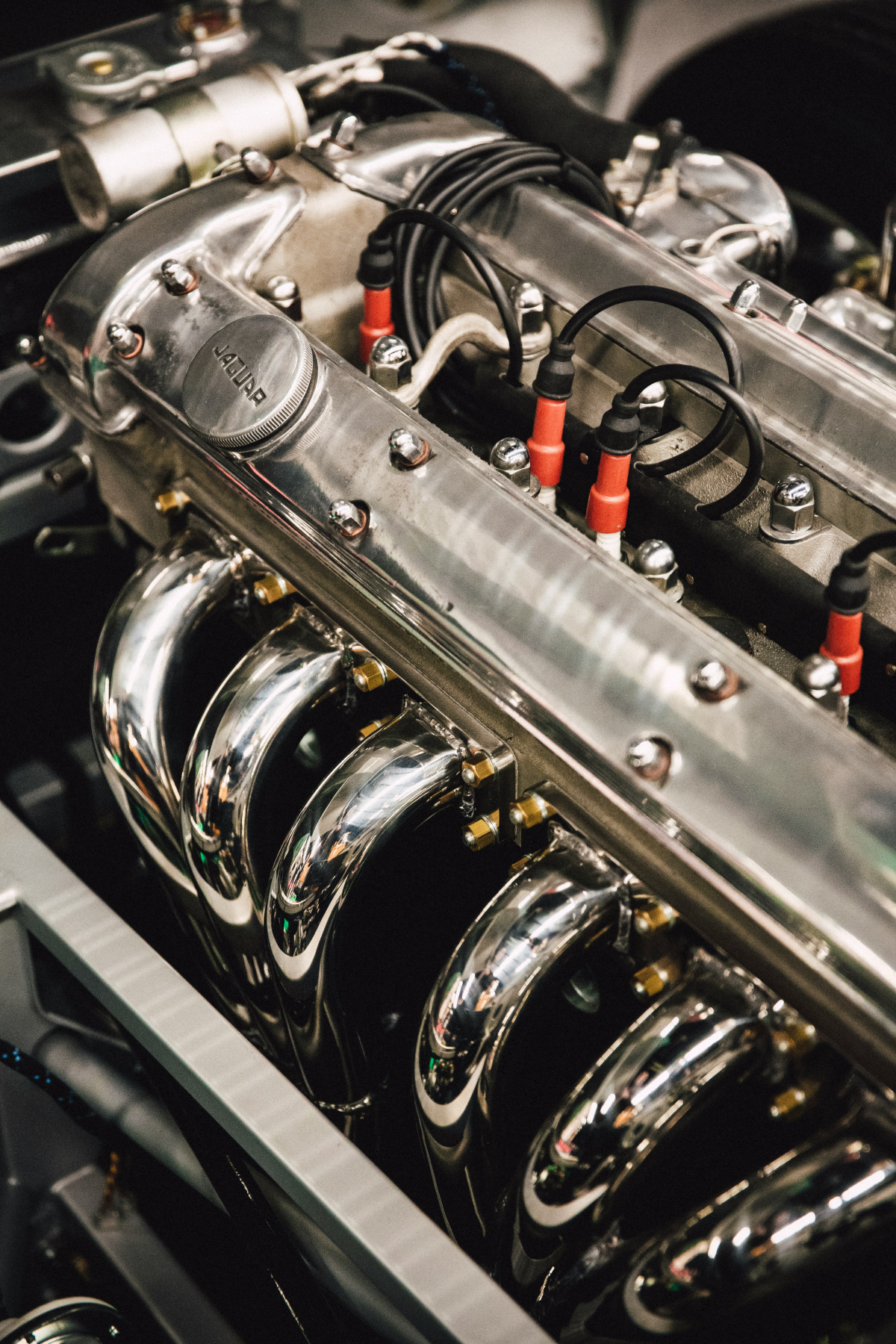
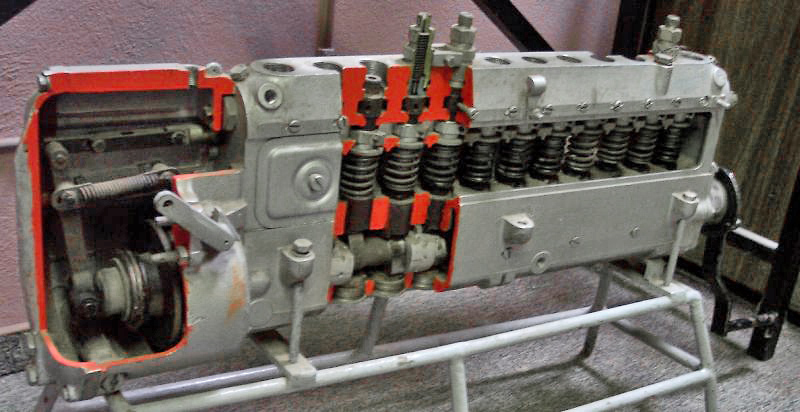
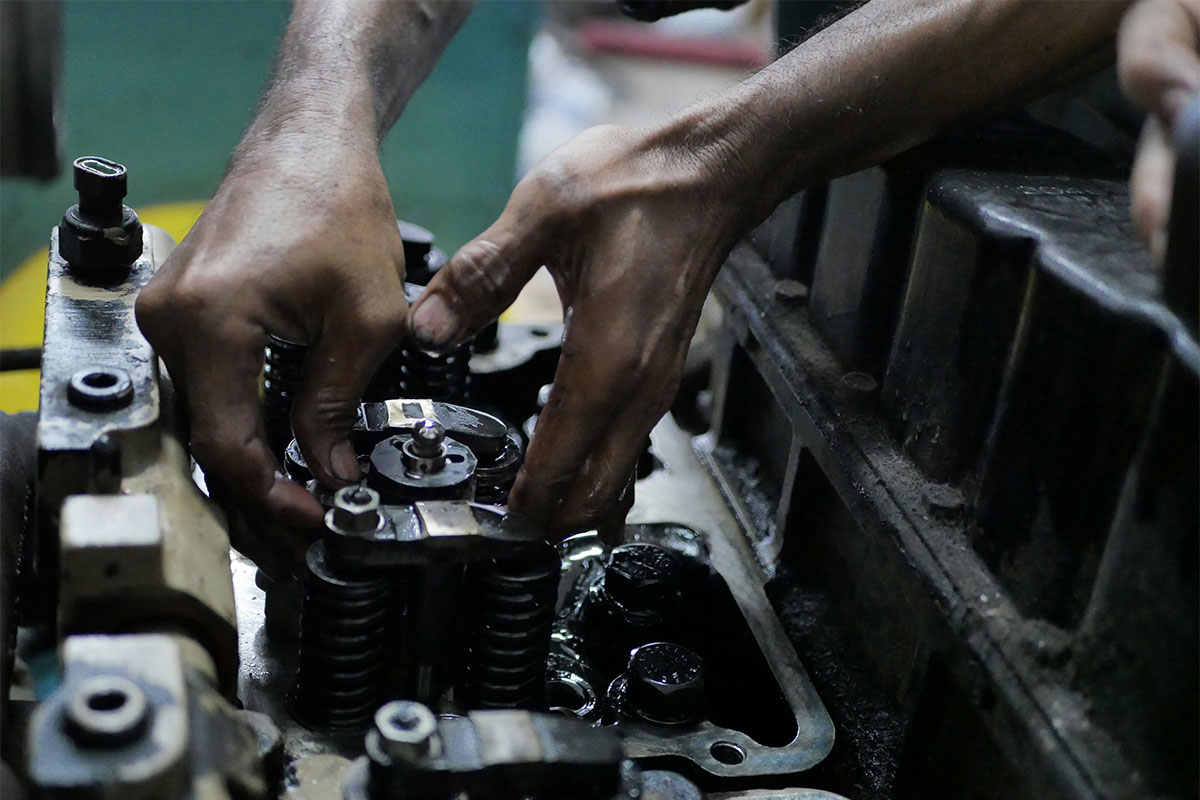
A diesel passenger car uses a diesel engine, which compresses air until the heat ignites the injected fuel. A gasoline engine, in contrast, typically uses spark plugs for ignition. Diesel engines require different components like injectors, pumps, pistons, and control systems because the combustion pressures are higher. Additionally, diesel fuel has unique lubrication properties.
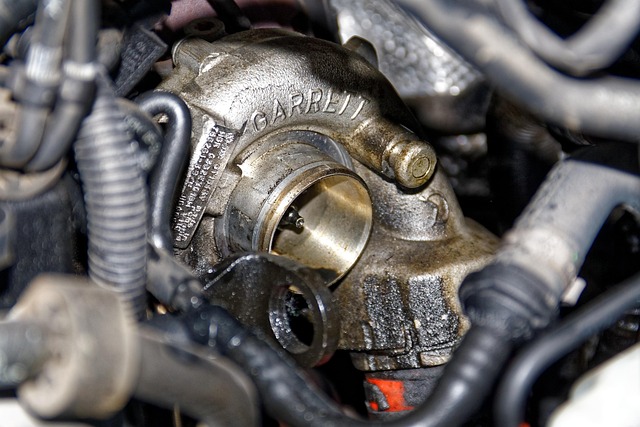
Therefore, the answer to what cars take diesel gas is simple. Only vehicles engineered and sold specifically as diesel models should use diesel fuel. Since some car models are available in both diesel and gasoline versions, you should never guess the fuel type based only on the badge. Always confirm the correct fuel type at the fuel door and in the owner’s manual. Then match it to the pump label. Diesel cars incorporate additional components such as a high-pressure common rail injection system, a fuel water separator, and often a turbocharger to boost low-speed power. Many also utilize glow plugs to aid in starting the engine when cold. These specialized parts are essential for diesel combustion and fuel delivery.
Why Are Cars That Take Diesel Still Popular Today?
Diesel remains a good choice when drivers prioritize low-speed torque, consistent highway fuel economy, and less frequent stops for refuelling on extended journeys. This is beneficial for tasks like towing, transporting substantial cargo, and long-distance driving. In certain areas, diesel is still prevalent because vehicle fleets and maintenance facilities are equipped to support it.
The availability of diesel options differs significantly by market and model year. Emissions standards, fuel prices, and manufacturer strategies all determine which vehicles offer diesel engines. Consequently, the answer to what cars use diesel gas can vary dramatically between the United States, Europe, Africa, and parts of Asia. Diesel suitability also depends on driving habits. Drivers who take longer highway trips experience the best results. Those who only drive short distances may encounter greater diesel emissions maintenance costs over time. Understanding your typical route helps determine if diesel ownership is a good fit.
Types Of Vehicles That Use Diesel Engines
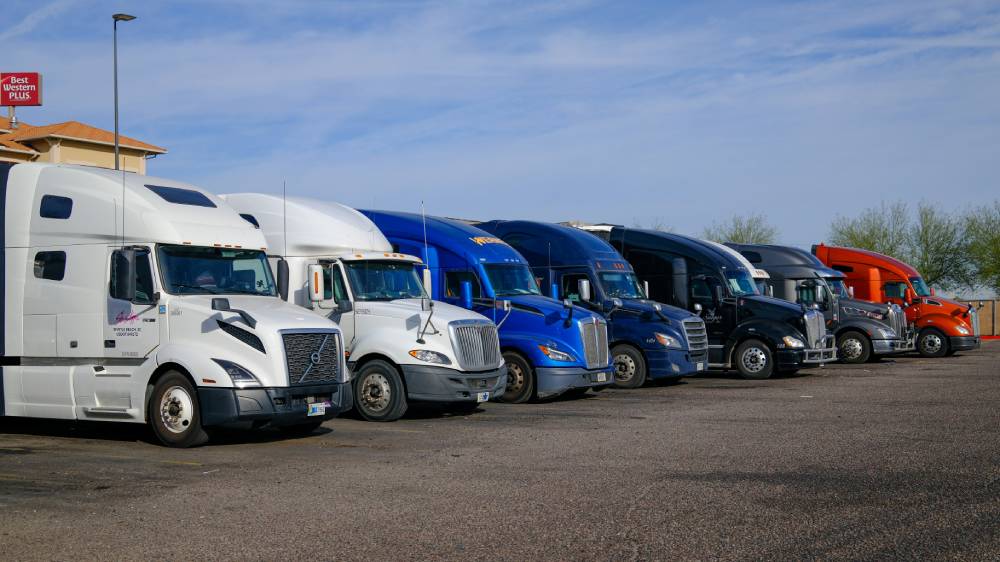
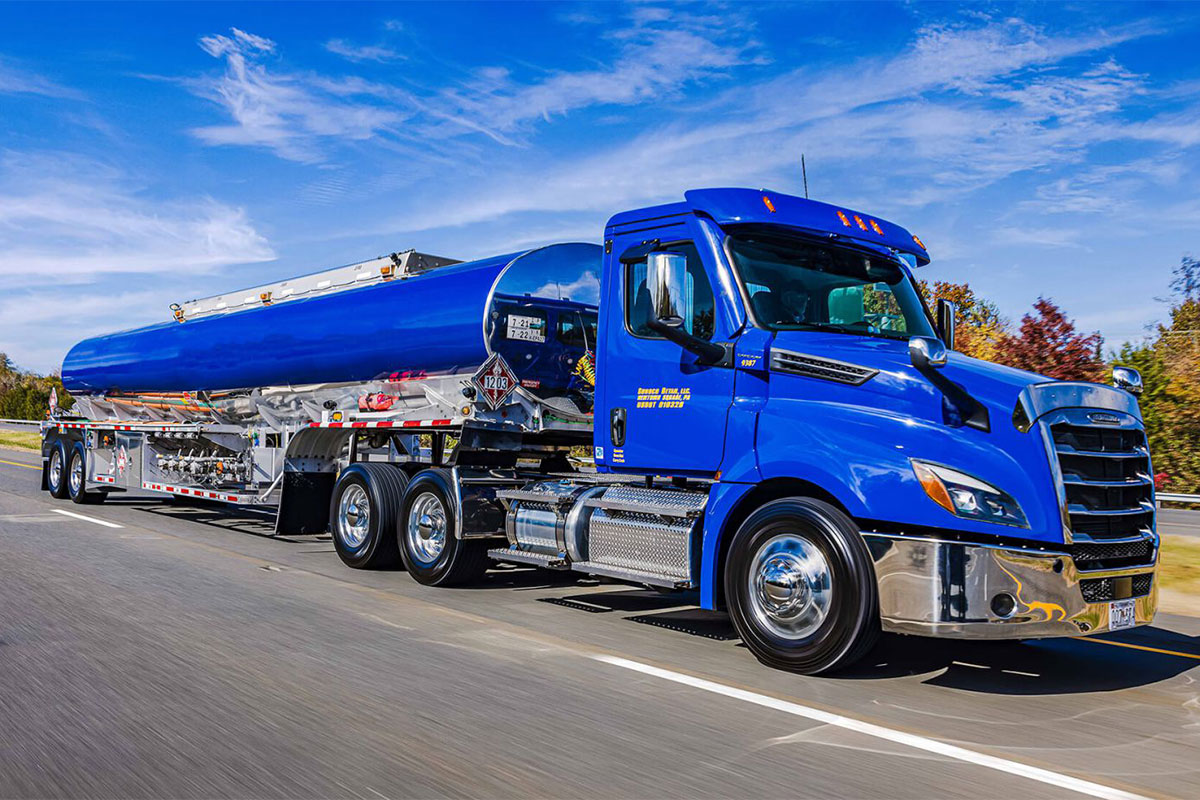
When people ask what vehicles use diesel fuel, the most common answers are vehicles built for work and weight. Diesel torque helps move heavy vehicles smoothly without needing high engine speed. Common vehicles that run on diesel include passenger sedans and hatchbacks in certain markets, many SUVs used for towing and long trips, pickup trucks and commercial vans, and medium-duty and heavy-duty trucks, buses, and off-road machines. Diesel engines are therefore associated with hauling, towing, and high-mileage duty cycles.
Do Regular Cars Use Diesel?
A regular car uses diesel only if it is the diesel version of that specific model. Most common cars use gasoline, even if the same car name has a diesel option available elsewhere. Use these checks to confirm. First, read the fuel door label; it may say diesel only. Second, check the owner’s manual’s fuel specification page. Third, look up the engine using the VIN through a dealer or reliable database. Finally, check registration documents if they list fuel type. For questions like what car uses diesel gas and what cars need diesel gas, the rule is simple: only the factory diesel variant uses diesel.
Not Sure If Your Car Takes Diesel? Stop Guessing At The Pump.
A badge isn’t proof. Use the same quick checks your article recommends—fuel door label, owner’s manual, and a VIN/engine lookup, so you don’t risk a costly misfueling mistake.
How Do I Know If My Car Takes Diesel?
Use more than one indicator, especially on used vehicles. Labels and documentation are more reliable than badges. Check the table below to know if your car takes diesel.
| Check | What you may see on a diesel vehicle | What it means |
|---|---|---|
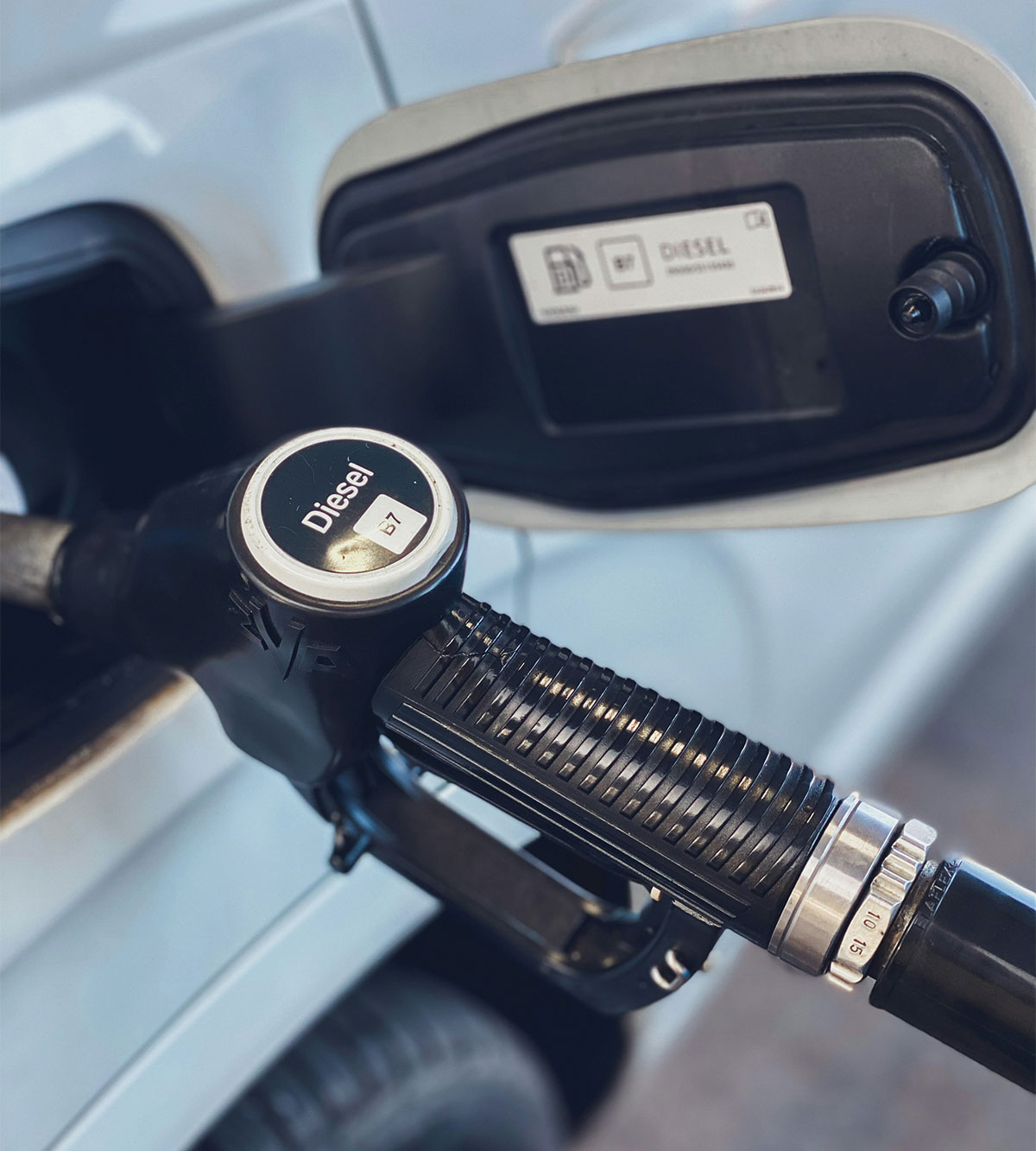
| Fuel cap or fuel door | Diesel only wording | The vehicle requires diesel fuel |
| Dashboard prompt | Diesel-related message | The system expects diesel |
| Owner manual | Fuel section naming diesel | Official specification |
| VIN and dealer lookup | Engine code tied to diesel | Confirms the installed engine |
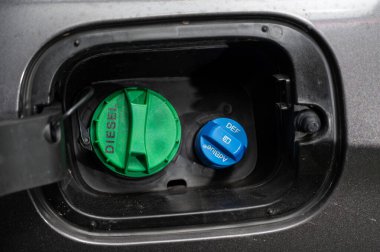
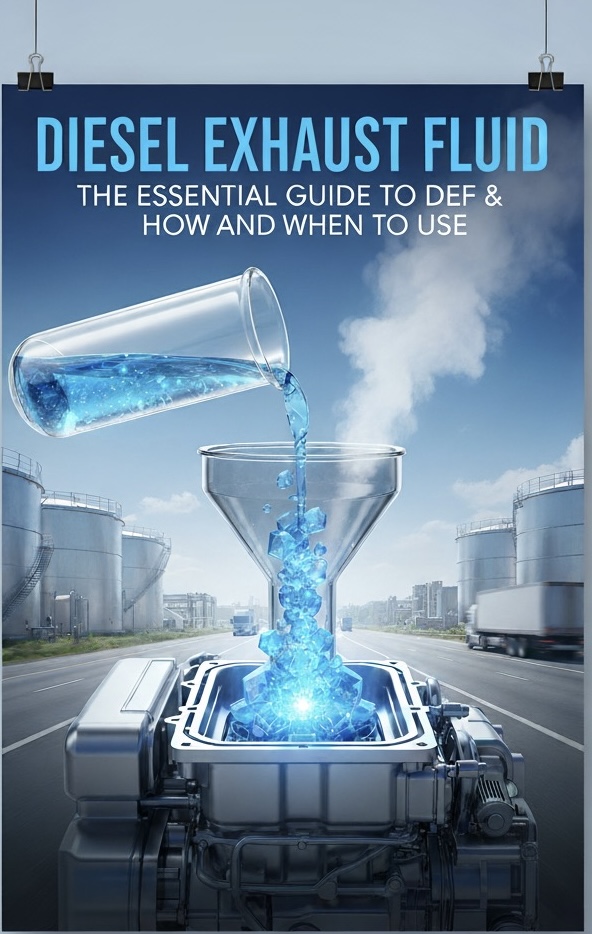
Nozzle fit can help, but it is not a universal indicator. If you are still unsure, do not fuel yet. Ask a dealer, a mechanic, or consult the owner manual for confirmation before pumping fuel. Some modern diesels also have a separate filler for diesel exhaust fluid, or a dashboard reminder about the fluid level. A second capped port near the filler area or a diesel exhaust fluid warning indicates the vehicle is likely a diesel. Always confirm with the owner manual because cap colors and layouts differ by model.
Can I Put Diesel In Any Car?
No, diesel fuel should never be used in a gasoline engine. Gasoline engines are designed specifically for spark ignition and the proper flow of gasoline. Diesel will contaminate spark plugs and disrupt the combustion process. This may cause the engine to run poorly or fail to start. Damage can occur if the wrong fuel reaches sensitive engine parts.
If diesel goes into a gasoline car, follow these steps.
- Do not start the engine.
- Arrange towing to a qualified shop for draining and cleaning.
- Keep receipts and notes for documentation.
Putting gasoline in a diesel engine is a serious issue. It reduces lubrication for the high-pressure pumps and injectors. This is why cars that take diesel, gas and gasoline must be handled separately at the fuel pump. If the engine has been started after misfueling, turn it off safely and stop driving immediately. The main goal is to limit the travel of the wrong fuel through the system. A repair shop can advise on the proper next steps for your vehicle.
Buying A Used Car—Is It Diesel Or Gas? Confirm Before You Commit.
Some models come in both diesel and gasoline versions, and looks can fool you. Use a simple verification routine (labels + documents + VIN) to confirm the exact engine before purchase, or before your next fill-up.
How To Tell If Gas Is Diesel Or Regular?
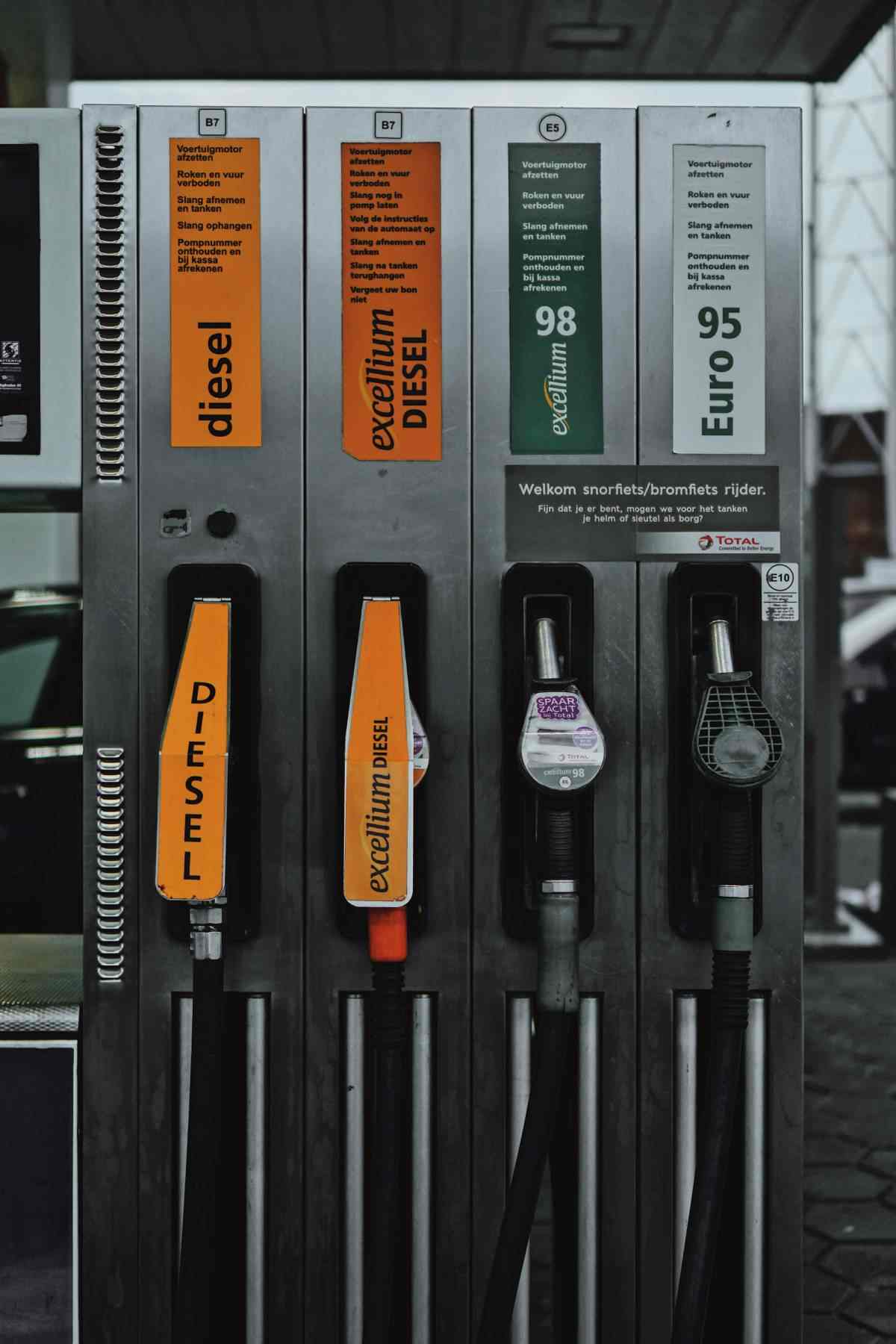
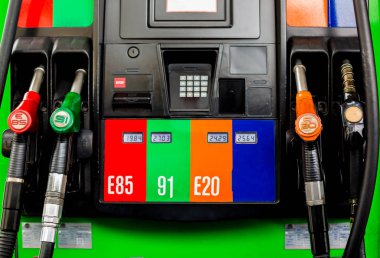
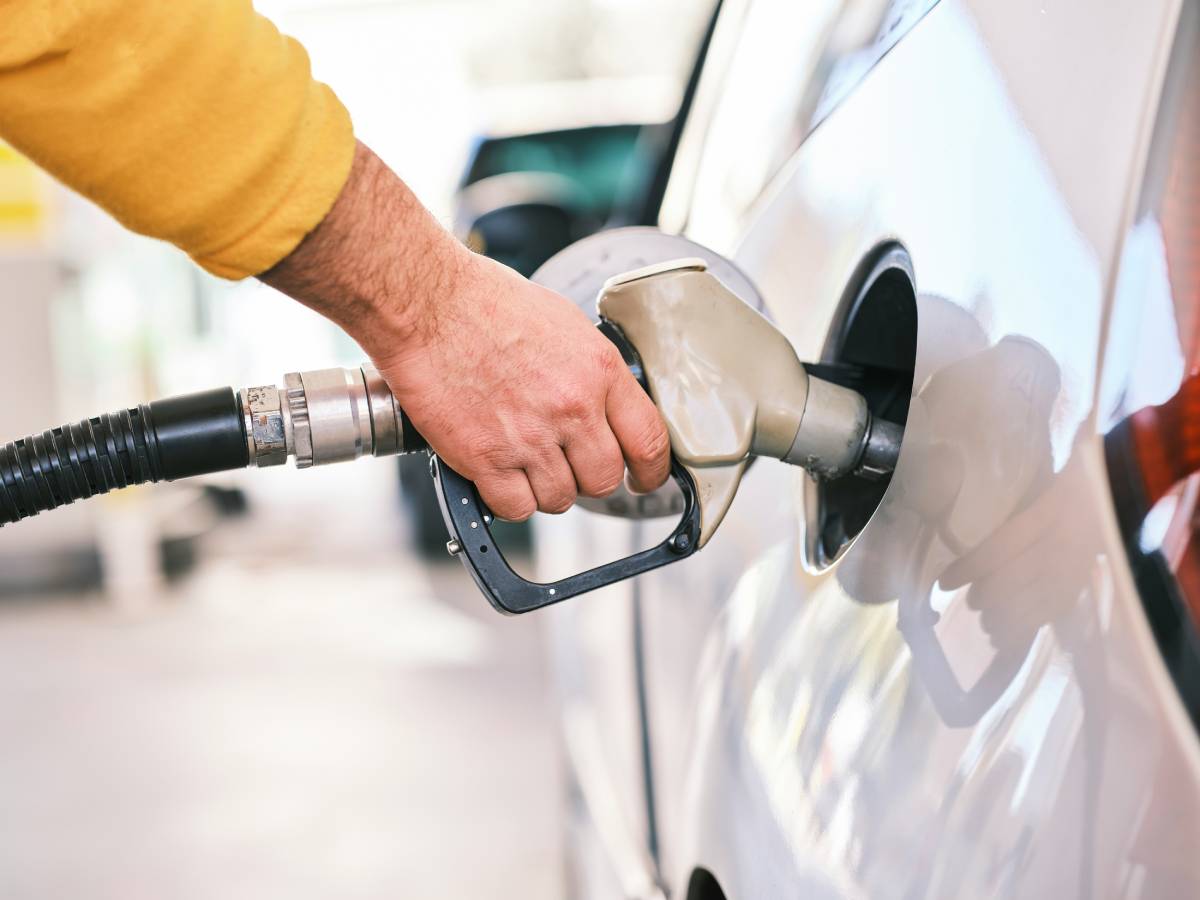
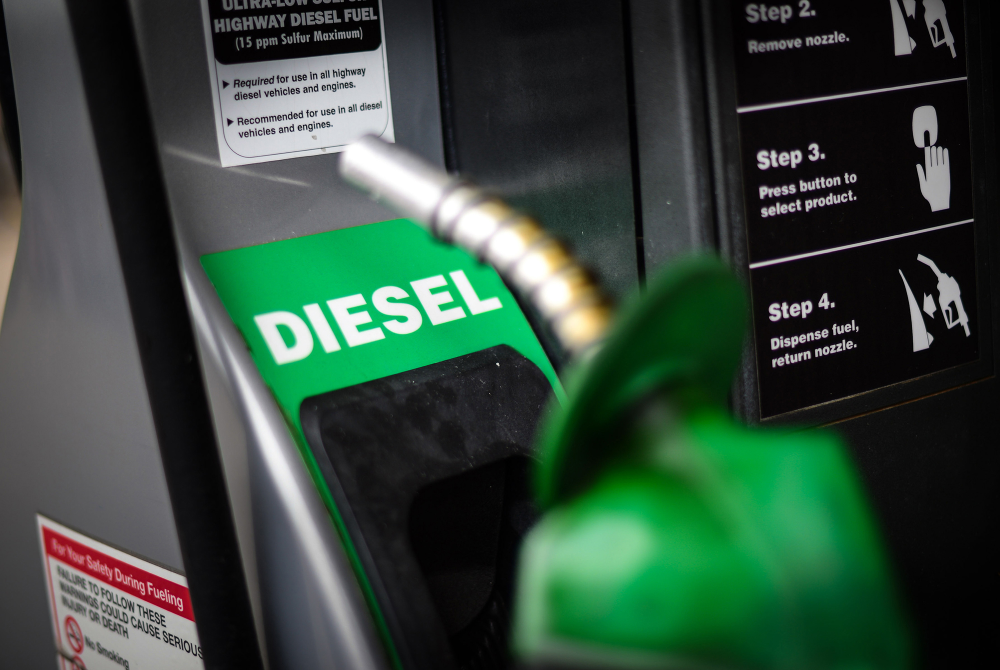
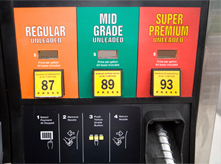
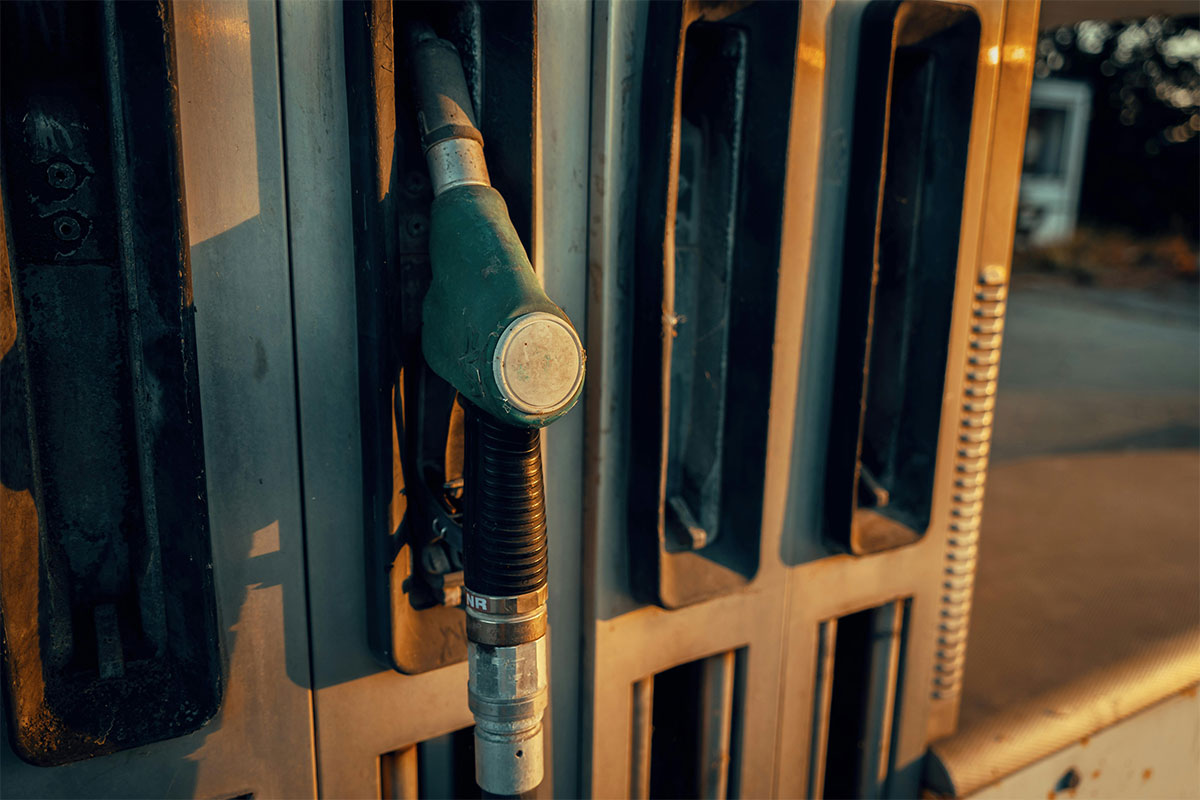
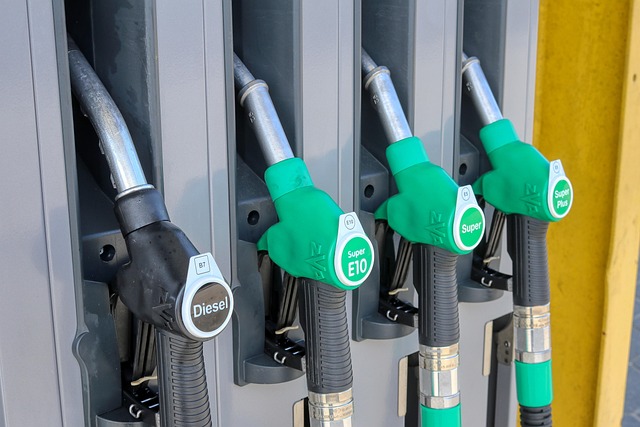
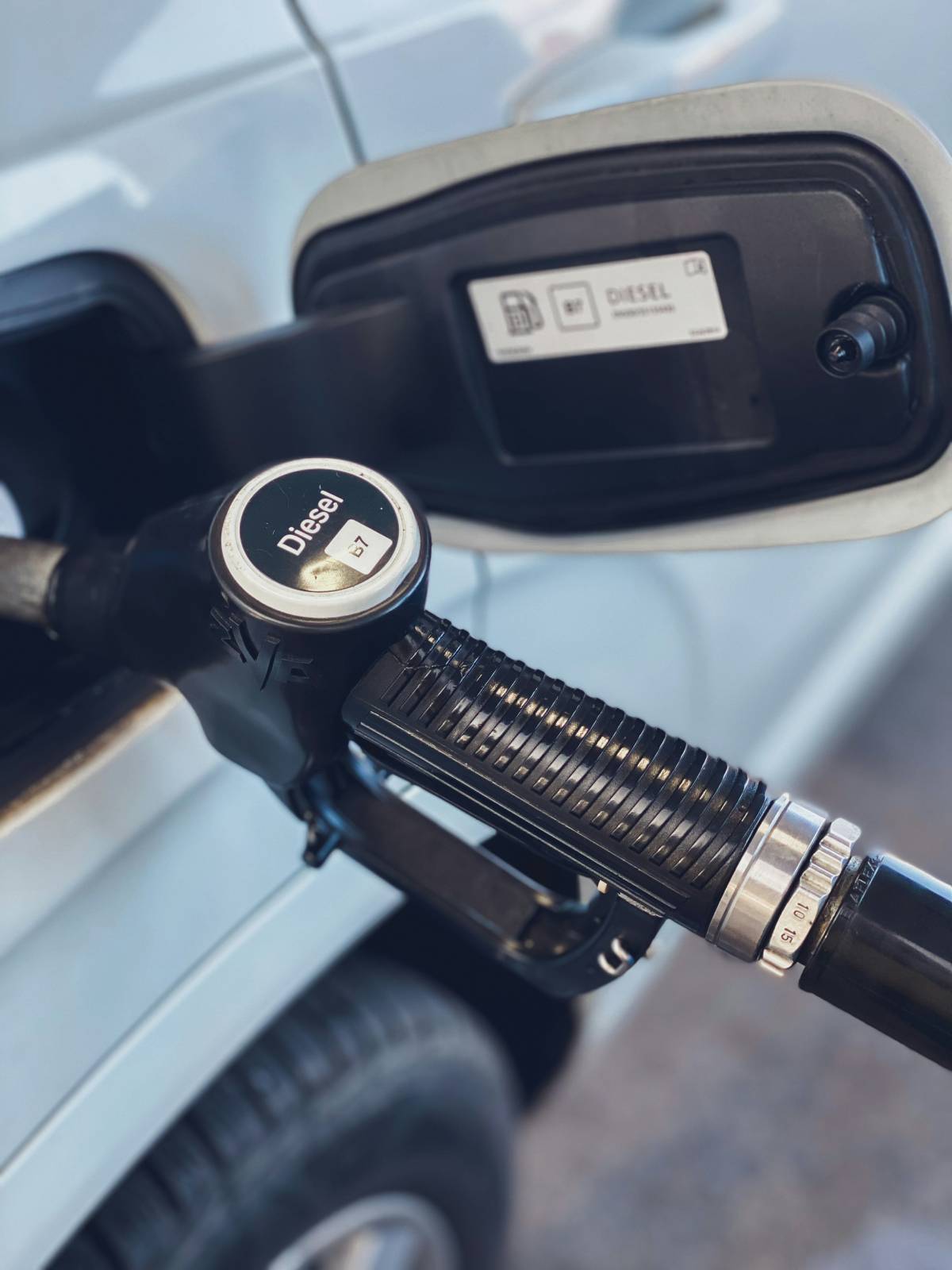
To ensure you select the correct fuel, always start by checking the label. First, read the pump grade, and then confirm it against the label on your vehicle’s fuel door. At stations with multiple nozzles, only choose the one clearly marked diesel. While diesel can have a heavier smell and feel slightly oily, these sensory details are not reliable tests. Instead, establish a consistent routine. Pause, read all labels, and confirm the precise fuel type before lifting the nozzle. This practice minimizes mistakes and helps everyone remember what vehicles take diesel fuel.
Do Toyota Cars Use Diesel?
Toyota produces diesel engines globally, primarily for utility vehicles like SUVs and pickups in regions where diesel is popular. Diesel availability depends on local demand and emissions regulations, leading to varying choices by country. When researching what cars take diesel gas with Toyota, distinguish between the global and United States lineups. Toyota in the U.S. focuses more on gasoline and hybrid powertrains, while diesel is more prevalent elsewhere.
Which Toyotas Are Diesel?
Toyota offers diesel engines in various models depending on the region and model year. These often include the Land Cruiser, Land Cruiser Prado, Hilux pickup, and Fortuner variants. It is crucial to confirm the specific engine code and fuel requirement, as the model name alone is insufficient. This is why practical questions like what cars use diesel gas and cars that take diesel gas are essential for verification.
Do SUVs Use Diesel?
Diesel engines are often used in larger SUVs because these vehicles are heavy and frequently utilized for towing, long trips, and carrying cargo. The increased torque from diesel engines assists on hills and with trailers. Diesel also provides excellent highway range for extended drives. Not all SUVs offer a diesel option, and availability varies by market and year. However, diesel remains popular for owners who prioritize towing capability and high mileage. This is why many searches for cars that use diesel fuel often lead to SUV models.
What SUV Uses Diesel?
Select a diesel SUV based on use case, support, and total cost, not solely on brand prestige. Prioritize your specific towing requirements and ensure convenient access to service and parts. Ask the following questions;
- Does the exact trim list a diesel engine in the official specifications?
- Is diesel emissions service and parts support strong in your area?
- Does your driving include enough highway use to suit diesel ownership?
These checks help you decide what vehicles use diesel gas in your market and whether diesel fits your routine.
Diesel Vehicles Currently Available In The US Market
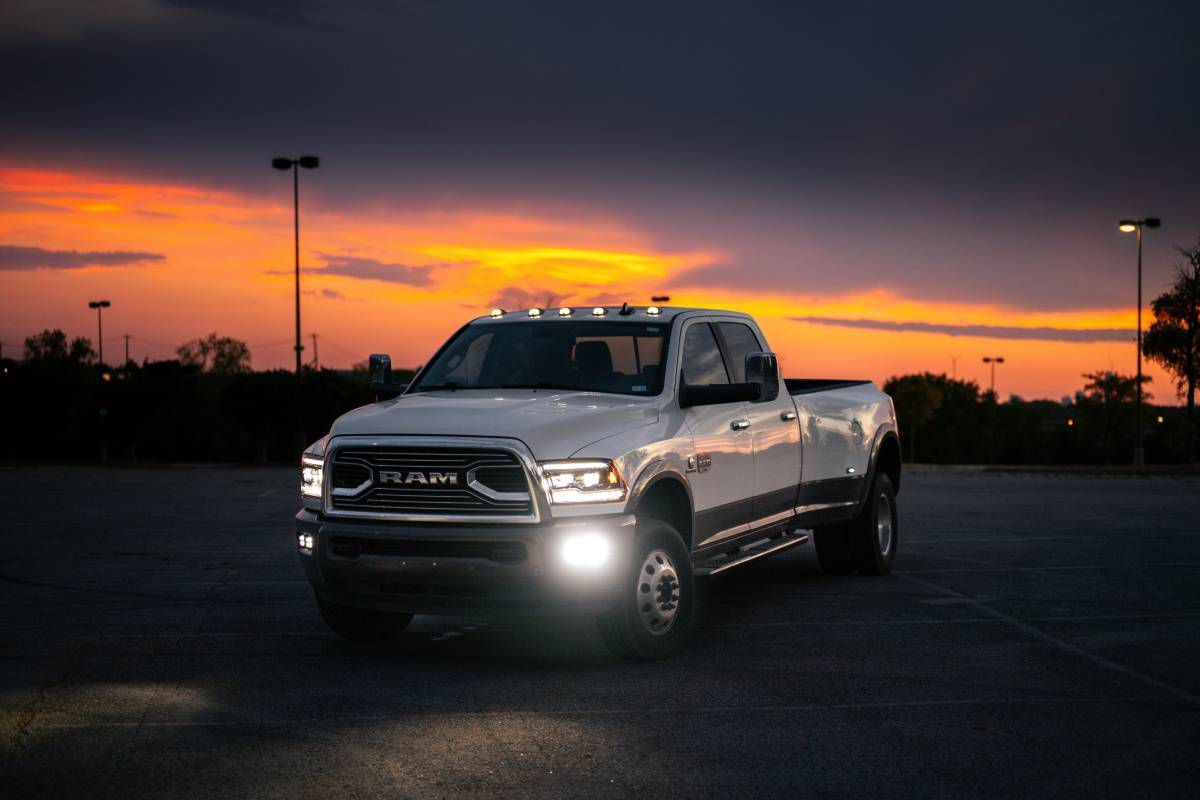
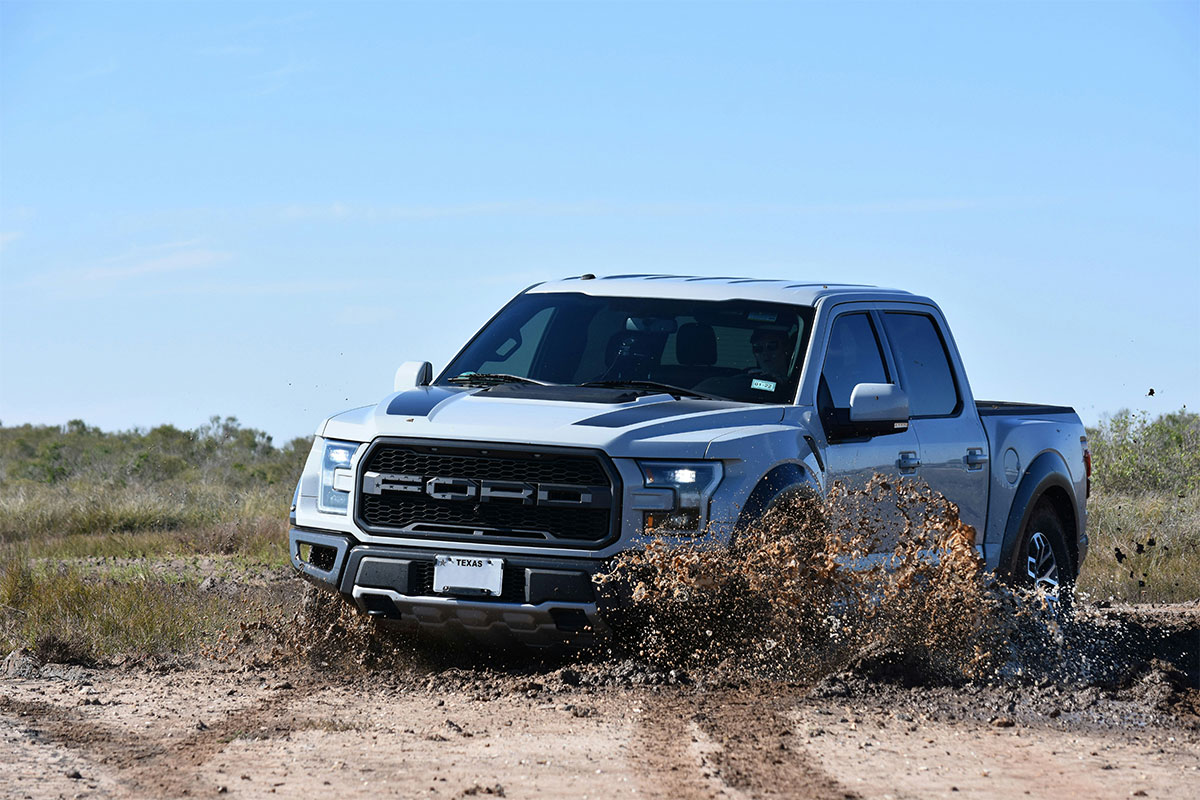
In the United States, diesel is most common in heavy-duty pickup trucks and commercial vehicles. Passenger car diesels are less common than in some other regions, and model year choices can vary. Buyers frequently choose diesel for towing, long-distance driving, and business fleets.
To evaluate diesel fuel vehicles, focus on verifiable criteria. Check engine and trim details, reliability history, and the local service network. Emissions system complexity must be planned for, as modern diesel aftertreatment adds cost and requires correct maintenance. Diesel is less suitable for short city trips than for longer highway runs. When shopping, always verify the fuel type even within the same model family. A gasoline and diesel version can share the body, interior, and trim name. Only the engine specification and fuel labels confirm the type. This is important when asking what vehicles use diesel fuel because the answer can change between model years.
Automotive Brands Still Selling Diesel Cars In America
Diesel passenger car adoption in America has declined, though diesel remains popular in trucks and work vehicles. This change is due to the rising cost of emissions compliance, shifting consumer preferences, and the increased availability of hybrid and electric vehicle options. Despite the decline, vehicles that use diesel fuel in America still include many pickup trucks, some large SUVs in certain years, and commercial vans. Buyers should confirm the fuel type by checking the engine and trim specifications before purchasing.
Running Costs Of Diesel Vehicles?
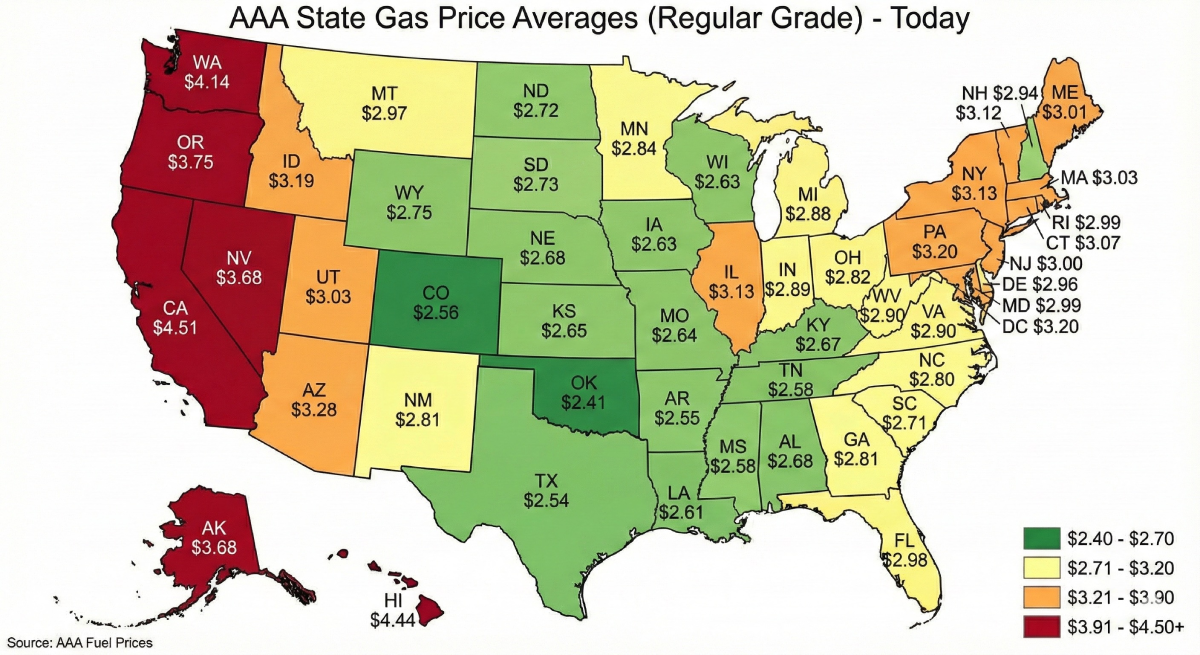
Running costs depend on local fuel prices, driving style, and the complexity of the engine and emissions system. Diesel engines often provide better highway fuel economy, especially when carrying a load, but diesel fuel may cost more per litre in some areas. Significant savings are mainly realized by drivers who cover many kilometres annually. Maintenance can be more expensive than for gasoline vehicles. Components like diesel fuel filters, turbo systems, high pressure pumps, injectors, and emissions components are often costly. Oil changes may also incur higher costs due to larger oil capacity and specific oil standards. For an accurate comparison, estimate the total cost per kilometre, which includes fuel, routine service, tyres, and anticipated repairs. This comprehensive figure helps determine if cars that take diesel gas are financially practical for your budget.
Modern diesel emissions systems require specific driving conditions. Some vehicles activate a cleaning cycle when the engine is hot and driven steadily. Frequent short trips may prevent this process from completing, potentially increasing maintenance needs. If you plan regular short urban drives, factor this reality into your total cost estimate and your purchase decision.
Considering A Diesel SUV Or Toyota? Make Sure Diesel Fits Your Driving.
Diesel can make sense for towing and long highway trips, but it’s not ideal for constant short city driving, and availability varies by market and model year. Use a quick “diesel fit” self-check before choosing a diesel vehicle.
The Future Of Diesel Vehicles In America
Diesel remains crucial for towing, hauling, and commercial work despite the rise of hybrid and electric vehicles. Heavy-duty applications benefit greatly from diesel’s high torque and extended range. Additionally, many owners value the engine’s proven durability under constant load. Consequently, diesel trucks and commercial vehicles often represent sound investments for owners prioritizing torque-focused performance.
For smaller passenger cars and light SUVs, diesel faces strong competition from efficient hybrid and electric options. The optimal choice depends entirely on individual driving habits. Diesel is still an excellent match if your use involves frequent towing, long-distance driving, or operating a work fleet. Conversely, other powertrains may be simpler if most trips are short city drives. Consider these factors to determine what vehicles take diesel fuel best suits your operational needs.