Need Emergency Fuel Delivery?
  info@elanfuels.com
Key Takeaways
- Ethanol in gas can raise octane and support cleaner combustion in many engines.
- Ethanol, when added to gasoline, helps with octane, oxygenation, and fuel supply planning.
- Gasoline contains ethanol in many regions, and regular fuel is an ethanol blend.
- 87 octane gas is often a low ethanol blend like E10, but check the labels to be sure.
- Always check the pump label and your owner’s manual before choosing an ethanol blend.
Table of Contents
What Does Ethanol Do In Gas?
People commonly ask what ethanol does ethanol do in gas, wondering about the effects of blending ethanol into gasoline. Ethanol functions as both an octane booster and an oxygenate. This means it helps fuel resist engine knock and promotes a more complete burn under certain conditions. For this reason, ethanol gasoline blends are carefully treated as engineered fuels.
During combustion, ethanol introduces oxygen through its chemical structure. This oxygen influences how the air and fuel mixture burns inside the engine cylinder. Practically, the blend often supports a cleaner burn in many engines, though results depend on the specific design, temperature, and calibration. Therefore, what ethanol does is not a simple answer for every vehicle. It is important to recognize that ethanol is not merely a diluent. It has its own energy content and burns, making it a functional fuel component. In many markets, it is used as an ethanol additive to gasoline to achieve specific performance and policy objectives.
Why Is Ethanol Added To Gas And Gasoline?
People ask why ethanol is in gas because the reasons involve chemistry, economics, and policy. Ethanol helps meet octane targets, emissions requirements, and supports domestic fuel supply strategies.
Common reasons you will hear include
- Octane improvement, which helps reduce knock in many engines
- Oxygenation, which can support more complete combustion in some conditions
- Supply and pricing goals, since ethanol can be produced locally in some regions
- Policy and standards that encourage blending, which is why they put ethanol in gasoline, in practical terms
The frequent question of why ethanol is added to gas relates to a combination of cost efficiency, regulatory compliance, and fuel performance. This is why variations like why is ethanol added to gasoline, why is ethanol in gas, and ethanol in gas why are commonly searched.
Confused About Ethanol In Your Gas Tank?
Not sure if E10, E15, or ethanol-free fuel is right for your vehicle? The wrong blend can affect fuel economy, storage stability, and even engine components. Get clear guidance based on your vehicle type and driving habits.
How Does Ethanol In Gas Boost Octane And Oxygenation?
To understand how ethanol works in a gasoline blend, focus on its high octane and oxygen content. Ethanol boosts the finished fuel’s octane rating, which helps reduce engine knock, especially under high-load or compression. Oxygenation is the other key factor. Ethanol contains oxygen, which alters combustion chemistry. This oxygenated blend can promote a more complete burn, affecting certain emissions. This explains why discussions about ethanol energy link to combustion quality as much as raw fuel volume.
What Does Ethanol Do In Gas As A Renewable Fuel Source?
Many consumers ask whether ethanol is renewable or nonrenewable because it often comes from crops or other plant-based materials. When sourced from plant sugars or starches, ethanol is typically considered renewable because the plants can be regrown. This is the basic idea behind bio-ethanol fuel and other plant-sourced ethanol pathways. Questions like what ethanol comes from and why it is renewable, whether ethanol is a biomass fuel, and whether ethanol is biomass arise because ethanol is frequently produced from biomass feedstocks. This explains why ethanol is often grouped with renewable fuels. Ethanol as fuel and fuel ethanol are common terms, and whether ethanol can be used as fuel depends on the engine type and the blend level.
Does Gasoline Contain Ethanol In Most Regions?
Simple availability is a big source of confusion. People frequently ask whether gasoline contains ethanol, does gasoline have ethanol, does gas contain ethanol, and even does gasoline have alcohol because pump choices vary by region and station. Standard regular gasoline is an ethanol blend in many places, but ethanol-free fuel is still sold in some areas. Terminology also matters. Gasoline and petrol refer to the same fuel in many countries, leading to references like ethanol in petrol or labels that say contains ethanol gas.
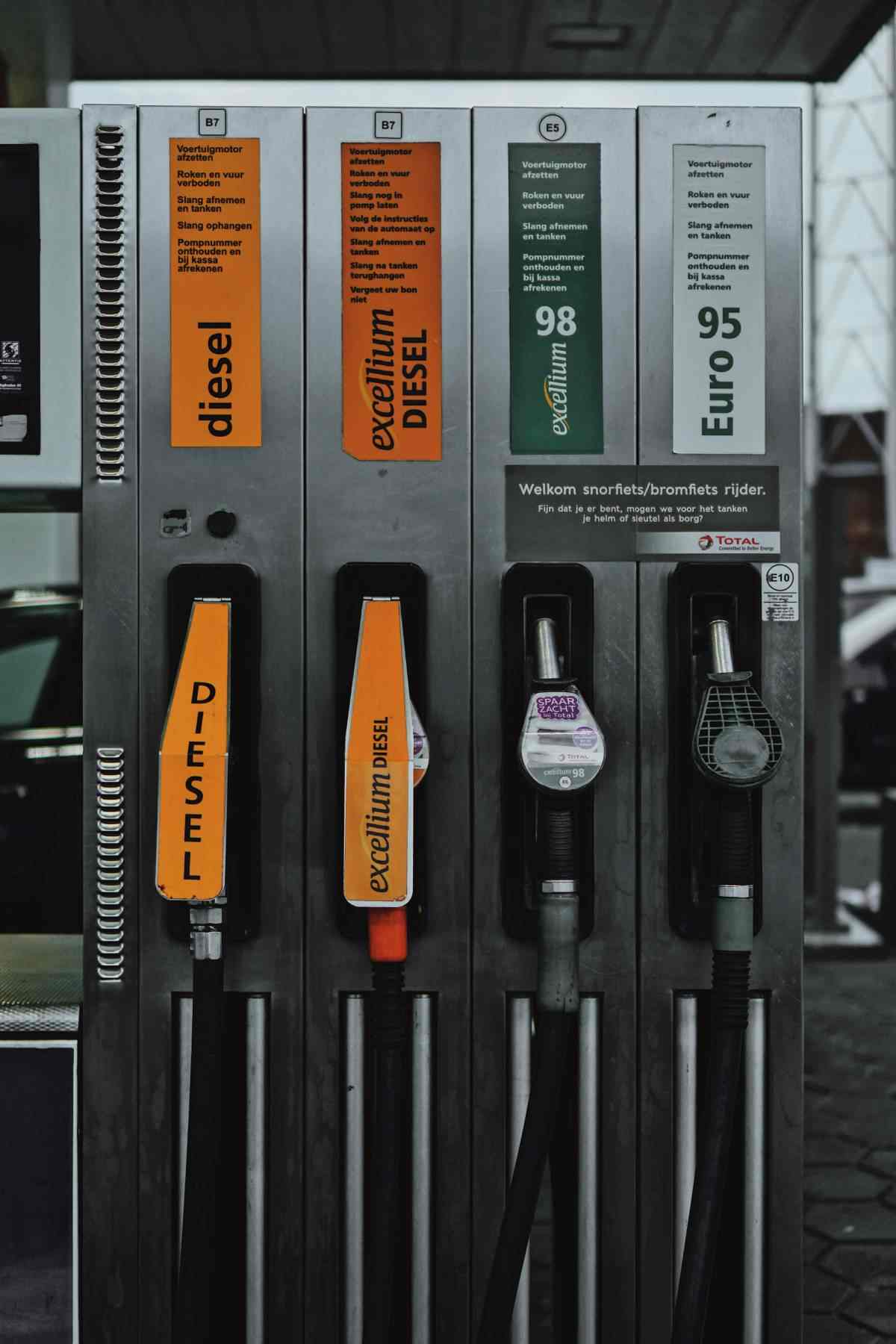
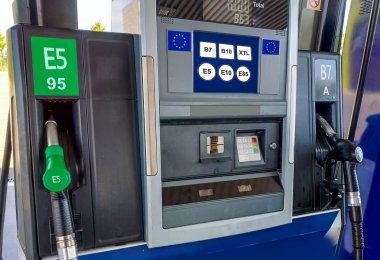
Here is a simple guide to common blend labels and what they usually mean.
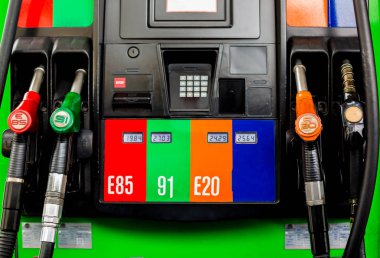
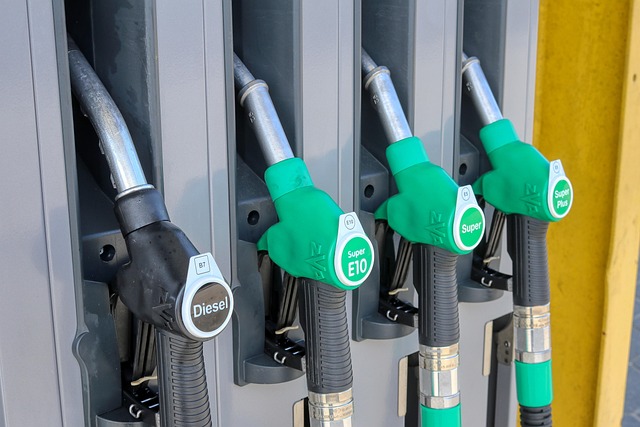
| Pump label | Typical blend meaning | Common use case | Basic vehicle note |
|---|---|---|---|
| E0 | Ethanol-free gasoline | Storage, small engines, speciality demand | Often preferred for long storage |
| E10 | About 10% | Most common regular fuel in many regions | Works in most modern gasoline vehicles |
| E15 | About 15% | Sold in some regions as a standard option | Check owner’s manual before use |
| E85 | High ethanol blend | Flex fuel vehicles | Not for non-flex fuel vehicles |
People ask when they start putting ethanol in gas. The start date varies regionally, depending on country, local regulations, and evolving fuel standards.
How Much Ethanol Is In 87 Octane Gas?
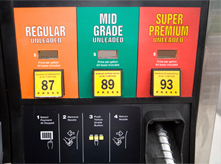
Drivers frequently ask about the ethanol content in regular gasoline, commonly searching for how much ethanol is in 87 octane gas, how much ethanol is in 87 gas, and how much ethanol is in 87. The specific percentage can vary by market and season, but regular fuel is often E10, meaning a low ethanol share. Related searches include ethanol percentage in gas, what per cent ethanol is 87, and 87 octane ethanol content. While 87 octane fuel is often E10, drivers should check the pump label, as assumptions are not reliable. The question is whether 87 gas has ethanol. The answer is usually yes, where E10 is standard, but not everywhere. Finally, some ask if E10 gas is the same as 87. E10 refers to ethanol content, while 87 is the octane rating. They often coincide, but they represent different fuel characteristics.
Does All Gasoline Contain Ethanol?
No, the question, does all gasoline contain ethanol, has a mixed answer. Many stations sell ethanol blends by default, but ethanol-free gasoline is still available in some areas. It may be sold for marine use, small engines, classic vehicles, or fuel storage. Some regions also have exemptions or different blending regulations. If you seek ethanol-free gasoline, look for E0 or ‘ethanol-free’ labelling. If you prefer a higher blend, look for E15 or E85 markings and confirm your vehicle’s compatibility.
Use a fuel compatibility and availability checker to confirm which ethanol blends are safe for your specific vehicle and which fuel types are actually sold in your region.
What Is E10 Fuel Vs Other Blends?
People often ask what the 10 fuel is. E10 is a common blend containing about 10% ethanol mixed with gasoline. It offers octane and oxygenation benefits, and it is compatible with most modern gasoline vehicles. E15 has a higher ethanol content and may require checking the owner’s manual for approval. E85 is a much higher ethanol blend designed for flex fuel vehicles, leading people to ask Is E85 made from corn. Corn is a common feedstock in many supply chains, though other biomass sources can also be used depending on the region.
What Does Ethanol Mean In Fuel?
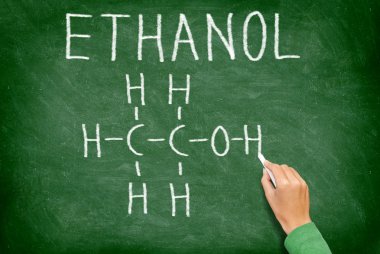
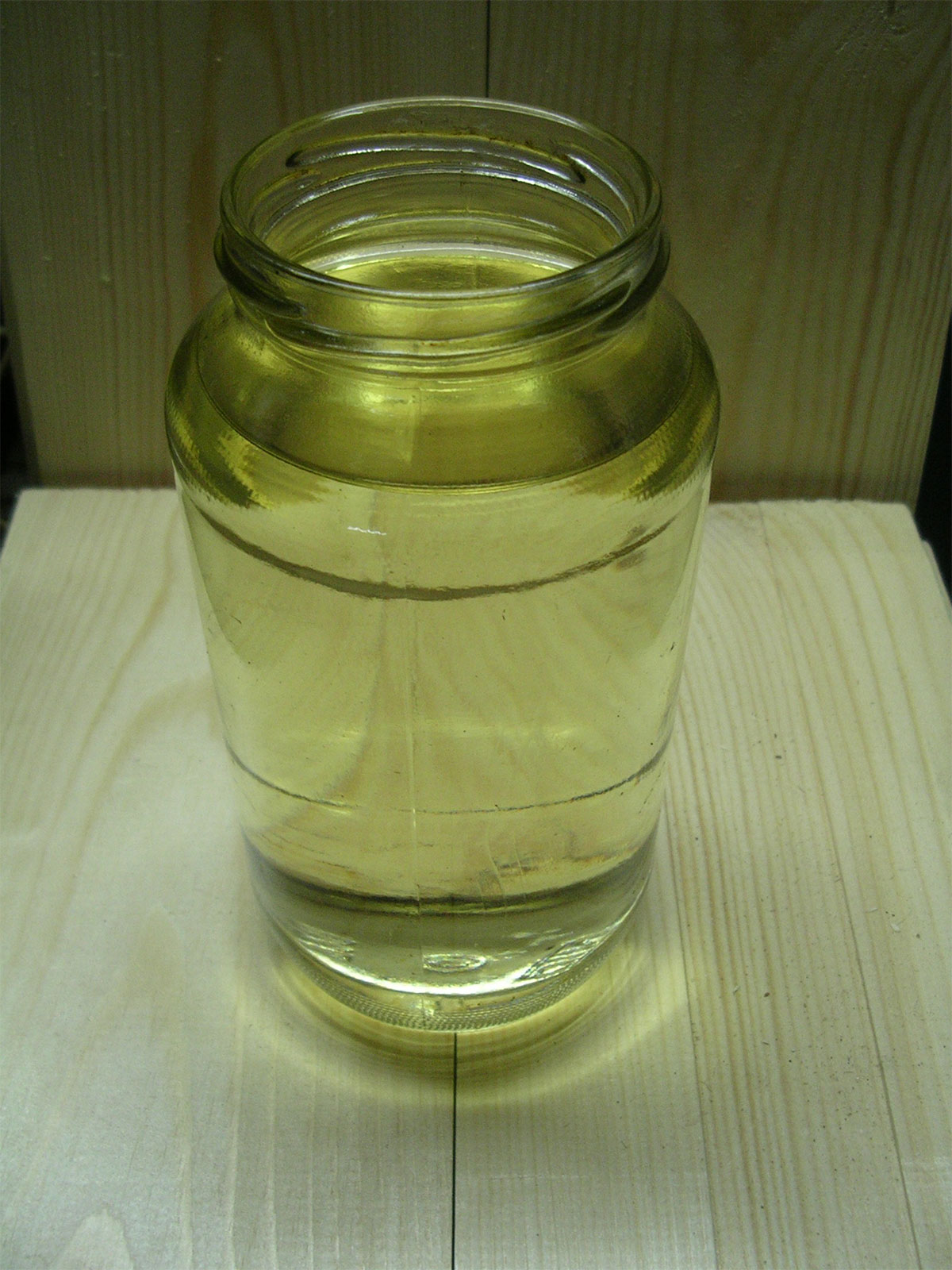
If you are still asking what ethanol is, understand that it is a type of alcohol produced from plant-based materials, commonly blended into gasoline. Many drivers also ask what ethanol is. because it appears on pump stickers without adequate explanation. Ethanol is typically a clear, colorless liquid. That answers the question of what ethanol looks like. At normal temperatures, it is not a gas. Therefore, the question of whether ethanol is a gas often stems from confusing the word “gas” with gasoline. You might also see phrases like what is ethanol gas and ethanol gas meaning used to describe gasoline blended with ethanol, not ethanol as a physical gas.
Ethanol is used for more than fuel blending. People search for what ethanol is used for and what ethanol is used for to find its full range of applications. Uses include industrial solvents, sanitizers, and various fuel applications, depending on its purity and regulation. The topic causes confusion because similar-sounding chemical words are often mixed up. Common errors include what ethanol is, what is ethenol, ethenol gas, ethanol gas, and ethanal gas. Ethene and ethanal are distinct chemicals and should not be confused with ethanol. Some people also ask what is in gas, wanting to know the complete composition. Gasoline is a blend of numerous hydrocarbons and additives, sometimes including ethanol. This leads to questions like is gas ethanol, gas ethanol, ethanol gas, and is ethanol gasoline. Gasoline is rarely pure ethanol; it is typically a blend, and the percentage of ethanol depends on the product label.
Worried About Ethanol Damage Or Fuel System Issues?
Ethanol blends work well in most modern vehicles, but older engines, small equipment, and stored fuel can face risks. Learn how to avoid water contamination, phase separation, and compatibility problems before they cost you.
What Are The Benefits Of Ethanol In Gasoline?
The benefits of ethanol blends depend on the vehicle and the blend level, yet consistent themes exist. Common benefits linked to ethanol in gasoline and ethanol mixed with gasoline in low blend fuels include cleaner combustion in some conditions, octane support, and fuel supply diversity. These blends can also help meet fuel standards requiring oxygenated components. Comparing ethanol vs gasoline simply, the blend’s oxygen content and different energy levels slightly impact fuel economy while achieving octane and combustion goals.
What Does Ethanol Do In Gas To Improve Fuel Performance?
Drivers sometimes feel a difference in how the engine behaves, especially if they switch between ethanol-free and ethanol-blended fuels. Ethanol can support smoother combustion by improving knock resistance and by changing how the mixture burns. In some engines, this can allow the system to maintain optimal timing with less knock correction.
Still, performance changes vary. Engine design, tuning, and sensors play a big role, and the energy content difference can affect miles per gallon. This is why the most accurate answer comes from how your specific vehicle reacts, not from a generic claim about every engine.
Why Is Ethanol In Gas Bad According To Critics?
Real criticisms exist, and addressing them clearly and fairly is important. Many people search for why ethanol is in gas because they have heard negative claims or encountered problems in certain situations.
Common criticisms include
- Slightly reduced fuel economy in many vehicles due to energy content differences
- More sensitivity to long term storage because ethanol can absorb water
- Potential compatibility issues in older fuel systems and some small engines
- Higher blend confusion at the pump, which can lead to misfueling
These issues do not affect every driver the same way, but they explain the debate around why ethanol is added to gas from the critical side.
What Are The Problems With Ethanol Fuel In Real Use?
One of the most practical issues is water. Ethanol can absorb moisture, and in some storage conditions that can lead to phase separation, where water and ethanol separate from gasoline. That can cause rough running or starting problems if the separated layer is pulled into the fuel system. Storage risks matter more for seasonal equipment, boats, and backup fuel cans. Temperature swings and long storage times can increase risk. Cold weather can also affect starting and drivability in some situations, especially with higher blend fuels and older calibrations.
Does Ethanol Destroy Engines Or Damage Fuel Systems?
The short answer is no for most modern vehicles using the blends they are designed for, but real risks exist in some cases. Many modern fuel systems are built with materials compatible with E10 and often E15, depending on manufacturer approval. Problems are more likely in older vehicles, classic cars, and small engines that were not designed for ethanol blends.
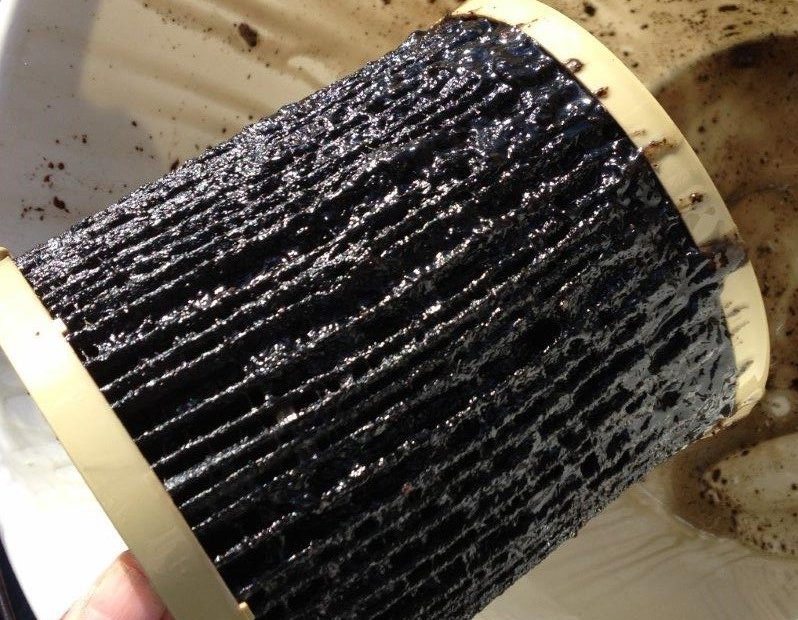
The main concerns involve seals, hoses, gaskets, and fuel system components that can swell, harden, or degrade over time when exposed to ethanol. Another concern is deposits loosened by solvent-like behaviour, which can clog filters in neglected systems. These are not guaranteed outcomes, but they are plausible failure modes in older hardware.
If you store fuel, focus on freshness, container quality, and avoiding water contamination. If your owner’s manual recommends ethanol-free fuel or limits ethanol percentage, follow that guidance.
Why Do Some Drivers Prefer Ethanol-Free Gas?
Ethanol-free gasoline is typically E0, meaning it has no ethanol blend component. Some drivers prefer it for storage, for small engines, and for certain classic or speciality vehicles. They may also prefer it when they want consistent fuel economy or when they have seen problems linked to moisture and storage.
Availability and price vary. Ethanol-free fuel can cost more per gallon and may be sold only at certain stations. In some areas, it is marketed for marine use or outdoor power equipment, so it may not be available everywhere.
Want Better Fuel Efficiency And Performance?
Ethanol boosts octane and supports cleaner combustion—but it can also affect miles per gallon. Compare ethanol blends vs. ethanol-free gas to see what actually saves you money per mile.
How Does Ethanol Compare To Gasoline In Price And Efficiency?
Comparing ethanol vs gasoline at the pump can be misleading if you look only at price per gallon. Ethanol blends can be cheaper or similar priced in some markets, but many vehicles get slightly fewer miles per gallon on blends that contain ethanol, especially as the ethanol share rises.
A better way to compare is cost per mile. Consider your typical driving, your fuel economy on each blend, and the local price difference. If the blend is cheaper but you lose enough fuel economy, the cost per mile might be similar. If ethanol-free fuel costs more but improves storage reliability for your equipment, it can still be worth it for that use case. Use a fuel cost and efficiency comparison tool to determine whether ethanol-blended fuel or ethanol-free gas is more cost-effective for your vehicle and driving habits.