Need Emergency Fuel Delivery?
  info@elanfuels.com
Key Takeaways
- What happens if you drink gas can include a burning taste, coughing, nausea, and dizziness within minutes.
- Gasoline poisoning often harms the lungs, especially after vomiting or choking.
- Gasoline poisoning symptoms may worsen over hours, even if you feel fine at first.
- What to do if you drink gasoline is to call poison control or urgent care; do not use home remedies.
- Are gasoline fumes harmful in enclosed areas? Yes, and heavy exposure needs fresh air and medical guidance.
Table of Contents
What Happens If You Drink Gasoline?
Drinking gasoline causes immediate burning and irritation as the liquid coats the mouth and throat. Once in the stomach, gasoline is not digested. Instead, it dissolves natural protective oils and irritates the lining, which can lead to nausea, cramps, and vomiting. Furthermore, gasoline can disrupt normal nerve signals, causing symptoms like dizziness or confusion. The most serious risk is aspiration, which is when gasoline is accidentally breathed into the lungs, often during swallowing, coughing, or vomiting. Aspiration inflames lung tissue and reduces oxygen levels. This is why people asking what happens if you consume gasoline are warned that even small amounts can cause serious medical problems. The severity depends on where the liquid travels in the body.
What Happens If You Accidentally Drank Gasoline?
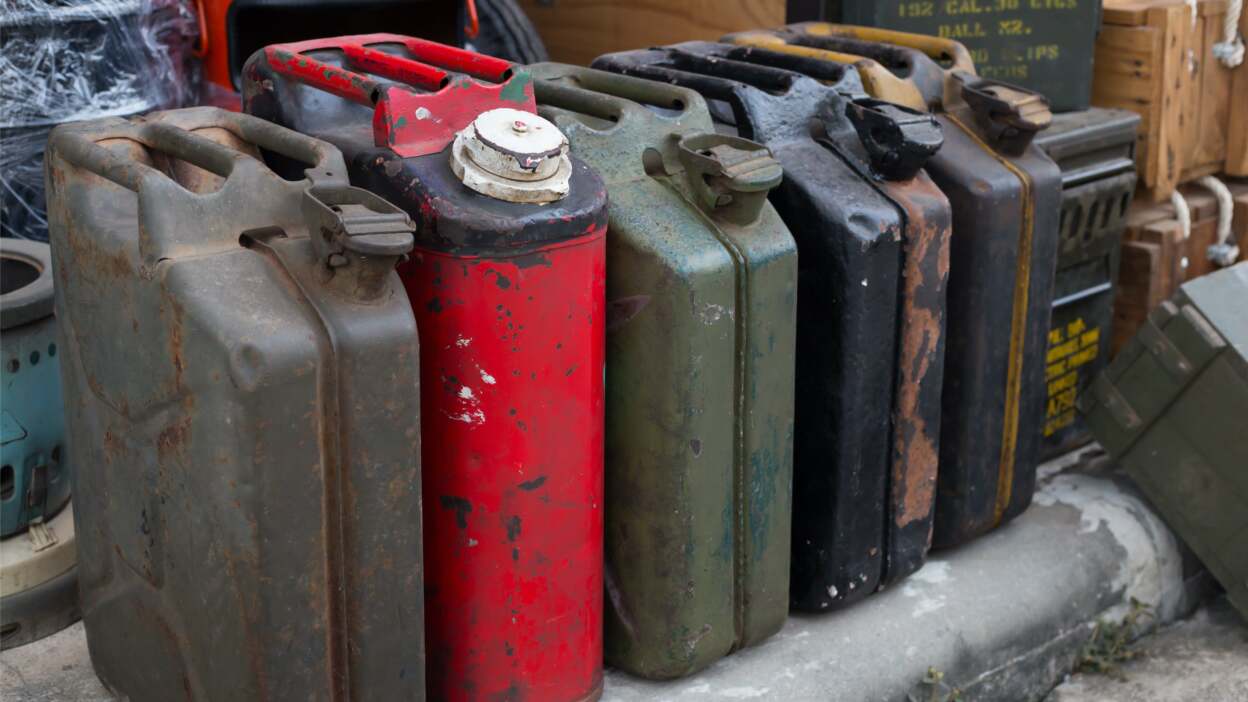
Accidents frequently happen while siphoning fuel, pouring from a can, or improperly storing gasoline. Even a small taste is considered gasoline ingestion. Accidentally swallowing gasoline can be very serious. Symptoms might be delayed, especially if coughing or vomiting occurs. If you are wondering what happens if you accidentally drink gasoline, you must treat it immediately as an urgent poison exposure and seek medical help.
Can You Drink Gasoline?
The answer to can you drink gasoline, can I drink gasoline, and can you drink gas is an absolute no. There is no safe amount for intentional use. Myths about gasoline drinking often ignore the significant danger of aspiration into the lungs. Even a small sip can cause lung injury hours later. Intentional exposure increases the risk of a larger dose and delayed care. The answer to what would happen if you drank gasoline is chemical pneumonia and dangerous nervous system effects, which can be fatal.
What Happens If Gasoline Gets In My Mouth?
Gasoline contact in the mouth irritates the lining, causing a strong chemical taste. Coughing and inhaling droplets increases risk, even without full swallowing. Excessive rinsing or gagging can accidentally increase gasoline ingestion. Irritation may cause temporary mouth dryness or numbness, and the smell can remain on the breath.
Gasoline Poisoning
Gasoline poisoning is an illness resulting from exposure, most commonly after swallowing. The primary danger is aspiration into the lungs, but gasoline also irritates the digestive tract and depresses the nervous system. Affected individuals may experience sleepiness, confusion, or unsteadiness, increasing the risk of choking. Poisoning can also occur from heavy exposure to gasoline fumes, especially in enclosed spaces. Strong gas fume exposure can cause headache and dizziness. Since breathing and alertness may worsen, gasoline poisoning requires immediate medical treatment.
Accidentally Swallowed Gasoline? Not Sure What To Do Next?
Gasoline ingestion can turn serious fast, especially if coughing or vomiting leads to aspiration into the lungs. Use this quick action plan to know what to do immediately, what symptoms need urgent care, and what notto do at home.
Gasoline Ingestion
Gasoline ingestion means swallowing gasoline, even a small amount. This differs from skin exposure or brief inhalation because gasoline can enter the airways and stomach. Coughing and vomiting increase the risk of aspiration, which can cause severe outcomes. For this reason, clinicians prioritize treating respiratory symptoms.
Gasoline Poisoning Symptoms
Gasoline poisoning symptoms may begin quickly or develop over several hours. Mild cases often present as stomach upset, while severe cases involve breathing problems or changes in alertness. Initial symptoms include a burning throat, nausea, stomach pain, vomiting, coughing, dizziness, and confusion. Chemical pneumonia, signalled by fever, worsening cough, and chest pain, can develop hours later. Trouble staying awake, bluish lips, or severe weakness indicate severe poisoning. Seek urgent medical care if symptoms progress or if a new cough appears after what happens if you ingest gasoline.
How Toxic Is Gasoline?
People often ask how toxic is gasoline because it is a common substance, yet it poses significant risks. Gasoline contains a mix of hydrocarbons and other compounds that irritate tissues and can harm the brain. Predicting the exact toxicity is difficult due to variations in the mix. The level of risk depends on the route of exposure, particularly if liquid is aspirated into the lungs.
Regarding inhalation, people frequently ask if inhaling gas fumes is bad. Yes, high concentrations in poorly ventilated areas are dangerous. Effects from breathing in gas fumes can include headache and dizziness. The toxic components are hydrocarbons that can cause lung inflammation, aromatic compounds that affect the nervous system and heart, and additives that increase irritation and the risk of vomiting.
Will You Die If You Drink Gasoline?
The outcomes of questions like will you die if you drink gasoline and can you die from drinking gasoline depend on the amount consumed, body size, and whether the substance enters the lungs. Even small amounts can be extremely dangerous if inhaled into the lungs, a process called aspiration. Larger doses significantly increase the risk of severe issues such as low oxygen levels, abnormal heart rhythms, and aspiration pneumonia.
Young children face a higher risk because small volumes are more significant for their size. If you are asking what will happen if you drink gasoline, assume the situation is serious until a medical professional evaluates you. If you are asking what happens if you drink gas after siphoning, the serious aspiration risk remains.
Worried About Aspiration Or Delayed Symptoms Hours Later?
Even if you feel “okay” at first, gasoline poisoning symptoms can worsen over time, especially breathing changes or a new cough. Learn the red-flag signs to monitor, when to go to urgent care/ER, and how clinicians typically prioritise respiratory risk.
What To Do After Drinking Gasoline
If you drink gasoline, act quickly. Get expert guidance and avoid actions that raise aspiration risk.
What to do immediately;
- Call your local poison control service or emergency number and describe the exposure. This is core to what to do if you drink gasoline.
- Seek urgent medical care right away if there is coughing, wheezing, chest pain, repeated vomiting, fainting, seizures, or unusual sleepiness.
- Keep the person calm and upright, and do not let them lie flat if they are nauseated.
- Remove fuel-soaked clothing and wash exposed skin gently.
What not to do;
- Do not induce vomiting or force gagging.
- Do not give alcohol, oils, or large meals.
- Do not give activated charcoal unless a clinician tells you to.
- Do not make the person drink large amounts of water or milk.
| Situation | What to do | What to avoid |
|---|---|---|
| Swallowed gasoline | Call poison control or urgent care, watch breathing, follow medical advice | Do not induce vomiting or give home remedies |
| Gasoline in the eye | Rinse with running water for 15 minutes, then seek medical advice | Do not rub the eye or use neutralising chemicals |
| Gasoline on skin | Remove clothing, wash with soap and water, and use gasoline on skin guides if irritation persists | Do not scrub harshly or cover tightly |
| Breathing gas fumes | Move to fresh air, rest and seek care if symptoms continue | Do not stay in enclosed vapour areas |
If improper storage or siphoning caused the incident, consider a certified home safety inspection for fuel storage and ventilation. A 24-hour emergency consultation service can guide the next steps while you contact local emergency care for assistance.
What Does Gasoline Do To The Body?
Following gasoline ingestion, adverse effects can affect the lungs, stomach, brain, and heart. Aspiration can cause lung inflammation, lower oxygen, resulting in rapid breathing, wheezing, and chest pain. Central nervous system depression may lead to drowsiness, slowed reactions, and confusion. Stomach irritation often triggers vomiting, increasing aspiration risk. Reduced oxygen and chemical stress can strain the heart, elevating the risk of irregular rhythms. Initial mild symptoms may worsen later.
What Does Gasoline Do To Your Stomach?
Gasoline ingestion can irritate the stomach lining, causing nausea and vomiting. Larger exposures risk gasoline burns in the digestive tract. Vomiting increases the chance of inhalation, making what happens if you ingest gasoline include a serious lung issue too. Seek urgent care for persistent pain, repeated vomiting, or bloody vomit.
How Quickly Does Gas Poisoning Kick In?
Initial symptoms, such as coughing, throat irritation, and nausea, can start within minutes after what happens if u drink gasoline events. Lung inflammation may cause other, delayed symptoms. Symptom speed depends on the dose, vomiting, and vapour exposure. Do not ignore new cough or breathing trouble after significant gas exposure, as delayed symptoms are still dangerous.
Are Gasoline Fumes Harmful?
Whether gasoline fumes are harmful is dependent on concentration and ventilation. Gasoline fumes can irritate the eyes and airways and negatively affect the brain. High levels in enclosed spaces can cause severe dizziness, nausea, confusion, and fainting. This is why people ask, can the smell of gasoline kill you. Extreme exposure in a closed area can be dangerous. More common petrol smell side effects include headache, nausea, throat irritation, burning eyes, or coughing after breathing gas fumes.
Signs of vapour exposure can include
- Headache, dizziness, nausea from gas fumes
- Eye, nose, throat irritation
- Drowsiness, poor coordination
- Worsening wheeze in people with asthma
If you feel unwell, move to fresh air and seek medical advice. Urgent care is required if symptoms are severe or persistent. A clinician may administer oxygen and supportive gas inhalation treatment based on the specific symptoms you exhibit.
Gasoline Exposure From Siphoning, Fumes, Eyes, Or Skin?
Not all exposures are the same swallowing, inhaling heavy fumes, and eye/skin contact each have different first-aid steps and avoidable mistakes. Use the situation-based guide to respond correctly and reduce risk while you get professional help.
Why Gasoline Siphoning Can Cause Pneumonia
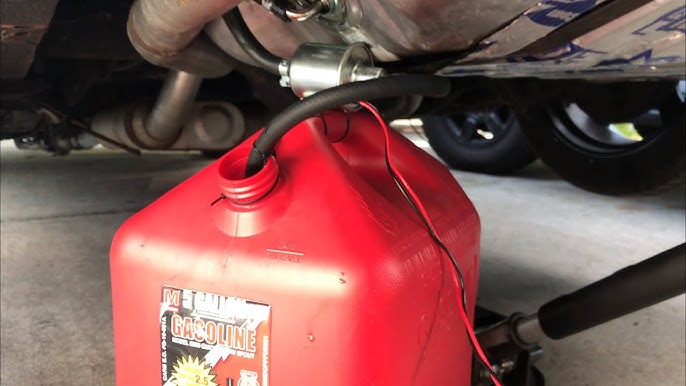
Siphoning can send droplets into the mouth and airways, leading to gasoline ingestion and aspiration. Lung injury can develop even when the swallowed amount seems small. If you are searching for what happens if you swallow gas or what would happen if you drank gas after siphoning, the main risk is chemical pneumonia. Use approved fuel transfer pumps instead of mouth siphoning and store fuel in proper labelled containers. For workplaces and high-risk setups, professional fuel handling safety consultations can reduce future incidents.