Need Emergency Fuel Delivery?
  info@elanfuels.com
Key Takeaways
- E10 gasoline means petrol with about 10% ethanol by volume.
- The number 10 in E10 shows the percentage of ethanol blended with gasoline
- Whether E10 is the same as unleaded depends on your country, most unleaded is already blended.
- E10 octane rating can vary by region, octane and ethanol content are related but not identical.
- E0 gas is ethanol-free fuel, it stores better and can suit small engines.
Table of Contents
What Is E10 Gas?
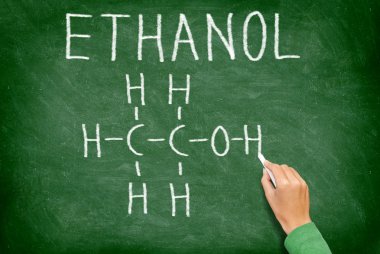
If you ask what E10 gas is, it is essentially petrol blended with ethanol. The letter E stands for ethanol, and the number 10 indicates an ethanol content of about 10%. That is the fundamental E10 meaning, which is also the E10 fuel meaning displayed on pump labels.
Drivers often compare what is E10 fuel with ethanol-free petrol. Ethanol-free fuel is commonly known as E0, while gasoline E10 has ethanol added. The primary reason E10 gas is widely available is due to fuel markets implementing ethanol blending standards. Most modern vehicles are manufactured to operate efficiently on this mixture, which makes “what is E10 gas” at the pump a very common query today.
What Is 10 Percent Ethanol Gas?
To understand what 10% ethanol gas is, first consider ethanol itself. Ethanol is a renewable alcohol sourced from crops like corn or sugarcane, as well as other plant-based feedstocks. Fuel suppliers mix ethanol with petrol to create a stable, usable fuel blend for standard engines. The common questions, what is 10 ethanol gas or what does 10 ethanol mean, refer to the blend ratio, specifically 10% ethanol and 90% petrol. This blend, often called E10 gas, slightly alters fuel chemistry. Ethanol contains oxygen, which assists combustion, but it possesses less energy per litre than pure petrol. Consequently, E10 gas may deliver slightly fewer kilometres per tank than non-ethanol fuel in certain vehicles. Searches like what is 10% ethanol or what is 10% ethanol describe this same 10% blend concept.
What Is E10 Gas At The Pump?
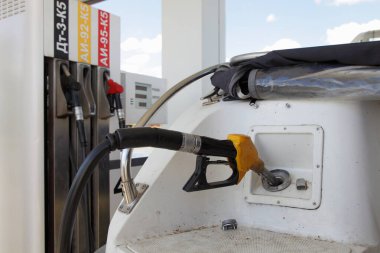
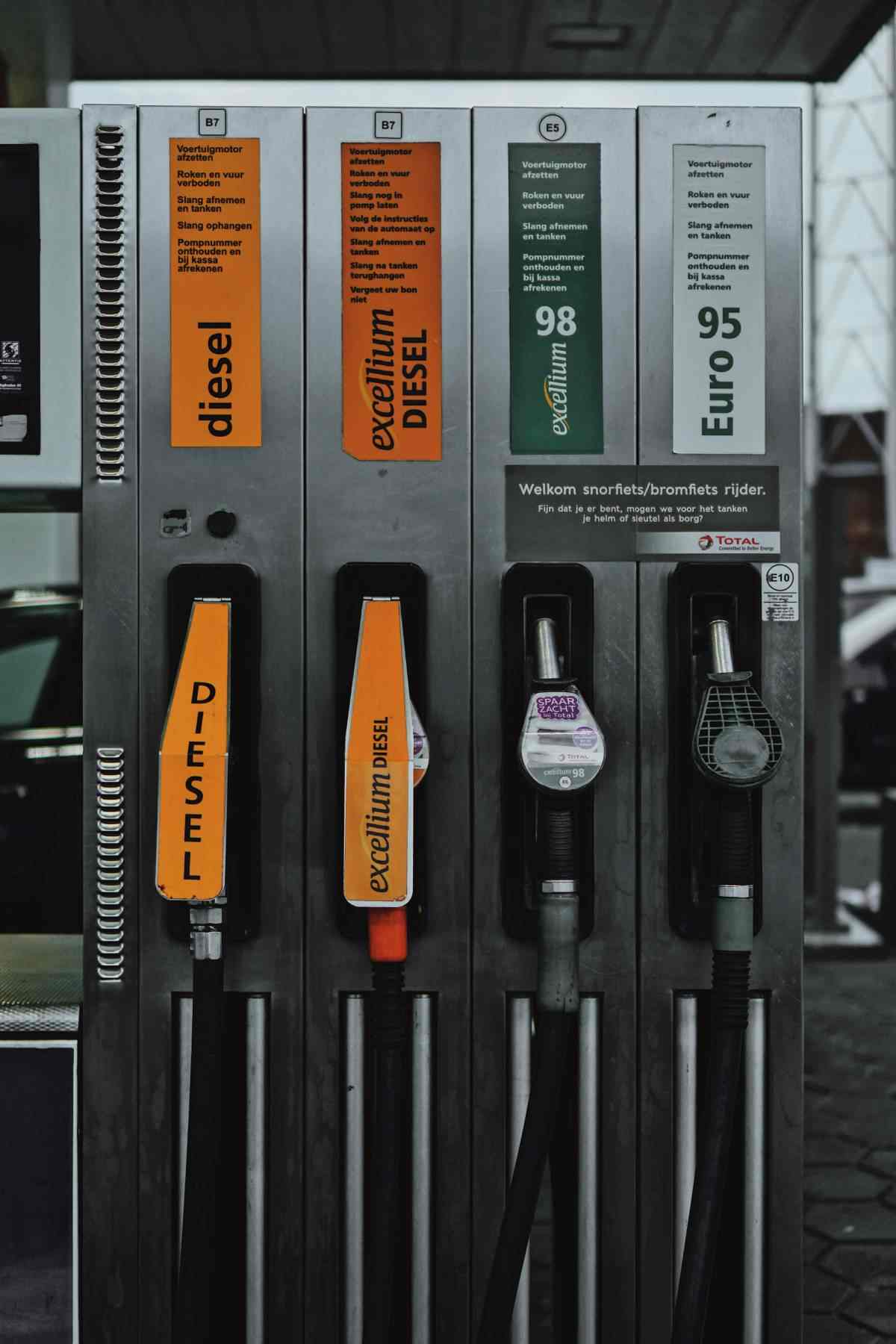
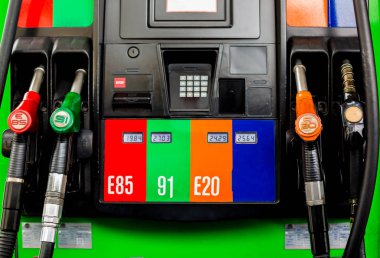
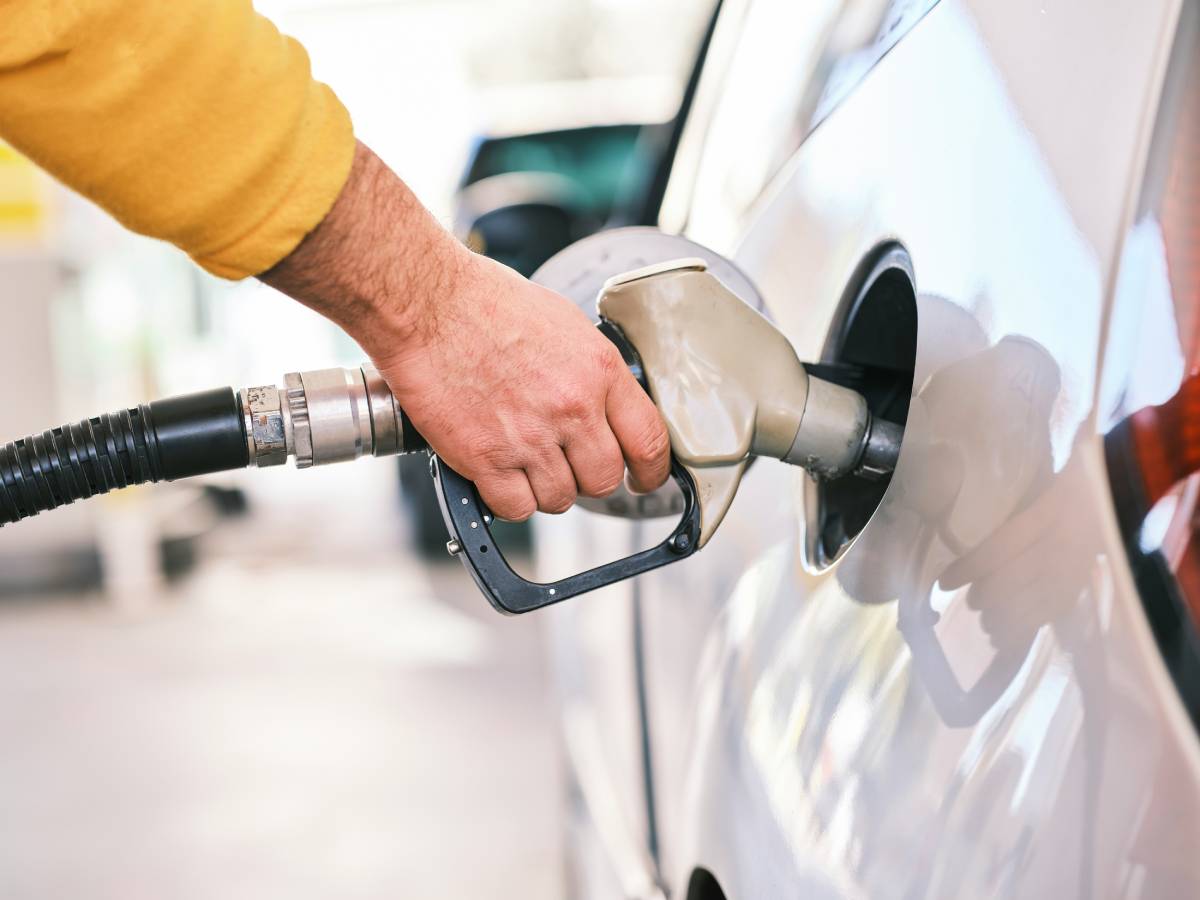
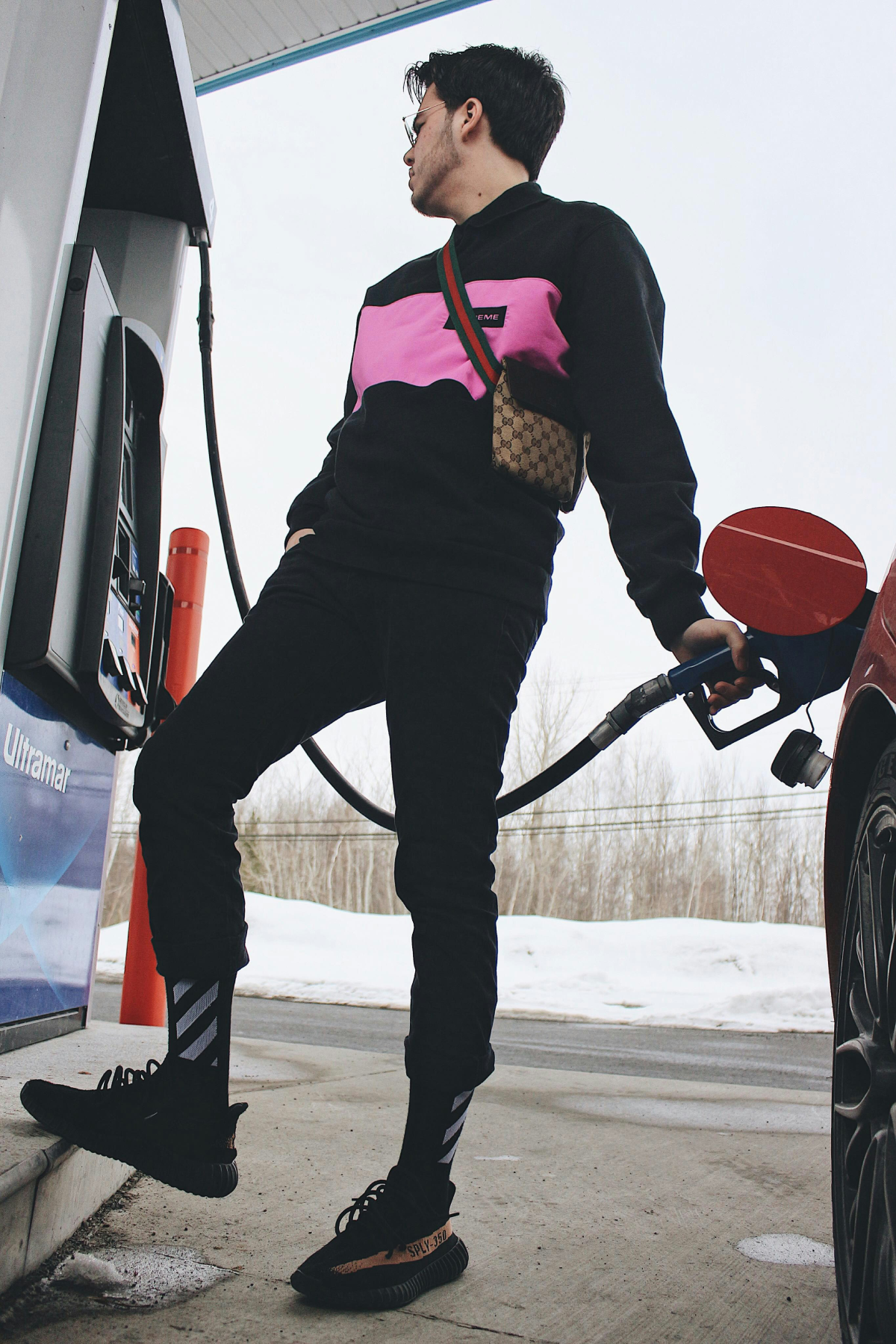
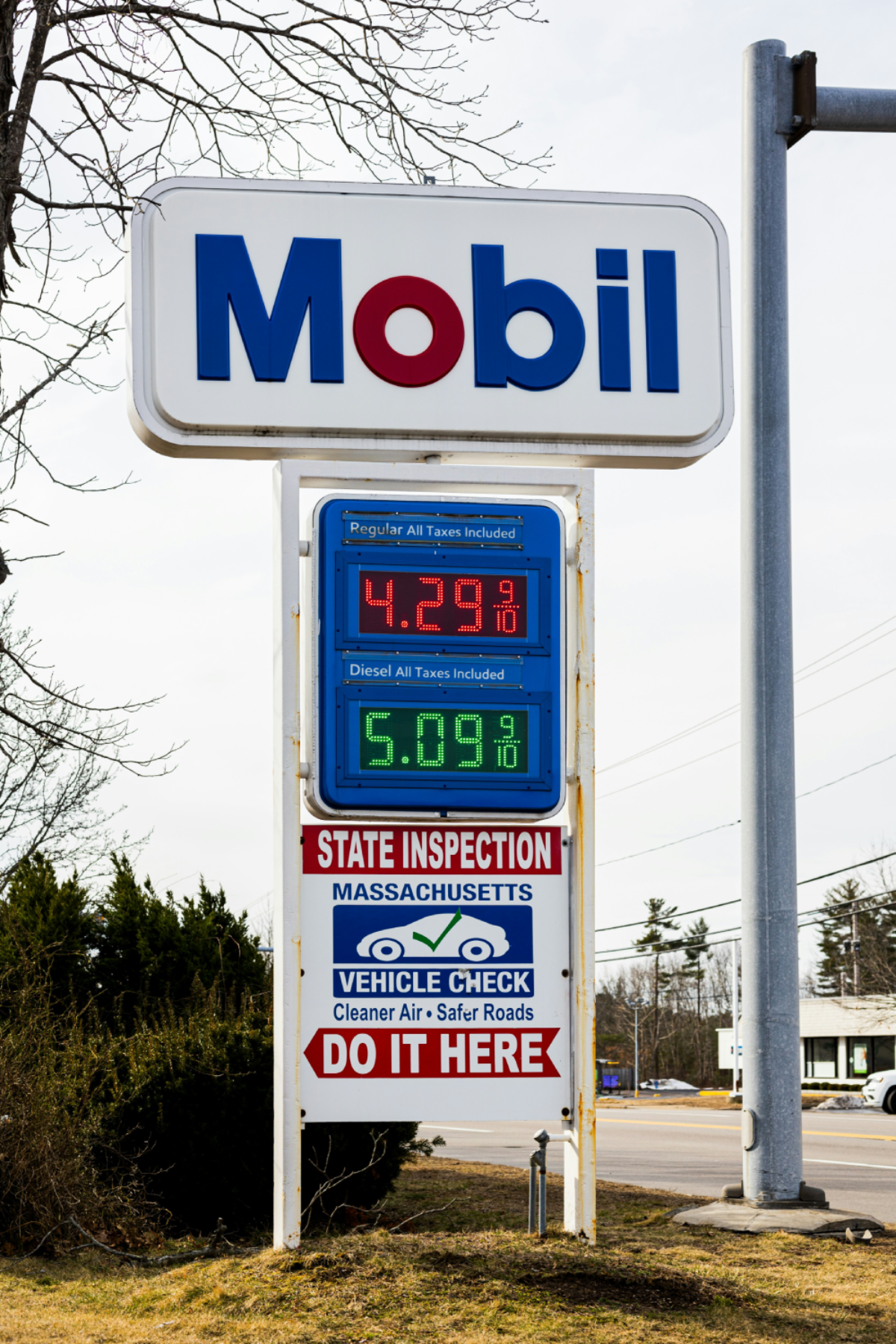
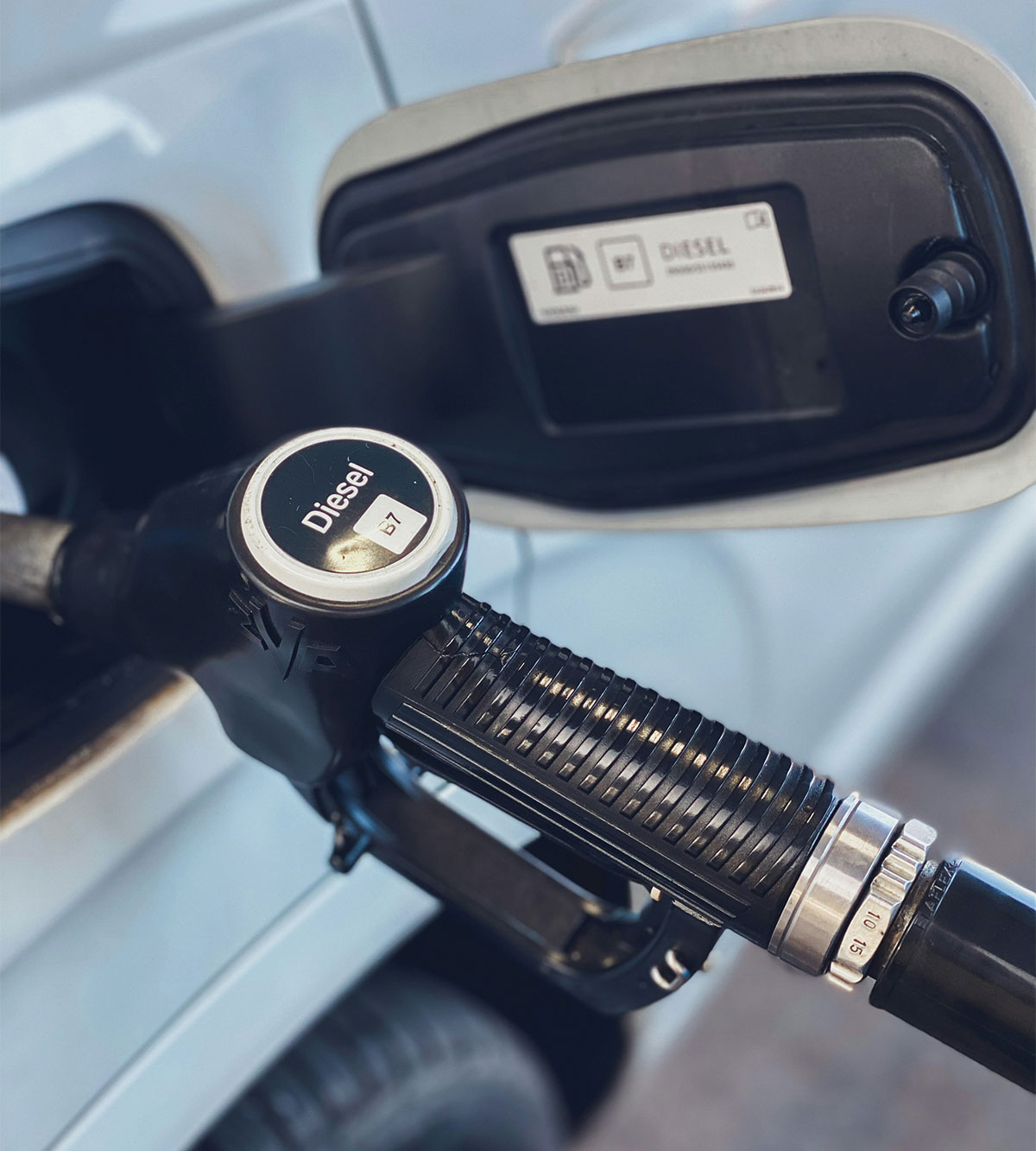
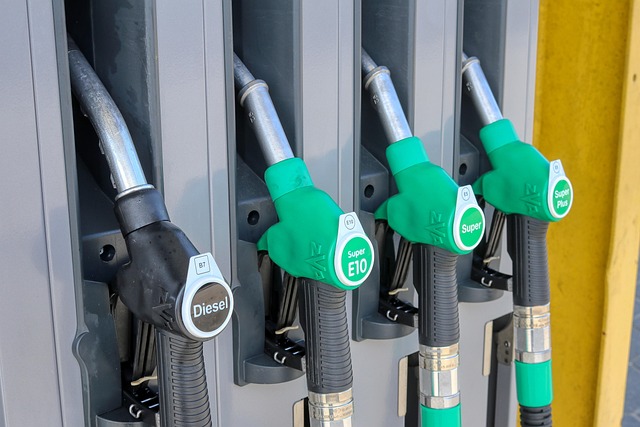
Determining what E10 gas is at the pump usually involves reading the label before fueling. Some pumps clearly state E10, while others use wording like “contains up to 10% ethanol.” The label might be small, located near the grade button or on the nozzle area.
Use these quick checks to identify E10 gas
- Look for a sticker that says E10 or contains ethanol up to 10%.
- Check the grade name, some stations list it as unleaded E10.
- Look for an ethanol notice on the pump face, near the price per litre.
- If the pump offers ethanol-free fuel, it may show both E0 and E10 options.
- If you are unsure, ask the station attendant or check the station fuel notice.
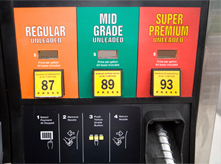
Labelling varies by region. In the United States, regular fuel grades are often shown with octane numbers like 87. In Europe, grades are often shown with names tied to RON and may appear alongside E labels. That is why a traveller can see different terms for the same general idea.
Confused By E10 Labels At The Pump?
If you’re wondering what E10 gas means, use our quick pump-label checklist to spot “E10” or “up to 10% ethanol” before you fill up—so you buy the right fuel for your car and region.
Where To Buy E10 Gas
In many markets, E10 gas is the default option at standard fuel stations. It is commonly found alongside regular unleaded fuel, particularly in cities and on main highways. While some rural areas may offer ethanol-free fuel as a separate choice, E10 petrol remains widely accessible.
Pricing varies for these options. Often, E10 gas is priced the same as standard unleaded since it is the standard product. Ethanol-free fuel may cost more because it is considered a speciality blend. To find a specific ethanol content, people often search for where to get E0 E10 gas. Checking station websites, fuel apps, or local consumer lists is a practical way to locate specific fuel options.
Is E10 The Same As Unleaded Gas?
Many people ask if E10 is the same as unleaded because unleaded simply means the fuel lacks lead additives, it does not describe the presence of ethanol. Unleaded defines what is absent from the fuel, whereas E10 specifies what is blended into the fuel. The question of E10 vs unleaded can be confusing because both can be true simultaneously. In many countries, regular unleaded petrol already contains ethanol, typically between 5-10%. Therefore, you can have unleaded fuel that is E10, and you can also have unleaded fuel that is ethanol -free.
Drivers also ask what number is unleaded and what number is unleaded gas. This number refers to the octane rating, which indicates knock resistance, not ethanol content. Thus, unleaded octane rating and ethanol blending must be considered as separate details.
E10 Vs 91 95 Vs 98 Unleaded Petrol Which Is Better?
Higher octane fuels resist engine knock better, making them ideal for high compression or turbocharged engines. Use the grade recommended in your owner’s manual. In Europe, labels like unleaded 95, petrol 95, 95 gasoline, sp95 e10, or sans plomb 95 e10 indicate both octane and ethanol content. Always use the required grade; higher octane offers no benefit for engines designed for regular fuel. Octane provides knock resistance, not inherent power.
Is E10 Regular Gas Or Equivalent To 87 Octane?
A common question is whether E10 is regular gas. In many regions, E10 gas is the standard regular unleaded fuel. Another frequent query is whether E10 gas is the same as 87. This is not always true, as it depends on the specific country and gas station. Octane rating and ethanol blending are related but distinct concepts. Ethanol naturally increases the octane value of the fuel, which helps to raise the overall blend octane. The final grade displayed on the pump is determined by the market’s fuel specification. For example, regular fuel in the United States is typically 87 AKI, while European markets often use the higher-looking RON numbers for the same fuel behavior.
E10 Vs E0—Which Fuel Should You Actually Choose?
Not sure whether to use E10 gasoline or ethanol-free E0? Use a simple decision guide based on storage needs, small engines vs modern cars, and everyday availability—without guesswork.
What Octane Rating Is E10 Fuel?
The question of what octane rating E10 fuel has does not have a fixed answer. Ethanol content determines the E10 blend percentage, while the octane number is the finished fuel’s rating for knock resistance. One station might sell E10 gas as 87 octane, while another might sell a higher grade. E10 describes ethanol content, and the octane number describes knock resistance. Always choose the octane grade your vehicle needs, then consider ethanol content.
What Is E0 And E10 Gas?
When comparing what E0 and E10 gas are, the core distinction lies in ethanol content. E0 gas is pure petrol, containing no ethanol. E10 is gasoline blended with up to 10% ethanol. The choice between E0 and E10 fuel, meaning ethanol-free or ethanol-blended, is often indicated on gas station signage or through fuel locator apps. Consumers search for what E0 and E10 gas are, what E0 or E10 gas is, and what E0 and E10 mean to understand the meaning of these terms displayed at the pump. Some key differences between E0 gas and E10 gas;
- Storage life: Ethanol-free fuel usually stores longer with fewer issues.
- Water absorption: Ethanol can attract moisture, which matters for storage.
- Material compatibility: Older fuel systems can be more sensitive to ethanol.
- Availability: E10 gas is often more common than ethanol-free fuel.
- Cost: Ethanol-free fuel can be priced higher in some areas.
You may even see alternate spellings in searches like eo e10 gas. In most cases, it refers to E0 and E10 options.
Where To Get E0 And E10 Gas For Small Engines
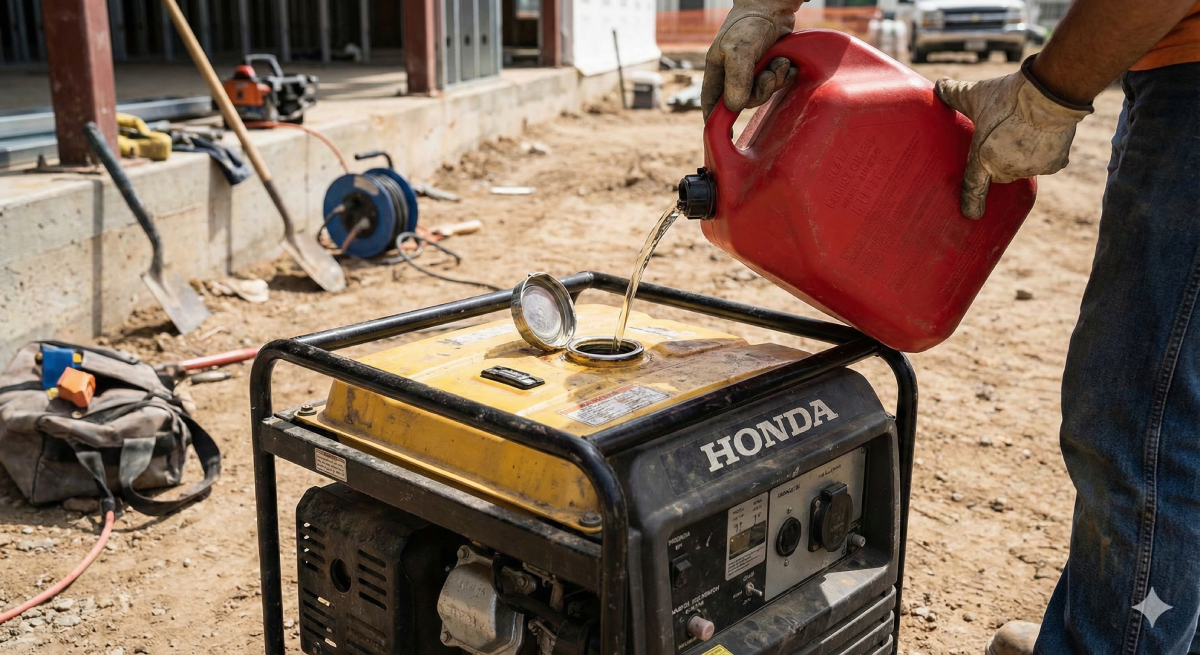
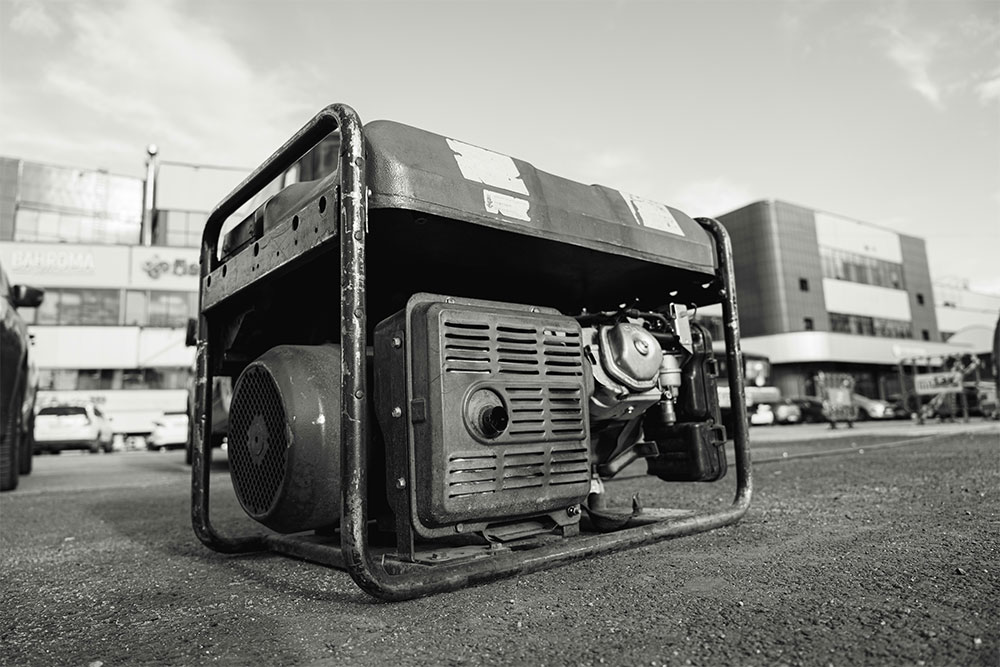
Small engines, such as those in lawn mowers, trimmers, and some generators, are highly sensitive to ethanol blends, especially after long storage periods. This is why people search for E0, E10 gas for lawn mowers and similar phrases. Ethanol fuel risks include hard starting, gum and varnish buildup, and damage to older rubber parts. For the safest choice, use ethanol-free fuel or follow manufacturer guidance. Searches like where to get E0, E10 gas are common because availability varies.
What Is E10 Gas Used For?
Most drivers commonly use E10 gas for routine driving because it suits modern vehicle fuel systems and meets fuel supply standards. Its performance generally mirrors regular petrol, provided the correct octane grade is selected. Expect fuel economy to remain similar, although some vehicles may experience a slight reduction in kilometres per tank compared to ethanol-free fuel. This minor difference is most noticeable during steady highway driving, but it is typically not dramatic for the average driver.
What Is E10 Petrol In Europe And Other Regions?
International naming conventions often lead people to ask what e10 gas means, resulting in mixed answers. In Europe, terms like e10 petrol, sp95 e10, unleaded 95, and sans plomb 95 e10 are common, combining octane numbers with ethanol labels. Depending on the region and language, drivers may also see references such as roz 95 fuel, e95 fuel, e95 gas, or e 95.
In the United States, searches like gasolina e10 or cual es la gasolina e10 en estados unidos indicate a translation of pump terms. German speakers may search for e10 tanken. Despite the varying labels, E10 consistently signifies a petrol blend containing approximately 10% ethanol. Octane numbers differ across rating systems, meaning the same practical fuel can have different numerical labels worldwide.
What Are Ethanol Blends Like E10 E15 And E85?
Ethanol blends are classified by the percentage of ethanol mixed with petrol. E10 contains 10% ethanol. E15 has 15% ethanol. E85 is a high-ethanol blend mainly for flex-fuel vehicles.
Here is a simple comparison table.
| Blend | Ethanol content | Typical use | Vehicle compatibility |
|---|---|---|---|
| E0 | 0% | Storage fuel, small engines, speciality | Many vehicles, check local availability |
| E10 | 10% | Everyday driving fuel | Most modern petrol cars |
| E15 | 15% | Some markets, regular driving | Only vehicles approved for E15 |
| E85 | 85% | High ethanol fuel | Flex fuel vehicles only |
Before choosing a blend, keep these points in mind
- Use the fuel your owner’s manual recommends.
- Do not assume higher ethanol is better for every engine.
- If the pump label is unclear, ask before filling.
Can All Cars Run On E10 Gas?
Most modern petrol cars can use E10 gas without problems, but compatibility varies. Some older vehicles, classic cars, and certain motorcycles have fuel system materials that do not tolerate ethanol well. Manufacturers may also limit ethanol content for specific models or years. Always check the fuel door label, the owner’s manual, or the manufacturer’s compatibility list if you are unsure. If your vehicle is not approved for E10, you may need ethanol-free fuel or a lower ethanol blend. This clarifies what E10 fuel is and its suitability for specific engines.
Why Is Ethanol Used In Gasoline?
Ethanol is blended into petrol because it is made from renewable plant sources and can be supplied at scale. It also helps improve octane performance in fuel formulations. Ethanol blending is often an integral part of a country’s fuel policy, supply plan, and emissions strategy.
Searches for what E10 fuel reflects the same term written in different ways, including e-10 fuel and e-10. You might also see e10 essence in French contexts or the incorrect term e10 oil. In fuel labelling, E10 indicates the ethanol content in petrol, not motor oil.
Is E10 The Same As Unleaded Or 87 Octane?
Unleaded, octane numbers, and ethanol blends get mixed up fast. Learn how E10 fuel relates (and doesn’t relate) to unleaded and 87—so you pick the octane your engine needs and confirm ethanol compatibility.
What Are The Environmental Benefits Of Ethanol Fuel?
The environmental picture depends on feedstock, farming practices, and how the ethanol is produced, but ethanol blending can change tailpipe emissions characteristics compared with pure petrol. Ethanol contains oxygen, which can support more complete combustion under some conditions. Ethanol is also renewable in the sense that it comes from plant material that can be grown again